Town centre
Buses, local lifeThe streets around the market and the bus stations, with guesthouses and the cruise quays.

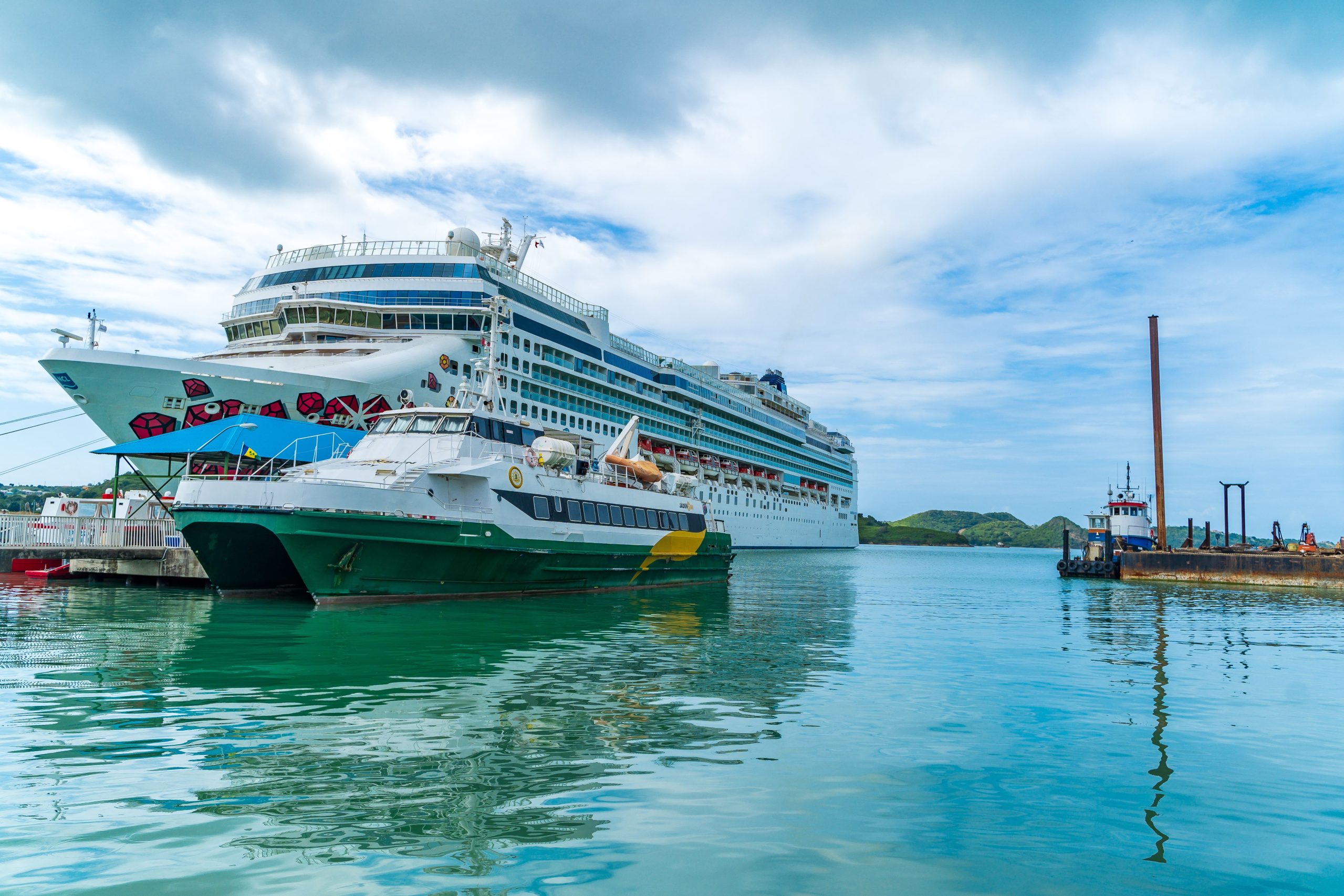
Antigua's small, colourful capital: a twin-towered cathedral, a Saturday market, cruise ships in the harbour and the island's best beaches a short bus or taxi ride away.
St John's is the capital of Antigua and Barbuda and the island's only real town, set around a deep harbour on the north-west coast. Cruise ships dock at Heritage Quay, a few minutes' walk from the centre, and on cruise days the streets fill with visitors. When they leave, it becomes a busy, ordinary Caribbean town of wooden houses, rum shops and street food.
The main sights are close together: the Anglican cathedral with its twin white towers on the hill, the Museum of Antigua and Barbuda in the old colonial courthouse, the restored waterfront of Redcliffe Quay and the public market, liveliest on Saturday mornings. Fort James, at the mouth of the harbour, has old cannons and a beach.
St John's is the hub of the bus network and the easiest base for exploring without a car. The north-west beaches, such as Dickenson Bay and Runaway Bay, are minutes away, and the west coast beaches around Jolly Harbour, including Valley Church, Ffryes and Darkwood, are half an hour by bus. Give it two or three days as a base, with day trips to English Harbour and Shirley Heights.
Stay in or near town for buses and local life, at Dickenson Bay or Runaway Bay for the beach, or around Jolly Harbour on the calmer west coast.
The streets around the market and the bus stations, with guesthouses and the cruise quays.
The north-west beaches, minutes from town.
The west coast, with a marina and calm sunset beaches nearby.
Map data from OpenStreetMap contributors.
Start at the Museum of Antigua and Barbuda, in the 18th-century courthouse, for the island's history from its first Indigenous inhabitants through the sugar plantations and slavery to independence in 1981. Walk up to the cathedral on the hill, then down to Redcliffe Quay, a restored corner of old warehouses with cafés and shops, and Heritage Quay by the cruise dock.
Visit the public market on a Saturday morning for tropical fruit, vegetables, spices and local snacks. Walk or take a short taxi to Fort James at the harbour mouth, with old cannons, views and a beach.
The beaches are the main reason to stay on this side of the island. Dickenson Bay has watersports and beach bars, Runaway Bay is quieter, and the west coast around Jolly Harbour has calm water and sunset beaches such as Darkwood and Ffryes. Day trips go to Nelson's Dockyard and Shirley Heights in the south, Devil's Bridge on the east coast and Betty's Hope, a former sugar plantation with restored windmills.
All beaches in Antigua are public, so every beach is free, including those in front of resorts. Fort James and its beach are free to visit.
Walking the town, the cathedral grounds, the waterfront and the market costs nothing. The museum asks for a small donation.
Watching the sunset from Darkwood or Ffryes beach on the west coast is free, once you get there.
The national dish is fungie and pepperpot, a cornmeal dumpling with a thick vegetable and meat stew. Saltfish, ducana (a sweet potato dumpling), roti, conch and grilled lobster in season are all worth trying.
Roadside stands and local restaurants in town sell roti and plates of local food much cheaper than the resorts. The Saturday market is the place for fruit, including the Antigua black pineapple, one of the sweetest in the world.
Wadadli is the local beer, and English Harbour rum is made on the island.
Nightlife in St John's is low-key, with bars and rum shops in town and a few clubs at weekends. Beach bars at Dickenson Bay and around Jolly Harbour are busier in the evenings.
The big night of the week is Sunday at Shirley Heights in the south, with steelpan and reggae at sunset. Buses barely run on Sundays, so book a taxi there and back.
Take licensed taxis at night.
Minibuses leave from two terminals in St John's: the West Bus Station for the south and west, including English Harbour and Jolly Harbour, and the East Bus Station for the east. They are cheap and frequent on the main routes, but stop in the early evening and barely run on Sundays.
Taxis are not metered; fares are set by the government, so agree the price first. V.C. Bird International Airport is around 15 minutes from town.
Hiring a car is the easiest way to reach quieter beaches. You need a temporary local driving permit, issued with the rental, and you drive on the left. Ferries to Barbuda leave from St John's.
Antigua is expensive, with very few budget beds. The cheapest options are in guesthouses and small apartments, from around €40 to €80 a night, with more in the high season from December to April.
Eat at roadside stands and local restaurants: a roti or a plate of local food costs €7 to €12, against €25 to €40 for a main course in tourist restaurants. Buses cost around €1.50 to €3.
The currency is the Eastern Caribbean dollar, fixed to the US dollar, and US dollars are widely accepted, though change often comes in EC dollars.
St John's is generally safe. Petty theft and bag snatching happen, especially after dark when the cruise crowds have gone. Avoid unlit streets at night and use licensed taxis.
Do not leave belongings on the beach or in parked cars.
The west and north-west beaches are usually calm. Hurricane season runs from June to November, so get travel insurance that covers disruption. In an emergency, call 911 or 999.
The dockyard, the lookout and the east coast.
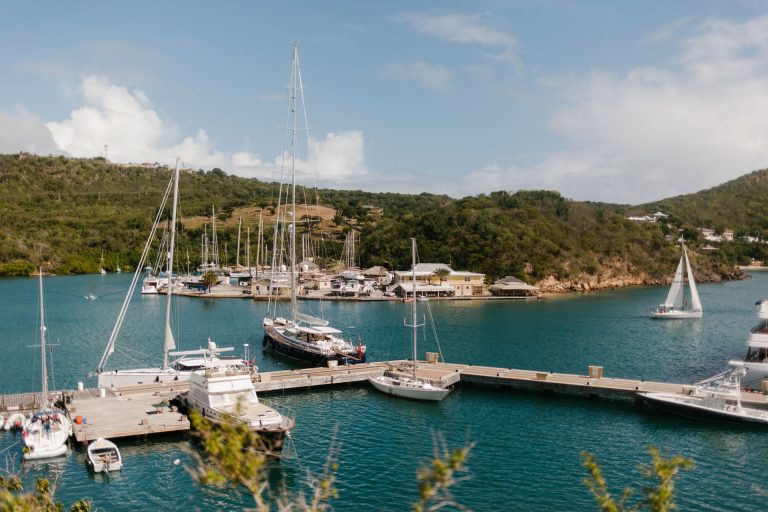
A Georgian naval dockyard, UNESCO-listed.
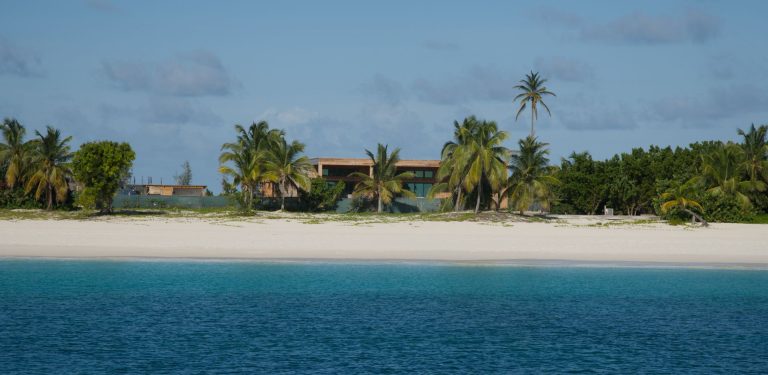
Pink sand and frigate birds.
Carnival, cricket and the Saturday market.
Calypso, J'ouvert and a road march. The island's biggest celebration.
Parades and celebrations.
The busiest day at the public market.
December to April is the dry season, sunny and breezy, and the busiest and most expensive. May and June are hot and quieter. July to November is hurricane season, wetter and cheaper, with Carnival in late July and early August.
Average highs, rounded. Warm all year.
Per night, for one person, based on St John's prices.
Treat these as a guide. Boat trips and car hire cost extra.
The ones we get asked most.

Planning a Caribbean trip? Meet other travellers and find hostels on the next islands in the Hostelworld app.

 Get the App.



 Get the App.