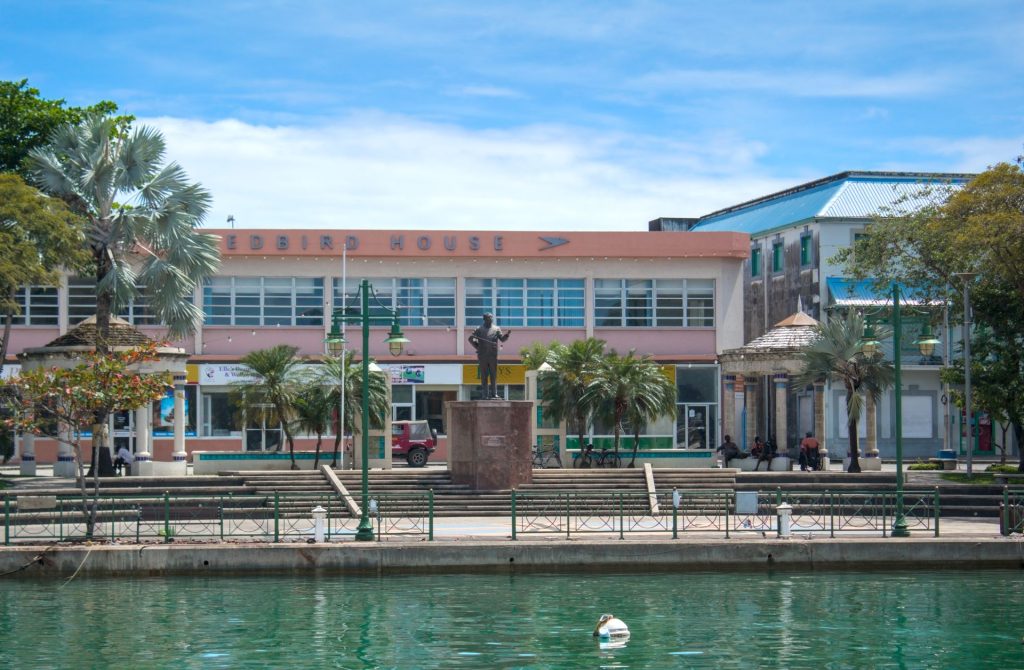
Bridgetown
The capital: a UNESCO-listed garrison, a harbour, and the island's transport hub.

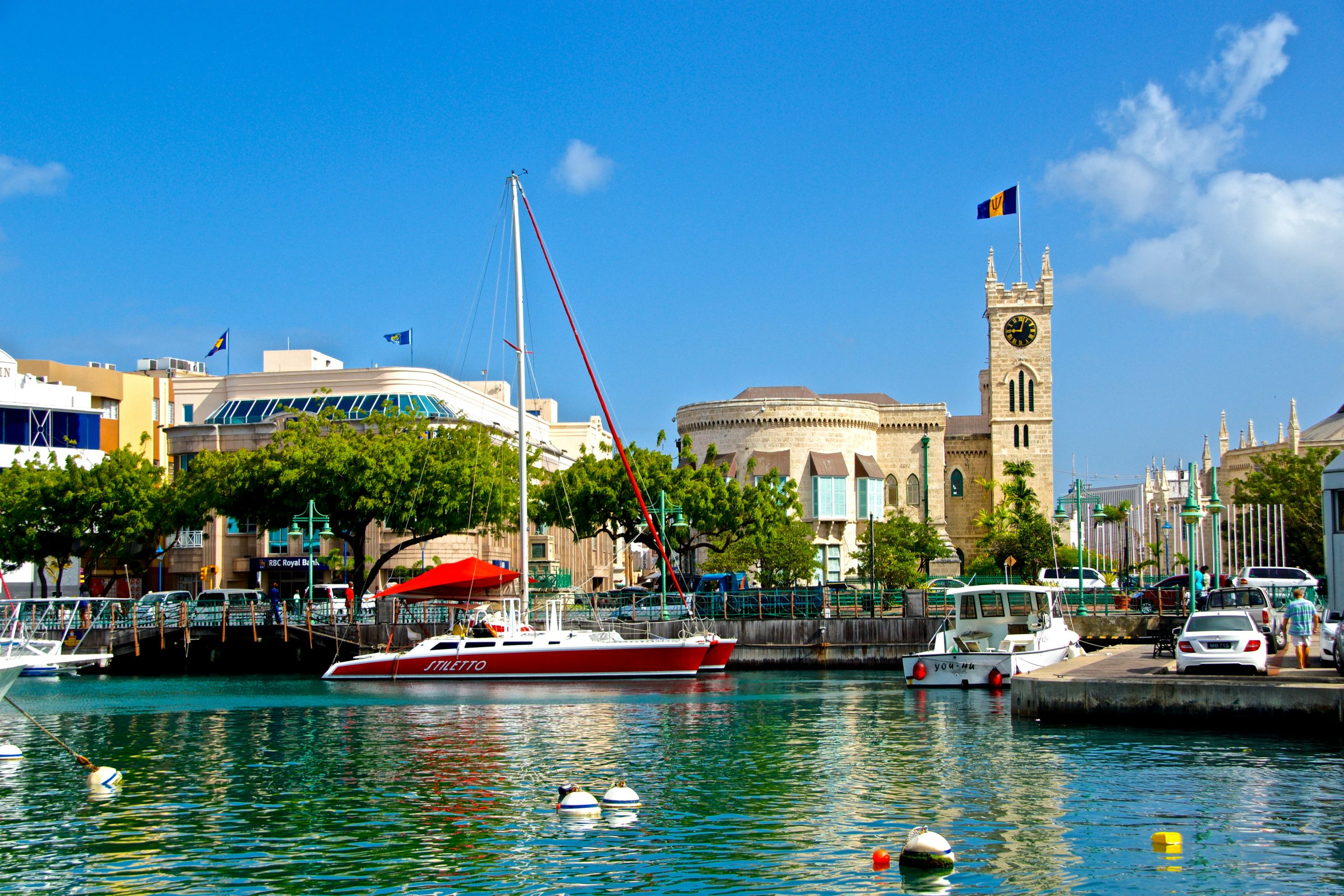
Calm Caribbean water on one coast and Atlantic surf on the other, rum that was invented here, and a Friday night fish fry the whole island turns up to.
Barbados is 34km long and you can drive around it in a few hours. It is one of the most developed and easiest Caribbean islands to travel — good buses, English-speaking, safe, and with a clear split between two very different coasts.
The west and south coasts are calm Caribbean water, with the beaches and most of the accommodation. The east coast faces the open Atlantic and is wild and windswept, with Bathsheba's rock formations and the surf break known as the Soup Bowl.
Bridgetown, the capital, is a UNESCO site with garrison buildings and a working harbour. Inland there are caves, gullies and plantation houses.
The island invented rum — Mount Gay dates its distilling to 1703 — and Friday night at the Oistins fish fry is the social event of the week for Barbadians and visitors alike.
A week is plenty.
Blue government buses and yellow ZR vans cover the island at a flat fare.
The capital: a UNESCO-listed garrison, a harbour, and the island's transport hub.
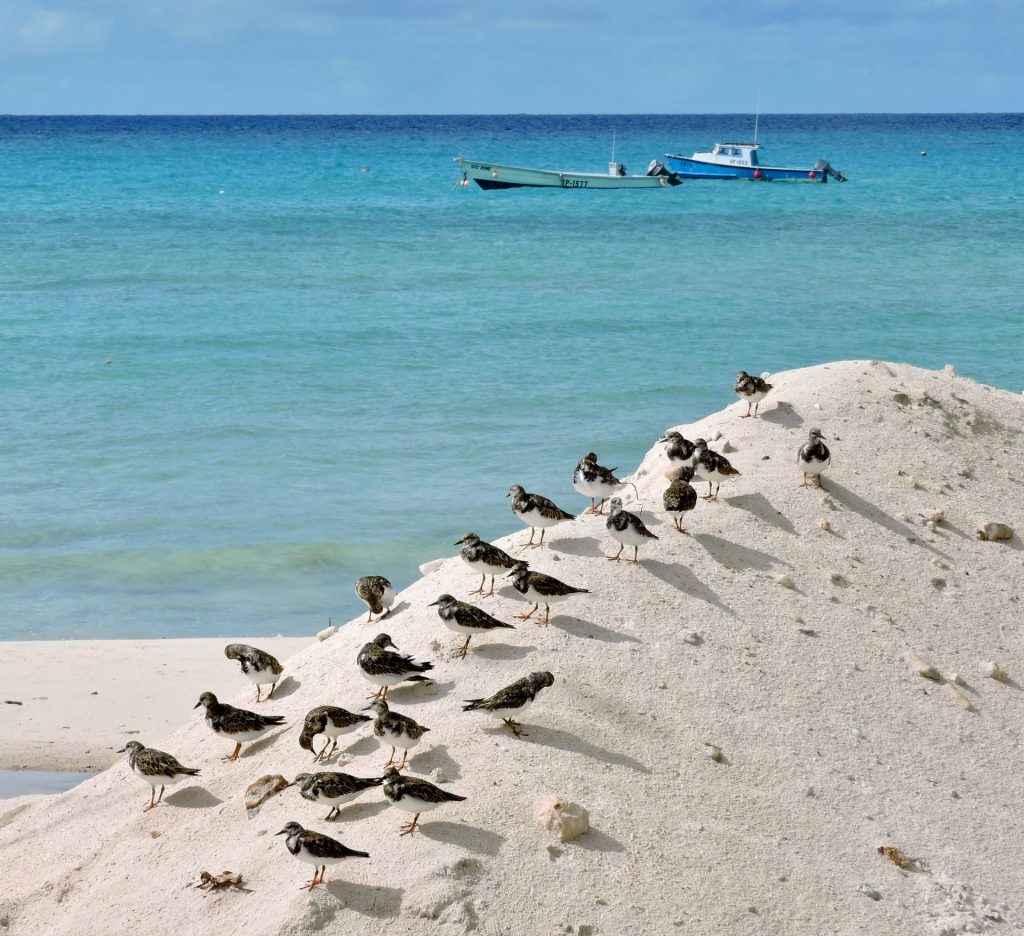
The south coast strip in Christ Church: beaches, guesthouses, bars and the Oistins fish fry.
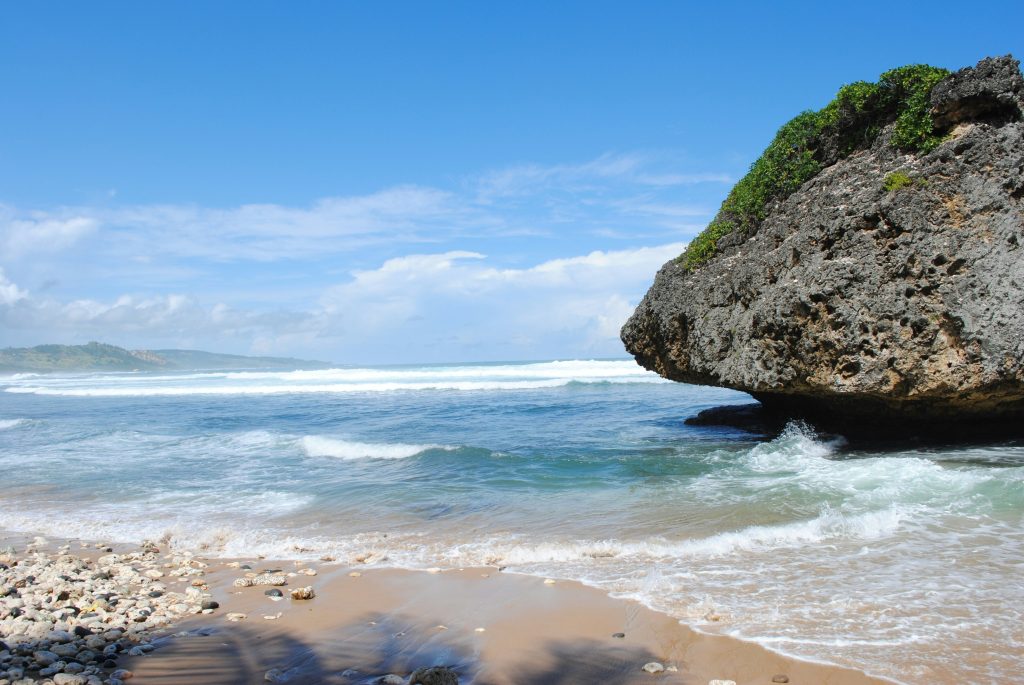
The wild Atlantic east coast, with rock formations and the Soup Bowl surf break.
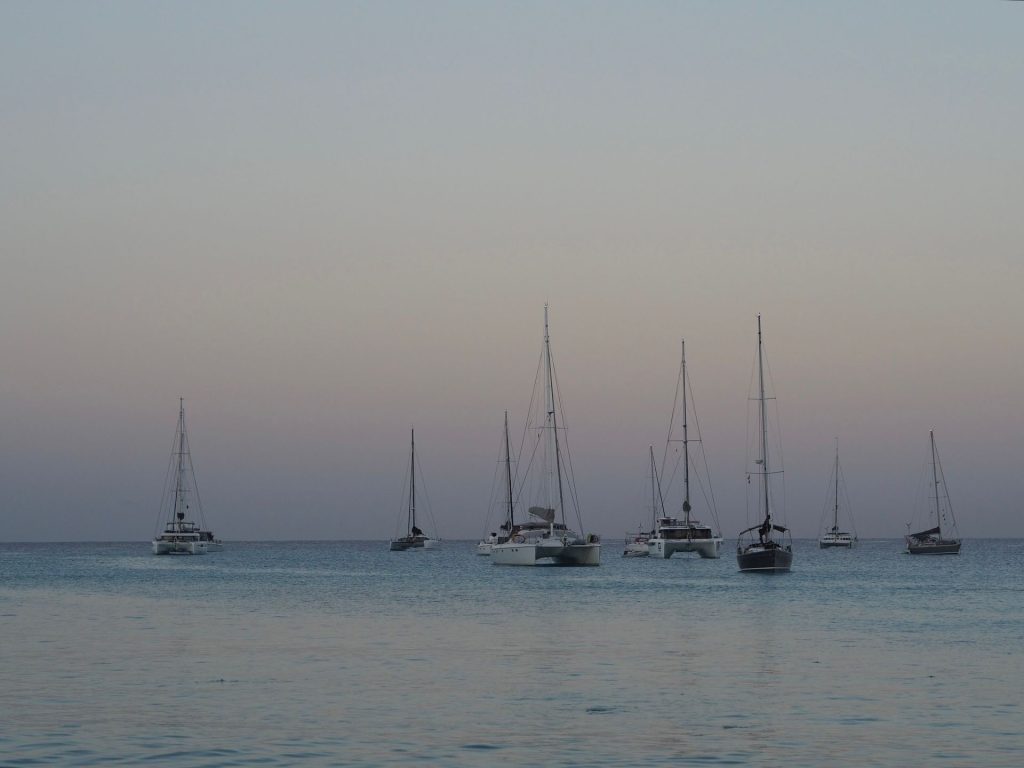
The west coast: calm water, snorkelling with turtles, quieter Speightstown and the pricier end of the island.
Barbados is a beach and rum island with surf on one side, and it is genuinely easy to travel.
Calm on one coast, Atlantic on the other.
Flying fish, cou-cou and a Friday fish fry.
Rum, plantation history and Crop Over.
Surf, caves and gullies.
Rum shops, St Lawrence Gap and Friday at Oistins.
Pricey, with genuine ways around it.
Oistins fish fry on a Friday night is the thing to plan around. A row of stalls grills fresh fish beside the beach, music plays, and the crowd is a genuine mix of Barbadians and visitors. A plate costs BBD$30 to BBD$50 and it runs late.
Swimming with turtles and over shipwrecks in Carlisle Bay, just outside Bridgetown, is the standard good day on the water — boat trips run from the harbour and snorkelling is straightforward.
Bathsheba on the east coast is the other side of the island in every sense: huge rock formations in shallow water, Atlantic swell, and the Soup Bowl, a serious surf break that has hosted international competition.
Rum is the island's cultural export. Mount Gay dates its distilling to 1703 and runs tours, and St Nicholas Abbey is a 17th-century plantation house that still distils.
Cou-cou and flying fish is the national dish — cornmeal and okra with steamed fish — and flying fish is on every menu, most cheaply as a cutter, a sandwich in a salt bread roll from a rum shop for BBD$10 to BBD$18.
Macaroni pie, a baked sliceable version of macaroni cheese, is the side that comes with everything.
Oistins on Friday is the best value proper meal on the island, and the fish is landed that day.
Rum shops are the everyday institution — small village bars that also sell food, where a bottle of rum is shared at the table rather than bought by the glass. Banks is the local beer, and Barbados considers itself the birthplace of rum, which it will tell you.
St Lawrence Gap on the south coast is the concentrated nightlife: a strip of bars and clubs, busy from Thursday, and walkable end to end.
Oistins on a Friday is the better night — food, music, dancing on the sand and a crowd that is mostly local.
Rum shops are the everyday version, and there are hundreds of them across the island. Buying a bottle for the table with mixers and ice is how Barbadians drink, and it costs a fraction of buying by the glass.
Crop Over in July and August is the island's carnival, ending with Grand Kadooment, a costumed road march that is the biggest day of the Barbadian year. Banks beer is BBD$6 to BBD$12.
The bus system is the best thing about travelling here. Blue government buses and yellow privately run ZR vans both charge a flat fare of BBD$3.50 to anywhere on the island, run frequently, and cover essentially everywhere. ZRs are faster, louder and more crowded.
Routes radiate from Bridgetown, so a cross-island journey often means changing there.
Taxis are unmetered with government-set zone rates — agree the fare first, and expect around BBD$30 to BBD$60 for a typical trip.
Hiring a car is easy and driving is on the left; a temporary Barbadian permit is issued with the rental. The island is small enough that a day or two of hire covers the sights you cannot reach by bus.
Barbados is expensive by regional standards, though less punishing than the Bahamas. Guesthouse rooms start around BBD$80 to BBD$160, restaurant mains are BBD$50 to BBD$90, and a beer is BBD$6 to BBD$12.
A day comes to BBD$160 to BBD$300.
The savings are specific and effective: the flat BBD$3.50 bus fare goes anywhere, cutters from rum shops cost BBD$10 to BBD$18, Oistins beats any restaurant on value, and buying rum by the bottle rather than the glass is how locals drink.
The Barbados dollar is fixed at two to one with the US dollar, and US dollars are accepted everywhere, usually at that rate. VAT is included in displayed prices, and a 10 per cent service charge is often added to bills.
Barbados is among the safest islands in the Caribbean and travellers report very few problems. Petty theft from beaches and unlocked accommodation is the main issue, along with occasional bag snatching in Bridgetown after dark.
The practical points are ordinary: do not leave belongings on the sand while you swim, avoid unlit beaches at night, and use licensed taxis after dark.
The sea is the real hazard. The Atlantic east coast has powerful currents and is not safe for swimming at most points — Bathsheba is for looking at and paddling in the shallow rock pools, not for swimming. The west and south coasts are calm by comparison, but rip currents occur and lifeguards are limited.
Hurricane season runs June to November, though Barbados sits at the eastern edge of the belt and is hit less often than islands further west.
Most European, UK, US and Canadian citizens enter visa-free for stays of up to six months, with the period granted at the officer's discretion.
Passports need to be valid for the stay, and proof of onward travel and accommodation may be requested.
An online immigration and customs form is completed within 72 hours before arrival, and airlines check it. There is a departure tax, usually included in airfares.
Barbados also operates a twelve-month remote work visa, the Welcome Stamp, for people who want to stay and work online.
December to April is the dry season and peak. Crop Over in July and August is the cultural high point, at the cost of heat and humidity.
Average highs for Bridgetown, which barely change. The east coast is windier and cooler year-round, which is why the surf is there. Barbados sits at the eastern edge of the hurricane belt and is struck less often than islands further west.
Pick how you travel and how long for. Per night, for one person, in Barbados dollars — two to one with the US dollar.
The flat BBD$3.50 bus fare goes anywhere on the island, which is why the transport line stays low. A 10% service charge is often added to restaurant bills.
Crop Over in July and August is the biggest thing in the Barbadian year.
 Staff pick
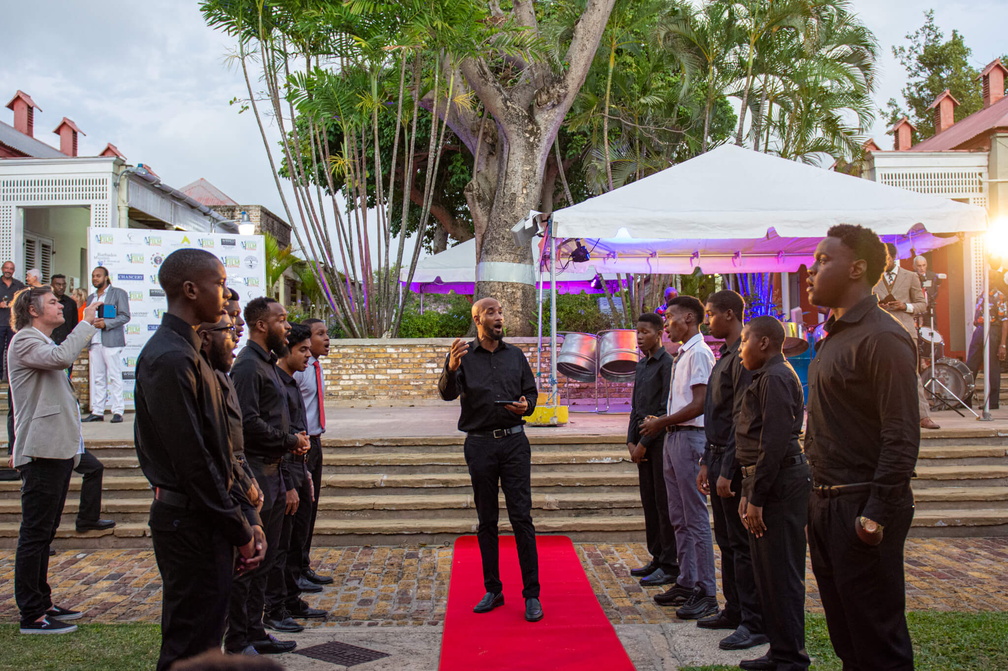
The Barbados Independent Film Festival is a must-visit event for film enthusiasts and filmmakers alike. With a diverse selection of independent films from around…
 Staff pick
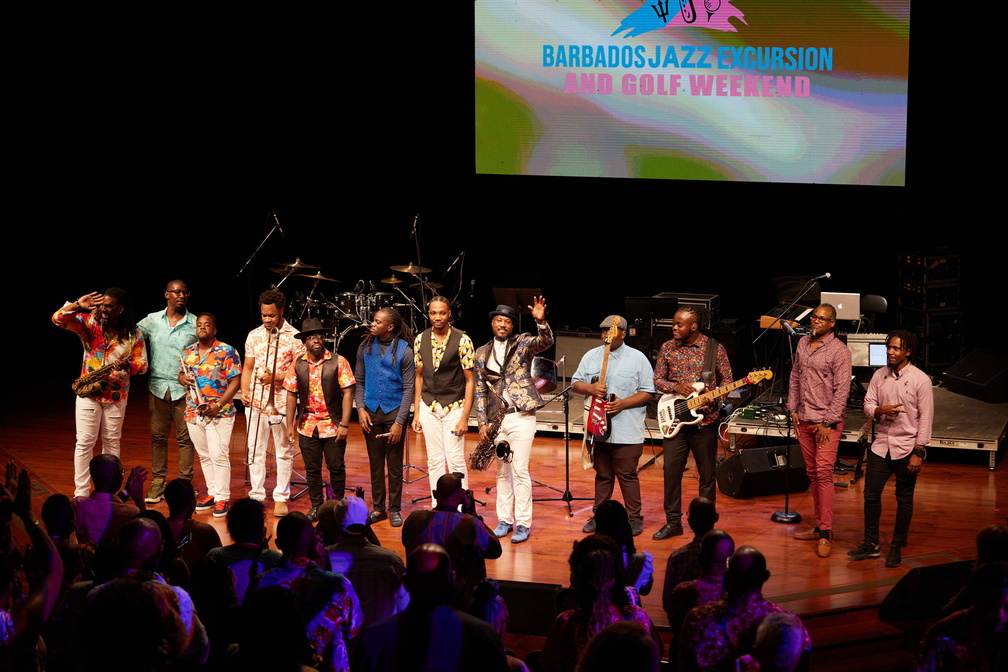
The Barbados Jazz Excursion and Golf Weekend is a harmonious blend of world-class jazz performances and pristine golf experiences set against the backdrop of…
What is bookable here, live from Hostelworld. The south coast around Christ Church has most of the affordable options.
The ones we get asked most.

Compare places to stay across Barbados — live prices, real reviews and free cancellation on most bookings. Then meet the people already there in the app.

 Get the App.




 Get the App.