Vieux-Québec
HistoryInside the walls.

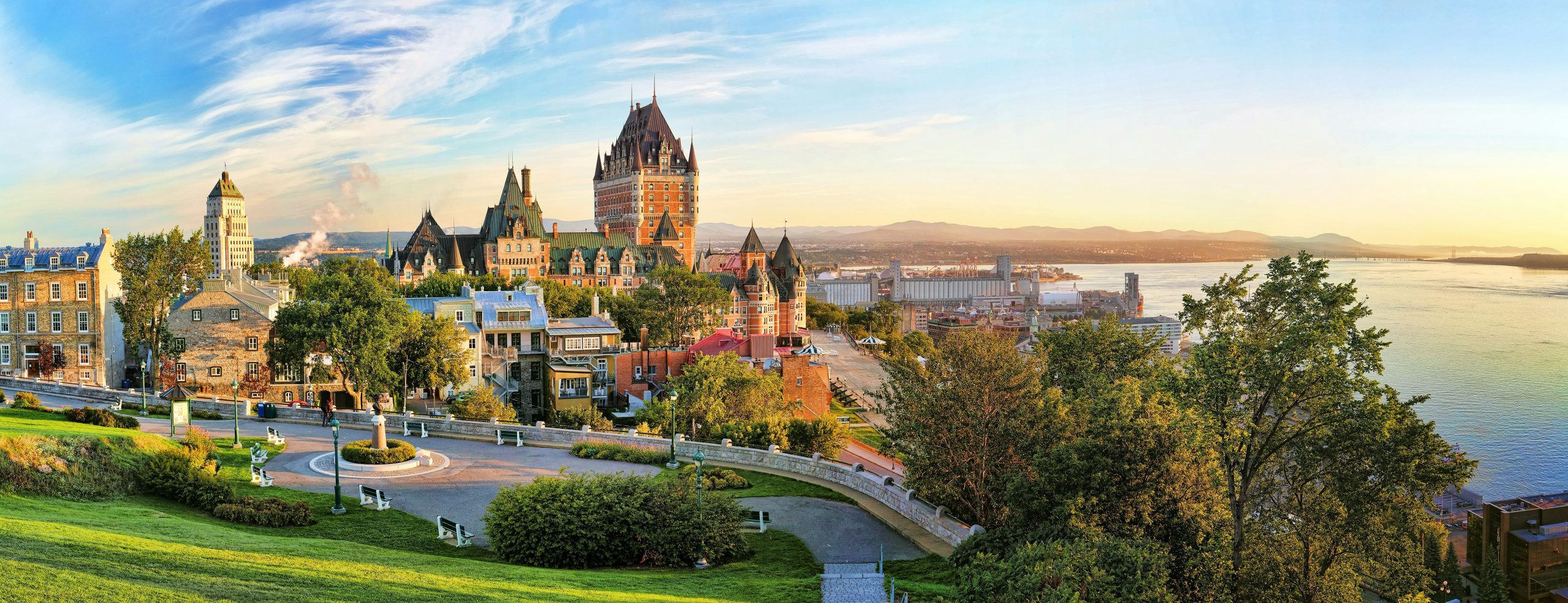
North America's only walled city north of Mexico: cobbled streets and stone houses in Vieux-Québec, the Château Frontenac above the St Lawrence, Montmorency Falls, the Winter Carnival and proper French-Canadian food.
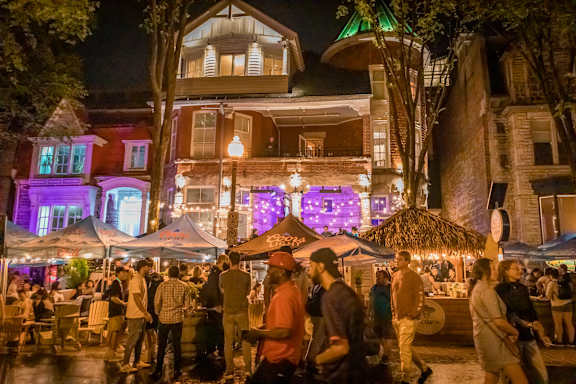
Québec City, founded in 1608, is one of the oldest cities in North America and the capital of the province of Québec. Its historic district, Vieux-Québec, is a UNESCO World Heritage Site and the only fortified city north of Mexico whose walls still stand. It is overwhelmingly French-speaking and feels more like a town in France than anywhere else on the continent.
The Château Frontenac, a grand hotel with copper roofs, towers over the Dufferin Terrace and the St Lawrence River. Below the cliff, the Lower Town has narrow streets such as the Petit-Champlain, linked to the Upper Town by a funicular and the steep Breakneck Stairs. The Plains of Abraham, where British and French armies fought in 1759, are now a huge park.
In winter the city is magical, with snow, lights and the Winter Carnival, one of the biggest in the world. Give Québec City two or three days, easily reached from Montréal.
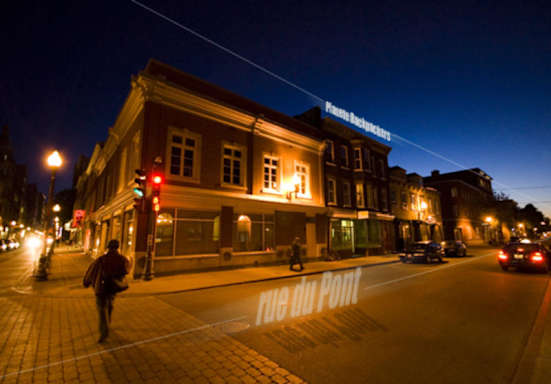
Inside the walls for the old town, Saint-Roch for bars and restaurants at lower prices, or Saint-Jean-Baptiste for a local feel.
Inside the walls.
Below the cliff, with restaurants and bars.
Just outside the walls.
Orange labels are neighbourhoods, dots are the 5 top-rated hostels. Map data from OpenStreetMap contributors.
Walk the walls and the streets of the Upper Town, stroll the Dufferin Terrace in front of the Château Frontenac, and take the funicular or Breakneck Stairs down to Petit-Champlain and Place Royale. Visit the Citadelle, still an active military base, and the Musée de la civilisation.
Walk or cycle the Plains of Abraham, and take the ferry across the river to Lévis for the best view of the city. Visit Montmorency Falls, higher than Niagara, and the farms and orchards of Île d'Orléans.
In winter, go to the Winter Carnival, slide down the toboggan run on the Dufferin Terrace and visit the Hôtel de Glace, an ice hotel rebuilt every year.
Walking the walls, the old town and the Dufferin Terrace is free, and so are the Plains of Abraham.
The Lévis ferry is cheap and gives the best view of the city.
Watching the Winter Carnival parades costs nothing, though some sites need an effigy pass.
Try French-Canadian classics: tourtière, a meat pie, pea soup, sugar pie, and poutine. In late winter and spring, sugar shacks serve maple syrup on everything, and in winter you can try maple taffy rolled on snow.
The old town is touristy and pricey; Saint-Roch and Saint-Jean-Baptiste have better-value restaurants and bars.
Menu prices do not include tax or tip: add sales tax at the till and 15 to 20 per cent tip in restaurants and bars.
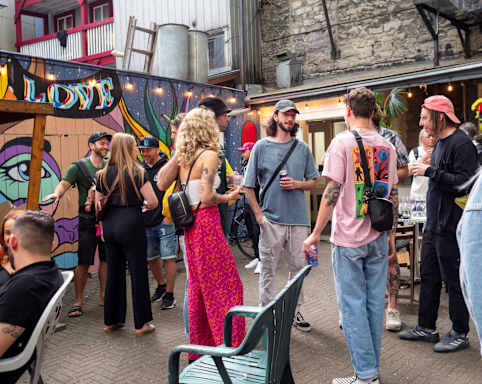
Saint-Roch and Saint-Jean-Baptiste have bars, microbreweries and live music, and the Grande Allée has terraces and clubs. Bars stay open until 3am.
During the Winter Carnival and the summer music festival, the city parties late.
It is smaller and calmer than Montréal.
Jean Lesage International Airport is about 25 minutes from the centre by taxi. VIA Rail trains and buses connect to Montréal in about three hours.
The old town is compact and best on foot, though steep. RTC buses cover the city, including Montmorency Falls.
A car is useful for Île d'Orléans and Charlevoix.
Québec City is moderately priced, but the old town is expensive. Dorm beds start at around €22 to €34 a night, more during the Carnival. Restaurant mains cost €13 to €24 before tax and tip.
Sales tax in Québec is about 15 per cent. Menu prices do not include tax or tip: add sales tax at the till and 15 to 20 per cent tip in restaurants and bars.
Québec City is very safe.
In winter, streets and stairs are icy, and temperatures can drop far below freezing; wear good boots and layers.
French is the main language, but people working in tourism usually speak English. In an emergency, call 911.
Falls, islands and Charlevoix.
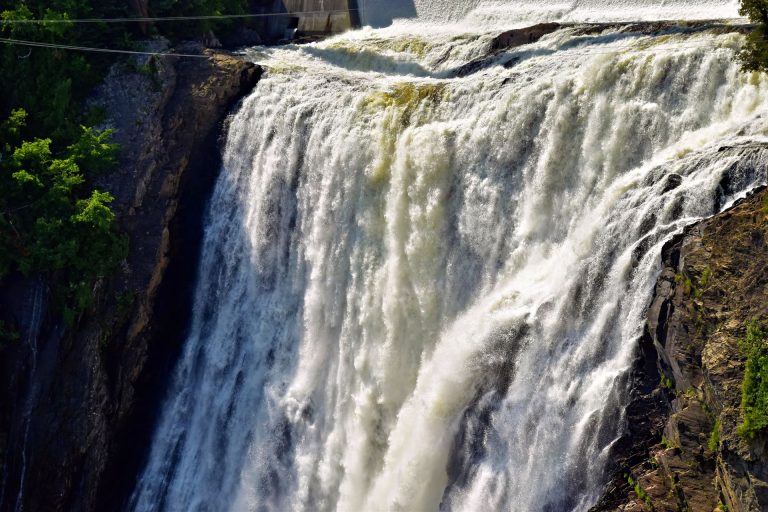
Waterfalls higher than Niagara.
The Winter Carnival and summer festivals.
Parades, ice sculptures and outdoor events.
A big outdoor music festival.
A festive market.
The highest-rated hostels in Québec City, live from Hostelworld. Prices and availability are live on each property page.
 Sustainable
June to September is warm and lively, and late September to October brings autumn colour. Winter, from December to March, is very cold and snowy, with the Winter Carnival in late January and February.
Average highs, rounded. Winters are very cold.
Per night, for one person, based on Québec City prices.
Treat these as a guide, before tax and tip.
The ones we get asked most.

Compare hostels across Canada: live prices, real reviews and free cancellation on most bookings. Then meet the people already there in the app.

 Get the App.



 Get the App.