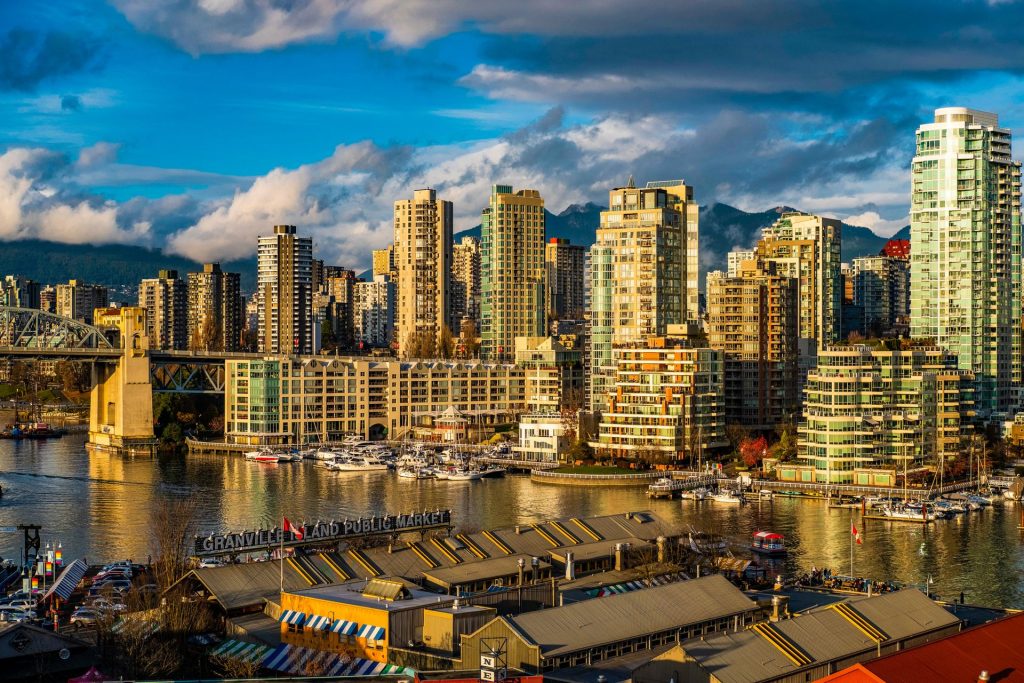
Vancouver
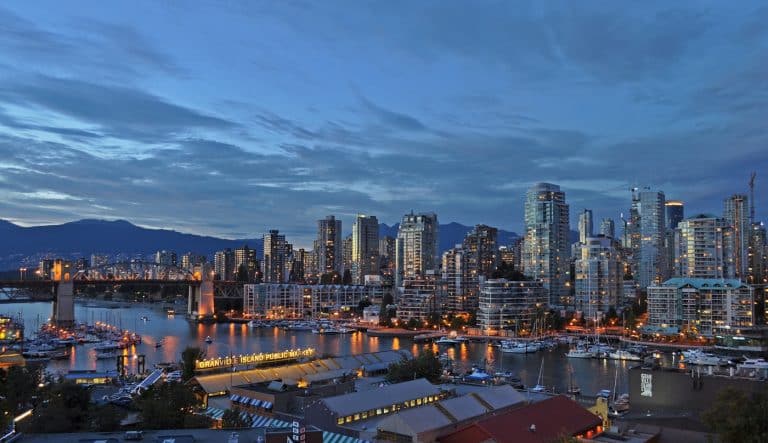
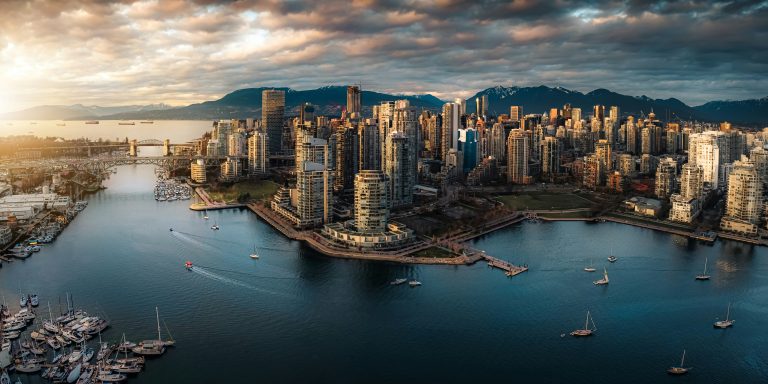
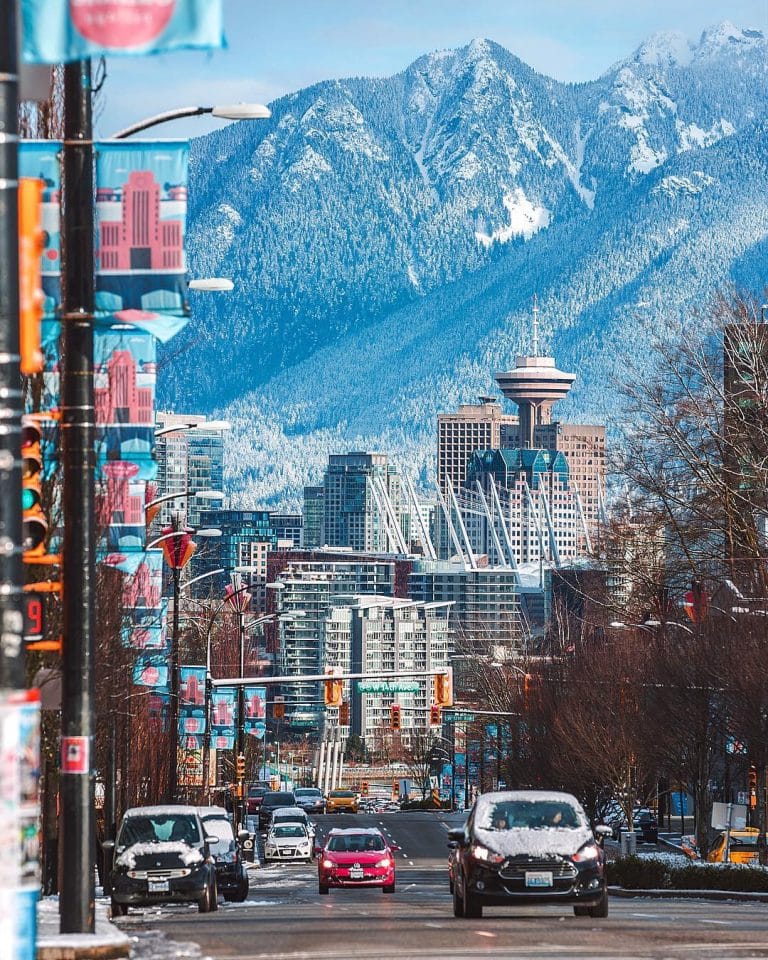
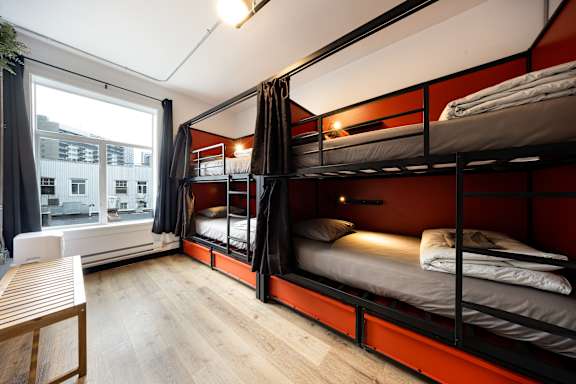
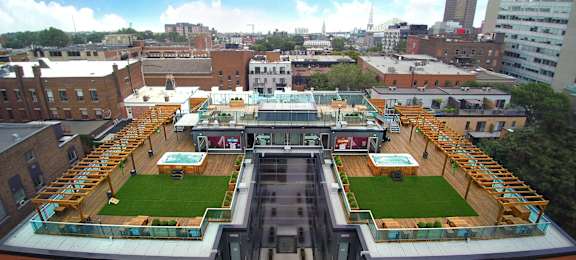
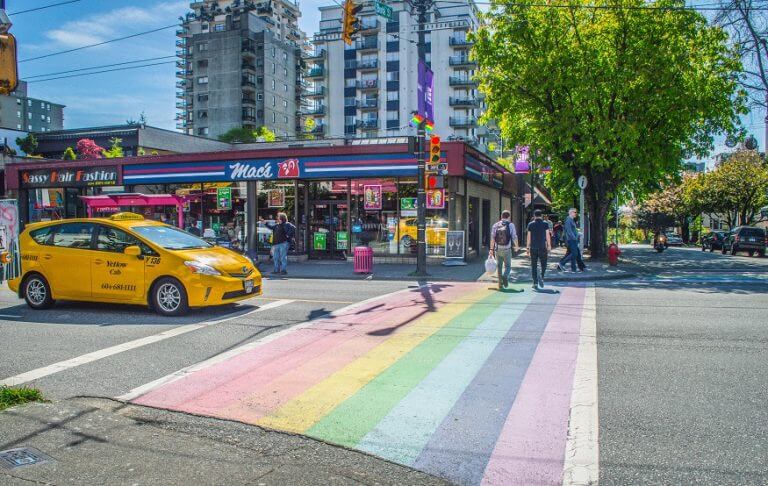
Mountains and ocean in one view, with Whistler two hours up the Sea to Sky highway.
Lots to see. The weather was great for walking around. Excellent choice of places to eat.
A traveller, on Hostelworld
The second largest country on earth with fewer people than California. Rockies, two oceans, a French-speaking province, and a working holiday scheme that keeps people for a year.
Canada is the second largest country in the world with about 40 million people, most of them within a couple of hours of the US border. That leaves an extraordinary amount of space, and the Rockies are the reason most people come.
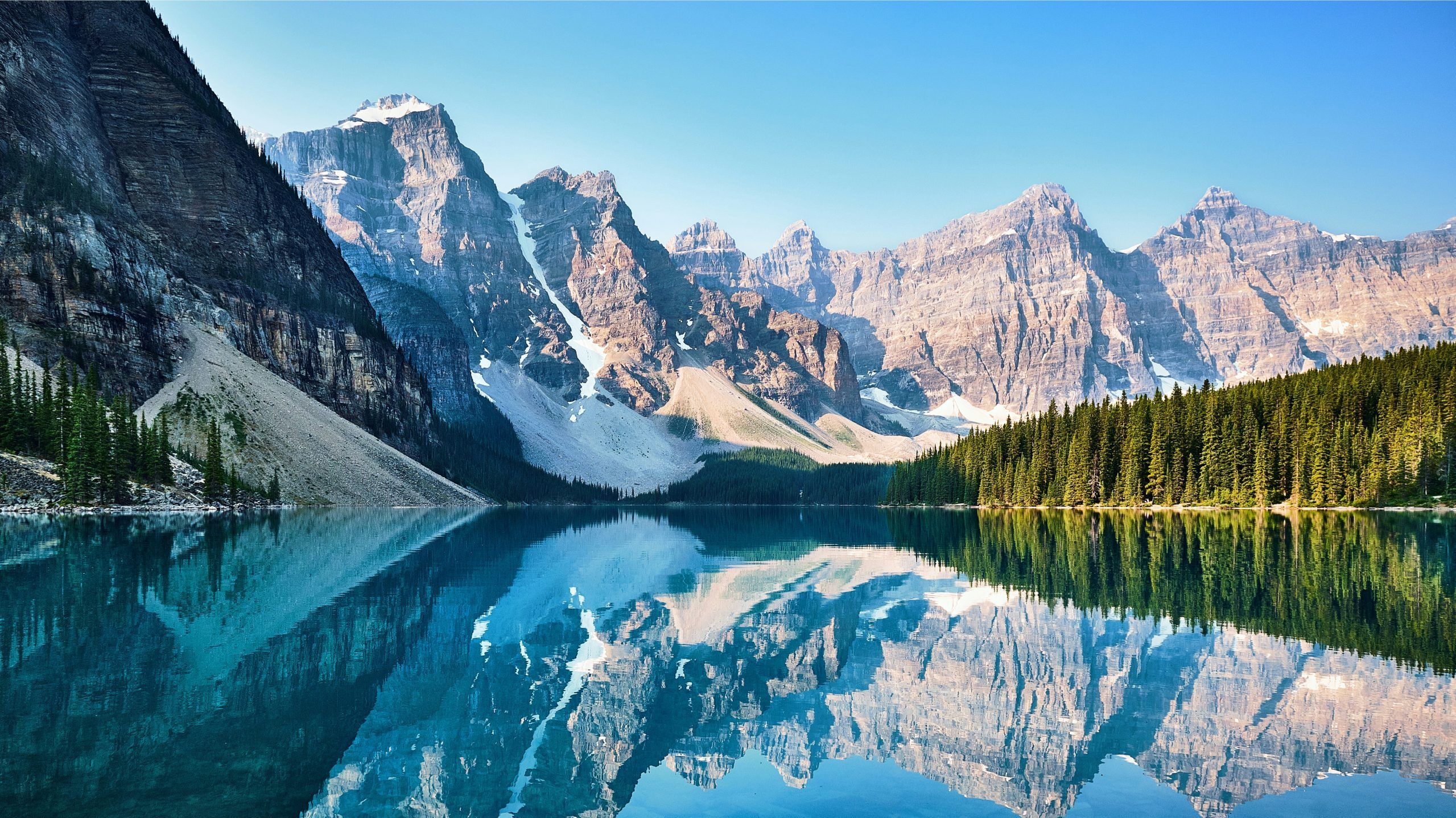
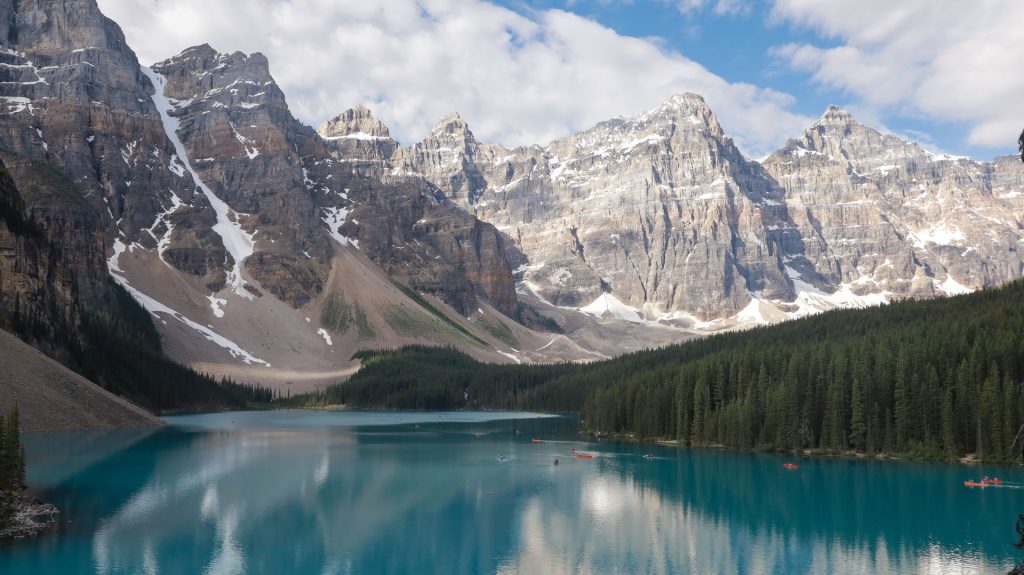
Banff and Jasper in Alberta are the headline: turquoise glacial lakes, the Icefields Parkway between them, and wildlife that includes bears and elk on the roadside. Vancouver on the west coast has mountains and ocean in the same view, and Whistler two hours away.
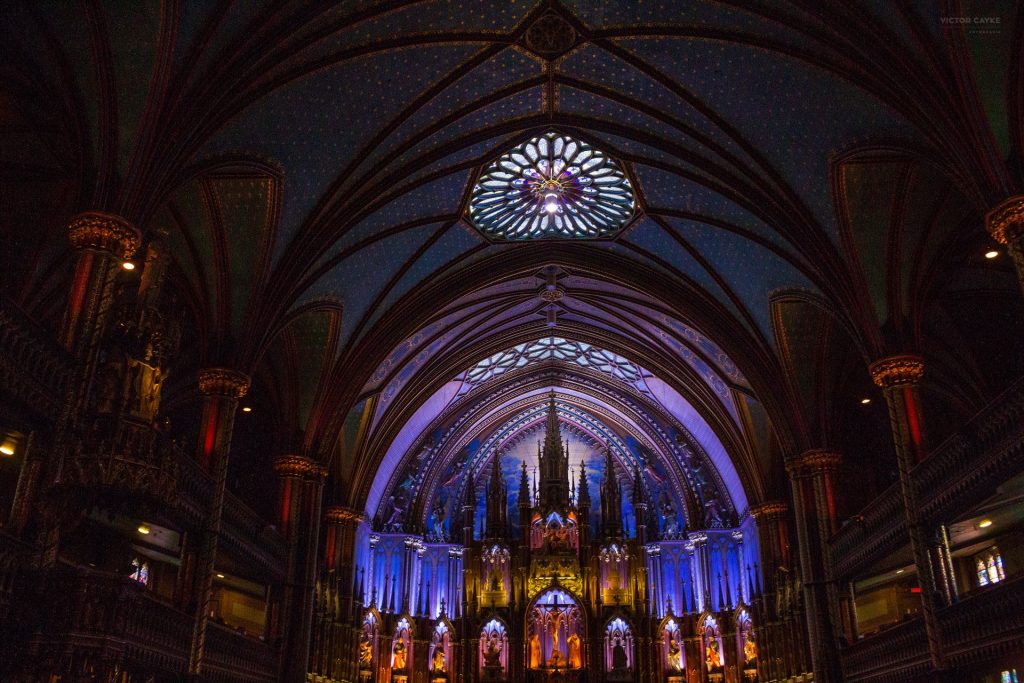
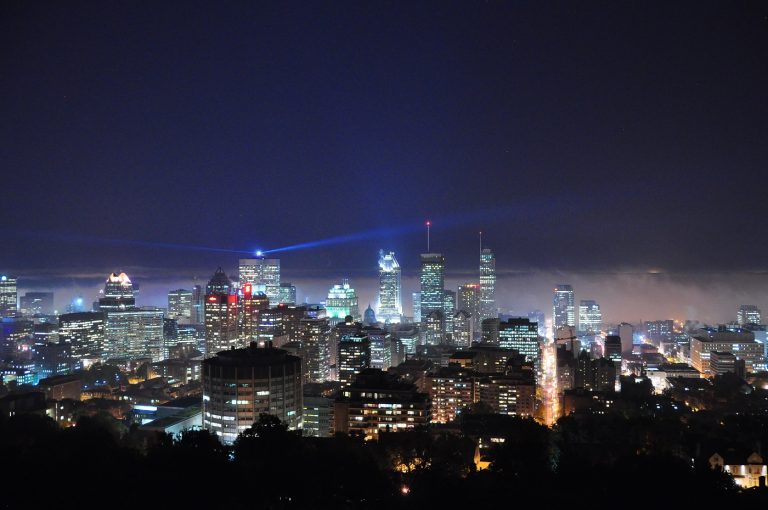
The east is the other trip entirely. Montréal is French-speaking, dense and the best food and nightlife city in the country; Québec City is a walled colonial town; and Toronto is the biggest city, with Niagara Falls ninety minutes away.
Two to three weeks per region, and you will still be flying between them.
Fly between regions. Within them, drive — especially in the Rockies.
Mountains and ocean in one view, with Whistler two hours up the Sea to Sky highway.
Lots to see. The weather was great for walking around. Excellent choice of places to eat.
A traveller, on Hostelworld
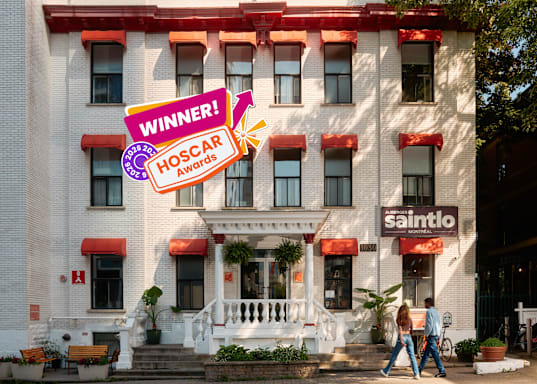
French-speaking, dense and the best eating and nightlife in the country.
I love Montreal, I come back every time I can and it is always the best choice.
A traveller, on Hostelworld
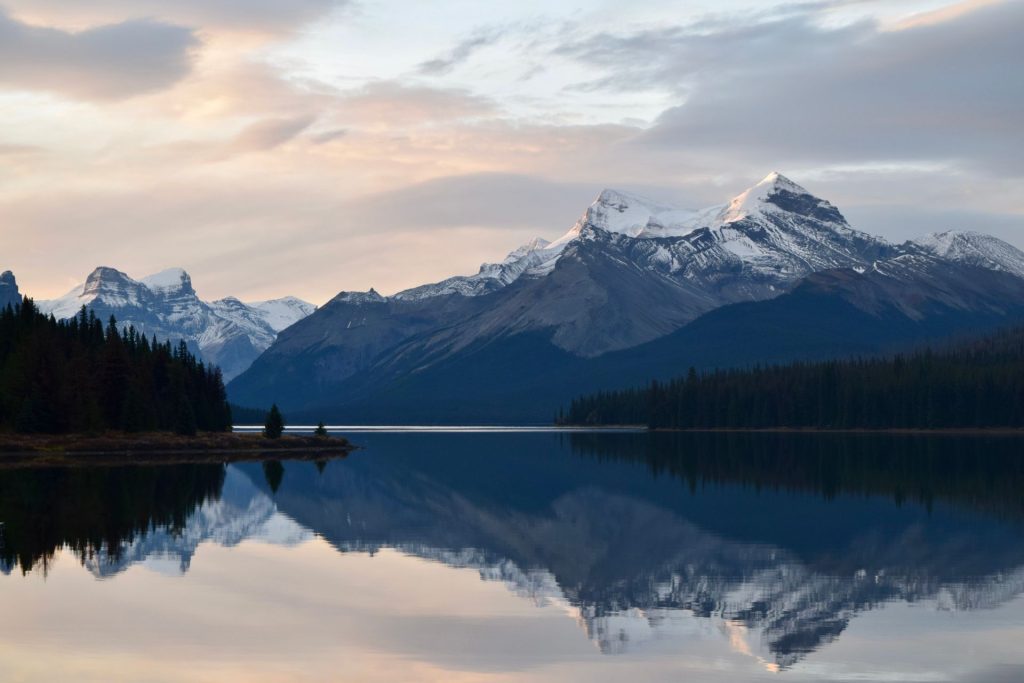
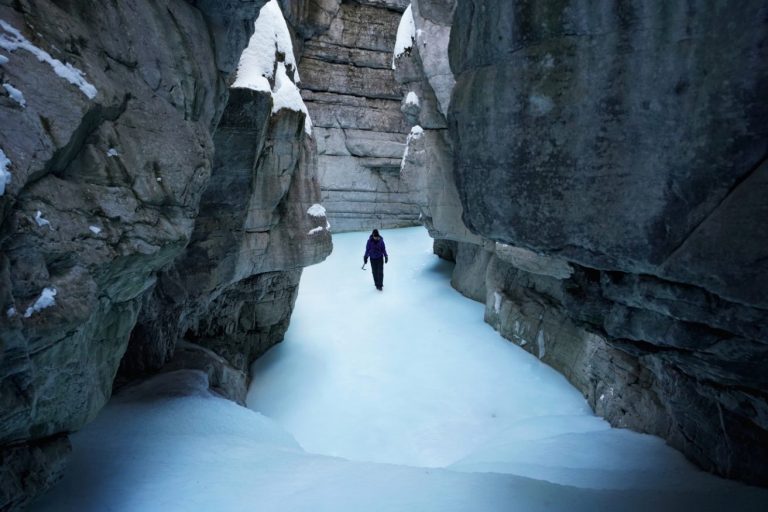
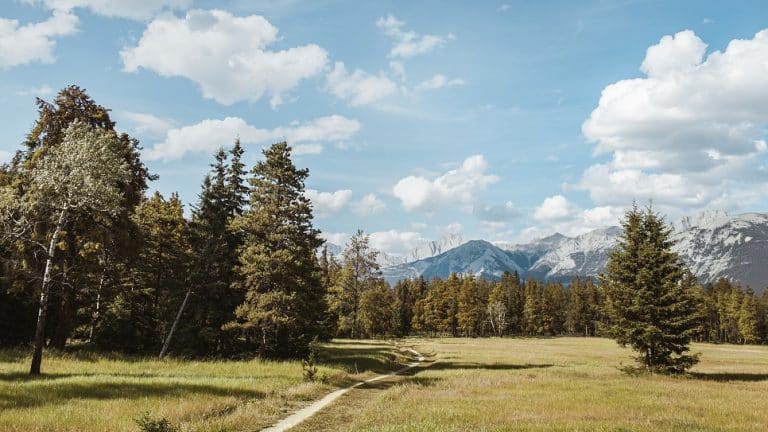
The Rockies: glacial lakes, hiking, wildlife and the Icefields Parkway north.
Banff was magical, spent a lot of time in the park and not so much on the city. But the town had good eats and local hiking too.
A traveller, on Hostelworld
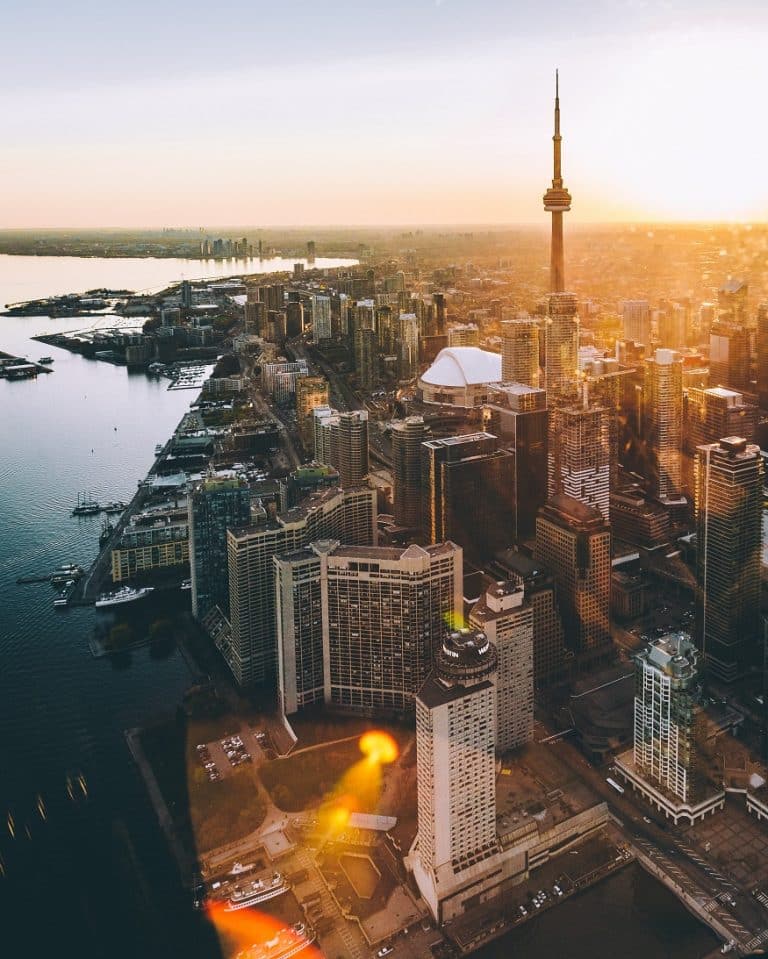
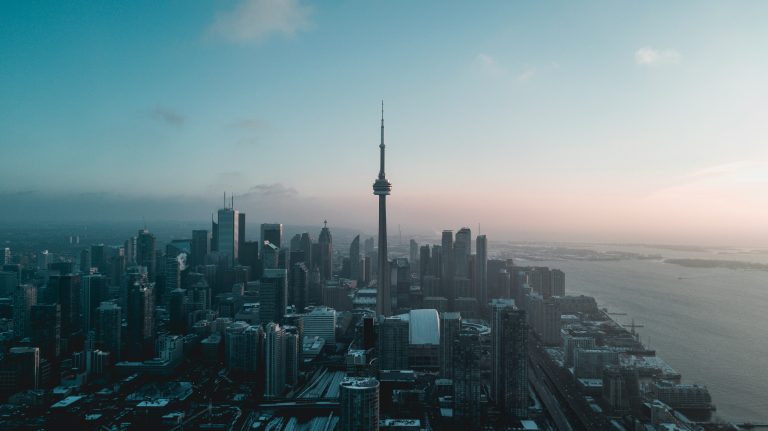
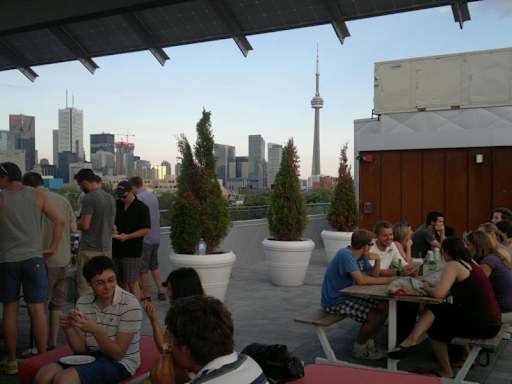
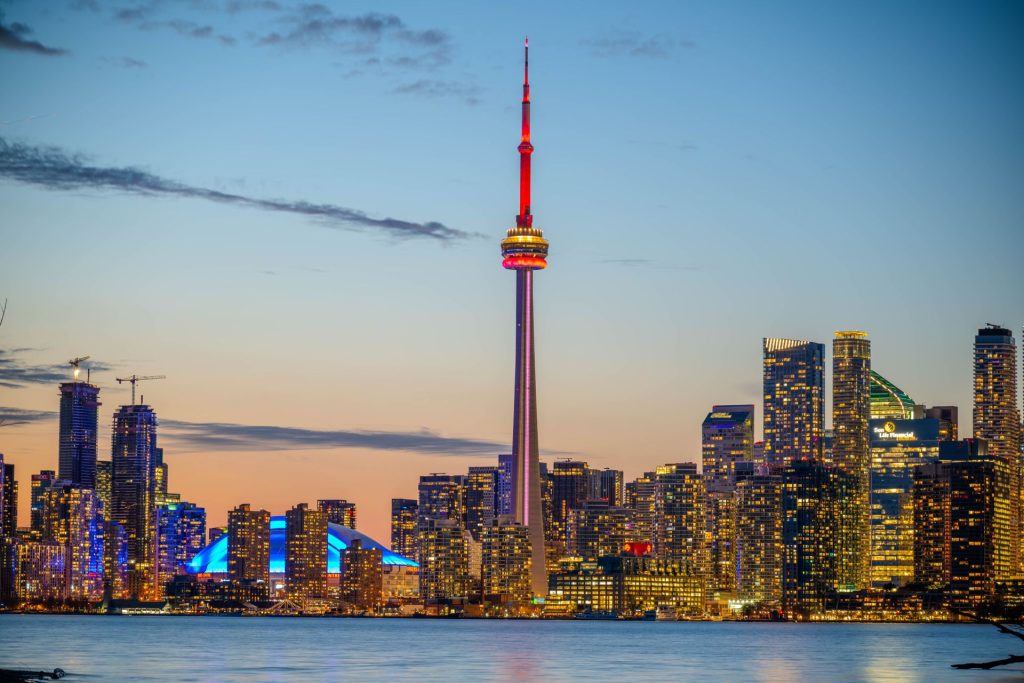
The biggest city, diverse and walkable in parts, with Niagara ninety minutes away.
Toronto is a world-class, cosmopolitan city with first-rate shopping, dining, and cultural opportunities.
A traveller, on Hostelworld
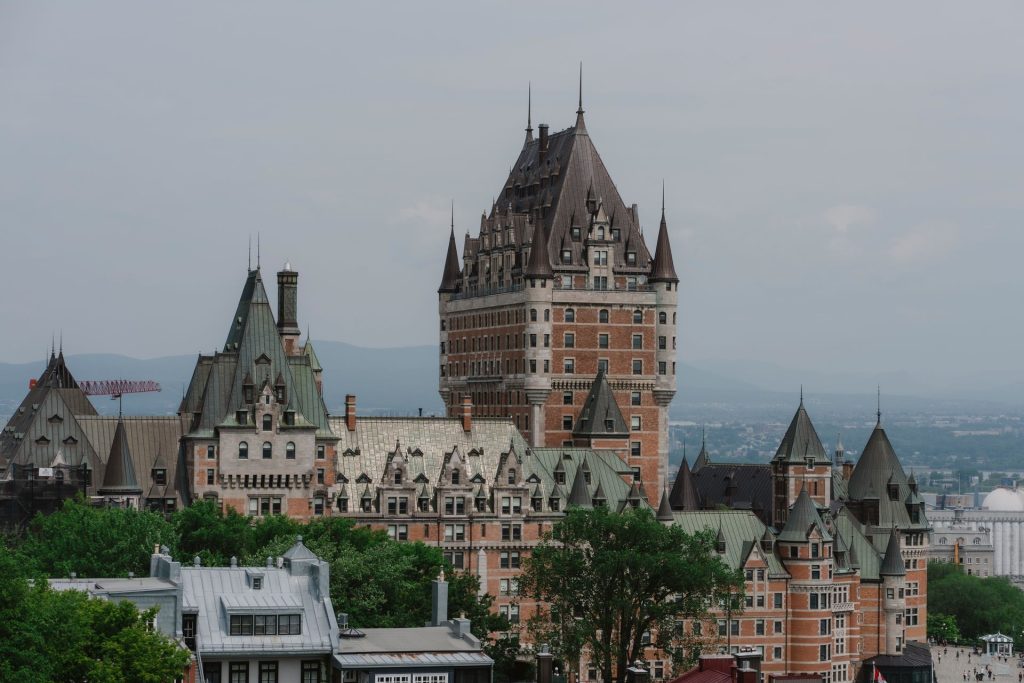
A walled colonial town above the St Lawrence, and the most European place here.
If you are looking for great hiking this is the place to go. So many options and incredible views. L’Acropole des Draveurs is a must in the fall!
A traveller, on Hostelworld
Quieter than Banff, with darker skies, more wildlife and fewer people.
Jasper has everything one might want after traveling in the Canadian Rockies (which have limited services). Jasper has outdoor clothing and equipment shops, restaurants, grocery stores, and a ViaRail station right in town.
A traveller, on Hostelworld
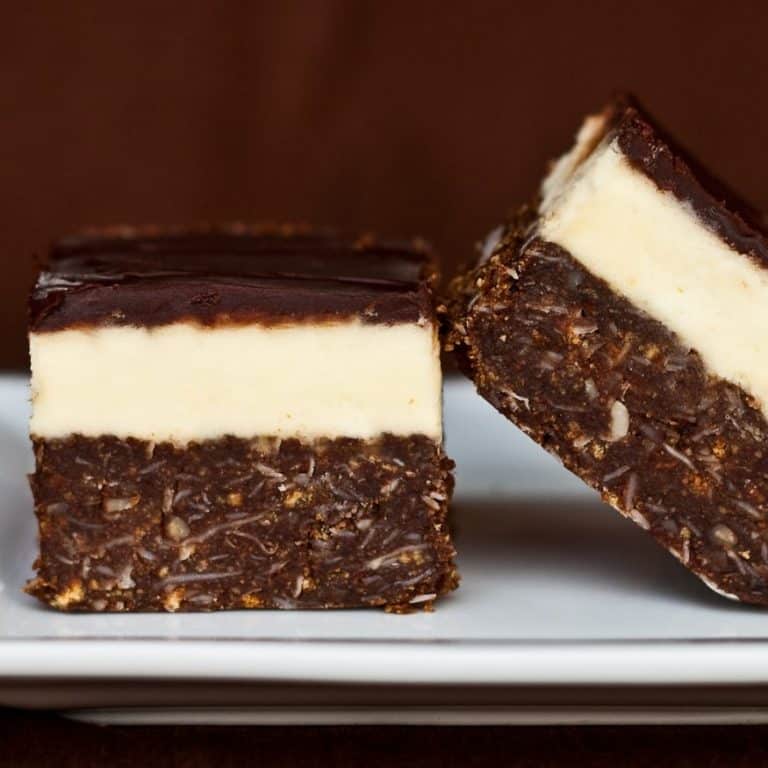
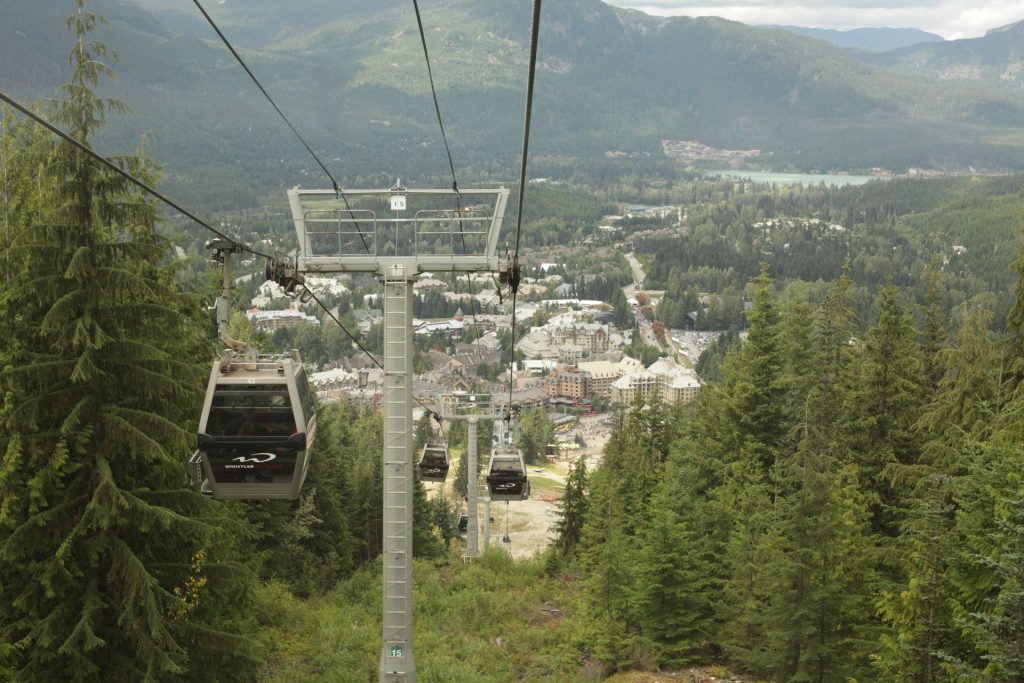
Two linked ski mountains, a summer bike park and a village full of seasonal workers.
We would definitely stay there again. A wonderful place. Only one word to describe our experience... exceptional!
A traveller, on Hostelworld
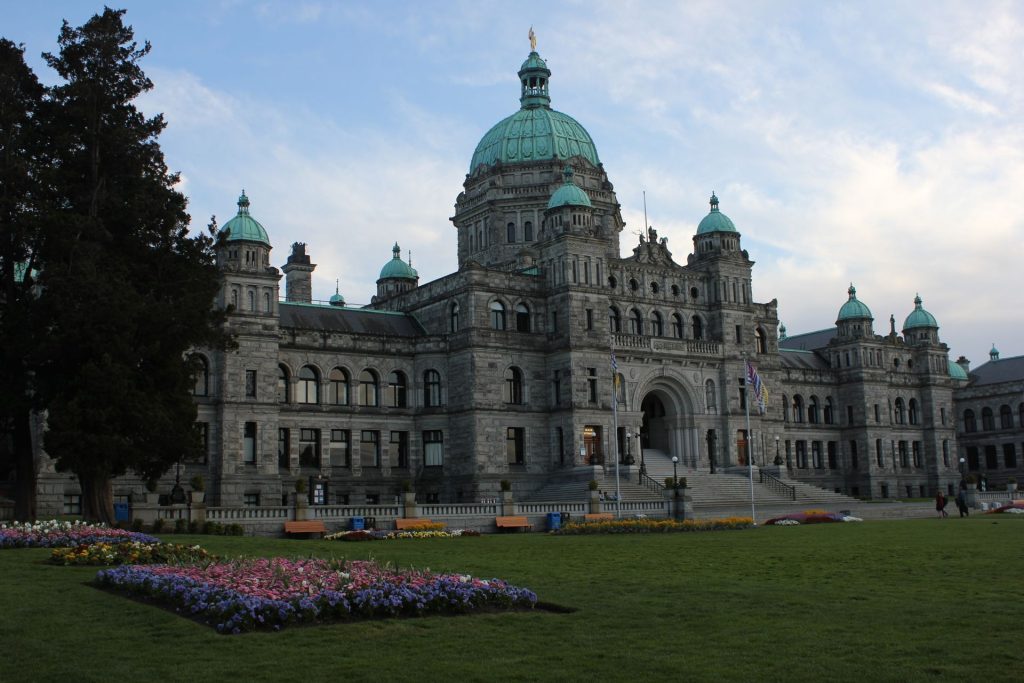
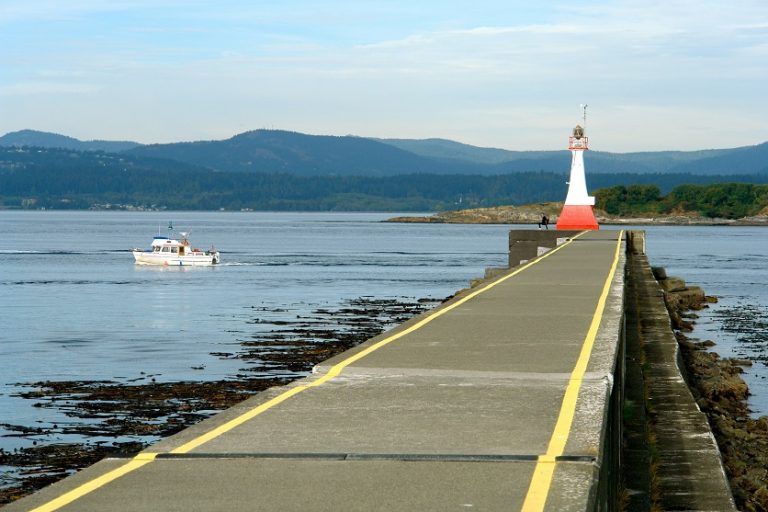
BC's capital on Vancouver Island: the Inner Harbour, whale watching and Butchart Gardens.
Victoria is the kind of place one wants to go to when the rest of the world feels like its on fire. It's like being isekai'ed into the most charming and friendly of places.
A traveller, on Hostelworld
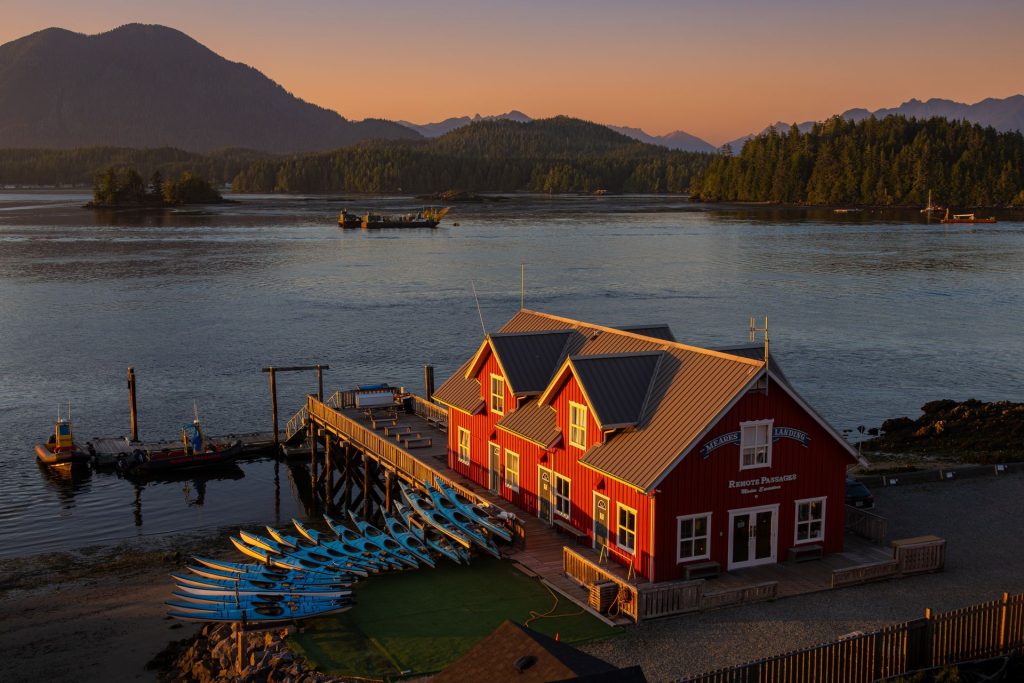
Surf all year, rainforest, storm watching and hot springs by boat on the wild Pacific coast.
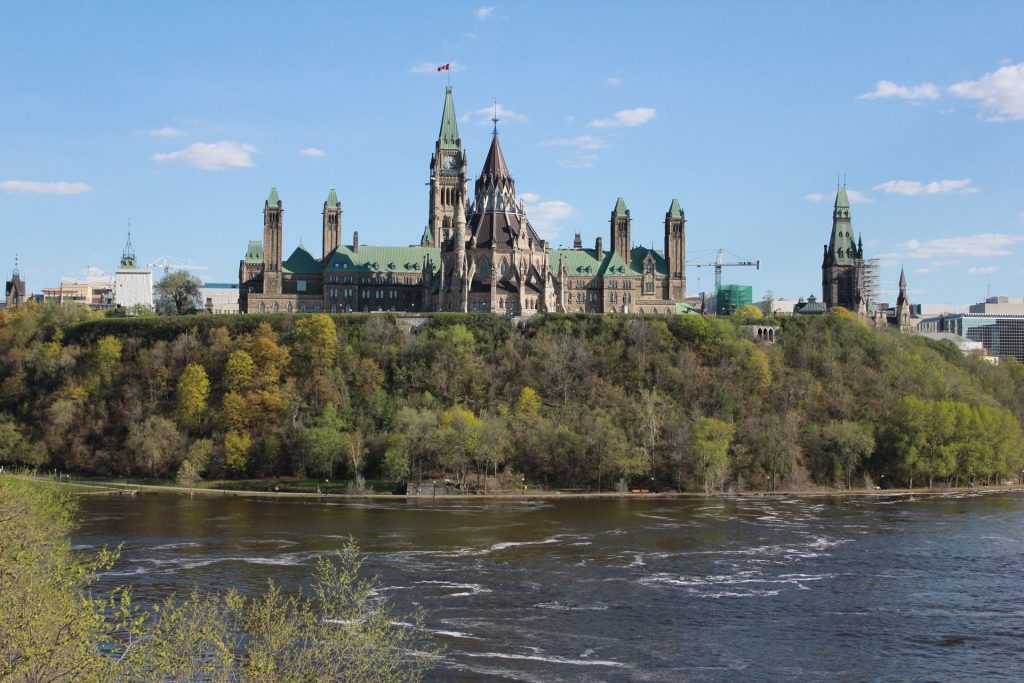
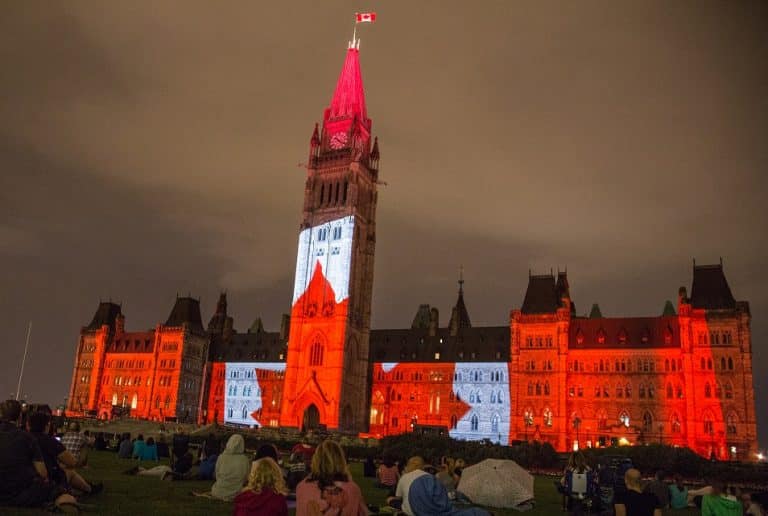
The capital: free Parliament tours, national museums and the Rideau Canal skateway in winter.
Great place to party, eat, relax and spend time either for a family weekend or a cultural getaway or a party or a mix of everything.
A traveller, on Hostelworld
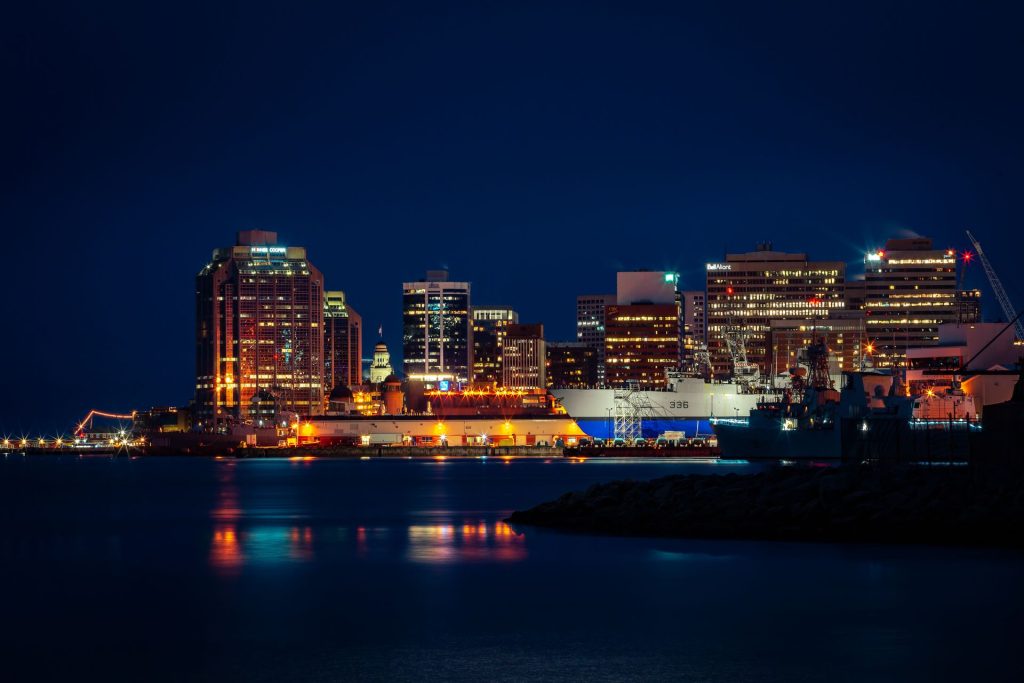
The Maritimes hub: waterfront pubs, lobster and donairs, with Peggy's Cove and Lunenburg nearby.
A wonderful city! So much going on at the pier from magic shows to musicians and so many good restaurants and food trucks to visit. Easy to get around by walking and bus.
A traveller, on Hostelworld
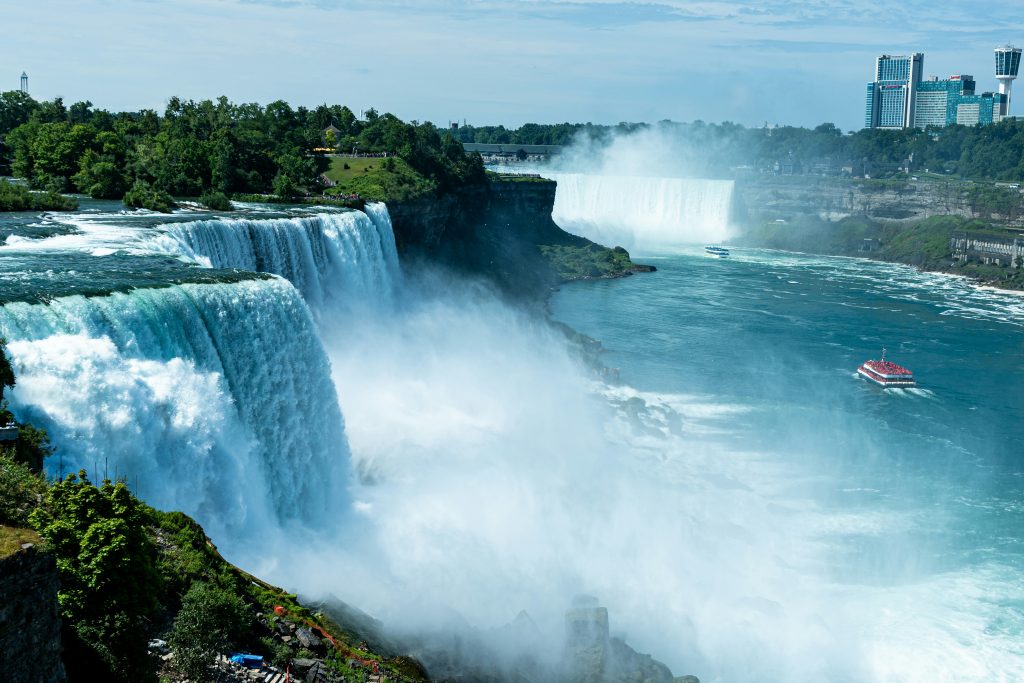
The falls from the Canadian side, boats into the spray and wine country next door.
Canada is a mountains and parks country, with two very good cities and a working holiday option.
The Rockies, and 48 national parks.
Montréal and Vancouver, and they are nothing alike.
Poutine, Montréal bagels and a serious restaurant scene.
Montréal runs latest and cheapest.
Two founding languages and Indigenous cultures across the country.
Expensive, and working is how many people manage it.
The Icefields Parkway between Banff and Jasper is one of the great drives anywhere — 230km past glaciers, waterfalls and turquoise lakes, with Lake Louise, Moraine Lake and the Columbia Icefield along it.
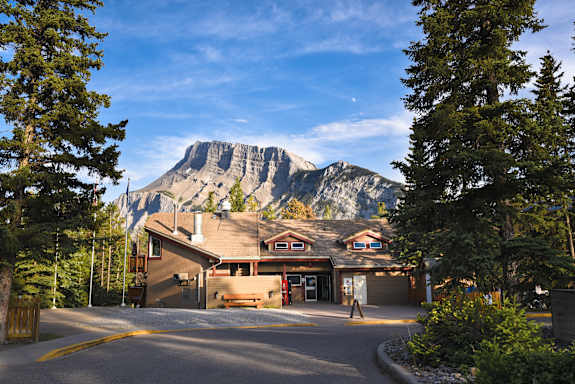
Two practical points that catch people out. Moraine Lake is now closed to private vehicles entirely, reachable only by shuttle, bus or bike, and shuttles book out weeks ahead. And a Parks Canada pass is required for entry to national parks — around C$11 a day or C$75 for an annual Discovery Pass, which is worth it beyond a week.
Vancouver is best on a bike around the Stanley Park seawall, with Granville Island market and the North Shore mountains a short trip away.
In the east, Montréal rewards walking — the Plateau, Mile End, bagels from a wood-fired oven at two in the morning — and Québec City's walled old town is an easy overnight from it.
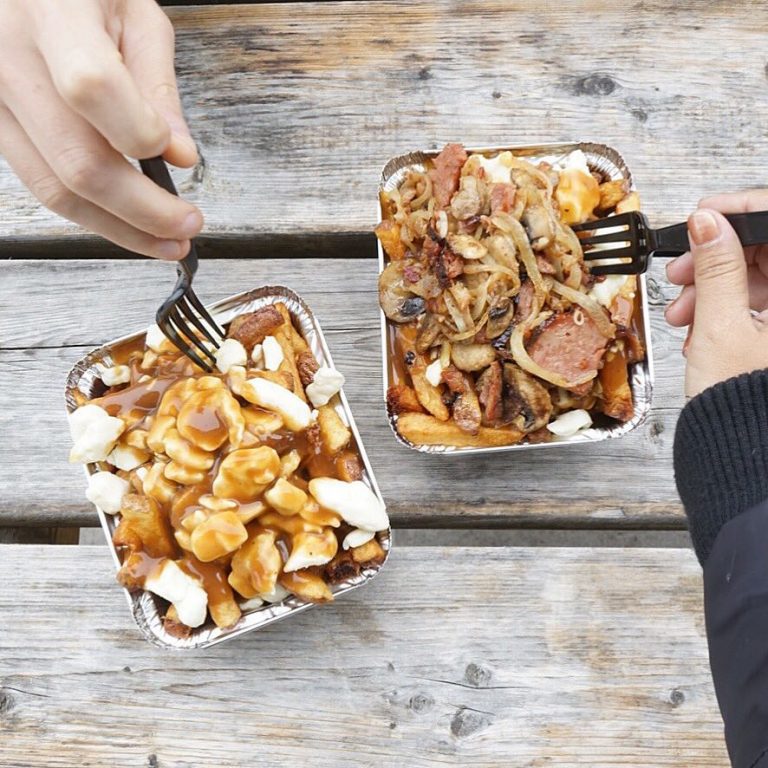
Poutine — chips, cheese curds and gravy — is the national dish and is at its best in Québec, ideally late at night.
Montréal has the strongest food scene in the country: bagels from wood-fired ovens, smoked meat sandwiches at delis that have been open a century, and a restaurant culture that punches well above the city's size.
Vancouver does exceptional Asian food, particularly Chinese and Japanese, reflecting the city's population.
Eating out is expensive — a restaurant main is C$22 to C$38 before tip and tax — so hostel kitchens and supermarkets do a lot of work. Add 15 to 20 per cent tipping and provincial sales tax at the till, and the menu price is not the price.
Tim Hortons is the national coffee habit, and Canadians will explain it to you at length.
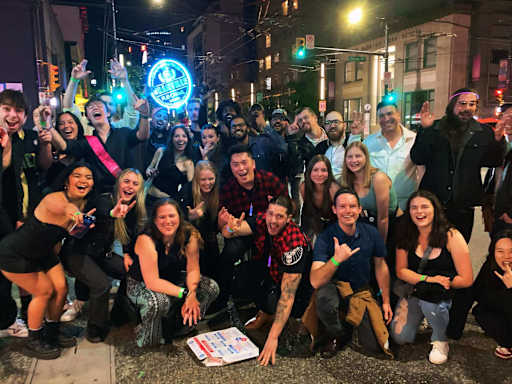
Montréal is the best night out in Canada and it is not close — bars open until 3am, cheap enough that students fill them, and a live music scene spread across the Plateau and Mile End.
Toronto has more venues and a bigger scene but closes at 2am and costs more, with the west end around Ossington and Dundas the place to look.
Vancouver has strong craft beer and a reputation for closing early, which locals complain about.
Alcohol is sold in provincially controlled stores in much of the country — the LCBO in Ontario, SAQ in Québec — with limited hours, which surprises visitors looking for a shop at 10pm. A beer in a bar is C$8 to C$12, and tipping applies to every round.
Fly between regions. Toronto to Vancouver is five hours in the air and four days by road, and Air Canada, WestJet and Flair connect the main cities.
In the Rockies, a car is close to essential — public transport between Banff, Lake Louise and Jasper exists but is limited, and the Icefields Parkway is the point of being there. Rental is C$50 to C$110 a day and winter tyres are legally required in some provinces in season.
VIA Rail runs the transcontinental route and it is a journey rather than transport: Toronto to Vancouver takes four days and costs more than flying.
Cities have good transit — Montréal's metro, Toronto's subway and streetcars, Vancouver's SkyTrain — and all take contactless payment.
Canada is expensive, and like the USA the sticker price is not the final price. Dorms start around C$45 and rise sharply in Banff and Vancouver, restaurant mains are C$22 to C$38, and a beer is C$8 to C$12.
Add 15 to 20 per cent tipping and provincial sales tax at the till, and a day runs C$110 to C$190.
The levers are hostel kitchens, provincial parks instead of national ones where they are cheaper, and the Parks Canada Discovery Pass if you are doing more than a week in the mountains.
The working holiday visa under International Experience Canada is what lets many people stay a year, and it is competitive — applications run through rounds with limited places.
Canada is a safe country with low crime, and the risks are environmental and seasonal.
Wildlife is the one visitors most need to understand. Bears are present throughout the Rockies and coastal British Columbia; carry bear spray on trails, know how to use it, make noise while hiking, and never leave food out or in a tent. Elk and moose cause injuries every year when people approach them for photographs, and moose collisions on roads are frequently fatal.
Winter is genuinely serious. Temperatures reach minus 30 or colder on the prairies, frostbite in those conditions takes minutes, and driving requires winter tyres and preparation.
In the mountains, weather changes quickly, avalanche risk is real in winter and spring, and rescue is slow in remote areas. Check conditions with Parks Canada before any serious hike.
Visa-exempt travellers flying to Canada — most of Europe, the UK, Australia and Japan — need an eTA, applied for online before departure, valid five years, for stays up to six months. It costs a few dollars and is usually approved quickly, but apply before booking flights rather than at the airport. Arriving by land or sea does not require one.
US citizens do not need an eTA but do need a passport.
Everyone else needs a visitor visa, which takes longer.
The working holiday route is International Experience Canada, open to citizens of countries with youth mobility agreements, usually aged 18 to 35, and allocated through invitation rounds with limited places.
June to September for hiking and the Rockies, December to March for skiing. The shoulder months are quiet but many mountain services close.
Average highs for Toronto. Vancouver is much milder and wetter, the prairies swing from 30°C summers to minus 30 winters, and the Rockies hold snow on high trails into July.
Pick how you travel and how long for. Per night, for one person, in Canadian dollars, before tip and tax.
Tipping at 15–20% and provincial sales tax at the till add roughly 30% to menu prices. Car hire at C$50–110 a day and the Parks Canada pass sit outside these figures.
Montréal has the strongest festival calendar in the country, and it runs all summer.
Staff pick
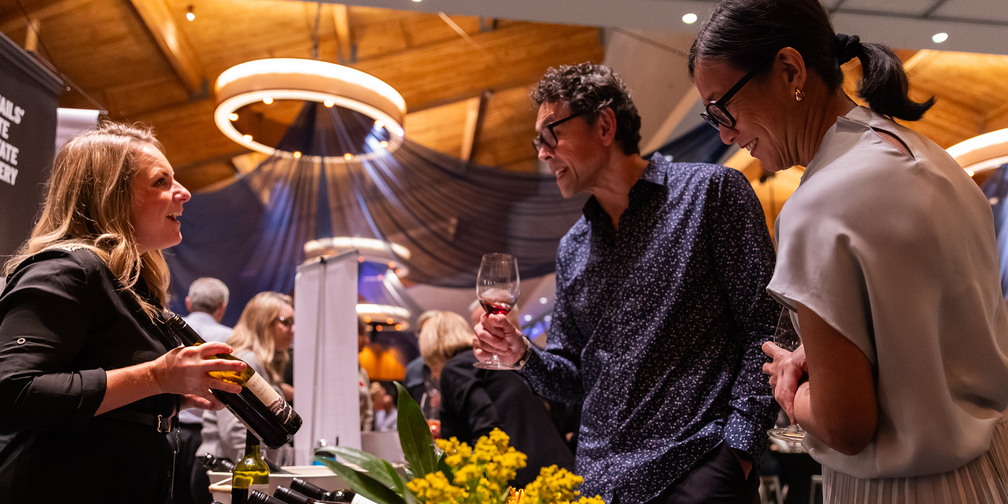
Whistler Cornucopia in Whistler, British Columbia, Canada, is a renowned fall festival celebrating the best in food and drink. Guests can immerse themselves in…
Staff pick
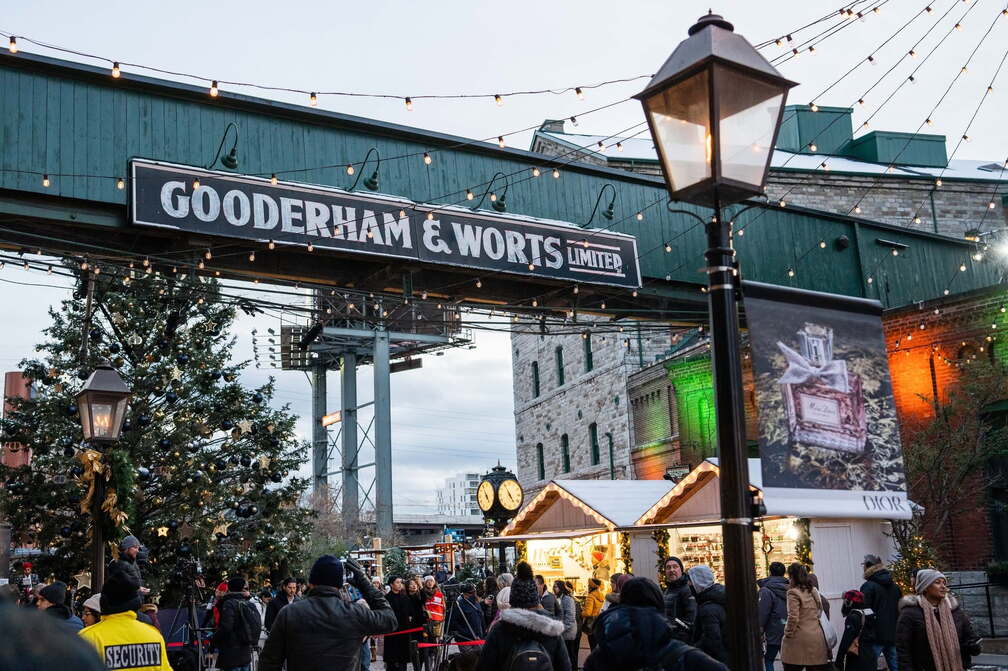
Experience the enchantment of the holiday season as the historic streets of Toronto’s Distillery District come alive with sparkling lights, festive treats, and artisan…
Staff pick
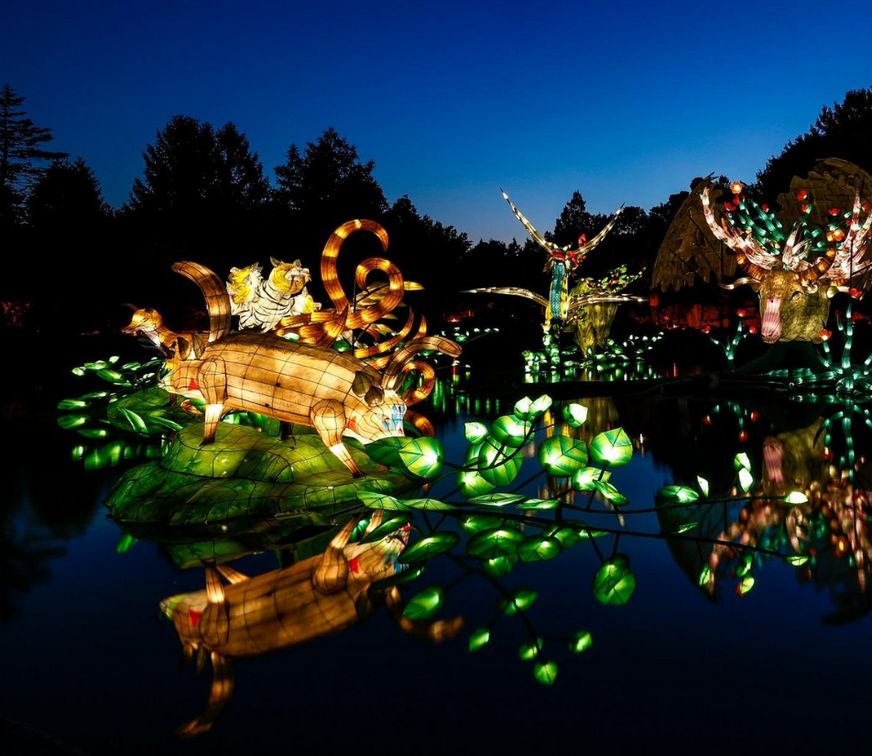
Experience a captivating display of light and nature at the Gardens of Light event, held annually in Montreal, Canada. Marvel at the stunning illuminated…
Staff pick
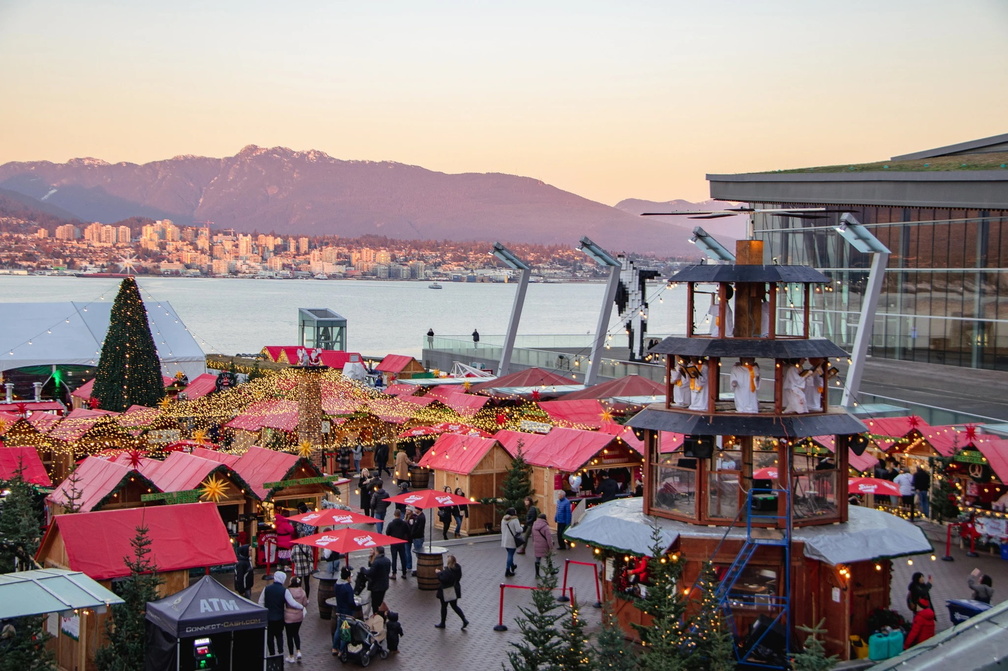
Experience the magic of the holiday season at the Vancouver Christmas Market, where European traditions are celebrated with charming wooden stalls, twinkling lights, and…
Staff pick
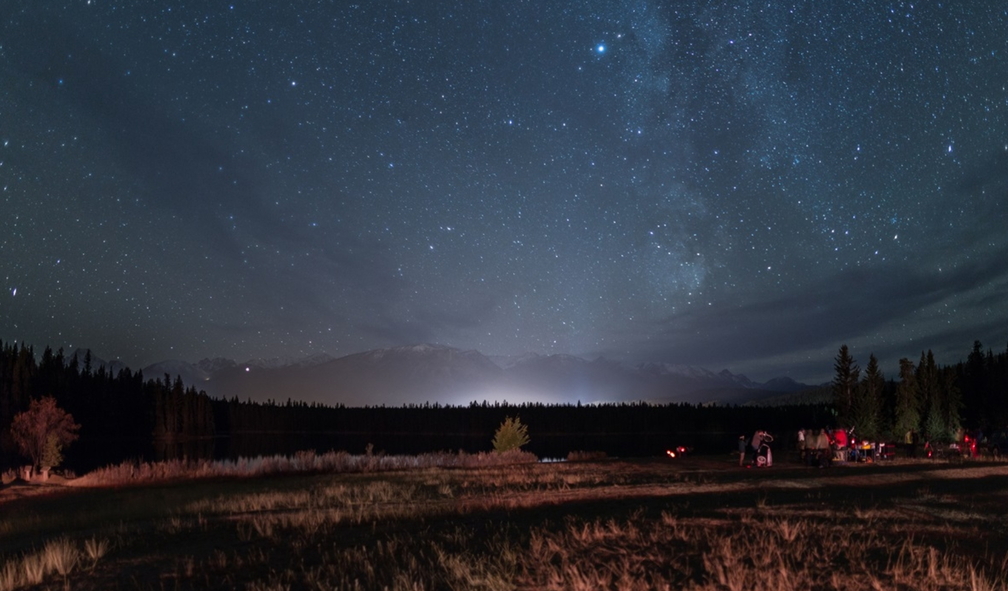
Experience the wonder of the Jasper Dark Sky Festival in Jasper National Park, Alberta, where astronomy enthusiasts and curious visitors gather to celebrate one…
Staff pick
The Ultimate Fighting Championship (UFC) is the world’s leading mixed martial arts (MMA) organization, showcasing elite fighters across weight divisions in global events. Known…
Staff pick
Wicked Victoria transforms Government Street in Victoria, British Columbia, into a lively Halloween celebration for all ages. Families and friends can enjoy live music,…
Staff pick
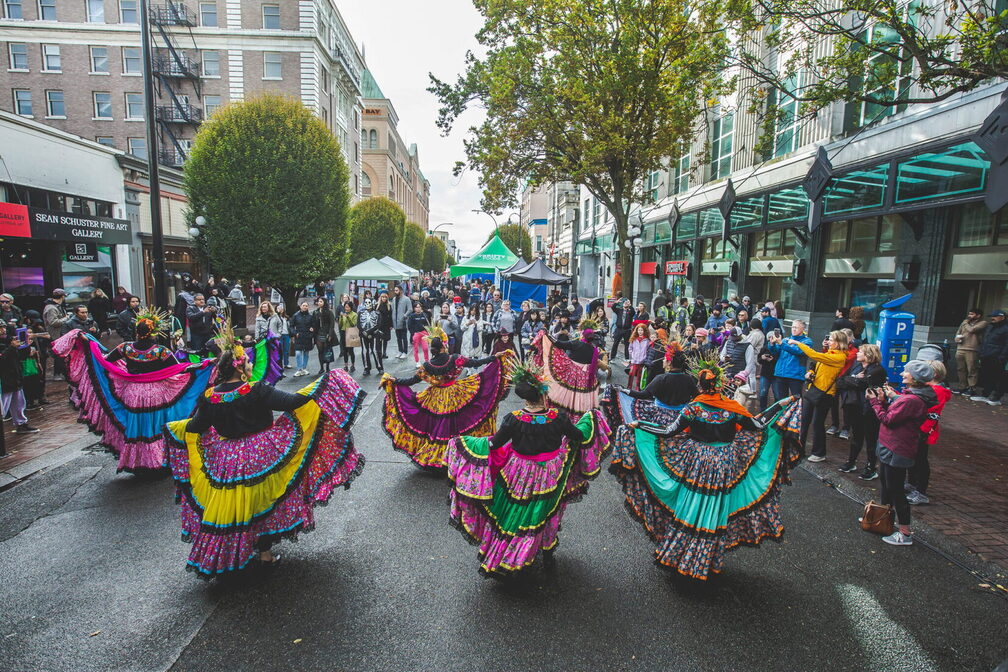
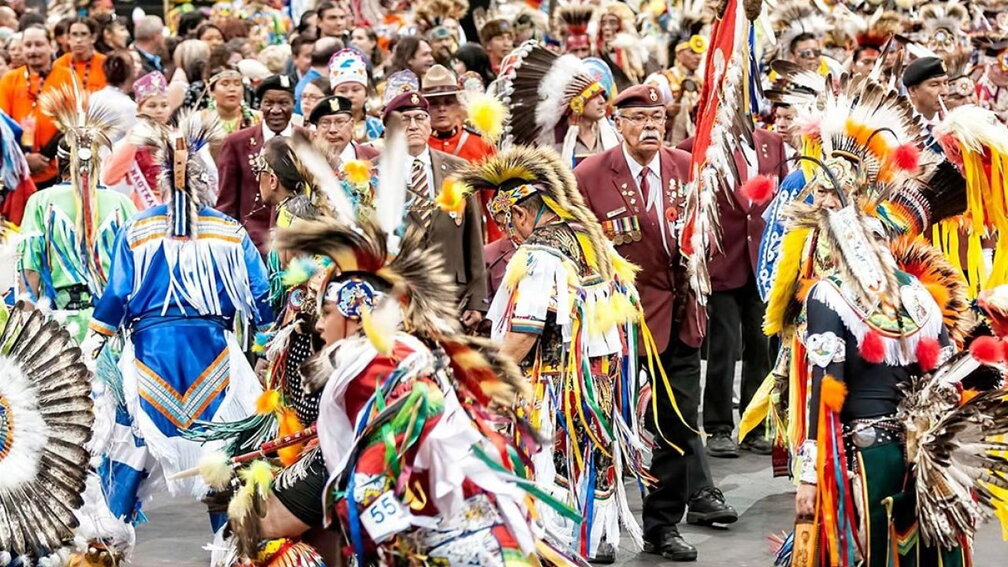
The Manito Ahbee Festival, held annually in Winnipeg, Manitoba, is a vibrant celebration of Indigenous culture, spirituality, and community. Featuring one of North America’s…
The highest-rated hostels in the country, live from Hostelworld. Vancouver, Montréal, Toronto and Banff have the most, and mountain towns book out in summer.
Sustainable
The ones we get asked most.
Compare hostels across Canada — live prices, real reviews and free cancellation on most bookings. Then meet the people already there in the app.