Bouillante
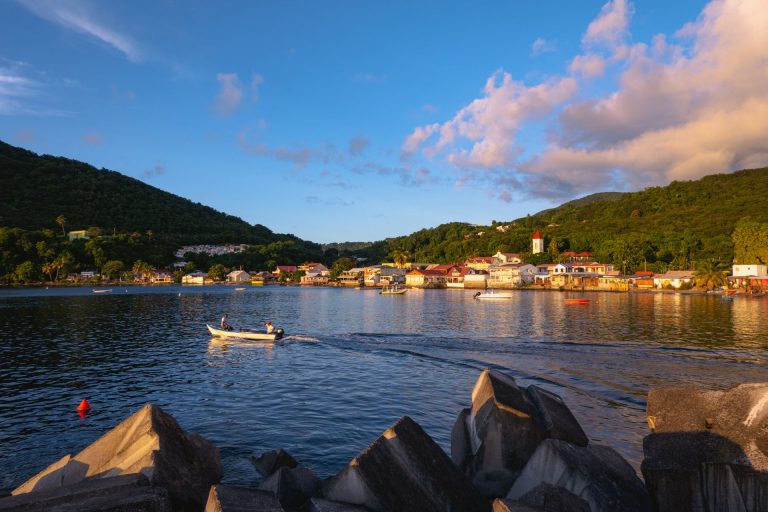
Diving, hot springsThe Caribbean coast by Malendure.

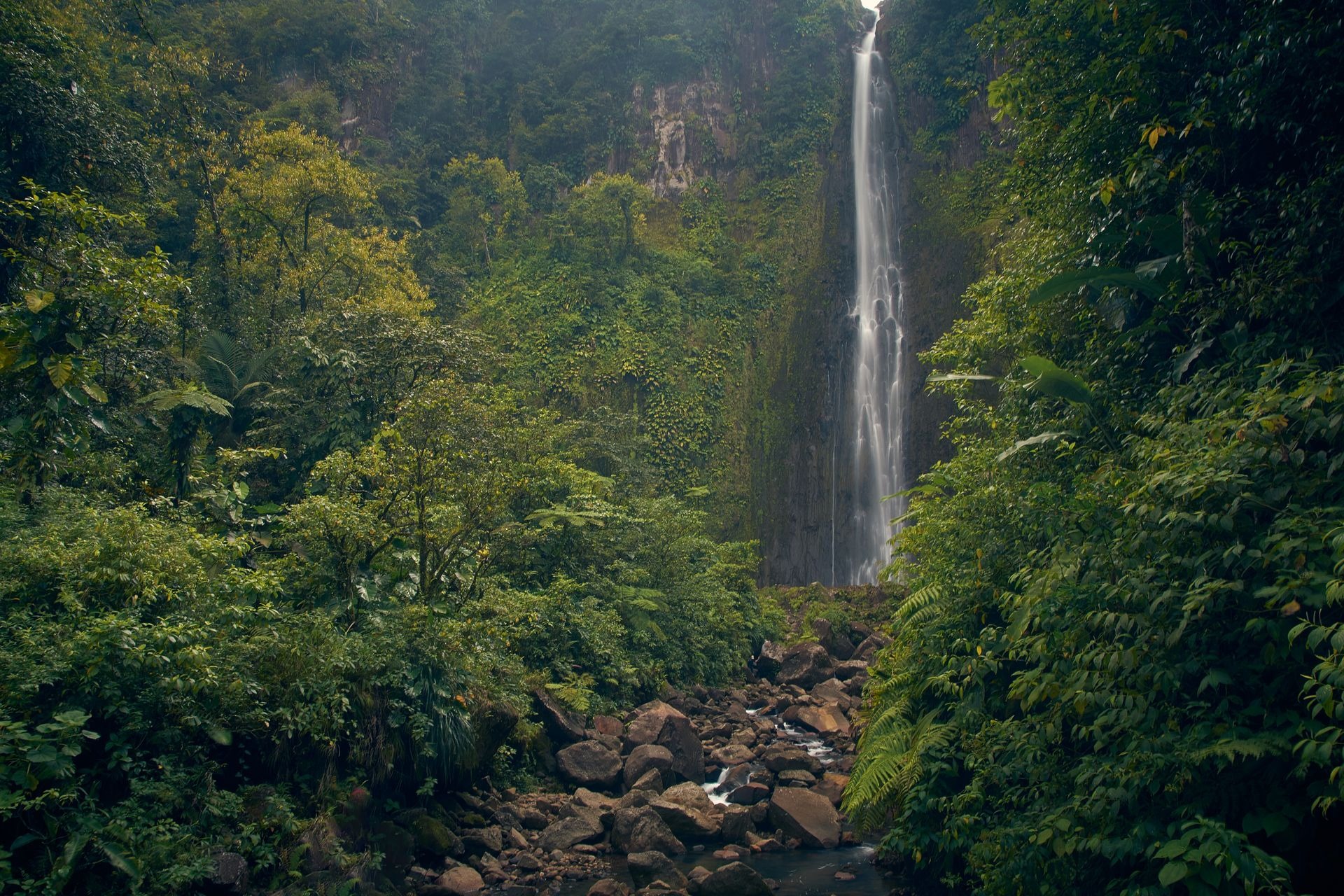
The mountainous western wing of Guadeloupe: La Soufrière volcano, the Carbet waterfalls, rainforest trails in the national park, hot springs, and diving with turtles in the Cousteau Reserve.
Basse-Terre is the western wing of Guadeloupe's butterfly, joined to flat Grande-Terre by bridges across a narrow channel. It is mountainous, wet and green, and much of its centre is protected by the Guadeloupe National Park, a UNESCO biosphere reserve of rainforest, rivers and waterfalls.
At its southern end rises La Soufrière, an active volcano and, at 1,467 metres, the highest point in the Lesser Antilles. The hike from the car park at Bains Jaunes takes around two hours up to a summit of fumaroles and craters, often in cloud. On the eastern slopes, the Carbet waterfalls drop from the mountain in three tiers.
The Caribbean coast has the Cousteau Reserve off Malendure, where turtles are seen on most snorkelling trips, hot springs at Bouillante, and coffee and cocoa plantations. The island's capital, also called Basse-Terre, has a 17th-century fort. Give the wing three to four days.
Bouillante for diving, the south around Trois-Rivières for the volcano and ferries, or Sainte-Rose in the north.
The Caribbean coast by Malendure.
The south, near La Soufrière.
The island's capital.
Beaches and rum.
Map data from OpenStreetMap contributors.
Hike La Soufrière from Bains Jaunes, starting early to beat the cloud, and check the volcano's alert level and any closed areas first. Walk to the second Carbet waterfall, the easiest to reach, and stop at the Cascade aux Écrevisses, a short walk from the Route de la Traversée.
Snorkel or dive in the Cousteau Reserve around the Îlets Pigeon, reached by boat from Malendure beach, and soak in the hot springs at Bouillante.
Visit the Fort Louis Delgrès in the town of Basse-Terre, tour a coffee plantation at Vieux-Habitants, and see the ancient rock carvings at the archaeological park in Trois-Rivières.
The national park is free, including the trails to La Soufrière, the Carbet falls and the Cascade aux Écrevisses. Parking at some sites is paid.
Malendure beach and the hot springs on the shore at Bouillante cost nothing.
Boat trips to the Cousteau Reserve and plantation tours charge.
Roadside lolos, small snack bars, serve bokits for €5 to €9 and Creole plates for €12 to €18. Try fresh river crayfish, ouassous, grilled fish and colombo.
Vieux-Habitants grows coffee, and Basse-Terre's distilleries make rhum agricole.
Service is included in restaurant prices, as in France; leaving a little extra for good service is appreciated but not expected.
Basse-Terre is quiet at night. A few beach bars at Malendure and Deshaies stay open, and most evenings are dinner and an early night before a hike.
For nightlife, head to Le Gosier on Grande-Terre.
Beer costs €3 to €5.
The airport is about 30 minutes from the east coast of Basse-Terre and up to 90 minutes from the south. A hire car is close to essential, as buses are infrequent and stop early.
The Route de la Traversée crosses the national park from east to west. Roads are good but winding.
Ferries to Les Saintes leave from Trois-Rivières.
Gîtes and guesthouses start at around €30 to €60 a night. Bokits cost €5 to €9.
The national park is free. Snorkelling boat trips to the Cousteau Reserve cost about €25 to €40, and dives about €50 to €70.
Cards work almost everywhere.
La Soufrière is an active, monitored volcano, and parts of the summit can be closed; follow the signs and check the alert level. Weather on the mountain changes fast, so bring a layer and rain gear.
Rivers rise suddenly after rain; never cross or swim in them during storms. Leave nothing visible in parked cars at trailheads.
Tap water is treated, but supply cuts and quality notices are common, so many people drink bottled water. In an emergency, call 112.
Waterfalls, islands and the coast.
Beaches and gardens.
Carnival and the dry season.
Parades and drums.
The best hiking weather.
December to April is drier, but Basse-Terre gets rain all year, and much more than Grande-Terre. June to November is the wet season, with hurricane risk.
Average highs at sea level, rounded. Much cooler on the volcano.
Per night, for one person, based on Basse-Terre prices.
Treat these as a guide. A hire car costs extra.
The ones we get asked most.

Compare places to stay across Guadeloupe: live prices, real reviews and free cancellation on most bookings. Then meet the people already there in the app.

 Get the App.



 Get the App.