Casco Viejo
History, nightlifeThe colonial old town, with most hostels.

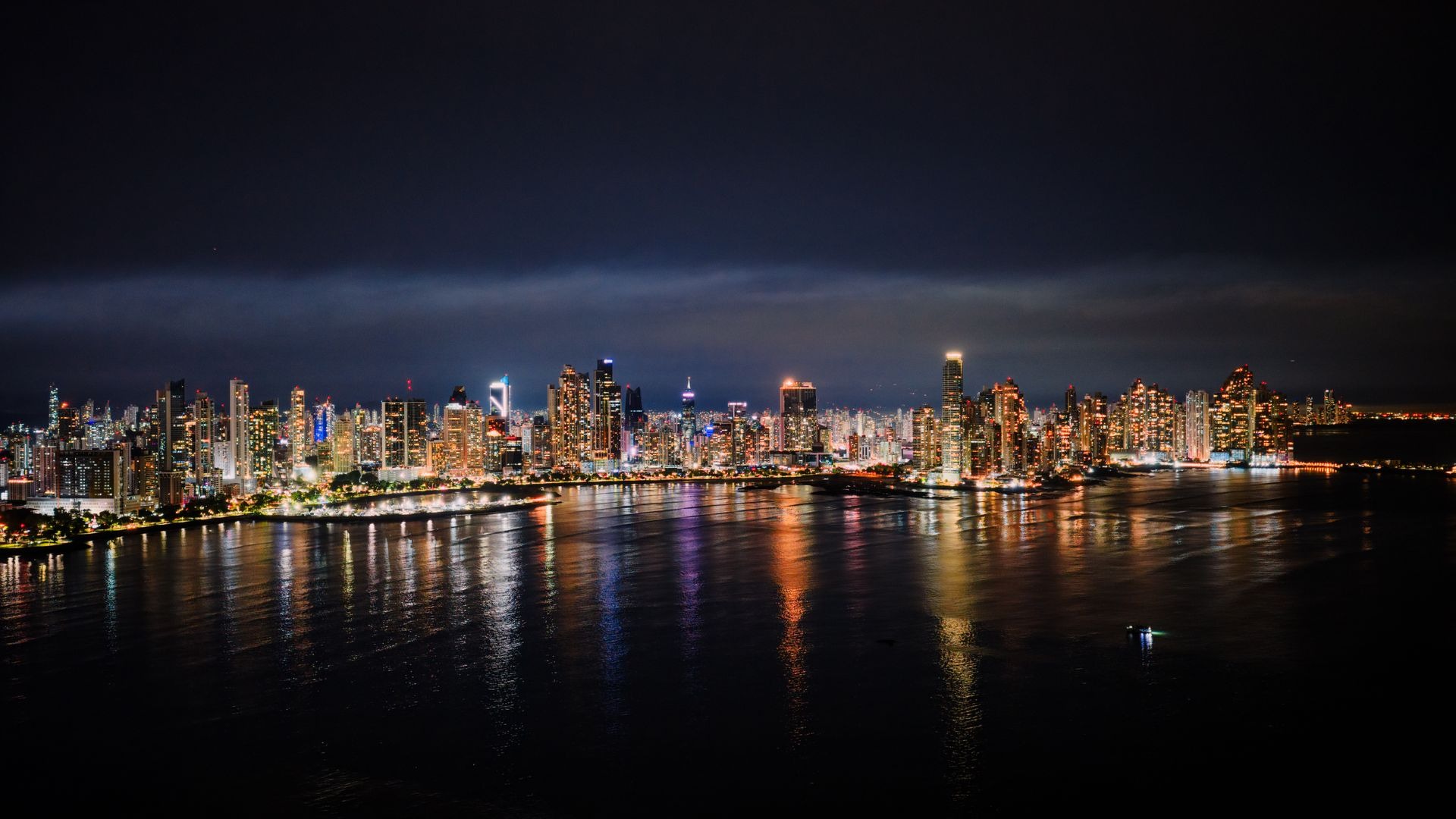
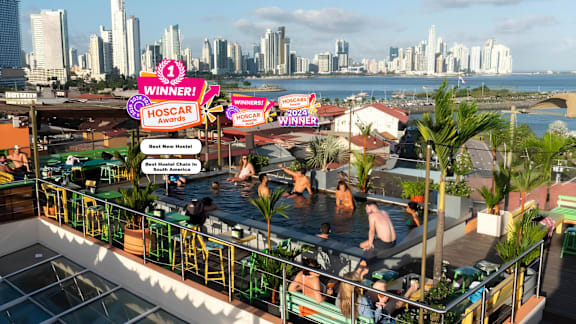
A skyline of glass towers on one side of the bay and the restored colonial Casco Viejo on the other: ships rising through the canal locks, ceviche at the fish market, rooftop bars, rainforest inside the city limits, and islands an hour away.
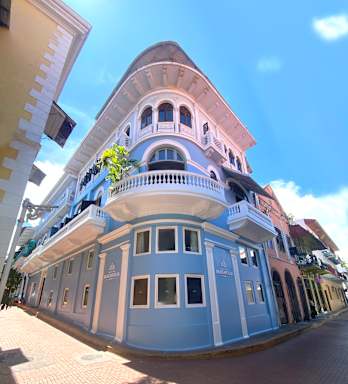
Panama City sits on the Pacific at the southern end of the Panama Canal. The Spanish founded it in 1519; pirates led by Henry Morgan destroyed it in 1671, and its ruins survive as Panamá Viejo. The city was rebuilt on a peninsula to the west, and that quarter, Casco Viejo, is now a UNESCO World Heritage Site of restored churches, plazas and balconied houses.
The canal, opened in 1914 and handed to Panama in 1999, made the city rich, and its banking district looks more like Miami than Central America. Watching ships pass through the Miraflores locks is the classic visit.
Nature is close: Parque Natural Metropolitano is rainforest inside the city, and Soberanía National Park and the canal's lakes are under an hour away. Give Panama City three days.
Casco Viejo for history, bars and most hostels; El Cangrejo and Bella Vista for a central, modern base near the metro.
The colonial old town, with most hostels.
Restaurants and cafés near the metro.
Between the bay and El Cangrejo, including Calle Uruguay.
The causeway with the Biomuseo.
Orange labels are neighbourhoods, dots are the 10 top-rated hostels. Map data from OpenStreetMap contributors.
Watch ships rise and fall through the Miraflores locks from the visitor centre's viewing decks; transits are busiest in the morning and mid-afternoon. Walk Casco Viejo's plazas, the Iglesia de San José with its golden altar, and the sea wall, and visit the Canal Museum.
See the ruins of Panamá Viejo, the original 1519 city, and walk or cycle the Amador Causeway to the Biomuseo, designed by Frank Gehry. Hike up Ancón Hill or through the Parque Natural Metropolitano for views of the skyline and canal.
Take day trips to Soberanía National Park for birdwatching on the Pipeline Road, a boat trip on Gatún Lake to see monkeys, and the ferry to Isla Taboga.
Casco Viejo's streets, plazas and churches are free, and so is the Cinta Costera, the waterfront park between Casco Viejo and the skyline.
The Amador Causeway is free to walk or cycle, and the hike up Ancón Hill costs nothing.
The canal visitor centre, museums and Panamá Viejo charge.
The Mercado de Mariscos fish market has stalls selling ceviche in cups for €3 to €5. Fondas serve a plate of rice, beans, plantain and meat for €4 to €7.
Try sancocho, the chicken soup that is the national dish, carimañolas (yuca fritters) and patacones (fried plantain).
Casco Viejo has the best restaurants, at €12 to €25 a main. A 10 per cent tip is usual in restaurants; check the bill first, as some add it.
Casco Viejo has rooftop bars with skyline views, cocktail bars in restored buildings and live music, busiest from Thursday to Saturday. Calle Uruguay and the banking district have clubs.
A cocktail costs €6 to €10 in Casco Viejo.
A Balboa or Atlas beer costs €1.50 to €4.
Tocumen International Airport is about 30 to 45 minutes from the centre by Uber or taxi, depending on traffic. The metro is cheap and clean, at well under €1 a ride, and needs a rechargeable card.
Use Uber or InDrive rather than street taxis, especially at night. Traffic is heavy at rush hour.
Long-distance buses leave from the Albrook terminal, next to the metro, for the rest of the country and Costa Rica.
Hostel beds start at around €12 to €20 a night. Fonda meals cost €4 to €7.
The Miraflores visitor centre costs about €15 to €20, Panamá Viejo about €10 to €15, and a Gatún Lake boat trip about €40 to €70.
Panama uses the US dollar, alongside its own balboa coins, which are worth the same. Cards work almost everywhere.
Most visitors have no trouble in Casco Viejo, the Cinta Costera, El Cangrejo and the banking district, but neighbourhoods change quickly. Avoid El Chorrillo, Santa Ana and Curundú, which border Casco Viejo, and take Uber at night rather than walking. Use ATMs inside banks or malls.
Do not swim in the Bay of Panama, which is polluted.
Tap water is safe to drink in Panama City and most of the country, but not in Bocas del Toro or on the islands; use bottled or filtered water there. In an emergency, call 911.
Rainforest, islands and the canal.
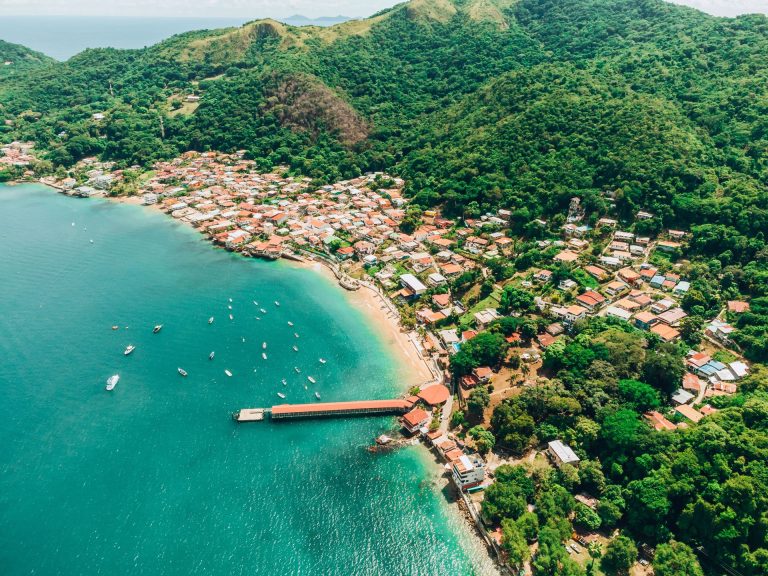
The island of flowers.
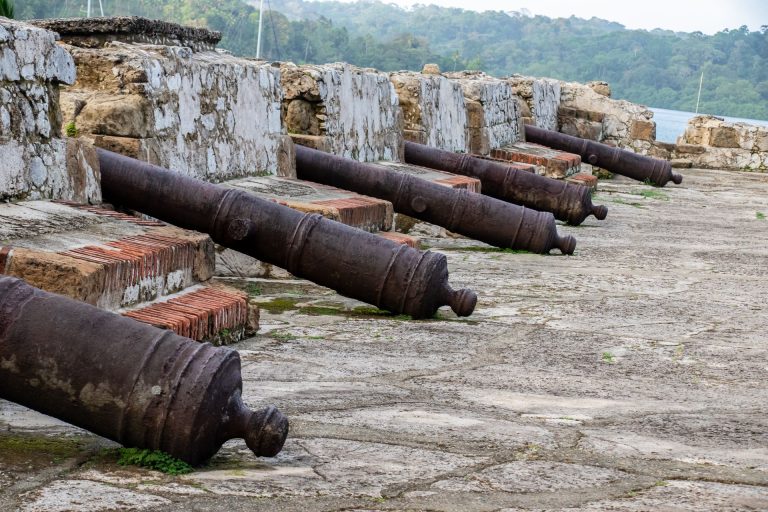
Spanish forts on the Caribbean.
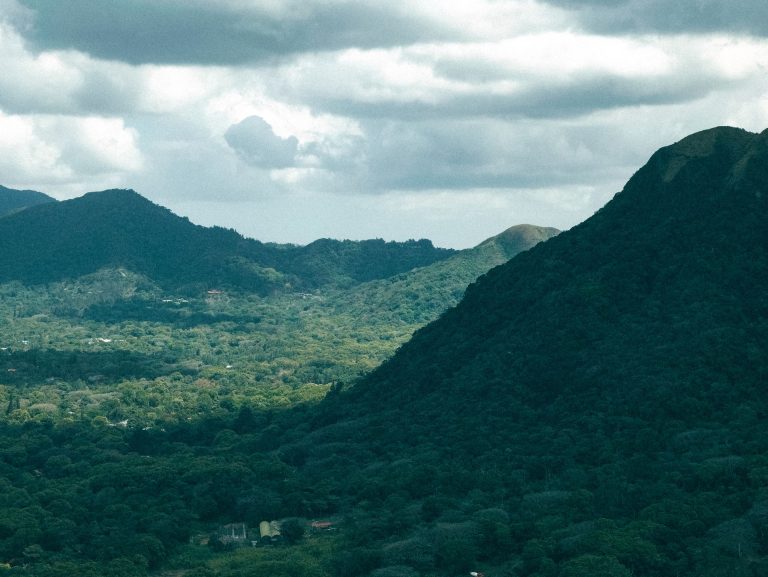
A town in a crater.
Carnival and national holidays.
Four days of parades and water trucks.
Parades and drumming.
Concerts and free shows.
A city holiday; the canal also opened on this date in 1914.
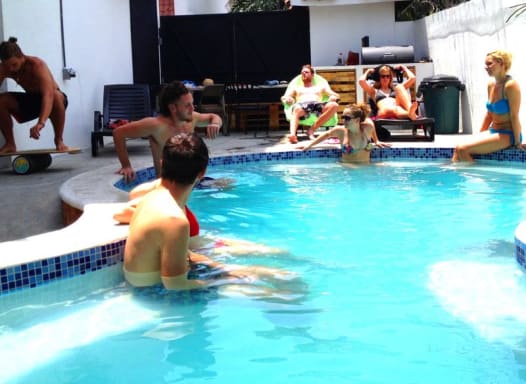
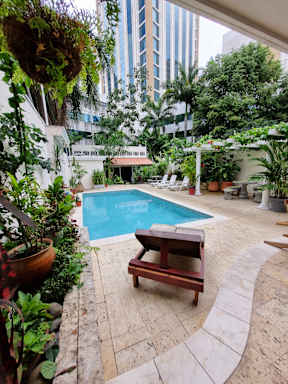
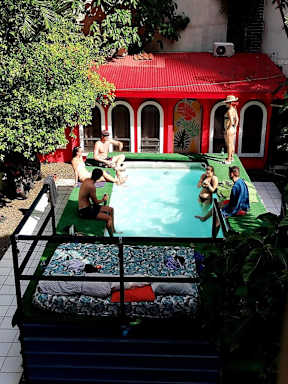
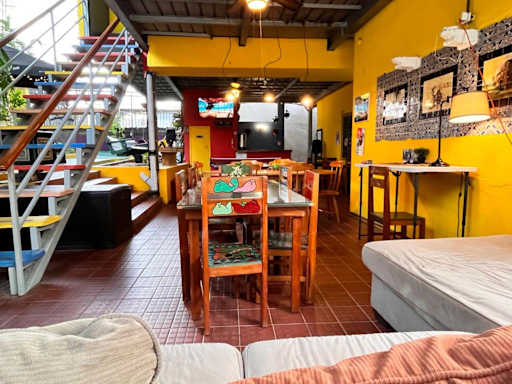
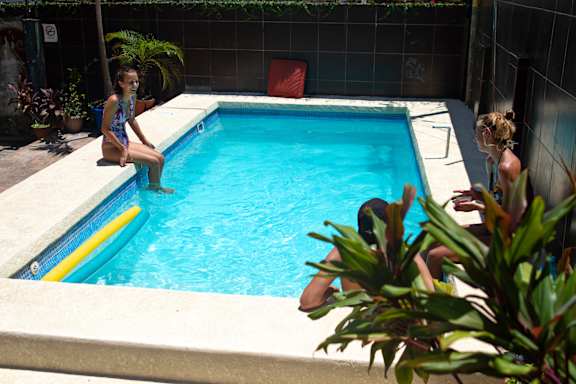
The highest-rated hostels in Panama City, live from Hostelworld. Prices and availability are live on each property page.
December to April is the dry season, sunny and breezy. May to November brings heavy afternoon rain, wettest in October and November. Carnival, in February or March, is busy.
Average highs, rounded. Hot and humid all year.
Per night, for one person, based on Panama City prices.
Treat these as a guide. Day trips cost extra.
The ones we get asked most.

Compare hostels across Panama: live prices, real reviews and free cancellation on most bookings. Then meet the people already there in the app.

 Get the App.



 Get the App.