Panama
Panama country guide

Things to do in Panama

A canal that changed world trade, an archipelago on each coast, and the only place you can watch the sun rise over the Pacific and set over the Atlantic.

€12
Dorm bed, from
80km
The canal, ocean to ocean
$
US dollars, alongside the balboa
365
Islands in San Blas

Where the continent narrows to fifty kilometres

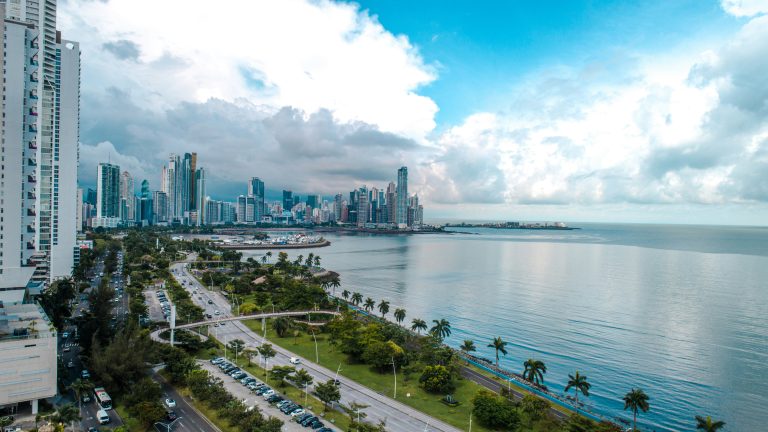
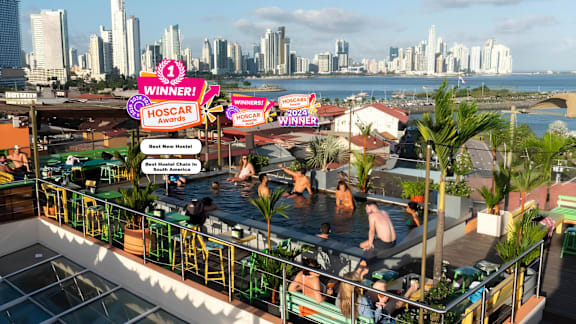
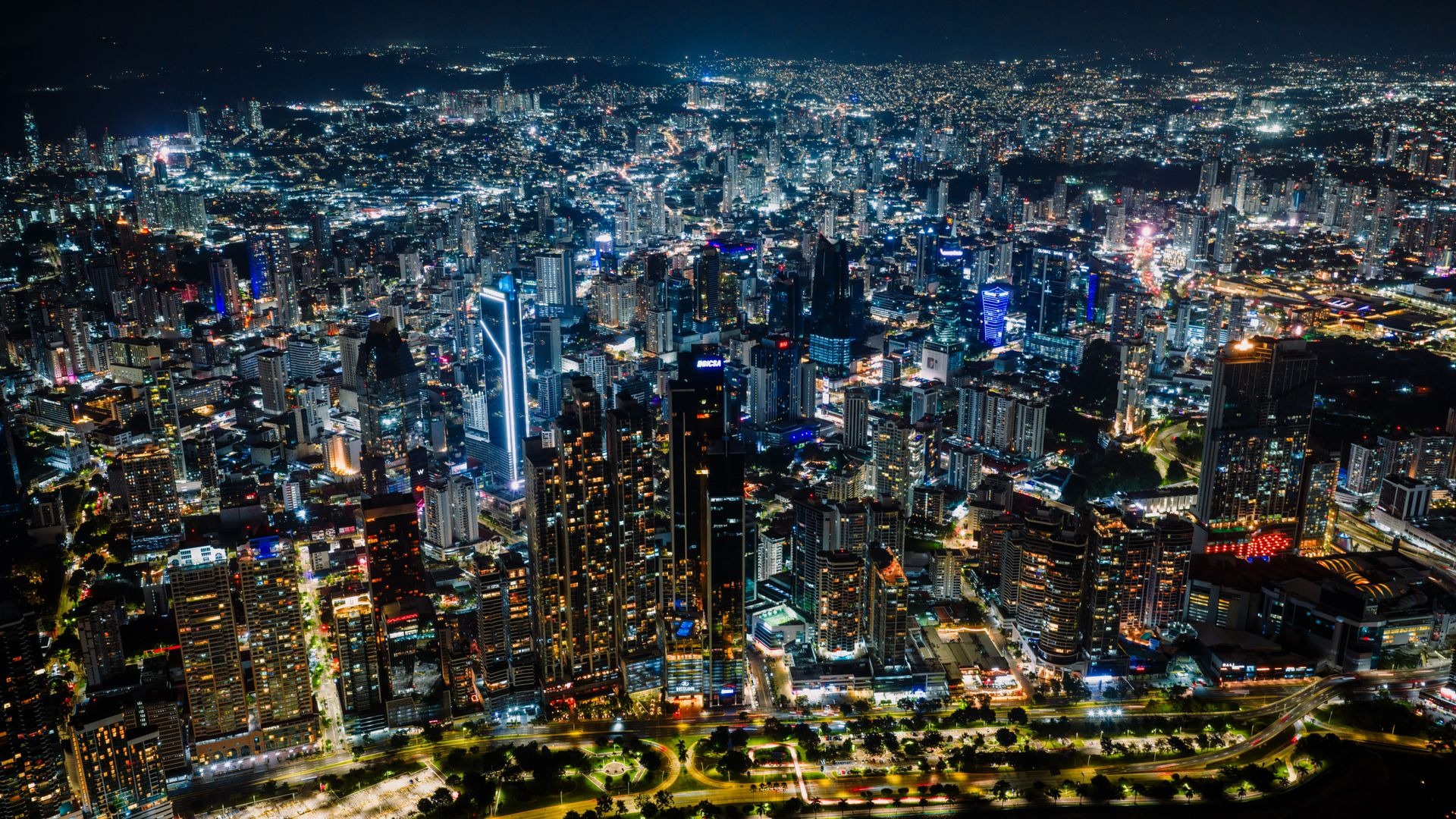
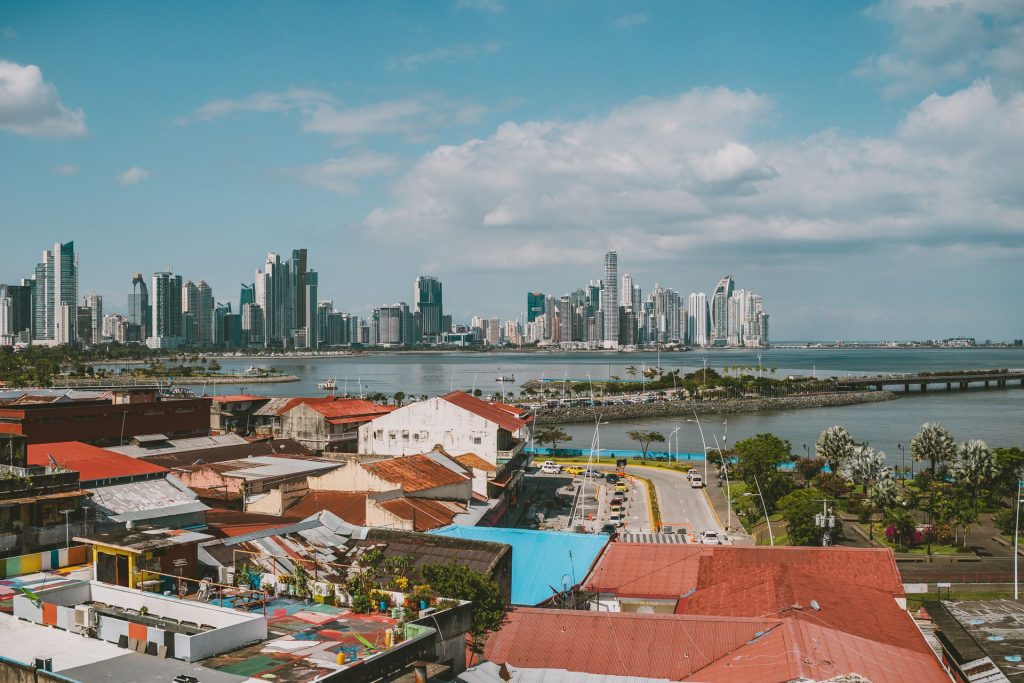
Panama is the isthmus, and everything about it follows from that. The canal cut through it in 1914, the country uses the US dollar, and Panama City has a skyline that looks more like Miami than Central America, with glass towers on one side of the bay and the restored colonial Casco Viejo on the other.

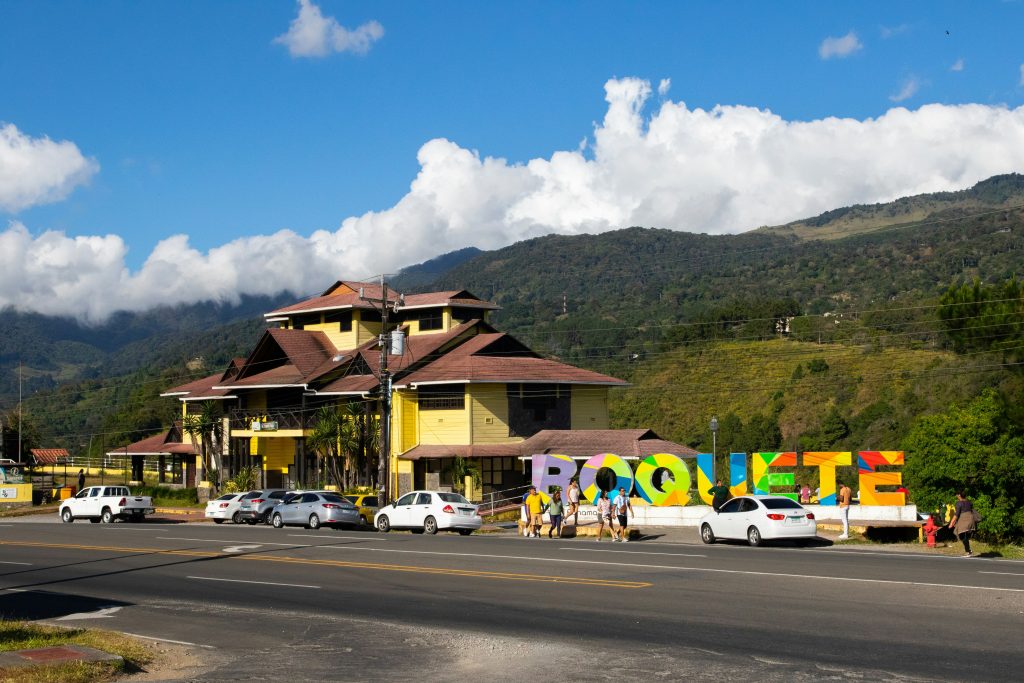
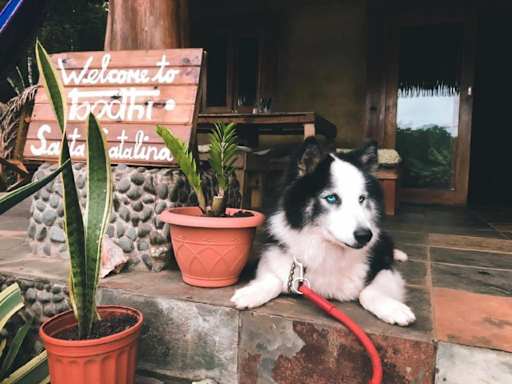
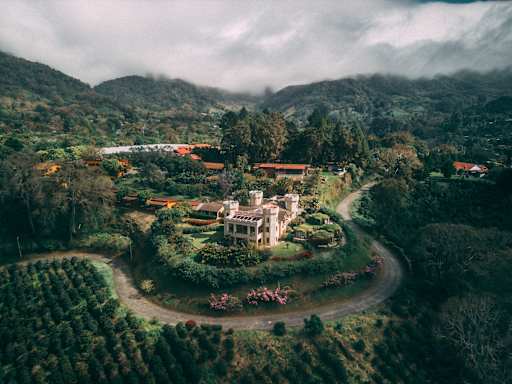
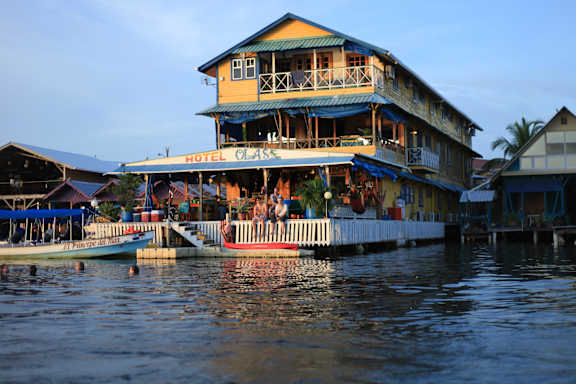
Beyond the city, Bocas del Toro on the Caribbean is an archipelago of islands, surf and a long-staying backpacker scene. Boquete in the highlands has coffee, cloud forest and a cooler climate. Santa Catalina is the surf and diving town on the Pacific, with Coiba national park offshore.

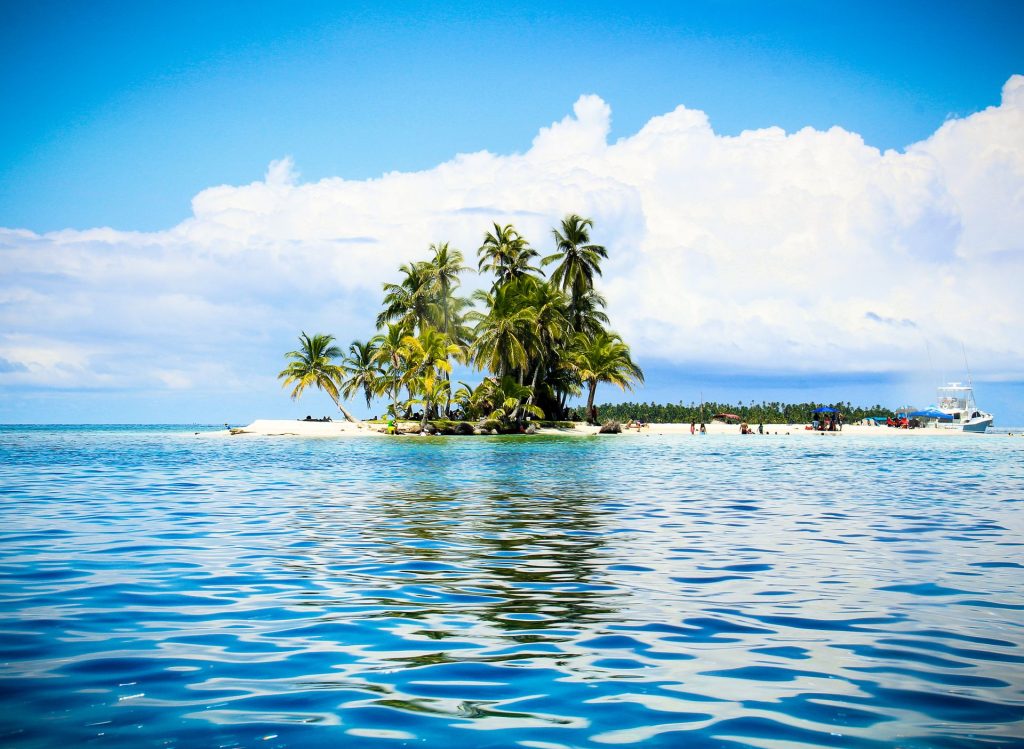
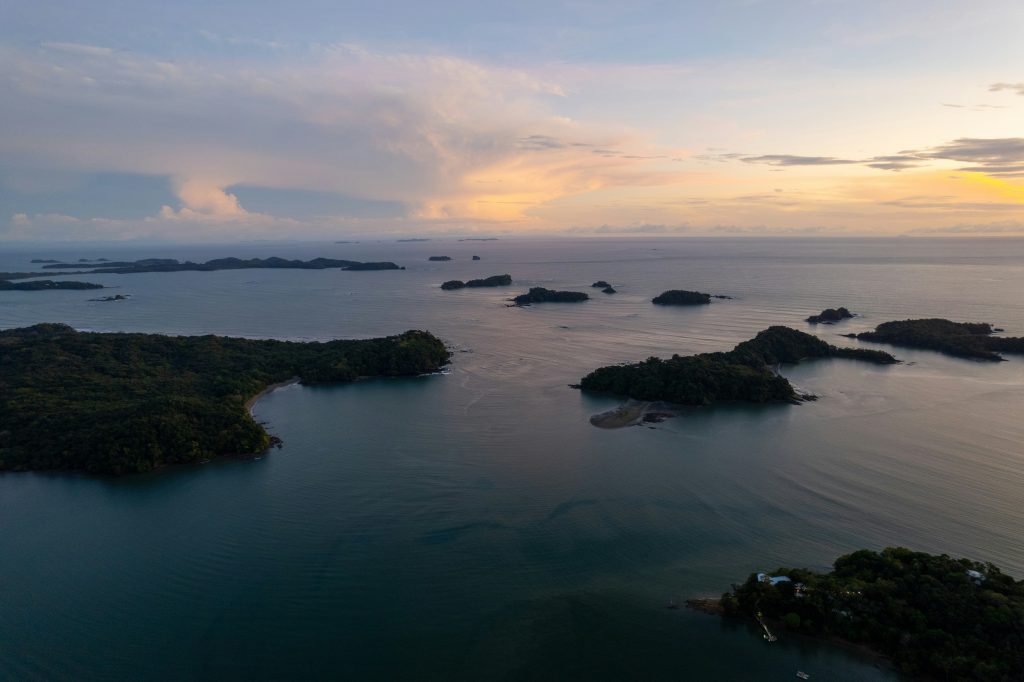
San Blas, or Guna Yala, is the one people remember: 365 islands governed autonomously by the Guna people, reached by 4x4 and boat, where you sleep in a hammock or a basic cabin on an island with a dozen palm trees.

Two to three weeks covers it.

Where to go

Buses cover the country cheaply. Domestic flights save long days to Bocas and the Darién side.

Panama City

Panama City

25 hostels · dorms from €12

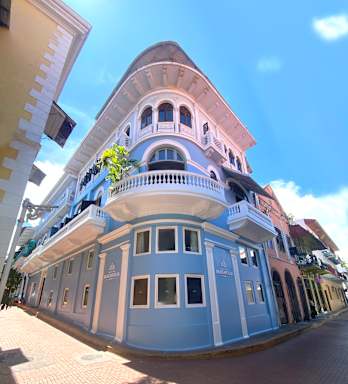
Skyline, canal locks and the restored colonial Casco Viejo, all in one city.

I've been coming here going through the airport and never stopping and going into the city so I decided to stop and come and see the old town area and it's just beautiful beautiful culture beautiful music beautiful people everything's been wonderful here

A traveller, on Hostelworld
The Panama City guide
Bocas del Toro

Bocas del Toro

19 hostels · dorms from €9

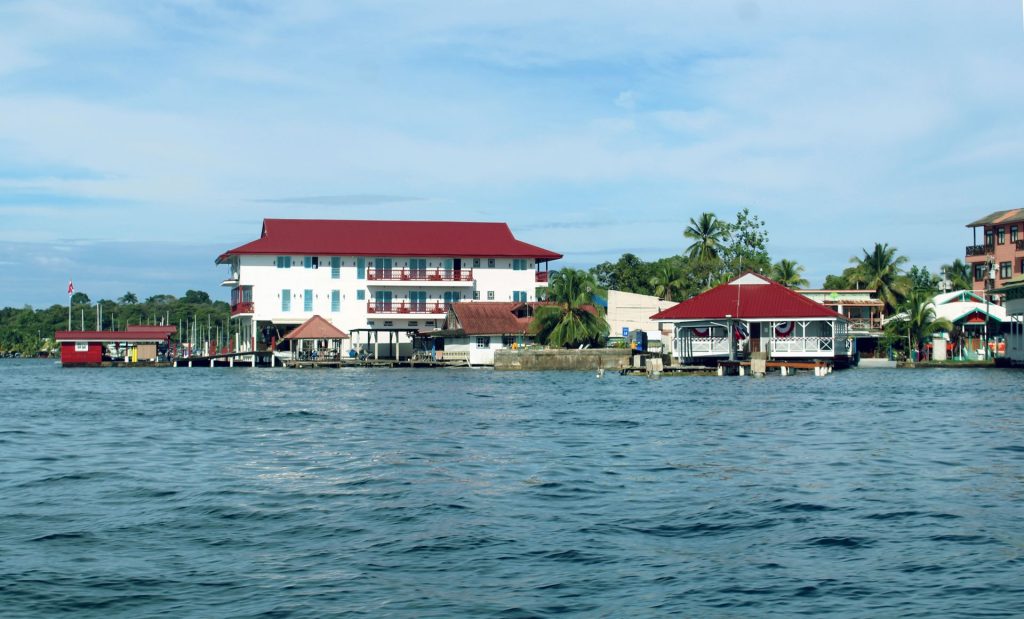
A Caribbean archipelago with surf, islands and the longest-staying backpacker crowd in Panama.

Enjoyed our time in Bocas Del Toro. We stayed on 3 of the islands there. Bocas Town had the most to see and do, Bastimentos had the monkeys and sloths, and Solarte was good for doing nothing!

A traveller, on Hostelworld
The Bocas del Toro guide
Boquete

Boquete

14 hostels · dorms from €22

Highland coffee country: cloud forest, hiking and cool nights.

Boquete ia a perfect option for relaxation, coffee and mountain views. It's a welcoming little town you want to visit.

A traveller, on Hostelworld
The Boquete guide
San Blas

San Blas

1 hostel

Guna Yala: 365 islands run autonomously by the Guna, reached by 4x4 and boat.

The San Blas guide
Santa Catalina

Santa Catalina

10 hostels · dorms from €9

A Pacific surf town, and the departure point for diving at Coiba.

Great area as yet unspoilt. Divers and snorkeling paradise. Nice restaurants cafe and bars within walking distance.

A traveller, on Hostelworld
The Santa Catalina guide
El Valle de Antón

El Valle de Antón

3 hostels

A town inside a volcanic crater, two hours from the capital, with waterfalls and hiking.

Chill vibes. Nice atmosphere. A surprising amount of things to do for such a small place. Very safe. Friendly people. Good if you're into hiking and nature

A traveller, on Hostelworld
The El Valle de Antón guide
Pedasí

Pedasí

Azuero coast base for Isla Iguana snorkelling, whales in season and surf at Playa Venao.

The Pedasí guide
Portobelo

Portobelo

1 hostel

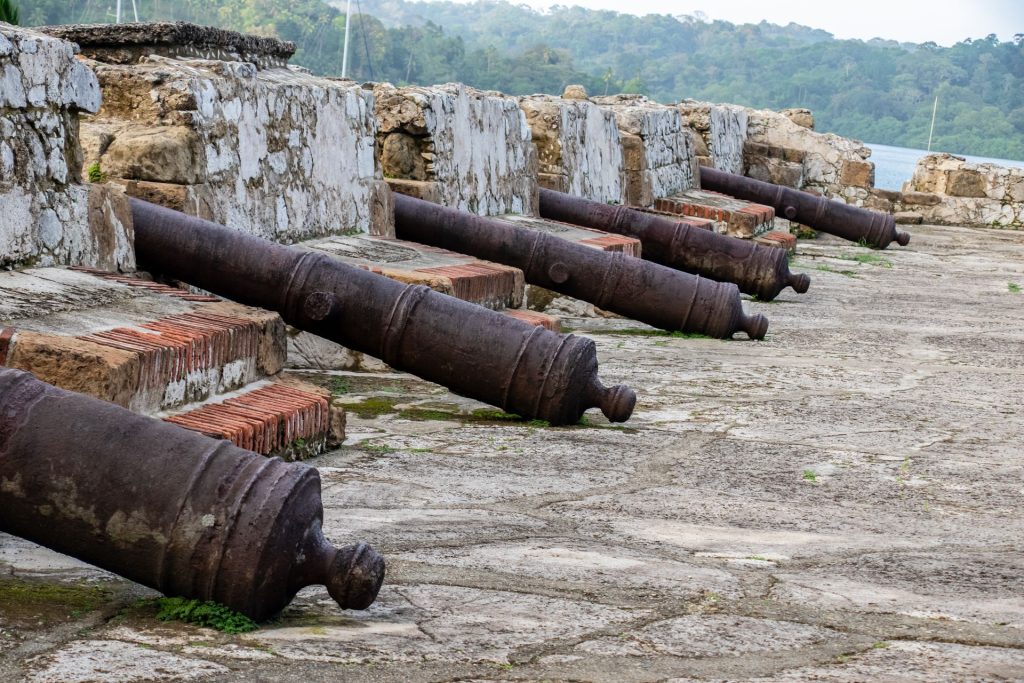
Spanish forts on a Caribbean bay, Congo culture and boats to Isla Mamey and beyond.

The Portobelo guide
Boca Chica

Boca Chica

Quiet fishing village and the gateway to the Gulf of Chiriquí islands and reefs.

The Boca Chica guide

What kind of trip is this?

Panama is islands, surf and one very good city, with a canal that explains the whole country.

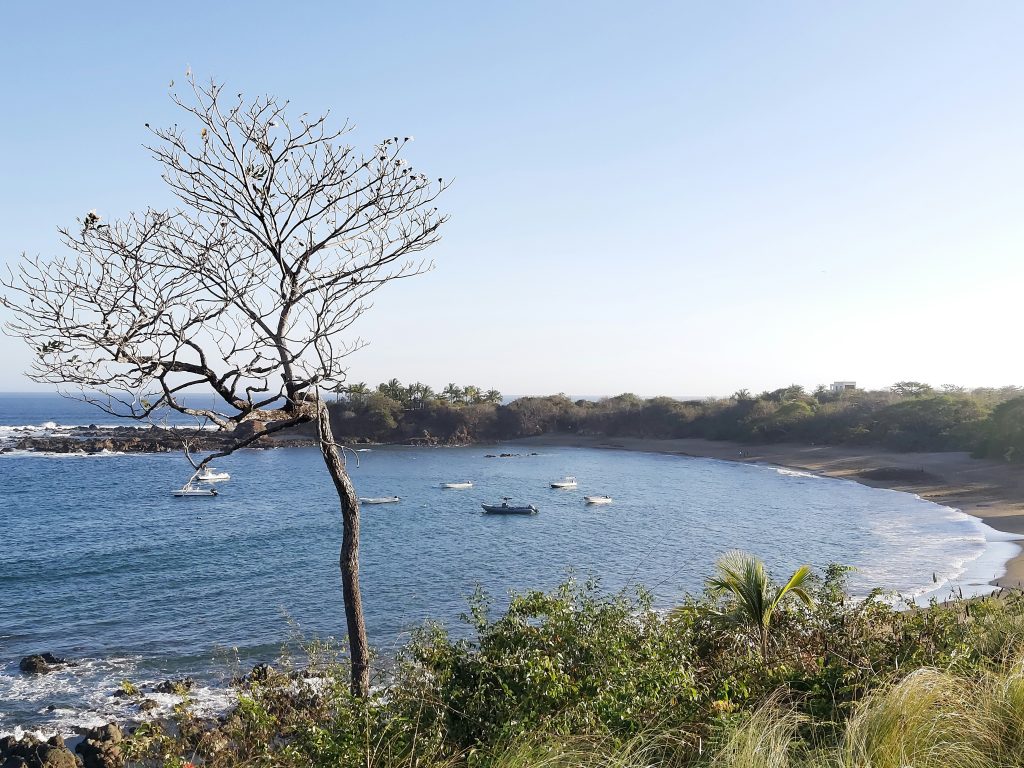
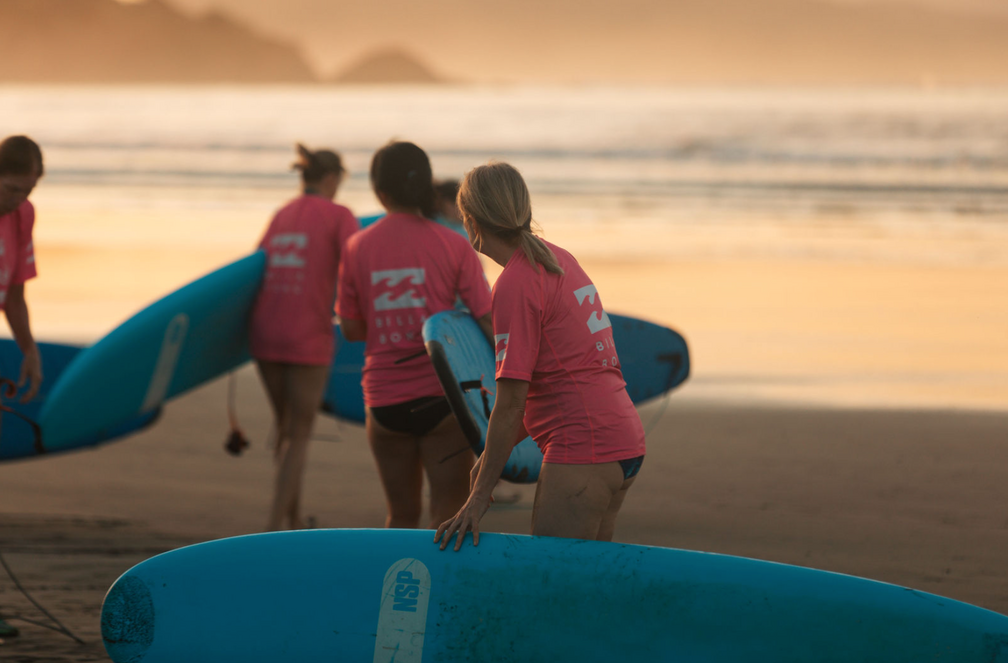
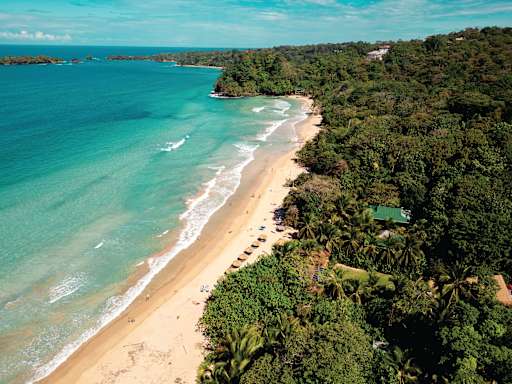
Beach in Panama

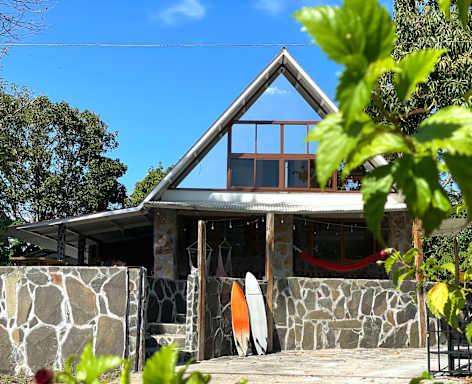
An archipelago on each coast.

What to do

  • Island-hop in Bocas del Toro
  • Sleep on a San Blas island
  • Red Frog Beach

Spots to visit

  • Bocas del Toro
  • San Blas
  • Santa Catalina

Best cities for it

Things to do

Things to do in Panama

The canal is the obvious start, and the Miraflores visitor centre lets you watch ships rise and fall through the locks; go when a transit is scheduled rather than on spec, as the schedule is published.

Casco Viejo, the restored colonial quarter, is the best few hours in Panama City: crumbling and renovated buildings side by side, rooftop bars looking back at the skyline, and the old sea wall.

San Blas is the trip people talk about afterwards. The islands are Guna territory, visited on organised trips from Panama City with a 4x4 transfer and boat, staying in basic cabins or hammocks. There is no electricity to speak of, the fish is caught that morning, and the Guna charge their own fees because it is their land.

Bocas del Toro is where travellers get stuck: islands linked by water taxis, surf breaks, and a social scene that runs all week.

Food and drink

Eating in Panama

Sancocho is the national dish, a chicken and root vegetable soup with culantro, eaten as a cure for most things including hangovers.

The Mercado de Mariscos in Panama City is the essential stop: a working fish market with a row of stalls upstairs serving ceviche in plastic cups for €3 to €5, and it is the best cheap eating in the city.

Fondas and local restaurants serve a plate of rice, beans, plantain and meat for €4 to €7, against €12 to €20 in Casco Viejo restaurants a few streets away.

Boquete is coffee country and grows Geisha, among the most expensive coffee in the world, with farm tours that let you taste it at a fraction of what it costs abroad.

Nightlife

Going out in Panama

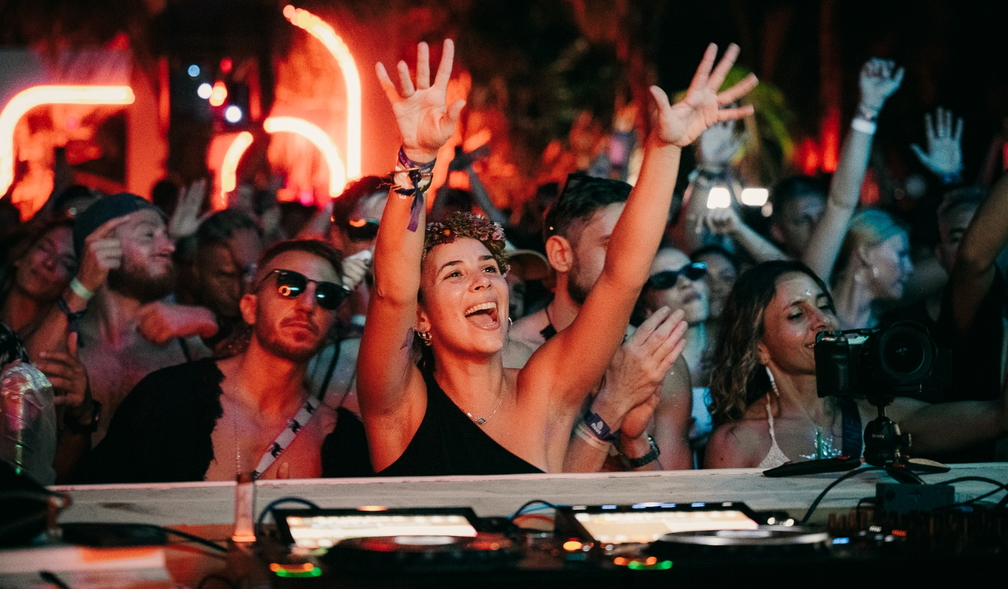
Casco Viejo is Panama City's nightlife: rooftop bars looking at the skyline across the bay, cocktail places in restored colonial buildings, and a mix of Panamanians, expats and travellers. Prices are higher than the rest of Central America, at €5 to €9 for a cocktail, and it is worth a night.

Bocas del Toro runs a backpacker circuit with a different bar each night of the week, including Filthy Friday, a boat-based crawl with a reputation that precedes it.

Elsewhere things are quieter. Boquete has a few bars and an early-to-bed crowd, and Santa Catalina is surfers and not much else.

Balboa and Atlas are the local beers at €1.50 to €3, and seco is the national spirit.

Getting around

Getting around Panama

Long-distance buses run from Albrook terminal in Panama City to everywhere, cheaply: David is seven hours, Boquete eight, and Almirante for Bocas about ten. Night buses cover the long legs and are cold enough that a jumper is not optional.

For Bocas, the bus goes to Almirante and then a water taxi takes thirty minutes to Bocas town. Flying from Panama City takes an hour and costs €80 to €140.

Panama City has a metro, which is clean and cheap, plus Uber, which is the easiest way around the city.

San Blas is reached only on organised transport: a 4x4 from Panama City at around 5am, then a boat. Guna Yala charges its own entry fees on arrival, payable in cash.

Costs

What Panama costs

Panama sits in the middle of the Central American range: more than Nicaragua, less than Costa Rica. Dorms start around €12, fonda meals are €4 to €7, and buses are cheap.

A day comes to €30 to €50, with Panama City and Bocas above that and everywhere else below.

The costs to plan for are San Blas trips at €120 to €250 for two or three days including transport, food and Guna fees, and diving at Coiba at €100 to €160 a day.

The country uses the US dollar, which removes exchange questions entirely. Cards work in cities; San Blas and the smaller islands are cash-only, and there are no ATMs in Guna Yala at all.

Safety

Staying safe in Panama

Panama is generally safe for travellers, with Panama City requiring city sense: some neighbourhoods near Casco Viejo change character within a block or two, so take Uber at night rather than walking, and keep phones out of sight.

The Darién Gap on the Colombian border is a genuine no-go. It is jungle with no road, controlled in parts by armed groups and used by migration routes, and every government advises against travel there. There is no overland crossing to Colombia: you fly or take a boat.

In Bocas, water taxis at night have had accidents, and drownings occur at beaches with strong currents and no lifeguards, particularly Red Frog and Playa Bluff.

Sandflies in Bocas are a genuine nuisance and their bites can become infected.

Entry and documents

Entry and documents

Most European, UK, US, Canadian and Australian citizens enter visa-free for 90 to 180 days depending on nationality.

Panama enforces two requirements more strictly than its neighbours: proof of onward travel, checked by airlines at boarding, and occasionally proof of funds: officially US$1,000 or equivalent, or a credit card.

Passports need three to six months' validity depending on nationality.

San Blas is Guna Yala, an autonomous territory with its own administration, and you pay entry fees to the Guna on arrival, in cash, separately from whatever your tour costs.

When to go

December to April is the dry season on the Pacific side. Bocas and the Caribbean coast follow their own pattern and can be wet at any time.

31°
Jan
Peak dry season. Best weather and busiest
31°
Feb
Excellent. Dry and breezy
32°
Mar
Hot and dry. Still peak
32°
Apr
Dry season ending. Very hot
31°
May
Rainy season starts. Afternoon storms
31°
Jun
Wet afternoons, and often a drier spell in Bocas
31°
Jul
Similar. Good Pacific surf
31°
Aug
Wet on the Pacific side. Whale season
30°
Sep
Wettest stretch. Bocas often clearer
30°
Oct
Still wet. Quiet and cheap
30°
Nov
The wettest month in much of the country
30°
Dec
Dry season returns and prices climb over the holidays
Bar height is temperature. Colour is how busy it gets: quiet busy peak

Average highs for Panama City. Bocas del Toro on the Caribbean has no reliable dry season and often gets its clearest weather in September and October, when the Pacific side is wettest. Boquete in the highlands is much cooler and misty year-round.

What your trip will cost

Pick how you travel and how long for. Per night, for one person, in euro equivalents of US dollars.

San Blas trips at €120–250 for two or three days and Coiba diving at €100–160 a day sit outside these figures.

—
  • Beds—
  • Food and drink—
  • Getting around—
  • Doing things—
What's on

What is on while you are there

Carnival is the biggest week of the Panamanian year and the whole country takes it off.

Panama travel questions

The ones we get asked most.

Can I travel overland from Panama to Colombia?
No. The Darién Gap is roadless jungle, controlled in parts by armed groups and used by migration routes, and every government advises against travel there. You fly, or take a multi-day sailing boat via San Blas.
What is San Blas like?
An archipelago of 365 islands in Guna Yala, an autonomous Guna territory, reached by 4x4 and boat on organised trips. You sleep in a basic cabin or hammock, there is no real electricity, the fish is caught that morning, and the Guna charge their own fees in cash.
How long do you need in Panama?
Two to three weeks for Panama City, Bocas del Toro, Boquete and San Blas. The country is small but bus legs are long: Panama City to Bocas is about ten hours plus a water taxi.
Is Panama expensive?
Mid-range for Central America: more than Nicaragua, less than Costa Rica. Dorms from €12, fonda meals €4 to €7, and a day around €30 to €50. Panama City and Bocas run higher.
Does Panama use the dollar?
Yes, alongside the balboa which is pegged to it one to one and circulates as coins. No exchange needed for anyone carrying dollars.
When should I go?
December to April for the dry season on the Pacific side and the highlands. Bocas del Toro follows its own pattern and is often at its clearest in September and October, when everywhere else is wettest.
Is Panama City worth time?
Three days, yes. Casco Viejo's restored colonial quarter, the Miraflores canal locks when a transit is scheduled, the fish market for ceviche, and rooftop bars looking back at a skyline that belongs somewhere else entirely.

Say yes to hostels, meet the world

Compare hostels across Panama: live prices, real reviews and free cancellation on most bookings. Then meet the people already there in the app.

Get the App. QRGet the App.
Get the App. QR  Get the App.
Scroll to Top