Portobelo town
HistoryThe forts, church and customs house.

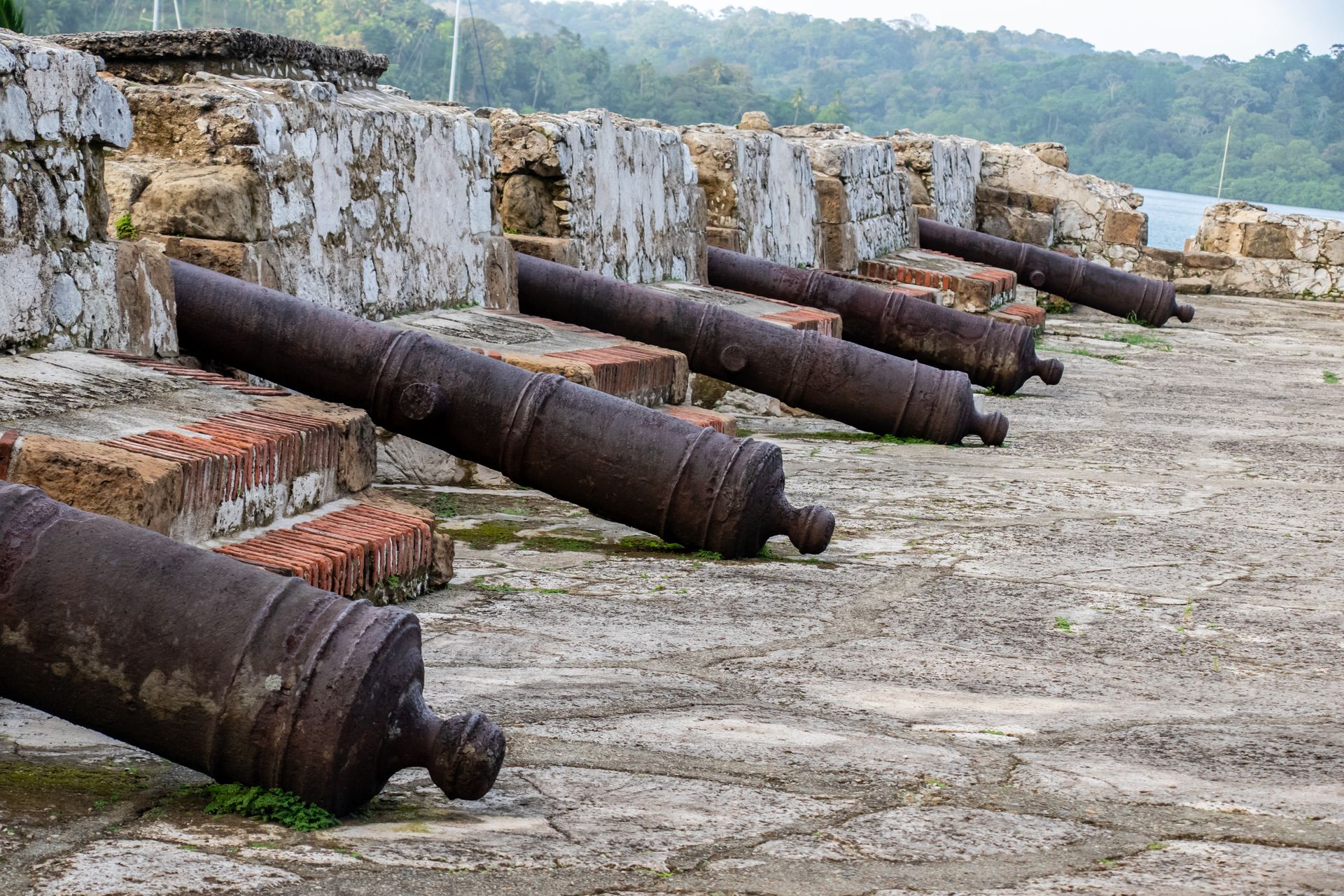
A Caribbean bay ringed by ruined Spanish forts: a UNESCO World Heritage Site where treasure fleets once loaded silver, Afro-Panamanian Congo culture, the Black Christ pilgrimage, snorkelling around Isla Mamey and Isla Grande, and sailing trips to Colombia.
Portobelo is a small town on a deep bay on Panama's Caribbean coast, about two hours from Panama City. From the 16th to the 18th century, it was one of the great ports of the Spanish empire, where Peruvian silver was loaded for Spain at great trade fairs. Its forts, attacked by Henry Morgan and others, are now a UNESCO World Heritage Site.
The town is home to Congo culture, a tradition of the descendants of Africans who escaped slavery, with dance, drumming and the Diablos y Congos festival. The Iglesia de San Felipe holds the Black Christ, which draws a huge pilgrimage every 21 October.
Portobelo is also where many sailing trips to Colombia start. Give it two days.
Stay in the town, near the forts and the church; Isla Grande, further along the coast, is a beach alternative.
The forts, church and customs house.
An island further along the coast.
Orange labels are neighbourhoods, dots are the 1 top-rated hostels. Map data from OpenStreetMap contributors.
Walk the forts of Santiago de la Gloria and San Jerónimo, with cannons still facing the bay, and visit the restored Real Aduana, the Spanish customs house.
See the Black Christ in the Iglesia de San Felipe, and visit the Taller Portobelo art workshop for Congo-inspired art. Learn about Congo dance and drumming with local groups.
Take a water taxi to the beaches and snorkelling of Isla Mamey, Playa Blanca and Playa La Huerta, and continue to Isla Grande.
The forts and the church are free to visit. Walking the town and the bay costs nothing.
The Real Aduana museum charges a small fee.
Water taxis and beach trips cost money.
Try Caribbean food: fish in coconut sauce, coconut rice, and lobster in season. Fondas serve plates for €5 to €8.
Try the local rum punch.
A 10 per cent tip is usual in restaurants; check the bill first, as some add it.
Portobelo is quiet, with a few bars by the water. Congo music and dance performances are the highlight.
Isla Grande has more beach bars.
A beer costs €1.50 to €3.
Buses run from Panama City's Albrook terminal to Sabanitas (about 1.5 hours), then on to Portobelo (about 1 hour). Tours from Panama City are easier.
Water taxis go to the beaches and Isla Mamey. Buses continue to La Guaira for the boat to Isla Grande.
Sailing trips to Colombia leave from here or from San Blas.
Hostel beds start at around €12 to €20 a night. Fonda plates cost €5 to €8.
A water taxi to the beaches costs about €10 to €25 a person, and the Real Aduana a few euros.
Panama uses the US dollar, alongside its own balboa coins, which are worth the same. Bring cash; ATMs are limited.
Portobelo is calm for visitors. The province of Colón has higher crime, so avoid Colón city itself unless you have a reason to go, and travel by day.
Book sailing trips to Colombia with a well-reviewed operator.
Tap water is safe to drink in Panama City and most of the country, but not in Bocas del Toro or on the islands; use bottled or filtered water there. In an emergency, call 911.
Islands and the coast.
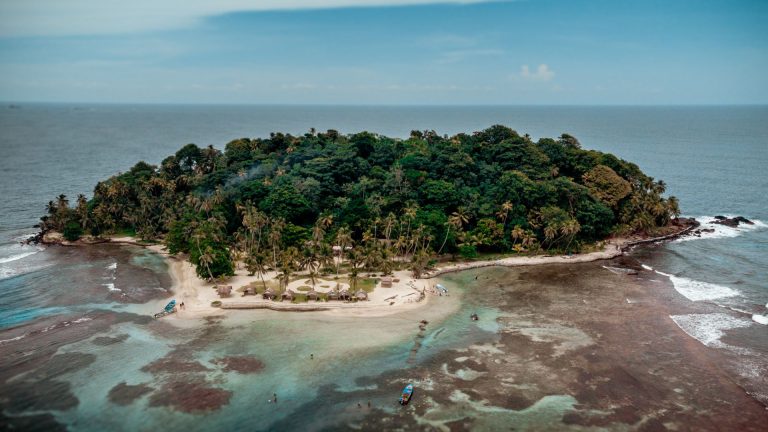
Beaches and snorkelling.
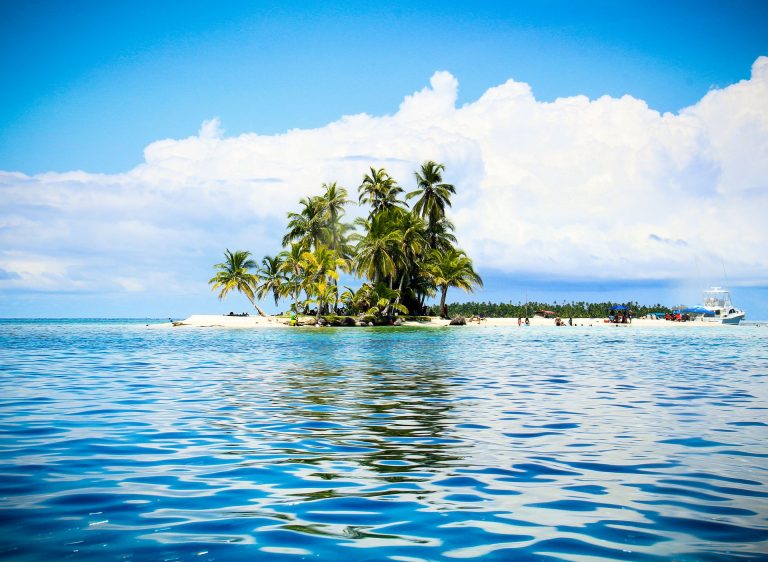
Islands, then Colombia.
Festivals and pilgrimages.
A huge pilgrimage.
Congo dance and masked devils.
Congo celebrations.
The highest-rated hostels in Portobelo, live from Hostelworld. Prices and availability are live on each property page.
The Caribbean coast is wet for much of the year; January to April is driest. The Black Christ festival on 21 October draws tens of thousands of pilgrims.
Average highs, rounded. Hot and humid.
Per night, for one person, based on Portobelo prices.
Treat these as a guide. Boat trips cost extra.
The ones we get asked most.

Compare hostels across Panama: live prices, real reviews and free cancellation on most bookings. Then meet the people already there in the app.

 Get the App.




 Get the App.