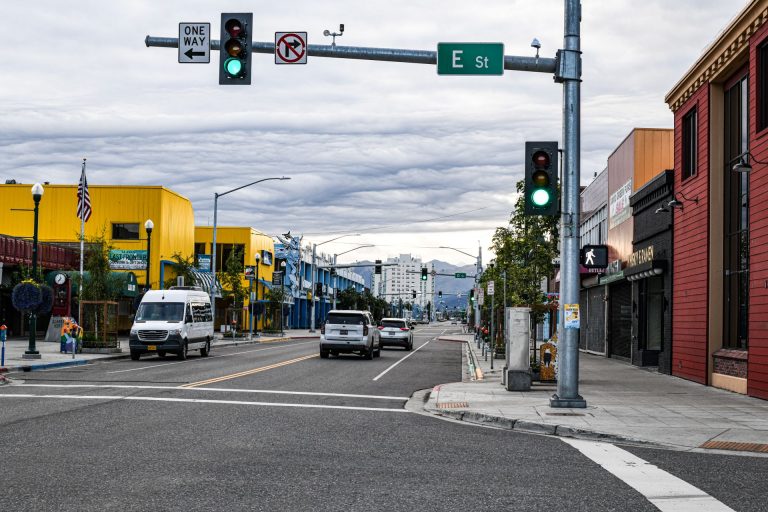
Anchorage
2 hostels
Alaska's biggest city and main gateway.
Points of interest
- Tony Knowles Coastal Trail
- Alaska Native Heritage Center
- Chugach State Park

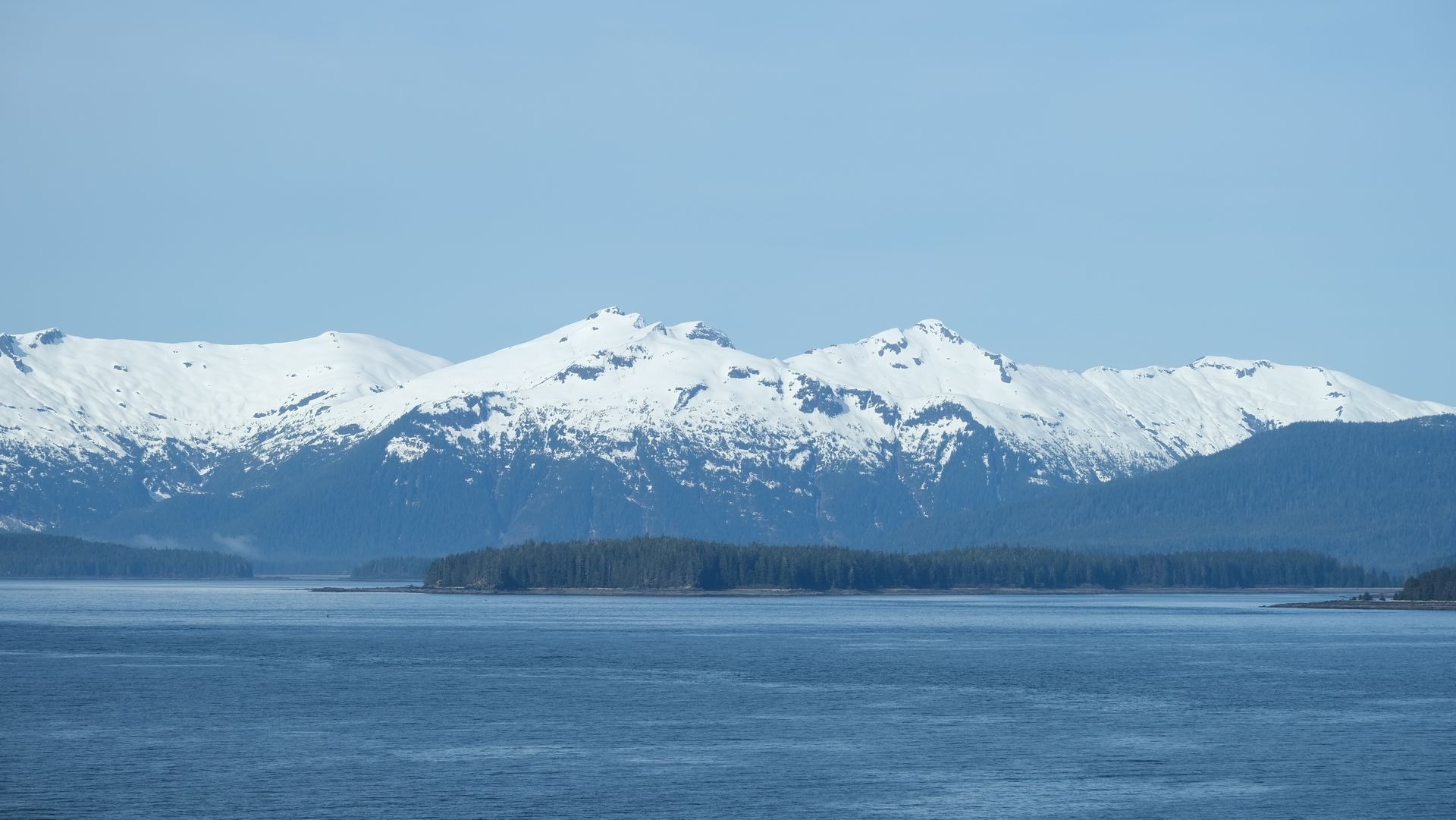
The last frontier: glaciers calving into the sea, bears catching salmon, Denali rising above the tundra, the midnight sun in summer and the northern lights in winter.
Alaska is by far the largest state, more than twice the size of Texas, with a population of fewer than a million people. It is a land of enormous wilderness: mountains, glaciers, fjords, tundra and forest, home to bears, moose, caribou, whales and eagles. Most of it can only be reached by plane or boat.
Anchorage, the biggest city, is the main gateway, with mountains on its doorstep. To the south, the Kenai Peninsula has fishing towns, glaciers and Kenai Fjords National Park, reached from Seward. To the north, Denali National Park has North America's highest mountain and wildlife on the open tundra; a new bridge over the Pretty Rocks landslide opened in 2026, and full bus access along the park road is expected to return in summer 2027. Fairbanks, in the interior, is one of the best places in the world to see the northern lights. Juneau, the capital, can only be reached by plane or boat, and the Inside Passage is a chain of islands and fjords.
Give Alaska at least ten days. Most travellers visit from late May to mid-September, when the days are long and everything is open. Winter is for the northern lights and dog sledding.
Anchorage as the hub, with nights near Denali, on the Kenai Peninsula or in Juneau.
Alaska's biggest city and main gateway.
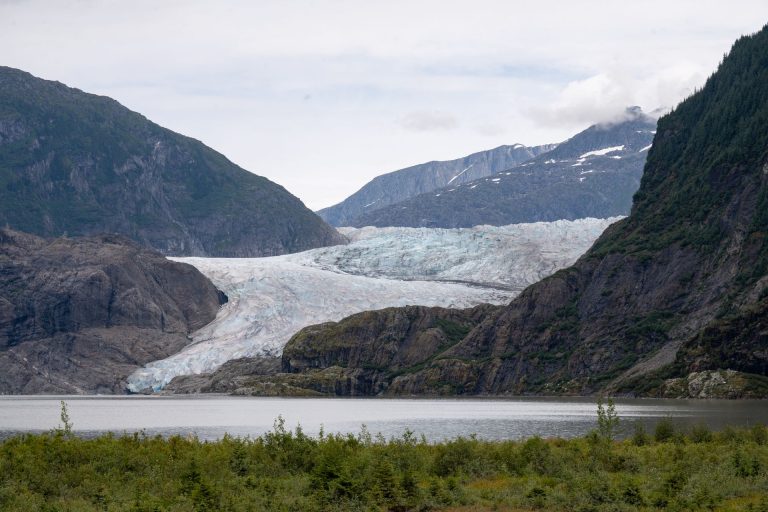
The capital, reachable only by plane or boat.
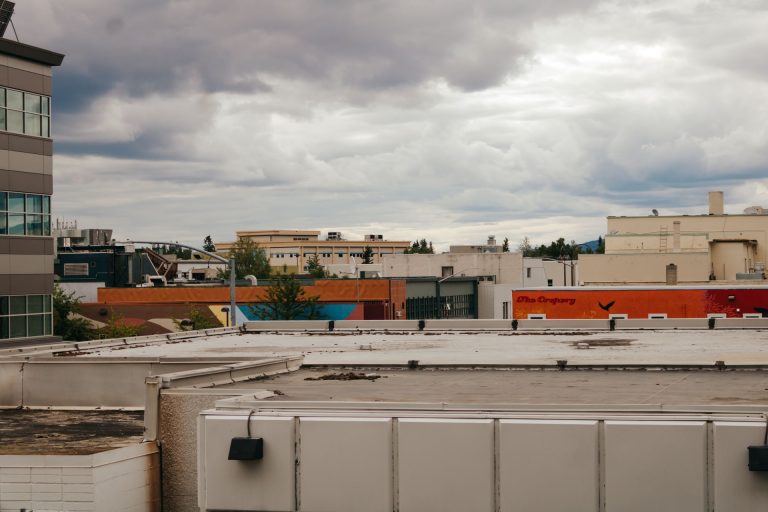
The interior's main town and a northern lights hotspot.
A huge state. Most trips focus on the area between Anchorage, the Kenai Peninsula and Denali, or on the Inside Passage.
Anchorage and the mountains, glaciers and fjords around it.
Seward, Homer and Kenai Fjords National Park.
Denali National Park and Fairbanks.
Juneau, Sitka and Ketchikan in the south-east.
Remote Arctic communities, reached by plane.
From Seward, take a boat into Kenai Fjords National Park to see tidewater glaciers, sea otters, puffins and whales, and hike to Exit Glacier. On the Kenai Peninsula, fish for salmon and visit the arty fishing town of Homer.
In Denali National Park, ride the park buses into the wilderness to look for grizzly bears, caribou and moose, and hope the clouds clear for a view of Denali itself. Take the Alaska Railroad between Anchorage, Denali and Fairbanks for some of the most scenic train journeys in North America.
In the Inside Passage, take the ferry between Juneau, Sitka and Ketchikan, visit the Mendenhall Glacier near Juneau, and watch humpback whales. In winter, see the northern lights from Fairbanks and try dog sledding.
Many trails around Anchorage, including the Tony Knowles Coastal Trail, are free. Exit Glacier, near Seward, can be visited free. The Mendenhall Glacier visitor area near Juneau charges a small fee.
Watching the midnight sun in summer, or the northern lights in winter, costs nothing.
Denali charges a park entry fee, and the park buses cost extra.
Alaska's seafood is outstanding: wild salmon, halibut, king crab and oysters. Try reindeer sausage, sold from street carts in Anchorage, and fish and chips made with halibut.
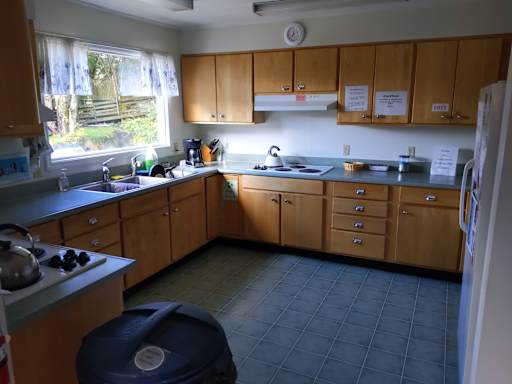
Food is expensive because most of it is shipped in. Supermarkets and hostel kitchens keep costs down.
Alaska has a good craft beer scene, especially in Anchorage, Juneau and Fairbanks.
Anchorage has bars, breweries and live music, and Fairbanks and Juneau have a few lively spots. The Red Dog Saloon in Juneau is a famous old-style bar.
In summer, the long daylight means nights out feel strange: it is still light at midnight.
Outside the towns, there is little nightlife.
Anchorage is the main airport, with flights from the lower 48 states. The Alaska Railroad runs from Seward via Anchorage to Denali and Fairbanks in summer, and buses and shuttles link the main towns.
The Alaska Marine Highway ferries run through the Inside Passage, linking Juneau, Sitka, Ketchikan and other towns, and to Bellingham in Washington. Many places can only be reached by small plane or boat.
A hire car gives the most freedom on the road system around Anchorage, but distances are huge.
Alaska is expensive, especially in summer. Hostels are few, so book early, and expect to pay around $40 to $60 for a dorm bed where they exist. Food, tours, flights and car hire are all costly.
There is no state sales tax, but many towns charge local sales tax, and lodging taxes apply.
Glacier cruises, flightseeing and Denali buses are the big extras. Camping saves a lot.
Alaska's towns are generally safe, but the wilderness demands respect. Bears are common: carry bear spray, make noise on trails, store food properly and keep your distance. Moose are also dangerous if approached.
Weather changes fast, water is very cold, and help can be far away. Tell someone your plans, carry layers and do not underestimate distances.
In summer, mosquitoes are fierce in the interior. In winter, temperatures can fall far below freezing. In an emergency, call 911.
Sled dog races, the midnight sun and the northern lights.
The famous long-distance sled dog race.
A winter festival with sled dog races.
A street party on the longest days.
The best months to see the aurora.
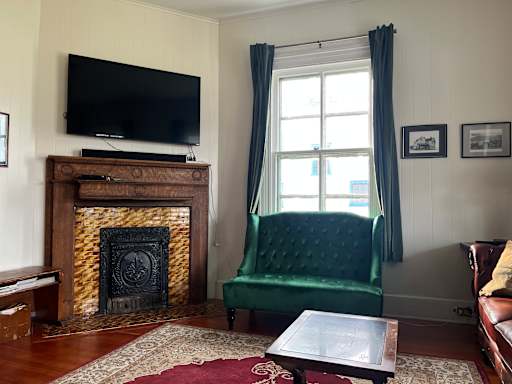
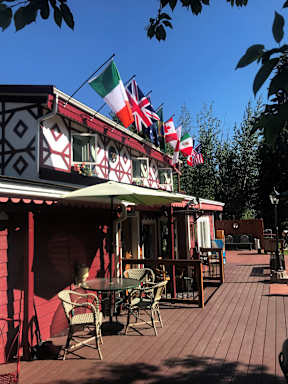
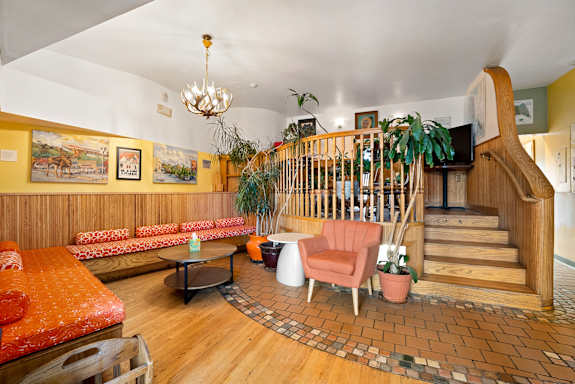
The highest-rated hostels across Alaska, straight from Hostelworld. Prices and availability are live on each property page.
Late May to mid-September is the main season, with long days, open roads and wildlife. June and July have almost 24-hour daylight. Winter, from November to March, is dark and very cold, but the best time for the northern lights.
Average highs for Anchorage, rounded. The interior is colder in winter and warmer in summer.
Per night, for one person, based on Anchorage summer prices.
Treat these as a guide. Tours, flights and Denali buses cost extra.
The ones we get asked most.

Compare hostels across Alaska: live prices, real reviews and free cancellation on most bookings. Then meet the people already there in the app.

 Get the App.



 Get the App.