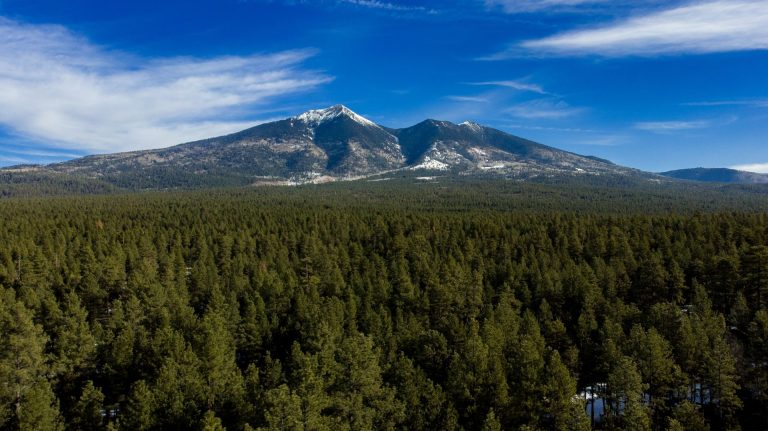
Flagstaff
A mountain town on Route 66 and the best base for the Grand Canyon.
Points of interest
- Grand Canyon
- Lowell Observatory
- Route 66
- Breweries

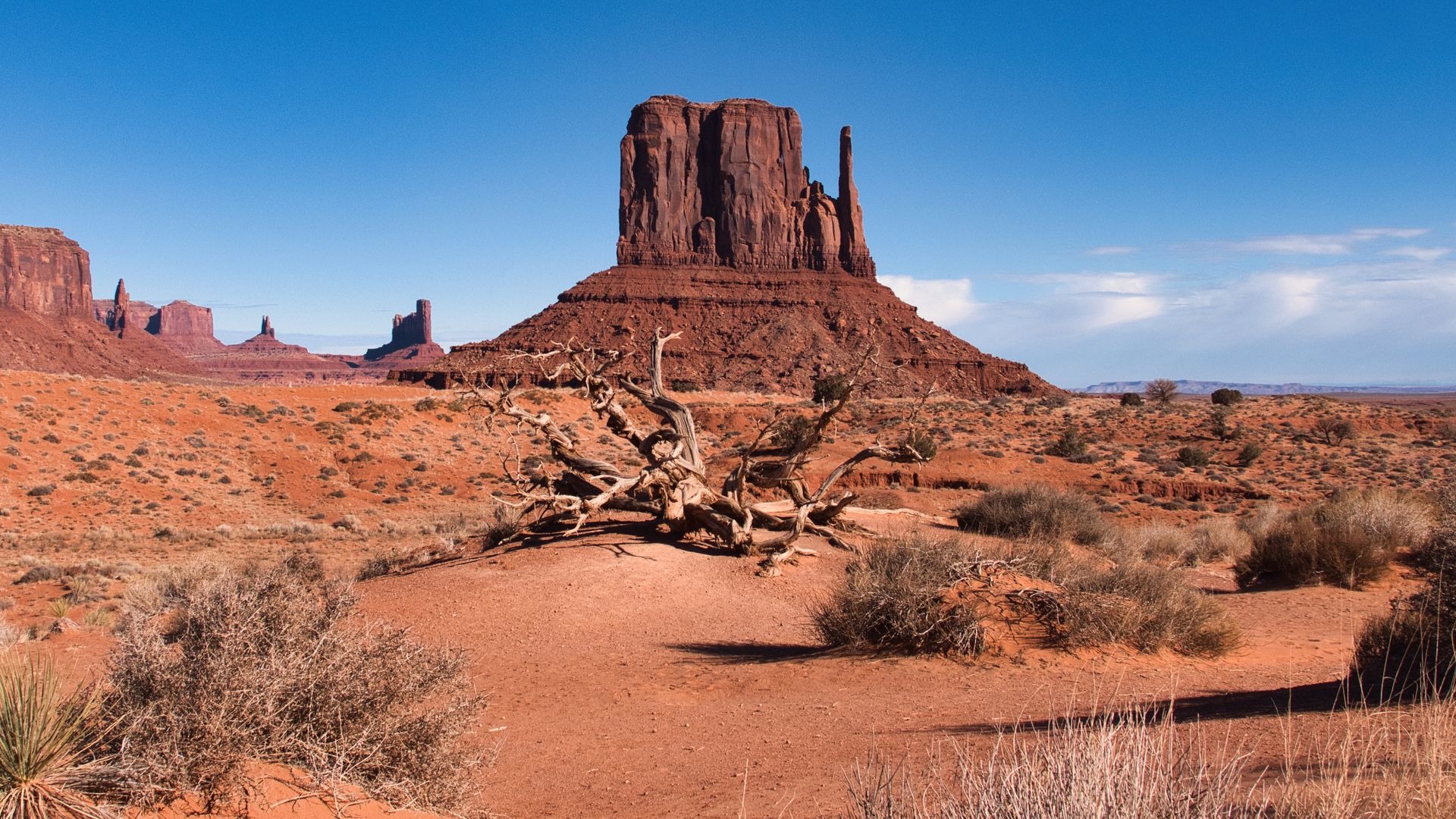
The Grand Canyon, red-rock Sedona, the slot canyons and Horseshoe Bend near Page, Monument Valley on Navajo land, and saguaro cactus deserts around Phoenix and Tucson.
Arizona is home to one of the natural wonders of the world: the Grand Canyon, a mile deep and up to 29 km wide, carved by the Colorado River over millions of years. Most visitors see it from the South Rim, which is open all year. The North Rim reopened in May 2026 after the 2025 Dragon Bravo Fire, with limited services.
The rest of the state is just as striking. Sedona is surrounded by red sandstone buttes and hiking trails. Near Page, Antelope Canyon's narrow, glowing slot canyons and the curve of Horseshoe Bend are famous photo spots. Monument Valley, on Navajo Nation land in the north-east, is the landscape of countless westerns. In the south, the Sonoran Desert around Phoenix and Tucson is full of giant saguaro cactus.
Give Arizona five days to a week, ideally as part of a Southwest road trip from Las Vegas. Flagstaff, a mountain town on Route 66, is the best base for the Grand Canyon. Spring and autumn are the best seasons; summer is extremely hot in the desert.
Flagstaff or Williams for the Grand Canyon, and Phoenix for the south.
A mountain town on Route 66 and the best base for the Grand Canyon.
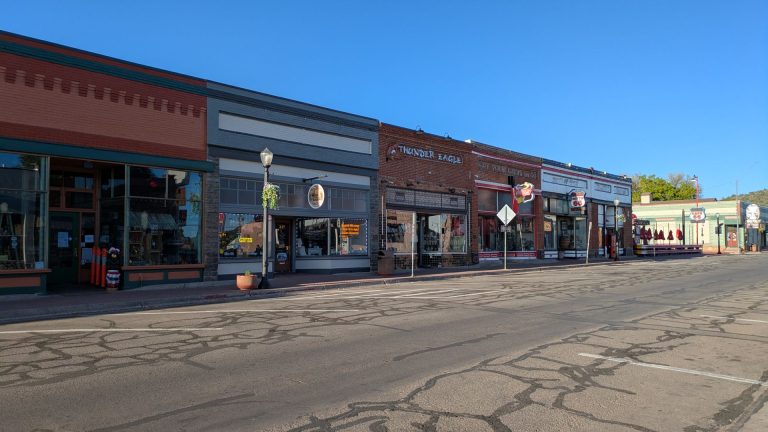
A Route 66 town with the train to the South Rim.
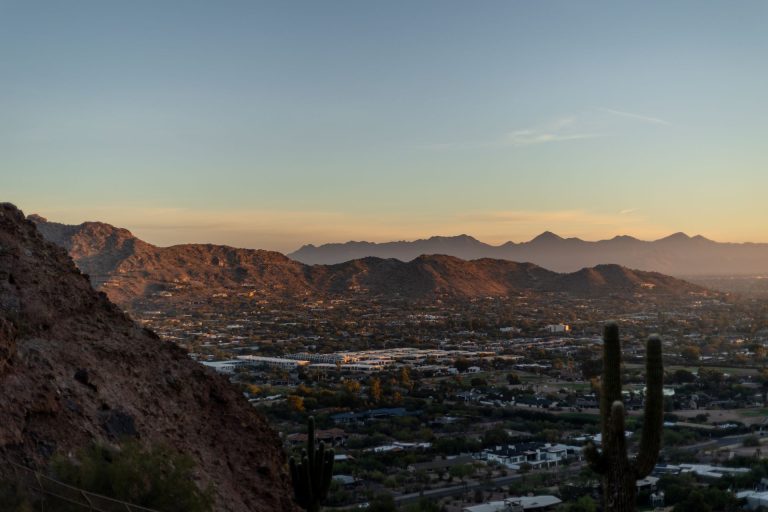
Arizona's biggest city, in the Sonoran Desert.
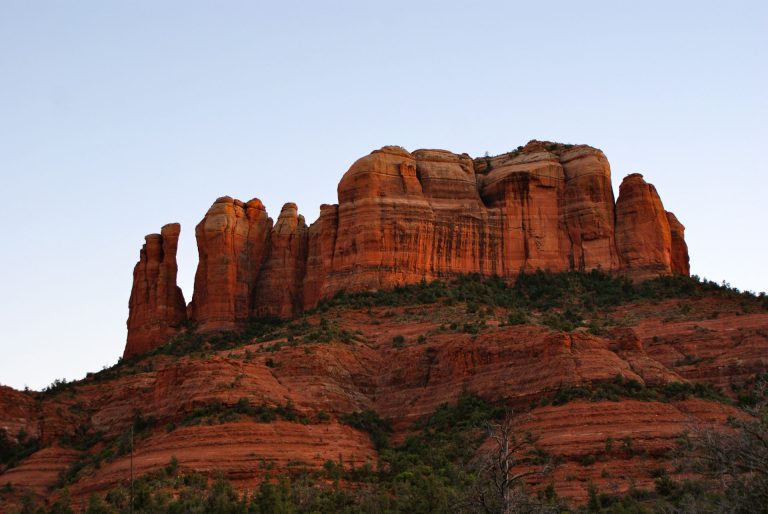
A red-rock town with famous hiking.
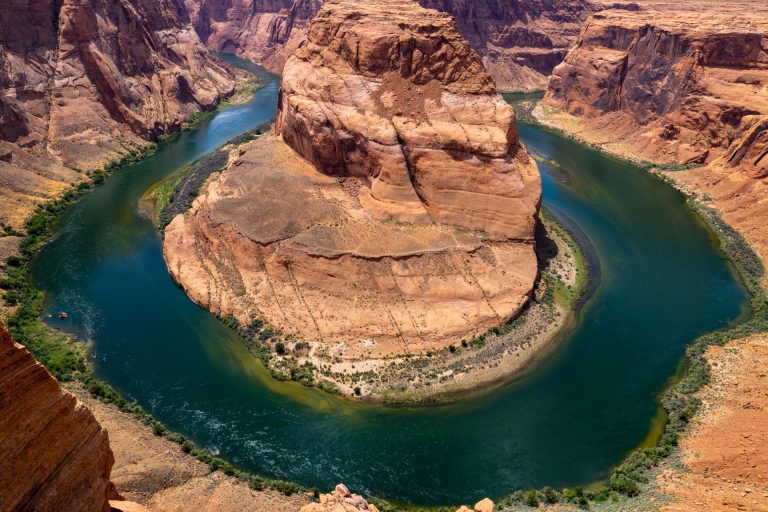
The base for Antelope Canyon and Horseshoe Bend.
Canyons and mountains in the north, red rocks in the middle and desert cities in the south.
The South and North Rims, Flagstaff and Williams.
Sedona's red buttes and Oak Creek Canyon.
Antelope Canyon, Horseshoe Bend and Lake Powell.
The largest Native American reservation, with Monument Valley and Canyon de Chelly.
Phoenix, Scottsdale and the Sonoran Desert.
Tucson, Saguaro National Park and the Mexican border.
At the Grand Canyon's South Rim, walk the Rim Trail between viewpoints, watch sunset at Hopi Point or Mather Point, and hike part of the way down the Bright Angel or South Kaibab trails. Do not try to hike to the river and back in a day, especially in summer. The North Rim is quieter and higher, and reopened for 2026 with limited services.
In Sedona, hike among red rocks to Devil's Bridge or Cathedral Rock, and drive the scenic Red Rock Scenic Byway. Near Page, take a guided tour of Antelope Canyon (only possible with Navajo guides) and walk to the Horseshoe Bend overlook. Visit Monument Valley's tribal park and its loop drive.
In the south, see saguaro forests in Saguaro National Park near Tucson, and visit the Desert Botanical Garden in Phoenix. Route 66 runs through Williams, Flagstaff and Seligman, and the Petrified Forest National Park has fossilised trees and painted desert.
Many of Sedona's trails are free to hike, though parking at trailheads needs a Red Rock Pass. Old Route 66 towns such as Williams and Seligman are free to wander.
The Horseshoe Bend overlook charges only for parking. Phoenix and Tucson have free museum days and free desert trails, such as South Mountain Park.
National parks charge entry, and from 2026 international visitors pay an extra $100 per person at the Grand Canyon.
Arizona has excellent Mexican and Sonoran food: try a Sonoran hot dog, wrapped in bacon, in Tucson, carne asada, and chimichangas, which Tucson claims to have invented. Tucson is a UNESCO City of Gastronomy. Navajo fry bread and Navajo tacos are served on the reservation.
Phoenix has a big restaurant scene, and Flagstaff has breweries and cafés.
Prickly pear appears in drinks, sweets and lemonade.
Phoenix's Old Town Scottsdale has bars and clubs, and Tempe has a student scene around Arizona State University. Tucson's Fourth Avenue and downtown have bars and live music.
Flagstaff has a lively college-town bar and brewery scene on Route 66.
At the Grand Canyon and in small towns, nights are quiet, but the stars are spectacular.
Phoenix Sky Harbor is the main airport, and Las Vegas is the other common gateway for the north of the state. Flagstaff has a small airport and is on Amtrak's Southwest Chief line.
A car is the best way to see Arizona. Shuttles and tours run from Flagstaff and Williams to the Grand Canyon, and the Grand Canyon Railway runs from Williams to the South Rim. Free shuttle buses run inside Grand Canyon Village.
Most of Arizona does not change the clock for daylight saving time, but the Navajo Nation does, so watch the time around Monument Valley.
Arizona is moderately priced, cheaper than California. Dorm beds start around $30 to $45 in Flagstaff and Phoenix, and motels near the parks are often the budget option. Lodges inside the Grand Canyon book up months ahead.
State sales tax is 5.6 per cent, with local taxes taking it to around 8 to 9 per cent. Tip 18 to 22 per cent in restaurants.
The Grand Canyon charges entry plus $100 per person for international visitors from 2026, and Antelope Canyon tours are a significant extra.
Heat is the biggest danger in Arizona. Summer temperatures in Phoenix and the canyon bottom can pass 45°C. Hikers die in the Grand Canyon every year: never try to hike to the river and back in a day, carry plenty of water and salty snacks, and rest in the shade.
Flash floods can fill slot canyons suddenly during the summer monsoon, from July to September; only enter with guides and check the weather. Keep away from canyon edges, especially when taking photos.
Health insurance is essential in the USA. In an emergency, call 911.
Rodeos, festivals and desert blooms.
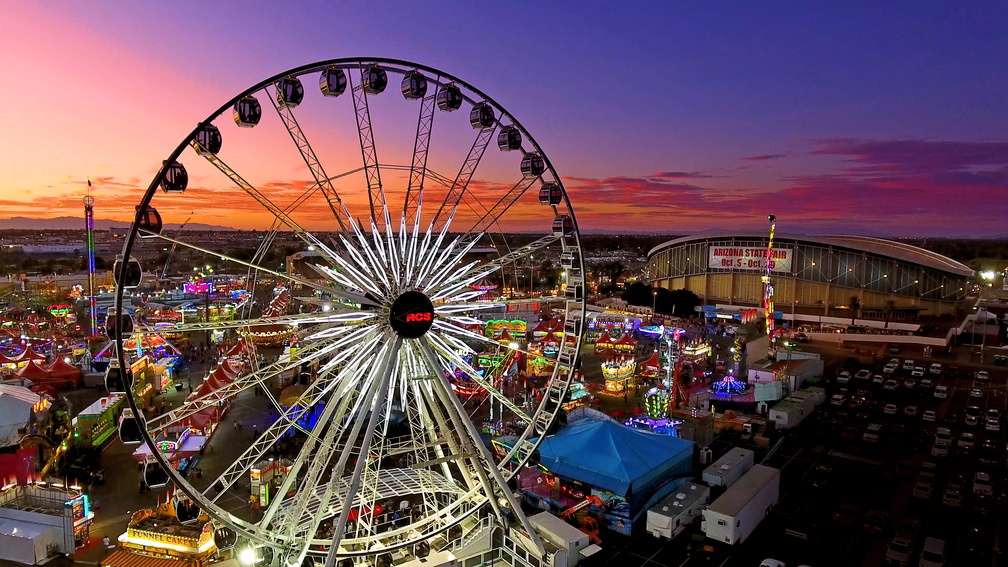 Staff pick
Celebrate the agriculture and history of the area at the Arizona State Fair. Enjoy vintage American exhibits, grandstand racing, magic shows, and live entertainment.…
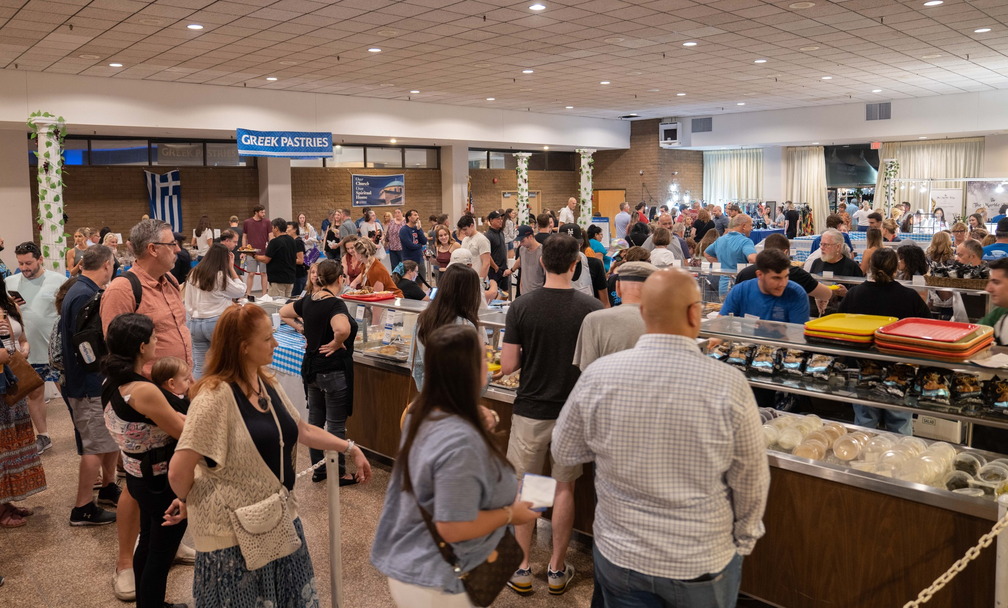 Staff pick
Celebrate Greek culture at the Phoenix Greek Festival, a beloved event for over 65 years. Enjoy authentic Greek cuisine, pastries, and specialty drinks, browse…
 Staff pick
Greek food, live music, and traditional dancing come together at this annual celebration of Hellenic culture in Phoenix. You can browse jewelry and art,…
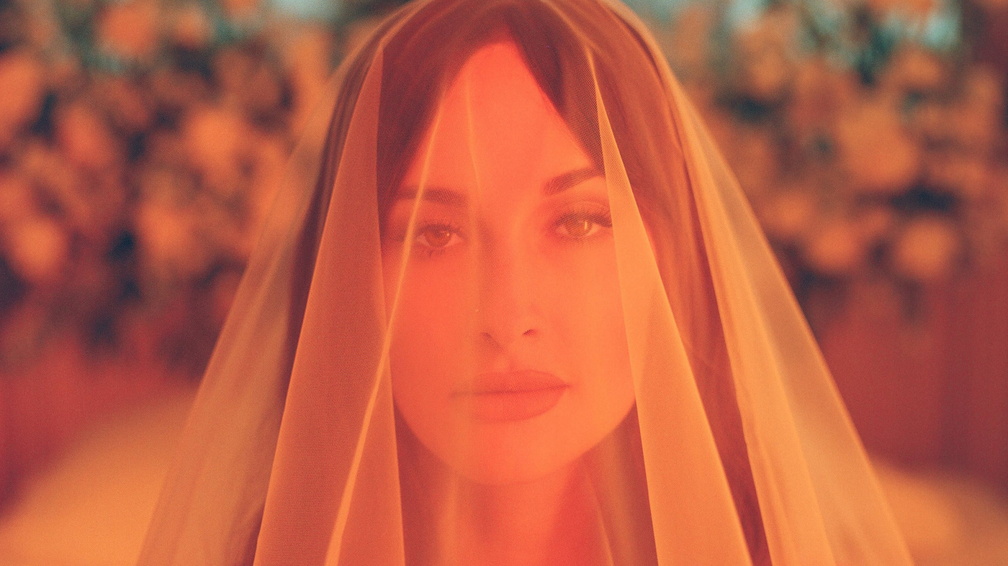 Staff pick
Kacey's glittering career has been filled with six Grammy Awards, seven Country Music Association Awards, and five very successful albums. Kacey has been headlining…
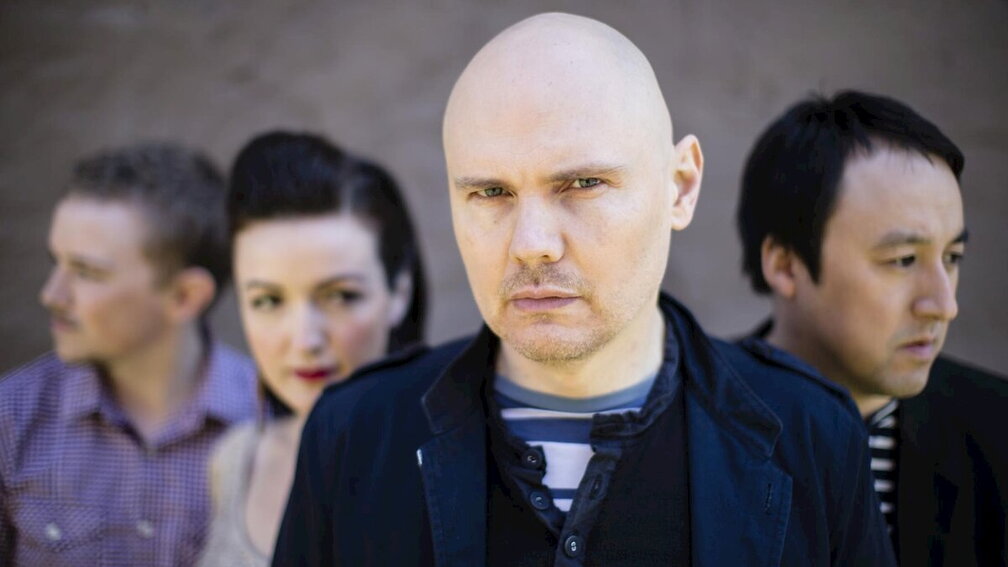 Staff pick
Emerging from the grunge explosion of the early '90s, The Smashing Pumpkins carved out a unique niche with their mesmerizing blend of alternative rock,…
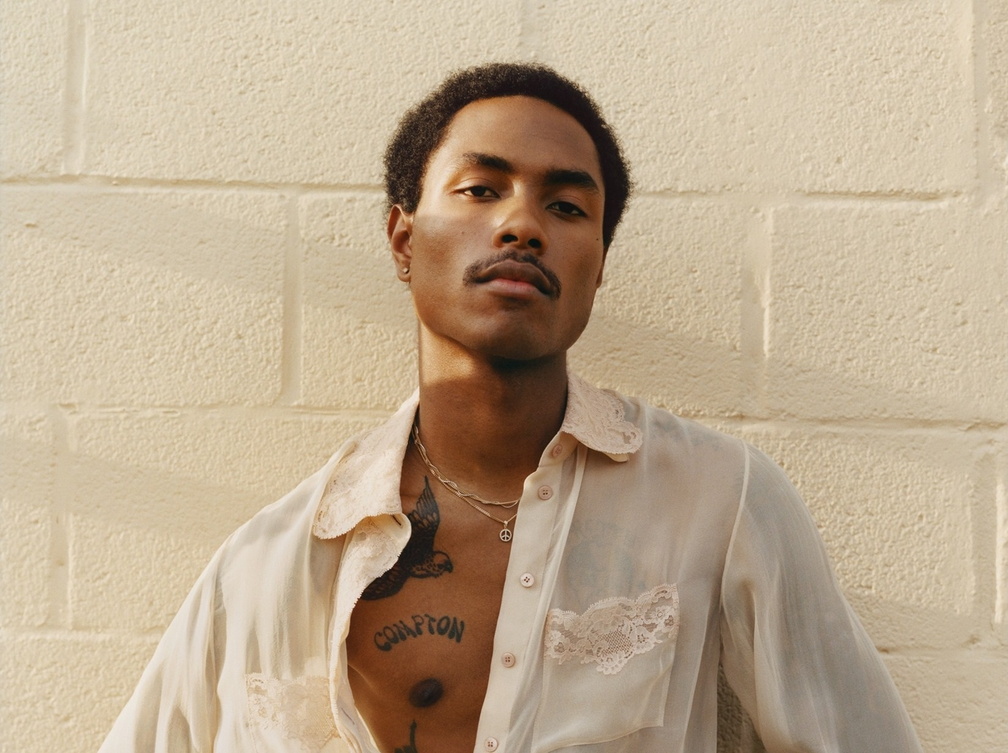 Staff pick
Steve Lacy is an acclaimed singer and multi-instrumentalist who has been making music for the past 15 years. He emerged onto the scene in…
 Staff pick
Christian rock band, Skillet, consists of husband and wife, John and Korey Cooper, John Ledger, and Seth Morrison. Two of Skillet’s albums, Comatose and…
 Staff pick
The Nutcracker tells a story of whimsical characters for those who are always young at heart. This perfect ballet for the holiday season comes…
The highest-rated hostels in Arizona's main towns, straight from Hostelworld. Prices and availability are live on each property page.
March to May and September to November are the best months. Summer is extremely hot in the south and at the canyon bottom, with monsoon storms in July and August. Winter is mild in the south and snowy at the Grand Canyon and in Flagstaff.
Average highs for Phoenix, rounded. Flagstaff and the South Rim are much cooler.
Per night, for one person, based on Flagstaff and Phoenix prices.
Treat these as a guide. Park fees and tours cost extra.
The ones we get asked most.

Compare hostels across Arizona: live prices, real reviews and free cancellation on most bookings. Then meet the people already there in the app.

 Get the App.




 Get the App.