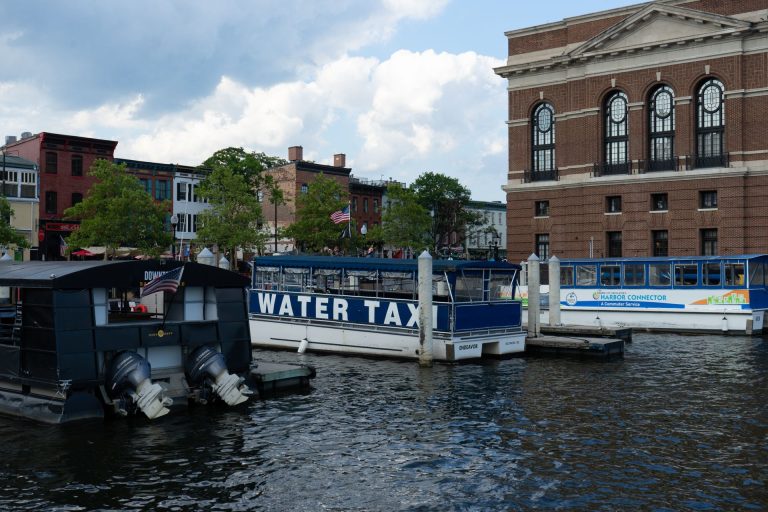
Baltimore
Maryland's biggest city, with a revived harbour, museums and neighbourhood bars.
Points of interest
- Inner Harbor
- Fort McHenry
- Fells Point
- National Aquarium
- American Visionary Art Museum

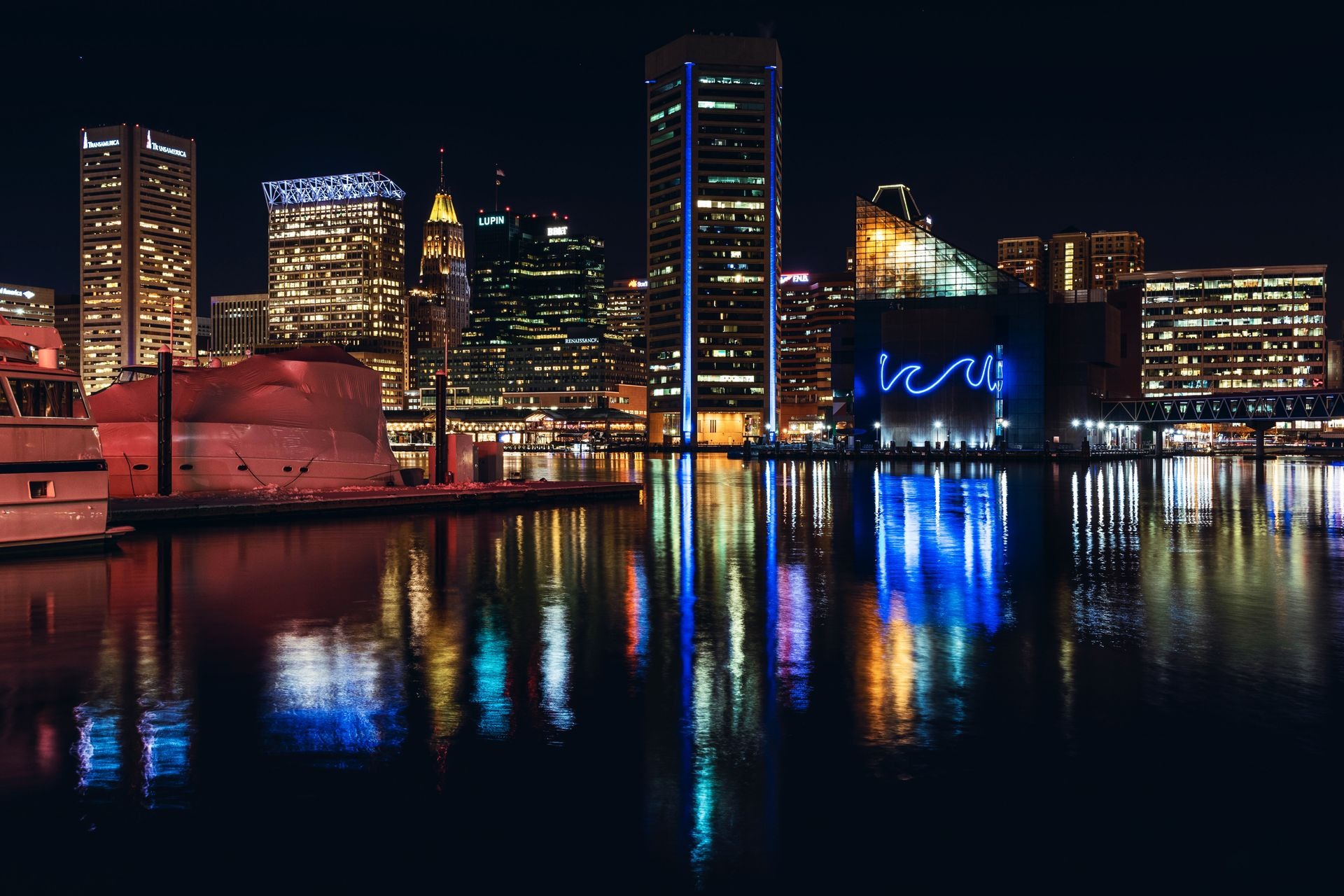
Crab feasts on Chesapeake Bay, Baltimore's harbour and rowhouse neighbourhoods, the sailing town of Annapolis and wild ponies on Assateague Island, all next door to Washington DC.
Maryland is a small state with a lot of variety, which is why it calls itself America in miniature. It wraps around the Chesapeake Bay, the largest estuary in the USA, with mountains in the west and Atlantic beaches in the east, and it borders Washington DC, so it is easy to add to a trip to the capital.
Baltimore is the biggest city, a gritty, characterful port with a revived Inner Harbor, historic neighbourhoods such as Fells Point, excellent museums and Fort McHenry, where the US national anthem was written. Annapolis, the state capital, is a pretty colonial sailing town and home of the US Naval Academy. On the Eastern Shore, quiet fishing villages line the bay, and on the Atlantic coast, Ocean City is a busy summer resort, while Assateague Island has wild ponies on empty beaches.
Give Maryland two or three days, or add it to Washington DC. Summer is the season for crabs and beaches, and spring and autumn are best for the cities and walking.
Baltimore or Annapolis for the bay, and Ocean City for the beach in summer.
Maryland's biggest city, with a revived harbour, museums and neighbourhood bars.
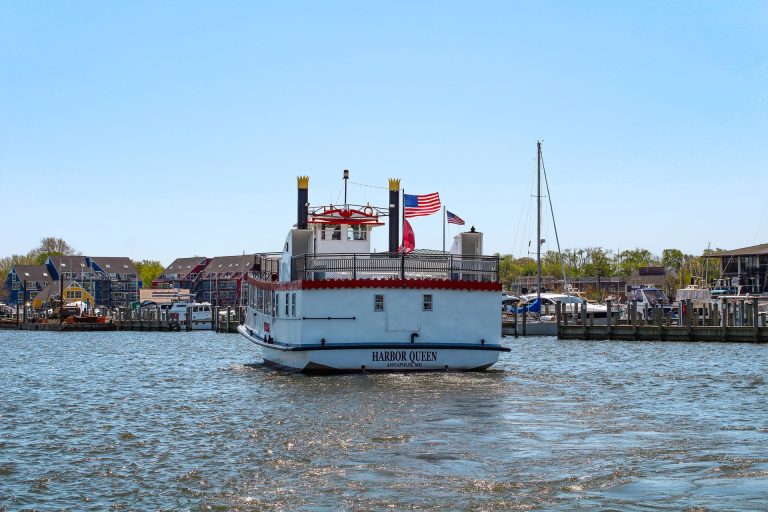
A colonial sailing town and the state capital.
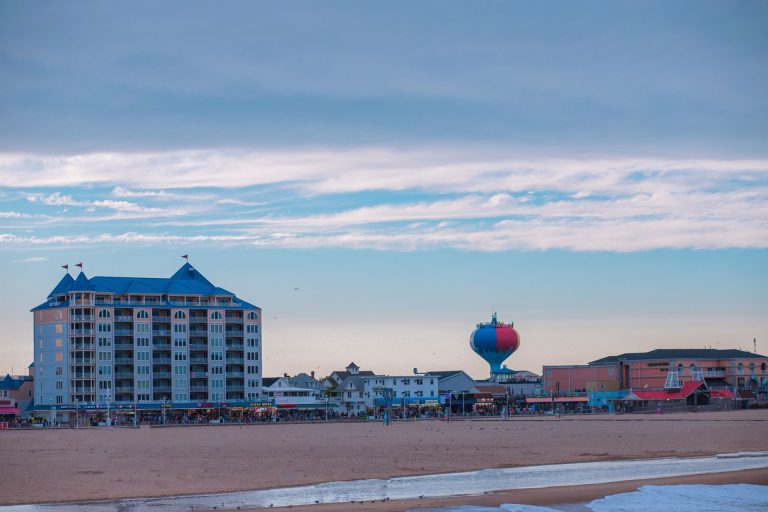
A busy Atlantic beach resort with a long boardwalk.
Baltimore and Annapolis on the bay, the Eastern Shore and Atlantic beaches to the east, and mountains to the west.
A characterful port city with a revived harbour and historic neighbourhoods.
The state capital and the Chesapeake Bay shore.
Small bay towns and farmland across the Bay Bridge.
Ocean City's boardwalk and the wild beaches of Assateague.
The Appalachian mountains, Antietam and the C&O Canal.
In Baltimore, walk the Inner Harbor, visit the National Aquarium, and take the water taxi to Fells Point, a historic waterfront neighbourhood of cobbled streets and bars. Fort McHenry, where the defence against the British in 1814 inspired 'The Star-Spangled Banner', is a national monument. The American Visionary Art Museum is one of the most unusual museums in the country, and the Baltimore Museum of Art has a big Matisse collection and is free.
In Annapolis, walk the colonial streets down to the harbour, tour the US Naval Academy and take a sailing trip on the bay. On the Eastern Shore, visit St Michaels and the Chesapeake Bay Maritime Museum.
On the Atlantic coast, Assateague Island National Seashore has wild ponies roaming the beaches and camping by the dunes, and Ocean City has a busy boardwalk. In the west, hike in the Appalachian mountains, visit the Civil War battlefield of Antietam, and walk the C&O Canal towpath.
The Baltimore Museum of Art and the Walters Art Museum are free. Walking the Inner Harbor promenade and Fells Point costs nothing.
Annapolis's historic streets and harbour are free to wander, and the Naval Academy grounds can be visited with photo ID.
Antietam and the C&O Canal towpath have free trails, though some parks charge entry.
Maryland means blue crabs. In summer, crab houses serve them steamed and coated in Old Bay seasoning, tipped onto paper-covered tables to crack open with mallets. Crab cakes are on every menu all year.
Baltimore's Lexington Market and Cross Street Market have food stalls, and Berger cookies, thick with fudge icing, are a local treat. Smith Island cake, a many-layered cake, is the state dessert.
Craft breweries are everywhere, and Natty Boh is the local beer.
Baltimore's Fells Point and Canton have waterfront bars, and Federal Hill fills up on weekends and game days for the Orioles and Ravens. Station North has an arts and music scene.
Annapolis has pubs full of sailors, and Ocean City is lively in summer.
Use rideshares at night in Baltimore.
BWI, Baltimore-Washington International Airport, serves both cities, with trains to Baltimore and Washington DC. MARC commuter trains and Amtrak link Baltimore and DC in under an hour.
In Baltimore, the light rail, buses, the free Charm City Circulator and water taxis help, but rideshares are easiest. Buses run to Annapolis.
A car is needed for the Eastern Shore, the Atlantic beaches and the mountains.
Maryland is cheaper than Washington DC, and Baltimore can be a good-value base for both. Hostels are few, so expect to compare with budget hotels.
Sales tax is 6 per cent. Tip 18 to 22 per cent in restaurants. A crab feast is not cheap, priced by the dozen and by size.
Ocean City is expensive in July and August.
Baltimore has a high crime rate in some neighbourhoods, but the Inner Harbor, Fells Point, Federal Hill, Canton and Mount Vernon are busy and generally safe. Ask at your accommodation, use rideshares at night and do not wander into unfamiliar areas.
On Assateague, the ponies are wild and can bite and kick; keep at least ten metres away and never feed them. Swim with lifeguards on the Atlantic beaches.
Health insurance is essential in the USA. In an emergency, call 911.
Racing, sailing and crab feasts.
One of the Triple Crown horse races.
One of the biggest sailboat shows in the world.
A big free outdoor arts festival.
Spring and autumn are the best seasons for walking and the cities. Summer is hot and humid, but it is crab season and the beaches are open. Winter is cold and quiet.
Average highs for Baltimore, rounded.
Per night, for one person, based on Baltimore prices.
Treat these as a guide. Ocean City costs more in summer.
The ones we get asked most.

Compare hostels across Maryland and the region: live prices, real reviews and free cancellation on most bookings. Then meet the people already there in the app.

 Get the App.



 Get the App.