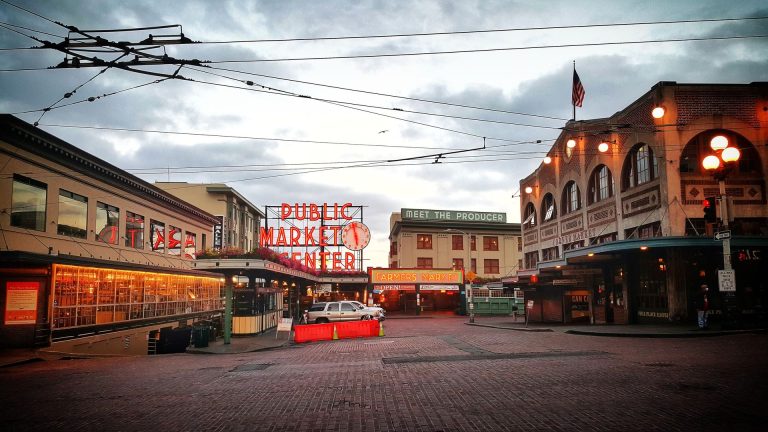
Seattle
5 hostels · dorms from $40
A lively, outdoorsy city on Puget Sound.
Points of interest
- Pike Place Market
- Space Needle
- Museum of Pop Culture
- Ballard Locks
- Capitol Hill

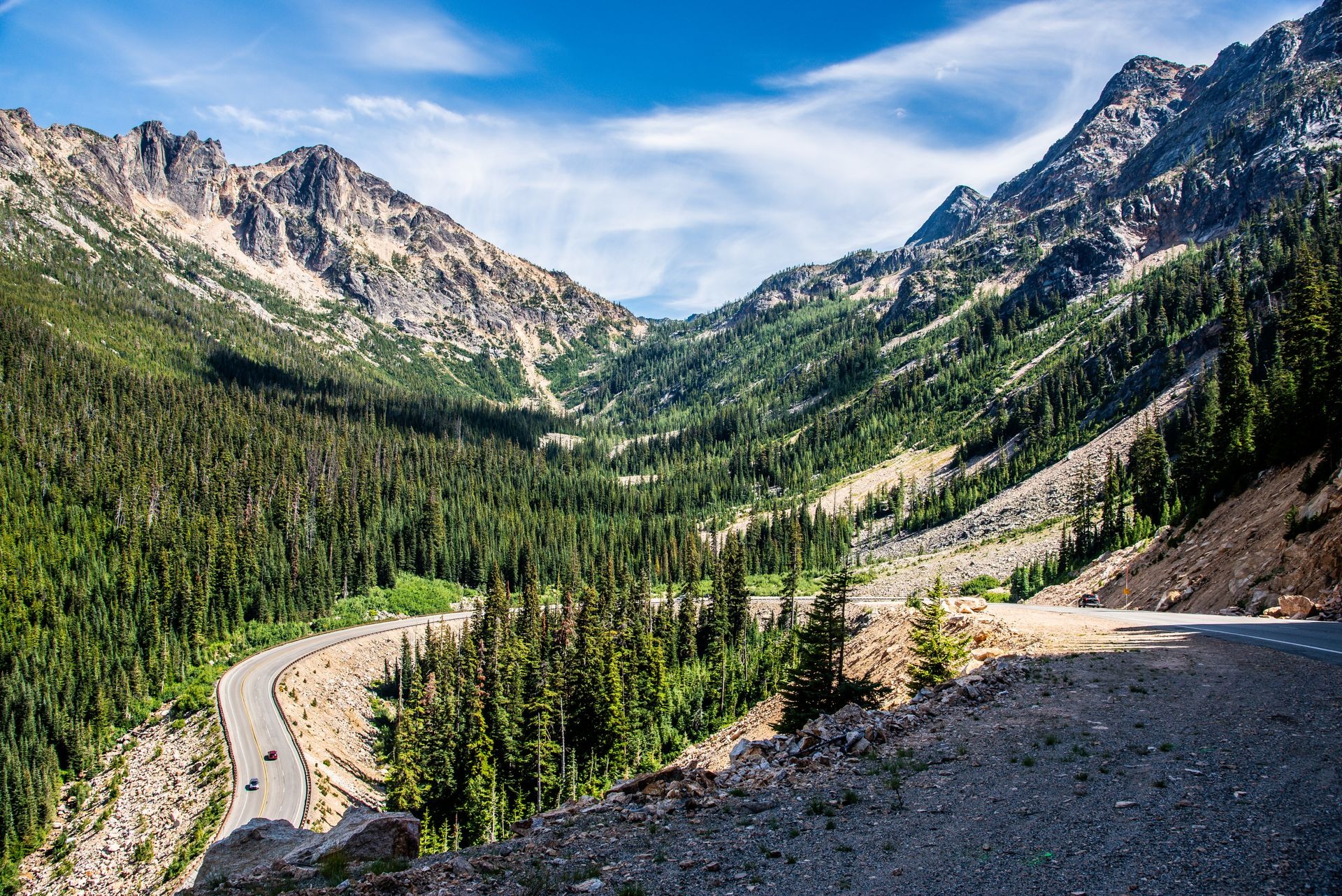
Seattle's coffee, markets and music, the volcano of Mount Rainier, the rainforests and wild beaches of the Olympic Peninsula, the San Juan Islands and the jagged North Cascades.
Washington State, in the far north-west corner of the USA, is not to be confused with Washington DC on the other side of the country. It is a green, rainy, mountainous place where the city meets the wilderness: from Seattle, you can see snow-capped Mount Rainier on clear days, and within a few hours you can be in a rainforest, on a glacier or on an island watching orcas.
Seattle is a lively, outdoorsy city on Puget Sound, known for coffee, tech companies and its music history, from Jimi Hendrix to grunge. West of the city, the Olympic Peninsula has one of the few temperate rainforests in the world, wild Pacific beaches and mountains. Mount Rainier, a huge glaciated volcano, has wildflower meadows in summer, and the North Cascades are among the most rugged mountains in the country. East of the Cascades, the state turns dry and sunny, with wine country and the Bavarian-themed town of Leavenworth.
Give Washington five days to a week: two or three in Seattle and the rest for Rainier, the Olympic Peninsula or the San Juan Islands. July to September is the driest and best time to visit.
Seattle for most of the trip, with nights near the parks.
A lively, outdoorsy city on Puget Sound.
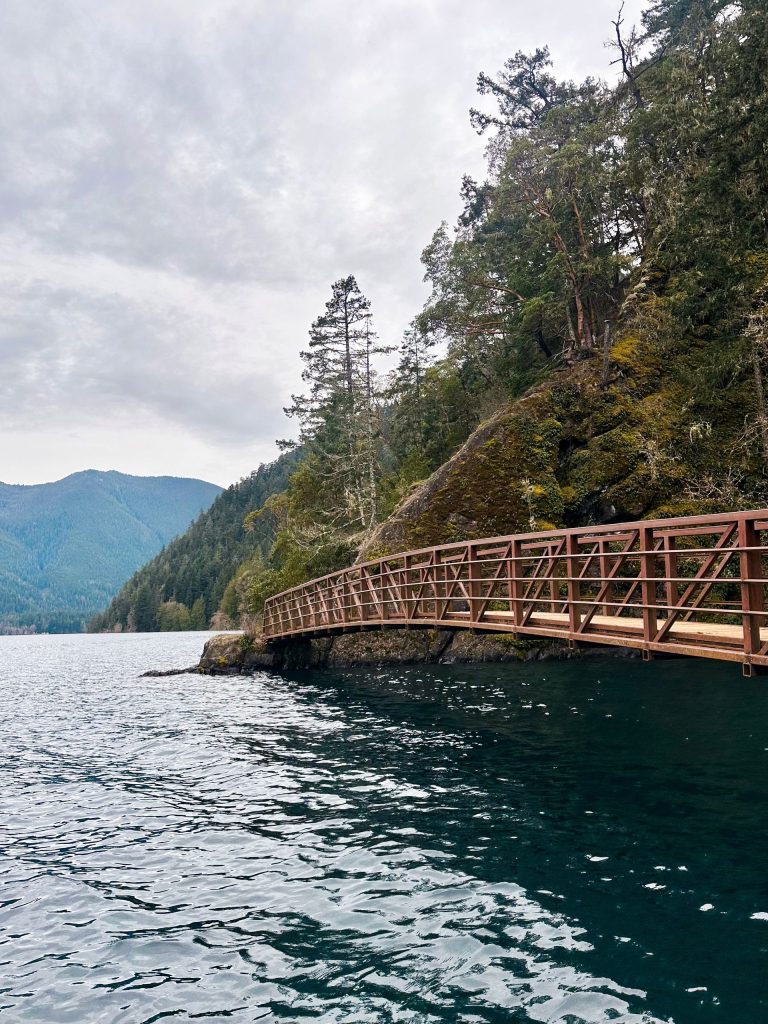
The gateway town to Olympic National Park.
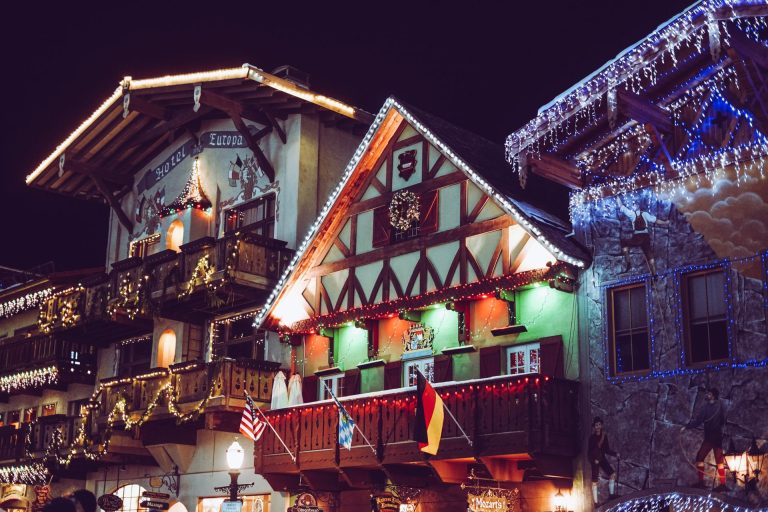
A Bavarian-themed mountain village in the Cascades.
Seattle and the islands on Puget Sound, mountains and rainforest around them, and dry wine country to the east.
Seattle and the islands and towns around the Sound.
Olympic National Park's rainforests, mountains and coast.
A glaciated volcano with meadows and trails.
Islands reached by ferry, with whale watching.
Jagged mountains and turquoise lakes.
Dry, sunny country with wineries and Spokane.
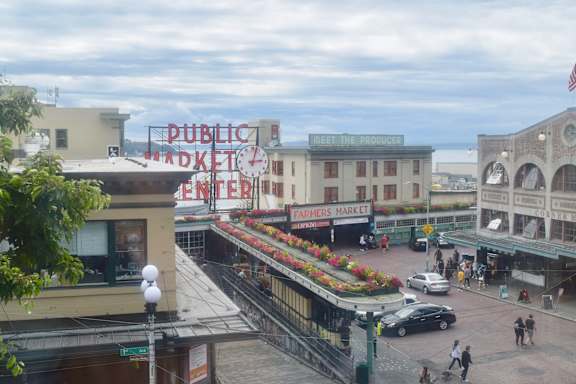
In Seattle, browse Pike Place Market, where fishmongers throw fish across the counter, go up the Space Needle or the free-to-visit view at Kerry Park, visit the Museum of Pop Culture and the Chihuly Garden and Glass, and take a ferry across Puget Sound for views back to the city. Explore the neighbourhoods of Capitol Hill and Ballard.
Mount Rainier National Park, around two hours away, has trails through wildflower meadows at Paradise and Sunrise in summer, and timed entry reservations are not needed in 2026. On the Olympic Peninsula, walk through the Hoh Rain Forest, visit Hurricane Ridge and see the sea stacks of Rialto and Ruby beaches.
Take a ferry to the San Juan Islands for kayaking and whale watching, drive the North Cascades Highway in summer, and visit Leavenworth, a Bavarian-style mountain village.
Pike Place Market, the waterfront and Kerry Park's views of the Seattle skyline and Mount Rainier are free. Seattle's neighbourhoods and the Olympic Sculpture Park cost nothing.
The Fremont Troll under a bridge and the Ballard Locks, where salmon swim up a fish ladder in summer, are free.
National parks charge entry.
Seattle is the home of Starbucks, and its coffee culture runs deep, with independent roasters everywhere. Seafood is excellent: salmon, Dungeness crab and oysters from Puget Sound. Seattle also has great Asian food, especially teriyaki, pho and dim sum.
Washington produces apples, cherries and berries, and eastern Washington makes much of the USA's wine. Craft beer is everywhere.
Seattle's food is expensive; markets and food trucks save money.
Seattle's Capitol Hill is the heart of its nightlife, with bars, clubs and an LGBTQ+ scene, and Ballard has breweries and live music. The city has a strong live music scene, born from grunge.
Bars close at 2am. Outside Seattle, nightlife is quiet.
Take public transport or rideshares home.
Seattle has light rail from the airport to downtown and beyond, buses, and the monorail. Washington State Ferries cross Puget Sound and run to the San Juan Islands.
Amtrak Cascades trains run to Portland and to Vancouver in Canada. To reach Mount Rainier, the Olympic Peninsula and the North Cascades, hire a car or join a tour.
The North Cascades Highway closes in winter.
Seattle is one of the most expensive cities in the USA. Dorm beds start around $45 to $60, and food and drink are pricey.
There is no state income tax, but sales tax is high: over 10 per cent in Seattle. Tip 18 to 22 per cent in restaurants.
National parks charge entry. Ferries and car hire are the main extras.
Seattle's tourist areas are generally safe. Downtown has visible homelessness and some drug use, particularly around Third Avenue; take normal care at night.
In the mountains, weather changes fast and snow can linger on trails into summer. On Pacific beaches, watch the tides and sneaker waves, and do not climb on logs in the surf.
Wildfire smoke can affect air quality in late summer. Health insurance is essential in the USA. In an emergency, call 911.
Music festivals, Pride and summer on the water.
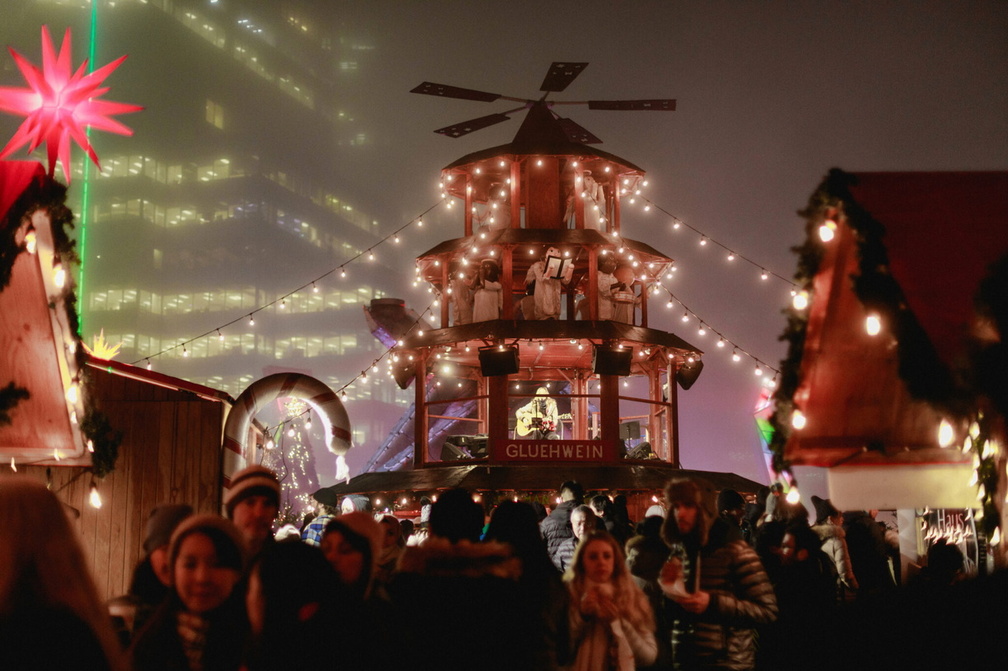 Staff pick
The Seattle Christmas Market brings the charm of traditional European holiday markets to the Pacific Northwest, filling the city with festive lights, music, and…
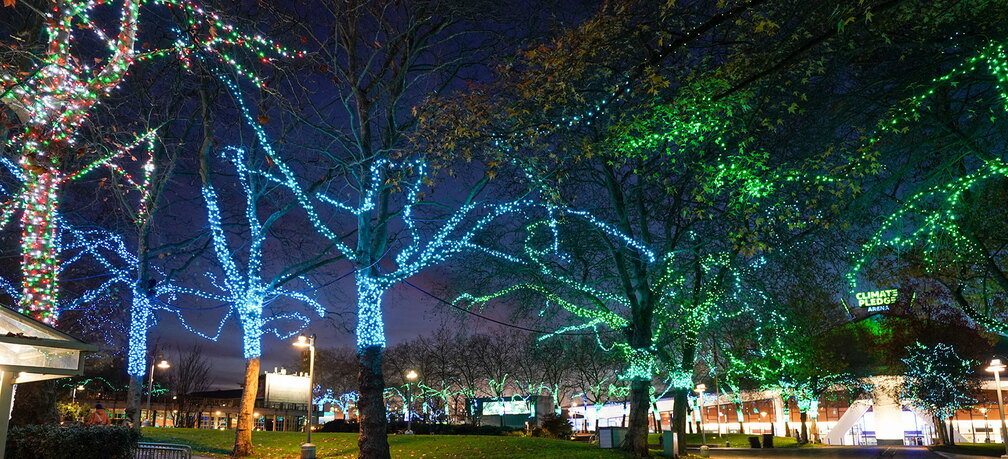 Staff pick
Enter a winter wonderland full of twinkling lights and an uplifting seasonal spirit at Seattle Center Winterfest. The fest features spirited entertainment, amusements, sparkling…
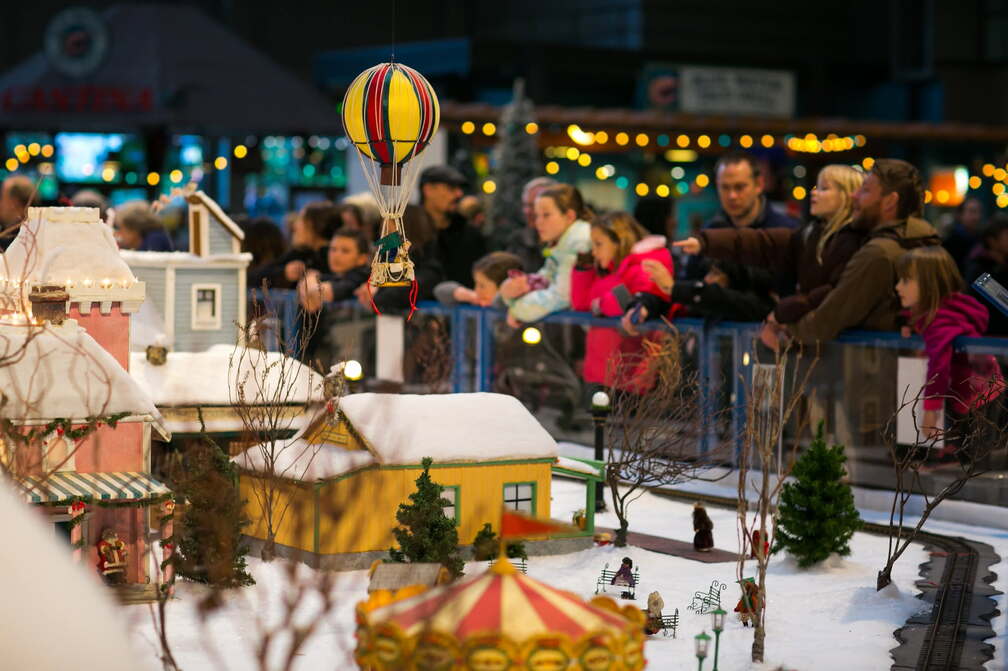 Staff pick
Seattle Center Winterfest fills the grounds with sparkling lights, seasonal decor, and five weeks of festive programming running from late November through New Year's…
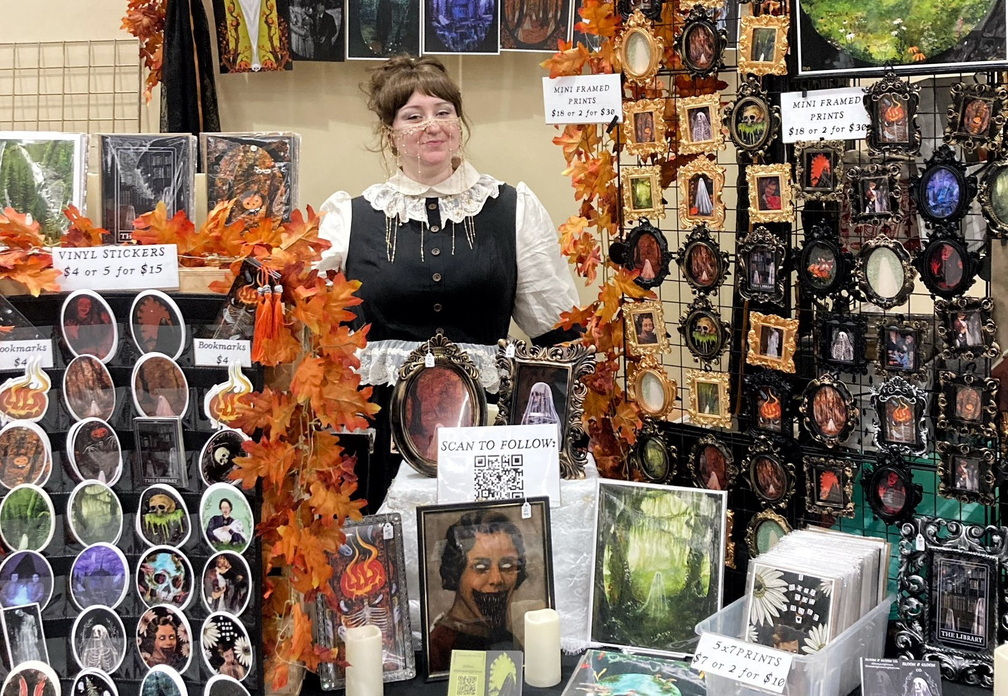 Staff pick
The Seattle Oddities and Curiosities Expo at the Seattle Convention Center invites curious minds to explore a marketplace filled with the unusual and offbeat.…
 Staff pick
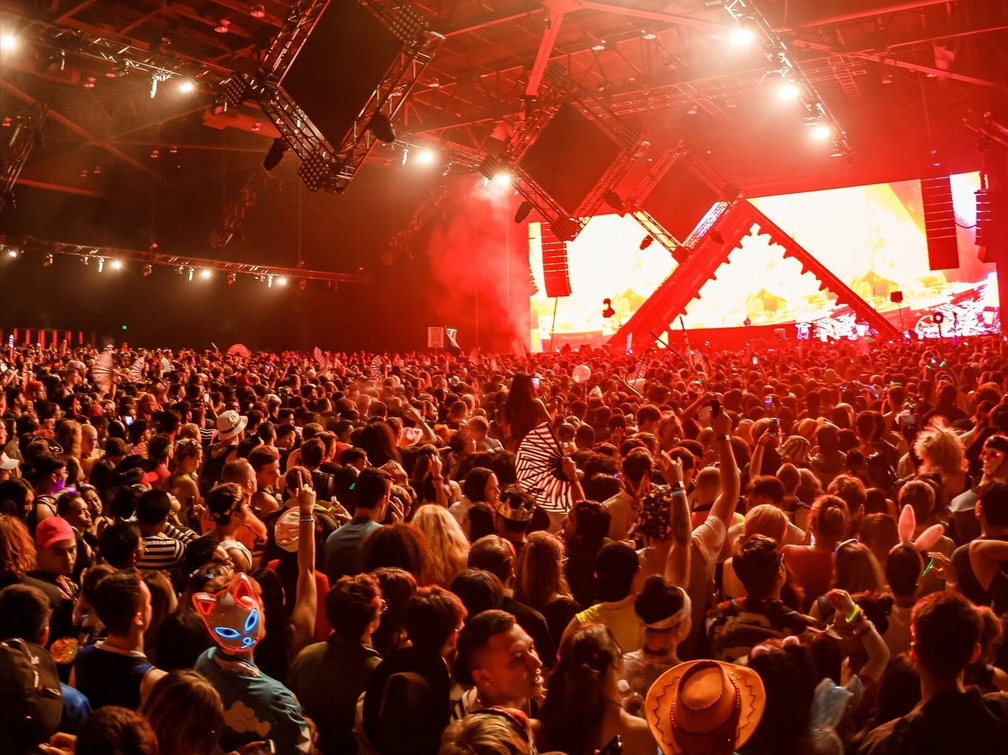
BOO Seattle transforms a massive venue into a multi-stage Halloween dance experience, immersing attendees in a world of haunting lights and electrifying music. Each…
 Staff pick
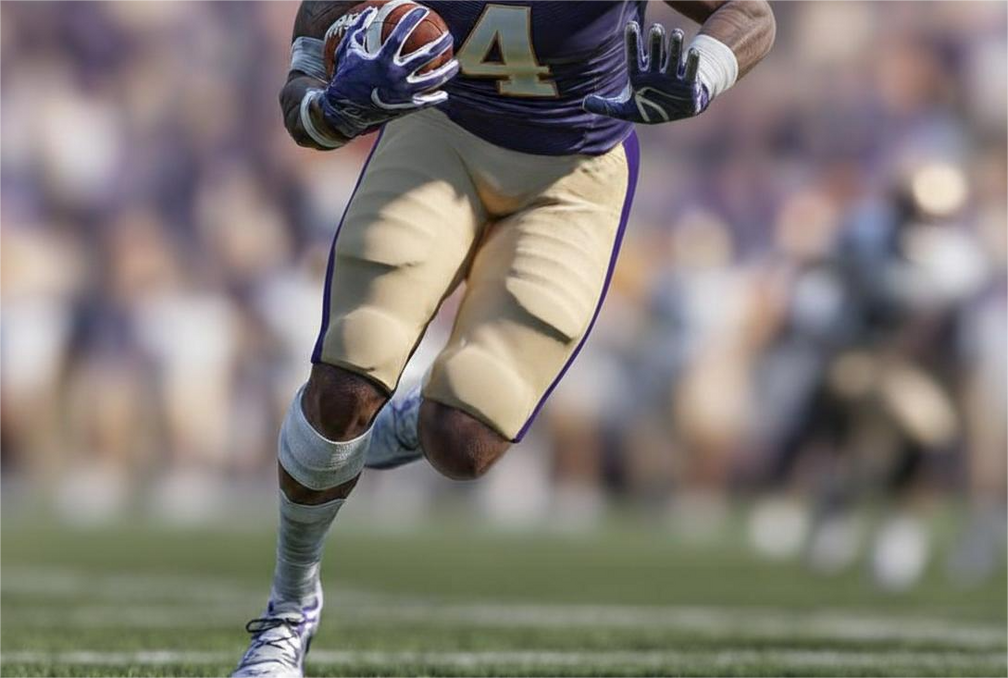
Football brings huge tackles, thrilling touchdowns, and nonstop intensity from kickoff to the final whistle. Nothing compares to the live experience — being there…
 Staff pick
Football brings huge tackles, thrilling touchdowns, and nonstop intensity from kickoff to the final whistle. Nothing compares to the live experience — being there…
 Staff pick
Football brings huge tackles, thrilling touchdowns, and nonstop intensity from kickoff to the final whistle. Nothing compares to the live experience — being there…
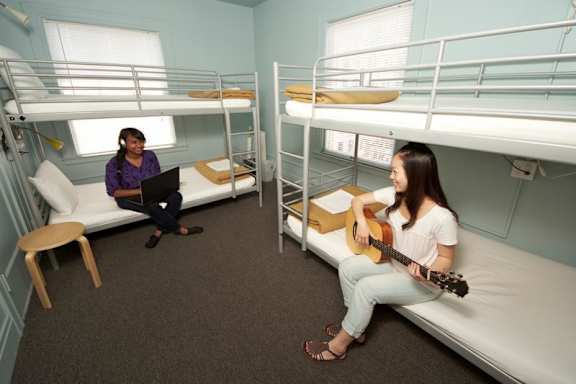
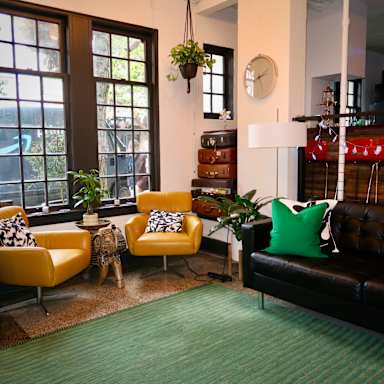
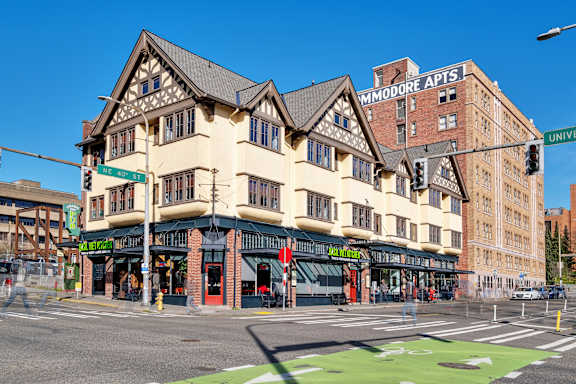
The highest-rated hostels across Washington's main cities, straight from Hostelworld. Prices and availability are live on each property page.
July to September is dry, sunny and the best time to visit. The rest of the year is mild but grey and rainy west of the Cascades, with snow in the mountains in winter.
Average highs for Seattle, rounded.
Per night, for one person, based on Seattle prices.
Treat these as a guide. Car hire and ferries cost extra.
The ones we get asked most.

Compare hostels across Washington State: live prices, real reviews and free cancellation on most bookings. Then meet the people already there in the app.

 Get the App.



 Get the App.