Centre
Tour offices, food, busesThe few blocks around the main square and the pedestrian street, with most hostels and tour offices.

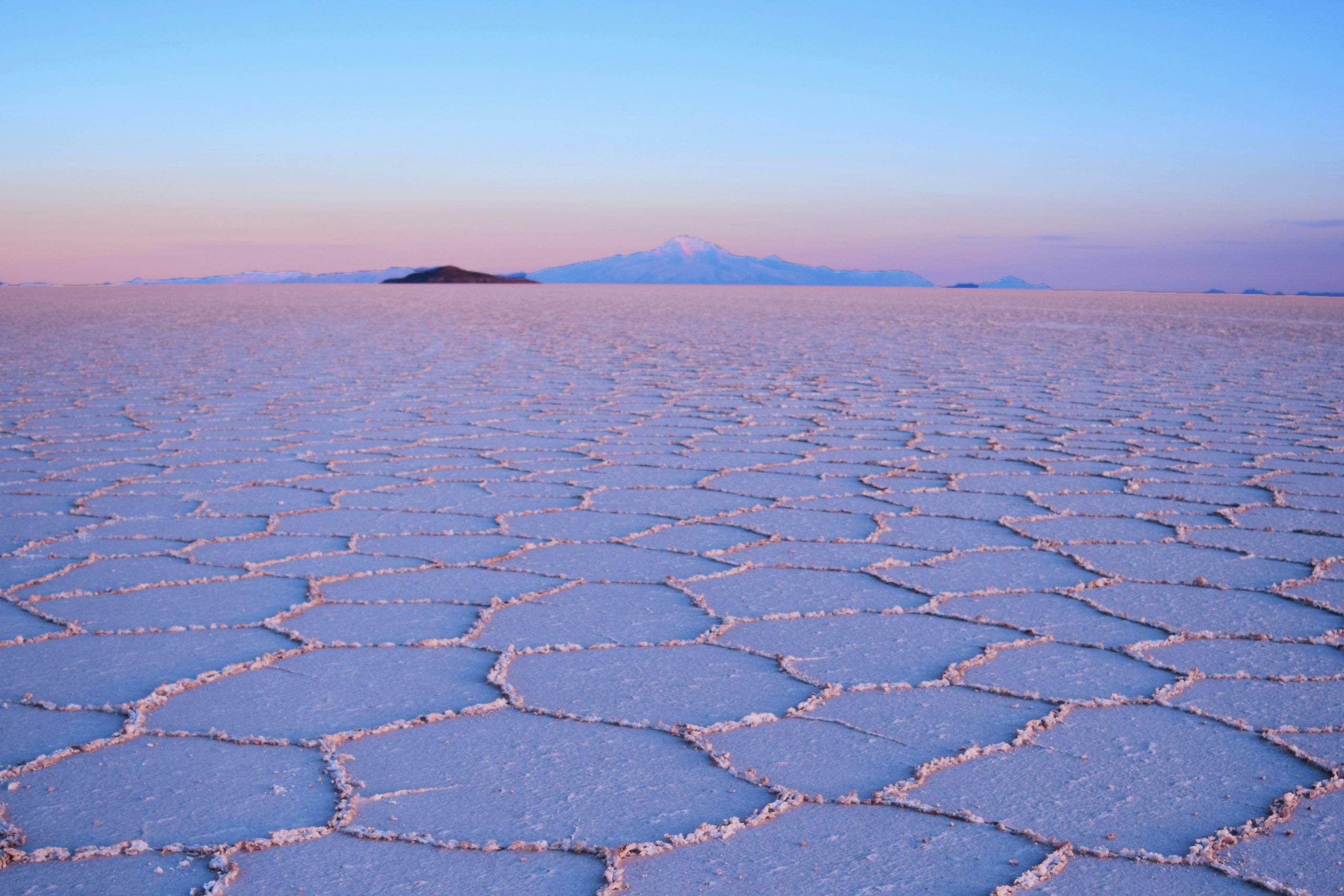
A windswept town on the altiplano and the starting line for the world's largest salt flat. Most people stay a night or two, then disappear into the white for three days.
Uyuni is a small, dusty town at around 3,660 metres, laid out in a grid of low buildings beside the railway. It would be a quiet stop on the altiplano if it were not for what lies a few kilometres west: the Salar de Uyuni, more than 10,000 square kilometres of salt, the largest salt flat on earth.
Almost everyone comes for a tour. The classic route is three days by 4x4 across the salt flat, past cactus-covered islands, then south through the altiplano to red and green lagoons full of flamingos, steaming geysers and hot springs, finishing at the Chilean border for San Pedro de Atacama or looping back to Uyuni. One-day tours of the salt flat itself are the shorter option.
The salt flat changes with the seasons. From roughly December to April, rain leaves a layer of water that turns it into a giant mirror. From May to November it dries into a brilliant white crust of hexagonal tiles, with clearer skies and easier routes. Both are spectacular. Plan a night in town before your tour to recover from the journey and choose an operator in person.
Uyuni is tiny, and everything is a few blocks from the main square and the tour offices. The salt hotels on the edge of the flat are the alternative for a night out of town.
The few blocks around the main square and the pedestrian street, with most hostels and tour offices.
Along the railway line and the bus offices, handy for night buses and early starts.
At the edge of the salt flat, around 20km north, with hotels built from salt blocks. Pricier and remote.
Orange labels are neighbourhoods, dots are the 7 top-rated hostels. Map data from OpenStreetMap contributors.
The three-day tour is the main event. Day one usually covers the train cemetery just outside town, the salt-processing village of Colchani, the salt flat itself and Isla Incahuasi, a rocky island covered in giant cactus. Days two and three head south into the Eduardo Avaroa reserve: Laguna Colorada, red with algae and full of flamingos, the Sol de Mañana geysers at almost 5,000 metres, the Dalí desert and hot springs at Polques at dawn.
Choose your operator carefully. Accidents on these tours have involved drunk or exhausted drivers and badly maintained vehicles, so read recent reviews, ask about the driver and the car, and check what is included. A night in town before you set off gives you time to compare offices.
If you only have a day, a one-day tour covers the train cemetery, Colchani and the salt flat with sunset, and in the wet season the mirror at its best. Sunrise and stargazing tours on the salt flat are also popular.
The train cemetery is on the edge of town, and you can walk there in around half an hour to climb on the rusting locomotives before the tour groups arrive.
In town, the main square, the clock tower and the market are worth a wander, and the railway line itself is part of the story: Uyuni grew as a junction for trains carrying minerals to the Pacific coast.
The sky is the other free show. On clear nights, step away from the streetlights for a view of the Milky Way at altitude, then wrap up warm, because it gets very cold.
Uyuni's food scene is small but does the job. Around the main square and the pedestrian street, restaurants serve pizza, llama steaks and big plates for hungry travellers, and the market has cheap almuerzos and soups.
Llama meat is the local speciality, lean and tasty, and quinoa grows all over the altiplano around the salt flat, so you will see it in soups and sides. Coca tea is everywhere and helps with the altitude.
On the three-day tour, food is included and cooked by your driver or a cook, usually simple and filling. Bring snacks, water and some chocolate for the long drives, as shops along the route are few.
Nightlife in Uyuni is low-key. Most travellers are either just off an overnight bus or about to start a tour at dawn, so evenings are about dinner, a beer and comparing tour companies.
A few bars and pizzerias around the centre stay open late, and hostels are where groups for the next day's tour come together. The best night out here is under the stars on a salt flat tour.
Remember the altitude: alcohol hits harder at 3,660 metres, and the tour starts early.
You can walk everywhere in town. Tours pick up from the offices around the centre.
Uyuni is connected by bus to La Paz (usually overnight, around 10 to 12 hours), Potosí (about four hours), Sucre and Tupiza, and there are flights from La Paz to the small airport just outside town. Many travellers arrive from San Pedro de Atacama in Chile by doing the three-day tour in reverse.
Roads in the region can be affected by rain in the wet season and by blockades at any time, so check before you travel and allow buffer days around flights.
Uyuni is cheap to stay in, with dorm beds from around €5 to €12. The tour is the big cost: in 2026, three-day shared tours with a budget operator started at around €130, and mid-range ones ran up to around €215, with the Eduardo Avaroa reserve entry fee often paid separately. One-day tours cost far less.
What is included varies: food, accommodation, a sleeping bag and the return transfer or drop-off in Chile are worth checking line by line. Bring cash for the park fee, toilets and hot springs on the route.
ATMs in town can run out of cash, especially at weekends, and card payment is limited. Arrive with enough bolivianos, plus a backup in euros or dollars.
The town itself is safe, with only petty theft to watch for around the bus offices and the market. The risks are on the tour.
Altitude comes first: the route climbs to nearly 5,000 metres at the geysers, and nights in the basic refuges are freezing. Come from La Paz or Potosí already acclimatised, drink water and coca tea, and carry warm layers, a hat and gloves.
Tour safety comes second. There have been fatal accidents involving drunk or exhausted drivers and badly maintained cars. Choose on recent reviews, check the vehicle, insist on a sober driver and speak up if anything feels wrong. In an emergency, call 110 for police or 118 for an ambulance, though signal on the route is patchy.
Everything here is a trip out of town, and most of it is on the tour.
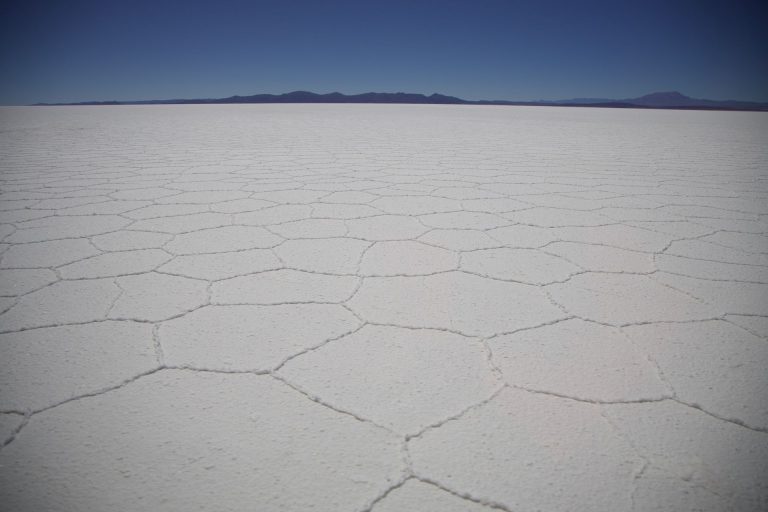
The salt flat itself, white or mirrored depending on the season.
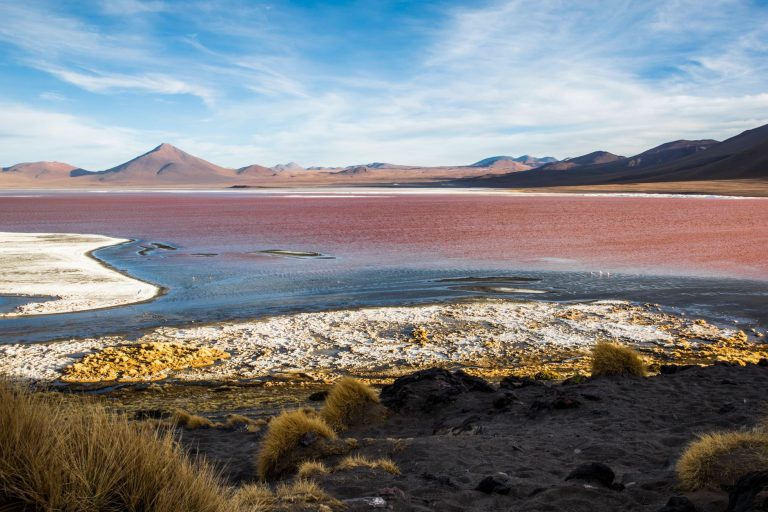
Laguna Colorada, flamingos, geysers and hot springs near the Chilean border.
The seasons are the events here.
When rain leaves standing water and the salt flat reflects the sky.
The white hexagonal crust, clear skies and the full tour route open.
The highest-rated hostels in Uyuni, straight from Hostelworld. Prices and availability are live on each property page.
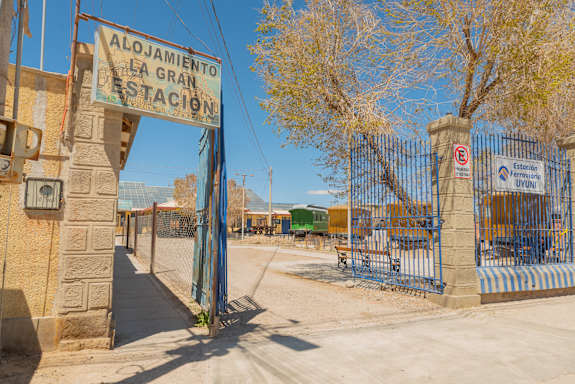
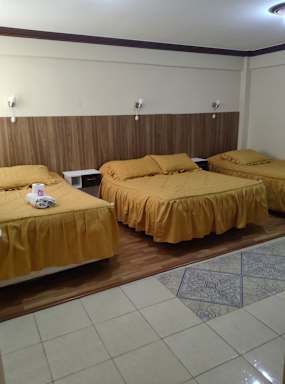
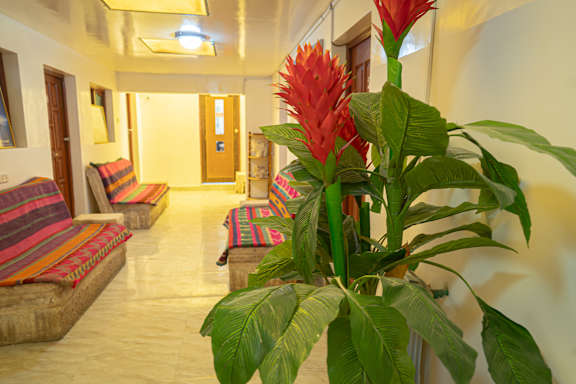
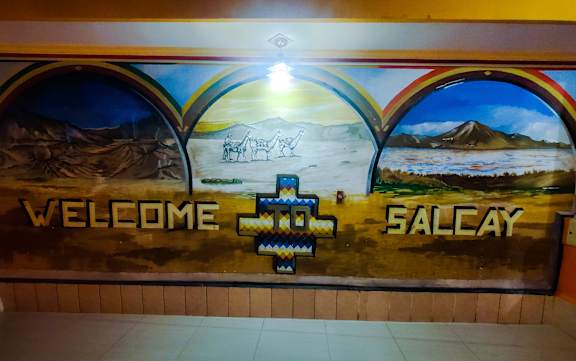
Two seasons, two salt flats. December to April is the wet season and the mirror; May to November is dry, white and clear, with freezing nights from June to August.
Average highs, rounded. Nights fall well below freezing in the dry season, especially on the tour route.
Per night, for one person, in Uyuni itself. Add the cost of your tour.
Treat these as a guide, as prices and exchange rates have moved a lot. Tours and park fees are extra.
The ones we get asked most.

Compare hostels in Uyuni: live prices, real reviews and free cancellation on most bookings. Then find your tour group in the app.

 Get the App.



 Get the App.