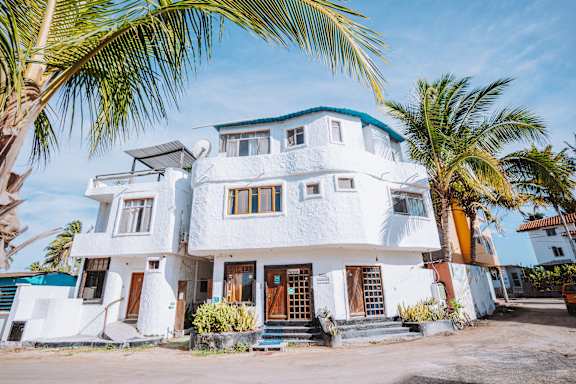
Puerto Ayora, Santa Cruz
Hub, most hostels and toursThe biggest town, with the most hostels, restaurants and day trips. Central for ferries.

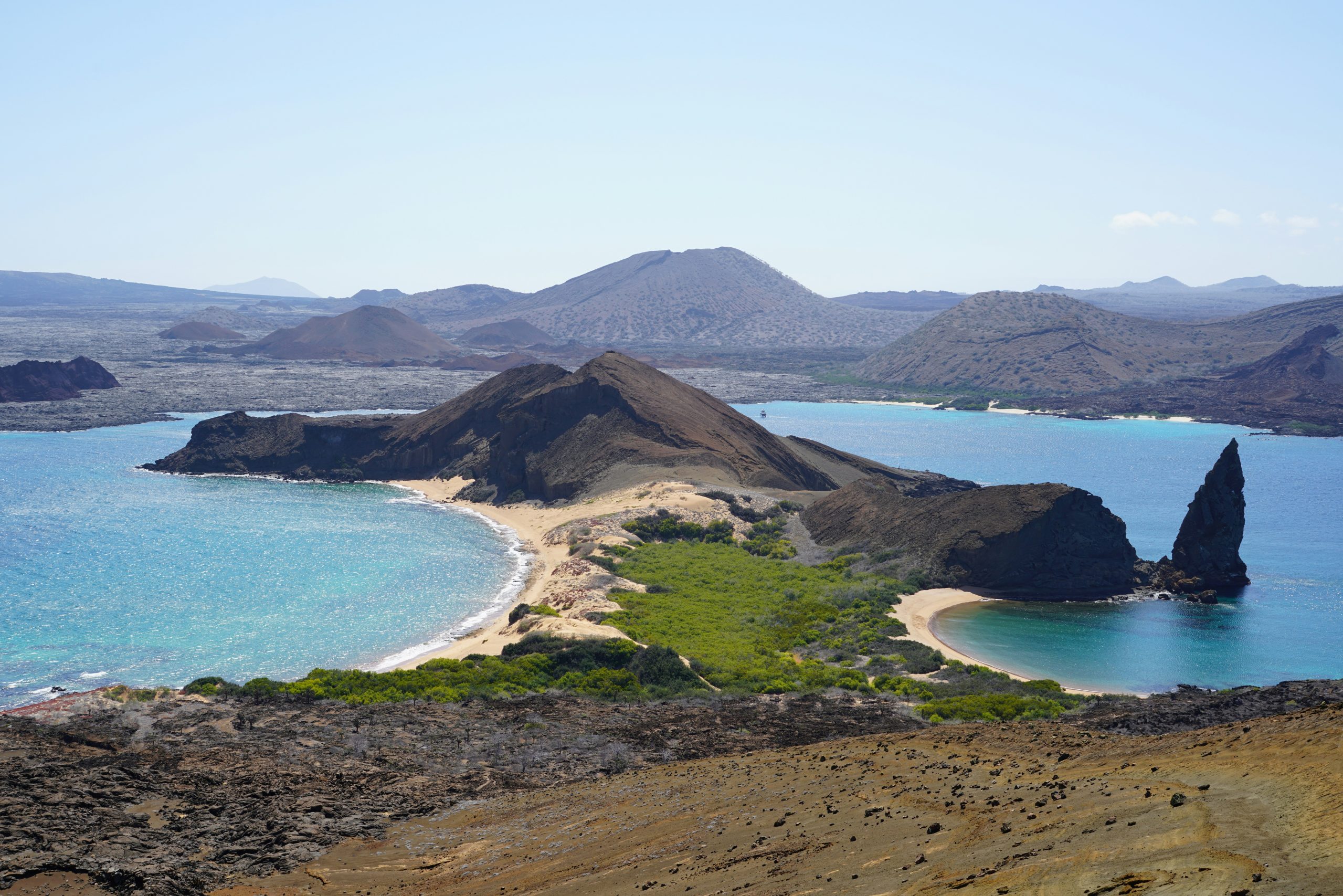
Volcanic islands 1,000 km off the coast, where sea lions sleep on benches, giant tortoises graze in the highlands and nothing is afraid of you. Expensive, but you can do it from land on a budget.
The Galápagos are a group of volcanic islands in the Pacific, around 1,000 km west of mainland Ecuador. Their isolation produced species found nowhere else, from marine iguanas and giant tortoises to flightless cormorants, and inspired Charles Darwin's thinking on evolution after his visit in 1835. Almost all of the archipelago is a national park and marine reserve, and the wildlife has no fear of people.
There are two ways to visit. Cruises reach the remote islands but cost thousands. The budget way is land-based: stay in hostels on the inhabited islands of Santa Cruz, San Cristóbal and Isabela, travel between them by ferry, and take day trips by boat. You will see sea lions, iguanas, tortoises, rays, sea turtles and sharks, often without paying for a tour at all.
Give the islands at least five days, ideally a week or more, split between two or three islands. Budget carefully: flights, the US$200 national park fee (around €170) and boat tours add up quickly, even if you sleep in dorms.
Santa Cruz is the hub, with the most hostels and tours. San Cristóbal has the best free wildlife in town, and Isabela is the quietest and wildest.
The biggest town, with the most hostels, restaurants and day trips. Central for ferries.
A relaxed port town where sea lions sleep on the beaches. Has its own airport.
A sandy village on the biggest island, with flamingos, volcano hikes and Los Túneles.
Orange labels are neighbourhoods, dots are the 4 top-rated hostels. Map data from OpenStreetMap contributors.
On Santa Cruz, walk to Tortuga Bay, a long white beach with marine iguanas and a calm lagoon for swimming, and swim in Las Grietas, a clear pool in a crack in the lava. The Charles Darwin Research Station has a tortoise breeding programme, and in the highlands you can walk among wild giant tortoises at the El Chato reserve and through lava tunnels.
On San Cristóbal, sea lions take over the town's beaches and benches. Snorkel with them at La Lobería and Playa Mann, visit the Interpretation Centre, and take a boat to Kicker Rock (León Dormido) to snorkel or dive with sharks, rays and turtles. On Isabela, the biggest island, hike to the rim of the Sierra Negra volcano, snorkel at Concha de Perla and take the Los Túneles tour to see lava arches, sea turtles and blue-footed boobies.
Day trips by boat from Santa Cruz go to islands such as North Seymour, with frigatebirds and blue-footed boobies, and Bartolomé, with the archipelago's most famous view. They sell out, so book a few days ahead.
Much of the best wildlife is free. Tortuga Bay and Las Grietas on Santa Cruz, La Lobería, Playa Mann and the Interpretation Centre on San Cristóbal, and the flamingo lagoons and the tortoise centre on Isabela can all be reached on foot or by a cheap taxi.
The Charles Darwin Research Station is free to walk around. Watching the fish market in Puerto Ayora, where sea lions and pelicans wait for scraps, is one of the best free shows on the islands.
Bring or rent a snorkel: the snorkelling from the shore is excellent.
Seafood is the obvious choice: grilled fish, ceviche and lobster in season. In Puerto Ayora, the Calle de los Kioskos (Charles Binford street) fills with outdoor stalls in the evening, the best value dinner on the islands.
Everything else is shipped from the mainland, so supermarket prices are higher than in Quito. Almuerzos in local restaurants away from the seafront are the cheapest lunch.
Many hostels have kitchens, which helps the budget a lot.
Nights are quiet. Puerto Ayora has the most bars, along the seafront, with a few places for dancing at weekends. San Cristóbal's Puerto Baquerizo Moreno has a small bar scene on the malecón.
Most people are up early for boats and snorkelling, so evenings are about dinner and a drink while the sea lions sleep on the pier.
Isabela is the quietest of all.
Flights from Quito and Guayaquil land at Baltra, next to Santa Cruz, or at San Cristóbal. Before you fly, you need the Transit Control Card (US$20), which can be bought online or at the airport, and your bags are checked for biosecurity. The US$200 national park fee is paid in cash on arrival.
From Baltra, a bus, a short ferry across the Itabaca channel and a bus or taxi take you to Puerto Ayora, around an hour in all. Public speedboats link Santa Cruz with San Cristóbal and Isabela, around two hours each way, and the crossings can be rough.
On the islands, taxis are usually white pick-up trucks and cheap. Bikes can be rented on Isabela and San Cristóbal.
The Galápagos are the most expensive part of Ecuador. Flights from the mainland are the biggest cost, and on arrival you pay the US$200 park fee (around €170) and the US$20 Transit Control Card. Isabela adds a small dock fee.
Dorm beds cost more than on the mainland, around €18 to €30. Day boat tours are the main extra, often €100 or more each, so choose one or two and fill the rest of your days with free beaches and shore snorkelling.
Bring US dollars in cash: card machines and ATMs are less reliable than on the mainland, and the park fee is cash only.
The Galápagos are very safe. The islands have been far less affected than the mainland coast by Ecuador's security problems.
Follow the park rules: stay at least two metres from animals, never touch or feed them, and stay on marked trails. Many sites can only be visited with a licensed guide.
The sun is fierce on the equator, and the sea can have currents, so use reef-safe sun cream and snorkel with others. In an emergency, call 911.
Uninhabited islands you can only reach by boat.
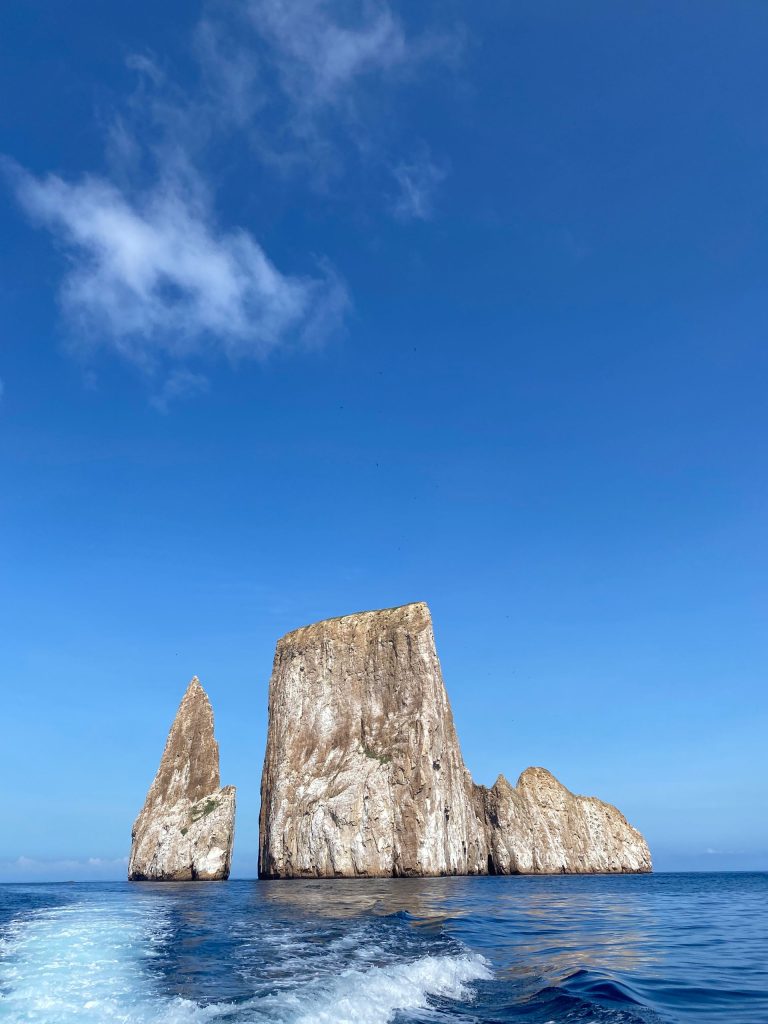
Snorkel or dive with sharks, rays and turtles around a split rock.
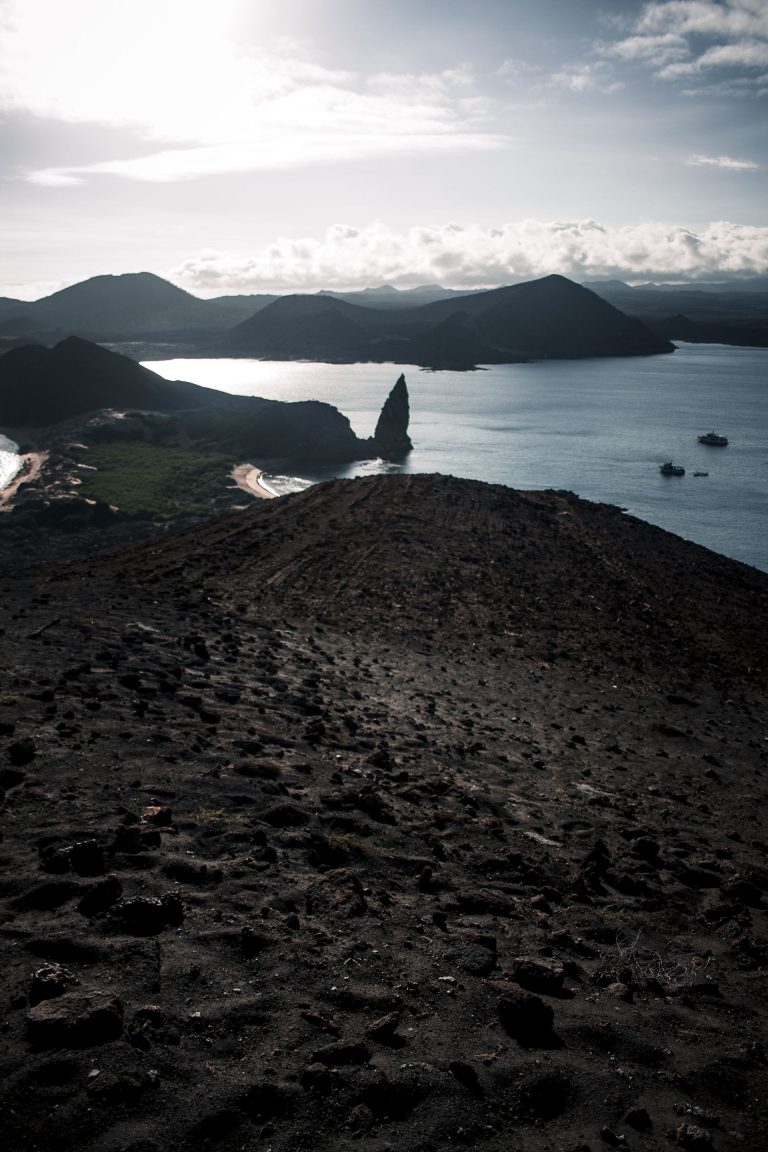
The famous Pinnacle Rock view and snorkelling with penguins.
Wildlife seasons rather than festivals.
Calmer seas, warmer water and green land iguana and tortoise nesting.
Cold, rich currents bring more marine life, with blue-footed booby courtship.
The highest-rated hostels in the Galápagos, straight from Hostelworld. Prices and availability are live on each property page.
There is no bad time. December to May is the warm season, with calmer seas and clearer water. June to November is cooler, with mist, rougher seas and more marine life thanks to the cold currents.
Average highs, rounded. Water is coolest from July to October.
Per night, for one person, based on island prices.
Treat these as a guide. Flights, the park fee and boat tours are extra.
The ones we get asked most.

Compare hostels in the Galápagos: live prices, real reviews and free cancellation on most bookings. Then meet the people already there in the app.

 Get the App.




 Get the App.