Historic centre
Sights, atmosphereThe UNESCO-listed old town, with plazas, churches and many hostels. Busy by day, quiet and less safe at night.

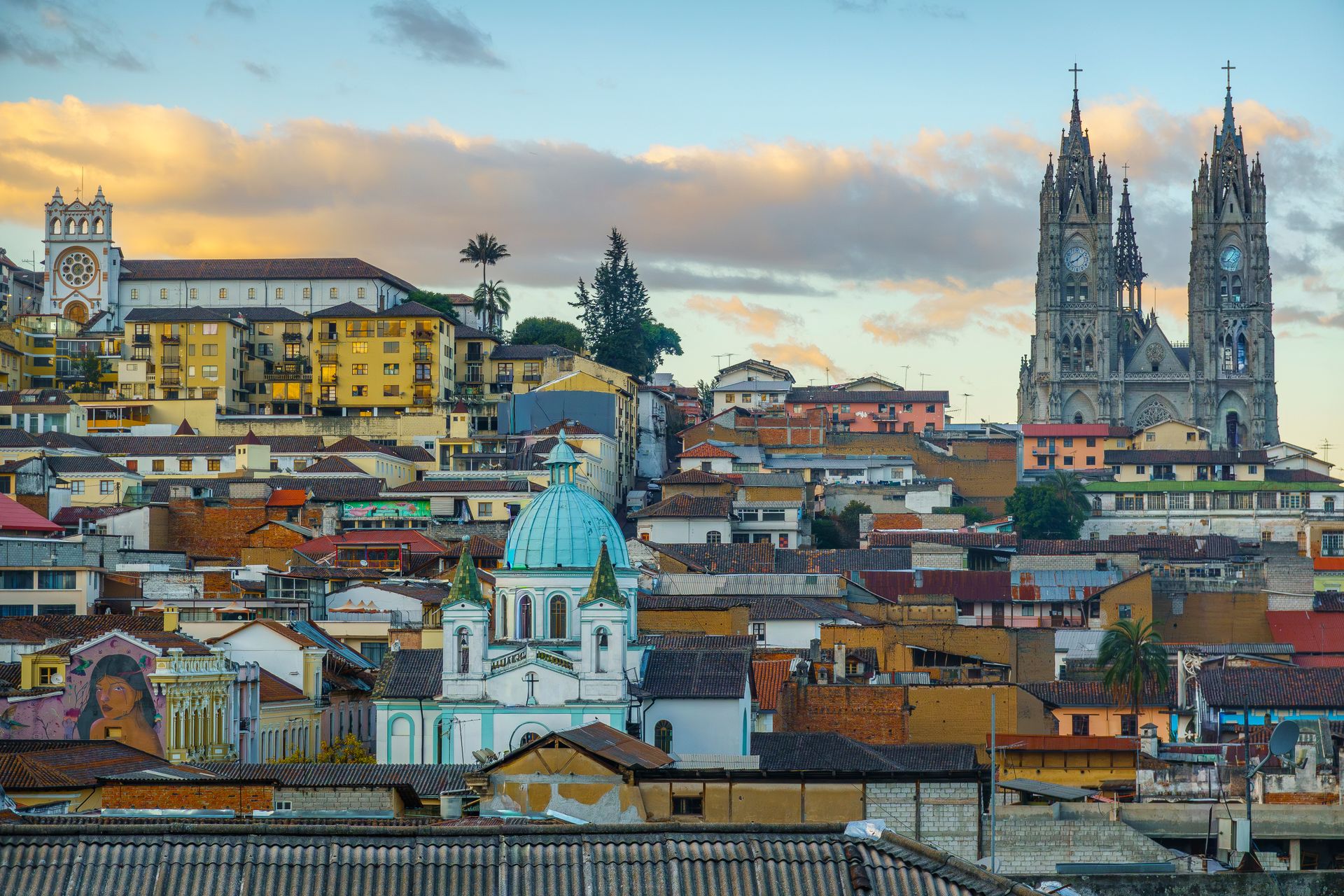
A capital at 2,850 metres, squeezed into a valley between volcanoes, with one of the best-preserved colonial old towns in the Americas and the equator half an hour up the road.
Quito stretches for more than 40 km along a narrow valley high in the Andes, with the Pichincha volcano rising directly behind it. It is the second-highest capital in the world, and the altitude is the first thing you notice: take it easy for a day or two, drink water and go slowly on the hills.
The historic centre was one of the first two places in the world named a UNESCO World Heritage Site, in 1978. Its plazas, monasteries and gilded churches, above all La Compañía de Jesús, are among the finest in South America, and La Ronda is a restored colonial street of cafés and craft shops. North of the old town, the new city has the parks, the business district and the nightlife of La Mariscal and La Floresta.
Give Quito three days: one for the old town, one for the TeleferiQo and the city's viewpoints, and one for the equator or a market. It is also the base for most of the highlands: Mindo, Otavalo, Cotopaxi and the Quilotoa Loop are all within a few hours, and most Galápagos flights leave from here.
The old town is best for sightseeing and atmosphere. La Floresta is calm and creative, and La Mariscal has the nightlife but needs care after dark.
The UNESCO-listed old town, with plazas, churches and many hostels. Busy by day, quiet and less safe at night.
A leafy residential barrio with independent cafés, an art cinema and craft beer, close to La Mariscal.
The bars and clubs around the Plaza Foch, with plenty of hostels. Lively, but take care at night.
A steep colonial village on the hillside below La Floresta, with a church and great views.
Orange labels are neighbourhoods, dots are the 12 top-rated hostels. Map data from OpenStreetMap contributors.
Start in the historic centre. The Plaza Grande has the cathedral and the presidential palace, La Compañía de Jesús is covered inside in gold leaf, and the San Francisco monastery is one of the oldest in the Americas. Climb the towers of the Basílica del Voto Nacional, a Gothic church decorated with tortoises and iguanas instead of gargoyles, for views across the old town. Walk La Ronda in the evening.
Take the TeleferiQo, a cable car from the edge of the city up the slopes of Pichincha to around 3,950 metres, for views of the valley and, on clear mornings, the snow-capped volcanoes. Go early, before the clouds. Fit walkers can hike on towards Rucu Pichincha with a group.
The Mitad del Mundo monument, around an hour north, marks the equator, and the small Intiñan museum nearby is more fun. The Casa del Alabado has an excellent pre-Columbian collection, and the Capilla del Hombre shows the work of Oswaldo Guayasamín, Ecuador's most famous painter.
Walking the old town costs nothing, and the Plaza Grande, the Plaza San Francisco and La Ronda are the city's best free sights. Free walking tours leave from the old town most days; tip the guide.
The Parque El Ejido and the Parque La Carolina are big, busy parks where locals play football, and El Ejido has an art and craft market at weekends. The Itchimbía park has views over the old town.
Several city museums have free entry on some days, so check before you go.
The almuerzo, a set lunch with soup, a main and a juice, is the best value meal in the city and costs a few euros in local restaurants. Locro de papa, a potato soup with cheese and avocado, is the highland classic, and empanadas de viento, fried and dusted with sugar, are a favourite snack.
The Mercado Central and the San Francisco market in the old town have cheap food stalls and fruit juices. Hornado, roast pork, is served in markets with mote, a big-grained corn. Canelazo, a hot cinnamon and fruit drink with a shot of sugarcane spirit, is the drink for cold evenings.
La Floresta has good cafés and restaurants, and Ecuadorian chocolate, some of the best in the world, is sold in shops across the city.
La Mariscal, especially around the Plaza Foch, is the centre of nightlife, with bars, clubs and hostel parties. It is busy from Thursday to Saturday, but has a reputation for petty crime at night, so take a ride app to and from the area.
La Floresta is calmer, with craft beer, cafés and live music, and La Ronda in the old town has bars with traditional music and canelazo.
Use ride apps rather than street taxis, never leave a drink unattended and keep valuables at your hostel.
The Quito metro opened at the end of 2023 and runs north to south along the length of the city, with stations near the old town and La Carolina. The trolleybus and Ecovía bus lines are cheap but crowded, and pickpockets work them. Ride apps are the easiest and safest way around, especially at night.
Mariscal Sucre airport is in Tababela, east of the city, around 45 minutes to over an hour away depending on traffic. Airport buses run to the city.
Long-distance buses leave from two terminals: Quitumbe in the south for Baños, Latacunga and Cuenca, and Carcelén in the north for Otavalo. Mindo buses leave from La Ofelia in the north.
Quito is good value. Dorm beds start around €7, with well-rated hostels in the old town and La Floresta from €9 to €15. An almuerzo costs €2.50 to €4, and metro journeys well under a euro.
The TeleferiQo, the equator museums and day tours are the main extras. Ecuador uses the US dollar, so prices are in dollars.
Bring small notes. Large notes are hard to break, and torn ones are often refused.
Quito needs care. Phone snatching, pickpocketing and bag theft are common, especially in the old town after dark, in La Mariscal at night, on crowded buses and around the bus terminals. Keep your phone out of sight and use ride apps after dark, even for short distances.
Do not walk up the Panecillo hill or the trails above the TeleferiQo alone: go by taxi to the Panecillo and hike in a group. Avoid the old town's quieter streets at night.
Ecuador is under a state of emergency in several provinces, mostly on the coast. Quito and the highlands have been far less affected, but check your government's current advice before travelling. Altitude is the other risk: go slowly for the first days. In an emergency, call 911.
Cloud forests, markets, volcanoes and the equator.
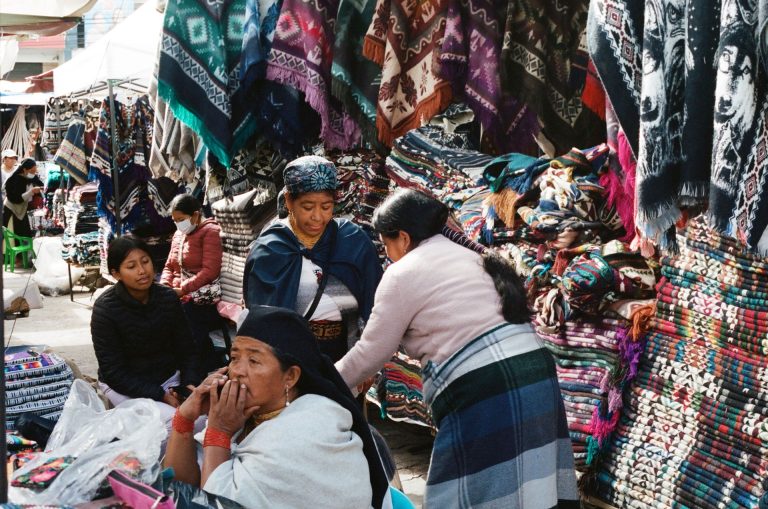
A big indigenous craft market, busiest on Saturdays, and lakes nearby.
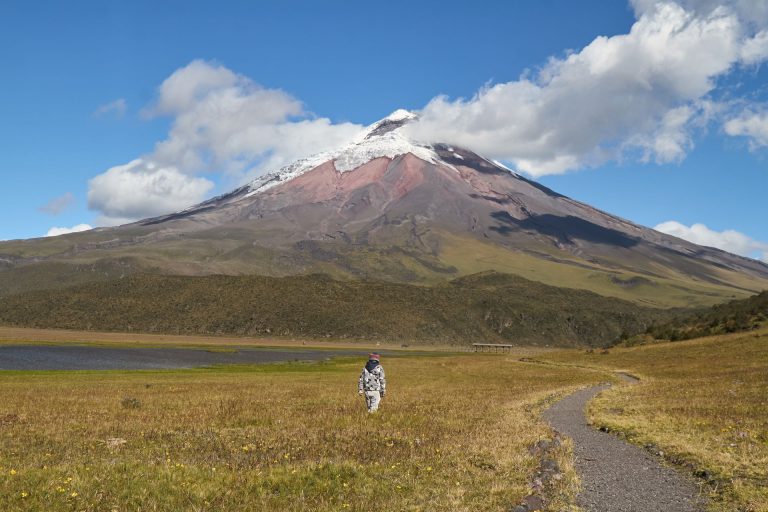
One of the highest active volcanoes in the world, with a lagoon and a refuge walk.
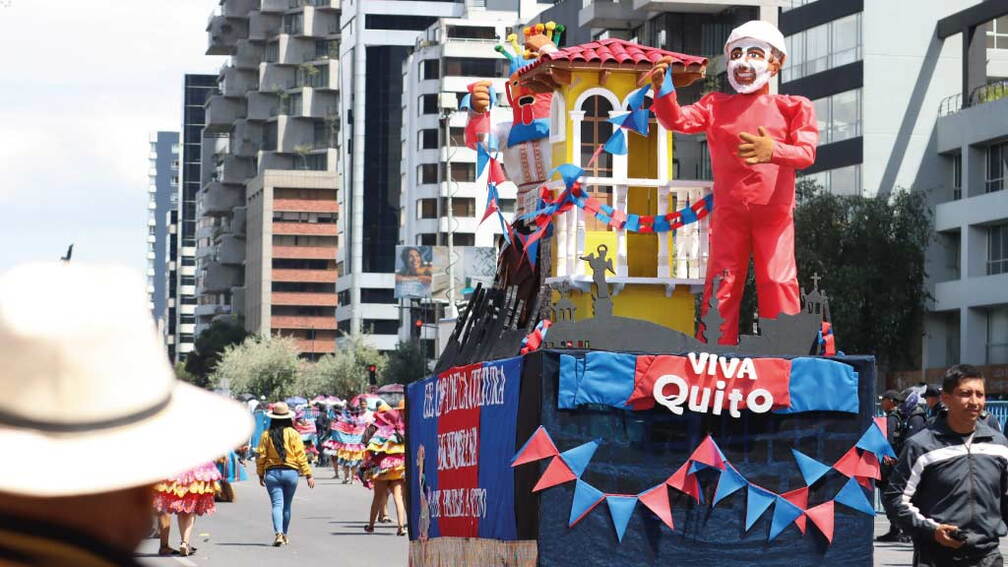
Concerts, festivals and the Fiestas de Quito in December.
 Staff pick
Fiestas de Quito is a lively, citywide celebration in Quito, Ecuador, honoring the city's founding in 1534 with a blend of tradition and modern…
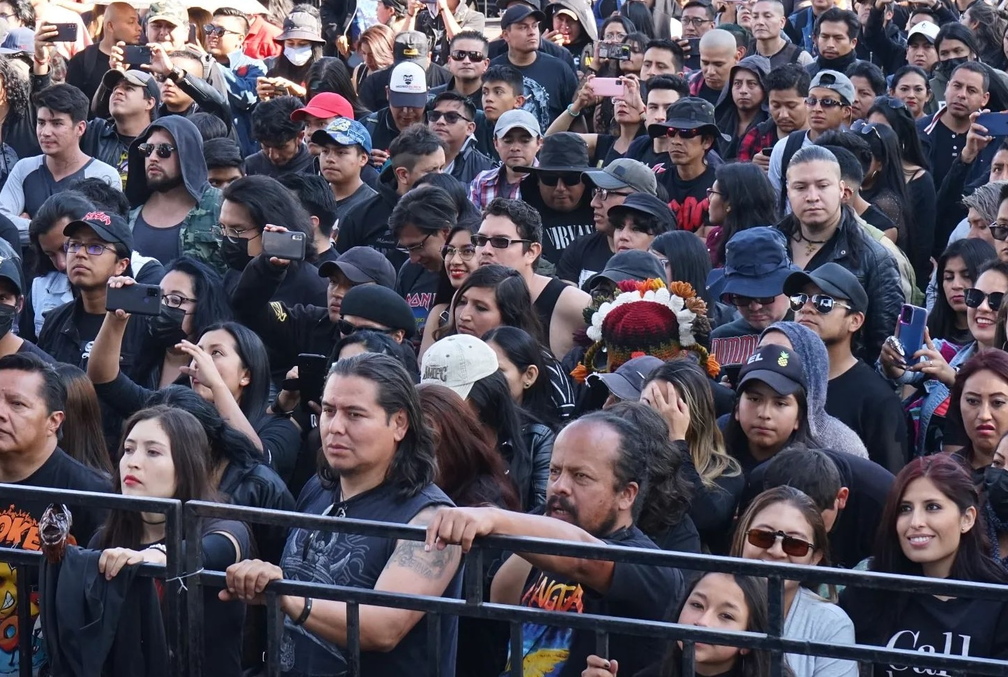 Staff pick
Abrakdabra Fest in Quito, Ecuador, is a celebrated gathering for heavy metal and rock fans, uniting renowned international acts and standout local bands at…
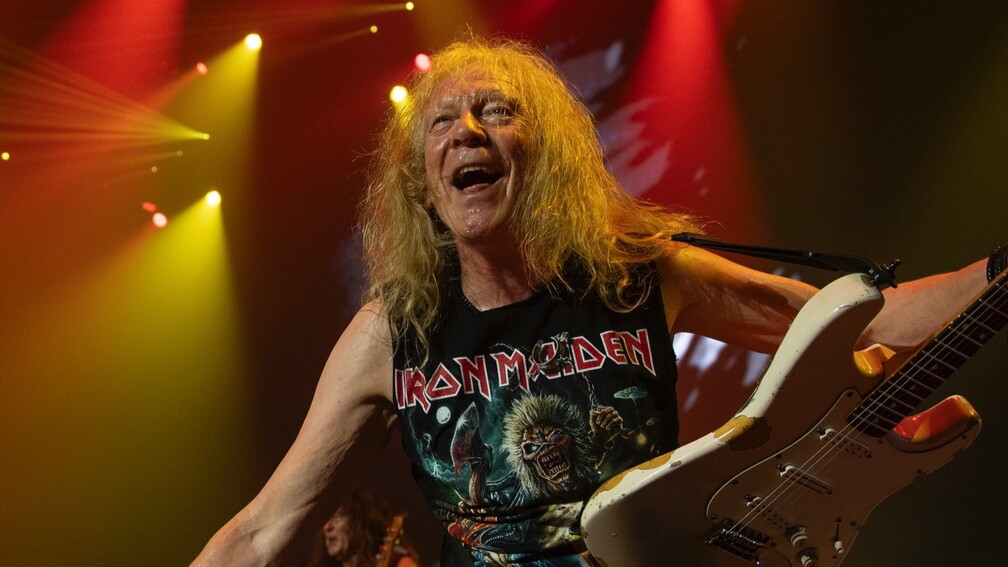
Iron Maiden brings their iconic heavy metal sound to Estadio Olímpico Atahualpa in Quito. You'll experience a powerful live show with impressive stage effects…

Rocklatam 2026 brings together three legendary Latin rock bands for a night full of energy and nostalgia. The concert takes place at Coliseo General…
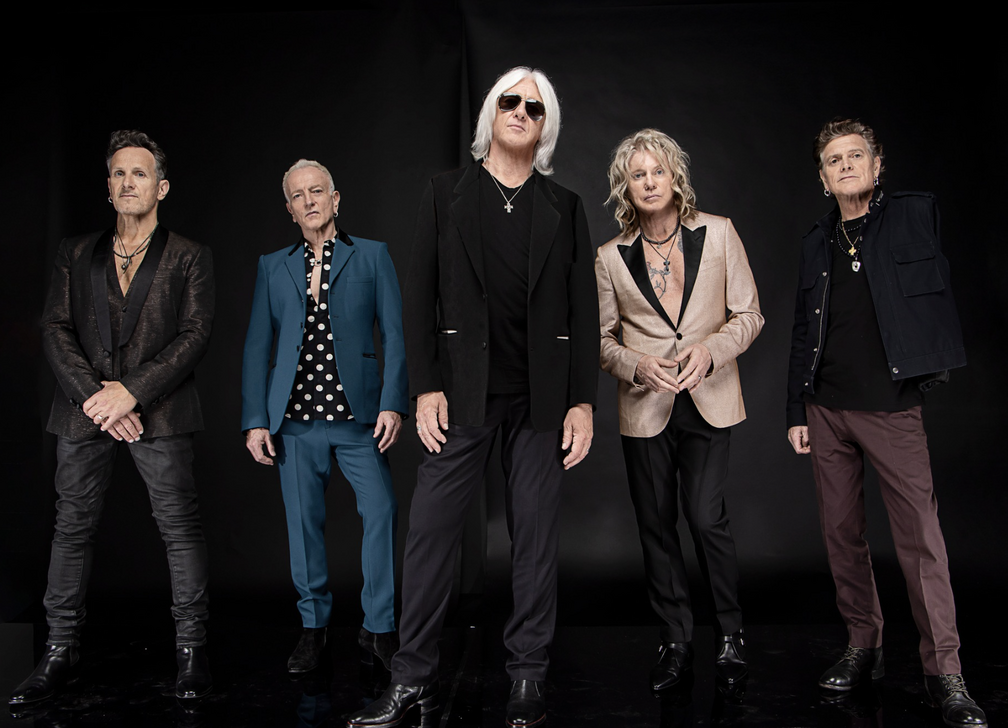
Rock fans in Ecuador have a reason to celebrate as Def Leppard brings their Live 2026 tour to Quito. The iconic British band will…
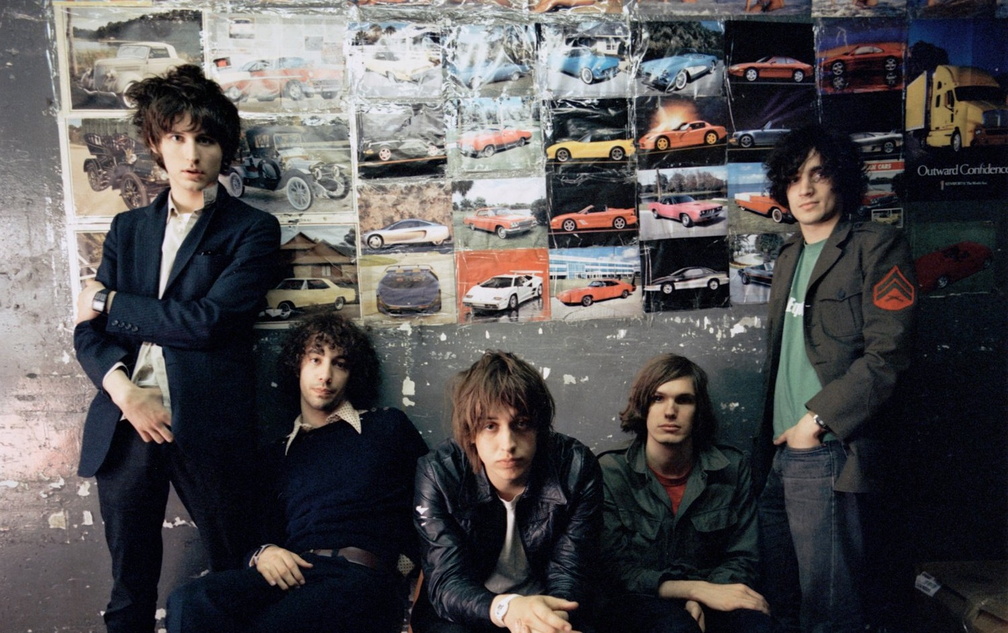
The Strokes bring their Reality Awaits Tour to Quito for a memorable night at Estadio Olimpico Atahualpa. You'll hear live performances of their iconic…
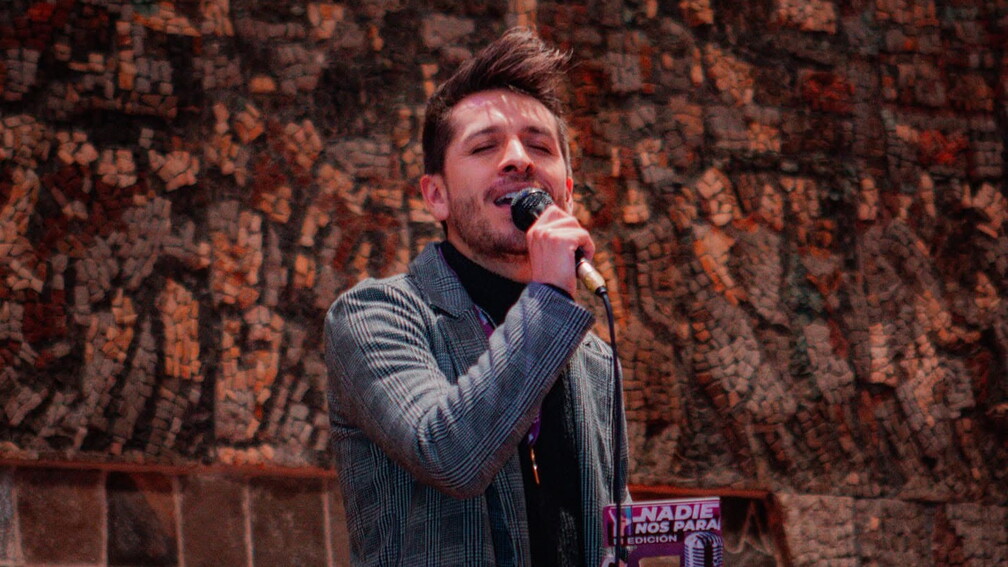
Trilogía 593 brings together Marqués and Equilivre for a musical experience at Teatro San Gabriel. The event features songs that have shaped Ecuadorian history…

Amazonika Music Fest with Hugel brings the vibrant Afrohouse scene to Quito for its inaugural edition. On October 17, Zakua Gardens will become the…
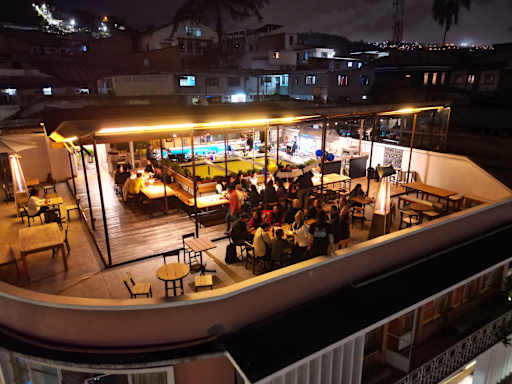
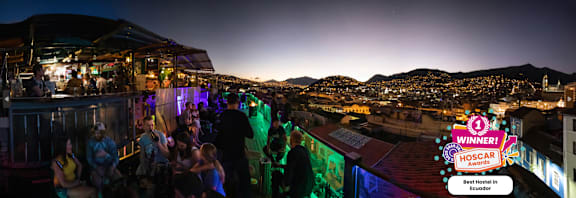
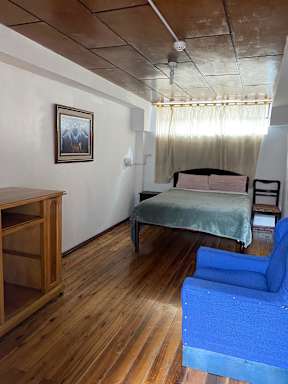
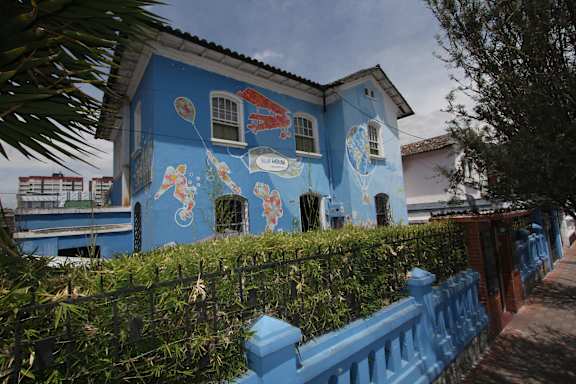
The highest-rated hostels in Quito, straight from Hostelworld. Prices and availability are live on each property page.
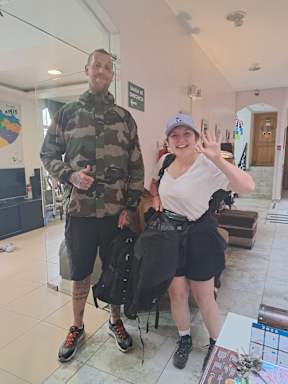
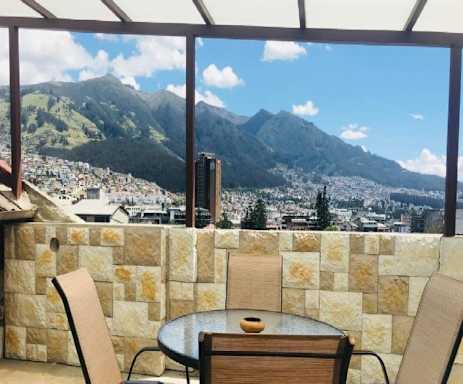
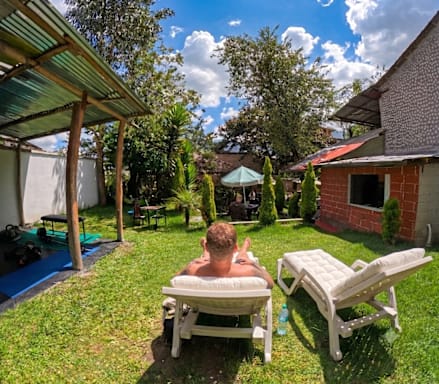
Quito is spring-like all year, with warm days and cold nights. June to September is the driest and clearest, the best for volcano views. The rest of the year has afternoon rain.
Average highs, rounded. Mornings are clearest all year.
Per night, for one person, based on Quito prices.
Treat these as a guide. Day tours to Cotopaxi or Otavalo cost extra.
The ones we get asked most.

Compare hostels in Quito: live prices, real reviews and free cancellation on most bookings. Then meet the people already there in the app.

 Get the App.



 Get the App.