Huacachina oasis
Dunes, pools, partiesThe village around the lagoon, with hostels at the foot of the dunes.

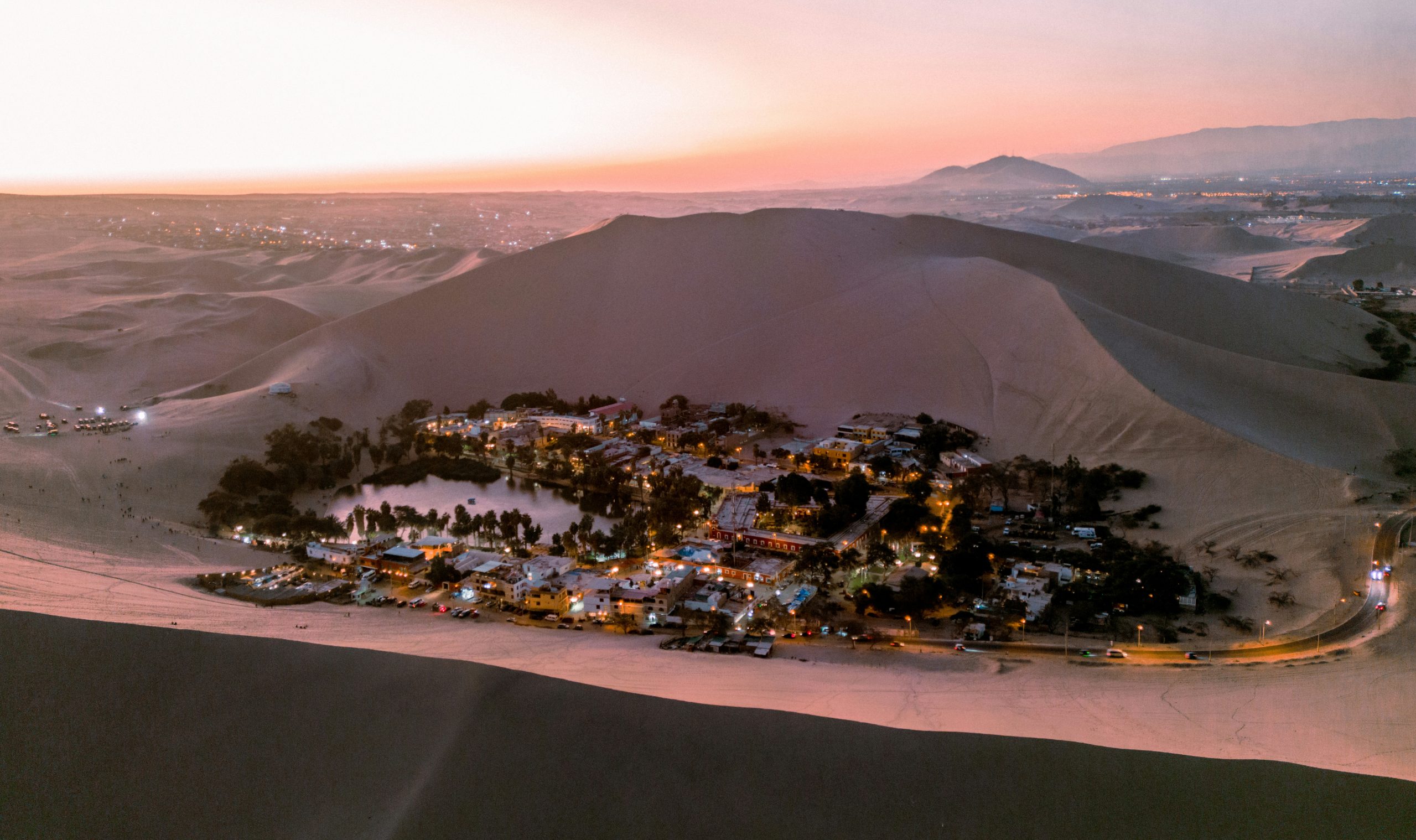
A palm-fringed lagoon surrounded by giant sand dunes, five minutes from the city of Ica. Dune buggies and sandboarding by day, pool parties by night, and pisco bodegas, Paracas and the Nazca Lines nearby.
Huacachina is a tiny village built around a green lagoon in the coastal desert of southern Peru, just outside the city of Ica. Some of the biggest sand dunes in South America rise steeply on every side. Once a resort for wealthy Peruvians, it is now one of the busiest stops on the backpacker route between Lima and Cusco.
The big activity is a dune buggy ride over the sand, with stops to sandboard down the slopes, timed for sunset. Climbing the nearest dune on foot for sunrise or sunset is free. The rest of the day is spent by hostel pools, and the village has a party reputation at night.
Huacachina itself needs a night or two, but the area fills more days. Ica's valley is the heart of pisco and wine production, with bodegas offering tours and tastings, Paracas and the Ballestas Islands are an hour north, and the Nazca Lines are around two and a half hours south. Most travellers spend two or three days here.
Stay in Huacachina for the dunes and the hostel scene, or in Ica for cheaper beds and a local city, five minutes away by taxi.
The village around the lagoon, with hostels at the foot of the dunes.
The city five minutes away, with markets, bus terminals and cheaper food.
Orange labels are neighbourhoods, dots are the 6 top-rated hostels. Map data from OpenStreetMap contributors.
Take a dune buggy tour in the late afternoon. Buggies race up and down the dunes, stopping at the tops for sandboarding, usually lying on your front down the steeper slopes, and for the sunset over the desert. Choose a well-reviewed operator with seatbelts and a careful driver, as accidents have happened.
Climb the dune above the lagoon at sunrise or sunset for the view over the oasis; it is steep and hard work in soft sand. Rent a board to try it on your own, or hire a pedalo on the lagoon.
Visit the pisco bodegas around Ica, from small traditional producers to large estates, for tours and tastings of pisco and local wine. Paracas, an hour north, has boat trips to the Ballestas Islands, with sea lions, penguins and seabirds, and a desert reserve with red beaches. The Nazca Lines, giant ancient figures drawn in the desert, are best seen on a short flight from Nazca or from Pisco.
Climbing the dunes around the lagoon is free, and the views at sunrise and sunset are the best thing in Huacachina. Go early to avoid the heat.
Walking around the lagoon and the village costs nothing. Some bodegas offer free short tastings, especially small family producers.
The Plaza de Armas in Ica is a short taxi ride away and free to explore.
Huacachina's restaurants are mostly aimed at travellers and a little pricey. For cheaper, local food, go to Ica, where menús cost a few euros.
Ica is the pisco capital of Peru. Try pisco sours, chilcanos and tejas, sweets filled with dulce de leche and fruit. Carapulcra, a stew of dried potato and pork, and sopa seca are local dishes.
The bodegas sell pisco and wine at good prices.
Huacachina has a lively party scene for its size, centred on a few big hostels with bars, pools and DJ nights. It is busy most nights of the week.
The rest of the village has a handful of bars around the lagoon.
Keep valuables locked up, never leave a drink unattended, and do not swim in the lagoon at night.
Huacachina is tiny and walkable. Taxis take five minutes to Ica, where the bus companies have their terminals.
Buses from Lima take around four to five hours, and from Paracas around one hour. Buses south to Nazca take around two and a half hours, and on to Arequipa overnight. Some backpacker bus services stop in Huacachina directly.
Nazca flights leave from Nazca, and from Pisco near Paracas.
Huacachina is a little pricier than Ica. Dorm beds start around €9, with well-rated hostels from €10 to €16, and restaurants cost more than in town.
Dune buggy tours are good value, though there is a small fee to enter the dunes. Bodega tours are cheap or free. Ballestas boat trips and Nazca flights are the main extras.
Carry cash in soles for buggies, taxis and the bodegas.
Huacachina is generally safe, but theft from hostel rooms and on the dunes happens. Use lockers and do not leave belongings unattended.
Dune buggy accidents have happened. Choose a well-reviewed operator, wear the seatbelt and ask the driver to slow down if needed. Sandboard on your front only on gentle slopes, and keep your feet up.
The desert is very hot and sunny by day and cold at night, so carry water and sun cream. Avoid walking the dunes alone after dark. In an emergency, call 105 for police or 106 for an ambulance.
Pisco country, wildlife islands and mysterious lines.
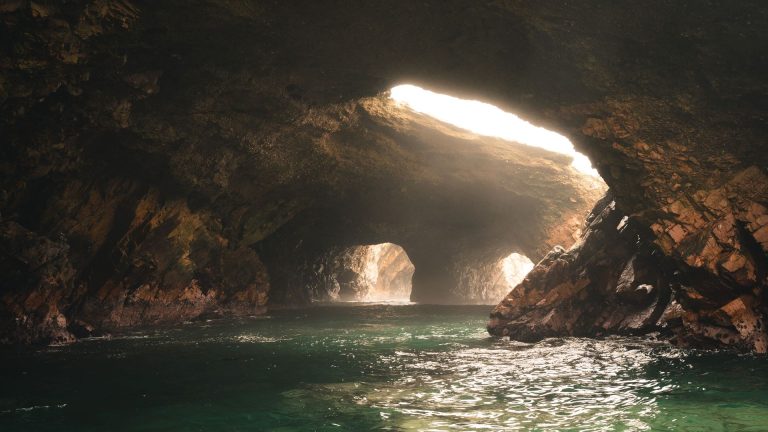
Boat trips to islands of sea lions, penguins and seabirds.
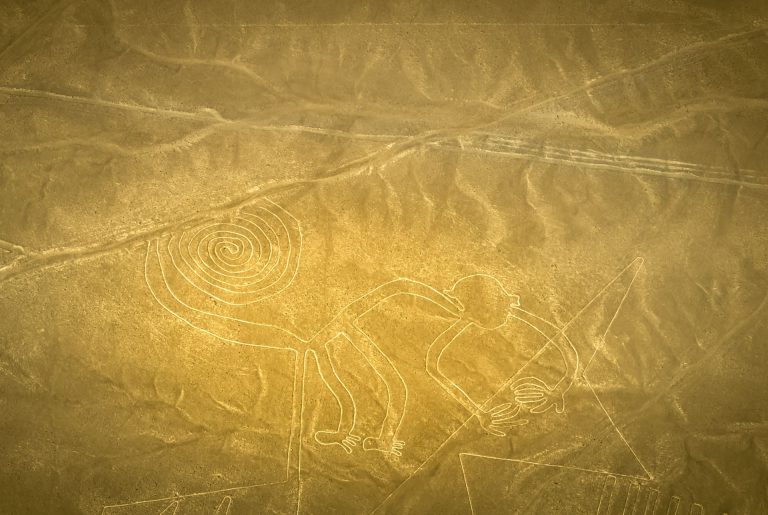
Giant ancient figures in the desert, seen from a small plane.
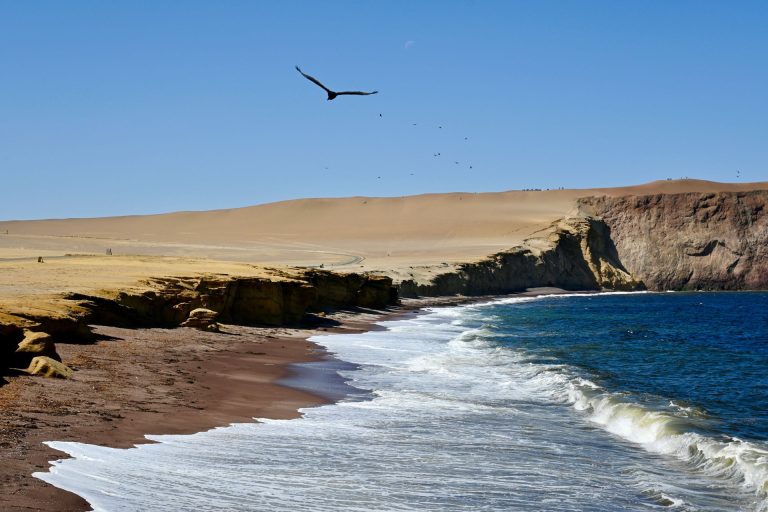
Desert cliffs and red beaches.
Harvest festivals and pisco celebrations.
The grape harvest festival, with grape-stomping, parades and pisco.
A day for Peru's national cocktail.
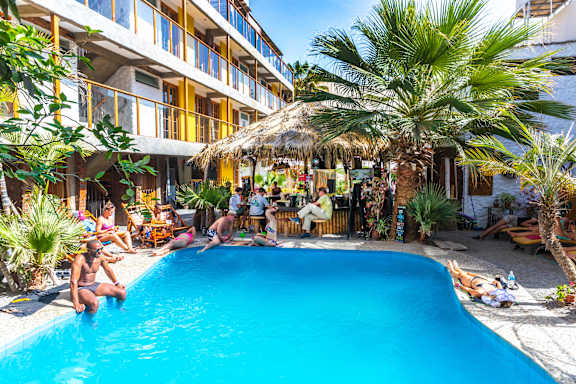
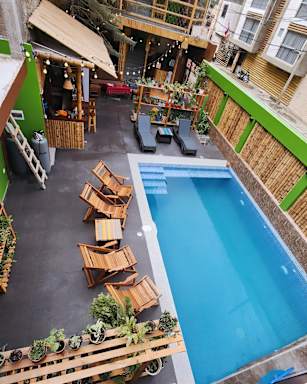
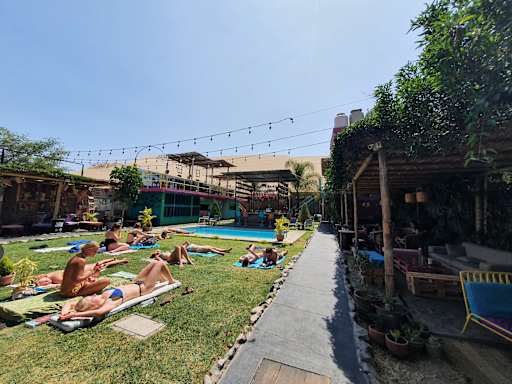
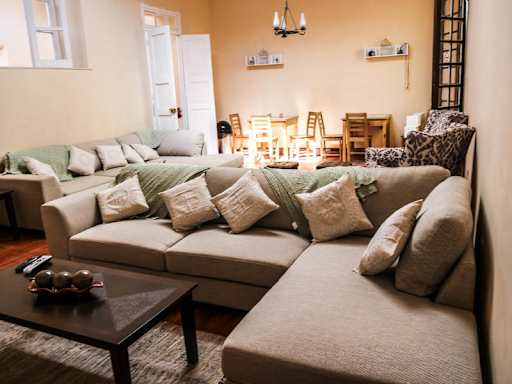
The highest-rated hostels in Huacachina, straight from Hostelworld. Prices and availability are live on each property page.


Huacachina is dry and sunny all year. December to March is very hot. June to September is cooler, with misty mornings on the coast nearby.
Average highs, rounded. It almost never rains.
Per night, for one person, based on Huacachina prices.
Treat these as a guide. Nazca flights and Ballestas tours cost extra.
The ones we get asked most.

Compare hostels in Huacachina: live prices, real reviews and free cancellation on most bookings. Then meet the people already there in the app.

 Get the App.



 Get the App.