Miraflores
Safe, central, most hostelsThe clifftop district around the Parque Kennedy, with hostels, restaurants and the Malecón.

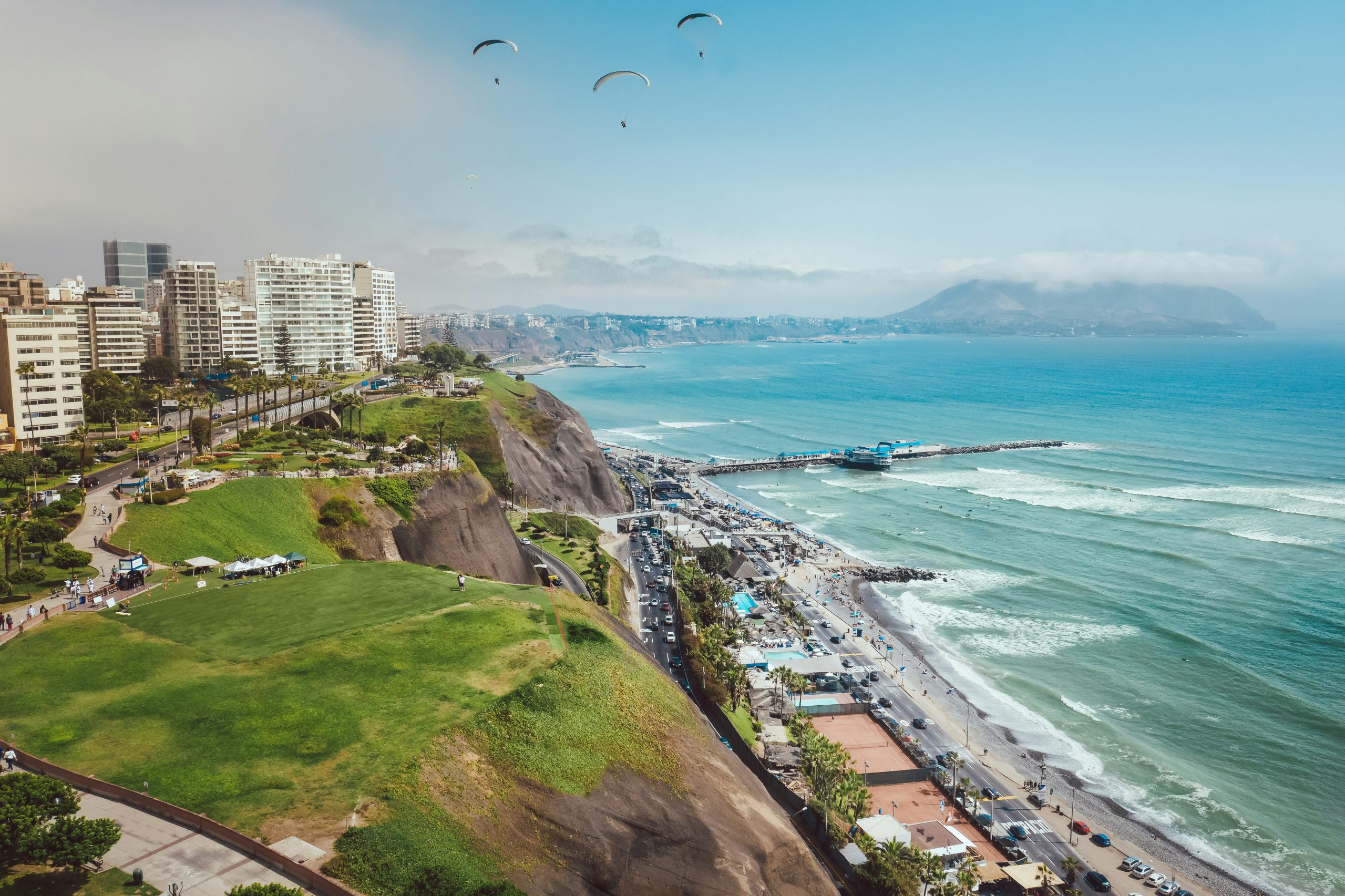
Peru's capital on the Pacific cliffs, with the best food scene in South America, a grand colonial centre, surf below the clifftops and pre-Inca pyramids in the middle of the city.
Lima is a huge city of around ten million people on the desert coast, built along cliffs above the Pacific. From May to November it sits under a grey sea mist, the garúa, and from December to April it is hot and sunny. Most travellers fly in here, and many leave after a night, which is a mistake: Lima rewards a few days.
The food is the reason to stay. Lima has restaurants on the world's best lists, but the everyday food is just as good: ceviche at a busy cevichería at lunchtime, Chinese-Peruvian chifa, Japanese-Peruvian Nikkei and anticuchos grilled on street corners. The historic centre, a UNESCO World Heritage Site, has grand plazas, churches and catacombs, and Barranco is the bohemian district of murals, bars and sunsets.
Give Lima two or three days. Stay in Miraflores or Barranco, walk the clifftop parks, eat as much as you can and spend a day in the centre. Lima is under a state of emergency over violent crime linked to extortion, which mostly affects local businesses and outer districts, but take care, use ride apps and check current advice.
Miraflores is safe, central and on the clifftops, with most hostels. Barranco is smaller, artier and better for nightlife. The historic centre is best visited by day.
The clifftop district around the Parque Kennedy, with hostels, restaurants and the Malecón.
A smaller district of colourful mansions, murals, bars and peñas, next to Miraflores.
The UNESCO-listed old city around the Plaza Mayor. Visit by day and take an app.
Orange labels are neighbourhoods, dots are the 12 top-rated hostels. Map data from OpenStreetMap contributors.
Spend a day in the historic centre. The Plaza Mayor has the cathedral and the Government Palace, with the changing of the guard at midday. The San Francisco monastery has catacombs lined with bones and a beautiful library, and the Casa de Aliaga is a colonial mansion still owned by the same family. Take a taxi or app there and back.
In Miraflores, walk or cycle the Malecón, the clifftop path with parks, paragliders and sunset views over the Pacific. The Huaca Pucllana is an adobe pyramid over 1,500 years old, right in the middle of the district. In Barranco, cross the Puente de los Suspiros, look at the murals and visit the MAC or MATE galleries.
The Museo Larco has one of the best collections of pre-Columbian art in the Americas, with gold, textiles and ceramics. Learn to surf below the cliffs at Miraflores, or take a food tour or cooking class, the best way into the city's food culture.
The Malecón in Miraflores and Barranco is free and beautiful at sunset, with the Parque del Amor and its mosaic benches. The beaches below are free too, though the water is cold.
The Plaza Mayor and the changing of the guard at the Government Palace cost nothing, and free walking tours leave from Miraflores and the centre; tip the guide.
Barranco's murals and the Parque Kennedy in Miraflores, famous for its cats, are free to wander.
Ceviche is the essential: raw fish cured in lime with chilli, onion and sweet potato, eaten at lunch in a cevichería, never at night. Try causa, a layered potato dish, lomo saltado, ají de gallina, a creamy chicken stew, and anticuchos, grilled beef heart skewers, from street stalls.
Chifa, Chinese-Peruvian food, is a Lima institution, and Nikkei, Japanese-Peruvian, is behind some of the city's most famous restaurants. Surquillo market, next to Miraflores, is great for fruit and cheap lunches. A menú in a local restaurant costs a few euros.
Pisco sours, chilcanos and Inca Kola are the drinks to try.
Barranco is the heart of Lima's nightlife, with bars in old mansions, live music, peñas with Afro-Peruvian music and clubs. It is busy from Thursday to Saturday.
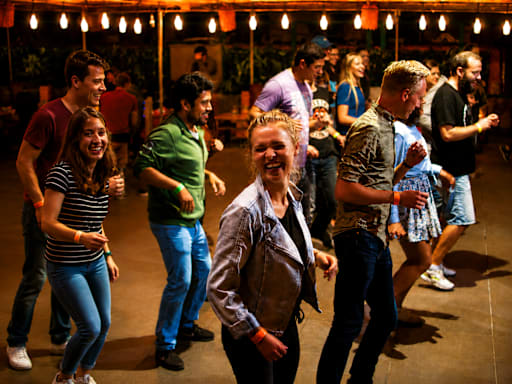
Miraflores has bars and clubs around the Parque Kennedy and Calle de las Pizzas, and party hostels run their own nights.
Use ride apps at night rather than hailing taxis, and never leave a drink unattended.
Lima's traffic is heavy. The Metropolitano bus rapid transit links Barranco, Miraflores and the centre on its own lanes, and is cheap. Ride apps are the easiest and safest option; avoid hailing taxis on the street.
Jorge Chávez airport, in Callao, opened a new terminal in 2025. Allow at least an hour to Miraflores, more at rush hour. Use official taxis, ride apps or the airport bus.
Long-distance buses with Cruz del Sur, Oltursa and others leave from their own terminals. Huacachina and Paracas are around four to five hours south, Huaraz around eight hours north, and Cusco around 21 hours, which most people fly.
Lima is more expensive than the rest of Peru, but still good value. Dorm beds start around €9, with well-rated hostels in Miraflores and Barranco from €12 to €20. A menú costs €3 to €6, and a ceviche lunch a little more.
The famous restaurants are expensive, but the street food and local cevicherías are cheap. Museums and the San Francisco monastery charge small fees.
Cards are widely accepted. Use ATMs inside banks or shopping centres.
Lima has been under a state of emergency over extortion and organised crime, renewed most recently at the end of August 2026. The violence mainly targets local businesses and transport workers in outer districts, but crime is a real issue, so take care.
Miraflores and Barranco are the safest areas, though phone snatching and bag theft happen there too. Visit the historic centre by day and take an app there and back. Avoid outer districts and the port area of Callao, except the airport.
Never hail a taxi on the street; use ride apps. Keep your phone hidden, especially near the Malecón and on buses. In an emergency, call 105 for police or 106 for an ambulance.
Ruins in the desert, islands of sea lions and the coast.
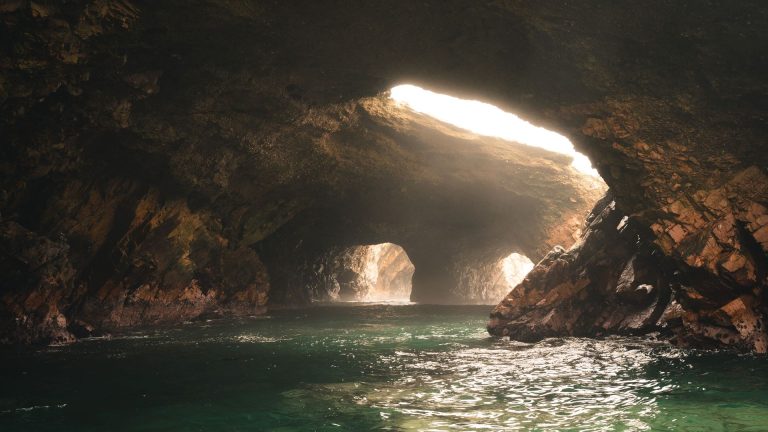
Sea lions, penguins and desert coastline.
Concerts, food events and the independence holidays.
 Staff pick
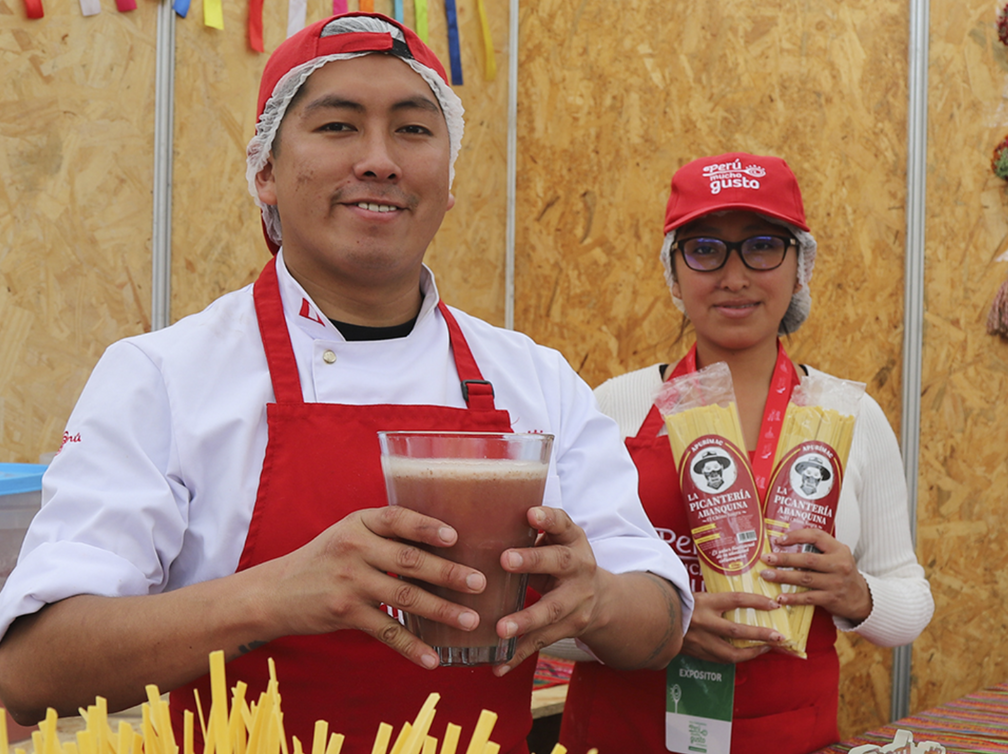
Perú Mucho Gusto Lima is a celebrated gastronomic fair that brings together the flavors and culinary traditions of all 25 regions of Peru in…
 Staff pick
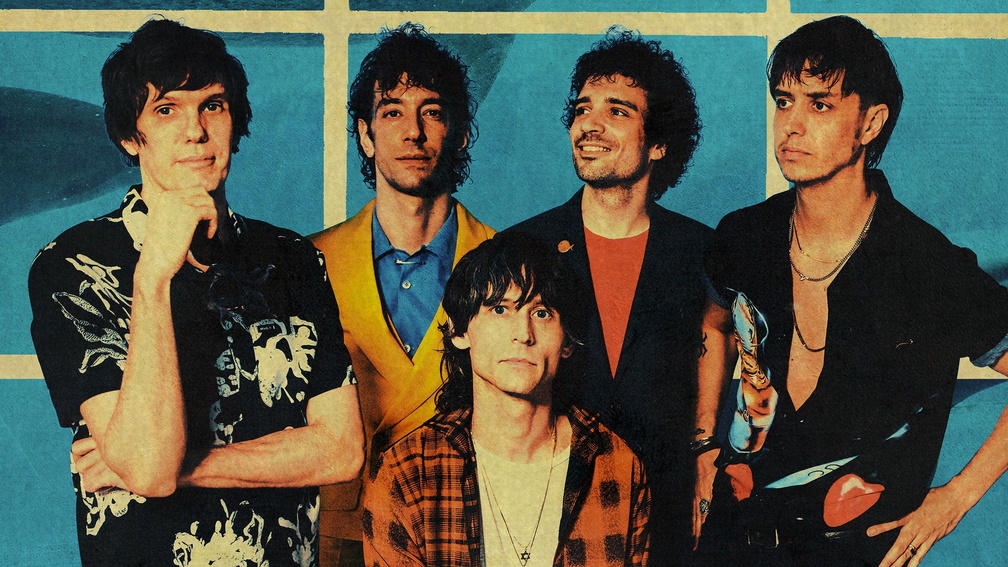
The Strokes is a rock band from New York City formed in 1998. Consisting of five members, the band played a significant role in…

With a legacy forged in the fires of heavy metal, Iron Maiden has been thrilling fans since 1975 with their galloping rhythms, operatic vocals,…

Iron Maiden celebrates 50 years with the Run For Your Lives World Tour, bringing their classic era to Lima's National Stadium on October 17,…
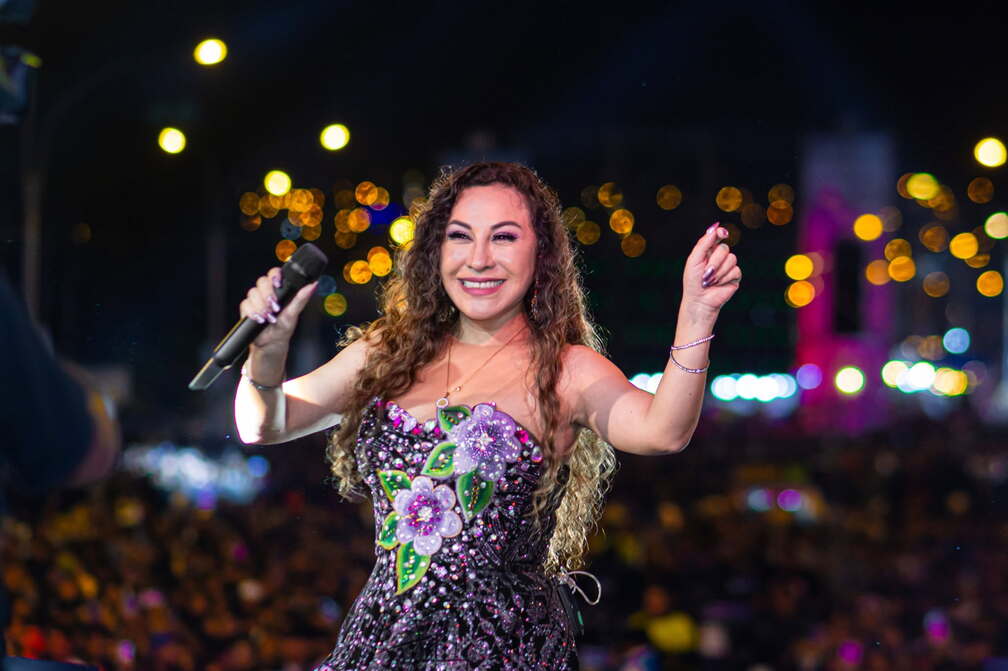
Latin American Andean music carries the spirit of the mountains and the memory of generations, and Expofolk 2026 brings together some of the genre's…
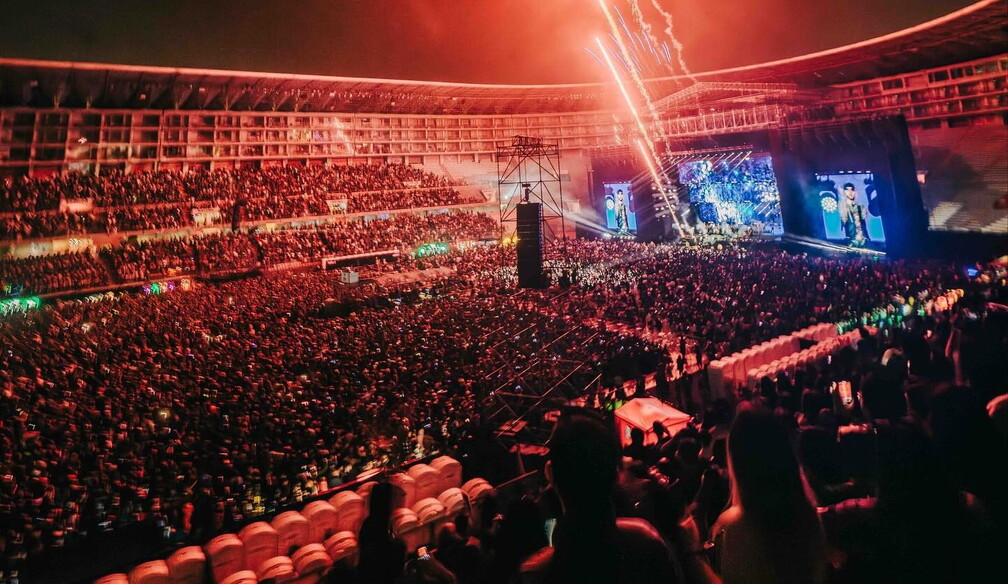
Peru's largest Halloween-themed music event takes over the Estadio Nacional on October 31, featuring a stacked lineup that includes Ozuna, Farruko, Myke Towers, Anuel…
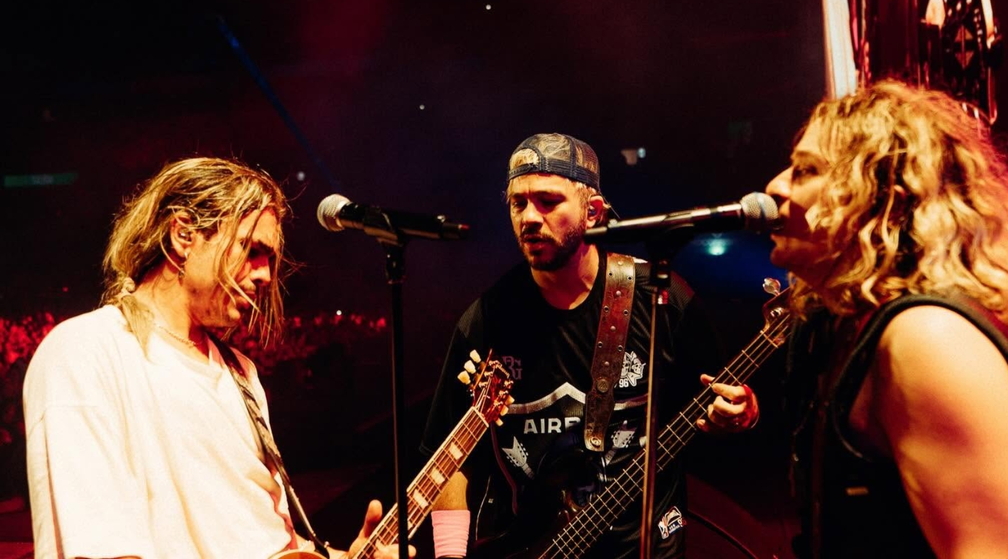
Airbag is a leading rock band in Latin America, known for their impressive live shows and large fanbase. The band is currently working on…
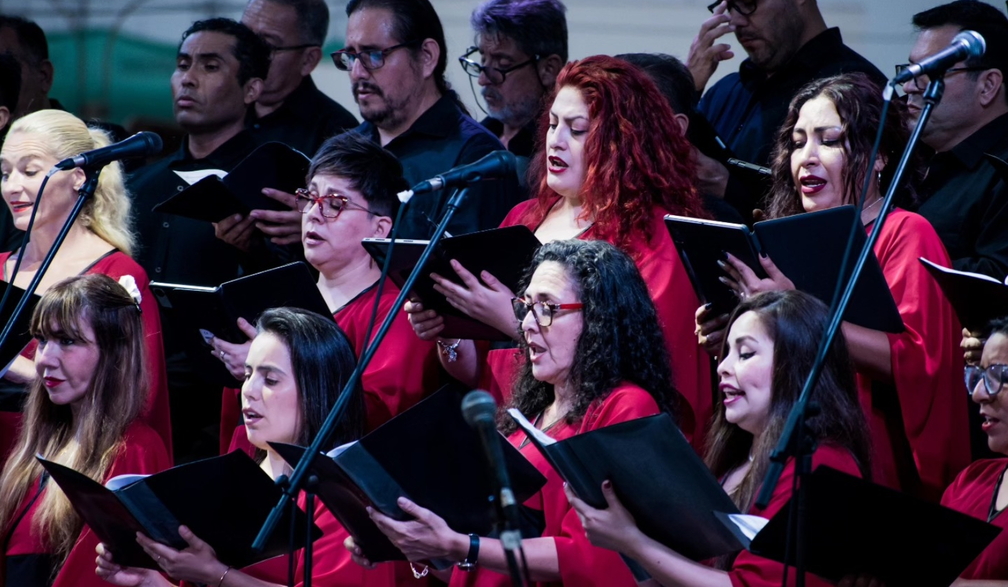
The National Choir and National Symphony Orchestra present their Opera Season with performances scheduled in October. Details about the artistic program, schedules, and ticket…
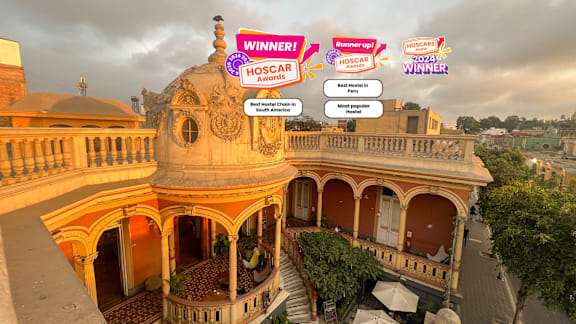
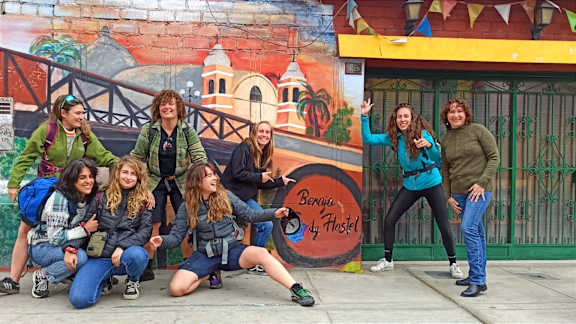
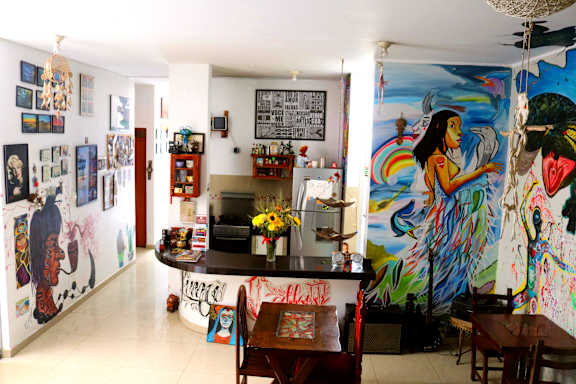
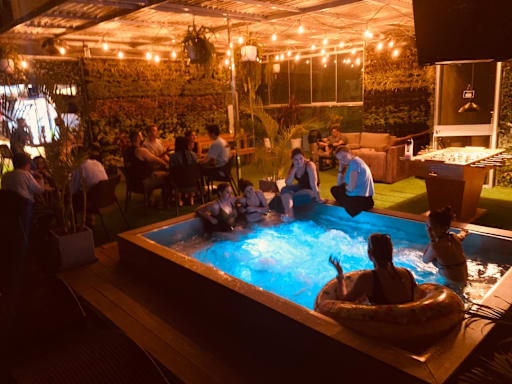
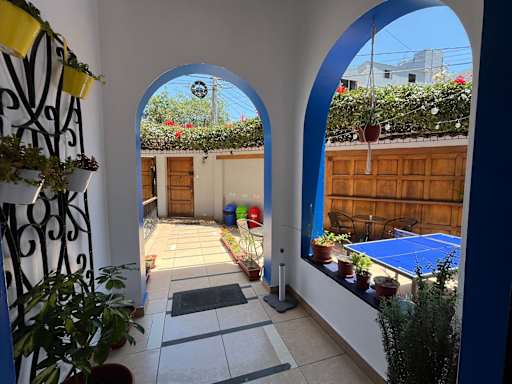
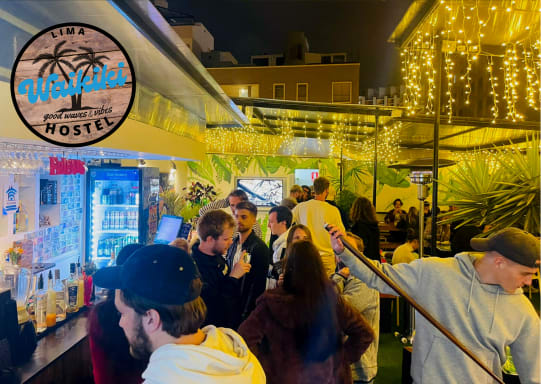
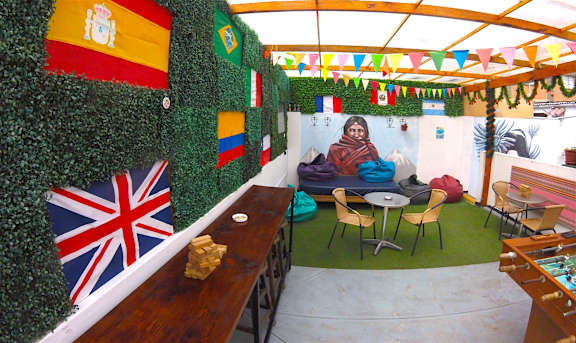
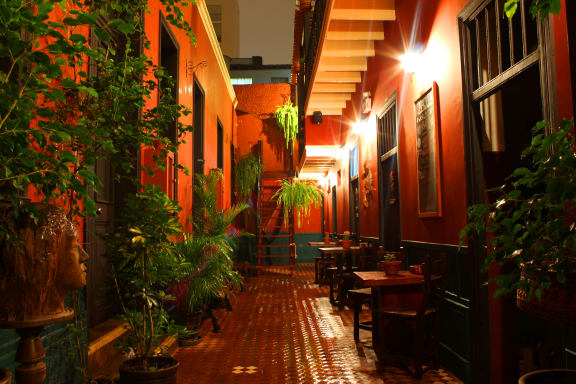
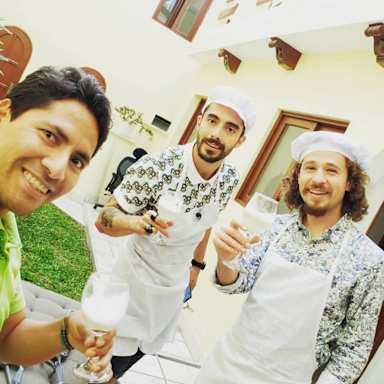
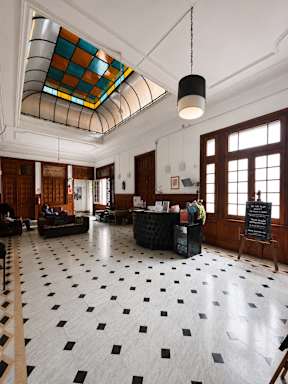
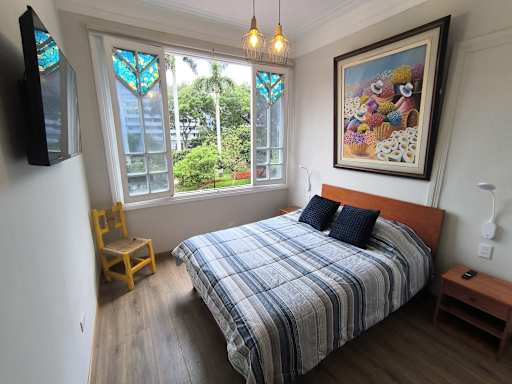
The highest-rated hostels in Lima, straight from Hostelworld. Prices and availability are live on each property page.
December to April is summer: hot, sunny and busy at the beaches. May to November is cool and grey under the garúa mist, but it almost never rains.
Average highs, rounded. Lima is grey for half the year.
Per night, for one person, based on Lima prices.
Treat these as a guide. Famous restaurants and surf lessons cost extra.
The ones we get asked most.

Compare hostels in Lima: live prices, real reviews and free cancellation on most bookings. Then meet the people already there in the app.

 Get the App.




 Get the App.