

Most backpackers come to Vietnam for the food, the cities and a few slow beach days. Then they see the karsts. Vietnam’s nature is the part of the trip people keep talking about long after the last bowl of pho: river caves you drift through by rowing boat, limestone towers rising straight out of the rice paddies, and jungle where you wake to birdsong instead of scooter horns.
The good news? The best of it sits right on the classic north to south route, so you don’t need a car, a guide or a big budget to see it. This guide takes Vietnam’s national parks, caves and karst bays in the order you’ll reach them, with 2026 ticket prices, what you can do on your own from a hostel, and what really does need a tour.
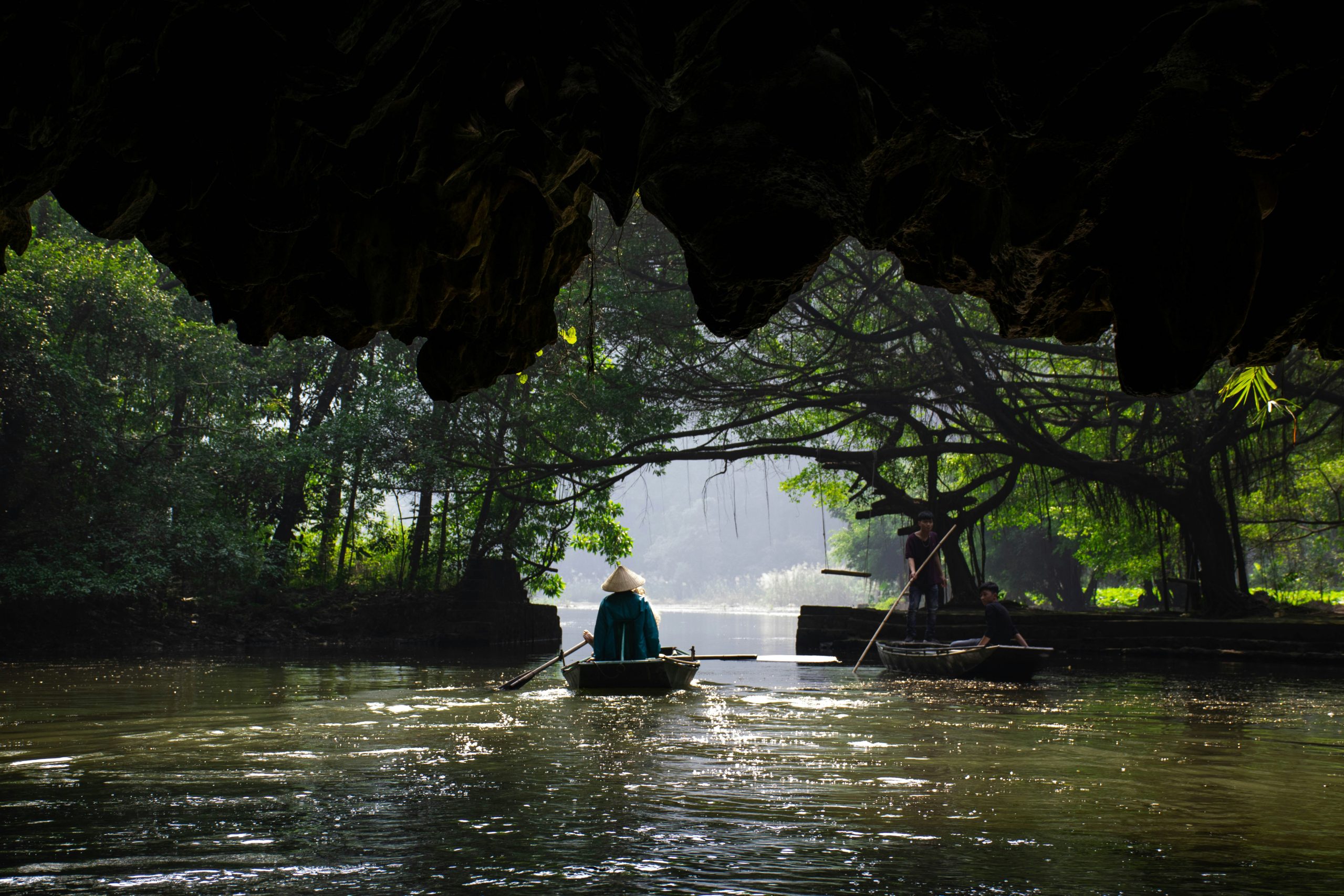
Where can you see Vietnam’s wild side?
In four places that line up neatly along the backpacker trail. Three of them are on UNESCO’s World Heritage List, which tells you something about the scenery.
- The north: karst bays. Ha Long Bay and its quieter neighbour, Lan Ha Bay off Cat Ba Island. UNESCO extended the listing to the Cat Ba archipelago in 2023.
- Ninh Binh: karsts on land. Rowing boats through river caves at Trang An, cycling between paddies, and Cuc Phuong National Park’s jungle nearby.
- The centre: caves. Phong Nha-Ke Bang National Park, home to Paradise Cave, Phong Nha Cave and Son Doong, the largest known cave in the world.
- The south: jungle. Cat Tien National Park, within reach of Ho Chi Minh City, and the Mekong Delta’s waterways.
Quick tip before you go: bring cash. According to VietnamTourism.com’s 2026 price guide, most cave ticket counters in Phong Nha are cash only, and the ATMs are in town, not in the park.

Which Vietnam national parks and natural wonders are worth it?
They suit very different trips, so pick by what you want to see. Here’s the quick comparison, from north to south, with entry prices checked in October 2026 (euro figures are rough, at about 30,000 VND to €1, the rate OFX listed in mid-2026).
- Ha Long Bay (north). Best for: the classic karst cruise. Base: Ha Long or Hanoi. Independent or tour: either. Price: day routes from 290,000 VND (about €10) for the sightseeing ticket, before you pay for the boat, per Vietnam Nomad.
- Lan Ha Bay (north). Best for: kayaking and quieter karsts. Base: Cat Ba Island. Independent or tour: tour boat from Cat Ba.
- Trang An, Ninh Binh (north). Best for: rowing-boat trips through river caves. Base: Ninh Binh or Tam Coc. Independent: yes. Price: about 250,000 VND (about €8) per adult, according to Travel Cost Calculator.
- Cuc Phuong National Park (north). Best for: jungle trekking and primate rescue. Base: Ninh Binh. Independent: yes, by scooter. Price: about 60,000 VND (about €2), per VietnamTourism.com.
- Phong Nha-Ke Bang (centre). Best for: caves. Base: Phong Nha town. Independent: yes, except Dark Cave and multi-day treks. Price: Paradise Cave 270,000 VND (about €9) including the buggy, according to the park’s official site.
- Son Doong (centre). Best for: once-in-a-lifetime caving. Tour only, with Oxalis. Price: nearly 80 million VND (about €2,650), reported Dan Tri in March 2026.
- Cat Tien National Park (south). Best for: wildlife, gibbons and cycling. Base: Nam Cat Tien village. Independent: yes. Price: 60,000 VND (about €2) including the river ferry, according to Wikivoyage (April 2026).
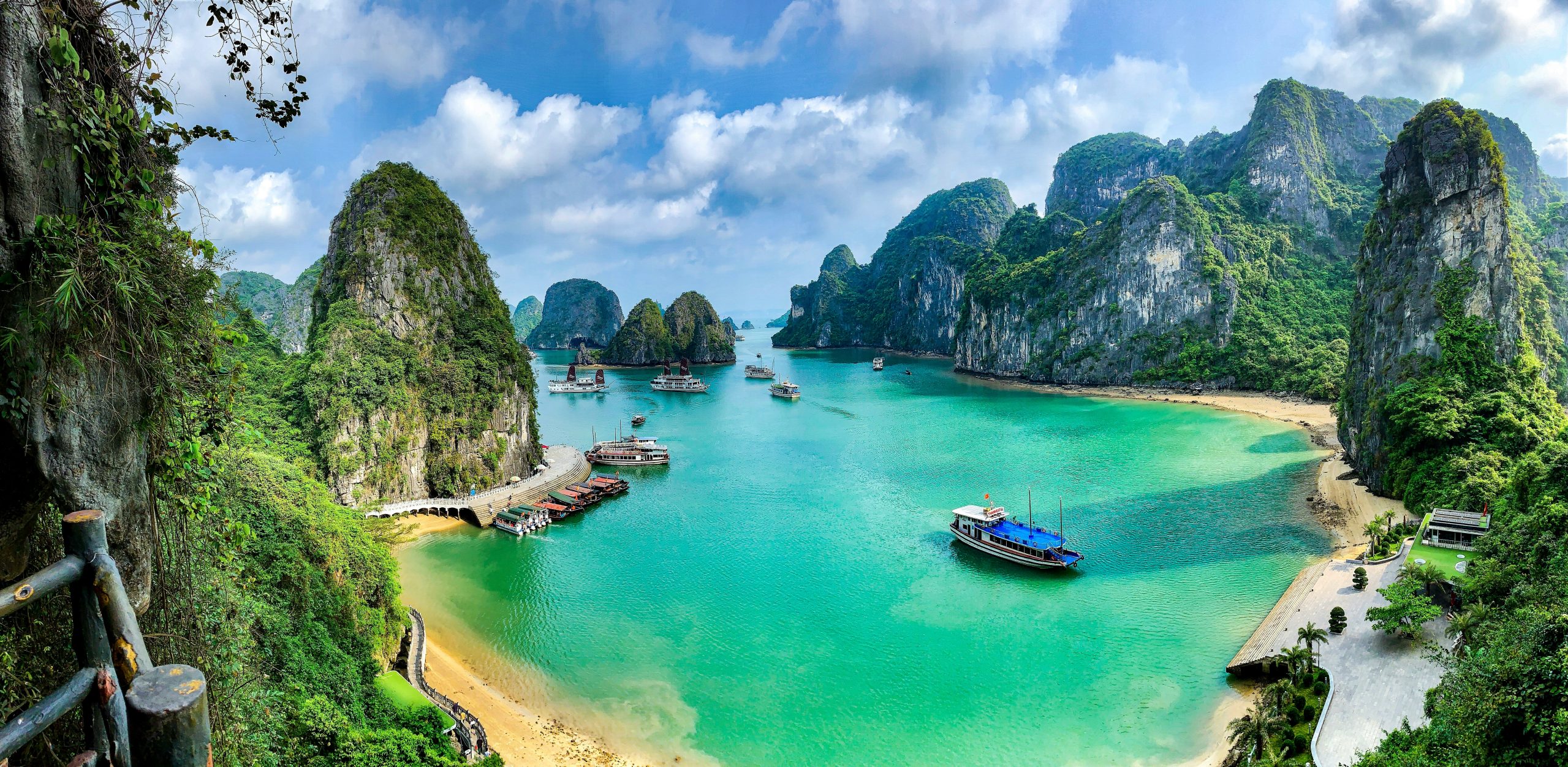
Ha Long Bay or Lan Ha Bay: which karst cruise should you pick?
Pick Ha Long for the classic postcard and the widest choice of boats. Pick Lan Ha if you’d rather paddle than queue.
Ha Long Bay is the famous one, and it feels it: plenty of boats, from cheap day trips to five-star overnighters. Indochina Tour’s May 2026 price guide puts day cruises at US$65 to $120 and two-day, one-night cruises at US$120 to $300 per person. The shuttle from Hanoi is often extra, at about US$30 to $40 return, for a 2.5 to 3.5 hour drive.
Lan Ha Bay sits off Cat Ba Island. It has the same limestone towers but fewer boats, and kayaking is the main event. Base yourself in Cat Ba town and book a day boat locally. A full day with lunch and kayaking is listed from about US$42 per adult on Expedia (checked October 2026).
- Short on time? Do a Ha Long day trip from Hanoi.
- Got two nights? Take the bus and boat to Cat Ba and spend a day on Lan Ha.

Why is Ninh Binh called ‘Ha Long Bay on land’?
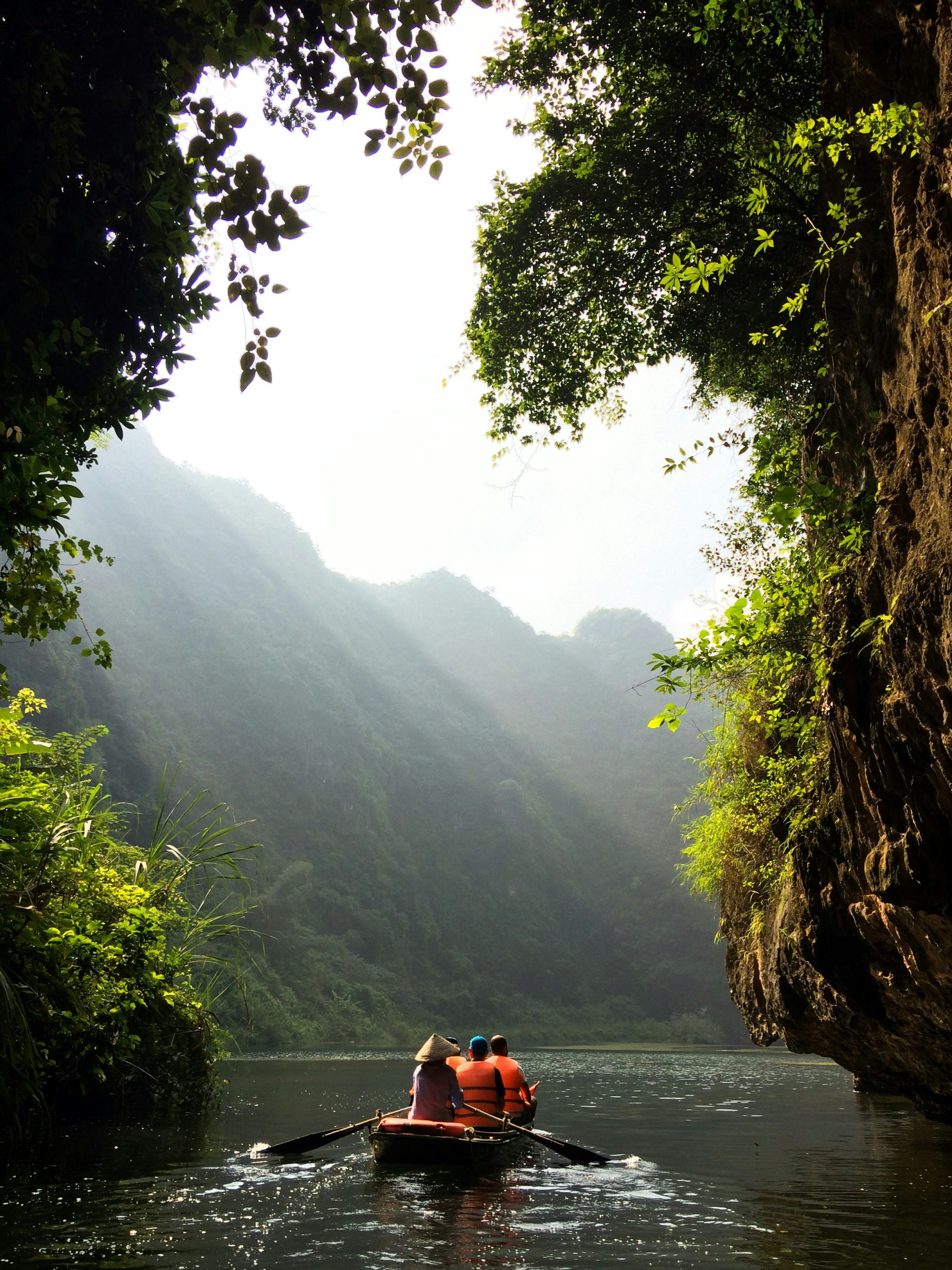
Because it has the same limestone towers as Ha Long, but they rise out of rice paddies and rivers instead of the sea. The best way in is by rowing boat at Trang An, where the river runs straight through caves under the mountains.
Allan from Nomads Beyond chose Route 3 because it’s the least crowded of the three boat routes. His highlight was Dot Cave (Hang Dot), more than 1 km long. Drifting under the mountain that long felt surreal, he writes, and his boat had the cave to itself. On busier Route 2, a packed cave felt more like a theme park ride.
- Tickets: 250,000 VND (about €8) per adult, cash only. The office is open 7am to 4pm, and the trip takes about 3 hours (Nomads Beyond, July 2026).
- Timing: go between 7am and 8.30am or after 2pm. Nomads Beyond says the tour buses arrive in force between 10am and 1.30pm, and weekends and holidays are busier.
- Getting there: Trang An is about 10 km from Tam Coc by bike, Grab or scooter.
- Jungle next door: Cuc Phuong National Park is about 45 km away. Entry is 60,000 VND, and you can hike to a 1,000-year-old tree or visit the Endangered Primate Rescue Center.
Find more hostels in Ninh Binh
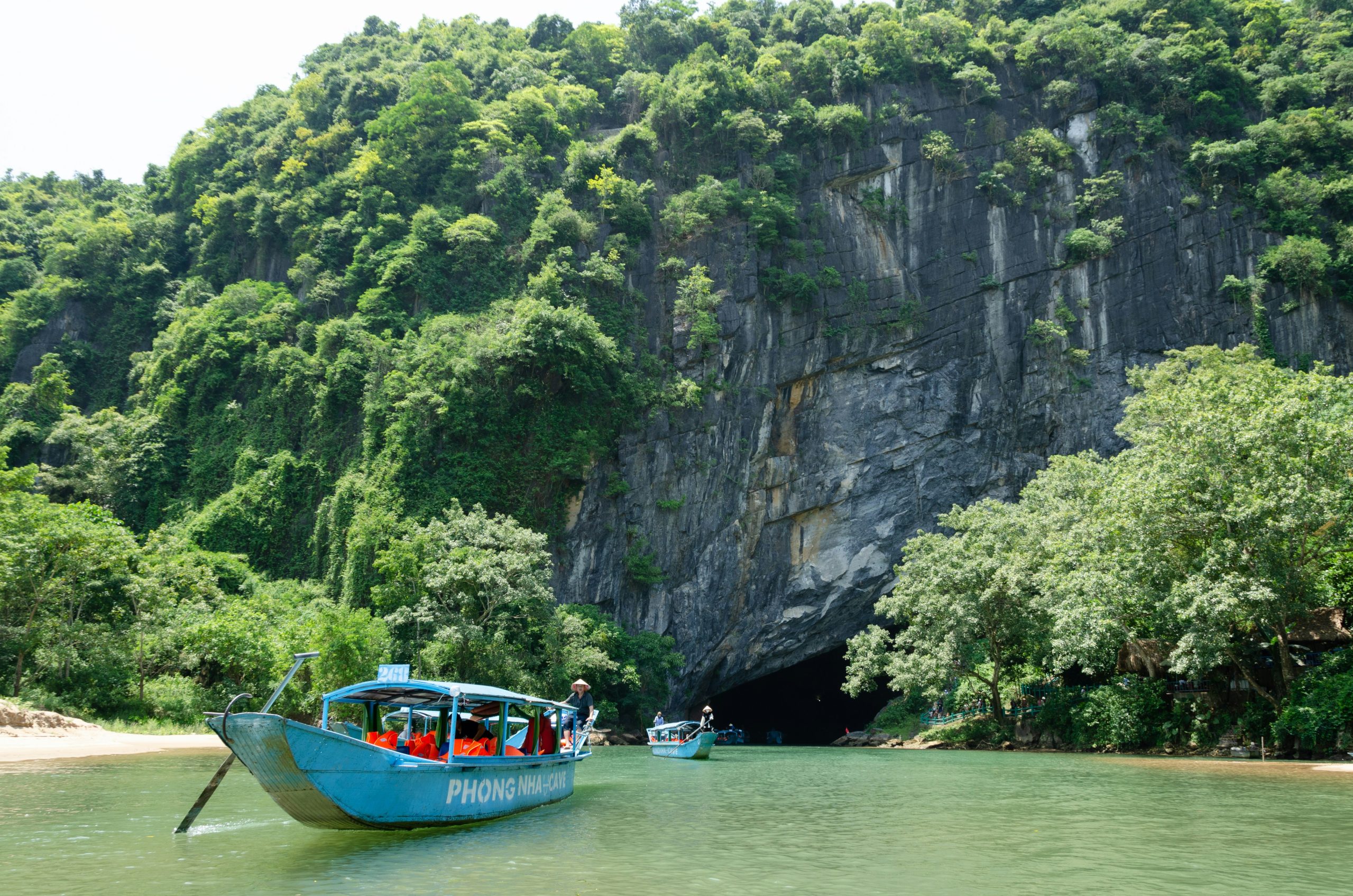
Is Phong Nha-Ke Bang worth the detour?
Yes. If you only make one nature detour in Vietnam, make it this one. Phong Nha-Ke Bang is where the country’s great caves are, and almost all of them can be done on your own from a cheap homestay in Phong Nha town. (Since July 2025 the park sits in the newly merged Quang Tri province, so don’t be confused if older guides call it Quang Binh.)
What the caves cost (checked October 2026, euro figures rough at about 30,000 VND to €1):
- Paradise Cave: 270,000 VND (about €9) including the electric buggy, according to the park’s official site. A wooden boardwalk leads you through enormous chambers of stalactites.
- Phong Nha Cave: 150,000 VND (about €5) entry, plus a shared boat of 550,000 VND split between up to 12 people. Open 7.30am to 4pm, per VietnamTourism.com.
- Dark Cave: 350,000 VND (about €12) for the zipline, kayak and mud bath. It’s booked through a licensed operator in town.
Getting there: take the night train from Hanoi to Dong Hoi (about 10 hours) or the bus from Hue (about 4 hours), then the 70,000 VND shuttle to Phong Nha town. Once there, a scooter costs about 120,000 VND a day from guesthouses on the main street. All four figures come from VietnamTourism.com’s Phong Nha budget guide (checked October 2026).
Money tip: bring enough cash for every ticket, because the cave counters don’t take cards and the ATMs are in town. Buy the boat tickets at the pier in town yourself rather than through your guesthouse, and you’ll save the 50,000 VND commission, according to the same guide.
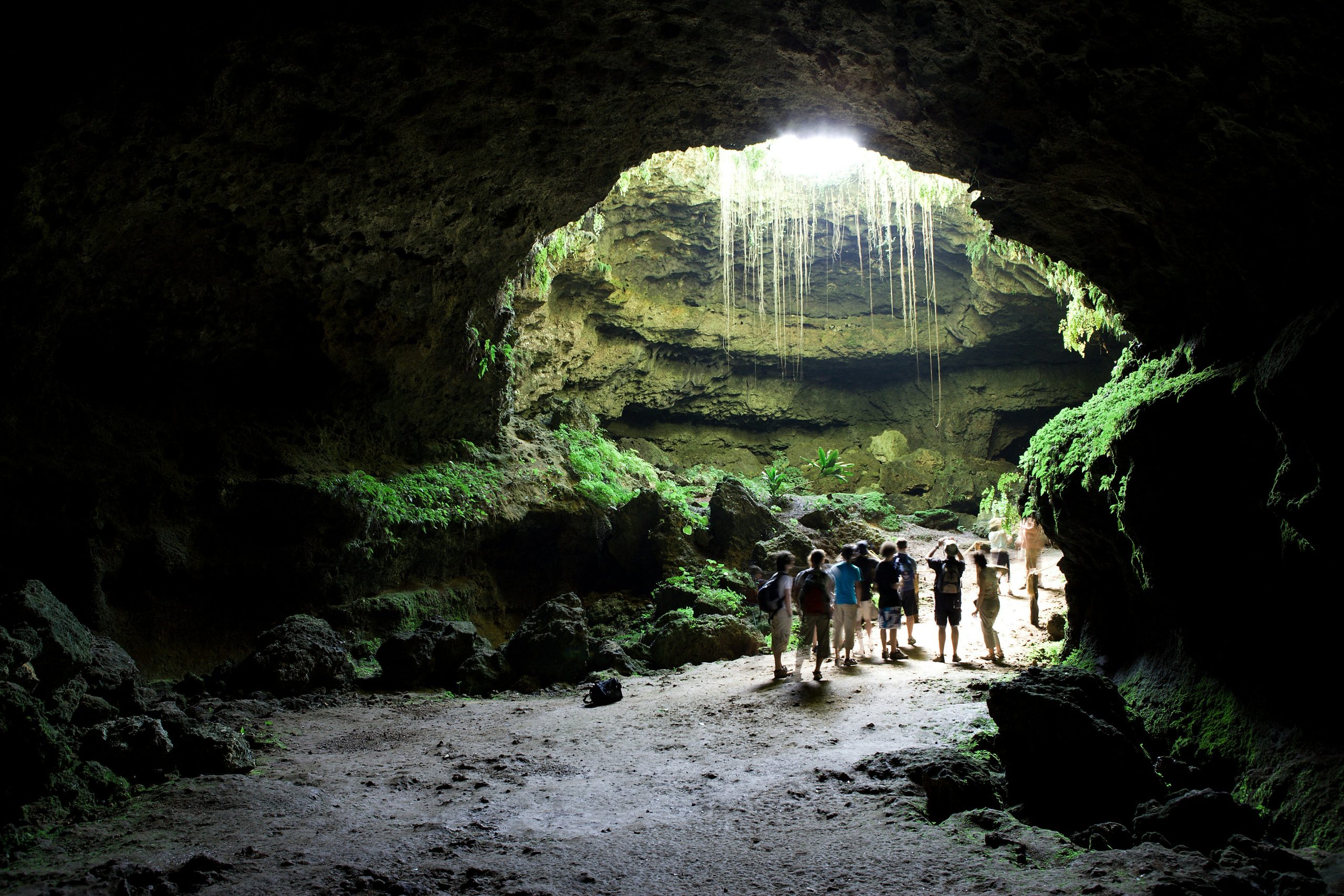
Can you visit Son Doong, the world’s largest cave?
Yes, but not on a backpacker budget, and not any time soon. Son Doong can only be visited on a licensed multi-day expedition, and visitor numbers are capped at about 1,000 a year, in groups of up to 10 backed by around 30 support staff. The price is nearly 80 million VND (about €2,650) per person, and every place for 2026 and 2027 has already gone, so new bookings start in 2028, Dan Tri reported in March 2026.
The good news: Phong Nha has smaller wild caves you can actually book this year.
- Hang En: the cave where Son Doong expeditions sleep on their first night, and a huge cave in its own right. Oxalis runs a 2-day, 1-night trek with a night camping inside, rated moderate, for 9,500,000 VND (about €317) including park fees, according to Oxalis Adventure (checked October 2026). You need to be 16 to 70, and trips run from December to around August or mid-September.
- Tu Lan and Hang Tien: jungle treks with river swims through caves. Oxalis lists an overnight Hang Tien and Tu Lan trip at about US$217 per person.
Still a splurge, but at about an eighth of the Son Doong price, you’ll get the real cave-camping experience. Book directly with Oxalis, the licensed operator, rather than through resellers.

Which jungle parks are best in the south?
Go to Cat Tien National Park for real lowland jungle. It’s about 150 km from Ho Chi Minh City, roughly three hours by road, and it’s where you can hear wild gibbons singing at dawn.
Cat Tien National Park
- Getting there: a direct Bé bus runs from Nga Tu Ga station in Ho Chi Minh City to the park office in Nam Cat Tien village, five times a day for 150,000 VND (about €5), according to Wikivoyage. Then take the ferry across the river: 60,000 VND covers the return crossing and park entry, cash only. A bridge was due in 2026 that may change this, so check locally.
- Gibbon trek: about 650,000 VND (about €22) if you book directly at the visitor centre, starting with a ferry around 4.45am. Some hotels charge nearly double for the same trip, and the park offers a free second try if you don’t see gibbons, per VietnamTourism.com (September 2026).
- Night safari: about 180,000 VND (about €6) for a two-hour spotlight drive.
- Cycling: hire a bike for about 80,000 VND a day and ride the forest roads yourself, but check the brakes first.
When to go: the dry season, December to April, has the best trails and wildlife spotting. Avoid weekends and Tet if you can. Hostelworld had no listings here when we checked in October 2026, so stay in a guesthouse in Nam Cat Tien village or a park bungalow booked at reception.
The Mekong Delta: a gentler fix
For rivers rather than jungle, base yourself in Can Tho and get out on the water at dawn for the Cai Rang floating market. Trading is busiest before about 7am, and the market has lost many of its boats in recent years, so go early, as VietnamTourism.com’s 2026 guide advises. In October 2026, Can Tho had three hostels on Hostelworld, with dorms from under €3.

How do you see Vietnam’s nature on a budget?
Sleep near the parks and skip the tours where you can. Here’s what works:
1. Base yourself in the right towns. Cat Ba for Lan Ha Bay, Ninh Binh or Tam Coc for the karsts, and Phong Nha town for the caves. All three have plenty of cheap dorms: Hostelworld lists 95 hostels in Ninh Binh and 38 on Cat Ba, with well-reviewed dorms from about €4 to €7 a night (checked October 2026).
2. Think twice before hiring a scooter. Vietnam only accepts your home licence with an International Driving Permit issued under the 1968 Vienna Convention, with a motorbike category on it. Many countries, including the US, Canada and Australia, issue permits that don’t qualify, and riding without a valid licence can mean a fine of 2 to 4 million VND (about €65 to €130), according to VietnamTourism.com. Your travel insurance may not cover you either. Bicycles, buses and Grab bikes are the safe, cheap alternative.
3. Split the cost of tours and transport. Boats, jeeps and private cars are much cheaper shared. Use City Chats in the Hostelworld app to find people heading the same way, or join a hostel’s Linkups, from cave days to kayaking trips. Not booked yet? Social Pass opens up the chats anyway.
4. Carry cash. Most park and cave ticket counters don’t take cards.
Where should you stay to explore Vietnam’s wild side?
Sleep where the nature is, not in the big cities. These bases put you within a bike ride or a short bus hop of everything in this guide:
- Cat Ba town for Lan Ha Bay kayaking.
- Tam Coc or Ninh Binh for Trang An’s caves and Cuc Phuong’s jungle.
- Phong Nha town for Paradise Cave, Phong Nha Cave and the Oxalis treks.
- Can Tho for the Mekong Delta’s floating markets.
Most travellers start or finish in Hanoi, so book a bed there for the first and last nights, and leave your big bag in storage if your hostel offers it. Before you plan around a festival or holiday, check the Hostelworld Events page. Tet, Vietnam’s Lunar New Year, fills buses and closes some businesses for days.
Conclusion: Which wild corner of Vietnam should you start with?
Start with whatever is next on your route. Heading south from Hanoi? Begin with the karsts: a day on Lan Ha Bay from Cat Ba, then a rowing boat through the caves at Trang An. Got room for only one detour? Make it Phong Nha. Paradise Cave alone is worth the trip, at 270,000 VND, and a night inside Hang En is the best thing you can do there without Son Doong money. Finishing in Ho Chi Minh City? Get up at dawn in Cat Tien to hear the gibbons.
Vietnam’s national parks are cheap to enter, easy to reach by bus and train, and best explored from a hostel bed nearby. Bring cash, skip the scooter unless your licence is valid, and split the boat with people you meet on the way.
❓FAQs: Vietnam’s National Parks and Caves
Vietnam Travel Guides

Best Cheap Eats in Vietnam

Exhilarating Things to Do in Vietnam

Top Things to Do in Hanoi

Things To Do in Ho Chi Minh

Guide to Backpacking Vietnam

Vietnam Photo Inspiration


 Get the App.
Comments