
Backpacking Belize 2026: Best Hostels, Tips & Things to Do
If Belize was any more laid-back, it would be asleep. Like a Caribbean island bolted on to Central America, this miniature country hugs the coast between Mexico and Guatemala — but the region’s only English-speaking nation has a chilled-out vibe all of its own. Backpackers have flocked to the glassy water, white sand and chilled vibe of Caye Caulker for years, but they’re only starting to wake up to what the rest of the country has to offer — pristine forest, haunting Maya ruins, lavish food and drink, world-class coral reef and exotic wildlife on land and beneath the waves. From cays and caves to lobster and Lazy Lizard juice, this is everything you need to know about backpacking Belize.

Jump straight to:
- The best time to visit Belize
- Belize visa
- Travelling around Belize
- Accommodation in Belize
- Best places to visit in Belize
- Belize itinerary
- Belize costs
- Belize food
- Belize culture
- Belize safety
- Belize travel advice
Best time to visit Belize
Belize weather is rainy. Really, really rainy. So rainy, in fact, that the six-odd feet of feet of precipitation that dumps down on Belize City every year is more than the annual rainfall of London, Paris and Berlin combined. So it’s no surprise that the brief three-month dry spell between February and April — combined with the Christmas and New Year’s crowds that roll in over December and January — form Belize’s high season, while the wettest months (September and October) are the quietest for travellers.
The other side of all this tropical Belize weather? The heat. Temperatures hover between the mid 20s to low 30s year round across the country. It’s warmest in soggy June and coolest in relatively dry January, and the mercury rarely dips below 20 anywhere at any time of year. Belize is so small that you’ll hardly notice any difference in climate as you travel around — hot and humid is the weather forecast wherever, whenever.
Even during the rainy season, you’ll see heaps of blue sky poking through the clouds. Belize’s greyest month is September, where you can still expect as many sunshine hours — about 180 in total — as Edinburgh enjoys in the middle of summer. That’s why the country is so lush and green — especially in the interior, where there’s a slightly higher chance of rain year-round.
High season (December to April)
When the Christmas decorations go up in December, so do the hostel room rates. Belize’s high season stretches from the beginning of December to the end of April, when the rain rolls in and the crowds roll out. The price of your hostel bed can leap by as much as 50% between mid-December and mid-January — like most places, Belize’s travel hotspots are busiest over Christmas and New Year’s — then spike again over Easter. You’ll need a reservation (and a healthy bank account) over these periods, but the rest of the dry season is arguably the best time to visit Belize.
January’s dry weather signals the start of prime bird-watching season, and the calmer conditions also make it easier to spot marine life, too — the glassy waters during dry season supply the top snorkelling and scuba diving opportunities. This is also the time of year when whale sharks come to feed off the coast of southern Belize, particularly around the Gladden Spit Marine Reserve near Placencia over the full moons of March, April, May and June.
February means Fiesta de Carnaval in San Pedro, and Semana Santa celebrations grip Belize over Easter. One of the few downsides to visiting Belize late in high season is that there won’t be much lobster on the menu — February 15 begins crustaceans’ spawning season, and the fishing nets are put away until June, so you’ll go hungry if you were saving your appetite for dirt-cheap, ocean-fresh lobster.
Low season (June to October)
If you’re not afraid to get wet, budget travellers can save bucketloads while the rain buckets down. The showers start in June and July before persistent rainfall sets in during August, September and October, when the threat of a hurricane lingers. Savvy backpackers can sniff out bargain tours and accommodation but many places are closed, particularly around September, as rain plays havoc with the roads in remote rural areas.
Lobster season kicks off with a string of food festivals up and down the coast, particularly Caye Caulker, Placencia and San Pedro, as well as Hopkins’ mango fest. The fiesta continues into the Costa Maya Festival in San Pedro in late July, which brings Central America to Ambergris Caye to celebrate the region’s shared heritage.
September celebrations rumble from the Battle of St George’s Caye Day on September 10 until Independence Day on September 21, as every town across Belize throws their own patriotic parades, processions and parties. That’s pretty much the only reason to visit during the height of hurricane season, when many hostels close, unpaved roads are muddy, cave tubing is too dangerous and choppy waters ruin the diving.

Shoulder season (May and November)
May and November are perhaps the two best months to visit Belize. Like Goldilocks would say if she was backpacking through Central America, it’s not too rainy, not too crowded, and just right. High season winds down after Easter but the rain doesn’t really arrive until June, leaving a neat little window in May. Then the storms ease up in November but the tourists don’t really return until North America starts to freeze around Thanksgiving, making November a great time to visit too.
Need a sweetener? Punta Gorda hosts a chocolate festival in May to celebrate all things Maya, while on November 19, the beaches of the south coast are awash with rum and drums to toast Garifuna Settlement Day. Los Finados — Belize’s answer to Mexico’s Día de Muertos, with similarly colourful tributes to the dead — is another important date on the calendar on the first two days of November.
Do You Need a Visa to Visit Belize?
For most travellers, no visa is required to enter Belize. If you’re from the EU, UK, USA, Canada, Australia, New Zealand, South Africa, Japan, South Korea, Israel, most of Latin America, or several other countries listed on the Belize Immigration website, you can enter visa-free for up to 30 days.
You’re also exempt if you hold a multiple-entry visa or permanent residency for the US, Canada, or the Schengen Area. If your country isn’t on the visa-free list, check the immigration website for application details.
Entry Requirements for Belize
Entering Belize is simple whether you arrive by air, land, or sea. You’ll need:
-
A valid passport
-
Possibly proof of funds or onward travel (rarely asked)
You’ll receive a 30-day entry stamp, which you can extend monthly for up to six months at any immigration office across Belize’s six districts.
Belize Departure Tax
While most travellers don’t need a visa, everyone pays a departure tax:
-
By air: US$55.50 (usually included in flight prices)
-
By land or sea: BZ$40 or US$20 (cash only)
-
Via Placencia water taxi: BZ$7.50 (US$3.75), which covers the PACT fee supporting Belize’s protected areas
Crossing Borders from Belize
Water taxis to Mexico, like the popular route from Caye Caulker to Chetumal, are busy with backpackers heading to Tulum, Playa del Carmen, or Cancún. Be prepared for strict customs checks — including sniffer dogs — due to regional drug trafficking.
You can also cross into Guatemala via San Ignacio to Flores, the only land border between the two countries. Despite a long-running territorial dispute between Belize and Guatemala, this route is safe and open for travellers. Just note the dotted-line border on maps — it’s symbolic, not an actual issue for visitors.

📷 @maher
Travelling around Belize
-
Flying into Belize
Belize has two domestic airlines — Maya Island Air and Tropic Air — that run quick, convenient flights on small prop planes. The planes are tiny (some with fewer than 10 seats), and the routes are short but pricey. For example, Belize City to Caye Caulker takes just 10 minutes but costs around US$64, while a half-hour flight to San Ignacio starts from US$130.
Tropic and Maya both connect major destinations like Caye Caulker, San Pedro, Placencia, Punta Gorda, and Dangriga, with Tropic also flying internationally to Cancún, Flores, and Roatán.
Both airlines offer scenic flights over the Great Blue Hole and the reef — a splurge at around US$200+, but unforgettable.
Belize City has two airports: Philip Goldson International Airport (BZE), 16km from downtown, handles all international flights; Belize City Municipal (TZA) is closer and used for domestic routes. Always double-check which airport you’re flying from.
Most backpackers skip flying in and out of Belize due to the high cost of international flights. Luckily, there are easy land and sea connections to Mexico, Guatemala, and Honduras, making flights unnecessary for budget travellers exploring Central America.
-
Belize water taxi
A fleet of ferries putter between the mainland and the islands, particularly the well trodden route from Belize City to Caye Caulker and Ambergris Caye. How to get from Belize City to San Pedro and Caye Caulker isn’t difficult to figure out — Ocean Ferry Belize (five daily departures) and Belize Water Taxi (nine daily departures) are the two main operators, setting off from the Belize City ferry terminal near the Swing Bridge. On Ocean Ferry, the 45 minutes to Caye Caulker costs US$15 one-way and US$25 return, while the one hour and 15 minutes to San Pedro is US$23 one-way and US$35 return.
Belize Water Taxi is a little more expensive, but they’re also your ticket into Mexico. The daily boat to Chetumal in Mexico — your gateway to the Yucatán Peninsula, including Tulum, Playa del Carmen and Cancún — leaves Caye Caulker at 7am (US$55 one-way) then San Pedro at 8.30am (US$50 one-way).
The Thunderbolt boat also makes a daily run from Corozal — an untouristy town just south of the Mexican border — to San Pedro and back (BZ$50 one-way, BZ$90 return). Down the coast, the superbly named Hokey Pokey Water Taxi links Placencia with the mainland seven times a day, plus a series of charters between Placencia, Dangriga and Punta Gorda and ports in Honduras and Guatemala. Between the cays, water taxis are everywhere, and some river boats also chug around inland, such as the Lamanai Maya complex.

-
Buses in Belize
To list every bus company in Belize would keep us here all week, and to transcribe their hand-scribbled timetables would take even more time. Long story short, there are loads of buses tackling three main routes out of Belize City, with most long-distance ones departing from the old Novelo’s terminal on West Collet Canal Street. One is the journey north to Corozal, en route to Mexico. The second goes west to San Ignacio, then onwards to Flores and the rest of Guatemala. Number three heads south, stopping in Dangriga, Independence (where you can hop on a water taxi to Placencia), and Punta Gorda.
All that competition means prices are consistently low. The bus from Belize City to San Ignacio, for example, takes a tick over two hours and costs around BZ$10, while the six-hour trip all the way down to Punta Gorda shouldn’t set you back any more than BZ$30. International buses are a little more pricey — you’ll pay more than BZ$100 for the twice-daily, 10-hour, air-conditioned ADO service from Belize City to Cancún via Tulum and Playa del Carmen. Express services are also often worth the extra couple of bucks, because they’re quicker and less crowded.
Although most buses in Belize are converted school buses shipped in from the United States, they’re not really like those sweaty, overcrowded chicken buses you see bumping through Latin America on TV shows. Sure, they’re hardly luxurious. But for a cheap way to cover the short distances between inland destinations, they’re perfectly fine.
-
Driving in Belize
Renting a car can be a smart way to explore Belize on your own terms. Expect compact cars from around US$70–80 per day, with SUVs or high-clearance 4WDs around US$90–100 daily. If you split the cost with dorm mates, driving chapters like San Ignacio, Caracol, or Cockscomb Basin becomes much more affordable than booking repeated tours.
Road Network & Driving Conditions
Three main paved highways connect the country:
-
Philip Goldson Highway to the north (toward Corozal)
-
George Price Highway out west (to San Ignacio)
-
Southern Highway heading south (to Placencia and Punta Gorda)
Secondary roads can be rough or impassable in the rainy season. A vehicle with higher clearance—ideally a 4WD—is recommended for rural journeys. Fuel runs about US$1.20 per litre, and distances are short—two hours to Corozal or San Ignacio, about four to Placencia or Punta Gorda.
Requirements & Rental Options
Most rentals require drivers aged 21 to 75, though the legal driving age in Belize is 18, and some locals may rent to younger drivers with a larger deposit. You’ll need a valid driver’s license (US licenses are accepted), a credit card, and proof of age.
Major rental brands like Avis, Budget, Hertz, Enterprise, and local operators such as AQ and Crystal operate from both the Philip Goldson International Airport (BZE) and downtown Belize City.
Safety Tips & Road Rules
Belizeans drive on the right side. Speed limits are typically 55 mph on highways, and 25–40 mph through towns. Seat belts are required in the front seat. Cell phone use while driving is illegal unless hands-free, and Belize has strict drunk driving laws (0 .08% BAC).
Avoid night driving, as potholes and unmarked speed bumps are hard to see in the dark. Road conditions vary and checkpoints are common—officers may inspect your license and registration.
Other Transport Modes
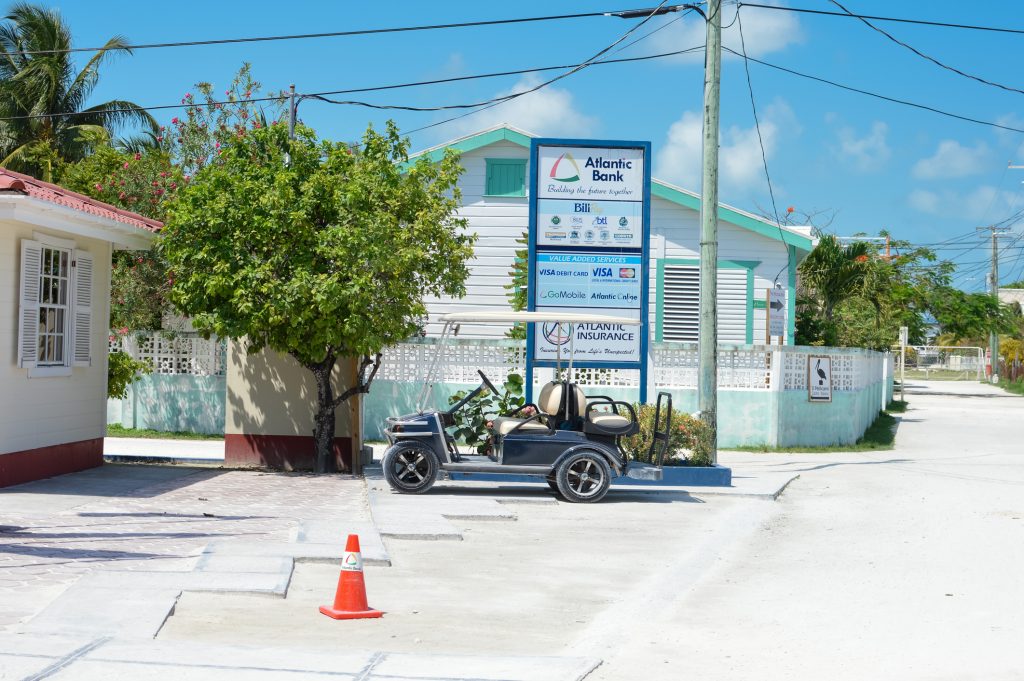
Golf carts, renting for similar daily rates, are popular in tourist towns like San Pedro and Placencia. Backpackers rarely use them but they’re a nice option if you don’t want to walk short distances around town.
Hitchhiking occurs in more remote areas too. It’s normal here, though bus prices are so low—generally under US$10—that it usually isn’t worth the risk for main routes.
Taxis Within Towns
Most taxi rides within Belizean towns cost a flat BZ$10, and airport transfers in Belize City typically cost BZ$50 for up to two passengers. Taxis are easy to avoid if you have a rental or use public buses.

Accommodation in Belize
Hostels in Belize are as laid-back as the locals — you can look forward to free rum punch, beachfront bars and hammocks hanging from every available hook. In the past, accommodation in Belize was difficult to book online — the backpackers of yesteryear just had to rock up on Caye Caulker and knock on doors to find a spare bunk — but the best properties are now listed so you can plan precisely where you’re sleeping.
Prices are seasonal — expect to pay around BZ$35-50 for a dorm and BZ$70-80 for a two-person private, but a bit more in high season, when you’ll need to make a reservation in advance if you’re travelling around Christmas, New Year’s and Easter. And there’s a couple of things to note with the price. Firstly, you’ll have to pay a 9% tourist tax on top of the rate listed. Secondly, a lot of places only take payment in cash. It will be noted in the hostel listing if so, but cash is king in South America so you should always be prepared, especially in rural areas.

Hostels in Caye Caulker
Not surprisingly, Belize’s backpacker hub is home to the best selection of budget accommodation in Belize. Dirty McNasty’s is the stuff of legend. Up and down Central America, backpackers ask each other ‘Did you stay at Dirty McNasty’s in Caye Caulker?’ — and being the biggest hostel in Belize, the answer is usually yes. The rooms are nothing fancy, but the atmosphere certainly is. This party hostel par excellence dishes up free breakfast every morning then scoops out free rum punch every evening, as well as offering free canoe rentals to paddle around the island.
Travellers Palm is another one of the top-rated hostels in Caye Caulker. Only 50 metres from the water, Travellers Palm boasts its own private dock and free-to-use kayaks, as well as a third-floor rooftop terrace slash kitchen with ocean views from the hammocks and lounges. Every room — both the clean, colourful dorms and the en-suite double-bed privates — has a fridge and a freezer, plus free tea, coffee and purified drinking water.
See more hostels in Caye Caulker
Hostels in San Pedro
Many backpackers skip Ambergris Caye altogether and head straight to Caye Caulker, so there aren’t many hostels in San Pedro for budget travellers who do choose to spend the night on this touristy atoll.
Sandbar is the go-to budget option, occupying a prime seaside location that would normally cost a fortune. Only a few blocks from the ferry terminal in the Boca Del Rio part of the island, Sandbar’s beachfront watering hole is kitted out with a small pool, plenty of hammocks and direct access to fluffy white sand that expensive resorts could only dream of. The aqua-hued 12-bed dorms and four-bed privates are equipped with privacy curtains, lockers and personal power points — and even though BZ$30+ is more than you’ll pay in other parts of Belize, it still represents great value for money in pricey San Pedro.

📷 Sandbar
Hostels in Belize City
The country’s biggest metropolis is little more than a bus station to many backpackers, so you’re not exactly spoilt for choice when it comes to hostels in Belize City.
The Red Hut Inn is one dependable choice though, with four and eight bed dorms from BZ$30 and tidy privates from BZ$70. Although it’s about five kilometres (i.e. a BZ$10 cab ride) from downtown, the waterfront residential neighbourhood is a lot quieter than the city centre, especially on the roomy sun deck. The Red Hut Inn is also a good place to plan the rest of your Belize itinerary — the property organises car rental, private tours to Xunantunich and Altun Ha, plus electric bike rental to pedal around Belize City itself.
See more hostels in Belize City
Hostels in San Ignacio
Behind Caye Caulker, this town near the Guatemalan border is Belize’s second busiest backpacker destination — and that’s reflected in the excellent range of hostels in San Ignacio.
Bella’s is a good old-fashioned bohemian backpackers, from its fairy-lit rooftop full of new friends to the excellent kitchen and barbecue facilities. A family-run guesthouse close to the bars and restaurants of downtown San Ignacio, Bella’s also organises cave tubing trips and Maya ruin tours for guests of its cosy five and eleven-bed dorms and double-bed privates.

📷 Bella’s Backpackers
A few blocks away on the banks of the Macal River, the Old House Hostel fills a stately British colonial home with a warm backpacker atmosphere throughout the sturdy timber dorms and one private room. You’ll often find owners Aldo and Davina chatting to guests on the balcony couches in the evening, if they’re not hosting live music in the creative art space slash Soul Project bar downstairs. The hostel also hosts a free walking tour plus trips to the ATM cave, Maya temples, waterfalls and all the other adventures that surround San Ignacio.
See more hostels in San Ignacio
Hostels in Placencia
Placencia is another place where baby boomers outnumber backpackers, meaning hotels outnumber hostels too.
Anda Di Hows Hostel — that’s ‘under the house’, if you don’t read Kriol — became the first real backpacker’s in the village when owner Pandora opened a single 10-bed dorm beneath the stilts that prop up her own home. A night in that room costs BZ$25, which is a bargain for this spectacular beachfront location at the southern end of the peninsula, especially when each bed comes with its own individual fan and locker, plus access to the kitchen, veranda, hammocks, barbecue, kayaks and snorkel gear. Quirky touches like the glass wall made of bottles in the bathroom and a curvy bar to mix your own drinks in the kitchen infuse plenty of character, and since Pandora lives upstairs, reception is pretty much open 24 hours.
See other hostels in Placencia
Hostels in Hopkins
Sitting in the middle of this serene Garifuna village, The Funky Dodo is Hopkins summed up in a hostel, with a vibe as relaxing as the town itself. This property is spacious, from the 14-bed dorm and the twin and double privates to the alfresco kitchen and the hammock-laden common areas, shaded by dangling palm trees just a stroll from the beach. Owners Roy and Anna can also organise a range of tours from just US$30, which is great value if you haven’t got a car — cave tubing, zip lining, snorkelling, plus expeditions out to the Cockscomb Basin Wildlife Sanctuary, Mayflower Bocawina National Park and a night-time crocodile spotting adventure are all possible here.

📷 The Funky Dodo
Best places to visit in Belize
Belize might only be 290 kilometres long and 110 kilometres wide — roughly the same size as Israel, Slovenia or Central American compadre El Salvador — but this compact country packs plenty inside its bite-sized borders.
Belize islands
The Belize Barrier Reef is the second largest coral system in the world, home to over 100 coral species and 500 types of fish — and scientists say that’s just the beginning. Scattered along this reef are dozens of idyllic islands, or cayes, offering crystal-clear water, powdery sand, and an ultra-laid-back vibe.
The two main islands to visit are Caye Caulker and Ambergris Caye.
Caye Caulker: Belize’s Backpacker Island
Caye Caulker is the beating heart of Belize’s backpacker scene. The entire island follows the motto “Go Slow”, and it delivers exactly that: no cars, just bikes and sandy paths. The reggae soundtrack, Rastafarian tour guides, and spicy Creole cooking make the Caribbean influence feel strongest here.
There’s not a huge list of attractions — and that’s the appeal. Spend your days swimming off docks, lounging at the Split, or hopping on a snorkelling tour to the nearby Hol Chan Marine Reserve. You’ll spot nurse sharks, sting rays, and schools of fish in water so clear it looks filtered.

The Split & Lazy Lizard Bar
The most famous spot on the island is The Split, a narrow channel dividing Caye Caulker in two. You can swim here, but most people hang out at the Lazy Lizard, a waterfront bar with tables in the water and cold Belikin beers in hand. For more nightlife, I&I Reggae Bar and Koko King Beach Club keep the good vibes going after dark.
Surfing in Belize? Not Really
Because of the reef, surfing in Belize is basically nonexistent. There are no real waves around Caye Caulker or Ambergris Caye. The only surfable spot is Long Caye near Glover’s Reef, but it’s remote and mostly for experienced surfers with their own gear.
Ambergris Caye: Bigger, Pricier, More Polished
Ambergris Caye, just north of Caye Caulker, is Belize’s largest island. It’s more built-up, more expensive, and attracts an older, resort-hopping crowd. The town of San Pedro is lively but lacks the easygoing charm of Caye Caulker.
Tour prices from Ambergris Caye can be double those from Caye Caulker, even for the same snorkelling sites. That said, it’s still a beautiful place — and if you’re curious, you can always visit San Pedro as a day trip from Caye Caulker via a short water taxi ride.
Belize City
Belize City is often a pitstop rather than an overnight stay for travellers, but it’s got enough to occupy a day or two. Only 100,000 people live in Belize’s largest city — there are four bigger towns in next-door neighbour Guatemala, for comparison — so it’s not as big and crazy as most Central American metropolises. Oh, and fun fact: it’s not the capital either. That distinction goes to Belmopan — a centrally planned city halfway between here and San Ignacio that backpackers should only really visit to extend their visa, if they need to.

There are plenty of places to visit in Belize City — the colonial architecture of the old town, the One Barrel rum factory and the stately Museum of Belize, plus the Maya ruins of Altun Ha and Lamanai and the rescued animals at Belize Zoo not far from the city. But steer clear of the waterfront Tourism Village and the attached Fort Street Plaza (or at least keep your wallet in your pocket while you’re there) — that’s the cruise ship terminal bustling where baby boomers pay a bundle for overpriced souvenirs to stuff into their suitcases.
Looking for Belize City beaches? You’ll be disappointed, because they don’t exist. But just wait for the islands Belize is famous for. Belize City nightlife, on the other hand, comes alive on Fridays and Saturdays — keep an ear out for the punta music pumping out of the venues along Newtown Barracks Road. It’s harder to find a good party during the week, though.
Belize jungle
While the coast brings Caribbean charm, Belize’s interior is all jungle and ancient mystery. Over 60% of the country is forested, and more than a third is protected land — even more than Costa Rica. This makes it the perfect place to escape the crowds and dive into lush, untamed nature.
Expect howler monkeys, jaguars, colorful butterflies, and toucans, along with misty jungle trails and remote Maya ruins.
San Ignacio: Jungle Base Camp
The town of San Ignacio, near the Guatemalan border, is the main base for jungle adventures. It’s laid-back, affordable, and packed with tour operators.
From here, you can head out to:
-
Caracol: One of the biggest Maya cities in Central America, buried deep in the jungle. It once held more people than Belize City and still feels epic today.
-
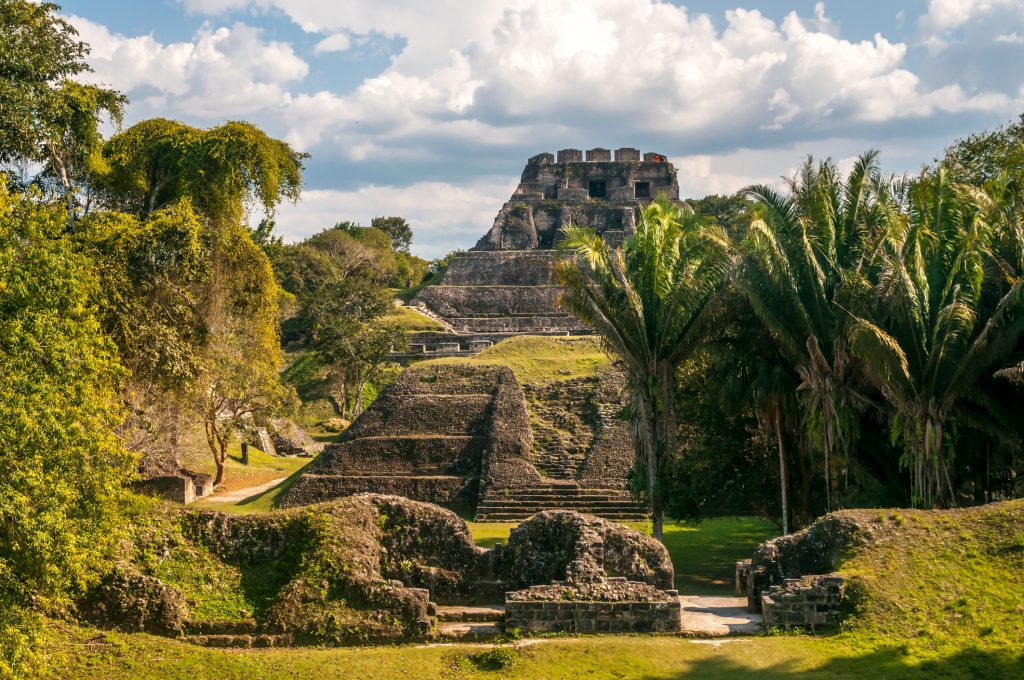
Xunantunich: Just a short trip away, near Benque, this site is smaller than Caracol but incredibly well preserved and easy to reach.

The ATM Cave: Ancient, Dark, and Unforgettable
No jungle trip is complete without the Actun Tunichil Muknal (ATM) cave. It’s part archaeology, part adventure. You’ll swim, hike, and crawl through a massive underground cave lined with ceremonial pottery, sacrificial remains, and the Crystal Maiden, a calcified skeleton that sparkles in the dark.
Outdoor Activities in the Jungle
San Ignacio also gives you access to plenty of active experiences:
-
Cave tubing at Nohoch Che’en
-
Horse riding with Mountain Equestrian Trails
-
Canoeing through Barton Creek Cave
-
Ziplining at Calico Jack’s
-
Wildlife encounters at the Green Iguana Conservation Project
Belizean Chocolate: Sweet Finish to the Forest
After all the hiking and caving, treat yourself with a visit to a cacao farm. Belize has a strong chocolate-making tradition dating back to the Maya. Tours around San Ignacio show you how it’s made the traditional way — and yes, you’ll get to taste plenty of samples.
Southern Belize
Garifuna Culture on the Coast
Southern Belize starts with the towns of Dangriga and Hopkins, known for their deep Garifuna roots. The Garifuna people, descendants of Africans and Indigenous Caribbeans who escaped slavery in the 1600s, bring a strong cultural presence to the area. Expect drumming on the beaches, simple village life, and a much quieter atmosphere than the islands or inland towns. It’s an ideal stop for travellers looking to connect with local culture away from the crowds.
Placencia: Picture-Perfect, But Polished
At the end of a long, skinny peninsula, Placencia offers some of the best beaches in Belize. Think white sand, leaning palms, and clear water that looks too good to be real. It’s more resort-heavy than hostel-friendly, but many still stop for the beach life and access to reef trips. From here, you can head to Glover’s Reef for remote diving and even the country’s only real surf spot at Long Caye.
Placencia is also a popular jumping-off point for trips to the Great Blue Hole — Belize’s most iconic dive site. You can scuba dive, snorkel, or take a scenic flight over this massive offshore sinkhole. At over 300 metres wide and 125 metres deep, it’s a top-tier destination for divers, especially those certified to go deep and explore the ancient stalactites below. It’s pricey, but it’s a true once-in-a-lifetime dive.

Cockscomb Basin & Wildlife Encounters
Inland from Hopkins and Placencia, the Cockscomb Basin Wildlife Sanctuary is home to the world’s only dedicated jaguar reserve. While the cats are rarely seen, the trails are excellent, the waterfalls refreshing, and the wildlife abundant — with good chances of spotting tapirs, toucans, deer, and more. It’s a great add-on for nature lovers looking to explore the jungle without heavy crowds.
Punta Gorda: Low-Key and Off the Map
Further south, Punta Gorda is a quiet fishing town that rarely makes the highlight reels — which is exactly why some travellers love it. Once mainly used for ferry access to Guatemala, it’s now a relaxing spot to spend a couple of days. Visit the nearby Maya ruins of Lubaantun and San Antonio, hike through Rio Blanco National Park, or explore Blue Creek Cave, where jungle meets underground river in a serene, under-the-radar setting.
Belize itinerary
With the bars and beaches of Mexico’s Yucatán Peninsula to the north and the tropical jungle of Guatemala to the west, Belize is a stepping stone between two of Central America’s more famous attractions — and that means it might be hard to find more than a couple of days in your schedule for Belize. If so, make Caye Caulker your number one priority.
Short stays
If you’ve only got four days, staying entirely on Caye Caulker might be your best move. This laid-back island is just a 45-minute ferry ride from Belize City and offers the quintessential backpacker vibe: sandy lanes, peaceful beaches like the Split, cold Belikins, slushy Lazy Lizard Juice cocktails, and plenty of seafood.
Island Life: Lounge, Eat & Chill
You could spend all four days floating in the paddling pool at the Lazy Lizard, snacking on lobster burritos, and sampling free rum punch at Dirty McNasty’s. That’s exactly how many travelers define “vacation mode” on Caye Caulker.
Optional Day Trips: Reef Snorkeling Tours
If you want to explore Belize’s reef, you can book a full-day snorkeling tour to Hol Chan Marine Reserve and Shark Ray Alley. These trips depart from Caye Caulker, include lunch and snorkel gear, and cost around US $90–100 per person.
5-Day Itineraries: Add a Mainland Trip
On a five-day plan, you can do another day snorkeling or take a day trip from Belize City. From the city you can visit ATM Cave tubing, explore Maya ruins like Altun Ha or Lamanai, or enjoy nearby wildlife sanctuaries such as Crooked Tree or the Belize Zoo. Given Belize’s small size, almost any point of interest can be reached in a day.

Border Hops to Guatemala or Mexico
If your itinerary continues to Guatemala or Mexico, you can easily cross borders after your island adventure. From Caye Caulker, ferry back to Belize City and hop on a bus to Flores for Tikal. To enter Mexico, take the Water Taxi to Chetumal.
7-Day Belize Itinerary: Island Plus Mainland Highlights
With a week, split your time: four days on Caye Caulker, then launch into a mainland portion. If you’re heading to Guatemala, base yourself in San Ignacio for cave tubing, ATM Cave, Xunantunich, and other ruins. Going toward Honduras? Explore Garifuna culture in Dangriga and beaches in Placencia, before ferrying to Puerto Cortés and onward to the Bay Islands.
Longer Belize itinerary
Belize may be small, but a 2-week itinerary gives you plenty of time to explore its islands, jungles, beaches, and Maya ruins.
Start on the Islands: Caye Caulker (3 Days)
Most backpackers skip San Pedro and head straight to Caye Caulker, where the vibe is more relaxed and budget-friendly. Spend your time snorkelling, sunbathing, and enjoying laid-back beach bars. This is the ideal place to unwind and get into the rhythm of Belize.
Short Stop in Belize City (2 Days)
While Belize City itself isn’t a must-see, it’s a useful base for day trips to nearby wildlife reserves and Maya ruins. Stay a night or two to explore the surrounding area before heading inland.
Explore the Jungle: San Ignacio (3 Days)
Head west to San Ignacio, Belize’s top adventure hub. The ATM Cave is a must — a Maya archaeological site reached by swimming and wading through a cave system. Other highlights include cave tubing, Caracol ruins, and waterfalls in Mountain Pine Ridge. Most tours cost around US$100, so consider carpooling or renting a vehicle to save.
Head South: Hopkins or Dangriga (2 Days)
These laid-back towns on the coast are perfect for wildlife and culture. Explore Cockscomb Basin Wildlife Sanctuary, the world’s only jaguar reserve, go ziplining in Mayflower Bocawina National Park, or visit a Maya chocolate factory. Mornings are best for wildlife hikes before the heat and tour groups arrive.

📷 @bbaker
Beach Time: Placencia (2 Days)
Placencia offers some of Belize’s best beaches and snorkelling. If you’re here between March and June, you may even spot whale sharks near Gladden Split. This is also a launch point for diving trips to the Great Blue Hole, especially for certified scuba divers.
Slow Down in Punta Gorda (1–2 Days)
End your trip with a couple of quiet days in Punta Gorda, a peaceful spot in the far south. Visit nearby Maya sites like Lubaantun, explore Rio Blanco National Park, or go caving at Blue Creek Cave. From here, it’s easy to continue on to Guatemala or Honduras.
Adjusting the Route
If you’re heading to Tikal or Flores next, reverse the itinerary — explore the coast first, then finish in San Ignacio before crossing the border. Coming from the south? Flip the trip and move north toward Mexico.
Got More Time?
Extra days are best spent slowing down in your favorite places. You could also check out Corozal or Orange Walk in northern Belize, both of which offer access to Lamanai, Crooked Tree, and the Rio Bravo Conservation Area. Otherwise, don’t be surprised if Caye Caulker draws you back in — that island has a way of turning a few days into a few weeks.

Belize costs
How expensive is Belize?
Belize is one of the pricier countries in Central America, especially compared to neighbors like Guatemala or Honduras. Prices are more in line with Caribbean islands, particularly in popular tourist spots like San Pedro and Placencia, and during high season (December to April).
If you’re coming from other Central American countries, be ready to increase your daily budget.
Daily Costs in Belize
-
Budget travellers can get by on US$30–40 per day, including food, transport, and dorm accommodation.
-
With a few extras — like a private hostel room and seafood dinner — aim for US$50 per day.
-
Tours are the biggest extra cost, averaging US$70–100 each.
Accommodation & Transport
-
Dorm beds: US$10–15
-
Private rooms: from US$35
-
Local buses: rarely more than US$10
-
Taxis: usually around US$5 per ride
Caye Caulker and San Ignacio are more budget-friendly than San Pedro or Placencia.

Food & Drink Prices
Food is affordable by Western standards but slightly more expensive than in neighboring countries.
-
Local meals: US$5
-
Grilled lobster: around US$10
-
Belikin beer: about US$2
-
Rum: even cheaper
-
Street food: from a couple of Belize dollars
Tours and Activities
Belize’s main costs come from day tours, as many top attractions are remote and need guided access.
-
ATM cave, Caracol ruins, Cockscomb jaguar reserve, and Hol Chan snorkelling: typically US$75–100+ per tour
-
Great Blue Hole: from US$200, mostly worth it if you’re a certified diver
-
Car rental: starts at US$50/day — can save money for groups
Entry fees are usually low (e.g. US$5 for Xunantunich, US$15 for Belize Zoo), but transport and guides add up.
If you’re on a tight budget, pick the experiences that matter most. For example, if you’re heading to Tikal or snorkelling in Honduras, you might skip similar tours in Belize and save that cash for food, drinks, or travel elsewhere.
Belize currency
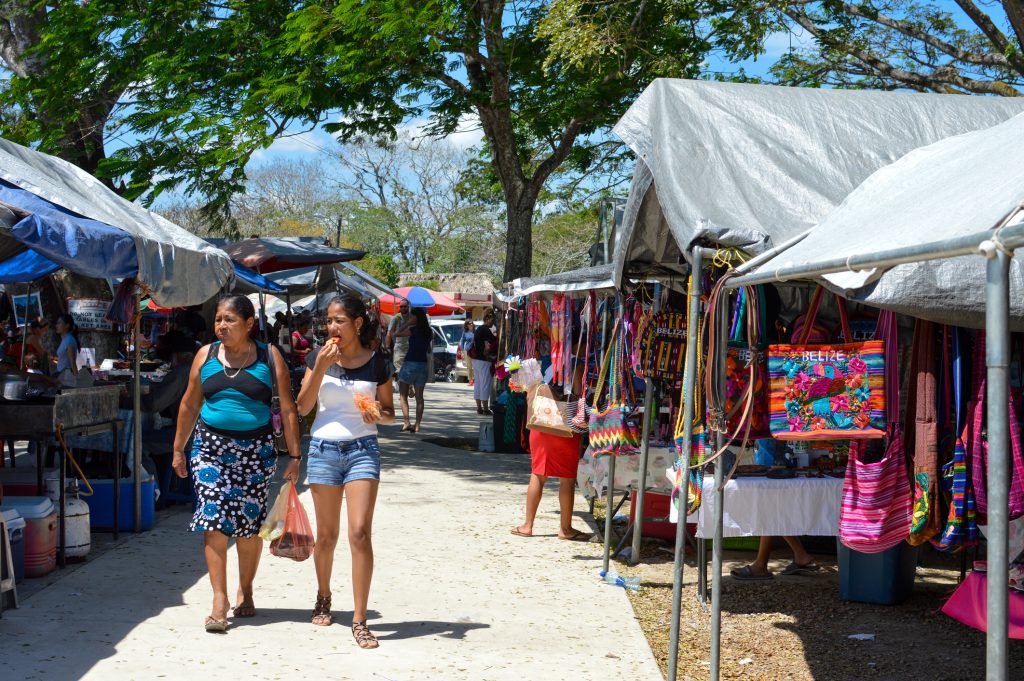
Belize uses the Belizean dollar (BZ$), but US dollars are accepted almost everywhere. The exchange rate is simple: BZ$2 equals US$1. So if your dorm bed costs BZ$20, you’re paying US$10.
At the time of writing, that’s around €9, £8, or CA$15 / AU$15 / NZ$15.
Paying in Belizean or US Dollars
Prices are often listed as BZ$ or US$. If you’re unsure which currency is being quoted, just ask.
-
Big expenses (like tours): usually in US dollars
-
Everyday purchases (meals, groceries, local transport): usually in Belizean dollars
Belizean Cash: Notes and Coins
-
Banknotes: BZ$2, $5, $10, $20, $50, and $100 — all feature a young Queen Elizabeth.
-
Coins: 1, 5, 10, 25, 50 cents, plus $1 coins.
Getting Cash in Belize
Rather than paying high fees at currency exchange booths, it’s smart to pay in US dollars and ask for change in Belizean dollars. This trick works well if you’re only in the country for a short stay.
You’ll need cash on hand. Credit and debit cards are accepted at some hotels and restaurants, but many places — including hostels — only take cash.
Using ATMs in Belize
ATMs can be unreliable. Some don’t accept foreign cards or run out of cash frequently. Your best bet is to use:
-
Belize Bank
-
Atlantic Bank
-
ScotiaBank
These banks have branches in most towns travellers visit. Still, it’s smart to carry a backup card or keep a small emergency stash of cash tucked away in your bag.

Belize food culture
Belize’s cuisine is a delicious blend of Caribbean, Central American, and African influences, much like its people. Staples like rice, beans, coconut, and seafood form the foundation of many dishes — especially in coastal areas where the catch of the day is king.
Expect to find snapper and grouper on most menus, along with barracuda steak, tangy ceviche, and grilled lobster (especially affordable and fresh along the coast). Just note that lobster season is closed from February 15 to June 15 — any lobster served during that period is either frozen or illegally caught.
Mestizo and Maya Cuisine
The inland town of San Ignacio is the best spot to try Mestizo and Maya dishes, rich with local spices and tradition.
-
Caldo – A hearty chicken soup infused with Maya spices like annatto (a nutty, peppery seed).
-
Escabeche – Chicken in a tangy, onion-heavy broth.
-
Chimole (Black Dinner) – Chicken in a dark, spicy marinade.
These groups also gifted Belize with some of its most popular street food:
-
Cochinita Pibil – Melt-in-your-mouth slow-roasted pork with pickled red onions, wrapped in tortillas.
-
Tamales – Ancient Maya pockets of chicken, pork or veg steamed in banana leaves.
-
Panades – Deep-fried tortillas stuffed with smoked fish, topped with cortido (a spicy onion-vinegar sauce).
-
Garnaches – Fried mini pizzas topped with beans, cheese, onions and cortido.
-
Salbutes – Similar to garnaches, but topped with chicken, cabbage and peppers.

Creole Comfort Food
Creole cuisine is hearty and filling, typically centered around rice and beans with a protein.
-
Bile Up (Boil Up) – A signature dish with boiled eggs, fish, pig tail, cassava, sweet potatoes, plantains and more, all drenched in tomato sauce.
-
Fry Jacks & Johnny Cakes – Belizean breakfast staples, served sweet or savoury.
-
Cow Foot Soup – Exactly what it sounds like — a gelatinous, savory soup.
-
Stretch Mi Guts – A Creole dessert of chewy toffee, amusingly named and very sweet.
Garifuna Specialties
The Garifuna people, descendants of West Africans and indigenous Caribs, contribute a variety of plantain- and cassava-based dishes:
-
Seré – A rich fish stew simmered in coconut milk.
-
Ereba – Dense cassava pancakes, often served with seafood.
The Royal Rat and Other Exotic Eats
For the adventurous foodie, Belize offers gibnut, a large rodent famously served to Queen Elizabeth in 1985 — earning it the nickname “royal rat.” Usually grilled or stewed, it’s a prized local delicacy. Other rodents? Not recommended.
Belizean Drinks: From Beer to Seaweed Shakes
Belikin is the national beer, known for its label featuring the Altun Ha temple. It comes in:
-
Lager and light lager
-
Stout (including sugarcane, sorrel, and chocolate varieties)
Other options include:
-
Lighthouse Lager – Another Belizean brew
-
Imported Caribbean beers – Like Red Stripe, Carib, and Guinness
Rum is the country’s go-to spirit. Look for:
-
One Barrel – Belize’s most famous gold rum, made by Travellers Liquors, who also run a museum in Belize City.
-
Cuello’s Distillery – Based in Orange Walk and producing a range of local rums.
The iconic Belizean cocktail? The Panty Ripper — coconut rum mixed with pineapple juice, especially popular in Caye Caulker.
The Seaweed Shake: Belize’s Superfood Smoothie
Don’t leave without trying a seaweed shake — a thick, frothy blend of milk, cinnamon, cream, sugar, dried seaweed, and ice, often flavored with fruit or vanilla to mask the oceanic taste. Said to boost your health and your libido, this marine milkshake is a local elixir you’ll find in juice bars and cafés across the country.
Belize culture
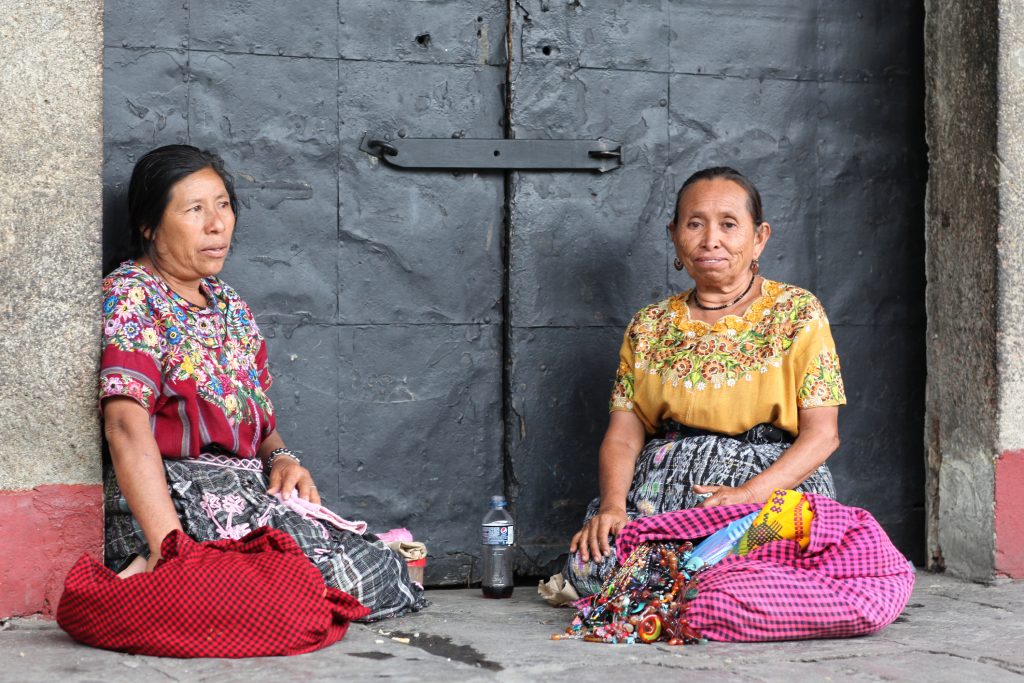
Central America’s youngest independent nation has a history that stretches back much further than that. Maya civilisation flourished in the region now known as Belize until the Spanish and the British rocked up in the 16th and 17th Centuries, decimating the population. Britain won a war calling dibs on the area in 1798 and it remained a colony (known as British Honduras) until Belize became independent from the UK in 1981.
Belize language
That colonial history explains why Belize is the only English-speaking country in Central America, giving English-speakers a break from all that Spanish they’ve been mangling throughout the rest of the region. TV is in English, menus are in English, bus timetables are in English and the locals speak English. Spanish is spoken by about 30% of the population, especially closer to the Guatemalan border, including a local dialect called kitchen Spanish. But for English speakers, the Belize language barrier is non-existent.
Although the official language might be English, Creole — spelled Kriol in that tongue — is a source of great national pride. Originally the language of the Creole people and based on English with some American and African dialect sprinkled in, Kriol is now spoken by most Belizeans and is a big part of the country’s identity. Because it’s derived from English, you’ll be able to interpret some of it… until the conversation screeches to a halt with ‘Me noh andastan’ (I don’t understand).
Belize people
Expect to hear one piece of Kriol — the warm greeting of ‘Aarait?’ (Alright?) — from loads of strangers on the street, just one example of how easygoing Belize people are. The locals are extremely welcoming of tourists, and in general the Belize culture and lifestyle is incredibly laid back, which is a huge part of the nation’s Caribbean charm.
Belize is home to just over 400,000 people — roughly the size of Bristol, New Orleans, or about three apartment blocks in downtown Hong Kong. But the population is incredibly diverse for such a small group of people.
There are three main ethnic groups — the indigenous Maya and Mestizos (people of mixed Maya and European heritage), Creoles (descendants of African slaves), and Garifuna, indigenous to the Caribbean island of St Vincent before fleeing slavery to Central America. Half of the Belize people are Mestizo, one fifth are Creole, and a small but important five per cent are Garifuna. One in ten are Maya, mainly made up of the Yucatec, Mopan and Qʼeqchiʼ groups in the south of the country, who each have their own language.
You’ll notice more Mestizos and Maya inland, strong Creole culture around Belize City and the cays, and Garifuna influences on the south coast, particularly towns like Hopkins and Punta Gorda. There’s also sizeable Chinese, Indian and Middle Eastern communities — former prime minister Said Musa was of Palestinian descent — and even a population of Amish-style German Mennonites.
Belize is also a deeply religious country — roughly 40% Catholic, 40% Protestant, followed by a collection of smaller faiths and a growing number of people with no religion. That religious streak explains why Belize culture can be quite conservative — same-sex sexual activity was only legalised here in 2016.

Creole culture
Creoles used to be the biggest ethnic group in Belize until recently, which is why Creole culture is such a huge part of Belize culture, especially the Caribbean vibe the country is famous for. A massive diaspora of Belizeans live abroad too — there’s 160,000 living in the United States, most of them Creole.
Wherever they live, language is key to Creole culture. Historically Kriol was only spoken by Creoles, but being the majority of the population for so long, the whole country adopted the vernacular. Even today, when only one in five Belizean residents is ethnically Creole, the majority of people speak their language. Meals like coconut rice and beans, bile up and cow foot stew are also key dishes in the national cuisine.
Music is another important expression of Creole culture — the calypso-inspired brukdown genre in particular. Wilfred Peters, better known as Mr Peetaz, is a national icon for his brukdong myoozik performances over a 60-year career before he passed away in 2010.
Belize culture and lifestyle
The Caribbean tunes that infuse the cays’ sandy streets are the perfect reflection of Belize culture and lifestyle. On top of brukdown, a modern genre that evolved out of calypso’s African rhythms, punta is Belize’s most iconic style.
These Garifuna beats provide the perfect party soundtrack, especially contemporary punta rock. Punta is normally performed in indigenous Garifuna dialects dating back centuries and accompanied by a dance where a hip-swinging couple is surrounded by a circle of eager dancers itching to shimmy into the spotlight themselves. Andy Palacio is the biggest name in punta if you want to plug him into your Spotify.
Belize also imports reggae from the Caribbean, plus everything coming out of the US. But marimba-heavy Maya and Mestizo music survives in the north of the country, where a version of cumbia — more famous in Colombia and Panama at the other end of Central America — is also mega popular.
Is Belize Safe to Visit?
Belize’s crime statistics aren’t exactly glowing — it ranks as the seventh highest murder rate per capita in the world, largely due to its role in drug trafficking routes into Mexico. But unless your backpacking dreams involve becoming the next Tony Montana, this side of Belize won’t touch you. For travellers, Belize generally feels safer than neighbouring countries like Mexico, Guatemala, and Honduras.
Safety in Belize City
Belize City is the one part of the country where travellers should be more cautious, especially in the Southside area (south of Haulover Creek). It’s wise to:
-
Avoid unlit or unfamiliar streets at night
-
Keep a low profile (don’t wear flashy jewelry or wave around your iPhone)
-
Steer clear of anyone sketchy-looking
-
Not play hero in the unlikely event of a mugging
Most crime here doesn’t involve tourists, but petty theft and opportunistic crime do happen.

Safety in the Rest of Belize
Outside Belize City, safety concerns drop significantly. Travellers generally feel very comfortable, especially in popular destinations like Caye Caulker, San Pedro, Placencia, and San Ignacio. Just follow basic safety practices:
-
Don’t get too drunk and wander off alone
-
Keep your valuables secure
-
Lock your hostel or hotel room
-
Be aware of your surroundings on public transport and beaches
For most backpackers, the biggest threat is overindulging in rum and lobster, not violent crime.
Natural Hazards in Belize
In Belize, Mother Nature can be more dangerous than any pickpocket:
-
Swimming & Snorkelling: Don’t swim after a heavy meal or too many drinks, and always follow your dive instructor’s advice.
-
Wildlife: Watch out for snakes, spiders, stingrays and nurse sharks — they don’t usually pose a threat unless provoked.
-
Sun Exposure: The Caribbean sun is strong — wear sunscreen or risk lobster-level sunburn.
-
Hurricanes: Belize’s hurricane season is August to October. Notably, Hurricane Earl (2016) caused over US$110 million in damage.
Travel Insurance Is a Must
You might never need it, but if something goes wrong, you’ll wish you had travel insurance. A few hundred dollars can save you tens of thousands if you need medical evacuation, emergency care, or reimbursements for stolen gear.
Belize travel advice
Belize vaccinations
Your recommended Belize vaccinations are hepatitis A, hepatitis B, chickenpox, measles, tetanus-diphtheria, typhoid and yellow fever. If that list makes your head spin, just head to a travel doctor a couple of months before you set off and ask them for all the necessary jabs.
One thing you can’t be vaccinated against though, are mosquitos. Mozzies are particularly annoying during the wet season (June to October) and sometimes carry tropical diseases like malaria. Sand flies are a pest on the islands, too. Pack a strong insect repellent — look for the heavy-duty stuff containing DEET for maximum protection.
You’ll also want to pack a first-aid kit to help with food poisoning — one of those ever-present risks in Central America — as well as any nicks you pick up in the jungle. That means some antidiarrheal medication and rehydration salts to bounce back after a couple of days perched on the porcelain throne, plus antibiotic ointment, cortisone and bandages for minor bumps and cuts.
Tap water is generally safe to drink, but many hostels also offer their own purified source of H2O. And as bad as it is for the environment, bottled water is super cheap, too. Don’t stress too much about a day or two with a grumbling tummy — head to the doc if any stomach complaints last more than three days. Belize’s public hospitals aren’t great, which is another great advertisement for travel insurance, ideally with medical evacuation included.
What to pack for Belize
When you see a sign saying ‘No shirt, no shoes, no problem’ on Caye Caulker, you should take the message seriously. On the cays, anything more than swimwear is pretty much considered formalwear, so pack your bikini, your board shorts and your sandals to shuffle around in. T-shirts and shorts generally do the trick — the temperature rarely dips below 25 degrees, so backpackers rarely need to back anything heavier, besides a raincoat and an umbrella during wet season. Don’t worry about bringing anything dressy to go out in — Belize’s nightspots aren’t that stuffy.
Unless you’re planning to camp overnight in one of Belize’s many nature reserves, there’s no need to pack boots and head torches and all those other things that only ever end up at the bottom of your backpack when you’re staying at a hostel. And even though Belize City has a slightly dodgy reputation, there’s no need to wear a dorky travel belt — a place would have to be life-threateningly dangerous to justify one of those crimes against dignity.

Ready to backpack Belize after reading our ultimate guide? Start planning that trip now and in no time you’ll be chilling on the shores of Caye Caulker with a Lazy Lizard cocktail in hand and a newly-found chill outlook on life. Bliss! Anything you still wanna know? Let us know in the comments!
About the author:
Tom Smith is an Australian writer living in Manchester. Obsessed with sport and travel, Tom has watched cricket in Cardiff, football in Fortaleza, baseball in the Bay Area, and there’s still plenty more to tick off the bucket list yet. Read more of his work here.
Keep reading: ⬇️
A spiritual backpacker’s guide to Mexico
The 18 best hostels in Guatemala
21 eco-friendly hostels for the sustainable traveller
Download the Hostelworld app to start booking your Belize trip


❓💼 Backpacking Belize
☀️ When’s the best time to visit Belize?
The dry season (Dec–Apr) is ideal for sunshine and beach days. For budget travellers, June and November offer lower prices and fewer tourists — just expect the occasional tropical shower.
💰 How much does it cost to backpack in Belize?
Plan for $35–70 USD/day. Hostels are ~$10–20, meals ~$5–10, and transport is cheap via local buses. Tours like snorkelling or cave tubing can bump up your budget.
🏨 Are there hostels in Belize for backpackers?
Yes! Belize has great hostels in Caye Caulker, San Ignacio, Hopkins, and Placencia — many with social atmospheres, hammocks, and easy access to tours. Check Hostelworld for reviews and vibe checks.
🛂 Do I need a visa to enter Belize?
Most travellers (including from the US, UK, EU, Canada, Australia) don’t need a visa for up to 30 days. Always confirm with your local embassy.
👩🦰 Is Belize safe for solo female travellers?
Yes, especially in backpacker-friendly areas. Choose reputable hostels, avoid walking alone at night, and join hostel-organised tours to meet other travellers.
🏝️ What are the best places to visit in Belize?
Top stops:
Caye Caulker – Chill island vibes + snorkelling
San Ignacio – Jungle, ruins, and caves
Placencia – Beaches + local food
Hopkins – Cultural experiences + eco tours
🚍 How do I get around Belize on a budget?
Use chicken buses (local buses) for $1–5. Water taxis connect the islands (~$20 return). Short domestic flights are available but pricey. Most towns are walkable once you arrive.
🤿 Can beginners snorkel or dive in Belize?
Absolutely. Belize has some of the best beginner-friendly snorkelling in the world. Try Hol Chan, Shark Ray Alley, or go diving off Ambergris Caye or Caye Caulker.
🎒 What should I pack for Belize?
Essentials include:
Quick-dry clothes & swimsuit
Rain jacket
Dry bag
Water shoes
Reef-safe sunscreen
Bug spray
Reusable bottle
📆 How long should I backpack Belize?
7–14 days is ideal. A 10-day trip can cover islands, jungles, and culture without rushing. Add more time if you want to dive or chill longer on the beach.
🍲 What’s the food like in Belize?
Delicious and affordable! Try:
Rice & beans with stew chicken
Fry jacks (breakfast must!)
Ceviche and fresh seafood
Tamales and salbutes from street stalls
💳 What currency is used in Belize?
The Belize Dollar (BZD). It’s fixed at 2 BZD = 1 USD. USD is widely accepted, but you’ll get change in BZD. ATMs are common in cities and towns.
🗣️ Is English spoken in Belize?
Yes! English is the official language, making it super easy to get around. You’ll also hear Kriol, Spanish, and Garifuna in different regions.
🌱 Are there eco-friendly things to do in Belize?
Tons!
Snorkel with reef-safe guides
Visit the Community Baboon Sanctuary
Support Garifuna-owned tours and eateries
Stay at eco-conscious hostels with water refill stations
🧾 Do I need travel insurance for Belize?
Yes. Especially if you’re diving, doing adventure sports, or visiting during the rainy season. Make sure it covers medical care, activities, and theft.
🛕 Can I visit Mayan ruins from Belize?
Yes! Visit Xunantunich, Cahal Pech, or take a day trip to Tikal in Guatemala from San Ignacio. Guided tours make crossing the border easy.
📶 What’s the Wi-Fi and internet like in Belize?
It’s decent in most hostels and tourist areas. Rural regions may be slower. Grab a local SIM card (Digi or Smart) for affordable mobile data.
⚠️ Are there scams in Belize I should watch out for?
Nothing major, but stay alert for:
Inflated taxi fares (agree on price first)
Overpriced tours from random vendors
Pushy beach sellers (just say no thanks politely)
🚰 Can I drink tap water in Belize?
In most towns and cities, yes — but always ask your hostel. When in doubt, use filtered water or bring a purification bottle.

 Get the App.
Leave a Reply
You must be logged in to post a comment.