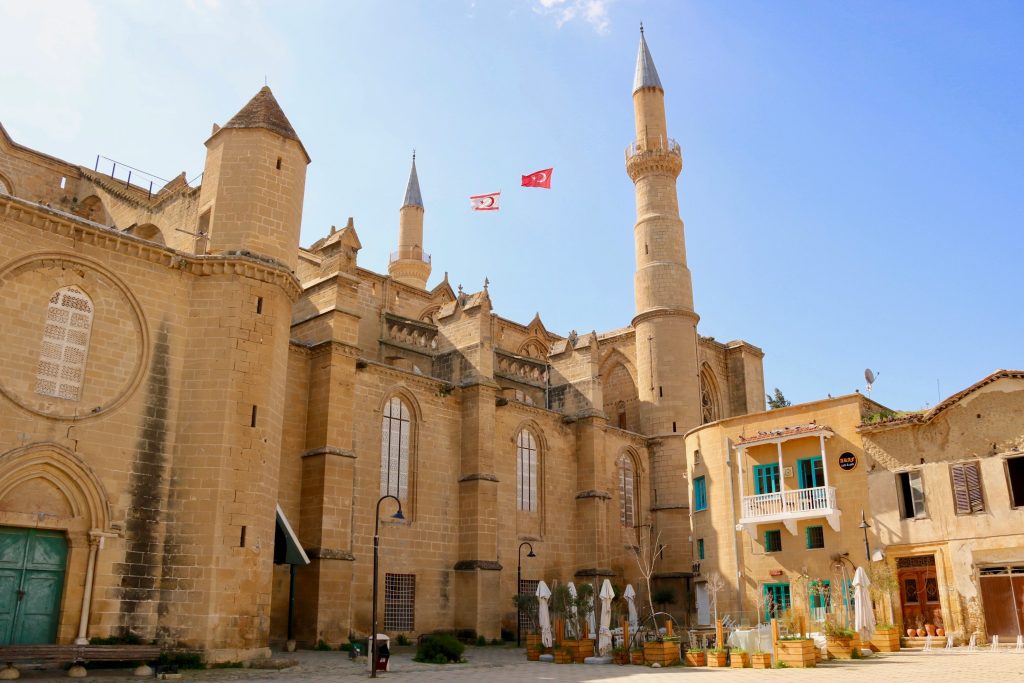
Nicosia
4 hostels · dorms from €19
The last divided capital in Europe, with a crossing point in the middle of the old town.

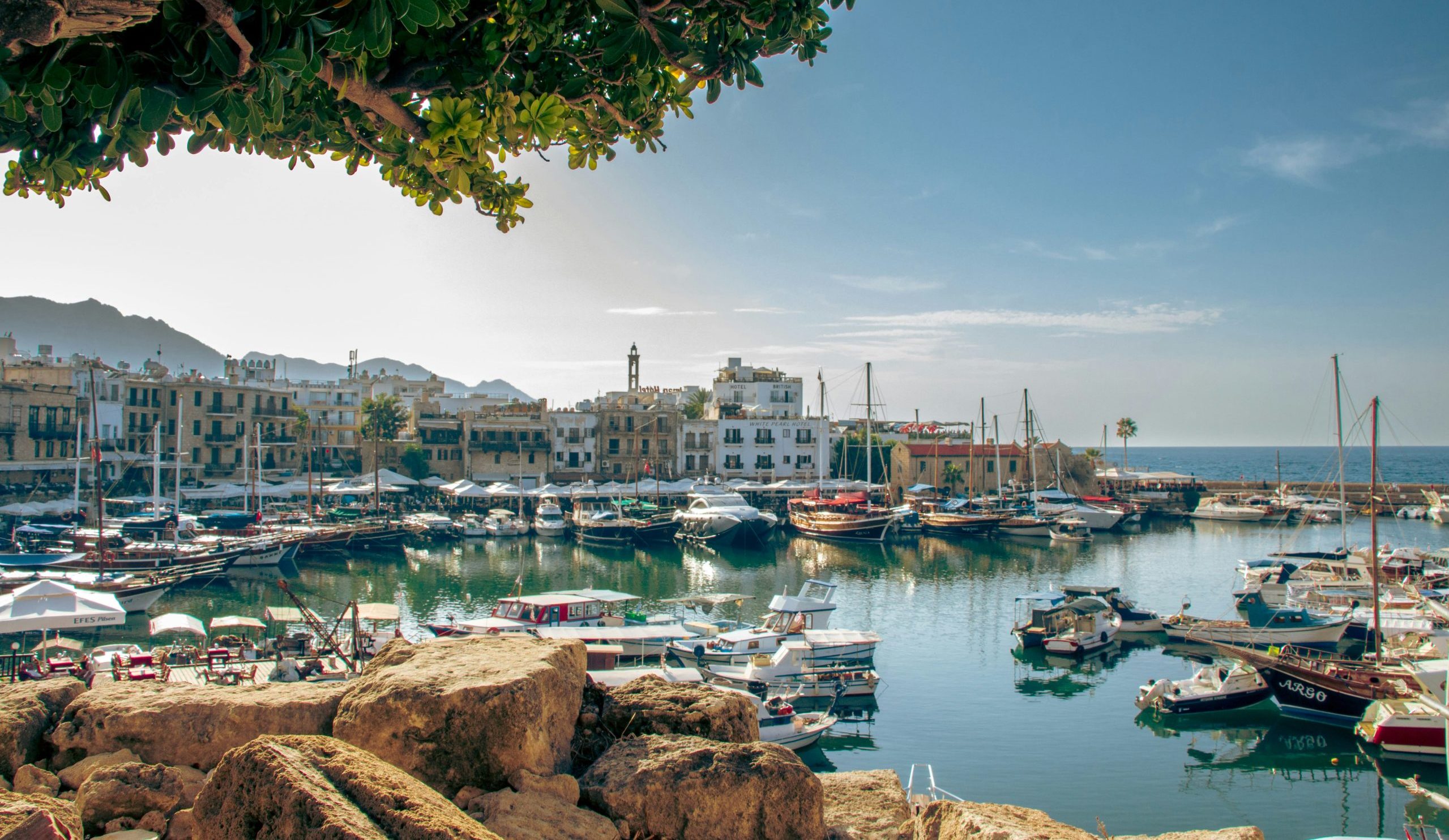
The last divided capital in Europe, a swimming season that runs into November, and mountains with snow on them in March while the coast is in shorts.
Cyprus has been divided since 1974. The Republic of Cyprus controls the south and is in the EU and the eurozone; the north is administered by a Turkish Cypriot authority recognised only by Turkey. Nicosia is the last divided capital in Europe, and you can cross between the halves on foot at Ledra Street in about a minute with a passport.
For travellers the south is the straightforward part: Paphos and Larnaca for Roman mosaics and beaches, Ayia Napa for a summer club season that has calmed down since its reputation was made, and Limassol as the working city in between.
The Troodos mountains in the middle are the surprise — pine forest, painted Byzantine churches under UNESCO protection, and a ski lift that runs in February while the coast is warm enough to sit outside.
Buses link the coastal cities. Nothing on the island is more than two hours away.
The last divided capital in Europe, with a crossing point in the middle of the old town.
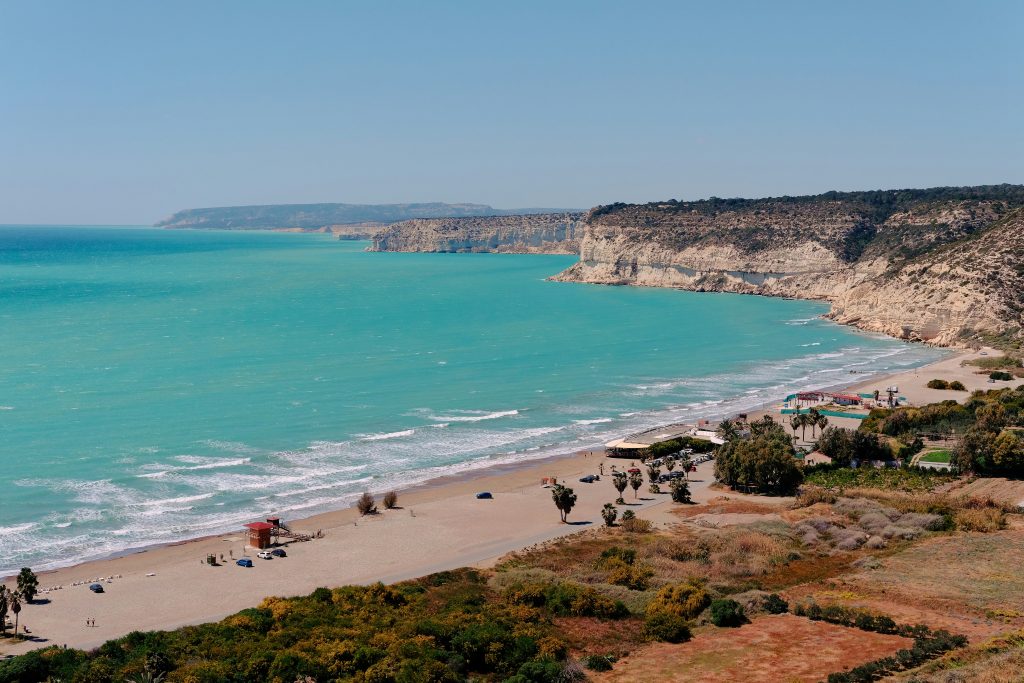
The biggest coastal city, with a marina, a carnival and the island's nightlife.
Place had a lot of character and plenty eating places . Nice promenade to chill out and did lot of walking .
A traveller, on Hostelworld
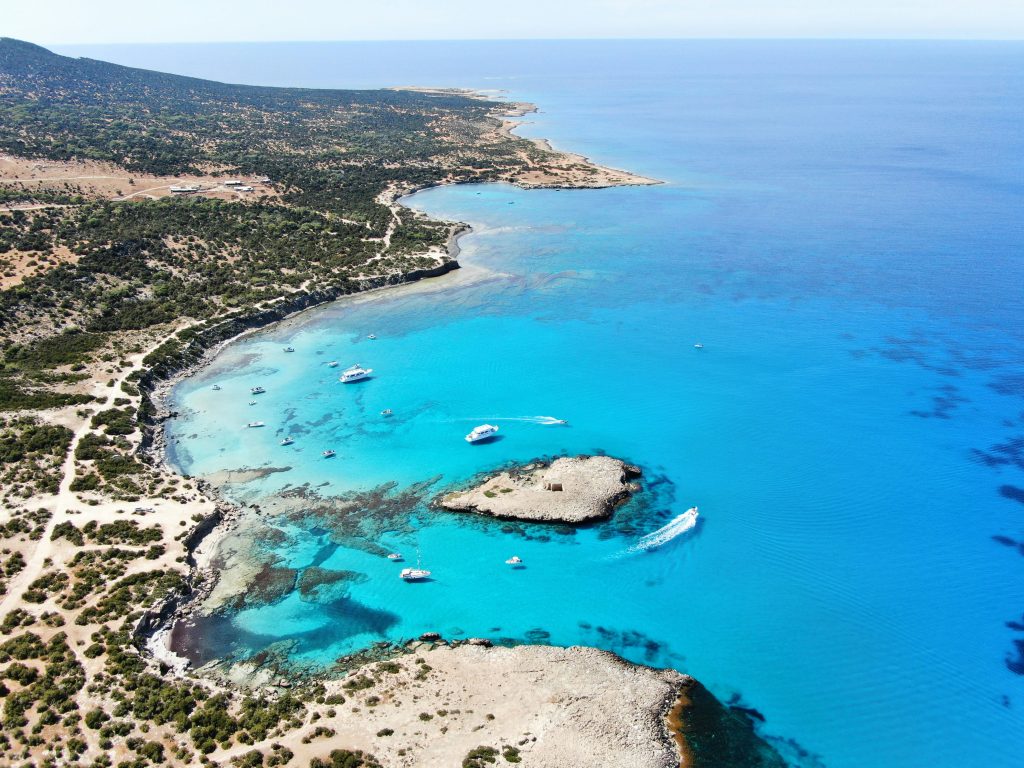
Roman mosaics, a harbour castle, and the archaeological half of the island.
Area was very clean , near to the sea with a wonderful boardwalk along the promenade that I was able to rent bikes and cycle! Lots of restaurants at the port and in town. Archeological site here would take 2/4 hrs to get around and is wonderful. Loads of pubs etc I did go to other places but preferred Paphos
A traveller, on Hostelworld
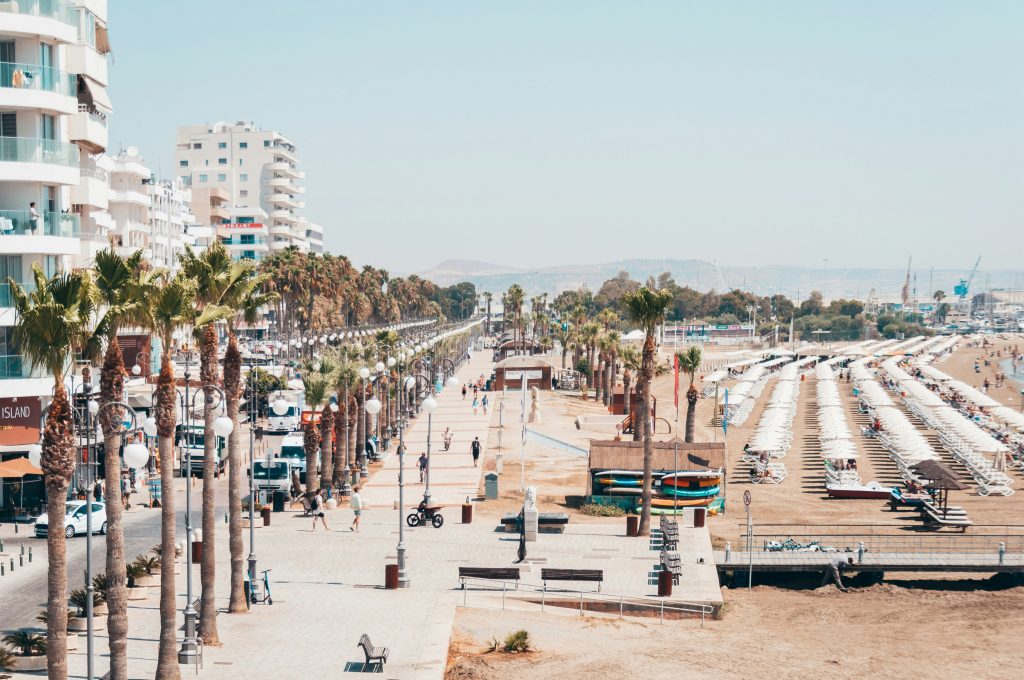
The airport city, with a palm promenade, a salt lake with flamingos and the cheapest beds.
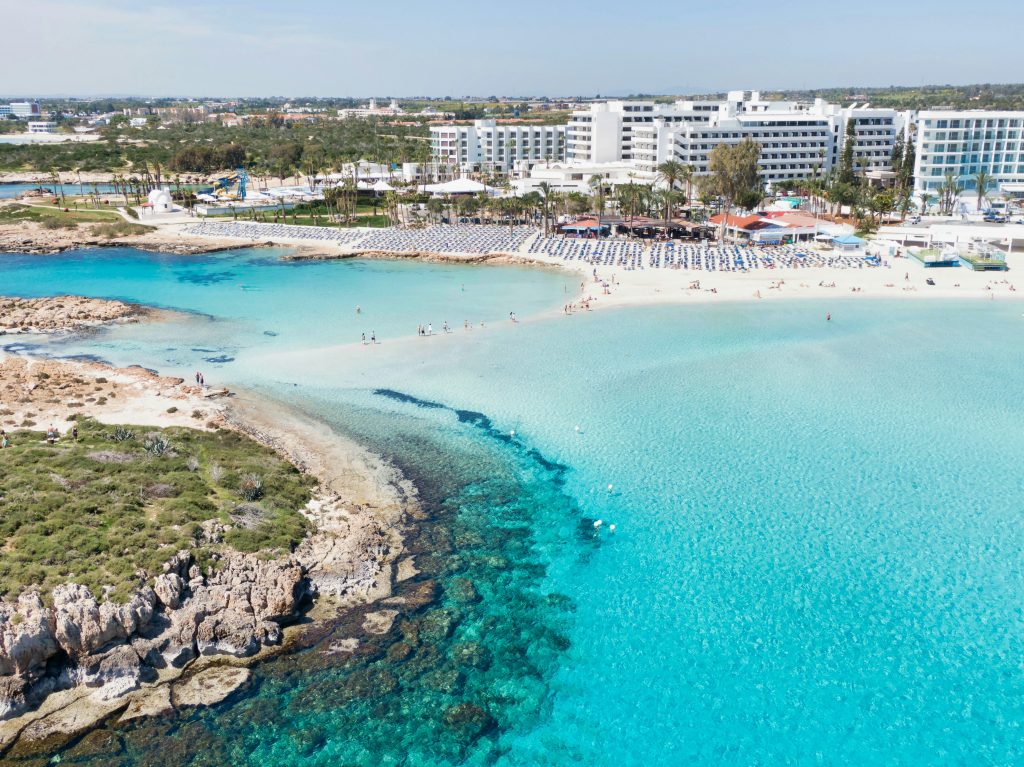
A resort town built for a summer season, with the best beaches and the loudest nights.
Cyprus is a beach island with mountains in the middle and more history than the resorts suggest.
Clear water and a season that runs from April to November.
Roman mosaics, painted churches and a divided capital.
Troodos trails, sea caves and a gorge.
Ayia Napa in summer, and Limassol all year.
Meze that arrives in twenty dishes and does not stop.
Nicosia in two days, and it is unlike any other capital.
The Paphos Archaeological Park holds Roman villa mosaics that are among the best preserved in the Mediterranean, and it is UNESCO-listed and rarely crowded. Kourion, near Limassol, has a theatre above the sea that still hosts performances.
Nicosia is the one unusual experience: the last divided capital in Europe, where you walk through a checkpoint at Ledra Street with a passport and are in a different half of the city, with different currency, language and coffee, in the space of a minute.
The Troodos mountains have ten UNESCO-listed painted churches — small, barn-like buildings with frescoes from the eleventh century onwards — and a network of marked trails. In summer they are ten degrees cooler than the coast, which is the other reason to go up.
Meze is the thing to do once and it is not a starter: twenty or more small dishes arriving over two or three hours, for €20 to €30 a head, ending with grilled meat when you are already full. Order it for a table and clear the evening.
Halloumi is Cypriot and protected, and eaten grilled rather than raw. Souvla — large chunks of meat on a long skewer over coals — is the Sunday family dish, and sheftalia are the sausages worth ordering.
Village tavernas inland are cheaper and better than the resort strips. Commandaria, a sweet wine from the Troodos foothills, is claimed as the oldest named wine still in production.
Ayia Napa made its name in the late nineties and has since settled into something broader: a summer club season from June to September with international names, alongside beach bars and a quieter family end of town.
Limassol is the year-round alternative, with bars in the restored old town and a marina crowd, and it is where Cypriots actually go out.
Nicosia has a student scene and a bar culture that has grown quickly, and being inland it is the one place that does not empty in winter. Drinks run €4 to €7 across the island, more on the Ayia Napa strip in August.
There are no trains. Intercity buses link Nicosia, Limassol, Larnaca, Paphos and Ayia Napa cheaply and reasonably frequently, but they stop early in the evening and barely run on Sundays.
That makes a hire car the practical choice for the Troodos mountains, the Akamas peninsula and the villages, none of which buses reach usefully. Driving is on the left, roads are good, and car hire is inexpensive by European standards.
Crossing to the north is straightforward on foot at Ledra Street in Nicosia or by car at several points, with a passport. Hire cars need separate insurance for the north, sold at the crossing points, and some rental companies do not allow their cars to cross at all.
Cyprus is mid-priced for the Mediterranean. Dorms start around €18 and hostel supply is thin — this is an island of hotels and apartments, so book early and expect fewer options than in Greece.
Eating is where the value is: village tavernas do a full meal for €12 to €18, and a meze for two comes to €40 to €60 including wine.
Peak season runs July and August, when the coast fills and prices rise, and the shoulder months of May, June, September and October give you the same sea with far fewer people and lower rates.
Cyprus is among the safest countries in Europe, with very low crime and a strong sense of personal security, including for solo travellers.
The heat is the main risk. July and August regularly pass 35°C inland and the Troodos trails should be walked early or not at all in high summer. Sea currents around Cape Greco and the west coast are stronger than the calm surface suggests.
Driving is on the left and standards are mixed, with tourists on unfamiliar roads a recurring factor. The buffer zone between north and south is a military area: do not photograph checkpoints or approach the line outside the official crossings.
The Republic of Cyprus is in the EU and the eurozone but not yet in the Schengen area, so time spent here does not currently count against the 90-day Schengen allowance. That has been under discussion for years, so check the position before relying on it.
EU citizens need an ID card; UK, US, Canadian and Australian passport holders get 90 days. Passports should be valid for the stay.
Crossing to the north is routine with a passport at the official points. Entering the north first by flying into Ercan, rather than through the Republic, is treated differently by the Republic's authorities and can complicate things — most travellers enter via Larnaca or Paphos.
One of the longest seasons in Europe: the sea is swimmable from April into November, and the mountains have snow in February.
Average highs for the coast. Nicosia inland runs several degrees hotter in summer, and Troodos at 1,900m holds snow from January to March.
Pick how you travel and how long for. Per night, for one person, outside July and August.
Transport assumes a share of a hire car, which is effectively necessary outside the coastal cities.
Orthodox Easter is the biggest week of the Cypriot year, and Limassol carnival is the loudest.
Ten days of parades before Lent, and the biggest carnival on the island.
A public holiday spent outdoors eating vegetarian food and flying kites.
The biggest week of the year, with processions and bonfires on Easter Saturday.
The festival of the flood: water throwing, boat races and music by the sea.
International names through the summer, with beach parties either side.
A week of Cypriot wine in the municipal gardens.
The highest-rated hostels on the island, live from Hostelworld. Supply is thinner than in Greece — Cyprus is hotel country — so book early in summer.
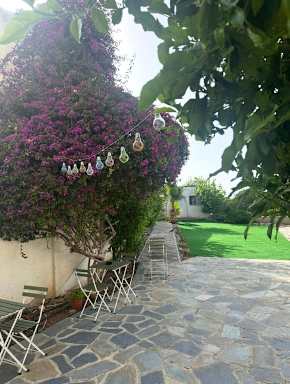
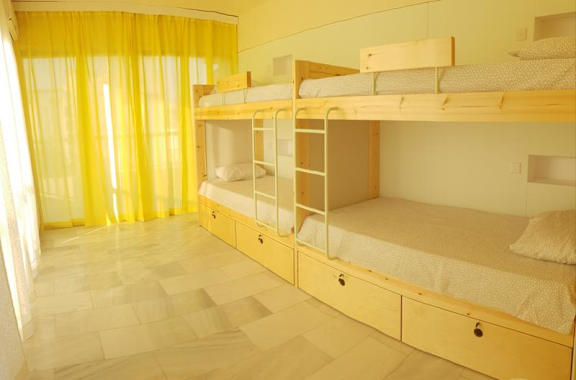
The ones we get asked most.

Compare hostels across Cyprus — live prices, real reviews and free cancellation on most bookings. Then meet the people already there in the app.

 Get the App.
 Get the App.