South Korea
South Korea country guide

Things To Do In South Korea

Mountains behind every city, a capital that does not sleep, and food that has taken over the world in the last decade. Cheaper than Japan and far easier than its reputation.

€18
Dorm bed, from
70%
Of the country is mountains
€7
A Korean BBQ portion
2h20
Seoul to Busan by KTX

A small country that moves fast

South Korea is roughly the size of Portugal and seventy per cent mountains, which means every city has hiking trails within reach of a metro station. Seoul even has a national park, Bukhansan, inside its city limits.

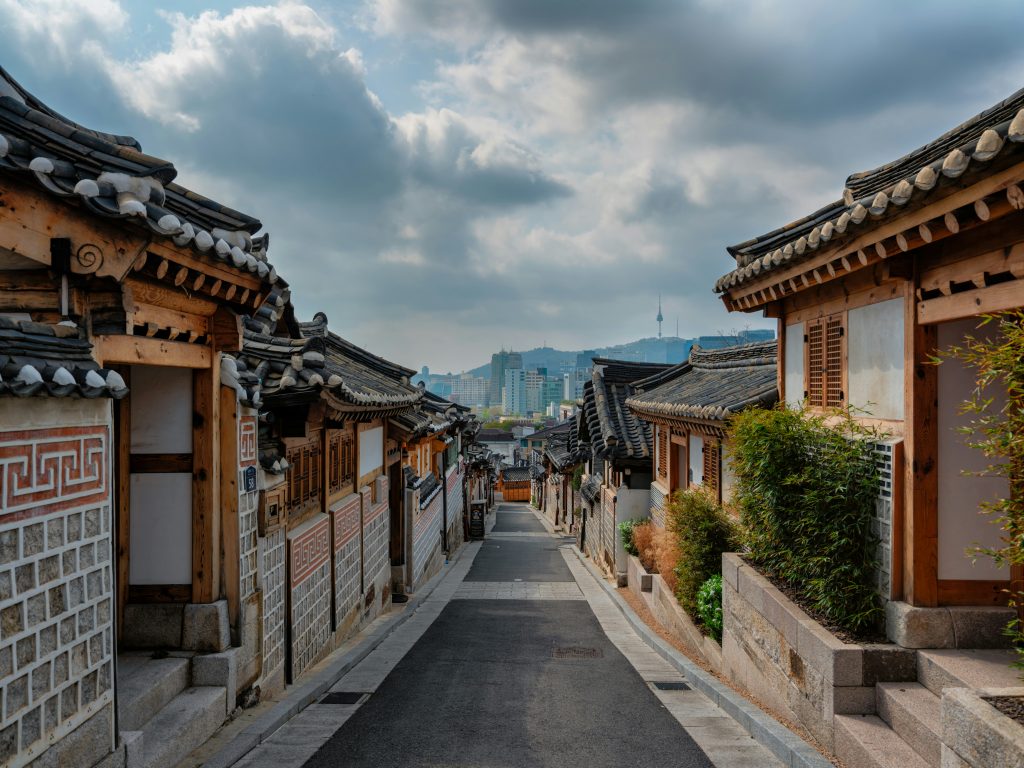
Seoul is the centre of everything: a city of ten million with distinct neighbourhoods — Hongdae for students and live music, Itaewon for international, Gangnam for money, Bukchon for hanok houses — and a nightlife that genuinely runs until the metro restarts at five.

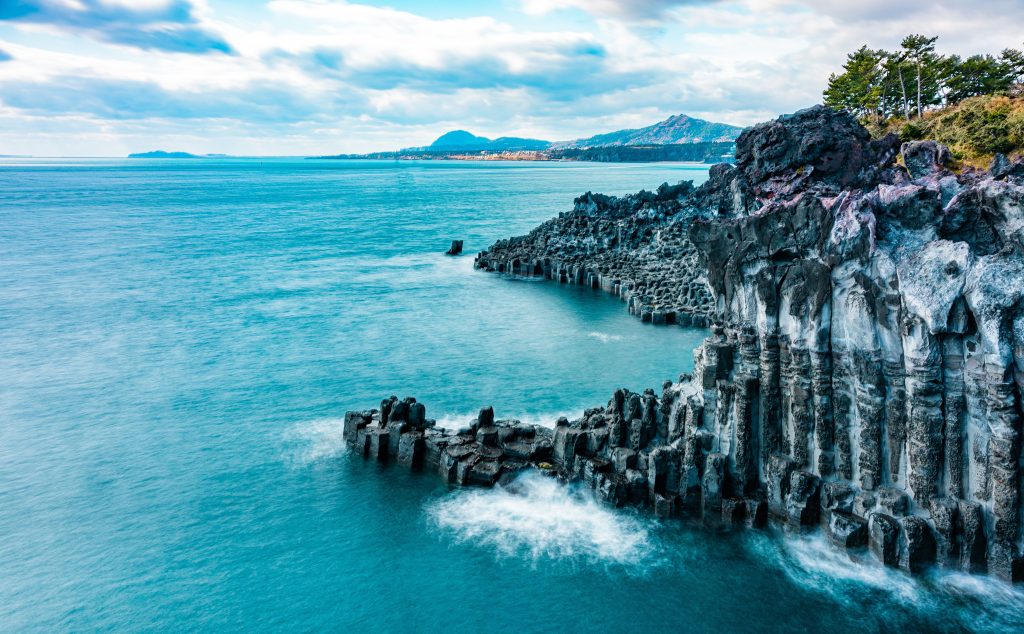
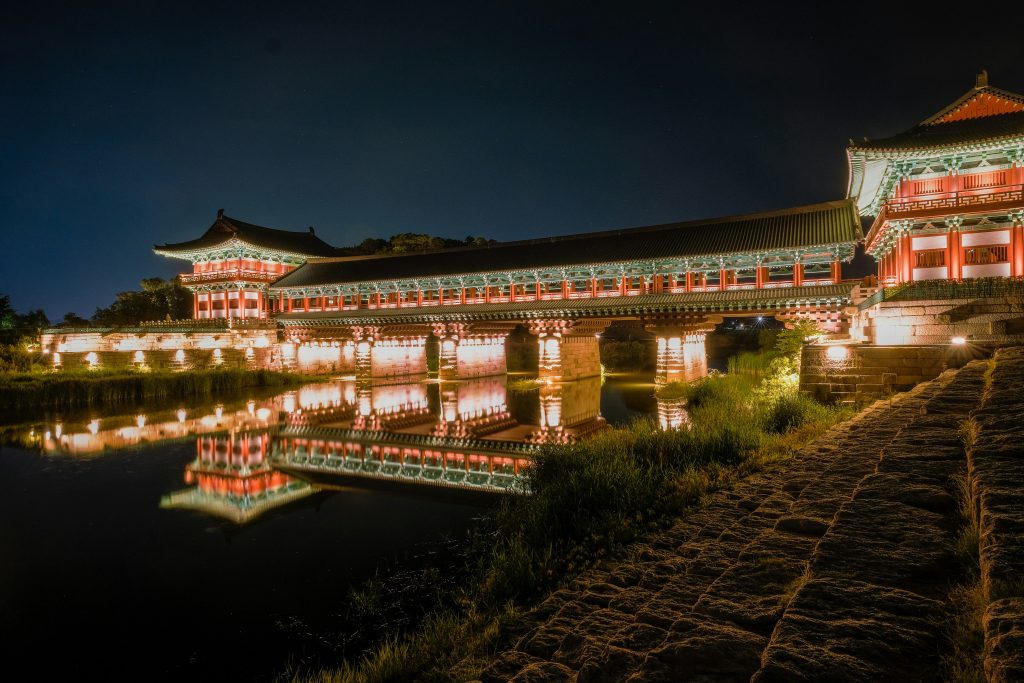
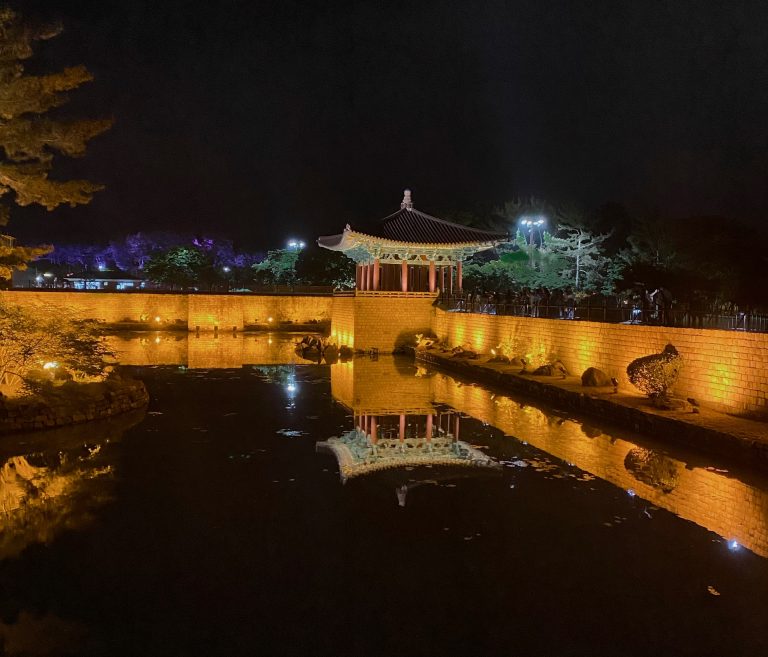
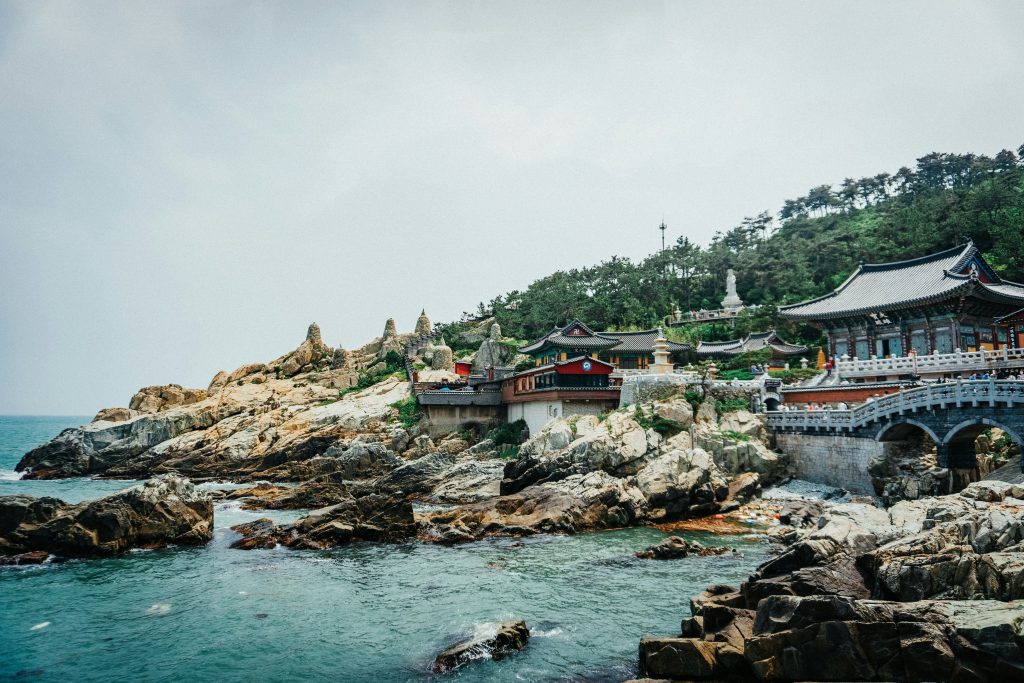
Busan on the south coast is beaches, seafood and a more relaxed pace, two hours twenty by high-speed train. Gyeongju has the tombs and temples of a thousand-year kingdom, and Jeju island off the south coast is volcanic, green and where Koreans themselves holiday.

Two weeks covers Seoul, Busan, Gyeongju and Jeju comfortably.

Where to go

KTX high-speed trains link the country end to end in under three hours.

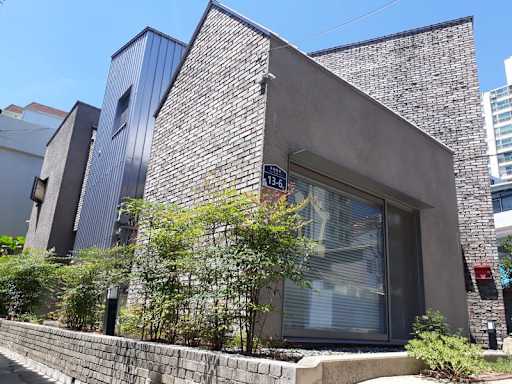
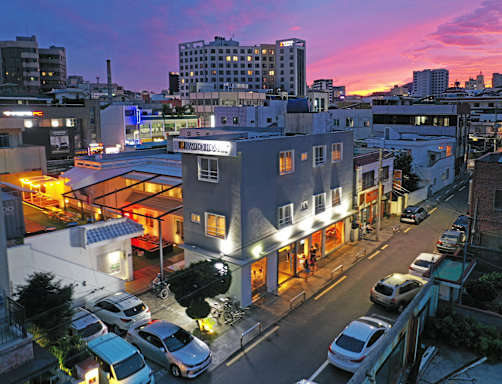
Seoul

Seoul

48 hostels · dorms from €15

Palaces, mountains, markets and the best nightlife in Asia. A week would not be too long.

Seoul inspires you with their culture, great sites, advanced easy transport options. As well as great food.

A traveller, on Hostelworld
The Seoul guide
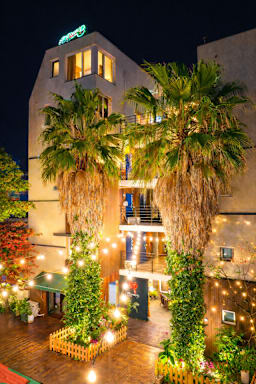
Busan

Busan

19 hostels · dorms from €14

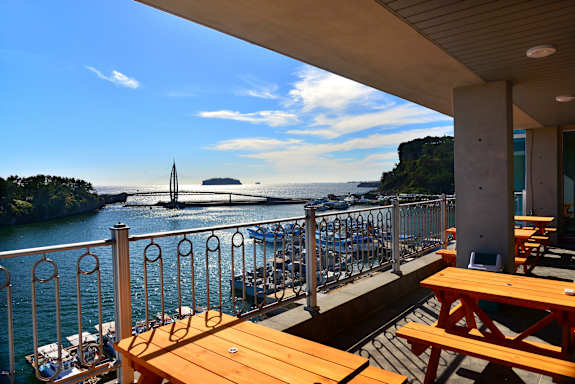
The second city: beaches, the world's largest department store, and a hillside village of painted houses.

Will definitely be back. People only speak of Seoul but this is a hidden gem.

A traveller, on Hostelworld
The Busan guide
Jeju City

Jeju City

The main city on Jeju island: the base for volcanic craters, lava tubes, coastal walks and the haenyeo diving women.

The Jeju City guide
Gyeongju

Gyeongju

3 hostels

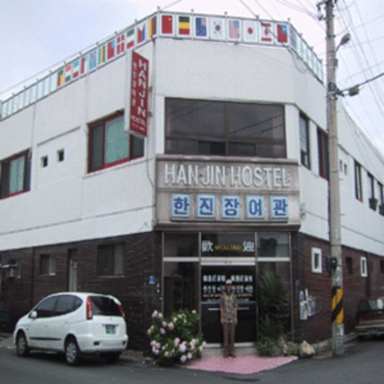
The old Silla capital: burial mounds, temples and a thousand years of history in a small city.

Gyeonju is definitely worth a visit. Once the capital of the Silla Kingdom, there is plenty to see and do here. I stayed 3 nights and that was too short. The city is built for loads of tourists but when I visited in January it was completely dead. Perhaps that’s different in other seasons.

A traveller, on Hostelworld
The Gyeongju guide
Jeonju

Jeonju

4 hostels

A preserved hanok village and the city Koreans name as the country's food capital.

The Jeonju guide

What kind of trip is this?

Korea does cities, mountains and food, and links them with excellent trains.

City break in South Korea

Seoul, which rewards a week more than a weekend.

What to do

  • Gyeongbokgung palace at opening
  • A night in Hongdae
  • Hike Bukhansan from a metro station

Spots to visit

  • Hongdae
  • Bukchon
  • Seongsu

Best cities for it

Things to do

Things to do in South Korea

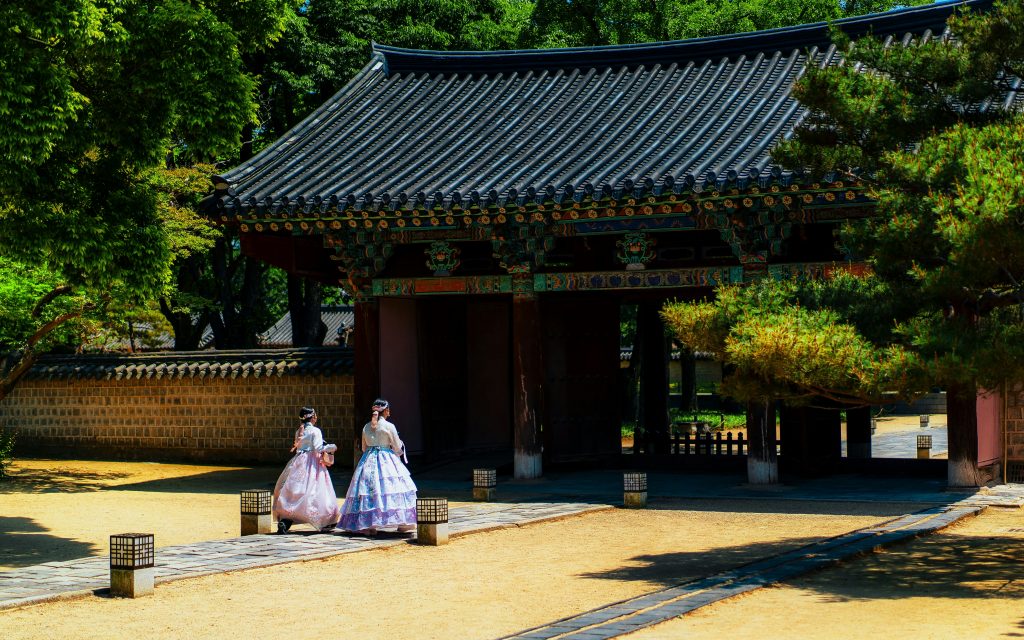
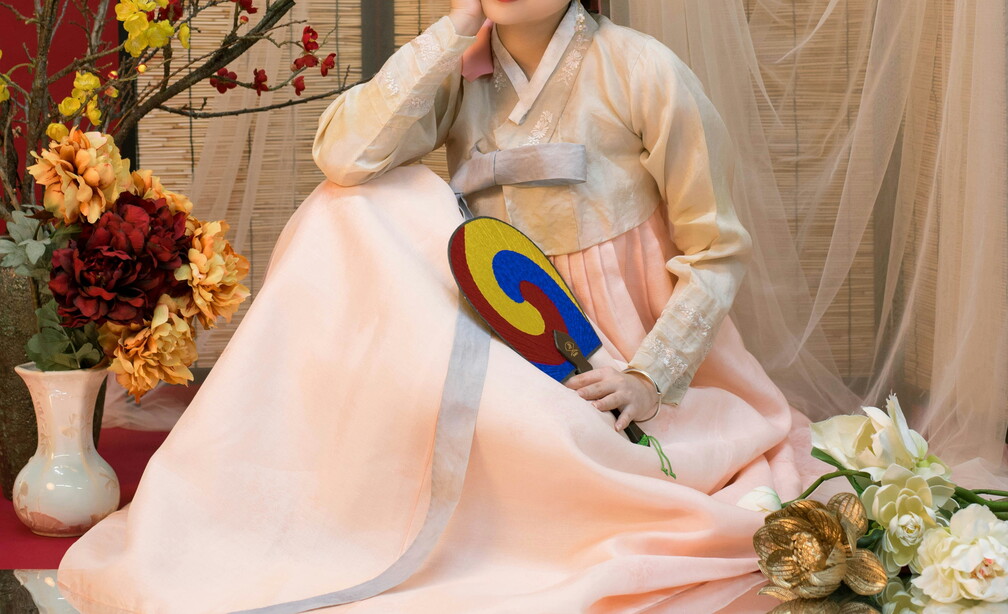
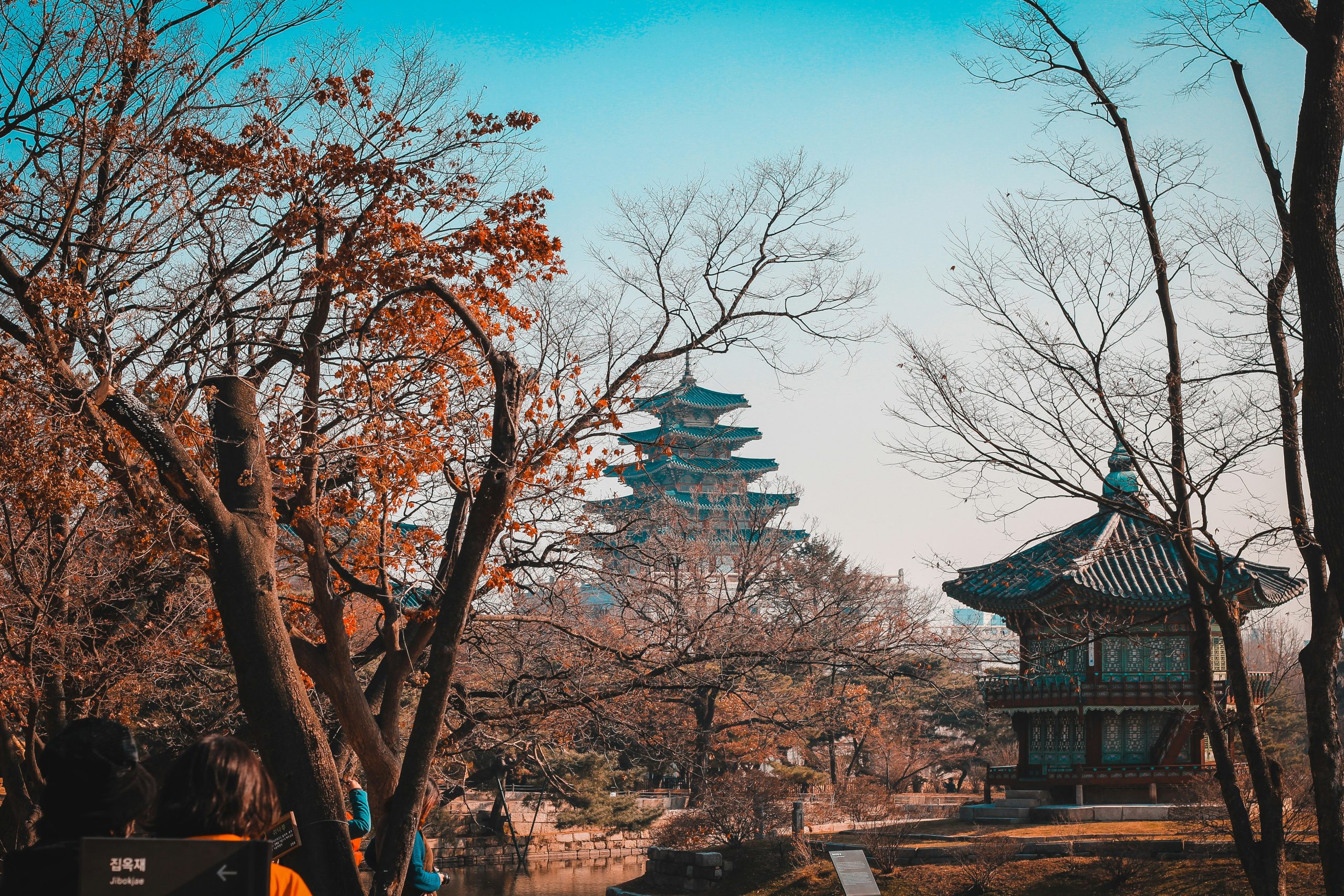
In Seoul, the palaces are the anchor — Gyeongbokgung and Changdeokgung, both free to enter if you wear hanbok, which you can rent nearby for a few euros and which most visitors enjoy more than they expect. Bukchon's hanok village sits between them.

The mountains are the surprise. Bukhansan National Park is inside Seoul's city limits and reachable by metro, with granite peaks and a full day's walking at the end of a subway line.

Elsewhere, temple stays let you spend a night in a working mountain temple with monks, meals and a 4am service, for around €40 to €60. Gyeongju has the Silla dynasty tombs and Bulguksa temple, and the DMZ tour to the North Korean border is a half-day trip from Seoul that must be booked in advance with passport details.

Food and drink

Eating in South Korea

Korean food is built around sharing and side dishes. Order a main and banchan arrive unasked — kimchi, pickles, greens — and they are refilled free. Korean barbecue is cooked at your table and runs €10 to €18 a head, and it is designed for groups, though many places will serve two.

Cheap eating is everywhere: kimbap rolls at €2, bibimbap at €6 to €8, and street food at Gwangjang and Myeongdong markets for a couple of euros a portion.

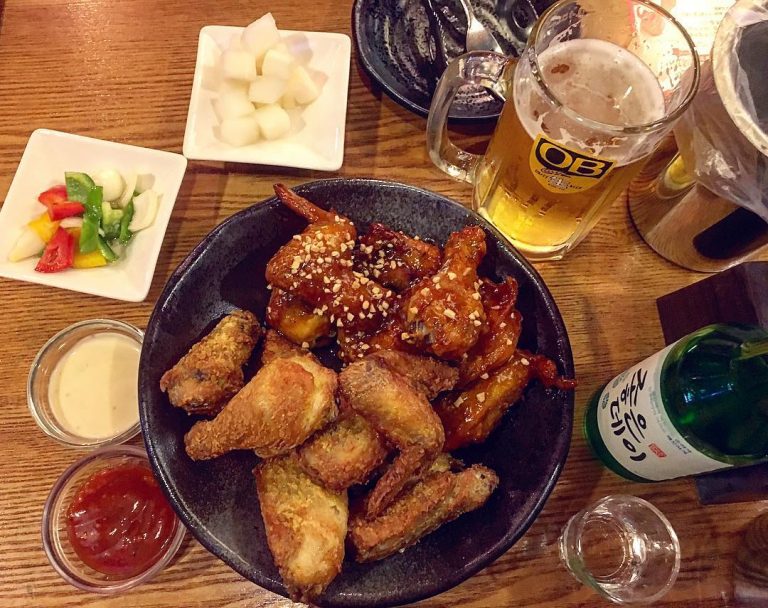
Fried chicken and beer — chimaek — is a national institution and the correct late-night meal. Soju costs about €1.50 a bottle in a convenience store and is drunk with food rather than instead of it. Solo diners were once unusual and are now entirely normal.

Nightlife

Going out in South Korea

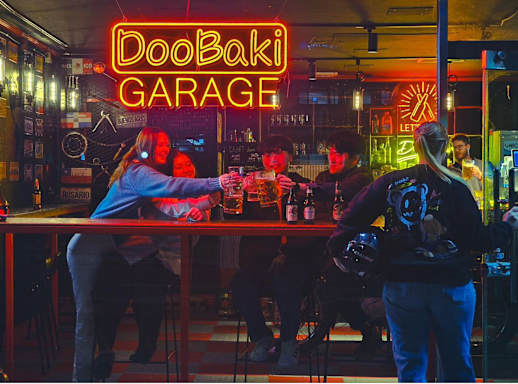
Seoul has one of the best nightlife scenes in the world and it runs on a simple logic: the metro stops around midnight and restarts at half five, so you either leave early or stay out. Most people stay out.

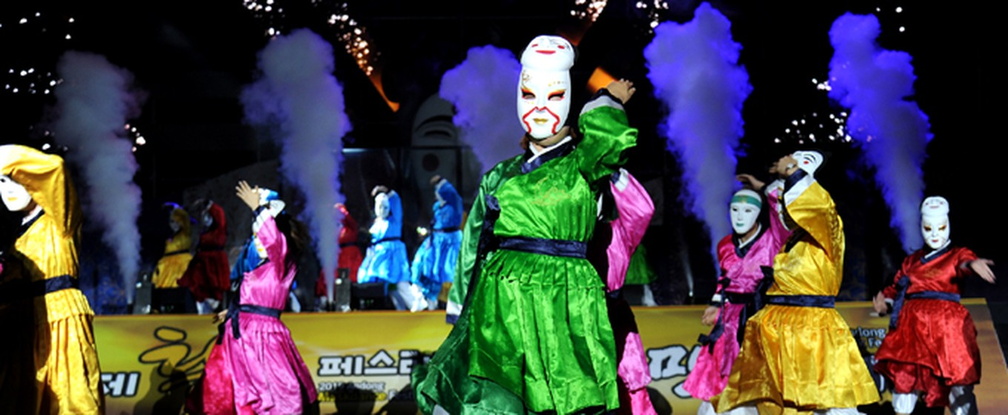
Hongdae is the student district with live music, clubs and street performers; Itaewon is the international quarter; Gangnam is expensive and glossy. Between rounds, noraebang — private karaoke rooms rented by the hour — are where half the night ends up.

Drinking here is social and food-centred: soju and beer with barbecue, then a second round somewhere else, then a third. Pojangmacha, orange tented street stalls, serve food and drink outdoors until very late.

Getting around

Getting around South Korea

The KTX high-speed train runs Seoul to Busan in two hours twenty for around €40, and the network reaches most major cities. Regular trains and express buses are cheaper and only slightly slower on shorter routes.

In cities, a T-money card covers every metro, bus and most taxis nationwide, and it is sold in any convenience store. Seoul's metro is extensive, cheap and signed in English.

One practical thing that catches everyone out: Google Maps does not work properly for directions in South Korea because of mapping restrictions. Download Naver Map or KakaoMap before you arrive — they work in English and they are genuinely necessary.

Costs

What South Korea costs

South Korea is cheaper than Japan and considerably cheaper than western Europe for food and transport. Dorms start around €18, bibimbap is €6 to €8, a metro ride is about a euro, and convenience store meals are genuinely good for €3 to €5.

A day comes to €40 to €60 without effort. Korean barbecue, a temple stay or a KTX leg are the things that push it up.

Card payment is close to universal — Korea is one of the most cashless countries in the world — and foreign cards work almost everywhere, though a small amount of cash is still useful at markets.

Safety

Staying safe in South Korea

South Korea is one of the safest countries in the world. Violent crime against travellers is very rare, people leave laptops on café tables to reserve seats, and walking alone at night in Seoul is unremarkable.

The practical cautions are small: drinking culture is heavy and pacing matters, and Korea has strict drug laws that apply to foreigners and, in some cases, to Korean citizens for offences committed abroad.

On North Korea — the border is 50km from Seoul and the situation makes headlines periodically, but daily life is entirely unaffected and tourism continues normally. The DMZ tours are safe, well organised and require passport registration in advance.

Entry and documents

Entry and documents

Most Western nationalities enter visa-free for 30 to 90 days depending on nationality.

K-ETA, the electronic travel authorisation, has been temporarily waived for many countries while the scheme is reviewed, and the list of exempt nationalities and the waiver period have both changed more than once. Check the official K-ETA site before booking — it is the single most changeable entry requirement in this guide.

There is also an arrival card, now often submitted digitally. Passports need to be valid for the stay.

When to go

Spring and autumn are the two great seasons here, and both are short. Summer is hot, humid and includes a proper rainy season; winter is genuinely cold.

2°
Jan
Cold and dry. Ski season, and the cheapest month
4°
Feb
Still cold. Quiet in the cities
10°
Mar
Warming. Cherry blossom starts in the south late in the month
17°
Apr
Cherry blossom nationwide. The busiest and prettiest weeks
23°
May
Excellent. Warm, clear and green before the rains
27°
Jun
Hot and humid. Rainy season begins late in the month
29°
Jul
Monsoon. Heavy rain and high humidity
30°
Aug
Hottest and most humid. Beaches and Jeju are busy
26°
Sep
Rain ending. Chuseok holiday fills transport
20°
Oct
The best month. Clear skies and autumn colour in the mountains
12°
Nov
Autumn colour continues, and the crowds thin
4°
Dec
Cold and clear. Christmas is a couples' holiday here
Bar height is temperature. Colour is how busy it gets: quiet busy peak

Average highs for Seoul, which is genuinely cold in winter and humid in summer. Jeju is a few degrees milder year-round, and the rainy season runs late June to late July.

What your trip will cost

Pick how you travel and how long for. Per night, for one person, in euro equivalents of won.

Excludes KTX legs at around €40 each. Temple stays at €40–60 and Korean barbecue are the other notable extras.

—
  • Beds—
  • Food and drink—
  • Getting around—
  • Doing things—
What's on

What is on while you are there

Two national holidays fill every train in the country, and cherry blossom is as busy here as in Japan.

South Korea travel questions

The ones we get asked most.

How long do you need in South Korea?
Two weeks covers Seoul, Busan, Gyeongju and Jeju comfortably. Seoul alone justifies five days — it has distinct neighbourhoods, palaces and national parks inside the city limits.
Is South Korea expensive?
Cheaper than Japan and well below western Europe for food and transport. Dorms from €18, bibimbap at €6 to €8, metro rides about a euro, and a day between €40 and €60.
Why does Google Maps not work in Korea?
Mapping restrictions mean Google Maps cannot give proper directions here. Download Naver Map or KakaoMap before you arrive — both work in English and are genuinely necessary rather than a nice-to-have.
Do I need a K-ETA?
It depends and it keeps changing. K-ETA has been temporarily waived for many nationalities while the scheme is reviewed, and the exempt list and waiver period have both moved. Check the official K-ETA site close to booking.
When is the best time to visit?
April for cherry blossom and October for autumn colour, both short and both busy. May and November are the quieter edges. Summer is hot and humid with a rainy season from late June, and winter is properly cold.
What is a temple stay?
A night in a working mountain temple with monks — simple accommodation, vegetarian meals, meditation and an early morning service — for around €40 to €60. Many are set up for foreign visitors and run in English.
Is Seoul safe at night?
Very. South Korea is among the safest countries in the world, and Seoul is busy and comfortable at any hour. The practical caution is the drinking culture rather than crime, and the metro stopping at midnight.

Say yes to hostels, meet the world

Compare hostels across South Korea — live prices, real reviews and free cancellation on most bookings. Then meet the people already there in the app.

Get the App. QRGet the App.
Get the App. QR  Get the App.
Scroll to Top