Via Maqueda
First-timersThe pedestrian spine of the old centre, near the Quattro Canti.

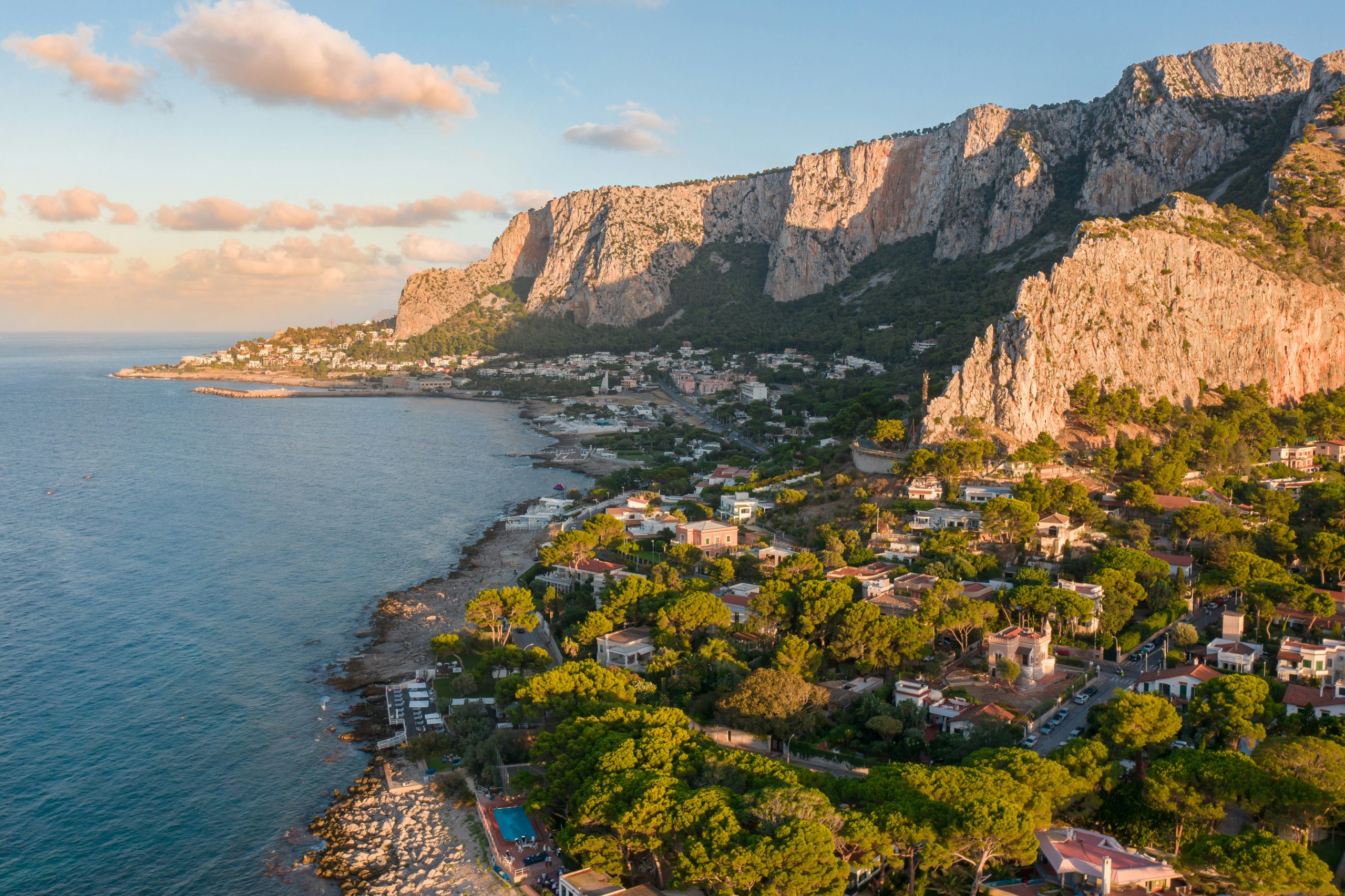
Sicily's capital: Arab-Norman churches glittering with gold, street markets that feel like North Africa and a chaos that people either love or flee. The best street food in Italy.
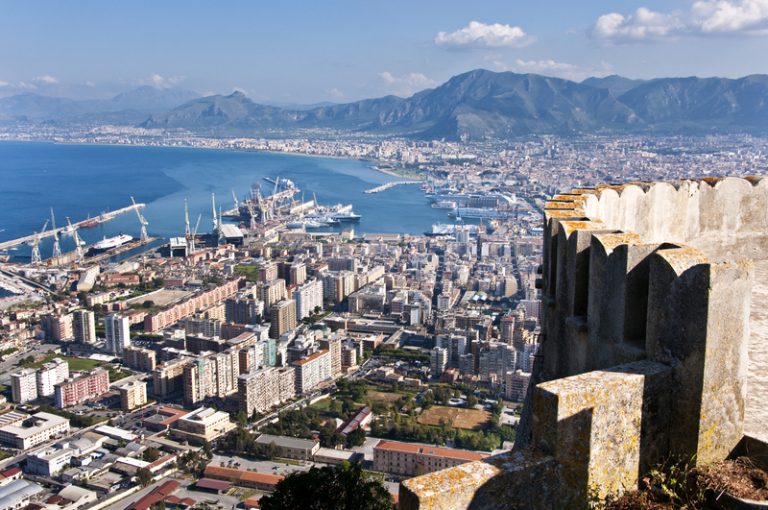
Palermo has been Phoenician, Roman, Byzantine, Arab, Norman, Spanish and Bourbon, and every one of them left something behind. Under the Arabs in the tenth century it was one of the largest cities in Europe; under the Normans who followed, Arab, Byzantine and Latin craftsmen built churches and palaces together, and those buildings are now a UNESCO World Heritage Site.
The old centre is split into four quarters by two long streets that cross at the Quattro Canti. It is crumbling, loud and alive, with markets in the lanes, washing overhead and Baroque churches next to bombed-out buildings from the war that were only recently restored.
Palermo has changed a great deal in the last twenty years, and its reputation lags behind. Two or three days covers the city, with Monreale, Cefalù and the beach at Mondello close by.
Stay in the historic centre. Via Maqueda and the streets around the Quattro Canti are the easiest base.
The pedestrian spine of the old centre, near the Quattro Canti.
The old Arab quarter near the sea, with bars and palaces.
The market quarter near the royal palace. Lively by day.
The old market, now the centre of the night.
The nineteenth-century city to the north. Wide streets, shops and cafés.
The city's beach, about ten kilometres north.
Orange labels are neighbourhoods, dots are the 11 top-rated hostels. Map © MapTiler © OpenStreetMap contributors.
The routes we would take, in the order we would take them.
Start at the Palazzo dei Normanni, the royal palace, and the Cappella Palatina inside it, a small chapel entirely covered in gold mosaics, with an Arab carved wooden ceiling above them. It is the finest room in Sicily.
Walk down to the Cathedral, a mix of every style the city has been through, and climb onto its roof. At the Quattro Canti, the Baroque crossroads, turn towards the Fontana Pretoria, covered in naked statues, and the churches of the Martorana and San Cataldo, with its three red domes.
The markets are the other half of Palermo. Ballarò and the Capo are the busiest, with stallholders shouting out their prices in a style that goes back to the Arabs. The Capuchin Catacombs hold thousands of mummified bodies, dressed and hung on the walls; not for everyone.
The Teatro Massimo is one of the largest opera houses in Europe, and gives guided tours during the day.
The markets are free and the best show in the city: Ballarò, the Capo and the Vucciria.
The Quattro Canti, the Fontana Pretoria and the pedestrian Via Maqueda cost nothing. Many churches are free, though the finest charge a small entry.
The Orto Botanico has a small fee, but the seafront Foro Italico, a long lawn by the sea, is free and where the city goes in the evening.
State museums are free on the first Sunday of the month.
Palermo has the best street food in Italy. The arancina, a fried rice ball, is called by the feminine name here; the ones with ragù and with butter and ham are the classics. Panelle, chickpea fritters, come in a bread roll with crocchè, potato croquettes. Sfincione is a thick, spongy pizza with onions and breadcrumbs.
Pani ca' meusa, a bun filled with spleen and lung, is the city's most famous and most challenging snack.
The sweets are extraordinary: cannoli, filled fresh with ricotta, and cassata. In summer, breakfast is granita with brioche.
Most street food costs €2 to €4. Trattorias serve pasta con le sarde, with sardines, fennel and raisins, for €10 to €14.
Palermo's nightlife is cheap and outdoors. The Vucciria, a market by day, becomes the city's liveliest night spot, with stalls selling beer and grilled food and music in the square.
Via Maqueda and the Kalsa, the old Arab quarter near the sea, have bars and a young crowd. In summer, much of the city's nightlife moves to the beach at Mondello.
A beer at a street stall is €2 to €3. The night starts late and runs later.
The historic centre is walkable, and Via Maqueda and part of Via Vittorio Emanuele are pedestrian.
From the airport, the Prestia e Comandè bus runs to the centre and the central station for €6.50, and the Trinacria Express train for €6.80; both take about fifty minutes.
City buses cover Mondello and Monreale. Trains reach Cefalù in about an hour. Buses go to Trapani, Agrigento and Catania.
Driving in Palermo is chaotic. Do not hire a car for the city itself.
Palermo is one of the cheapest cities in Italy. Dorms start around €18 to €22, street food costs €2 to €4, and a trattoria meal is €15 to €22. A careful day is €45 to €60.
The costs that add up are the Palazzo dei Normanni and the Cappella Palatina, the Monreale cathedral and day trips.
The markets are free, and eating from them is the cheapest good food in the country.
Palermo is safer than its reputation. The main risks are petty: pickpockets in the markets and on buses, and occasional bag snatching from scooters. Keep your bag on the side away from the road.
The area around the central station and some of the market lanes feel rough late at night.
The traffic is chaotic, and pedestrian crossings are treated as suggestions. On the beaches, never leave bags unattended.
Emergency number is 112.
Mosaics, beaches and Greek temples are all within reach.
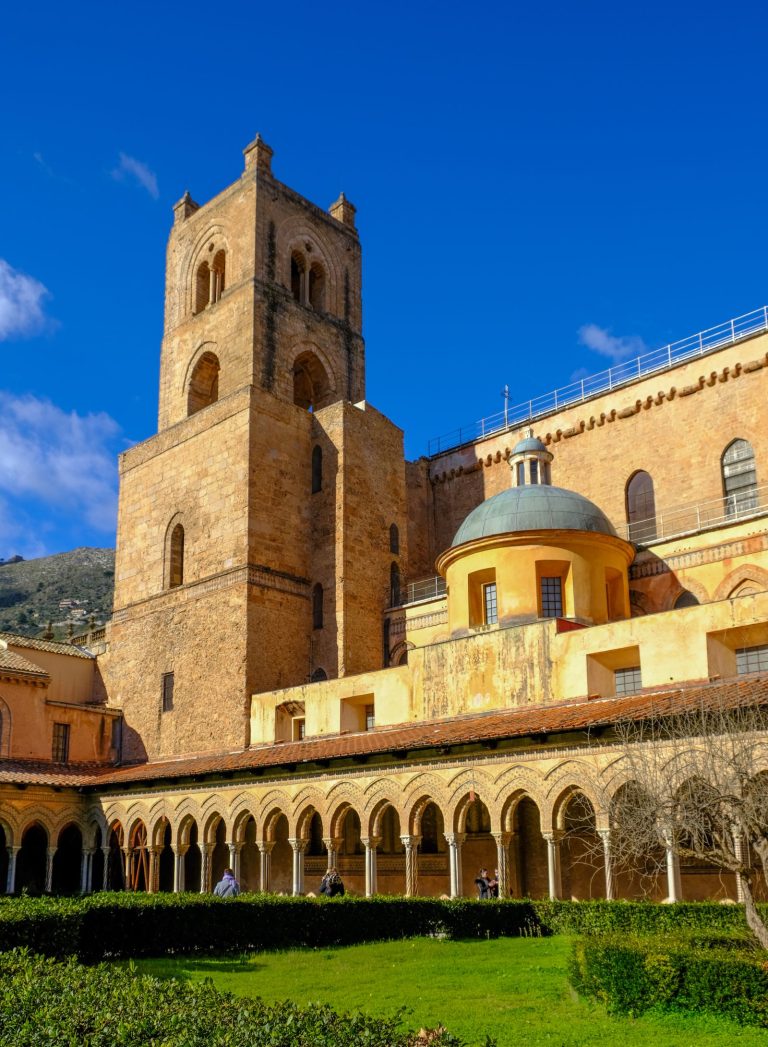
A cathedral covered in golden mosaics, and a cloister with over two hundred carved columns.
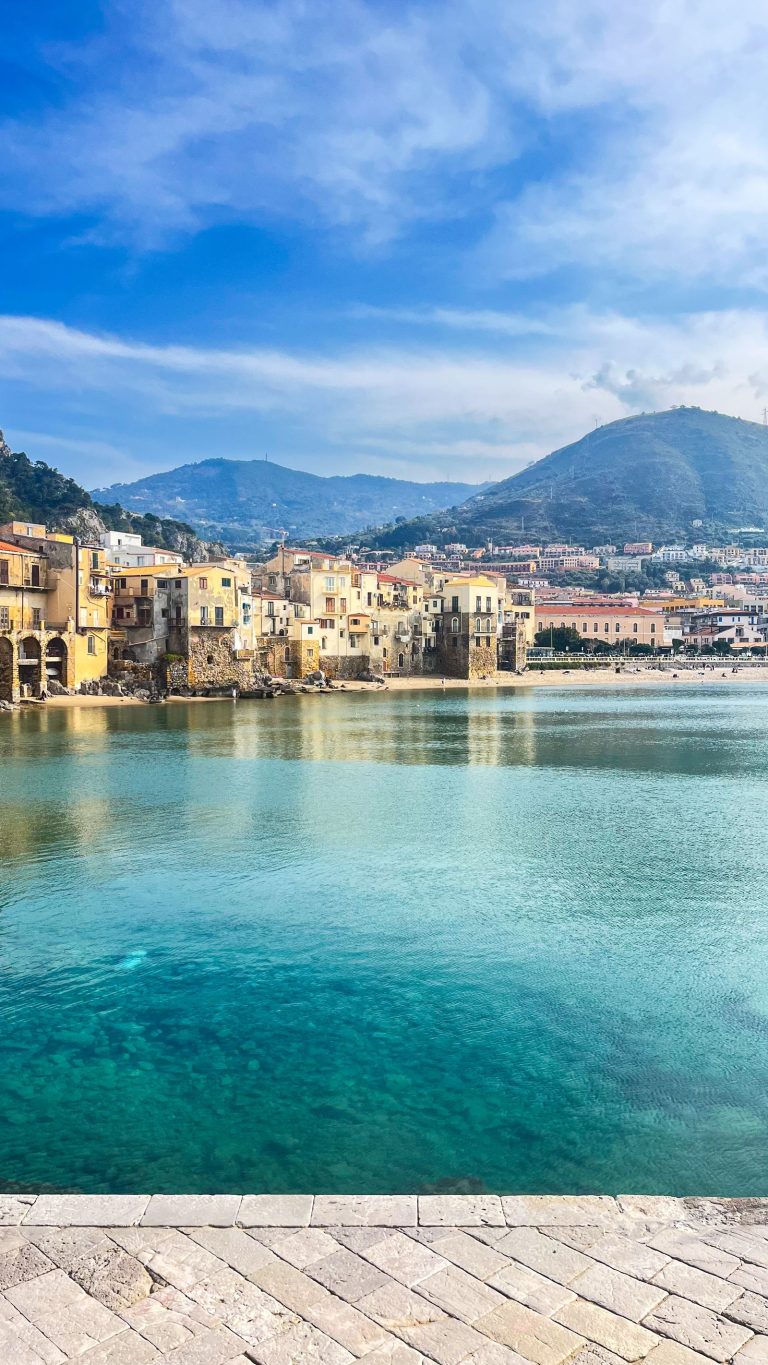
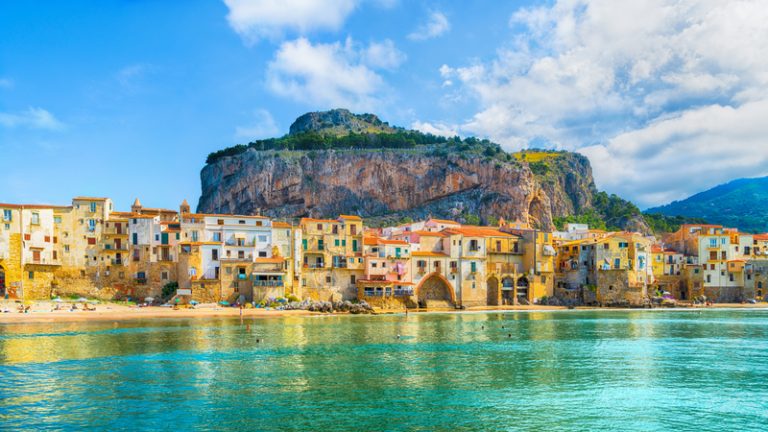
A seaside town under a rock, with a Norman cathedral and a sandy beach.
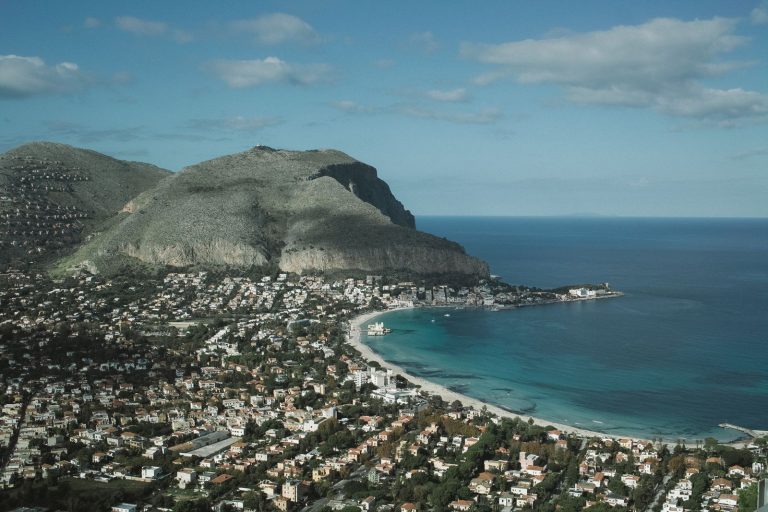
Palermo's beach, a long curve of white sand and clear water.
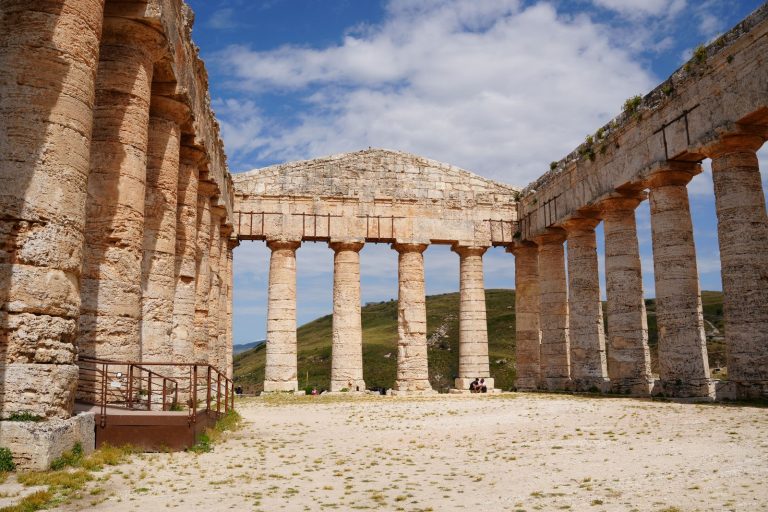
A Greek temple standing alone in the hills, and a medieval town on a mountain top.
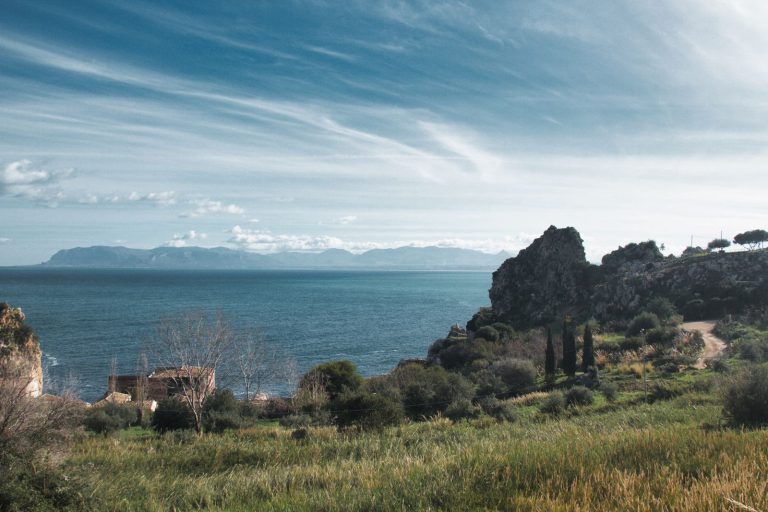
A coastal nature reserve with coves and no roads.
The festival of Santa Rosalia, the city's patron saint, is its biggest night of the year.
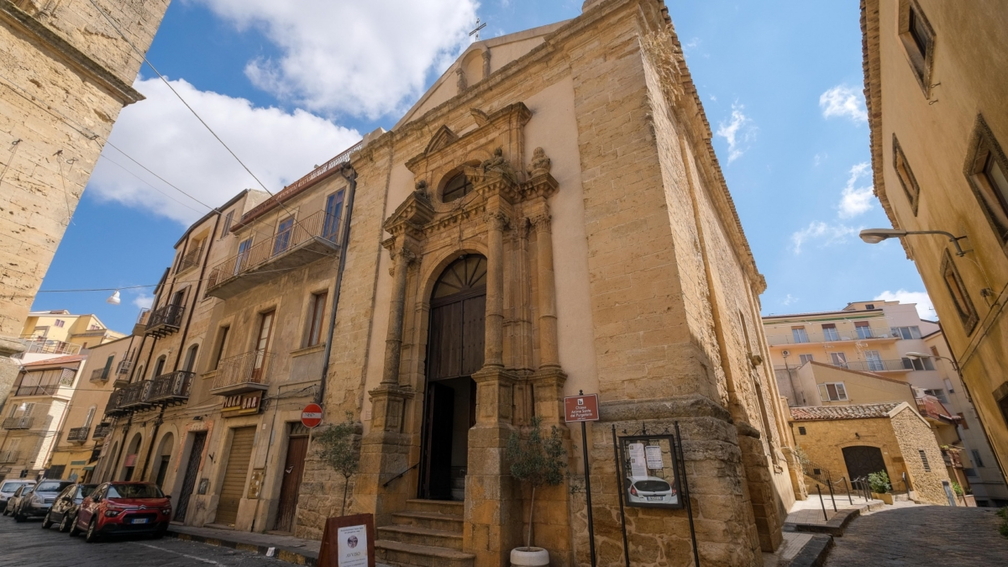 Staff pick
Le Vie dei Tesori in Palermo, Italy, is a celebrated cultural festival that opens the doors to more than 100 of the city’s hidden…
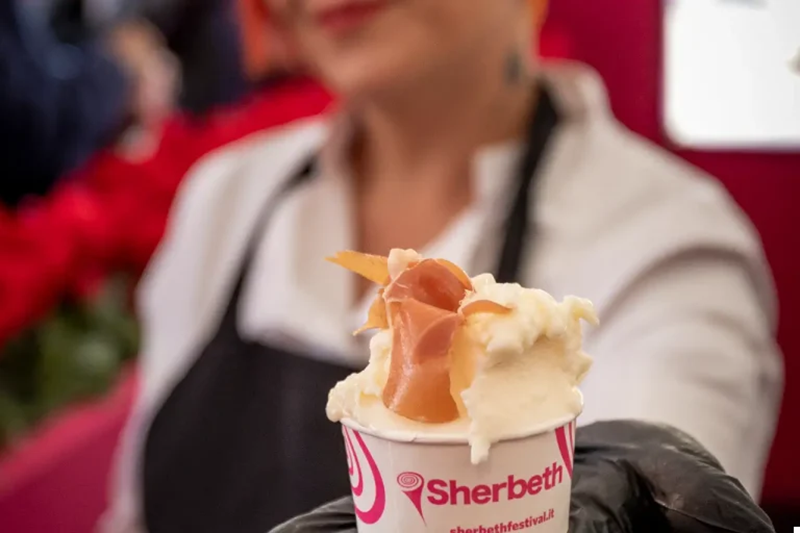 Staff pick
Sherbeth Festival in Palermo, Italy, brings together over 50 acclaimed gelato artisans from around the world to showcase their craft in the heart of…
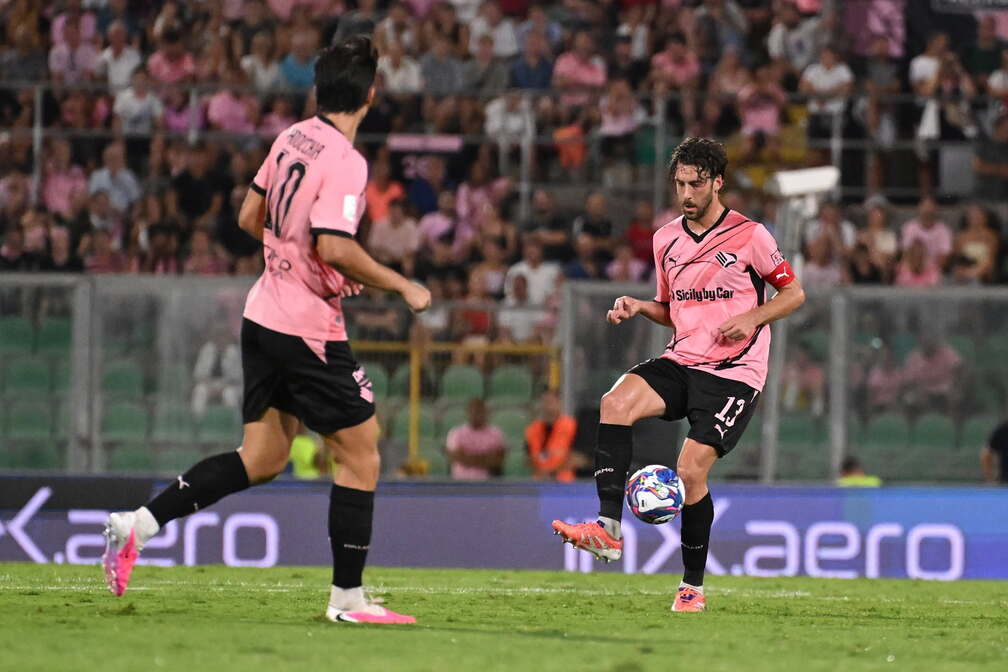
Palermo and Carrarese face off in Serie B, at the Renzo Barbera Stadium, a 36,365-seat venue that serves as a symbol of Palermitan football…
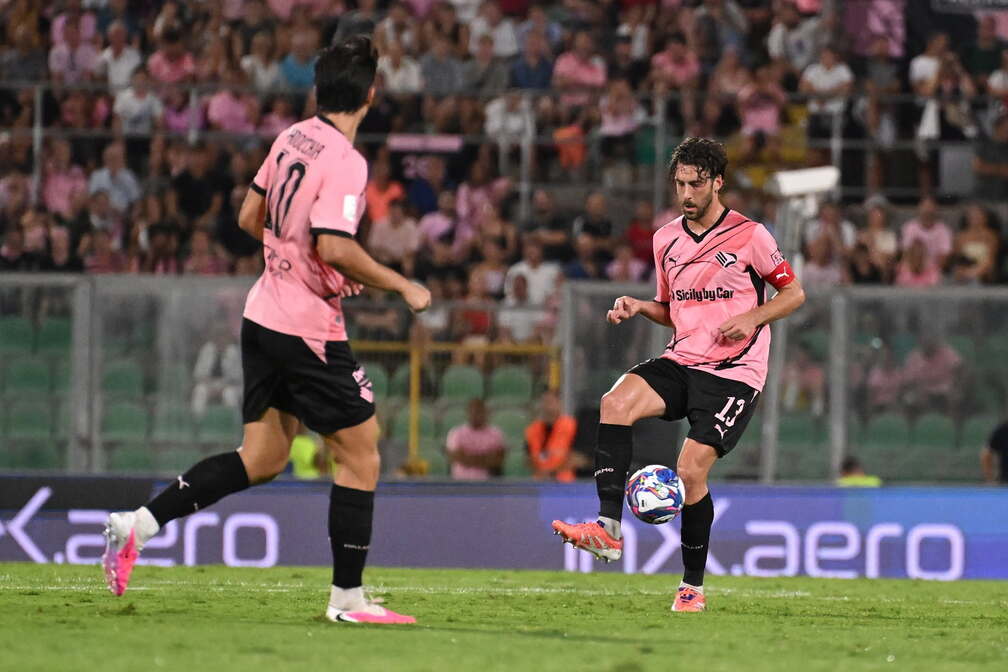
Palermo F.C. competes in Serie B, where they face newly promoted L.R. Vicenza, who earned their return to the second tier after four years…
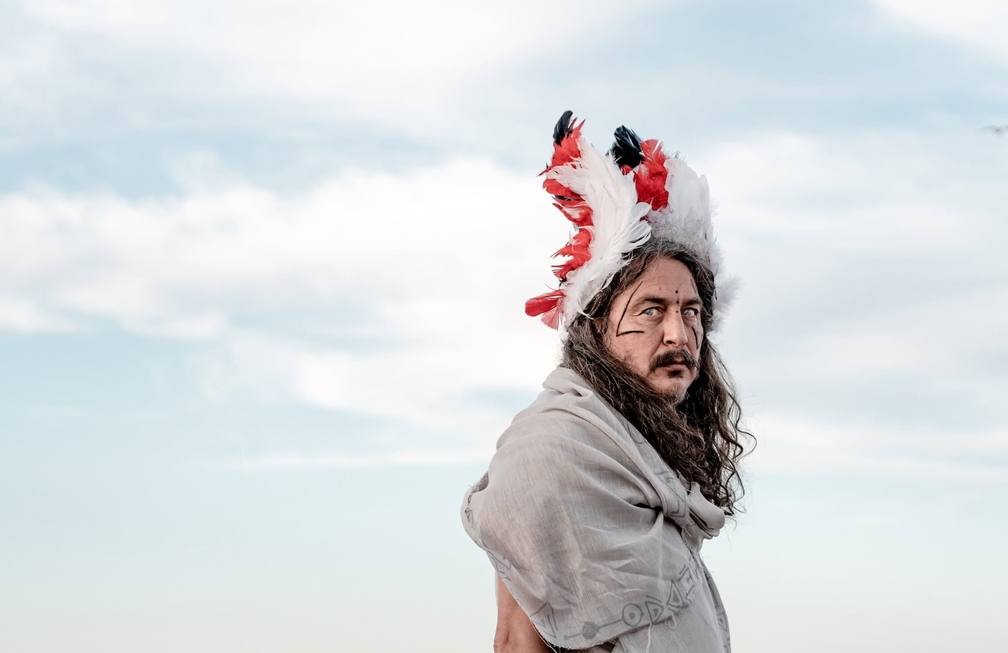
Born from Palermo's vibrant cultural scene, Mercury Festival launched in 2019 as a creative gathering rooted in SPAZIO FRANCO, a multidisciplinary space for artistic…
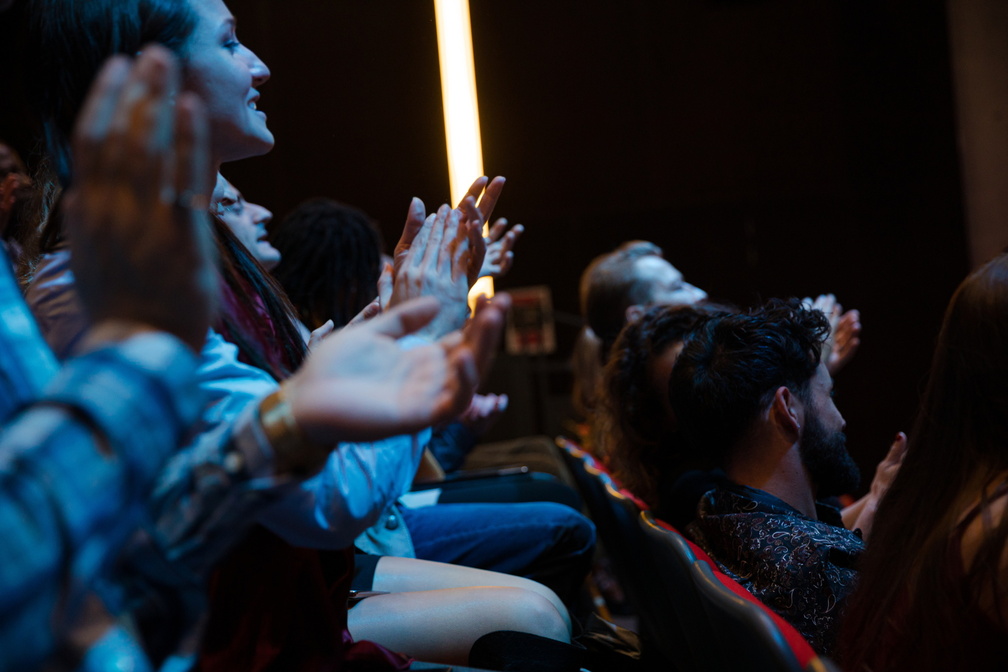
Tchaikovsky's beloved score comes to life in this staging of Sleeping Beauty, performed by the Ballet Company and Orchestra of Teatro Massimo under conductor…
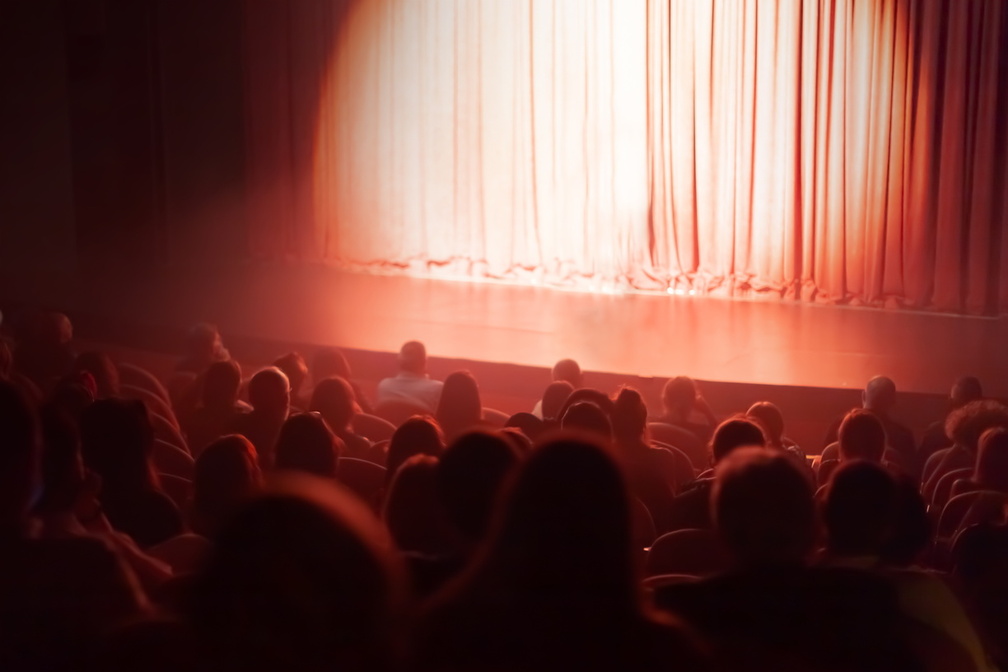
Gabriele Ferro, one of the Italian conductors most closely associated with Teatro Massimo, leads the orchestra in a program spanning three distinct voices of…
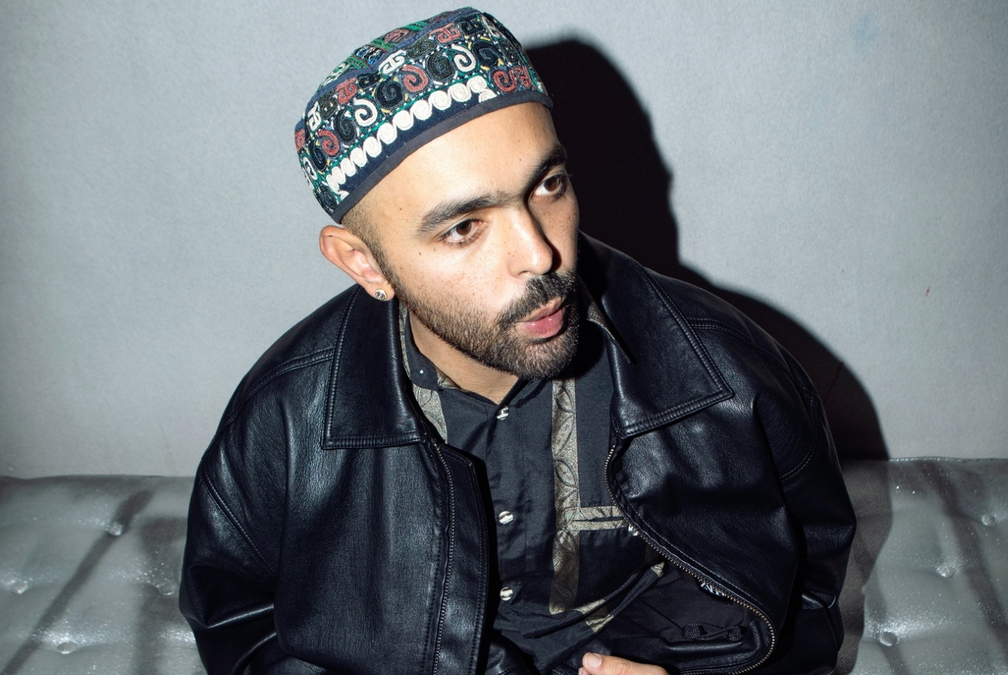
Terraforma Exo transforms the 8-hectare park of Villa Tasca into a gathering place for concerts and cultural activities set among citrus groves and centuries-old…
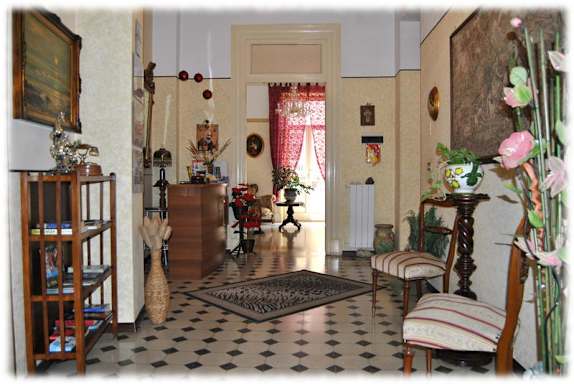
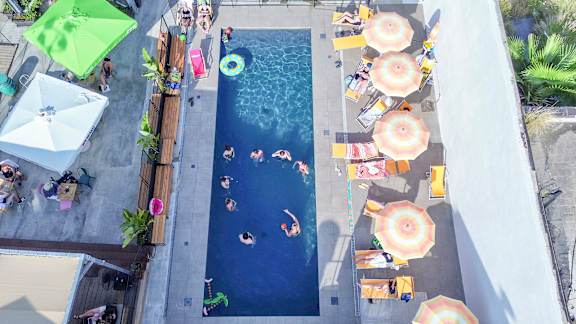
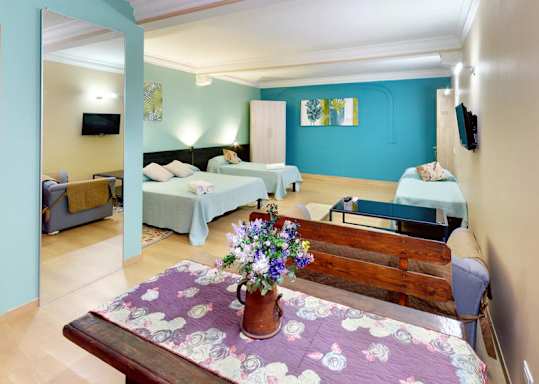
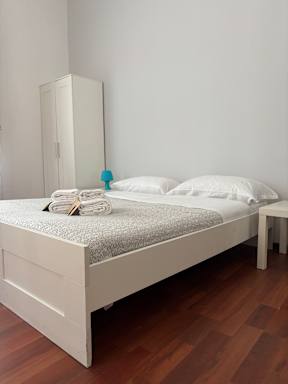
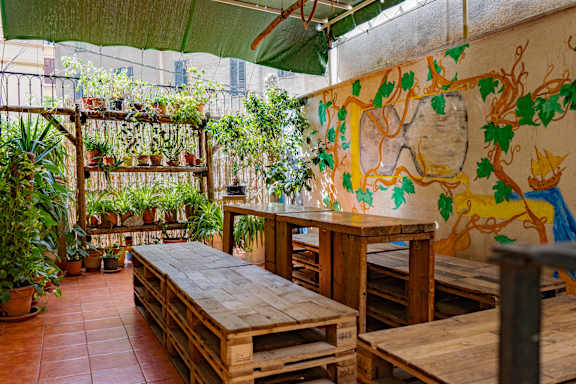
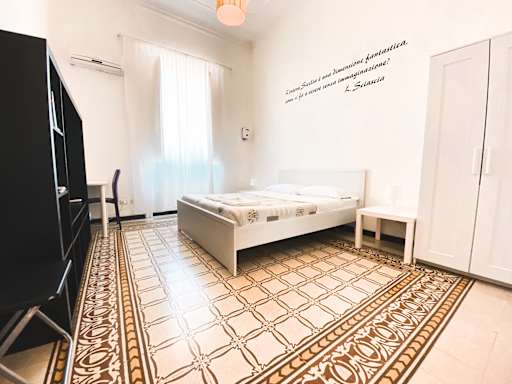
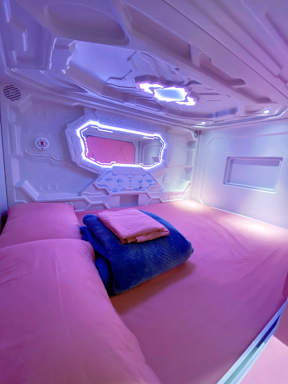
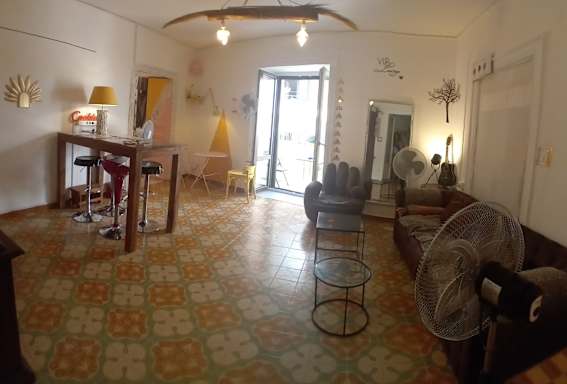
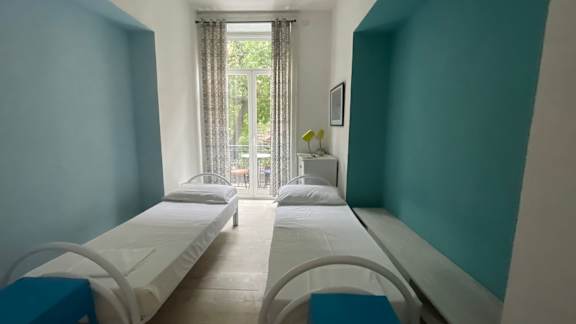
Palermo has good-value hostels in the historic centre, many near Via Maqueda and the Quattro Canti. These are the top-rated right now, live from Hostelworld.
April to June and September to October are ideal. July and August are very hot.
Average highs. The sirocco wind from Africa can push summer temperatures past 40°C.
Pick how you travel. Per person per night, in euros.
Transport assumes walking and city buses. The airport bus or train is about €6.50 to €7 each way.
The ones we get asked most.
Compare Palermo hostels — live prices, real reviews and free cancellation on most bookings. Then meet the people already there in the app.

 Get the App.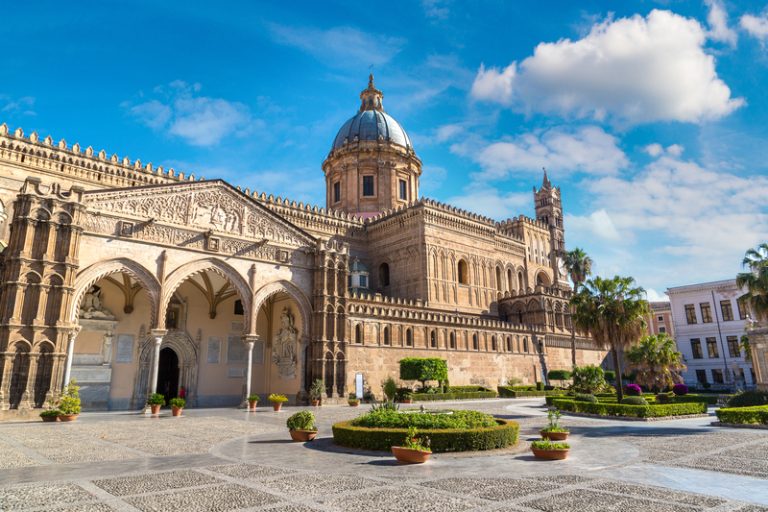
 Get the App.