Town centre
Convenient, food, jeeps to CocoraThe streets around the main square and Calle Real, with restaurants, bars and the jeep stop.

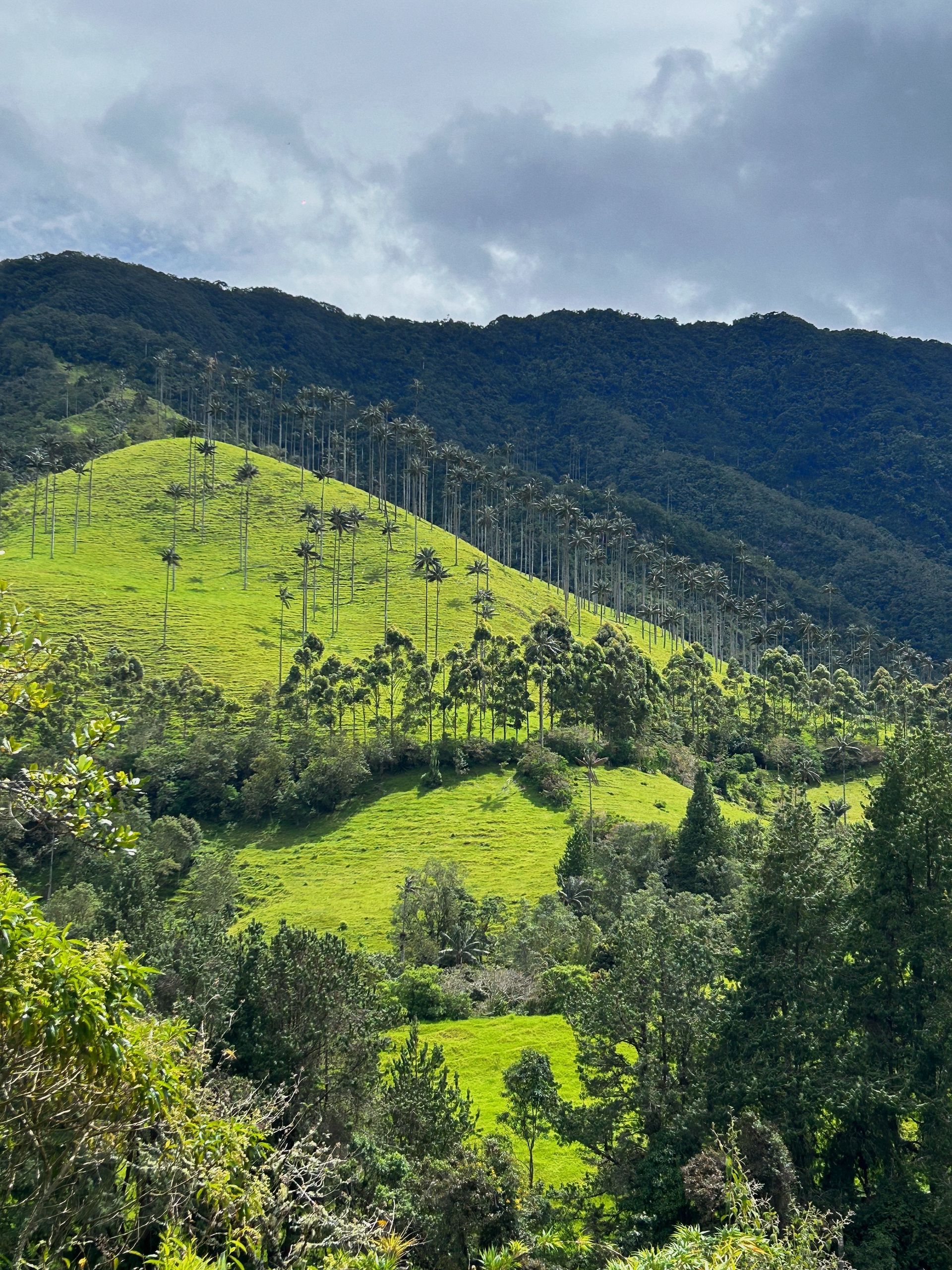
A colourful coffee town in the green hills of the Quindío, with the giant wax palms of the Cocora valley on its doorstep and coffee farms all around. The heart of Colombia's coffee region.
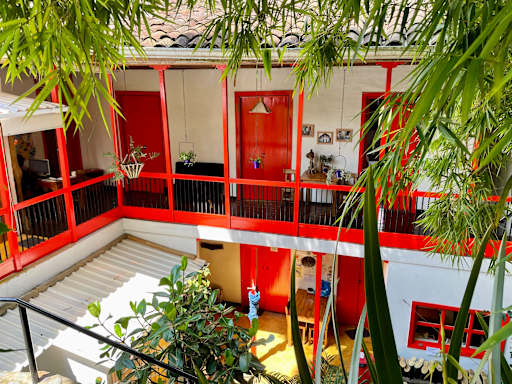
Salento is a small town at around 1,900 metres in the Quindío department, part of the Coffee Cultural Landscape that UNESCO lists as a World Heritage Site. Its streets of low houses with brightly painted doors and balconies lead to a main square and a viewpoint over the green valleys. It is one of the most loved stops on the Colombian backpacker trail.
The big draw is the Cocora valley, just outside town, where the wax palm, Colombia's national tree, grows up to around 60 metres tall above misty pastures. The loop walk through the valley and cloud forest is one of the best day hikes in the country. The other is coffee: small farms near town offer tours that take you from the plant to the cup.
Give Salento three days: one for Cocora, one for a coffee farm and the town, and one for Filandia or a ride out to the hot springs. The earthquake of 10 August 2026 damaged some houses in the historic centre, but the town reopened to visitors quickly and its businesses are open; check with your hostel for any local changes.
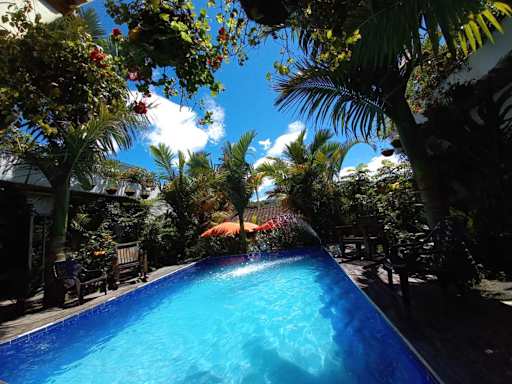
Stay in town, close to the square and the jeeps to Cocora, or in a farm hostel in the hills for views and quiet.
The streets around the main square and Calle Real, with restaurants, bars and the jeep stop.
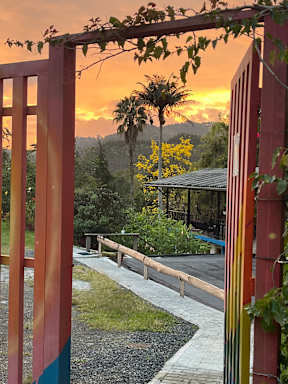
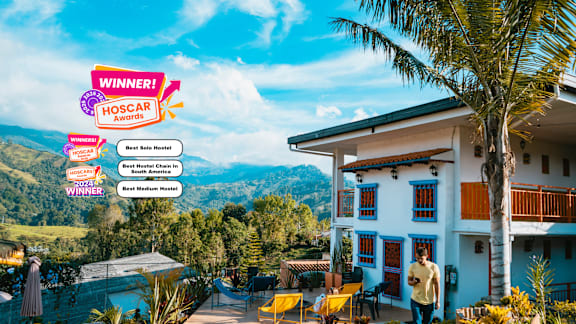
Hostels on the roads just outside town, with valley views and a short walk to the square.
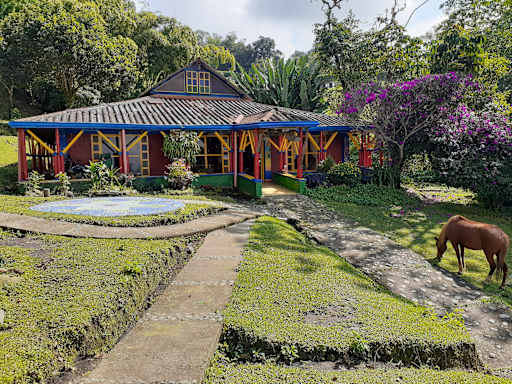
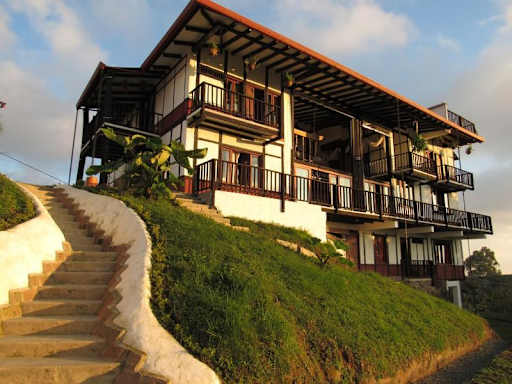
Hostels on working farms in the hills, often with coffee tours. A taxi or long walk from town.
Orange labels are neighbourhoods, dots are the 12 top-rated hostels. Map data from OpenStreetMap contributors.
The Cocora valley is the reason most people come. Willys jeeps leave from the main square for the 30-minute ride to the start of the trail. The full loop takes around five to six hours, through cloud forest, across wobbly bridges and up to the farm of Acaime, with its hummingbirds, before coming down through the tallest palms. Several private farms along the route charge small entry fees, so carry cash. Go early for the best light and fewer people.
Take a coffee farm tour. Several small farms within walking distance of town show you how coffee is grown, picked, processed and roasted, with a tasting at the end. It is one of the best ways to understand the region.
In town, climb the steps at the end of Calle Real to the viewpoint, browse the craft shops and try tejo, a Colombian game of throwing heavy metal pucks at targets packed with small explosives, usually played with beer.
Walking the colourful streets, the main square and Calle Real costs nothing, and the viewpoint above town gives great views of the valleys.
The walk into the Cocora valley along the road from the jeep stop is free to the first palms, though the full loop crosses private land with small fees. The countryside around town has quiet roads and paths through farmland.
The square comes alive in the evening and at weekends, with families, music and food stalls.
Trout is the local speciality, usually served with a giant crispy patacón, a flattened fried plantain, and often with garlic or a creamy sauce. Most restaurants on and around the square serve it.
Coffee is excellent, of course, with small cafés serving local beans. The square has stalls selling arepas, empanadas and sweets in the evening, and many hostels have kitchens.
A menú del día in a local restaurant costs a few euros.
Salento is quiet at night. A few bars around the square and on Calle Real have music, and tejo halls are the most fun night out.
Weekends are busier, with Colombian visitors and live music in some bars.
Most travellers have an early night before Cocora.
The town is small and walkable. Willys jeeps leave from the main square for Cocora throughout the day, and leave when full.
Buses run to Armenia, around an hour away, and to Pereira, around an hour and a half, with connections to Medellín, Bogotá and Cali. Both cities have airports; Pereira's Matecaña airport reopened for flights after the August 2026 earthquake.
Filandia, another coffee town, is reached by bus or jeep in around an hour.
Salento is good value. Dorm beds start around €8, with well-rated hostels more like €10 to €15. A trout lunch costs a few euros more than a menú del día.
The jeep to Cocora is cheap, and the farm entry fees on the trail are small. Coffee tours are good value.
Carry cash: there are ATMs in town, but card machines are not everywhere, and the Cocora farm fees are cash only.
Salento is very safe and relaxed. Take normal care with your belongings.
The weather changes quickly in the hills, with afternoon rain common. Bring a rain jacket and good shoes for Cocora, where the trail is muddy and the bridges are slippery.
The area was hit by a strong earthquake on 10 August 2026. The town reopened quickly, but some old houses were damaged; follow any local signs or closures. In an emergency, call 123.
More coffee towns, hot springs and high mountains.
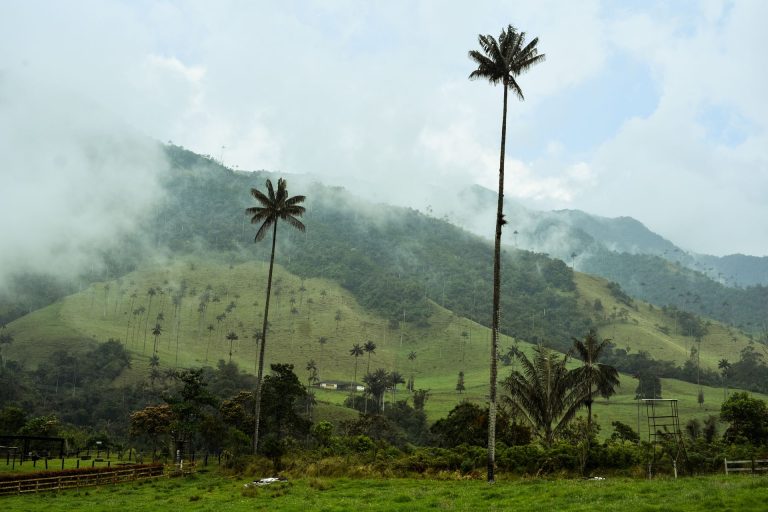
Wax palms, cloud forest and hummingbirds on a five-to-six-hour loop.
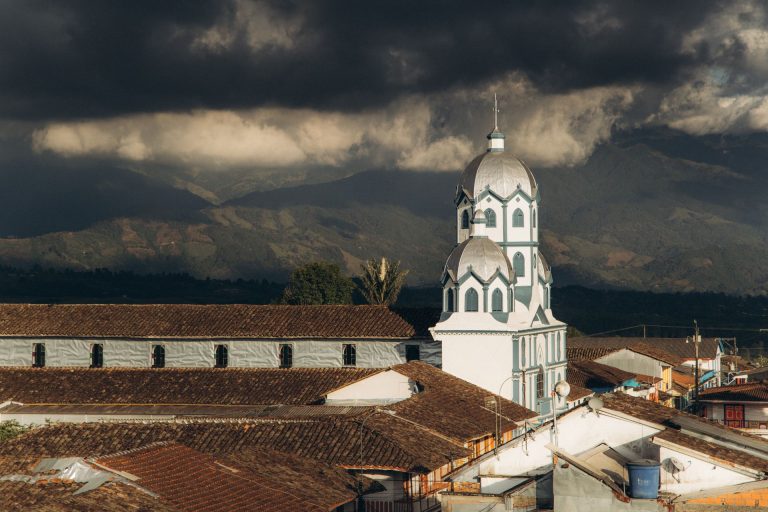
A quieter coffee town with colourful houses and a viewpoint tower.
Coffee harvests and small-town festivals.
The best time to see picking and processing on a farm tour.
The town fills with Colombian visitors. Book ahead.
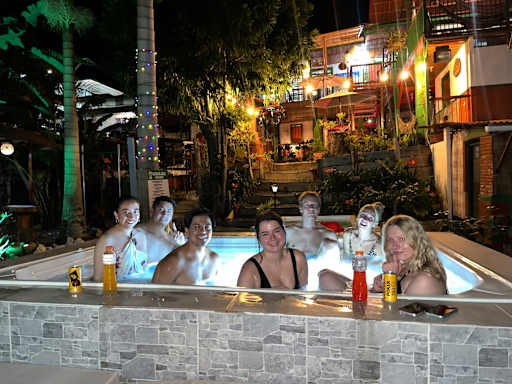
The highest-rated hostels in Salento, straight from Hostelworld. Prices and availability are live on each property page.
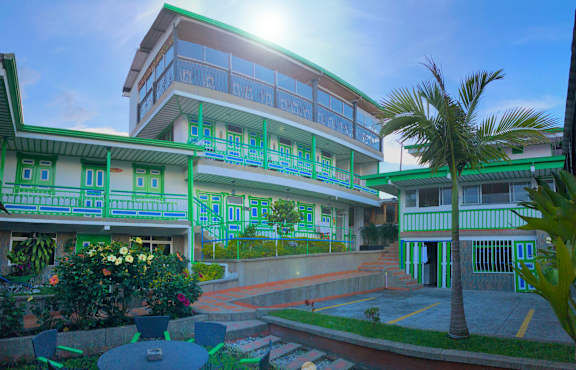
Salento is mild all year. December to March and July to August are drier, the best for Cocora. Afternoon rain is possible in any month.
Average highs, rounded. Mornings are clearest.
Per night, for one person, based on Salento prices.
Treat these as a guide. Hot springs and horse rides cost extra.
The ones we get asked most.

Compare hostels in Salento: live prices, real reviews and free cancellation on most bookings. Then meet the people already there in the app.

 Get the App.



 Get the App.