Asunción
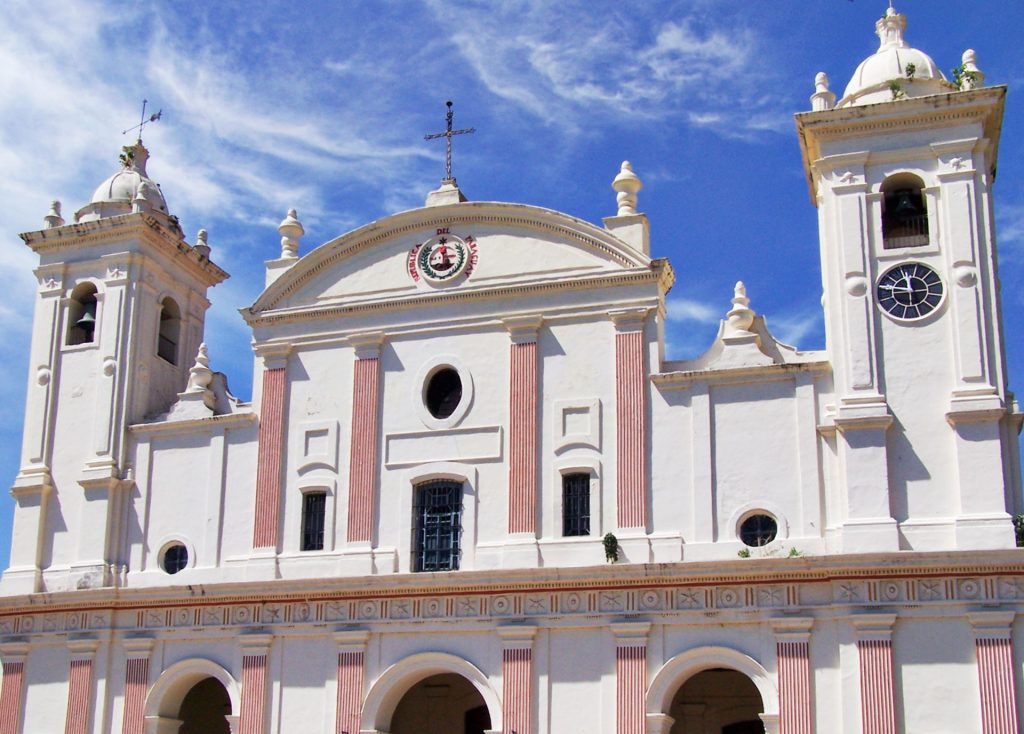
A faded riverside capital of colonial buildings, markets and very few visitors.
Loved this city… felt safe… fun street party on the sturdy night with great street food and live bands…
A traveller, on Hostelworld
The least visited country in South America, with Jesuit ruins, a language everyone actually speaks, and the emptiest wilderness on the continent. You will have it to yourself.
Paraguay receives fewer visitors than anywhere else in South America, and most of those are passing between Argentina and Brazil. That is the appeal and the drawback in one: there is no traveller infrastructure to speak of, no gringo trail, and almost nobody speaks English.
It is also the only country on the continent where an indigenous language is spoken by the majority — around ninety per cent use Guaraní, often alongside Spanish, and it is on road signs and in parliament.
The sights are quiet and genuinely good. The Jesuit missions at Trinidad and Jesús are UNESCO-listed ruins of a seventeenth-century experiment in indigenous self-government, and they receive a handful of visitors a day. Asunción is a faded riverside capital, and the Chaco in the west is one of the emptiest places in the Americas.
Four or five days covers what most travellers will want.
Buses cover the country cheaply. Nothing is more than six hours from Asunción.
A faded riverside capital of colonial buildings, markets and very few visitors.
Loved this city… felt safe… fun street party on the sturdy night with great street food and live bands…
A traveller, on Hostelworld
The border city by Iguaçu falls, and one of the largest duty-free markets in the world.
Paraguay is a history and wilderness stop, and a break from the crowds everywhere else.
Jesuit missions and a living indigenous language.
Cheap, and with nothing charging tourist prices.
The Chaco, which is genuinely remote.
Asunción for two days, at a very slow pace.
Corn, cheese and beef, and a cold drink everyone carries.
No coast, but Encarnación has a river beach.
The Jesuit missions are the reason to come. Trinidad and Jesús de Tavarangue, near Encarnación, are the ruins of communities where Jesuits and Guaraní built a semi-autonomous society in the seventeenth and eighteenth centuries before the order was expelled. They are UNESCO-listed, remarkably complete, and you may well be the only person there. Trinidad runs an evening light and sound show that is worth timing for.
Asunción is a city of faded grandeur rather than sights: the Panteón de los Héroes, the riverfront, Mercado 4 sprawling over several blocks, and a pace that stops entirely in the afternoon heat.
Encarnación has a river beach and a carnival in January and February that is the biggest in the country. The Chaco, west of the river, is 60 per cent of Paraguay's land with 2 per cent of its people, and it is for people who genuinely want emptiness.
Paraguayan food is corn, cheese, cassava and beef. Sopa paraguaya is not a soup — it is a dense cornbread with cheese, and the name is a national joke. Chipa, a cheese bread made with cassava flour, is sold from baskets everywhere and costs a few cents.
Asado is the weekend institution as across the region, and a set lunch in a city restaurant is €3 to €6.
Tereré is the thing you will notice first: cold mate with iced water and herbs, carried in a thermos and shared, drunk constantly through the heat of the day. Being offered it is normal and refusing is fine, though joining in is better.
Asunción has bars and clubs in the Villa Morra and Carmelitas areas, aimed at a local middle-class crowd rather than travellers, and it runs late as everywhere in the region.
There is no backpacker scene to speak of, because there are very few backpackers. What exists instead is neighbourhood bars, live music and a lot of sitting outside with a thermos.
Encarnación's carnival in January and February is the country's big annual party, with parades over several weekends. Beer is €1.50 to €3, and caña, the local sugarcane spirit, is cheaper still.
Buses do everything and they are very cheap: Asunción to Encarnación is about six hours, to Ciudad del Este five, both for under €15. Long-distance services are comfortable; local ones are not.
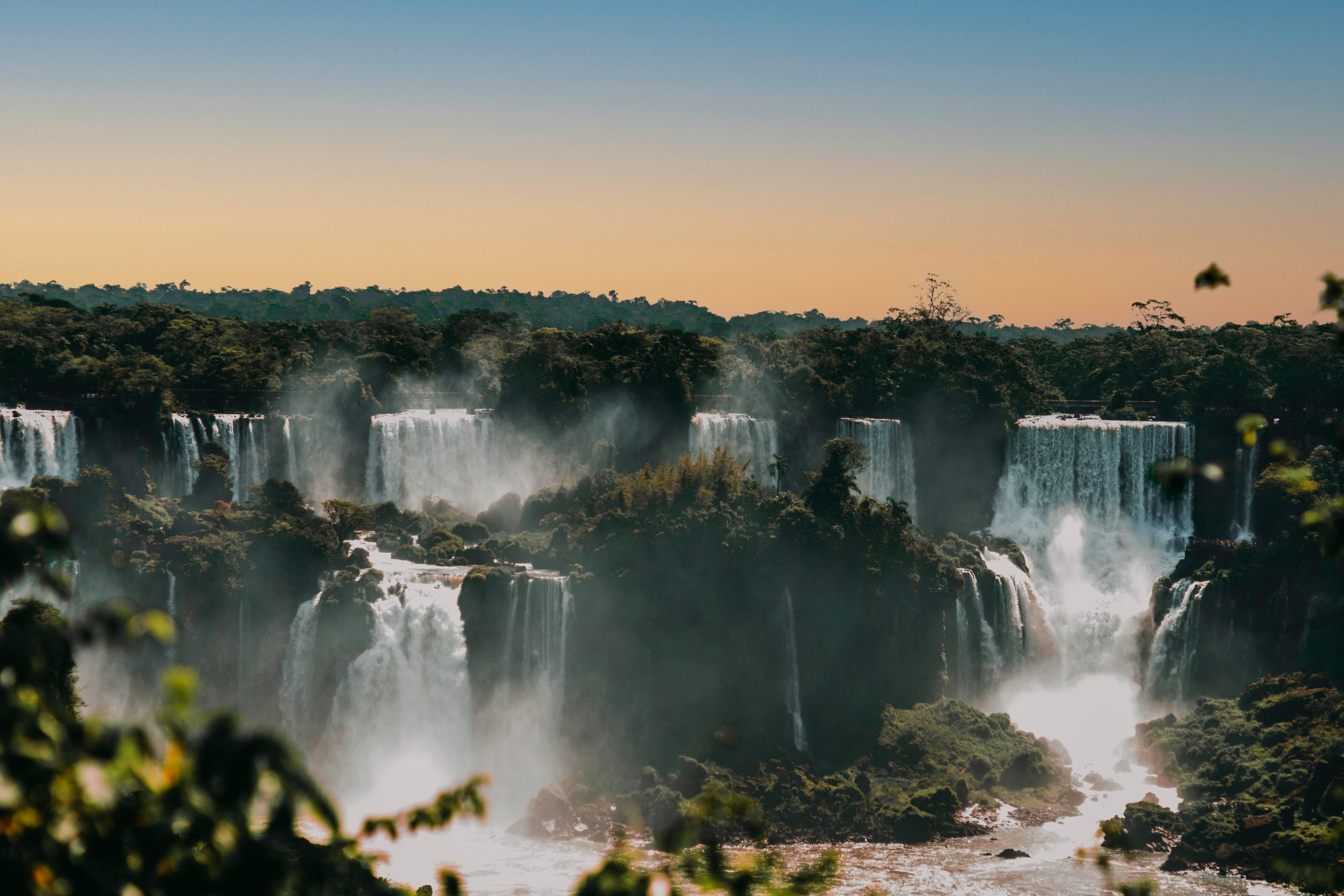
Ciudad del Este sits across the bridge from Foz do Iguaçu in Brazil, which makes Paraguay easy to slot into an Iguaçu visit — the falls are on the Brazilian and Argentine sides, and Paraguay is the third corner.
Asunción has buses and ride apps including Bolt and MUV. The Chaco requires a 4x4 or an organised trip, because the Trans-Chaco highway is the only real road and services beyond it are minimal.
Paraguay is among the cheapest countries on the continent, partly because nothing is priced for tourists. Dorms start around €10, a set lunch is €3 to €6, and a long bus journey is under €15.
A day is €20 to €35.
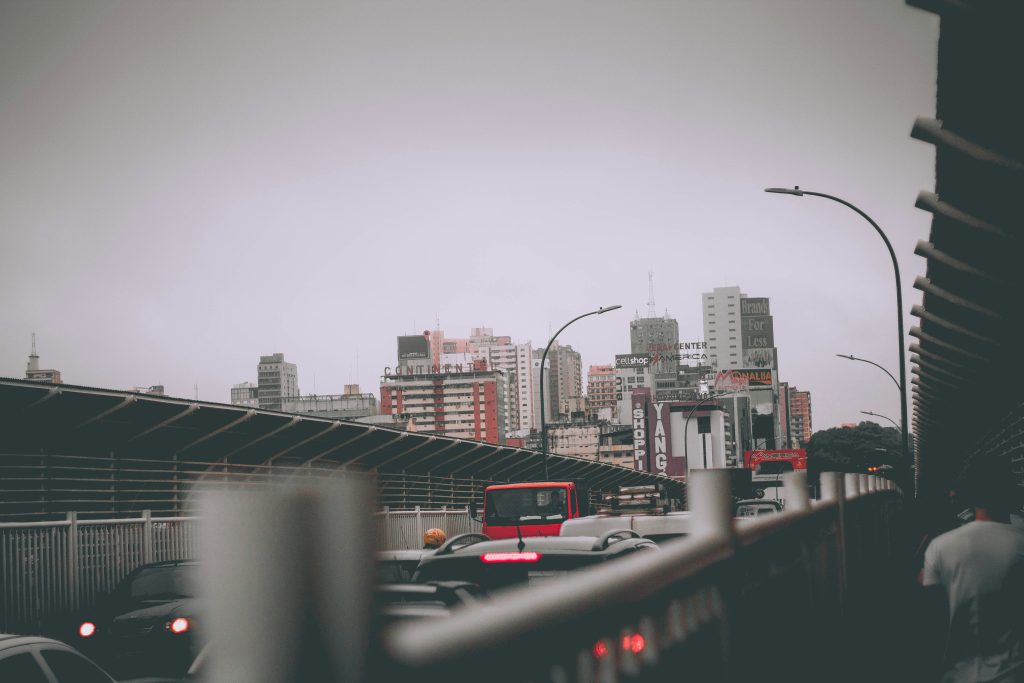
Ciudad del Este is the exception in a different way: it is a vast duty-free shopping city where Brazilians and Argentines come to buy electronics, and it is chaotic rather than expensive. Cash is widely used, ATMs work in cities, and the guaraní has a lot of zeros — prices in the millions are normal.
Asunción and the main travel routes are generally safe with ordinary city caution, and travellers report few problems — partly because there are so few travellers to target.
Ciudad del Este is the exception. It is a major contraband and smuggling hub with a significant informal economy, and while the shopping district functions normally in daylight, it is not a place to wander at night or flash valuables.
Government advice restricts parts of the northern departments of Concepción, San Pedro and Amambay, where an armed group operates. Those areas are well away from anywhere a visitor would normally go, but check current advice if your route heads north.
Heat is the everyday risk: summer regularly passes 40°C with high humidity, and the country largely stops in the afternoon for that reason.
Most European, UK, Canadian and Australian citizens enter visa-free for 90 days. US citizens have had a visa requirement that has changed more than once, so check the official position.
Passports need six months' validity.
Border crossings with Argentina and Brazil are straightforward and used constantly. Note that crossing the Friendship Bridge at Ciudad del Este into Brazil requires getting stamped on both sides — day-trippers frequently skip it and then have problems later, so do it properly even if nobody stops you.
May to September, when the heat is survivable. Summer in Asunción regularly passes 40°C with humidity to match.
Average highs for Asunción, which is subtropical and genuinely punishing in summer. The Chaco in the west is hotter and drier still, regularly among the hottest places in South America.
Pick how you travel and how long for. Per night, for one person, in euro equivalents of guaraníes.
Almost nothing here is priced for tourists, which is why the figures are low across the board.
Encarnación's carnival is the one event that draws visitors from outside the country.
Parades over several weekends, and the biggest event in the Paraguayan year.
Holy Week, when families make chipa together and the country closes.
A sound and light presentation among the Jesuit ruins after dark.
Two days of parades and celebration in the capital.
Hundreds of thousands walk to the basilica. The largest pilgrimage in the country.
The comfortable months, and the right time for the missions and the Chaco.
The hostels in the country, live from Hostelworld. There are few, concentrated in Asunción, so book ahead rather than assuming.
The ones we get asked most.
Compare hostels across Paraguay — live prices, real reviews and free cancellation on most bookings. Then meet the people already there in the app.