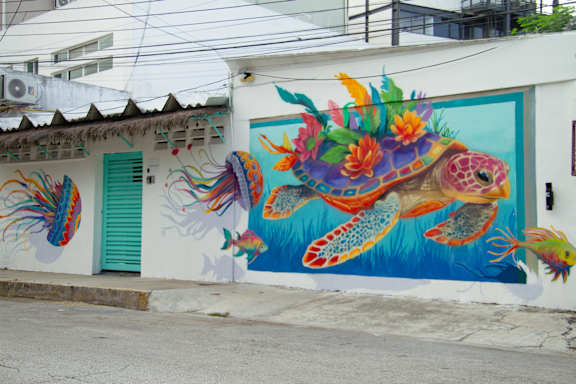
Mexico City
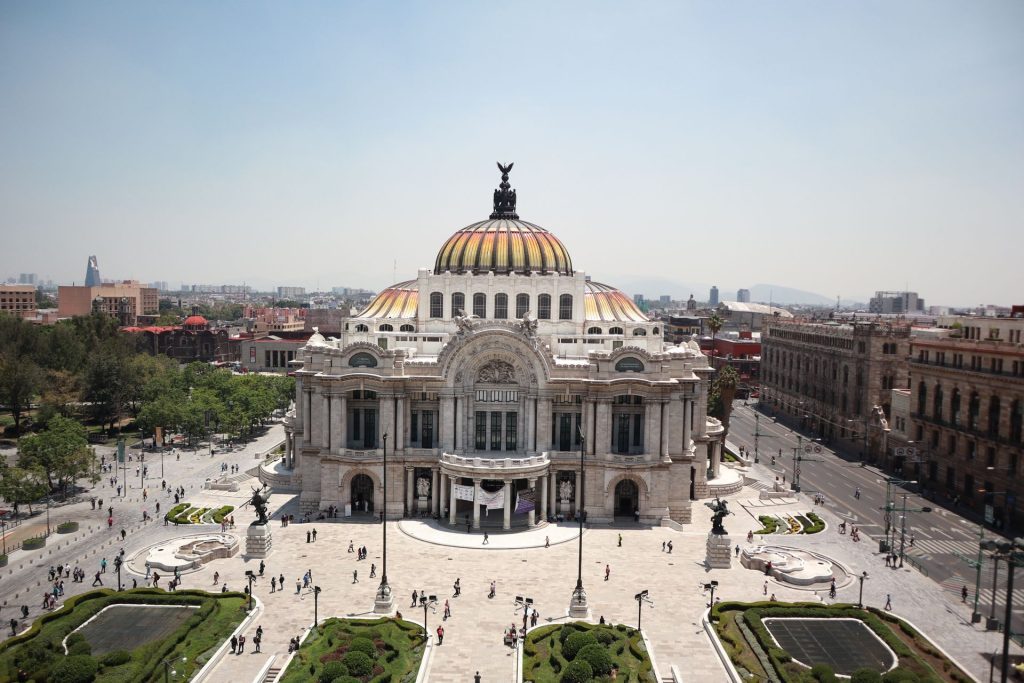
One of the great world cities: museums, markets, street food and Teotihuacán an hour out.
Mexico City has so much to see and do in and around the city!
A traveller, on Hostelworld

Pyramids, cenotes, two coastlines and the best food on the continent. Big enough that most people see a quarter of it and swear they will come back for the rest.
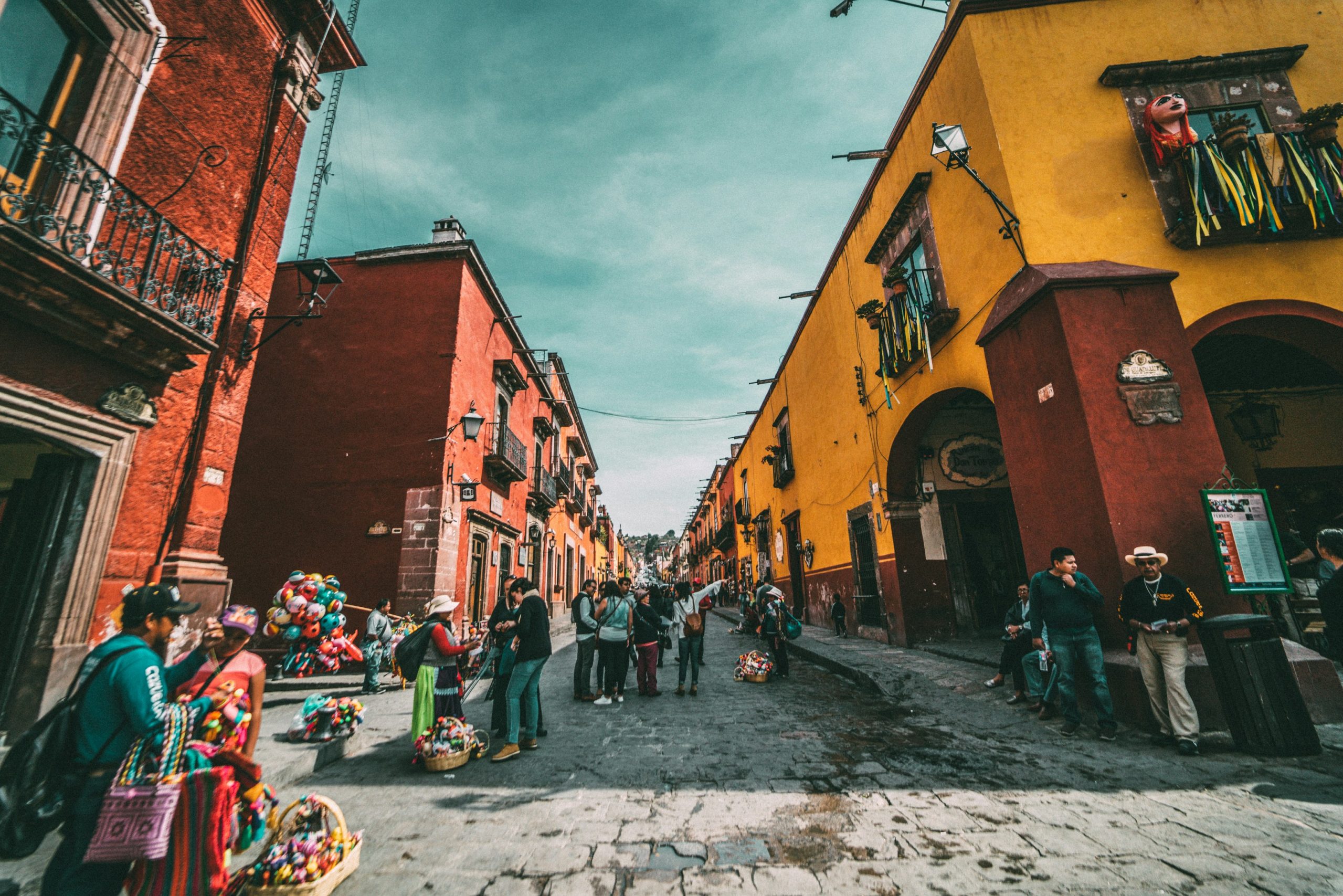
Mexico is the size of western Europe and the regions barely resemble each other. The Yucatán has Maya ruins, cenotes and Caribbean beaches. Oaxaca has the food and the crafts. Mexico City is one of the great cities on earth. The Pacific coast has surf towns strung down it. Chiapas has jungle and highland villages. Baja is desert meeting sea.
Most first trips take the Yucatán loop (Cancún, Tulum, Valladolid, Mérida) or the southern route through Mexico City, Oaxaca and San Cristóbal. Both work in two to three weeks.
Mexico City deserves more time than people give it: 300 neighbourhoods, museums by the dozen, Teotihuacán an hour away, and street food that makes a compelling case for staying longer.
A month covers a good chunk. Nobody covers it all.
ADO buses are excellent and cover the country. Domestic flights are cheap on the long legs.
One of the great world cities: museums, markets, street food and Teotihuacán an hour out.
Mexico City has so much to see and do in and around the city!
A traveller, on Hostelworld
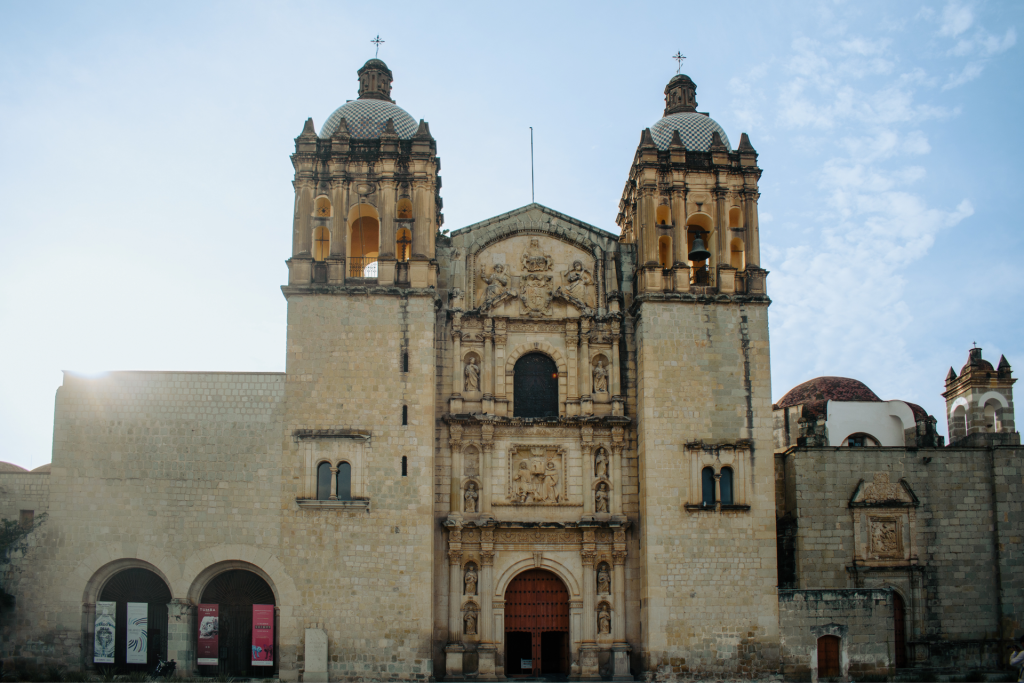
The food and craft capital: mezcal, mole, markets and Monte Albán above the valley.
Oaxaca is an amazing ancient city filled with history, culture, and prehispanic Zapotec originated foods.
A traveller, on Hostelworld
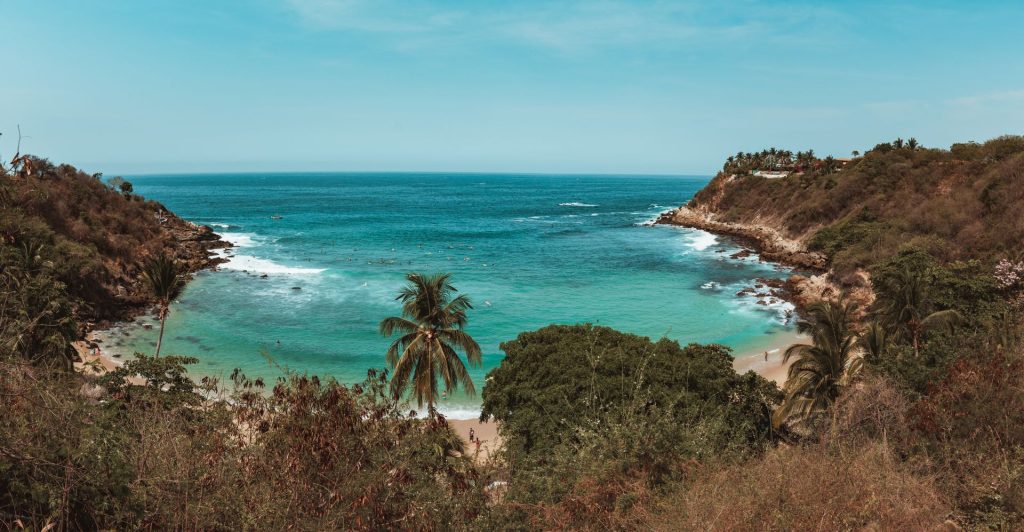
Pacific surf town with serious waves, a backpacker scene and long sunsets.
I love everything about PE there are many different beaches to visit and the water is warm and clear, the best in Mexico.
A traveller, on Hostelworld
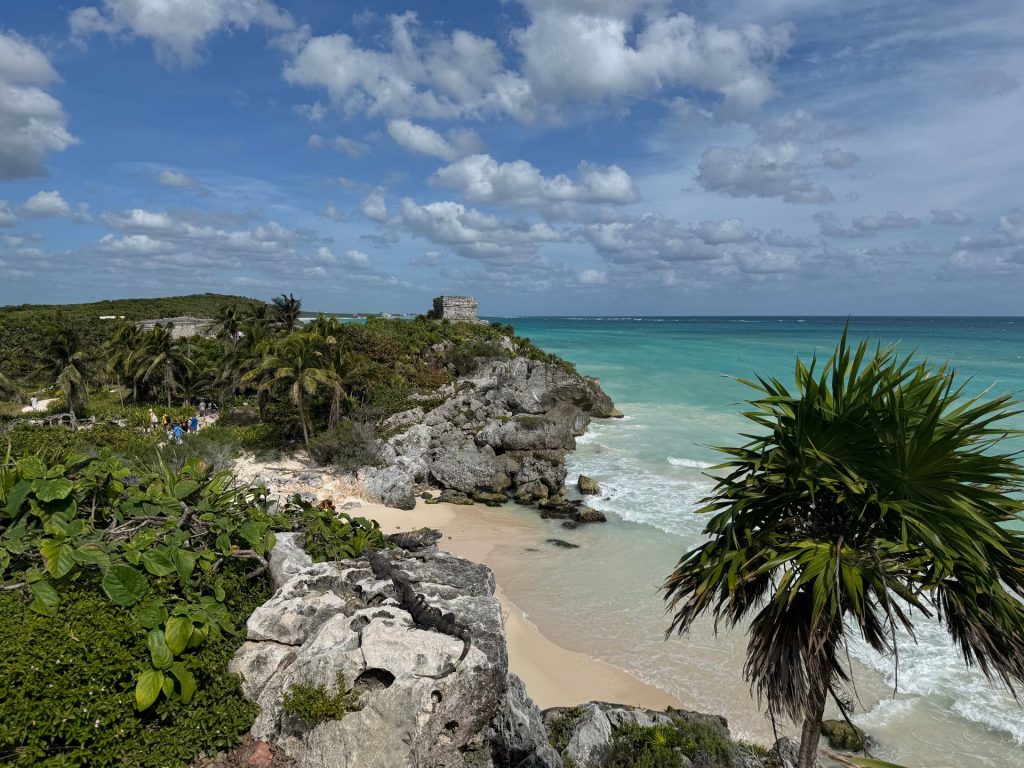
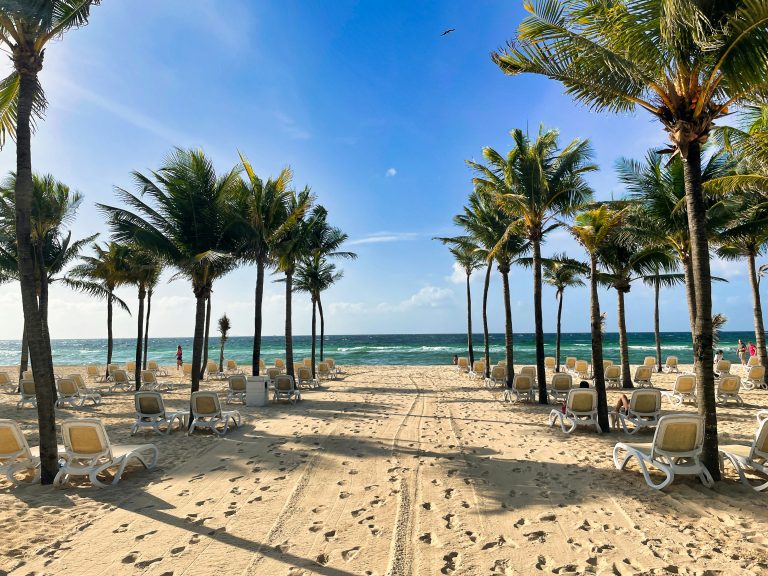
Caribbean beaches, a cliffside Maya ruin and cenotes inland. Busy and pricier than it looks.
Incredible place, I love it so so much
A traveller, on Hostelworld
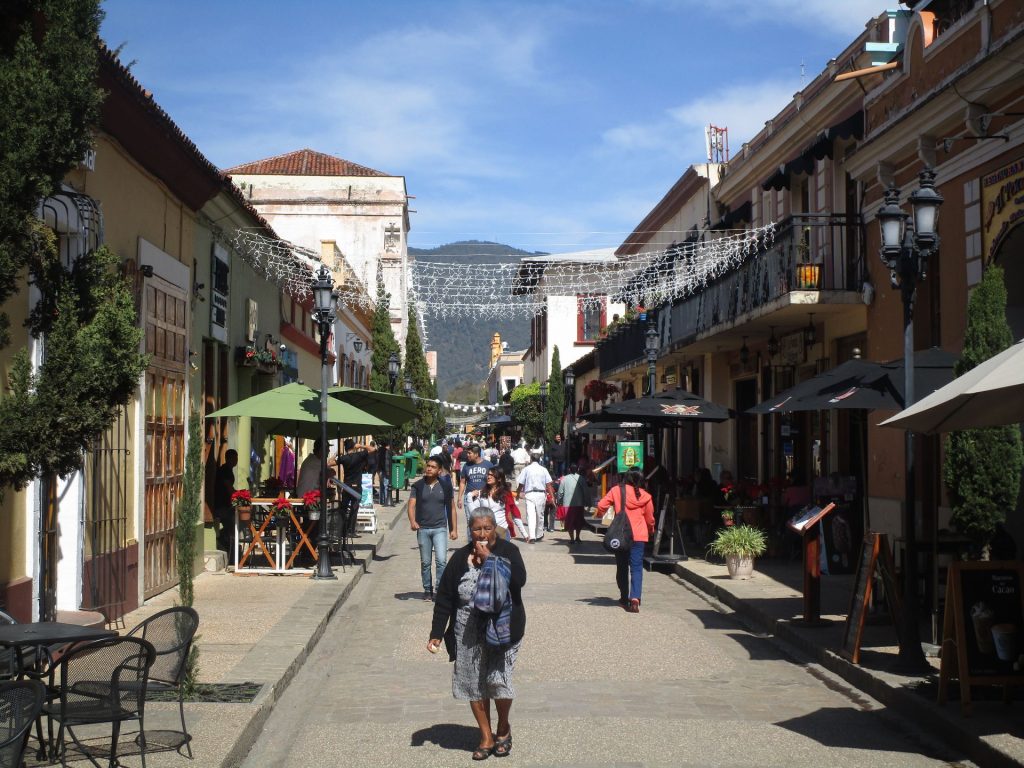
Highland Chiapas: cool air, indigenous markets and jungle trips south.
After bouncing around Mexico for months and months if not years, I finally landed softly here in san cristobal. The vibe is tranquil, easy going, relaxed and probably most importantly cheaper than GDL and CDMX. Honestly, I can't be asked to go anywhere else. I actually have four seasons here and not only the locals but also the foreigners are warm and friendly, and that makes all the difference!
A traveller, on Hostelworld
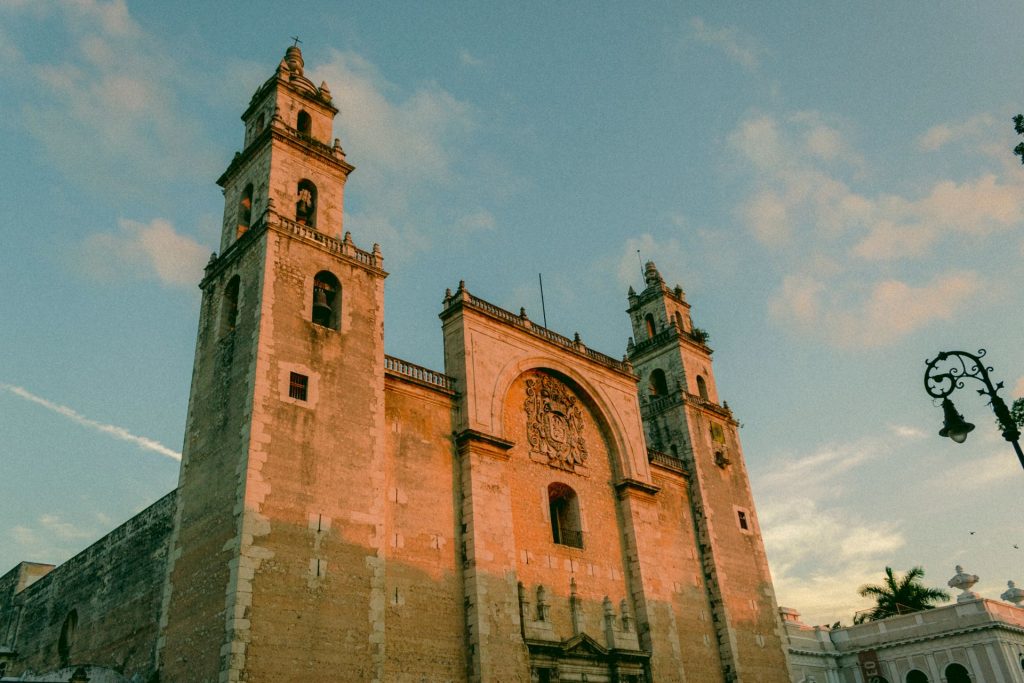
Colonial Yucatán, safe and walkable, with cenotes and ruins in every direction.
Felt totally safe and the city buses are nice, clean and efficient.
A traveller, on Hostelworld
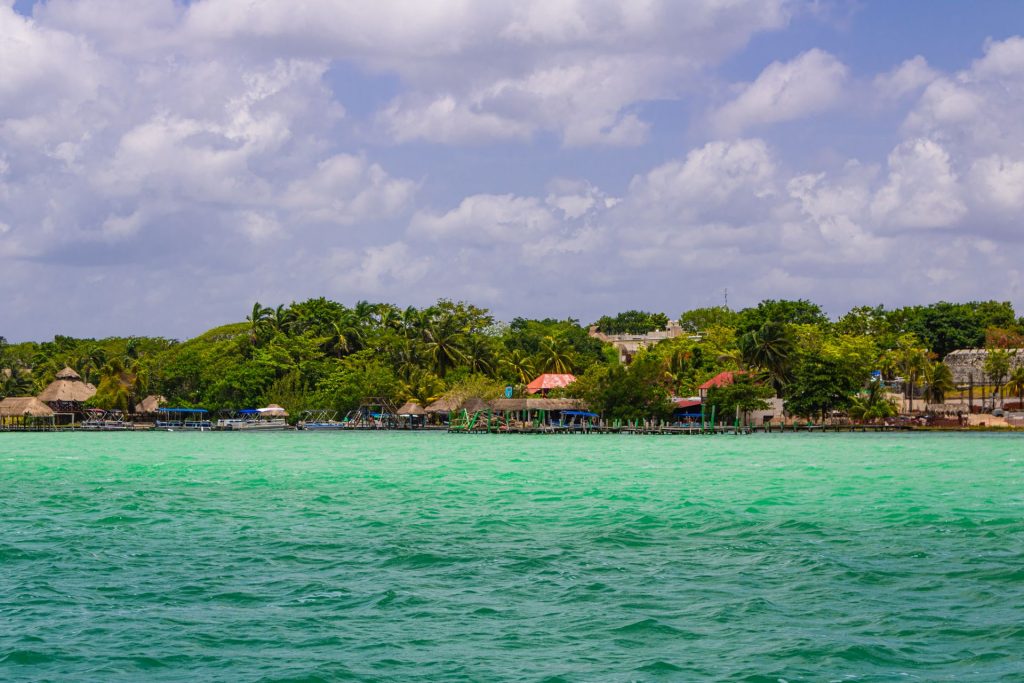
The Lagoon of Seven Colours: sunrise kayaking, cenotes and a slow pace south of Tulum.
Enjoyed my time in Bacalar very much! It was the perfect way to chill and relax, and swim. The local people are very friendly and accommodating.
A traveller, on Hostelworld
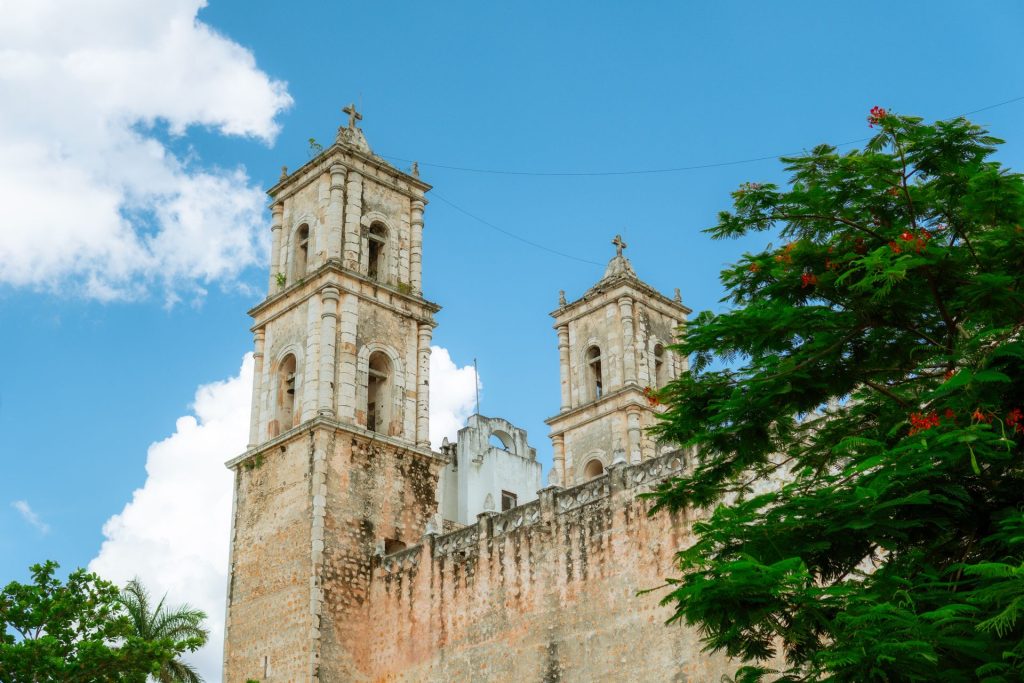
Colonial Yucatán town with a cenote in the centre and the earliest start at Chichén Itzá.
I love Valladolid! I like it better than Merida. Better food, more interesting little shops and eateries. Faster and easier to get out of the city to go on excursions.
A traveller, on Hostelworld
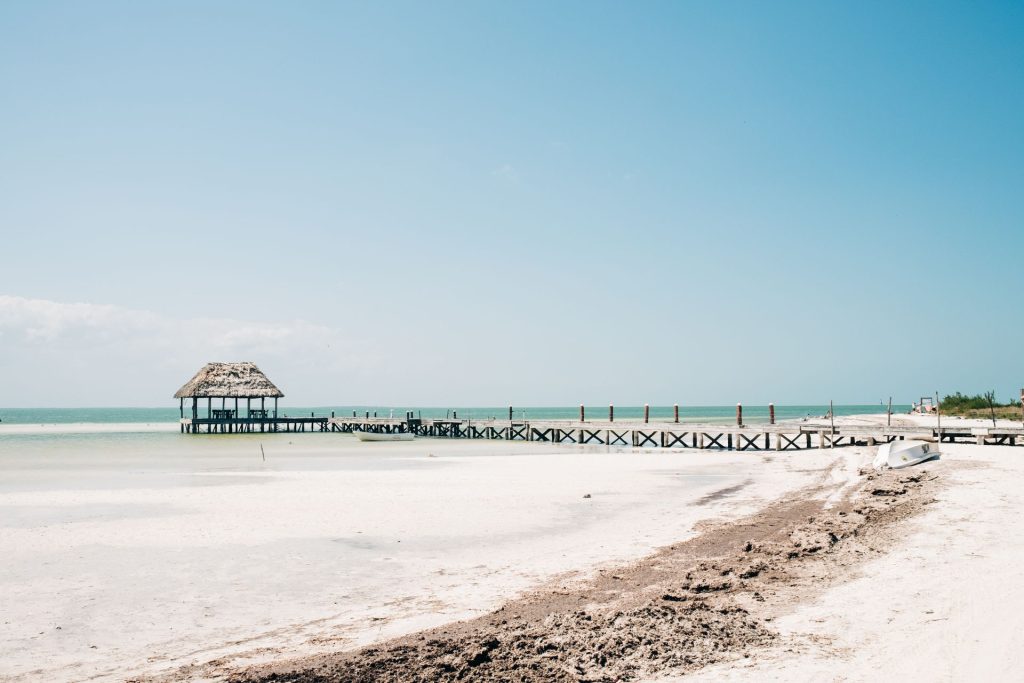
Car-free island of sand streets, flamingos, glowing plankton and whale sharks in summer.
Holbox is a great destination for a few days to free your mind, relax and enjoy a beautiful beach. They have cute shops and amazing cafes to cool down.
A traveller, on Hostelworld
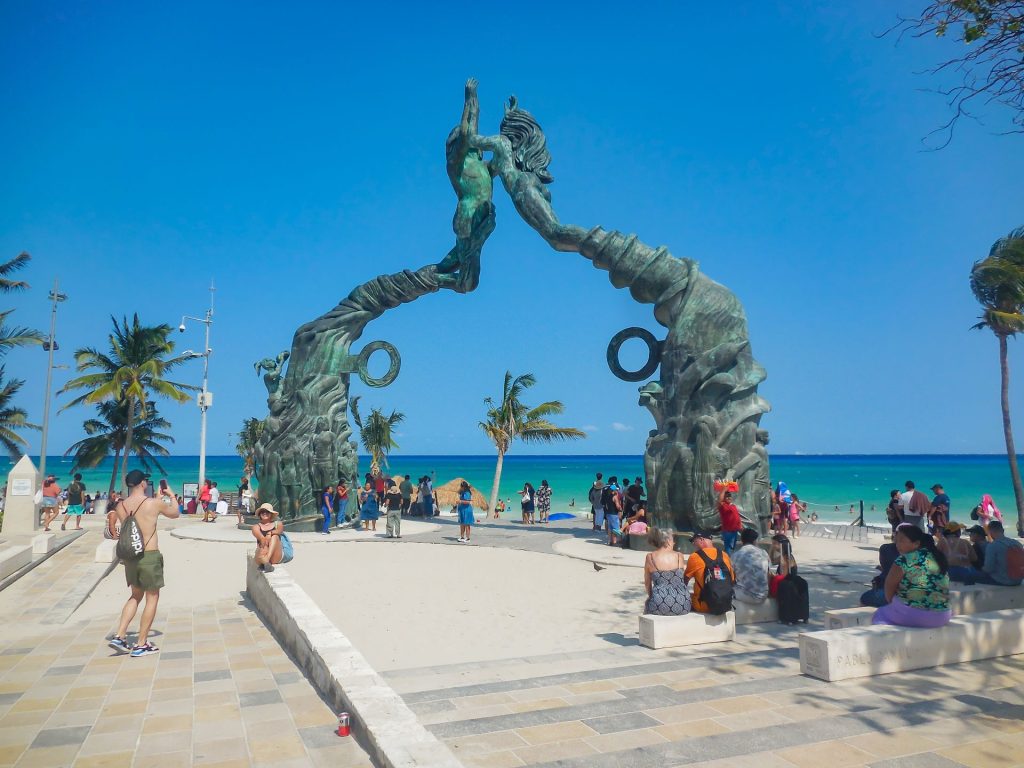
The Riviera Maya's busy beach town, with Quinta Avenida, nightlife and the ferry to Cozumel.
We took a cooking class with Alma and learned all about the history of Playa. A true cultural mixing pot of people and food. Check out the food market for some amazing street food!
A traveller, on Hostelworld
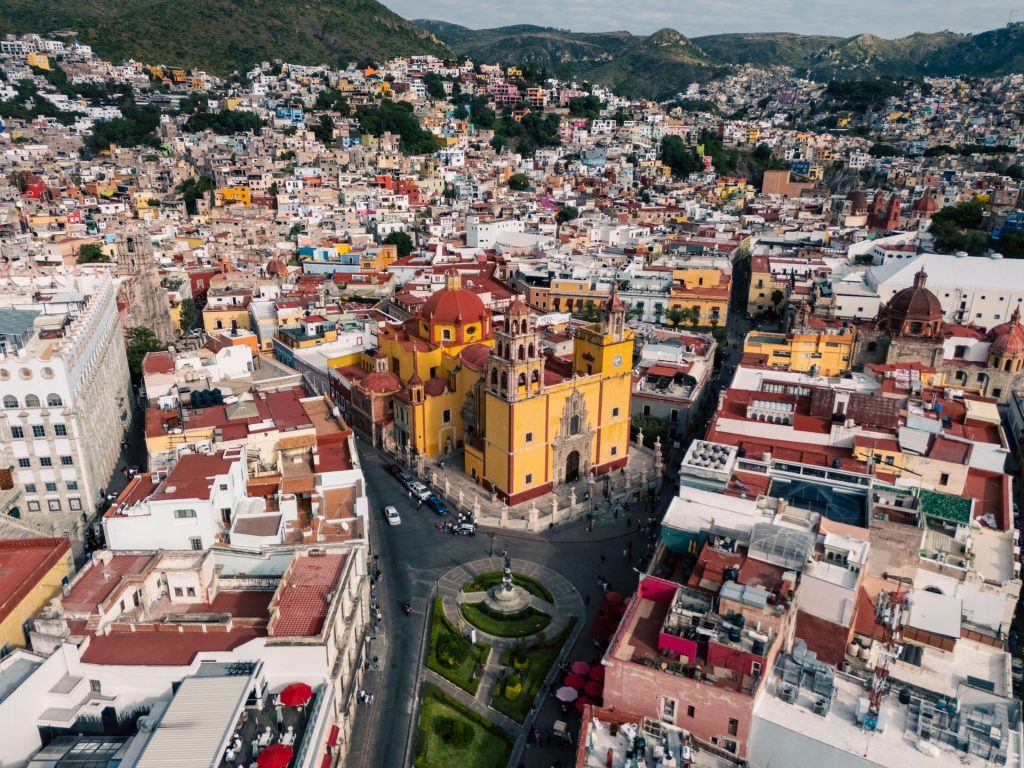
Colourful silver-mining city in a ravine, with tunnels, alleys and student serenades.
Beautiful city worth visiting between Guadalajara and Mexico city, lovely sightseeing by day and festival mariachi dancing by night.
A traveller, on Hostelworld
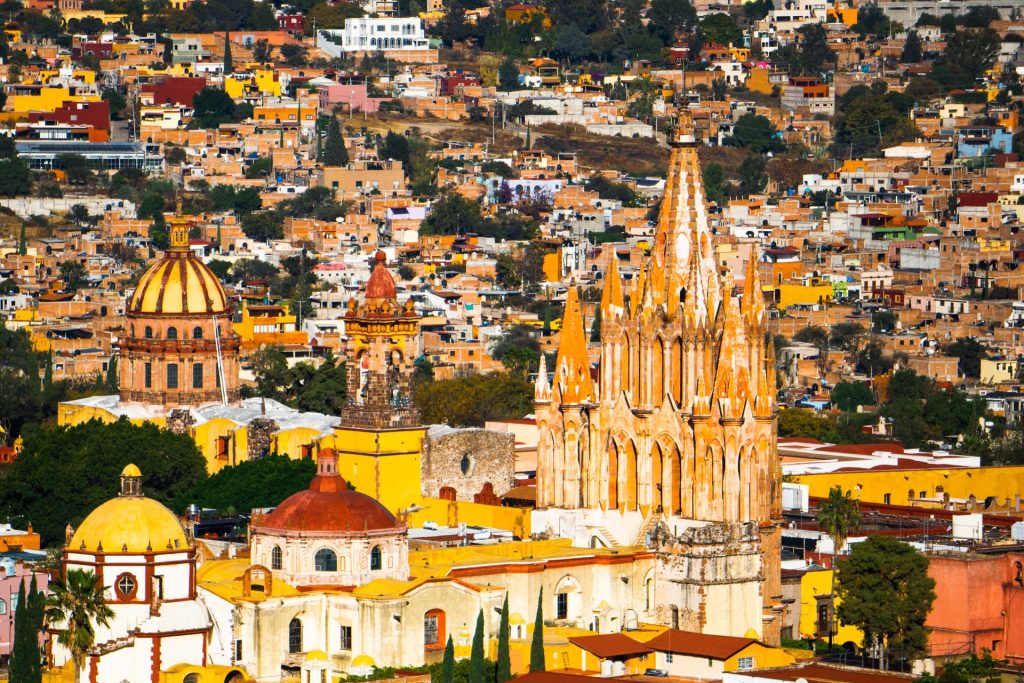
Pink spires, cobbled streets, rooftop bars and hot springs in the central highlands.
SMA is a great little town with a lot of interesting history behind it as the "heart of Mexico." Taxis and buses are plentiful, but you can definitely walk the full layout of the town as long as you are okay with inclines and cobblestones. Great food offerings all around, and though it is still a tourist destination, it is not so much "in your face touristy" so you still can experience the everyday life of SMA. La Gruta, El Charco del Ingenio, and the museums are good ways to pass time.
A traveller, on Hostelworld
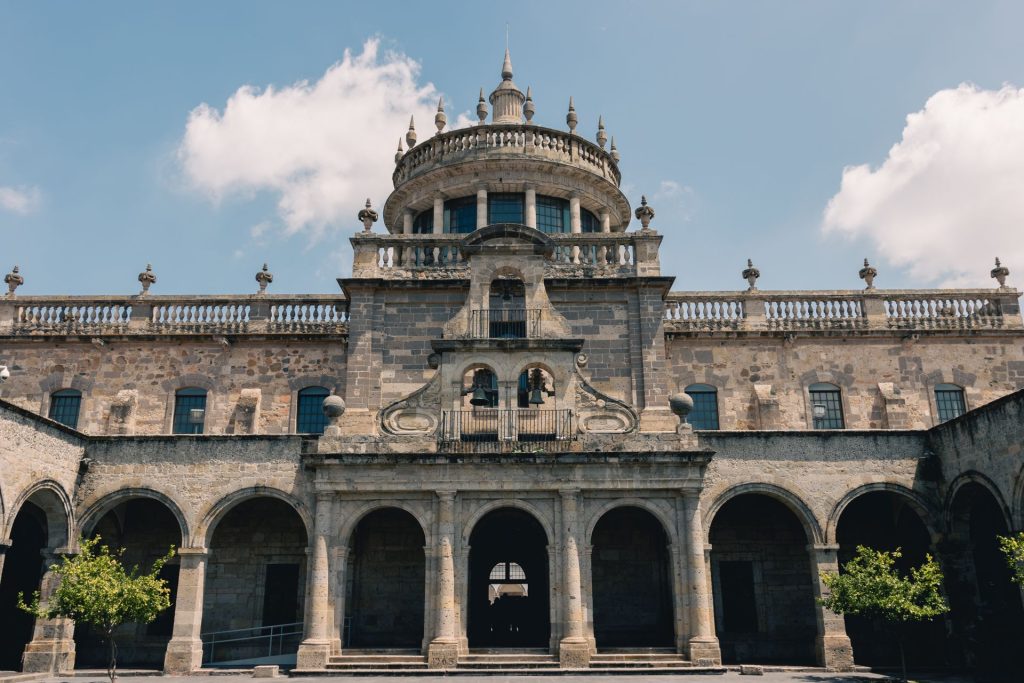
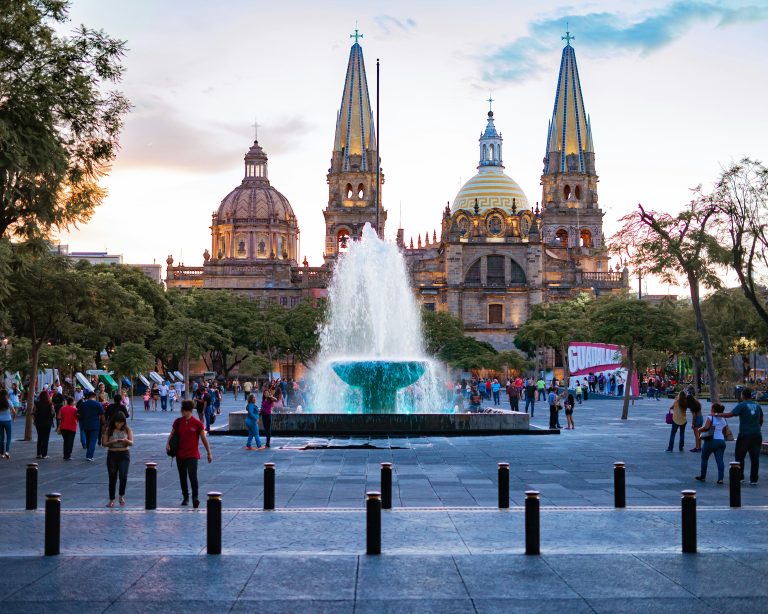
Mexico's second city: mariachi, Orozco murals, a big bar scene and Tequila an hour away.
Great place. Good crowd, lovely spaces, and the co-work space is very convenient. It's also very close to Chapu!
A traveller, on Hostelworld
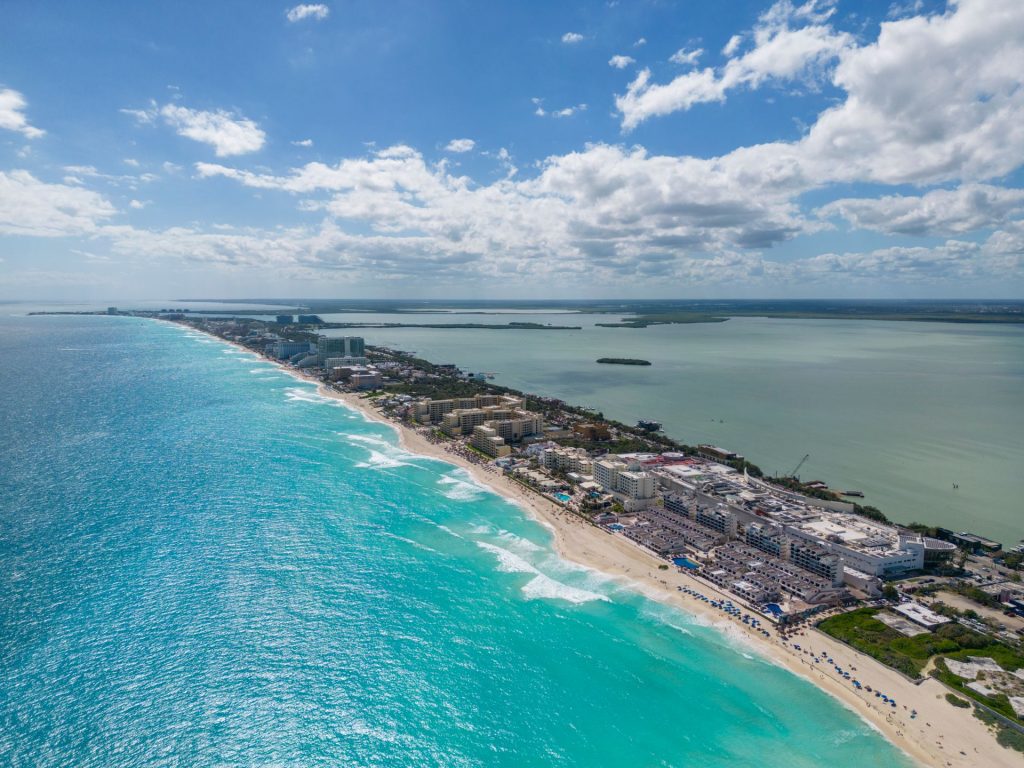
The Caribbean gateway: white-sand beaches, a cheap city centre and ferries to Isla Mujeres.
Weather is great. I prefer staying city center. Parque de las Palapas is amazing for evening food like élotes, marquesitas, fresh juices and entertainment. You can easily visit the ruins or swim with sea turtles. Quick bus ride to the beaches. Easy to get to Playa del Carmen, Isla Mujeres or Tulum, etc. Tons of vendors downtown with whatever you need. I like buying local crafts at the park. Plenty of restaurants and even a boba tea shop.
A traveller, on Hostelworld
Mexico does ruins, beaches, food and cities equally well, which is why people keep going back.
The best eating on the continent, and the cheapest good meals anywhere.
Maya and Aztec sites, colonial cities and 36 UNESCO listings.
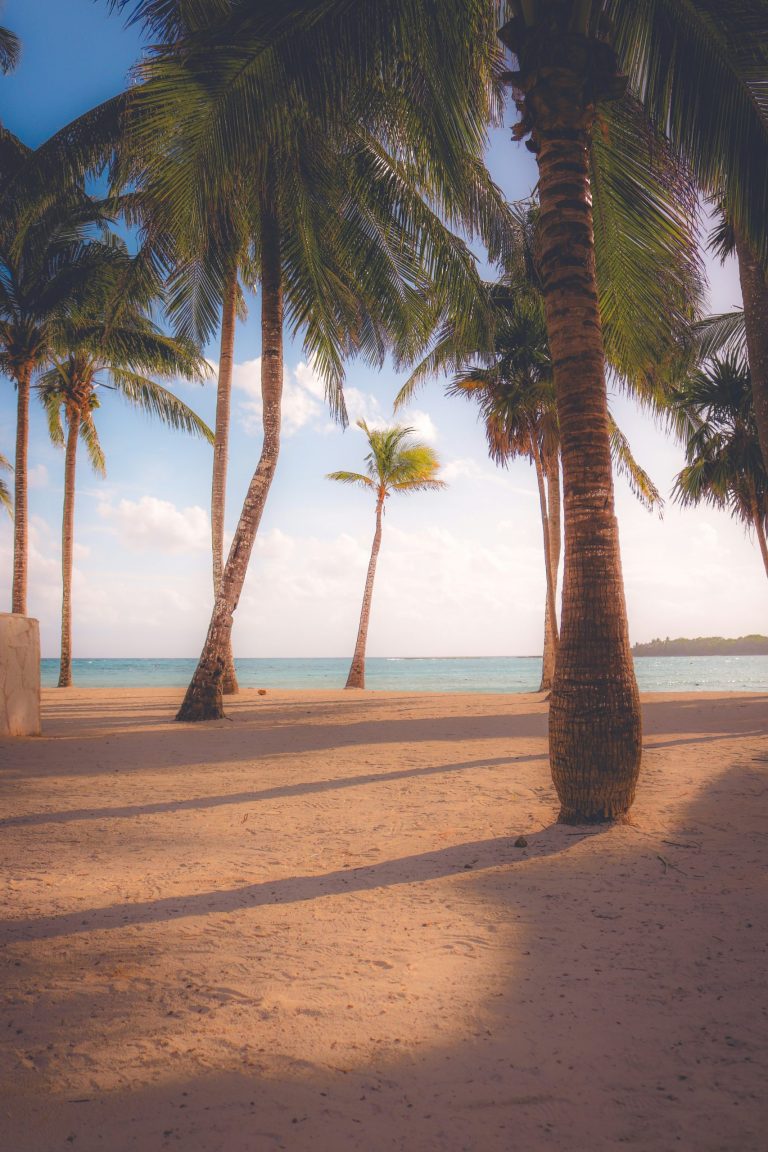
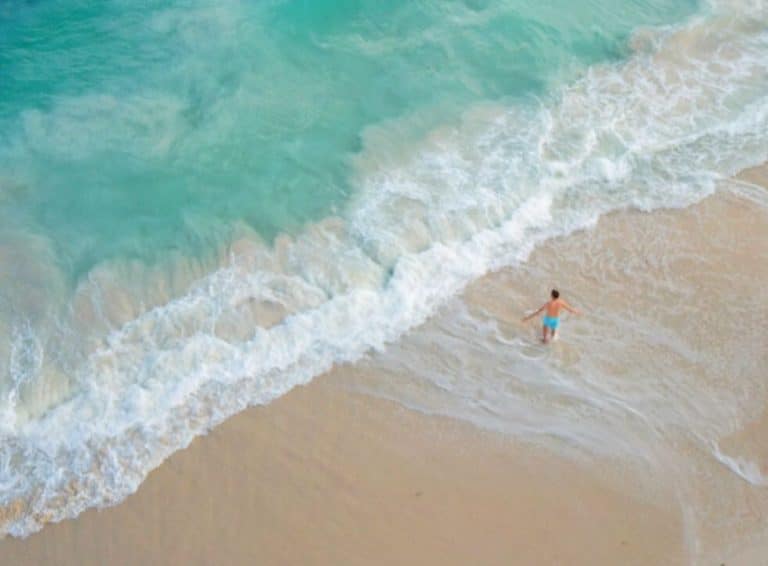
Caribbean on one side, Pacific surf on the other.
Mexico City over a week, and it still is not enough.
Mezcalerías, rooftops and a city that starts late.
Cheap outside the Caribbean resort strip.
Teotihuacán, an hour from Mexico City, is the one to do first: a pre-Aztec city with pyramids you can still walk between, best at opening before the heat and the crowds.
In the Yucatán, Chichén Itzá is the famous ruin and the busiest; Uxmal and Ek Balam are quieter and, for many people, better. The cenotes are the region's real distinction: thousands of freshwater sinkholes in the limestone, some open pools, some caves with light shafts, and swimming in one is the Yucatán memory people keep.
Oaxaca is the food destination: markets, mole, tlayudas, and mezcal palenques in the valley where you can watch it being made.
Mexico City rewards a week: Chapultepec's Anthropology Museum, Coyoacán, Xochimilco's canals, lucha libre, and neighbourhoods like Roma and Condesa that reward aimless walking.
Mexican food is UNESCO-listed and the street version is the best of it. Tacos al pastor carved off a spit cost around €1, and a plate of three or four is dinner. Tlayudas in Oaxaca, cochinita pibil in Yucatán, birria in Jalisco; every region has its own.
The comida corrida is the everyday deal: a set lunch of soup, rice, a main and agua fresca for €3 to €6, served in small fondas everywhere.
Mole in Oaxaca is the dish worth planning around, with several distinct varieties, and mezcal is the drink: smoky, regional, and best tasted where it is made rather than in a bar.
Markets are the way in everywhere: Mercado 20 de Noviembre in Oaxaca, Mercado de San Juan in CDMX, and every town's own.
Mexico City has the range: rooftops and cocktail bars in Roma and Condesa, cantinas in the Centro, clubs that run to dawn, and lucha libre on Friday nights at Arena México, which is a night out in itself.
Oaxaca's scene is mezcalerías, small bars serving dozens of varieties, where the point is tasting rather than drinking fast.
The coasts do beach bars: Puerto Escondido's Zicatela strip, Tulum's beach clubs at considerably higher prices, and Playa del Carmen's Quinta Avenida, which is the most touristed nightlife in the country.
Beer is €1.50 to €3, mezcal and tequila similar in local bars. Things start late: restaurants fill at nine and bars after eleven.
ADO and its sister lines run comfortable long-distance buses across the country, with reclining seats and air conditioning, and they are the backbone of independent travel here. Mexico City to Oaxaca is six hours, Cancún to Mérida four.
On the longer legs, fly: Volaris, VivaAerobus and Aeroméxico connect everything cheaply, and Mexico City to Oaxaca or Tuxtla takes an hour against a full day by road.
The Tren Maya now runs between Cancún, Valladolid, Chichén Itzá and Mérida, including an express Cancún to Mérida service, and also stops at Playa del Carmen, Tulum, Bacalar and Chetumal. Trains are infrequent, so check timetables and book ahead.
In cities, Uber and DiDi work well and are the standard recommendation over street taxis, particularly in Mexico City where they are cheap and traceable.
Mexico is cheap away from the Caribbean resort corridor. Dorms start around €12, street tacos are €1, a comida corrida lunch is €3 to €6, and long-distance buses cost €15 to €40.
A day in Oaxaca, Mexico City or San Cristóbal comes to €30 to €45.
Tulum and Playa del Carmen are the exception and the gap is large: beach clubs, restaurants and accommodation there are priced for a North American holiday market, and a day can easily triple. Cenote entry fees have risen steeply too.
Cash matters in markets and small towns, cards work in cities, and ATMs inside banks are safer than street machines.
Mexico's security situation varies enormously by state, and treating the country as one place is the mistake. Government advice from the UK, US and others restricts or advises against travel to specific states and areas: several in the north and along parts of the Pacific, parts of Jalisco and Guanajuato, and the Guatemalan border area of Chiapas. The main tourist regions, Yucatán, Quintana Roo, Oaxaca and Mexico City, carry far lighter warnings. In February 2026 a wave of cartel-related violence, including road blockades, hit Jalisco and other states; it has since stabilised, but check current advice by state before planning a route.
In the places most travellers go, ordinary city caution is what is needed: use Uber or DiDi rather than street taxis, avoid displaying phones and jewellery, do not walk alone late, and use ATMs inside banks during the day.
Express kidnapping (brief forced withdrawals at ATMs) is the specific risk linked to unofficial taxis, which is why ride apps are the standard advice.
Beyond crime: the sun and heat in the Yucatán, rip currents on the Pacific coast, and altitude in Mexico City at 2,240 metres are all worth taking seriously.
Most European, UK, US, Canadian and Australian citizens enter visa-free, with entry granted for up to 180 days, though officers now routinely give shorter periods, so check the number written on your stamp or FMM record before leaving the airport.
Passports need to be valid for the stay, and proof of onward travel may be requested.
The paper tourist card has largely been replaced by a digital record at major airports. If you are given a paper FMM, keep it, because losing it means a fee on departure.
November to April is the dry season and the main window. The rainy season brings afternoon downpours rather than all-day rain, and hurricane risk on both coasts runs June to November.
Average highs for Mexico City, which is mild year-round at 2,240m. The Yucatán and both coasts are far hotter and more humid, and the highlands of Oaxaca and Chiapas are cool at night.
Pick how you travel and how long for. Per night, for one person, in euro equivalents of pesos.
Tulum and Playa del Carmen run well above these figures. Long-distance buses at €15–40 a leg sit outside them.
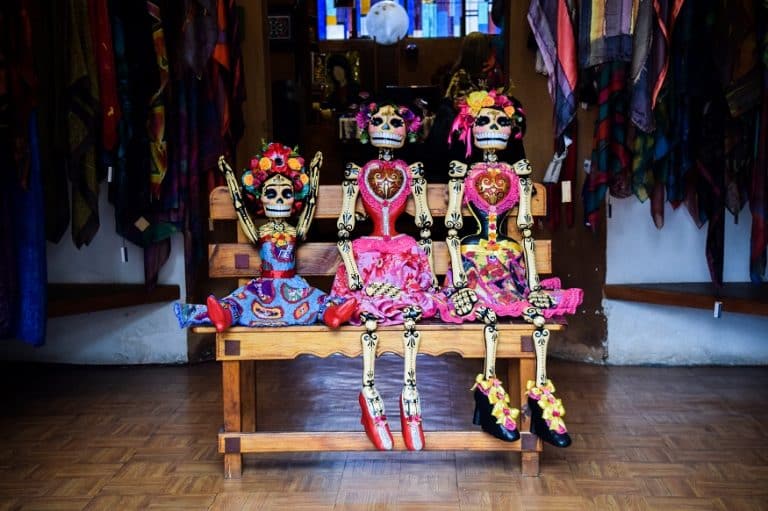
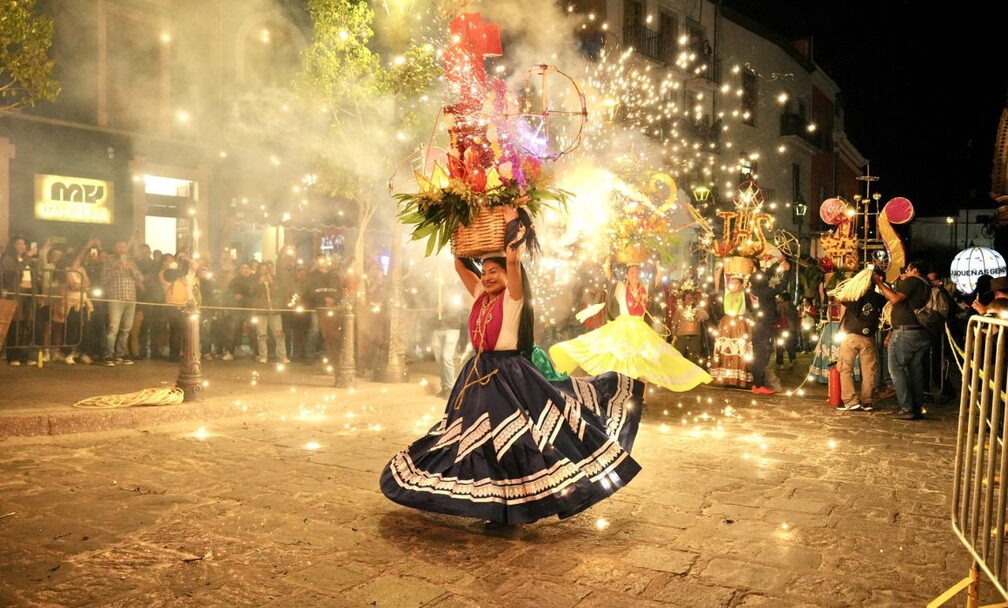
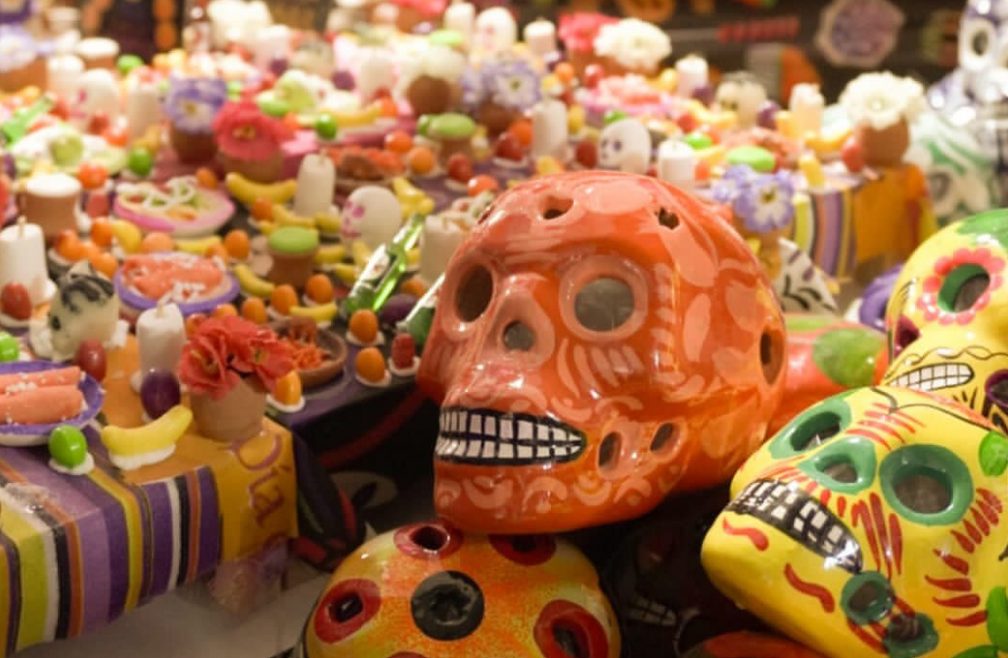
Day of the Dead is the one people plan trips around, and Oaxaca does it best.
Staff pick
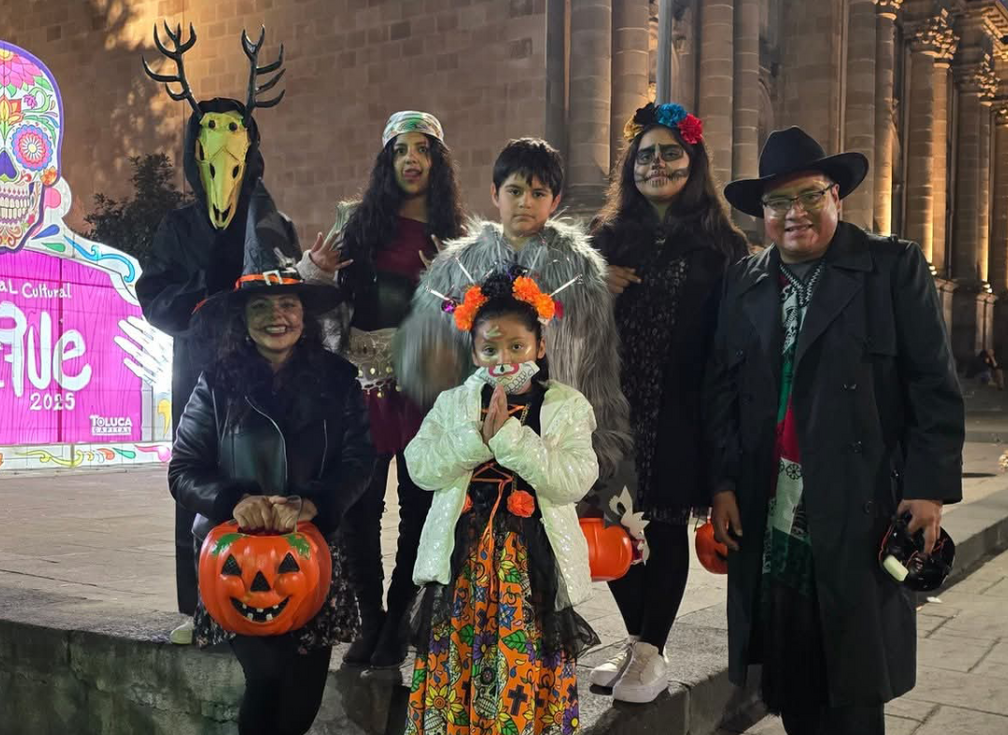
Feria del Alfeñique in Toluca de Lerdo, State of Mexico, is a lively celebration that honors Day of the Dead traditions with a rich…
Staff pick
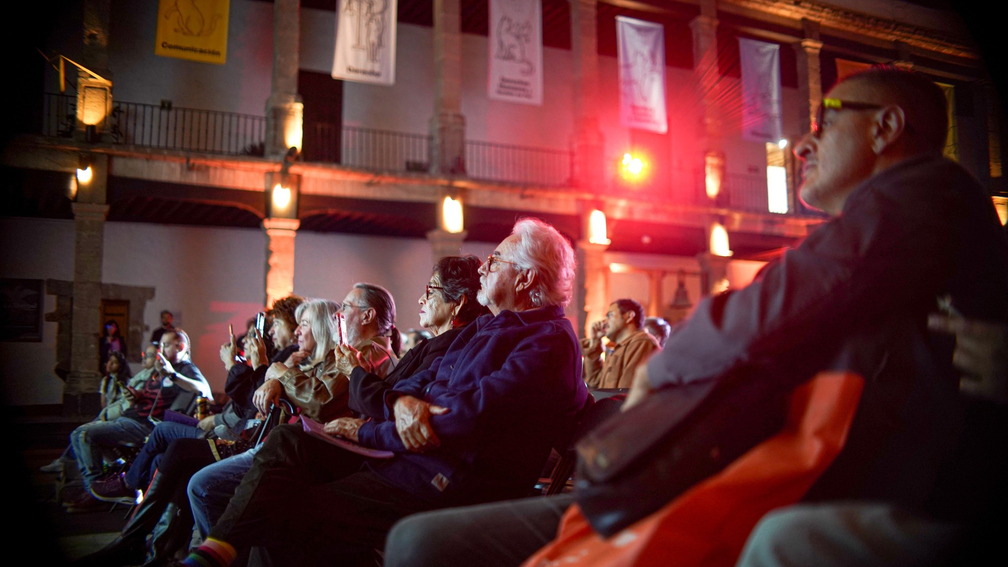
DocsMX, founded in 2006, is Mexico City's leading international documentary film festival, celebrated for its commitment to showcasing powerful non-fiction cinema. Hosted at the…
Staff pick
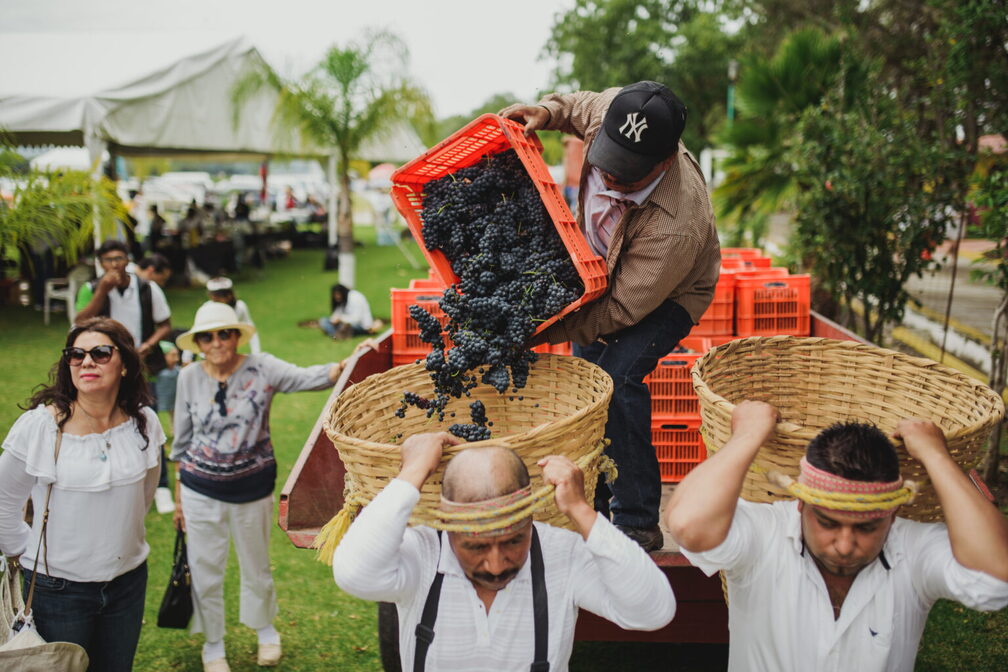
Festival de la Vendimia in Querétaro, Mexico, invites guests to experience the magic of the grape harvest season, when local vineyards open their doors…
Staff pick
The Festival Internacional Cervantino in Guanajuato, Mexico, is a renowned celebration of global arts and culture, drawing artists and audiences from around the world.…
Staff pick
Each fall in León, Guanajuato, the Feria del Alfeñique transforms the city center into a lively showcase of traditional sugar artistry tied to Día…
Staff pick
The Monterrey International Book Fair is the leading literary event in northern Mexico, drawing thousands of readers, authors, and thinkers each autumn. This dynamic…
Staff pick
La Carrera Panamericana in Oaxaca, Mexico, is a legendary week-long rally that brings together classic sports cars and modern touring vehicles for a thrilling…
Staff pick
Experience a unique evening of art and culture in Puebla, Mexico, as museums open their doors for extended hours and free admission during Noche…
The highest-rated hostels in the country, live from Hostelworld. Mexico City, Oaxaca, Puerto Escondido and the Yucatán have the biggest scenes.
Sustainable
The ones we get asked most.
Compare hostels across Mexico: live prices, real reviews and free cancellation on most bookings. Then meet the people already there in the app.