Tulum Pueblo
Budget, foodThe town on the highway, with most hostels.

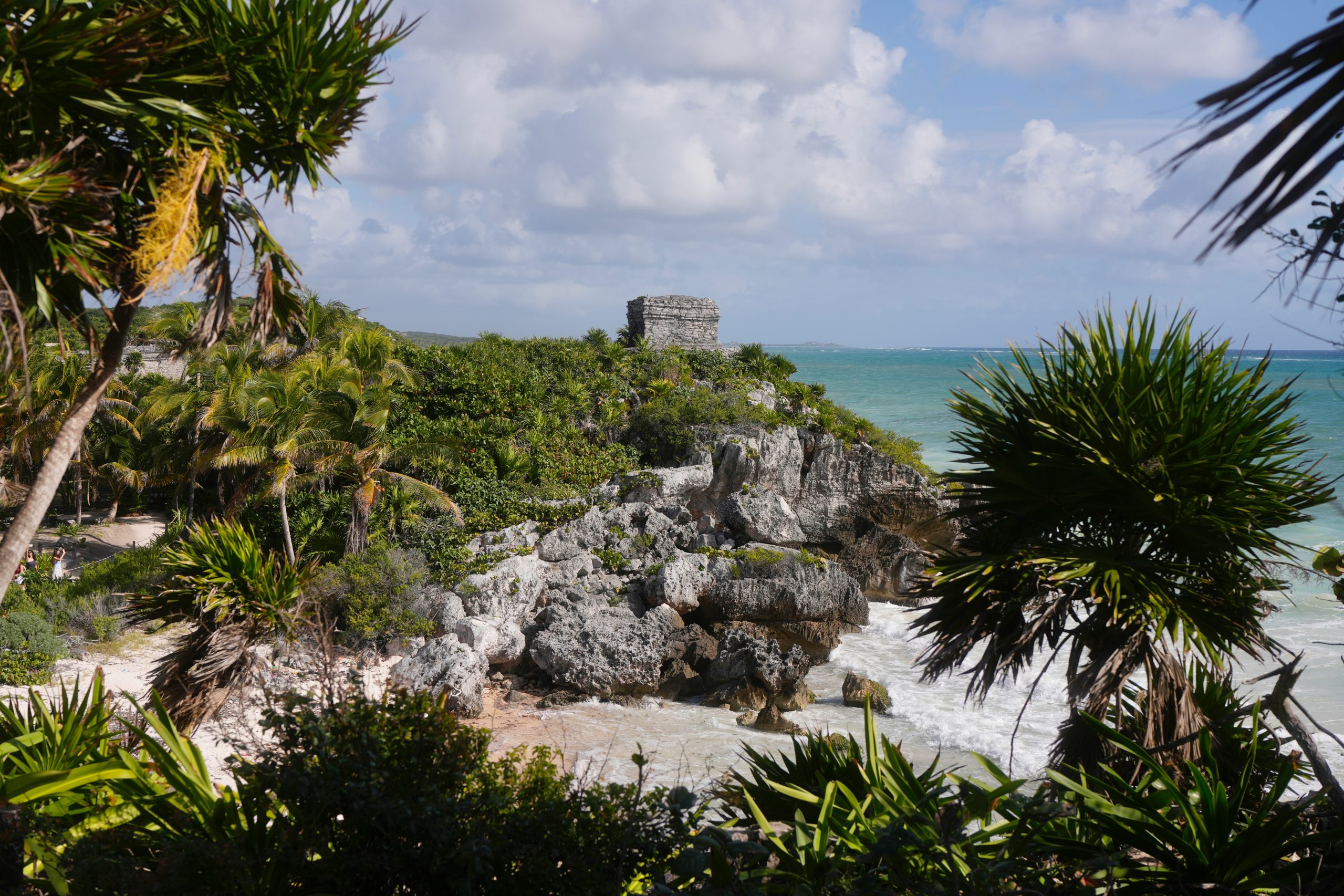
A Maya ruin on a cliff above the Caribbean, white-sand beaches, cenotes to swim in, the Sian Ka'an reserve to the south and the Cobá pyramids inland. Beautiful, busy and pricier than it looks.
Tulum is on the Caribbean coast of the Yucatán peninsula, about two hours south of Cancún. Its Maya ruins stand on a cliff over a beach, one of the most photographed views in Mexico, and the coast south of them is lined with beach clubs and boutique hotels.
The town (Tulum Pueblo) is a few kilometres inland, and that is where most hostels and cheap food are. The beach and the cenotes are a bike ride away. Tulum has grown fast and prices, especially on the beach, can match Europe or the US.
It now has its own international airport and a Tren Maya station. Give Tulum three or four days, with time for the cenotes and Cobá.
Tulum Pueblo for hostels and cheap food; the beach road for splurges; La Veleta and Aldea Zamá in between.
The town on the highway, with most hostels.
South of the town centre, between town and beach.
Between the town and the beach.
The beach road, lined with hotels and clubs.
Orange labels are neighbourhoods, dots are the 9 top-rated hostels. Map data from OpenStreetMap contributors.
See the Tulum ruins when they open, before the heat and the tour buses, then swim at the beach below. The ruins sit inside the Jaguar National Park, which charges its own entry.
Cycle to the cenotes: Gran Cenote, Calavera and Dos Ojos are the best known, and many are good for snorkelling or cave diving. Explore Cobá, a jungle Maya city best seen by bike, with Nohoch Mul, one of the tallest pyramids in the Yucatán; climbing it is no longer allowed.
Take a boat tour into the Sian Ka'an Biosphere Reserve, a UNESCO World Heritage Site of lagoons, mangroves and reef.
Some beaches along the hotel zone have public access points, and Playa Santa Fe and the beach near the ruins are reached through the national park. Cycling the beach road is free, if you have a bike.
Tulum Pueblo's main street and the evening food stalls cost nothing to walk.
The ruins, the cenotes and most beach clubs charge.
Tulum Pueblo has the cheap food: taquerías, cochinita pibil and market stalls for €1.50 to €6. The beach zone is much more expensive.
Try fish tacos, marquesitas (crisp rolled crêpes) and fresh juices.
A 10 to 15 per cent tip is usual in sit-down restaurants; check the bill first, as some add a service charge (propina).
Tulum has beach parties, jungle raves and DJ nights in the hotel zone, often with high cover charges. Tulum Pueblo has cheaper bars and mezcal spots.
Drugs are part of the party scene but tied to organised crime, and dangerous to buy.
A beer costs €2 to €5 in town and much more on the beach.
Tulum International Airport is about 30 minutes from town. Cancún airport is about two hours away by ADO bus or shuttle. The Tren Maya stops at Tulum, and ADO buses link it with Playa del Carmen, Cancún, Valladolid and Bacalar.
Rent a bike to reach the beach and the nearby cenotes; there is a cycle lane. Colectivos run along the highway.
Taxis are expensive; agree the fare first.
Hostel beds start at around €15 to €30 a night, more in the high season. Tacos in town cost €1.50 to €4.
The ruins and the national park charge separately, together roughly €15 to €25. Cenotes cost about €8 to €25 each, and bike rental about €8 to €12 a day.
Pay in pesos. Some places quote in US dollars at poor rates.
Most visitors have no trouble, but drug-related violence has occurred in the Riviera Maya, including in tourist areas. Do not buy drugs, and stay aware in crowded party venues.
Bike theft is common, so lock up. Take a taxi at night, and watch for taxi overcharging.
Sargassum seaweed can pile up on Caribbean beaches between about April and September; check a recent sargassum map before you book. Do not drink the tap water; use bottled or filtered water, which most hostels provide. In an emergency, call 911.
Ruins, reserves and lagoons.
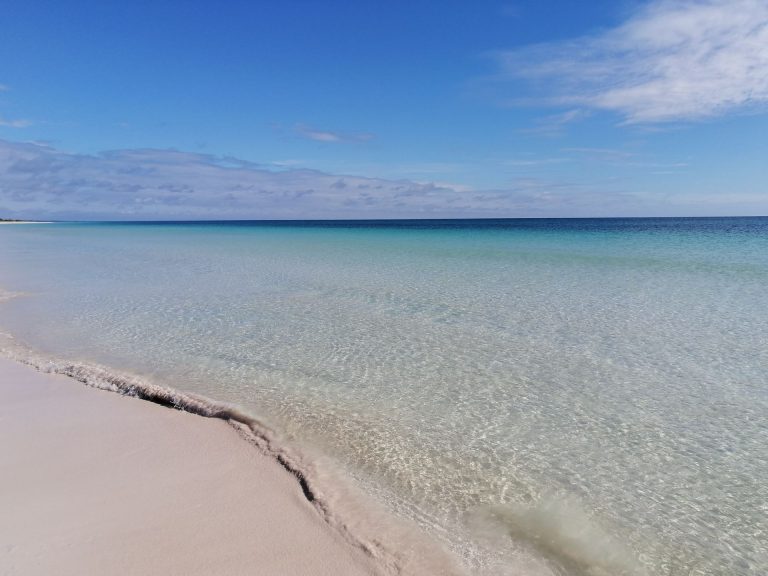
Lagoons, mangroves and reef.
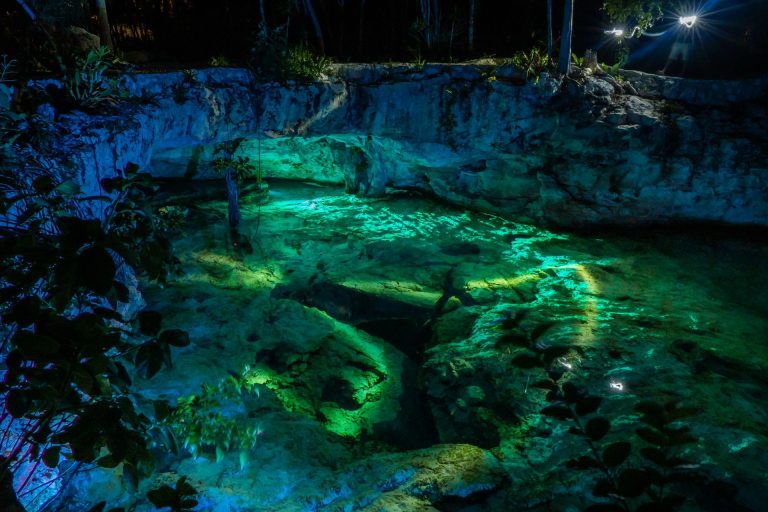
Clear water and turtles.
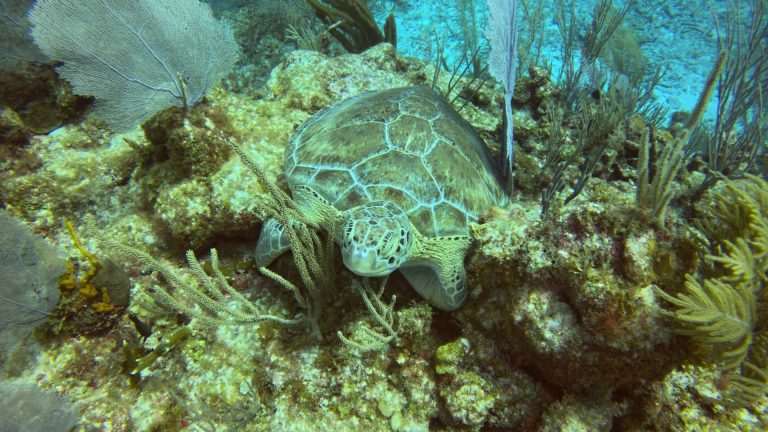
Snorkel with turtles.
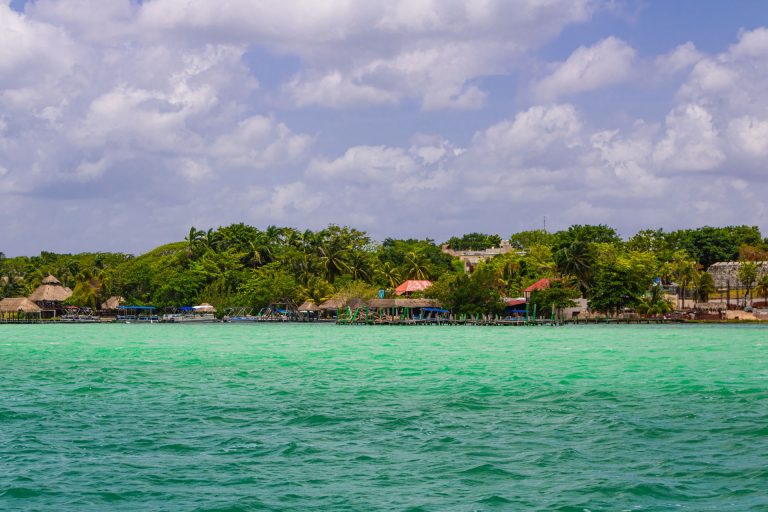
The lagoon of seven colours.
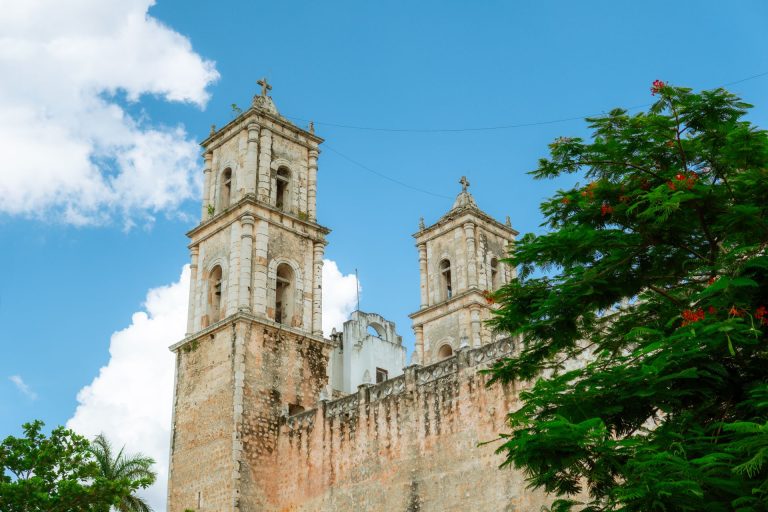
Colonial town and cenotes.
Holidays and the season.
Sunny and busy.
Altars and Hanal Pixán food.
Nesting at night.
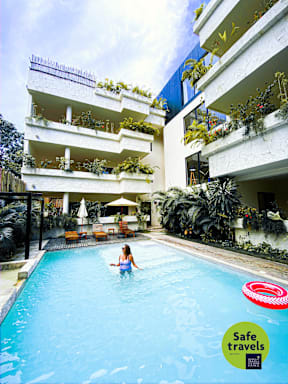
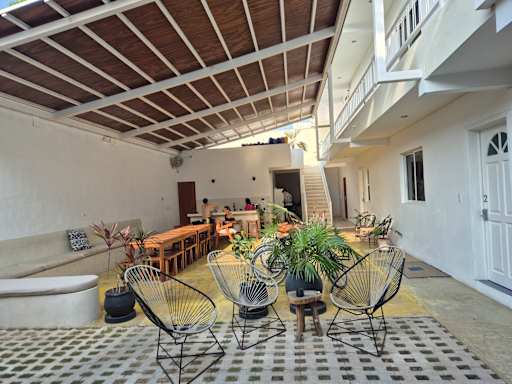
The highest-rated hostels in Tulum, live from Hostelworld. Prices and availability are live on each property page.







November to April is dry and sunny, and December to April is busiest. May to October is hot and humid, with rain; hurricane season runs from June to November.
Average highs, rounded. Hot all year.
Per night, for one person, based on Tulum prices.
Treat these as a guide. Cenotes and ruins cost extra.
The ones we get asked most.

Compare hostels across Mexico: live prices, real reviews and free cancellation on most bookings. Then meet the people already there in the app.

 Get the App.



 Get the App.