Nicaragua
Nicaragua country guide

Things to do in Nicaragua

Volcano boarding down a live cinder cone, an island made of two volcanoes in a freshwater lake, and the cheapest surf on the Pacific coast.

€7
Dorm bed, from
19
Active volcanoes
€2.50
A comedor lunch
2
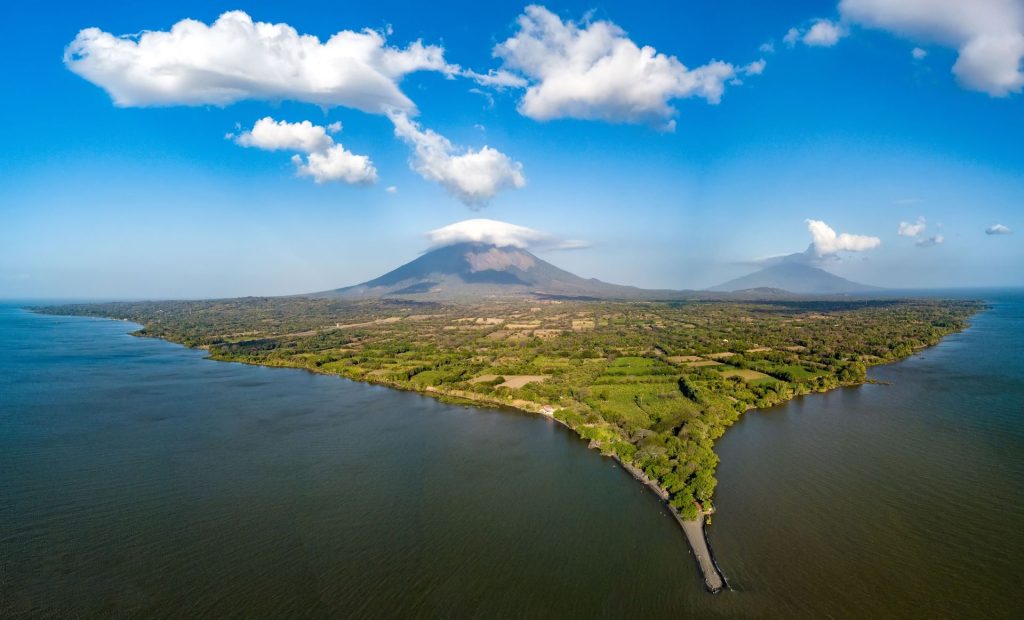
Volcanoes forming Ometepe

Volcanoes, lakes and very little money

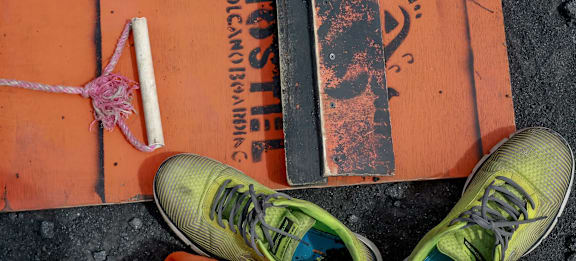
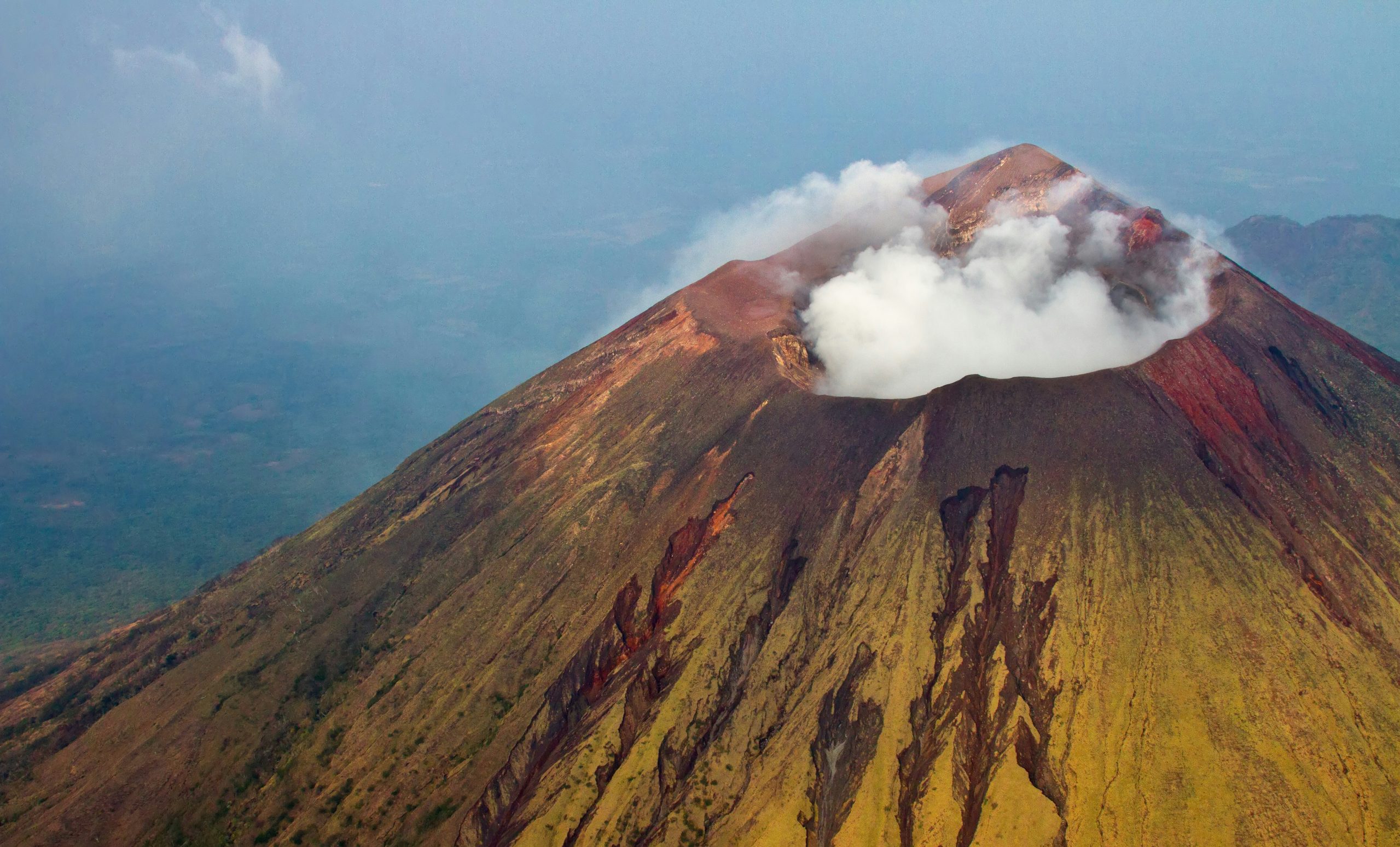
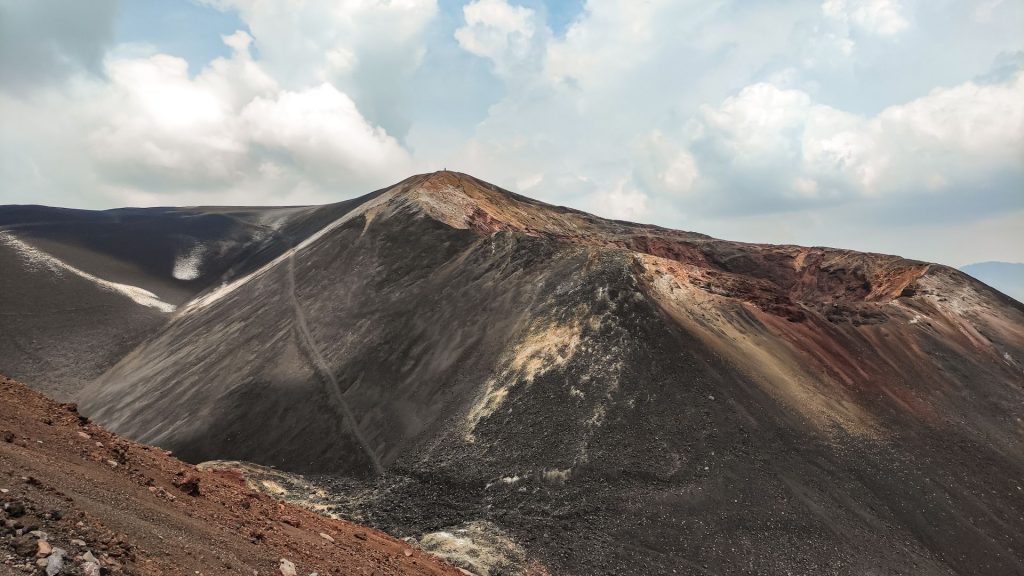
Nicaragua is the largest country in Central America and one of the cheapest in this guide. It is also the most volcanic, with nineteen active cones, one of which you can toboggan down on a plywood board at Cerro Negro near León.

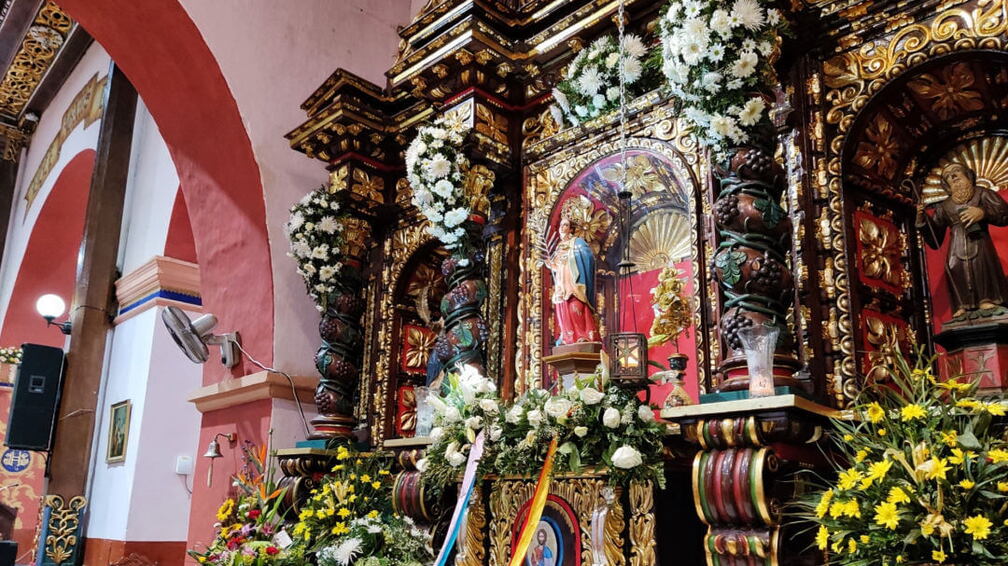
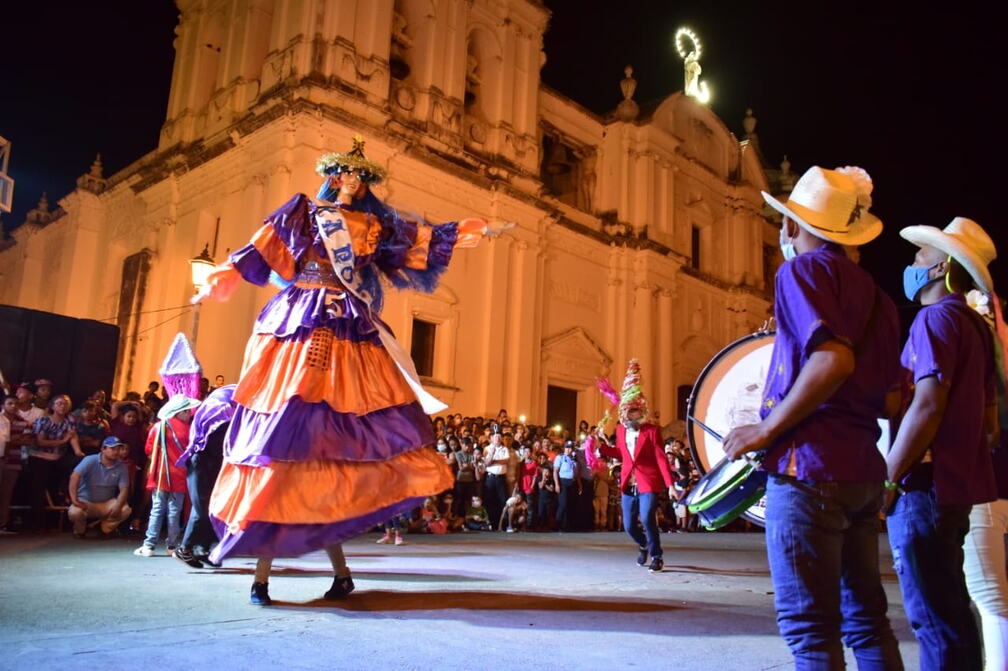
Granada and León are the two colonial cities and they have an old rivalry: Granada is prettier and more touristed, León is hotter, grittier and has the better student life and revolutionary murals.

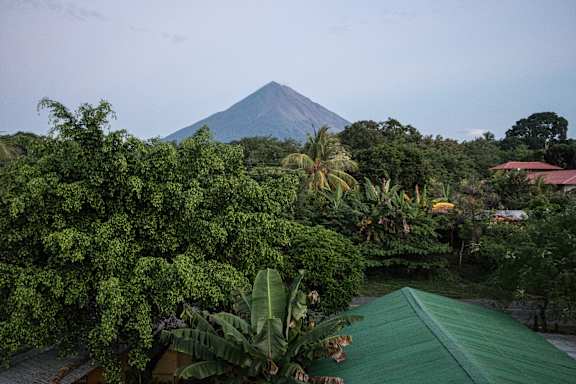
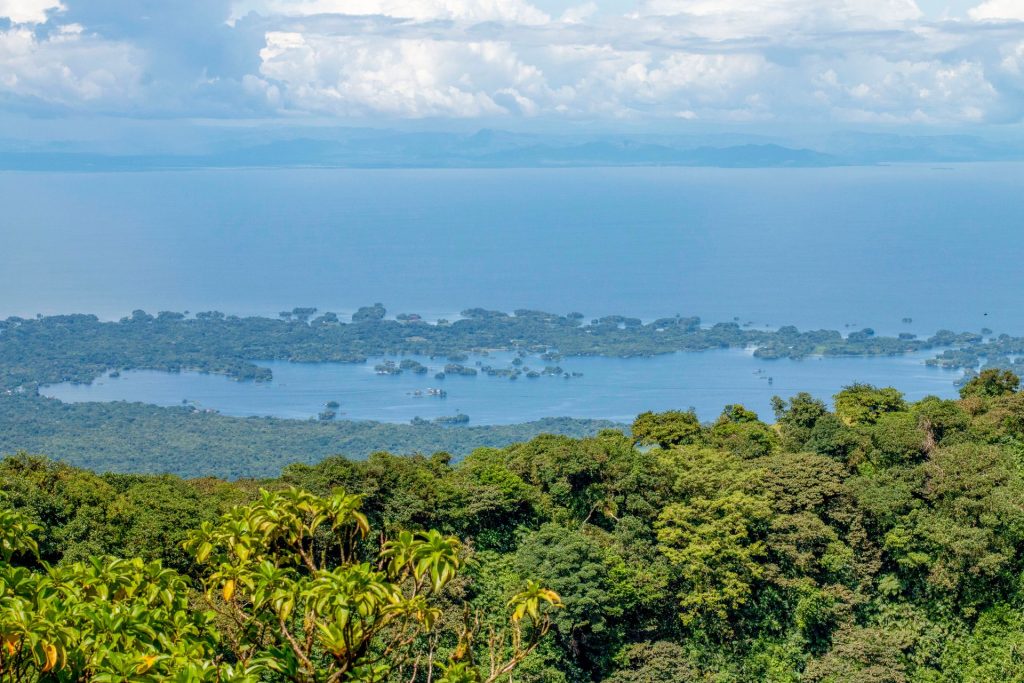
Ometepe, an island formed by two volcanoes rising out of Lake Nicaragua, is the place people stay longer than planned: farms, waterfalls, swimming holes and very little to do, which is the appeal.

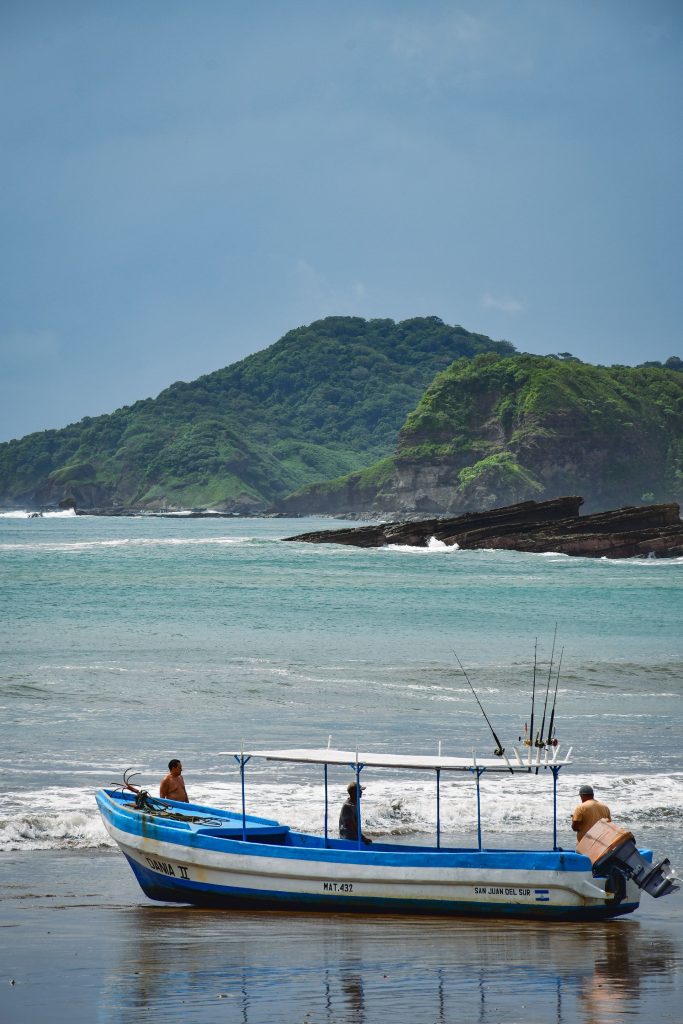
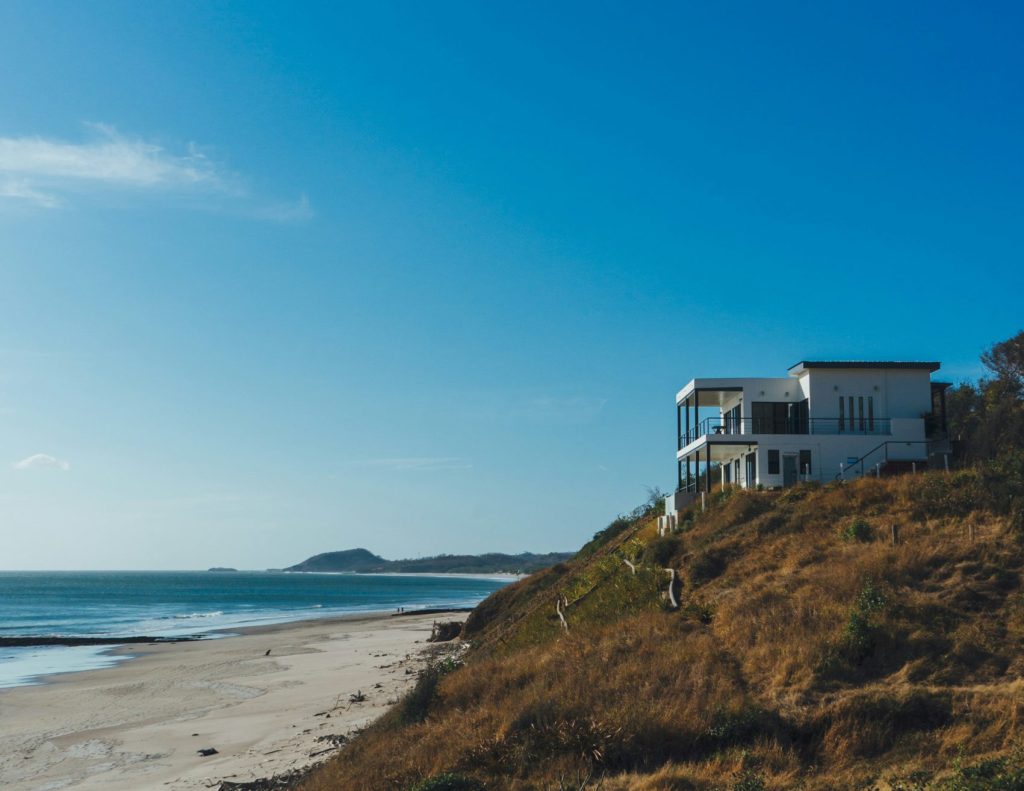
The Pacific coast has San Juan del Sur for surf and nightlife, and quieter beaches north and south of it.

Two to three weeks covers it.

Where to go

Shuttles link the traveller towns; chicken buses cover everything else for very little.

Granada

Granada

19 hostels · dorms from €10

The colonial showpiece on Lake Nicaragua, with painted facades and boat trips to the isletas.

Granada is wonderful! In just a few days you can see so many wonderful things! The Isletas, city, Mombacho, masaya, and Apoyo are all so cool!

A traveller, on Hostelworld
The Granada guide
León

León

25 hostels

Hotter and grittier, with revolutionary murals, a student scene and volcano boarding nearby.

The people of Leon were all friendly and welcoming. The weather was very hot, we took a bus to the beach one day which was about 30 minutes. It was beautiful and empty. We loved the markets, got great food there. The city is beautiful, we loved the colorful buildings architecture and historical churches. The people were patient, helpful and friendly to us dumb tourists with limited Spanish. We are not much of partiers, so I’m not sure about the nightlife.

A traveller, on Hostelworld
The León guide
Ometepe Island

Ometepe Island

41 hostels · dorms from €7

Two volcanoes rising from a freshwater lake, with farms, waterfalls and no rush at all.

There’s so much to do jam packed into such a small island! I could have spent a week here easily! This island is paradise!

A traveller, on Hostelworld
The Ometepe Island guide
San Juan del Sur

San Juan del Sur

26 hostels · dorms from €8

The Pacific surf and party town, with quieter beaches on either side.

I didn’t know I would love this city as much as I did. People, vibe and food are incredible.

A traveller, on Hostelworld
The San Juan del Sur guide
Corn Islands

Corn Islands

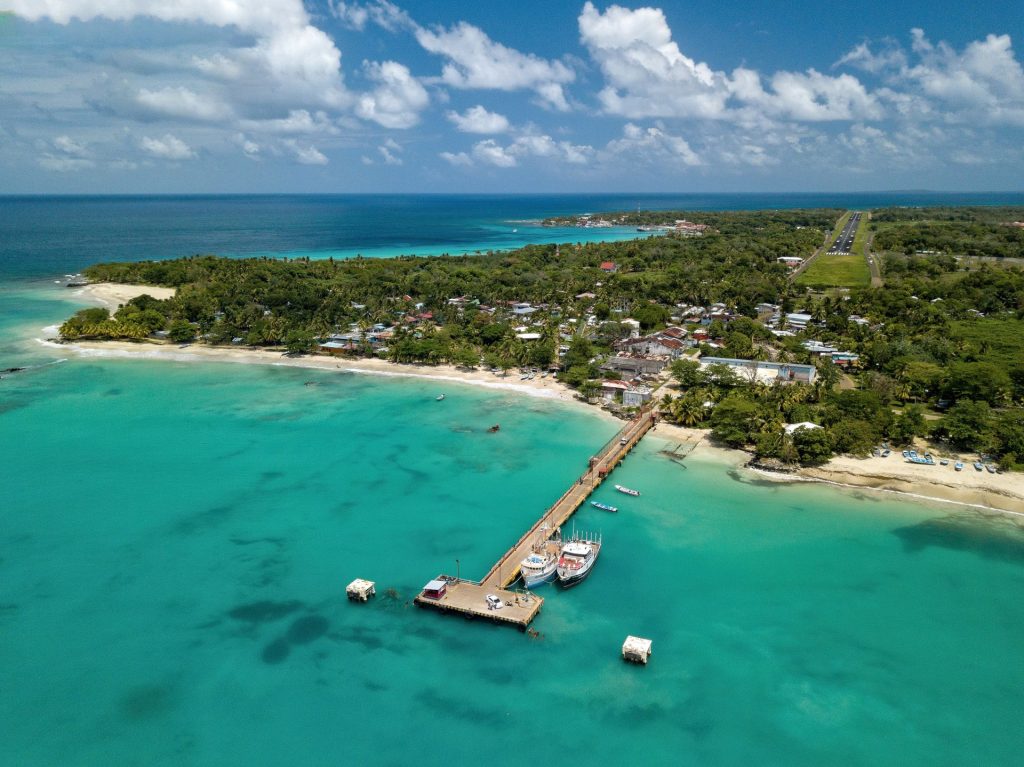
Two Caribbean islands: Big Corn for beaches, car-free Little Corn for reefs and hammocks. Worth the effort.

The Corn Islands guide
Matagalpa

Matagalpa

2 hostels

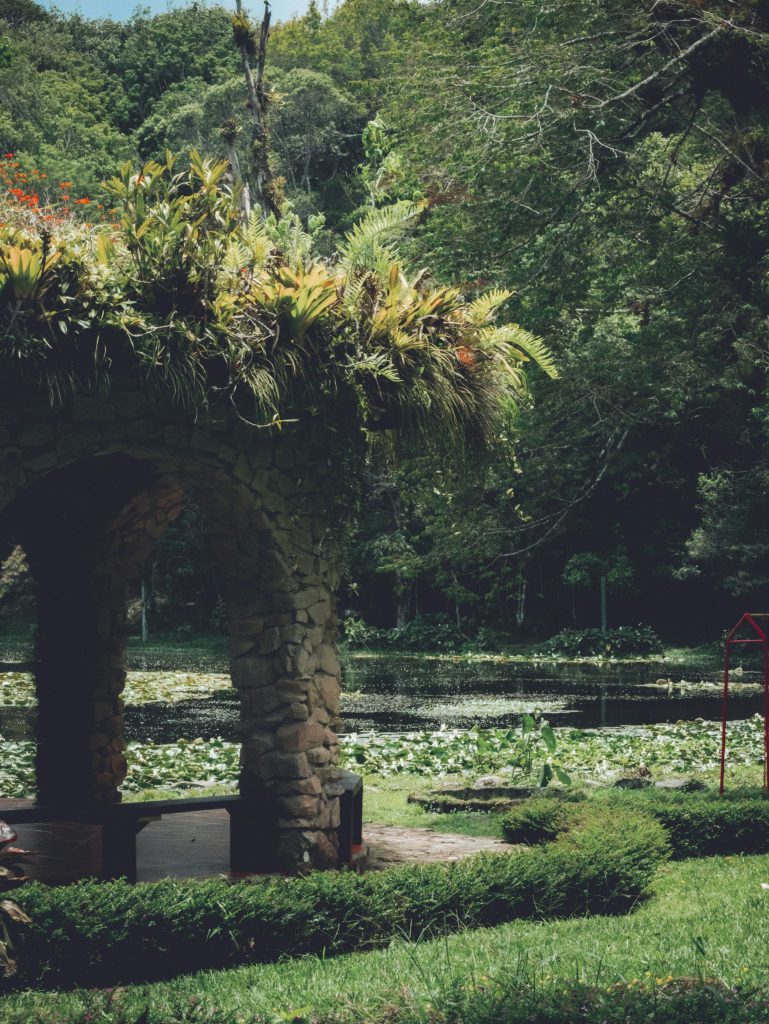
Coffee country in the cool central highlands, with farm tours and cloud forest.

The Matagalpa guide
Popoyo

Popoyo

14 hostels

Surf village with consistent waves for every level and a quieter scene than San Juan del Sur.

The Popoyo guide

What kind of trip is this?

Nicaragua is volcanoes, surf and lakes, done on very little money.

Adventure in Nicaragua

Nineteen active volcanoes, and one you sled down.

What to do

  • Volcano board Cerro Negro
  • Hike Concepción on Ometepe
  • Swim in a crater lake

Spots to visit

  • Cerro Negro
  • Ometepe
  • Laguna de Apoyo

Best cities for it

Things to do

Things to do in Nicaragua

Volcano boarding at Cerro Negro near León is the country's signature activity: you hike up a black cinder cone carrying a plywood board, put on a boiler suit, and sled down the loose scree at whatever speed you dare. It costs around €25 to €35 and takes half a day.

Ometepe is the other essential. Two volcanoes joined by an isthmus in the middle of Lake Nicaragua, with Concepción a hard six to eight hour climb, Maderas jungly and muddy, and Ojo de Agua a natural spring pool for the days you do neither.

Laguna de Apoyo, a crater lake half an hour from Granada, has warm clear water and day-use lodges where you swim, kayak and do nothing much.

The Corn Islands, off the Caribbean coast, take effort to reach (a flight or a long boat), and Little Corn in particular rewards it.

Food and drink

Eating in Nicaragua

Gallo pinto, rice and beans fried together, is the national dish and turns up at every meal, most reliably at breakfast with eggs, plantain and cheese.

Fritangas are the evening institution: street grills set up outside houses, serving grilled meat, gallo pinto, plantain and cabbage salad on a plate for €2 to €4. They are the best value dinner in the country.

Vigorón, a Granada speciality, is yuca, pork crackling and cabbage salad served on a banana leaf. Nacatamales, the Sunday version of a tamale, are enormous.

Markets in Masaya, Granada and León sell cooked food for very little, and fresh juices are everywhere. Flor de Caña rum is the national drink and is genuinely good.

Nightlife

Going out in Nicaragua

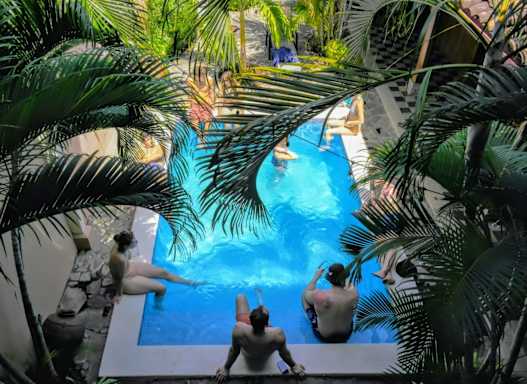
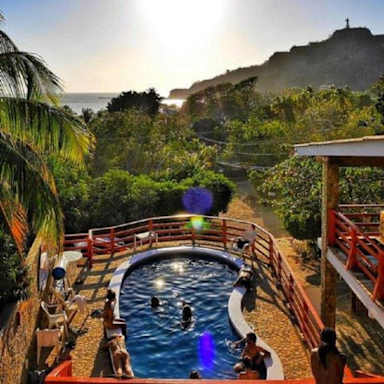
San Juan del Sur is the party town, and Sunday Funday, a hostel pool crawl that has run for years, is its best-known institution, loved and loathed in roughly equal measure.

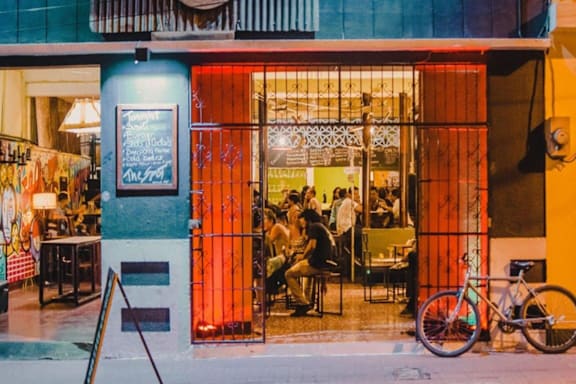
León has the more local scene thanks to its university, with cheap bars around the centre and a crowd that is mostly Nicaraguan.

Granada is quieter, with restaurants and bars along Calle La Calzada aimed at visitors, and rooftops for sunset.

Beer (Toña and Victoria) is €1 to €2, and Flor de Caña rum costs almost nothing. On Ometepe and the smaller beaches, the evening is your hostel and the stars, which suits most people there.

Getting around

Getting around Nicaragua

Chicken buses go everywhere for very little, often under a euro between towns, and are the local way to travel, crowded and slow but frequent.

Tourist shuttles link León, Granada, Ometepe and San Juan del Sur directly, cost more and save hours, and are what most travellers use for the longer hops.

Ometepe is reached by ferry from San Jorge near Rivas, taking about an hour, with several crossings daily. The boat can be rough when the lake is windy.

The Corn Islands need either a flight from Managua to Big Corn, around €150 to €200 return, or a long bus and boat combination via Bluefields that takes the better part of two days.

Costs

What Nicaragua costs

Nicaragua is the cheapest country on the Central America trail. Dorms start around €7, a comedor or fritanga plate is €2 to €4, beer is €1 to €2, and chicken buses cost under a euro.

A day comes to €18 to €30, which is roughly half of Costa Rica next door.

The costs to plan for are volcano boarding at €25 to €35, surf lessons at €20 to €35, and the Corn Islands flight if you go.

US dollars are widely accepted alongside córdobas, and carrying some is useful. Cards work in cities; cash is needed on Ometepe and in smaller towns, and ATMs are limited outside the main centres.

Safety

Staying safe in Nicaragua

Nicaragua's political situation is the thing to check before anything else. Since the 2018 protests and the crackdown that followed, several governments have updated their travel advice, and the situation regarding demonstrations, press freedom and entry for some visitors has remained tense. Check your own government's current position before booking.

For travellers who do go, crime levels have historically been lower than in some neighbouring countries, and the practical advice is standard: avoid demonstrations entirely, do not discuss politics publicly or on social media, keep valuables out of sight, and avoid travelling between towns after dark.

The natural risks are volcanoes, which are monitored and occasionally close areas, strong rip currents on the Pacific coast, and hurricane season on the Caribbean side from June to November.

Medical facilities outside Managua are limited.

Entry and documents

Entry and documents

Most European, UK, US, Canadian and Australian citizens enter visa-free, with a tourist card purchased on arrival for US$10 in cash, valid for 90 days. Nicaragua also asks all visitors to submit its free online migration form at least seven days before travel.

Nicaragua is part of the CA-4 agreement with Guatemala, El Salvador and Honduras, so that 90-day period is shared across all four countries and crossing between them does not reset it.

Passports need six months' validity. Entry requirements have been applied inconsistently in recent years and some visitors, including journalists, have been refused entry, so check the current position for your nationality and circumstances before travelling.

When to go

December to April is the dry season and the best time. The rains come as afternoon storms, and the Caribbean side has its own pattern.

31°
Jan
Peak dry season. Windy on the lake, excellent elsewhere
32°
Feb
Excellent. Dry, hot and clear
34°
Mar
The hottest and driest month. Dusty inland
34°
Apr
Very hot before the rains break
33°
May
Rainy season starts. Landscapes green up fast
31°
Jun
Afternoon storms, clear mornings. Good surf
31°
Jul
A brief drier spell in some years
31°
Aug
Wet afternoons and good Pacific swell
30°
Sep
Wettest month. Hurricane risk on the Caribbean side
30°
Oct
Still wet, easing at the end
30°
Nov
Dry season returning. Green and quiet
30°
Dec
Excellent, and busy over the holidays
Bar height is temperature. Colour is how busy it gets: quiet busy peak

Average highs for Granada, which is hot year-round. León is hotter still, the highlands around Matagalpa are cooler, and the Caribbean coast and Corn Islands run on a different, wetter pattern.

What your trip will cost

Pick how you travel and how long for. Per night, for one person, in euro equivalents of córdobas.

Volcano boarding at €25–35, surf lessons at €20–35 and the Corn Islands flight at €150–200 return sit outside these figures.

—
  • Beds—
  • Food and drink—
  • Getting around—
  • Doing things—
What's on

What is on while you are there

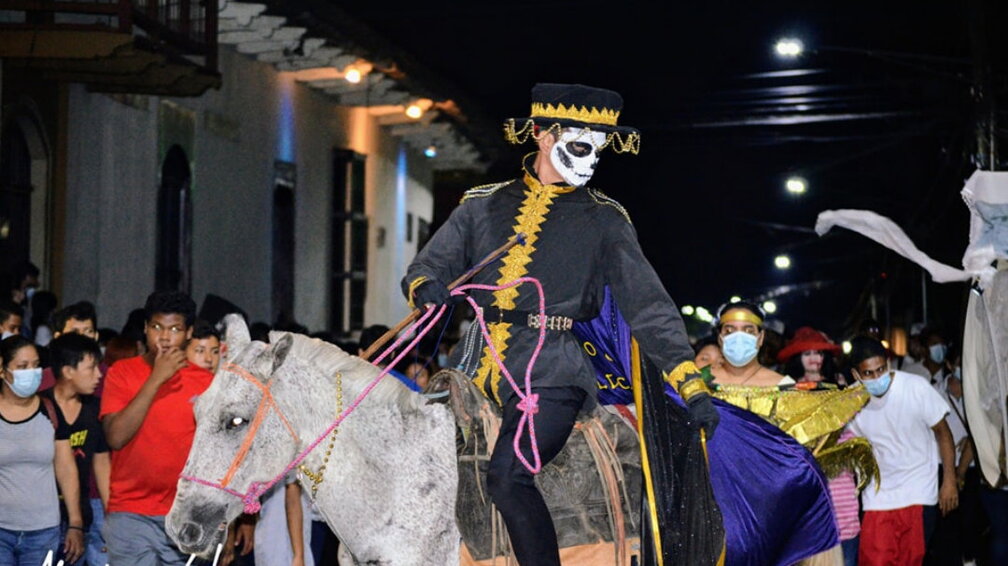
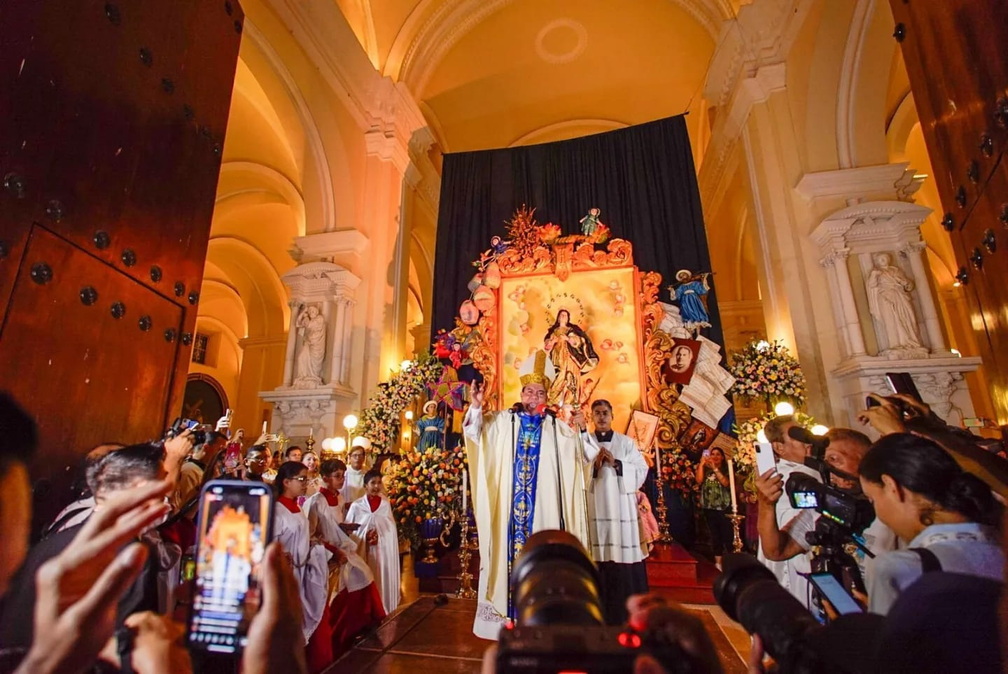
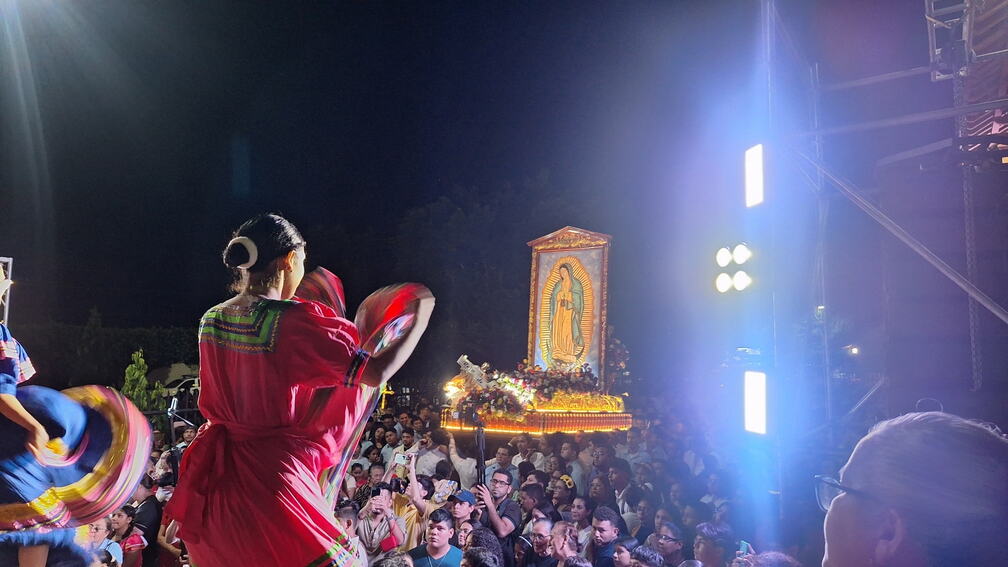
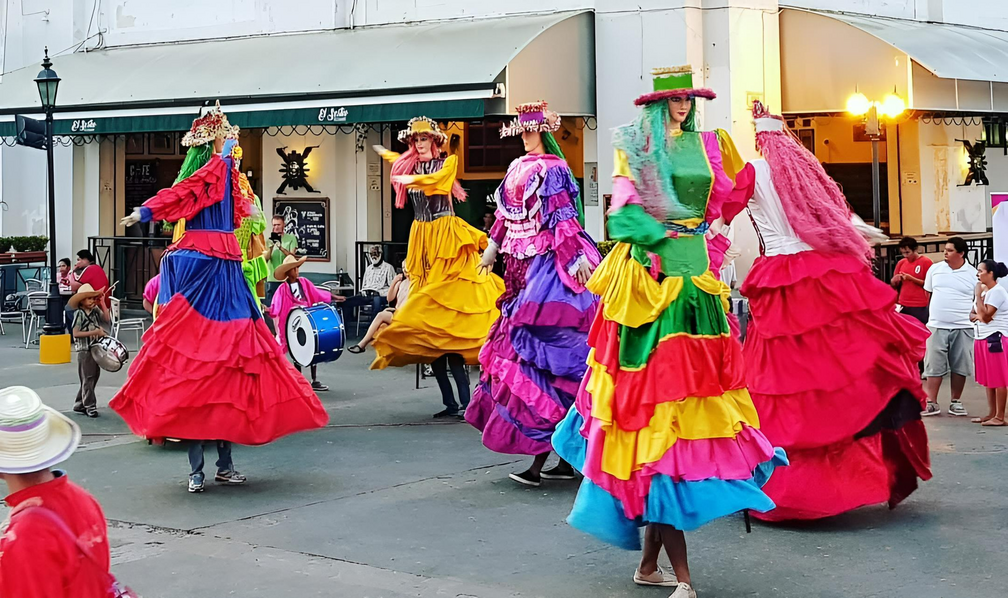
The festival calendar is Catholic and loud, and Semana Santa fills the beaches.

Nicaragua travel questions

The ones we get asked most.

Is Nicaragua safe to visit?
Check your own government's current advice first: several updated their guidance after the 2018 protests and the crackdown that followed, and the political situation has remained tense. For travellers who do go, the practical rules are to avoid demonstrations entirely, not discuss politics publicly or online, and avoid travelling between towns after dark.
What is volcano boarding?
You hike up Cerro Negro, a live black cinder cone near León, put on a boiler suit, sit on a plywood board and sled down the loose scree. It costs €25 to €35, takes half a day, and is the country's signature activity.
Is Nicaragua cheap?
The cheapest country on the Central America trail. Dorms from €7, fritanga plates €2 to €4, beer €1 to €2, chicken buses under a euro, and a day around €18 to €30, roughly half what Costa Rica costs next door.
How long do you need?
Two to three weeks for León, Granada, Ometepe and the Pacific coast. Add several days if you want the Corn Islands, which take a flight or two days of bus and boat to reach.
What is Ometepe like?
Two volcanoes joined by an isthmus in the middle of a freshwater lake, with farms, waterfalls, a spring-fed swimming hole and very little to do. It is where people end up staying longer than they planned.
Granada or León?
Granada is prettier, more touristed and easier. León is hotter, grittier, has revolutionary murals and a student scene, and is the base for volcano boarding. Most people do both; they are two hours apart.
When should I go?
December to April for the dry season. If you are surfing, April to October brings the biggest and most consistent Pacific swell, at the cost of afternoon rain.

Say yes to hostels, meet the world

Compare hostels across Nicaragua: live prices, real reviews and free cancellation on most bookings. Then meet the people already there in the app.

Get the App. QRGet the App.
Get the App. QR  Get the App.
Scroll to Top