Roma Norte
Cafés, bars, first-timersLeafy streets, galleries and the best of the food scene.

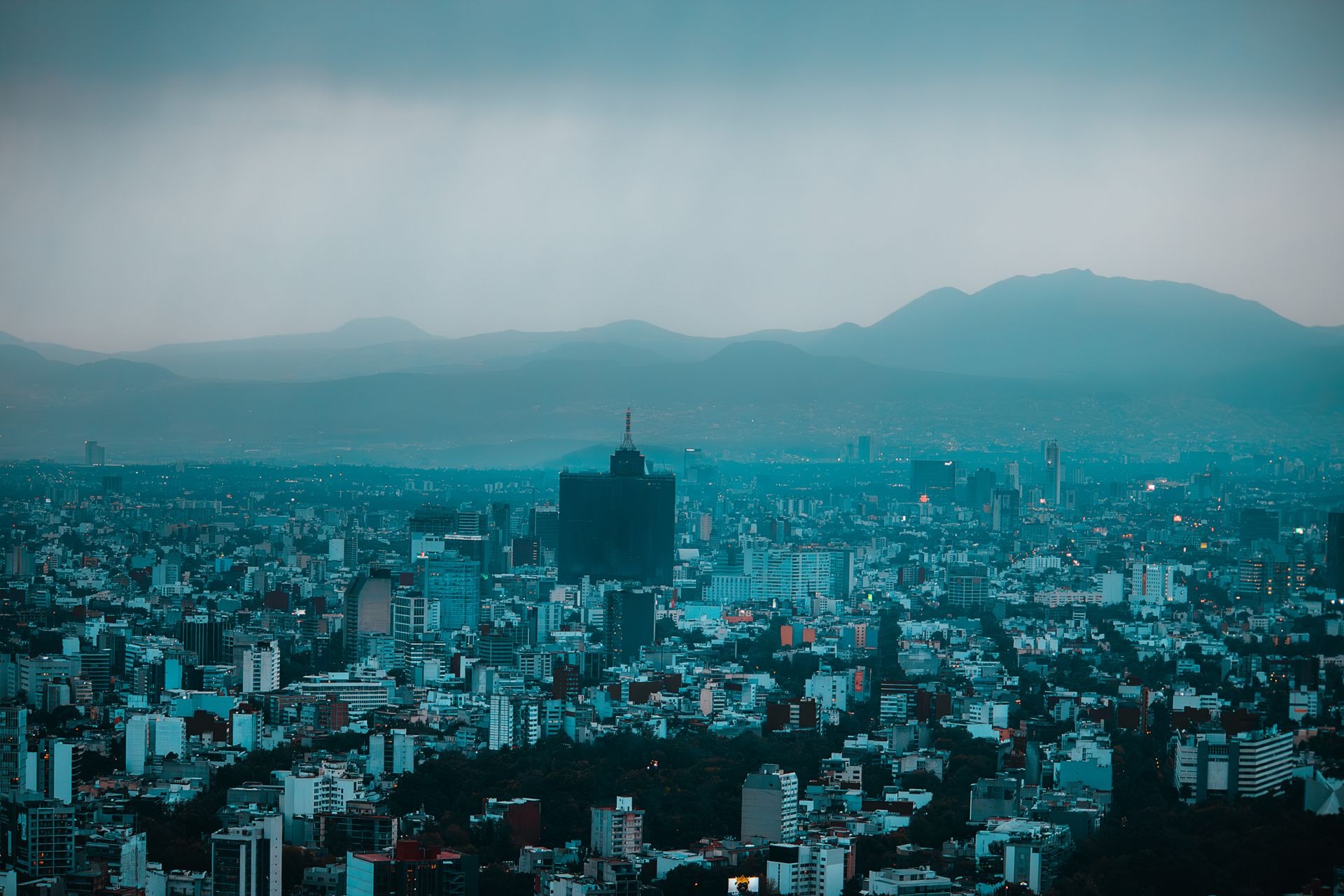
One of the world's great cities: Aztec ruins under a colonial centre, world-class museums, street tacos on every corner, leafy Roma and Condesa, and the pyramids of Teotihuacán an hour away.
Mexico City (CDMX) sits at 2,240 metres in a high valley, on the site of Tenochtitlan, the Aztec capital the Spanish built over in the 16th century. The Templo Mayor ruins sit beside the cathedral on the Zócalo, one of the largest squares in the world.
It is a city of neighbourhoods. The Centro Histórico has the grand buildings and the murals; Roma and Condesa have tree-lined streets, cafés and bars; Coyoacán has the Frida Kahlo Museum and a village feel. Food is the other reason to come: taquerías, markets and some of the best restaurants in Latin America.
Give it four or five days at least, with a day trip to the pyramids of Teotihuacán. The altitude can leave you breathless at first, so take the first day slowly.
Roma Norte and Condesa for cafés, bars and most hostels; the Centro for sights and the cheapest beds.
Leafy streets, galleries and the best of the food scene.
Art deco blocks around Parque México.
The Zócalo, the cathedral and the cheapest beds.
Frida Kahlo's neighbourhood, with a village feel.
Between Roma and Reforma, with bars and Zona Rosa.
Orange labels are neighbourhoods, dots are the 12 top-rated hostels. Map data from OpenStreetMap contributors.
Start at the Zócalo with the Metropolitan Cathedral and the Templo Mayor, then walk to the Palacio de Bellas Artes. Spend half a day in Chapultepec Park at the Museo Nacional de Antropología, one of the best museums in the Americas.
Book the Frida Kahlo Museum (Casa Azul) in Coyoacán online in advance, as tickets sell out. Take a trajinera boat along the canals of Xochimilco, ideally with a group, and see lucha libre wrestling at Arena México.
Take a day trip to Teotihuacán to climb the Pyramid of the Sun and walk the Avenue of the Dead. Go early to beat the heat and the crowds.
The Zócalo, Chapultepec Park and the streets of Roma, Condesa and Coyoacán are free. Diego Rivera's murals at the Secretaría de Educación Pública in the Centro are free to see.
On Sunday mornings Paseo de la Reforma closes to cars for cyclists and walkers, and you can borrow a free bike.
Free walking tours leave from the Centro most days; tip the guide.
Tacos al pastor, carved from a spit, cost €0.50 to €1.50 each at street stands. Try tlacoyos, quesadillas and tamales for breakfast, and churros with hot chocolate.
Markets such as Mercado de San Juan, Mercado de Coyoacán and Mercado Roma have cheap food stalls. A comida corrida, the set lunch, costs about €4 to €7.
Roma and Condesa have the cafés, mezcal bars and restaurants, from cheap to world-famous. A 10 to 15 per cent tip is usual in sit-down restaurants; check the bill first, as some add a service charge (propina).
Roma and Condesa have mezcal bars, cocktail bars, cantinas and clubs. The Centro has old cantinas and the mariachis of Plaza Garibaldi, best in a group and with a taxi home.
Pulquerías serve pulque, a fermented agave drink older than tequila.
A beer costs €2 to €4 in a bar, and a mezcal €3 to €6.
The Metro is cheap, at about €0.25 a ride, and fast, but very crowded at rush hour; some carriages are reserved for women and children. The Metrobús runs along Insurgentes and Reforma.
In the city, use Uber, DiDi or a taxi from an official rank (sitio) rather than hailing one in the street, especially at night.
Buses leave for the rest of the country from four terminals: Norte, Sur, Oriente (TAPO) and Poniente. The main airport (AICM) is about 30 minutes from Roma by Uber or Metro.
Hostel beds start at around €12 to €20 a night. Street tacos cost under €1.50 each, and a set lunch about €4 to €7.
The Museo de Antropología costs about €5, Teotihuacán under €10 plus transport, and the Frida Kahlo Museum about €15.
Pay in pesos. Cards work in most restaurants, but carry cash for street food and markets, and use ATMs inside banks.
Most visitors have no trouble in Roma, Condesa, the Centro by day, Coyoacán and Polanco. Pickpocketing is common on the Metro and in crowds, so keep your phone out of sight.
Use Uber or DiDi at night, avoid empty streets after dark, and do not go to Tepito. Earthquake alarms are tested regularly; if one sounds for real, follow the locals out.
Do not drink the tap water; use bottled or filtered water, which most hostels provide. In an emergency, call 911.
Pyramids, colonial towns and volcanoes.
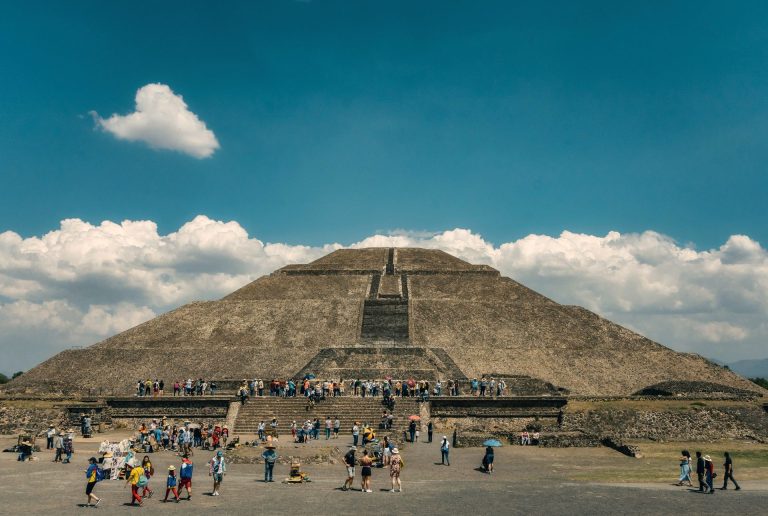
Climb the Pyramid of the Sun.
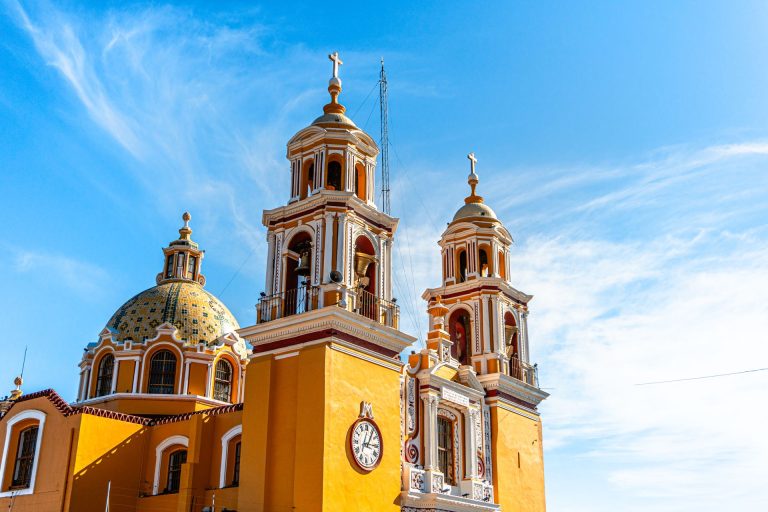
Tiled churches, mole and a pyramid under a church.
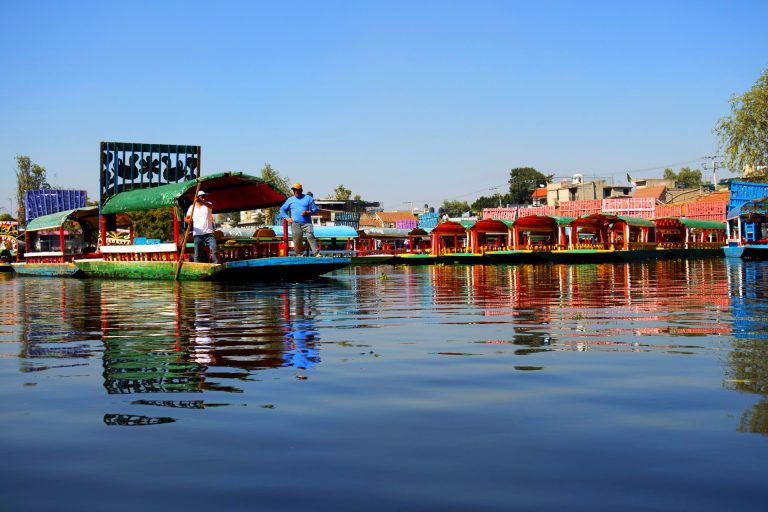
Canal boats and floating gardens.
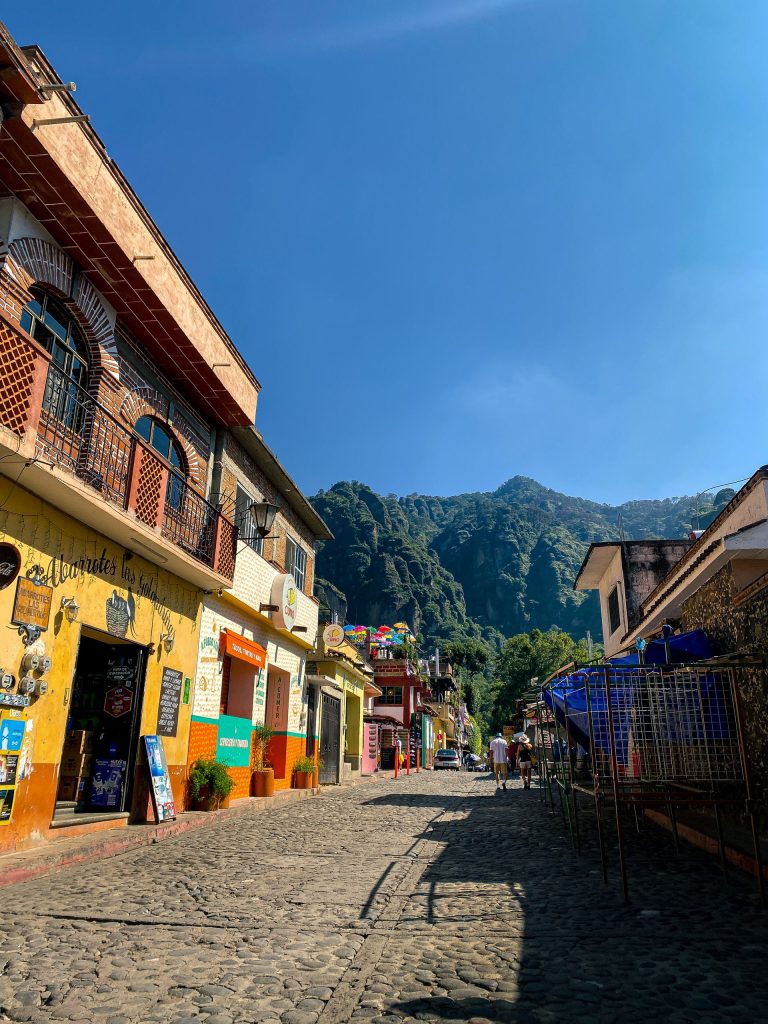
A mountain village with a hilltop temple.
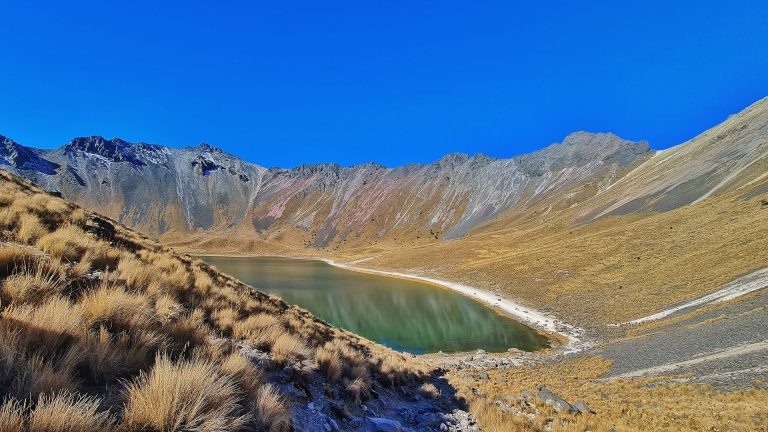
A crater with two lakes.
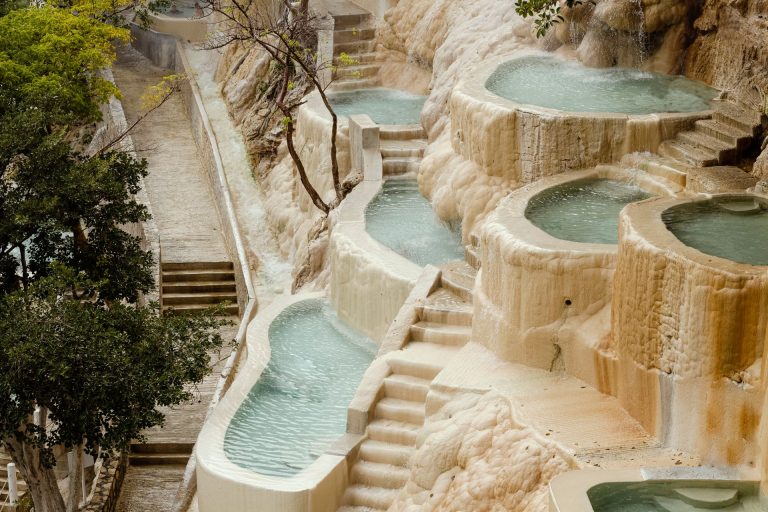
Hot springs in a canyon.
Festivals, holidays and the Day of the Dead.
Altars, marigolds and a big parade.
The Grito at midnight and a military parade.
Processions, and Iztapalapa's Passion play.
A big Latin rock festival.
Through the centre.
A big indie and rock festival.
The highest-rated hostels in Mexico City, live from Hostelworld. Prices and availability are live on each property page.
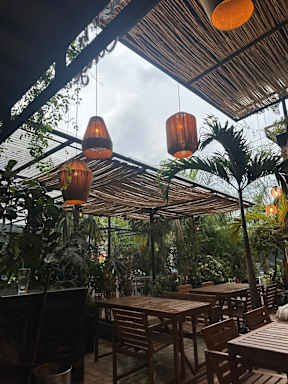
 Sustainable
October to April is dry, sunny and mild. May is the warmest month. June to September brings an afternoon downpour most days. Late October and early November are busy for the Day of the Dead.
Average highs, rounded. Nights are cool all year.
Per night, for one person, based on Mexico City prices.
Treat these as a guide. Day trips cost extra.
The ones we get asked most.

Compare hostels across Mexico: live prices, real reviews and free cancellation on most bookings. Then meet the people already there in the app.

 Get the App.



 Get the App.