Village centre
Dive shops, foodAlong the main road.

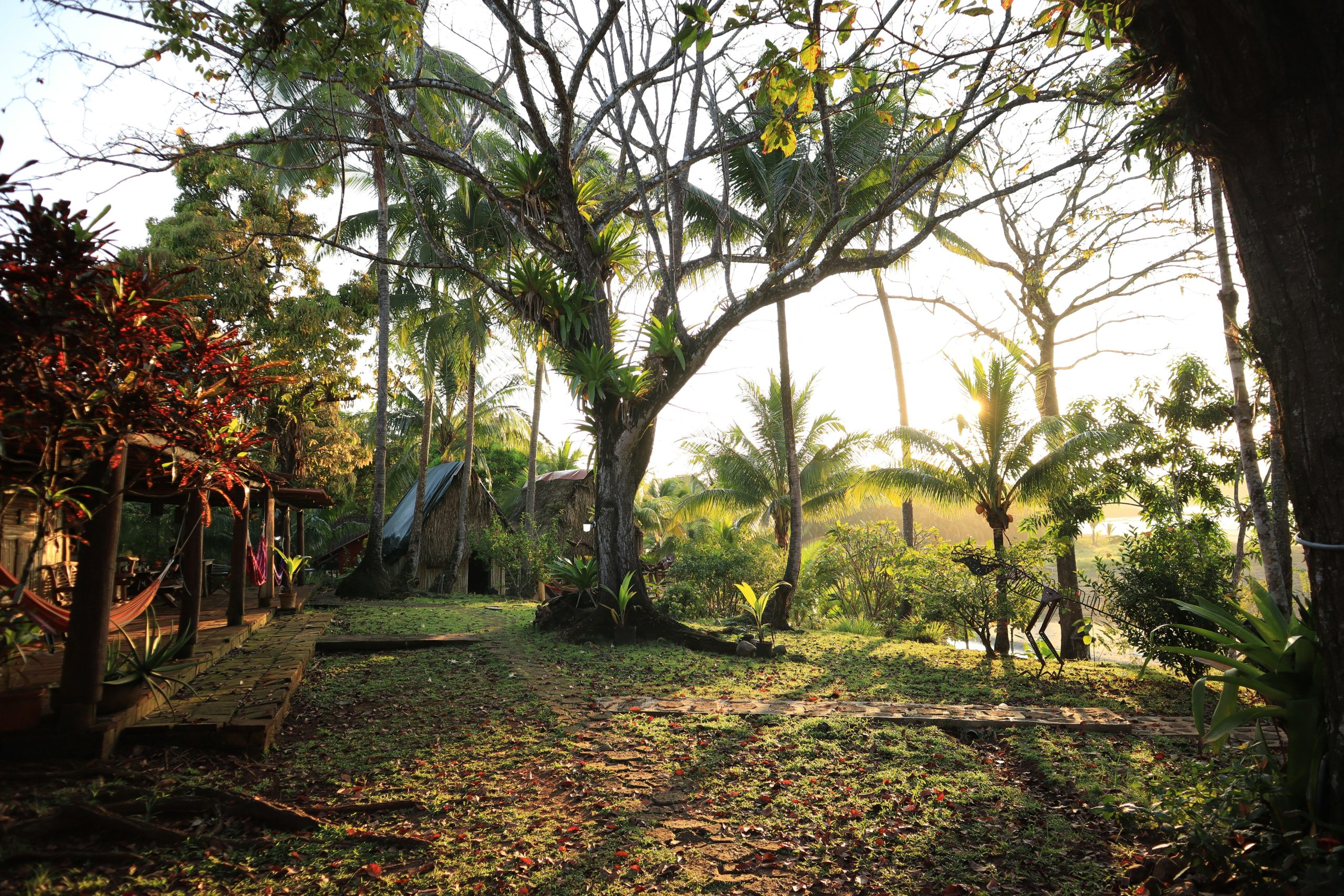
A small Pacific surf village and the gateway to Coiba National Park: a powerful right-hand reef break, diving with sharks, turtles and huge schools of fish, snorkelling around wild islands, and not much else, which is the point.
Santa Catalina is a fishing village on the Pacific coast of Veraguas, about six hours west of Panama City. It has one main road, a handful of hostels, surf shops and dive centres, and a famous reef break that draws surfers from December to April.
Offshore lies Coiba National Park, a UNESCO World Heritage Site of islands that were a penal colony until 2004, which kept them almost untouched. Its waters are part of the Eastern Pacific marine corridor and have whitetip reef sharks, turtles, rays, dolphins and, in season, humpback whales.
Give Santa Catalina three or four days.
Stay near the main road for dive shops and food, or near Playa Estero for the beach and beginner waves.
Along the main road.
The sandy beach east of the village.
The point break.
Orange labels are neighbourhoods, dots are the 9 top-rated hostels. Map data from OpenStreetMap contributors.
Surf the point break at La Punta, best for experienced surfers, or learn at Playa Estero, a sandy beach break.
Dive or snorkel in Coiba National Park on a day trip, with chances of whitetip sharks, turtles, eagle rays and big schools of fish. Snorkel trips stop on islands such as Granito de Oro.
Watch humpback whales from about July to October, and take a boat to Isla Cébaco for beaches.
Playa Estero and the beaches around town are free, and so is watching the surfers at La Punta.
Sunsets cost nothing.
Coiba trips include park fees.
Small restaurants serve fish, rice and patacones for €5 to €8. Pizza and Italian food are popular, thanks to European residents.
Try fresh ceviche.
There are few shops, so stock up in Soná. A 10 per cent tip is usual in restaurants; check the bill first, as some add it.
Santa Catalina is quiet: a few bars and occasional parties in the high season.
Divers and surfers go to bed early.
A beer costs €1.50 to €3.
From Panama City, take a bus to Santiago (about 4 hours), then to Soná and Santa Catalina (about 2 hours more). Shuttles run from Panama City, Boquete and Santa Fe.
The village is walkable. Dive shops run boats to Coiba, about an hour each way.
Hostel beds start at around €12 to €20 a night. Meals cost €5 to €8.
A two-tank Coiba dive costs about €100 to €160 including park fees, a snorkel trip about €50 to €80, and a surf lesson about €30 to €45.
Panama uses the US dollar, alongside its own balboa coins, which are worth the same. There is no reliable ATM in the village, so bring cash; the nearest is in Soná.
Santa Catalina is safe and relaxed. The La Punta reef is shallow and powerful; surf it only if you are experienced.
On Coiba trips, use certified dive operators and follow park rules.
Tap water is safe to drink in Panama City and most of the country, but not in Bocas del Toro or on the islands; use bottled or filtered water there. In an emergency, call 911.
Seasons and holidays.
Clearest water.
The biggest waves.
Humpbacks.
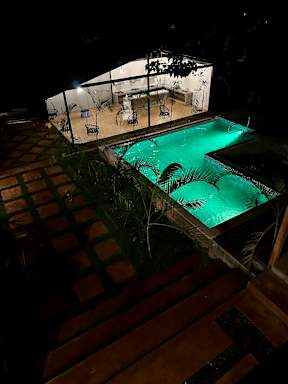
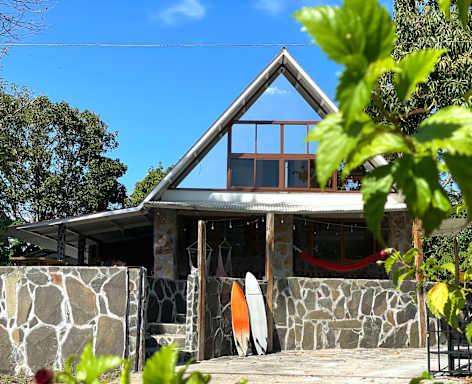
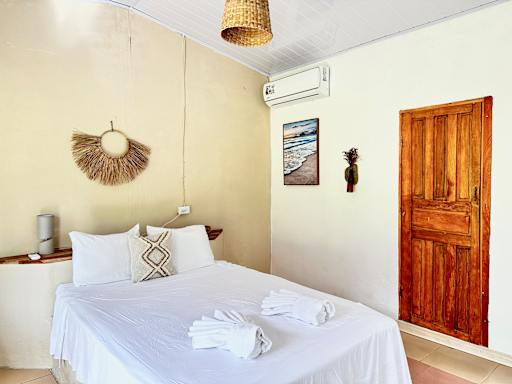
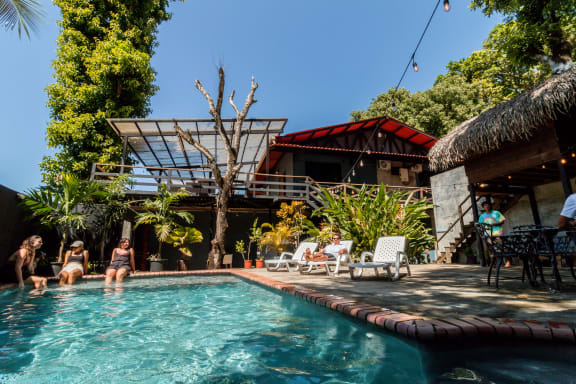
The highest-rated hostels in Santa Catalina, live from Hostelworld. Prices and availability are live on each property page.
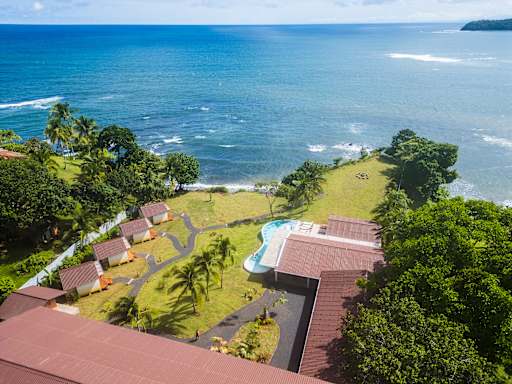
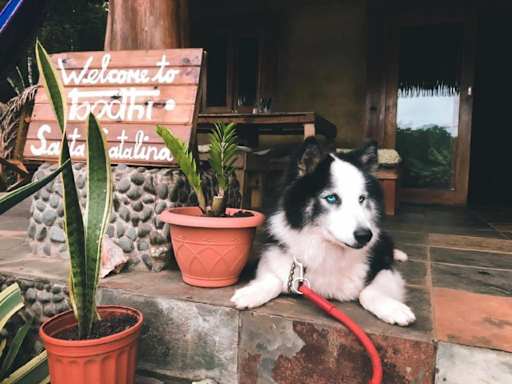
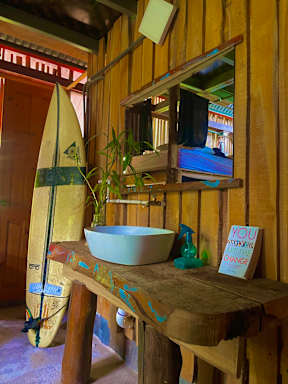
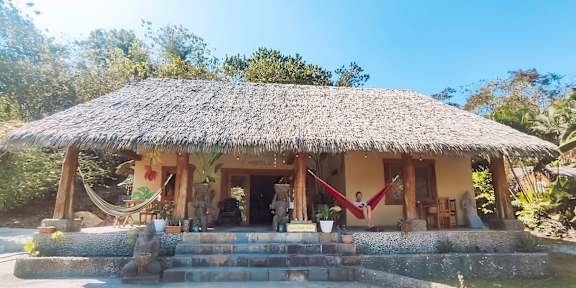
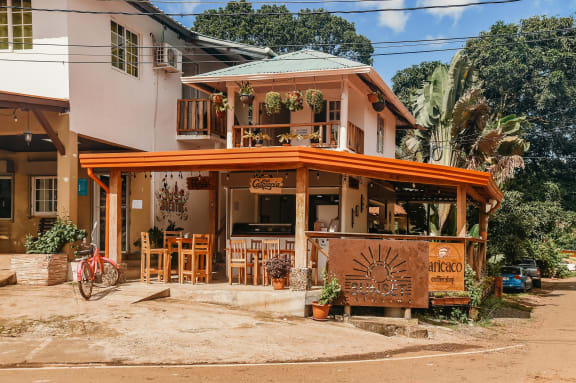
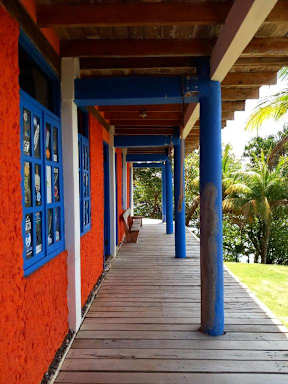
December to April is dry, with the best visibility for diving and the biggest surf at La Punta. May to November brings rain and is quieter, with whales from about July to October.
Average highs, rounded. Hot all year.
Per night, for one person, based on Santa Catalina prices.
Treat these as a guide. Diving costs extra.
The ones we get asked most.

Compare hostels across Panama: live prices, real reviews and free cancellation on most bookings. Then meet the people already there in the app.

 Get the App.



 Get the App.