Arusha
Tanzania city guide

Arusha Travel Guide

Arusha is where northern Tanzania's safaris start: the Serengeti, Ngorongoro and Tarangire are all a few hours' drive away, and Kilimanjaro and Mount Meru fill the horizon. Spend a day or two here booking your safari properly, then add Arusha National Park, Lake Duluti or the Materuni waterfalls near Moshi.

4
Hostels in the city
7.8
Average, from 335 reviews
$59
Arusha National Park entry in high season
$44
Compulsory Tanzania insurance from October 2026
2–3 days
To book a safari and see the area

Safari capital, not a pretty town

Arusha sits at about 1,400 metres on the lower slopes of Mount Meru, which gives it warm days and cool evenings rather than the heat of the coast. It is a busy, growing city of markets, minibuses and safari jeeps, and for most travellers it is a base rather than a destination. The Serengeti, Ngorongoro Crater, Tarangire and Lake Manyara are all reached from here, Kilimanjaro is about 80km to the east, and most northern circuit safaris start and finish at hotels and hostels around town.

Be honest with yourself about the town. The centre around the Clock Tower is useful but not beautiful: traffic, dust, banks, curio shops and the safari touts the locals call flycatchers. The pleasant parts are the leafy suburbs, the coffee farms on the hills and the countryside towards Usa River and Mount Meru.

A typical first visit runs like this. Fly into Kilimanjaro International Airport, about an hour away, or come up by bus or shuttle from Dar es Salaam or Nairobi. Spend a day comparing safari operators and a day out at Arusha National Park or Lake Duluti, then head off on a three- to six-day safari. Many people come back through Arusha to fly to Zanzibar, or move on to Moshi to climb Kilimanjaro.

From 1 October 2026, foreign visitors to mainland Tanzania need a compulsory $44 inbound insurance policy from the state insurer, on top of a visa. Buy it online before you fly, because you can be refused entry without it. It is valid for up to 92 days, and the guidance is that one policy covers a trip that continues to Zanzibar.

Give Arusha two or three nights, not counting the safari itself. That is enough to arrange the trip without rushing, recover from a long flight and see Meru's lakes and forests. Five nights lets you add Moshi and the Materuni waterfalls, or a hike on Mount Meru's lower slopes.

Where to stay in Arusha

Arusha's hostels are spread out rather than clustered in one backpacker district. The centre is handy for buses, banks and safari offices, the suburbs are quieter and greener, and Usa River on the road east puts you close to Arusha National Park and Lake Duluti. Most safari operators pick up from anywhere in town.

City centre and Clock Tower

First-timers, safari shopping, banks

The commercial heart, with the Clock Tower roundabout, ATMs, supermarkets, curio shops and many safari offices. Convenient by day, but busy, full of touts and not a place to wander after dark.

Kaloleni and Levolosi

Budget travellers, buses, markets

The area west of the centre around the Central Market and the main bus stands. Cheap, local and loud, good for early buses and market food. Keep a close eye on bags.

Kijenge

Quieter nights, cafés, walking to town

A greener residential area east of the centre, with guesthouses, restaurants and expat cafés. A 20–30 minute walk or a short ride into the centre.

Njiro

Quiet stays, longer visits, good-value hostels

A spread-out suburb in the south-east with gated houses, supermarkets and some of Arusha's better-rated hostels. You'll need taxis or dala-dalas to get anywhere.

Usa River

Arusha National Park, Lake Duluti, countryside

A small town about 20km east on the Moshi road, among coffee and banana farms. Close to the national park gate and Duluti, far from Arusha's nightlife.

Orange labels are neighbourhoods, dots are the 4 top-rated hostels. Map data from OpenStreetMap contributors.

Things to do

How to book a budget safari properly

Arusha's main job is getting you on safari, and doing it well takes a day of homework. Start with the maths. Park entry for adults is $59 a day in high season at Tarangire, Lake Manyara and Arusha National Park, $82.60 in the Serengeti and $70.80 at Ngorongoro, all including VAT, plus $295 per vehicle to drive down into Ngorongoro Crater. Add camping fees, fuel, a vehicle, a guide and a cook, and a camping safari quoted far below about $180–200 per person per day usually means something is being cut: crew wages, food, vehicle maintenance or the fees themselves.

A fair budget camping safari should include park and crater fees, a 4x4 with a pop-up roof, a licensed driver-guide, a cook, all meals, drinking water and camping gear. Ask what is excluded: sleeping bags, drinks, tips and transfers are the usual extras. Get the full day-by-day itinerary, the number of people per vehicle and the parks visited in writing before you pay.

To find a fair operator, check that the company has a tourism licence and is a member of the Tanzania Association of Tour Operators (TATO), read recent reviews on independent sites, and visit the office. Ask how much the guide and cook are paid and whether the company follows a tipping guideline. Never pay a flycatcher on the street or a company that only exists on WhatsApp. Hostels can match you with other travellers to fill a vehicle, which is how most backpackers bring the price down.

If you only have one day, Arusha National Park is the easy safari from town. It is small, an hour or less from the centre, and you can do things the bigger parks don't allow, like a walking safari with an armed ranger ($23.60) or canoeing on the Momela lakes ($23.60). Expect giraffe, buffalo, black-and-white colobus monkeys and flamingos rather than lions, and on a clear morning views of both Meru and Kilimanjaro.

Free things

Markets, mountain views and the Clock Tower

Arusha isn't a city of free museums and parks, but the town itself is worth a morning on foot. Start at the Clock Tower roundabout, the traditional centre, and walk west towards the Central Market. Inside, the stalls are stacked with bananas, avocados, dried fish, spices and bags of local coffee, and outside the dala-dalas jam the streets. It costs nothing to look, and it is the best place to see how the city actually lives. Keep your phone and wallet close in the crowds.

The curio and Maasai market stalls in the centre sell beaded jewellery, carvings, kangas and paintings. Browsing is free, but bargaining is expected, and first prices are pitched high for safari tourists. Walk away politely if the price doesn't come down.

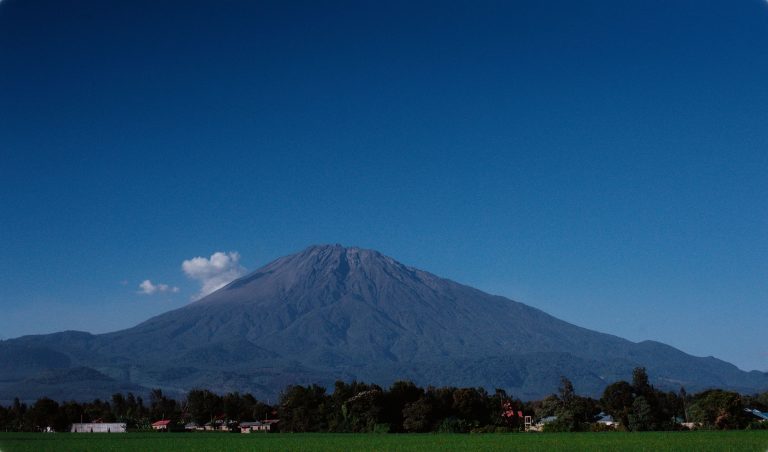
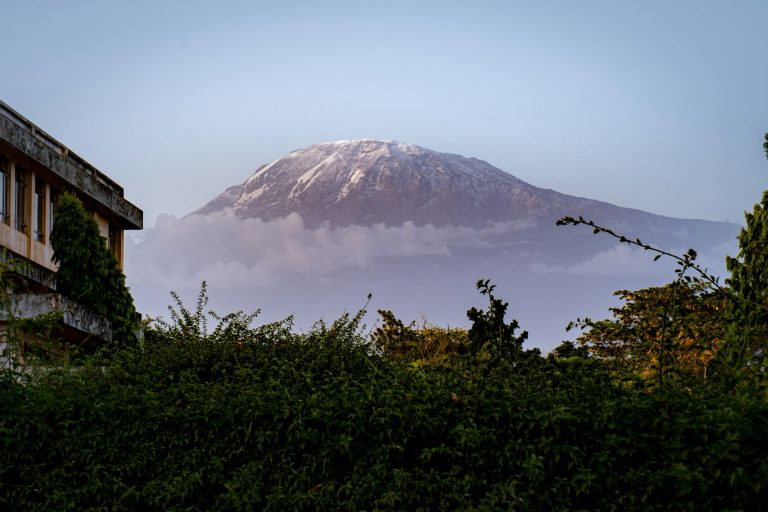
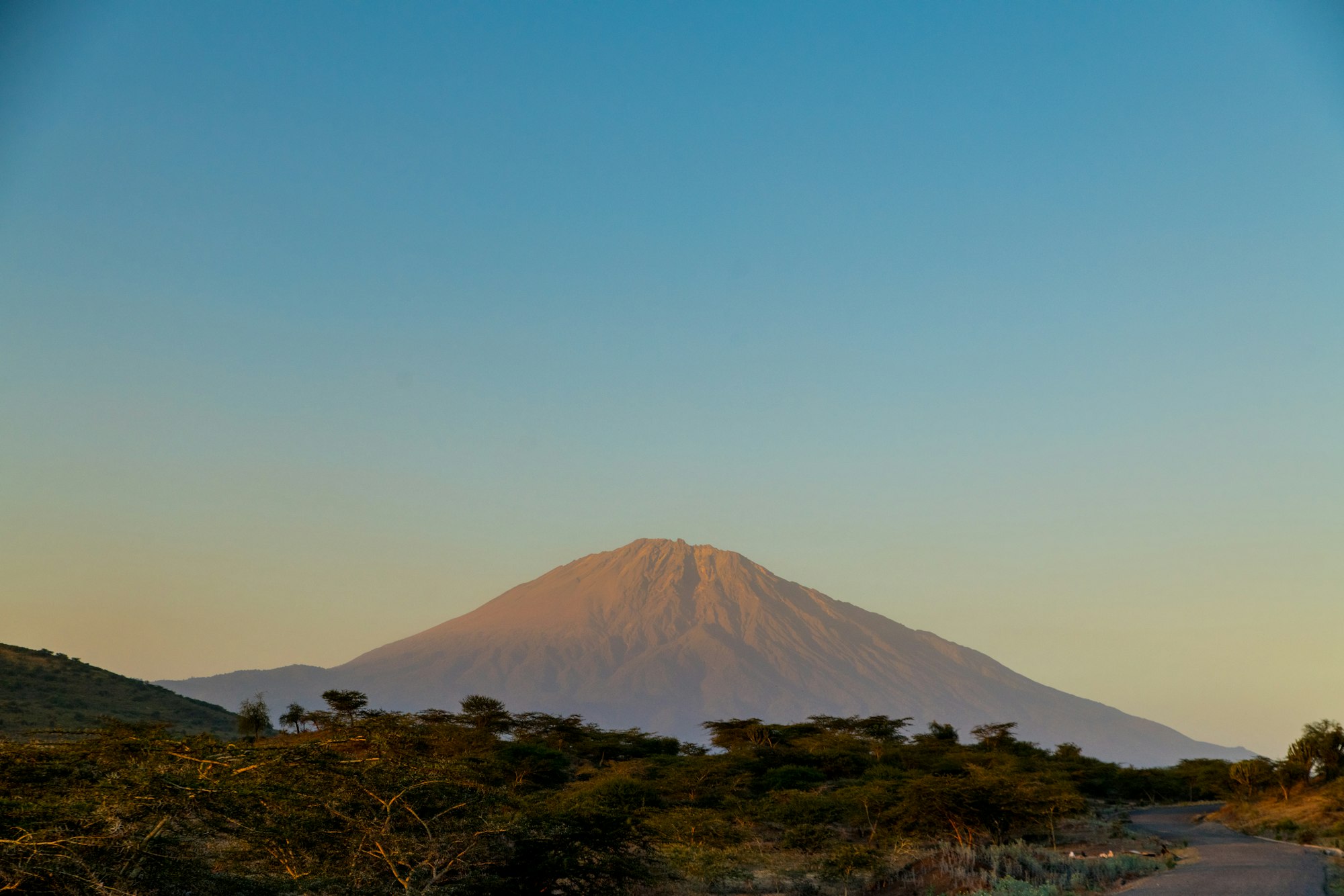
The best free view in Arusha is Mount Meru, at 4,566 metres Tanzania's second-highest mountain, rising straight out of the town's northern edge. It is clearest early in the morning, before the clouds build up. On a very clear day, especially in the dry months, you can also see Kilimanjaro's snowy summit far to the east from higher ground around town.

On Sunday mornings, many of Arusha's churches fill with choirs, and visitors are usually welcome to sit at the back as long as they dress respectfully. It is one of the most memorable free experiences in northern Tanzania.

Outside town, the countryside costs little to explore. Walking through the coffee and banana farms on Meru's lower slopes, or the villages around Usa River, gives you a sense of the area most safari-goers miss. Go with a local guide from your hostel or one of the cultural tourism programmes, both to find the paths and so the money stays in the villages.

Food and drink

Nyama choma, chipsi mayai and mountain coffee

Arusha eats like the rest of mainland Tanzania: filling, cheap and built around meat, starch and beans. The dish to try first is nyama choma, goat or beef grilled slowly over charcoal and served in chunks on a board with salt, chilli and kachumbari, a tomato and onion salad. It is a social meal, ordered by weight and shared at long tables with a few beers, and every neighbourhood has a nyama choma bar.

Chipsi mayai, chips cooked into an omelette, is Tanzania's favourite cheap meal and is sold from street-side grills across town, often with a squirt of chilli sauce and kachumbari. Mishkaki (meat skewers), roasted maize and grilled bananas are the other street snacks. For lunch, local canteens serve plates of ugali (stiff maize porridge) or rice with beans, greens and a meat or fish stew for a few thousand shillings.

The region around Kilimanjaro is the home of the Chagga people, and their banana dishes turn up on Arusha menus: look for mtori, a thick banana and beef soup, and ndizi (plantain) cooked with meat. Breakfast is chai, very sweet, and mandazi, a lightly sweet fried dough.

Coffee grows on the slopes of Meru and Kilimanjaro, and Arusha has a growing number of cafés serving local beans. Buying a bag of Tanzanian coffee is one of the more useful souvenirs, and much cheaper at the market than at the airport.

The local lagers are Kilimanjaro, Safari and Serengeti, and Konyagi is the national gin. Beer is usually served warm unless you ask for it cold (baridi). Tourist restaurants and lodges around town charge European prices; the local places a few streets away charge a fraction. Don't drink the tap water or eat salads washed in it at the cheapest stalls.

Nightlife

Football, nyama choma and early starts

Arusha's nightlife is real but low-key, and it is mostly local. The heart of a night out is the neighbourhood bar: plastic chairs, a nyama choma grill, cold or warm beer, Bongo Flava music (Tanzanian pop) and a television showing the English Premier League. Football is huge here, and a big match is the easiest way to end up in conversation with locals.

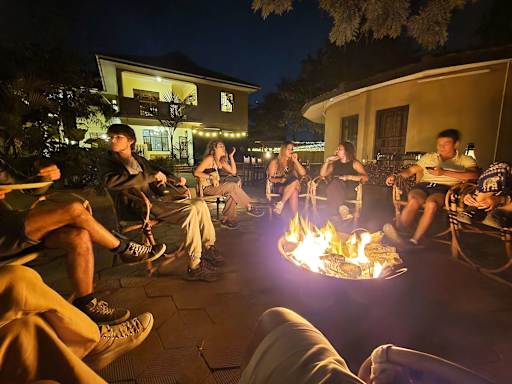
Most travellers keep it short because safaris start early, usually with a 7–8am pickup, and nobody wants to spend the first game drive hungover. The social life for backpackers is in the hostels: several have their own bars, garden areas and barbecue nights, and it is where you meet people to share a safari vehicle or a Kilimanjaro trek.

At weekends there are clubs and live music venues around town that stay open late, and some lodges and restaurants put on bands. Ask your hostel which places are popular at the moment and how to get there, because venues come and go and the best ones are rarely in the centre.

Getting home is the part to plan. Arusha's streets are poorly lit and muggings after dark are a known risk, especially around the centre and the bus stands. Don't walk back at night, even for short distances. Use Bolt or inDrive, or a taxi your hostel trusts, and agree the fare first if it's a taxi. Avoid bodabodas (motorbike taxis) at night, because accidents are common and drivers rarely carry spare helmets.

Same-sex relationships are illegal in Tanzania, so LGBTQ+ travellers should be discreet in public. Drug laws are strict and enforced, and anyone offering you drugs on the street may be working with the police.

Getting around

Airports, shuttles and dala-dalas

Most international travellers arrive at Kilimanjaro International Airport (JRO), which sits between Arusha and Moshi, about 45km from Arusha's centre. The drive takes roughly an hour, depending on traffic at the Arusha end. Taxis and hostel pickups usually quote around $50 for the trip; book through your hostel so someone is waiting with your name, and confirm the price and currency first. Arusha Airport (ARK), on the western edge of town, is the hub for small planes to the Serengeti airstrips and for some flights to Zanzibar and Dar es Salaam.

Before you fly, sort the paperwork. From 1 October 2026, foreign visitors entering mainland Tanzania by air, land or sea must hold the compulsory $44 inbound insurance from the National Insurance Corporation, valid for up to 92 days. Residents of East African Community and SADC countries are exempt. If you start in Zanzibar, the industry guidance is that the Zanzibar policy covers you on the mainland too.

In town, dala-dalas run fixed routes from the main stands near the Central Market, cheap but crowded. Bolt and inDrive are the ride-hailing apps that work in Arusha; Uber shut down its Tanzanian operations in January 2026. Bodabodas, motorbike taxis, are quick but dangerous; if you use one, insist on a helmet.

For Moshi, buses and minibuses leave throughout the day from the main bus stand, and the trip takes about 1.5–2 hours. Shuttle buses run between Arusha and Nairobi in Kenya, crossing the border at Namanga, and long-distance buses go to Dar es Salaam, a full day on the road. Flights to Zanzibar take around an hour and a half and save a long overland trip and ferry.

For day trips to Arusha National Park, Lake Duluti and Materuni, it is simplest to go with a hostel-arranged driver or a small tour. Public transport gets you to the turn-offs but not into the parks.

Costs

What Arusha and a safari cost

The Tanzanian shilling (TSh) is the currency for daily life, and in October 2026 €1 bought about TSh 2,950 and $1 about TSh 2,640. But the big costs in Arusha, safaris, park fees, climbing and the compulsory insurance, are priced in US dollars, so the dollar is effectively the second currency here. Bring clean, recent US notes, because older or damaged notes are often refused.

Day-to-day Arusha is cheap. Dorm beds in the hostels listed on Hostelworld start at about $10–20 a night, local meals cost a few thousand shillings, and a dala-dala ride across town costs very little. A comfortable day in town, eating in a mix of local and tourist places, rarely costs more than €30–40.

Safaris are where the money goes. Park fees alone run about $59–82.60 per adult per day, and Ngorongoro adds $295 per vehicle for the crater, shared between the people in it. That is why sharing a vehicle with three to five other travellers is the single biggest saving. A day trip to Arusha National Park costs the $59 entry plus a vehicle and guide, and the walking safari or canoeing add $23.60 each.

Budget for tips on safari. Guides and cooks rely on them, and a tip is normally given at the end of the trip, in cash. Ask your operator for its guideline before you book, so you can add it to your total rather than being caught out on the last day.

ATMs are easy to find in central Arusha, though many limit how much you can withdraw at once, and some charge fees. Cards work at bigger hotels, supermarkets and safari companies, often with a surcharge of a few per cent. Park fees are paid electronically by the operator, so a reputable company should show you the fees on its invoice.

Safety

Flycatchers, fake safaris and the Tanzanite rules

Arusha is safe enough for the thousands of travellers who pass through every week, but it is a big East African city and needs some street sense. The biggest nuisance is flycatchers: young men who approach you in the street, at the bus stand or outside your hostel to sell safaris, Kilimanjaro climbs and day trips. Some work for real companies on commission, others for operators with no licence, no vehicle and no intention of delivering. Never pay a deposit on the street. Book in an office, get a written itinerary and receipt, and check the company's licence and recent reviews.

Petty crime is the main risk. Phone snatches and bag theft happen in the centre and around the markets and bus stands, and muggings after dark are a real risk, so don't walk at night, even short distances. Use Bolt, inDrive or a taxi your hostel trusts. Keep valuables and spare cash in your hostel's locker.

Tanzanite is mined in only one place on earth, at Mererani, about 50km from Arusha, and it is sold everywhere in town. Fakes and overpriced stones are common, so follow a few rules. Buy cut stones only from licensed dealers, and get an official receipt and a certificate describing the stone. Keep the paperwork for customs when you fly out. Tanzania restricts the export of rough, uncut tanzanite, so don't buy uncut stones from street sellers, however good the price sounds.

On safari, stay in the vehicle unless your guide says otherwise and never walk around unfenced campsites at night. If you plan to climb Mount Meru, take altitude seriously: it is over 4,500 metres.

Same-sex relationships are illegal in Tanzania. Ask your doctor about malaria tablets and vaccinations before you travel, and remember the compulsory $44 insurance from October 2026; it doesn't replace your own travel insurance.

Day trips from Arusha

Arusha's day trips are all about Mount Meru and Kilimanjaro: forests, crater lakes, waterfalls and coffee farms. A hostel-arranged driver split between three or four people is usually the easiest way to do them.

Arusha National Park

Arusha National Park

About 45 minutes to 1 hour · Driver or tour

Walking safaris and canoeing on the Momela lakes, giraffe, buffalo and colobus monkeys, and views of Meru. Entry $59 in high season.

Lake Duluti

About 30 minutes · Dala-dala and walk, or taxi

A small crater lake near Tengeru, ringed by forest, with a walking path, birdlife and canoeing. An easy half day.

Materuni waterfalls and coffee

About 2–2.5 hours · Driver or tour from Moshi

A walk through Chagga farmland to a tall waterfall on Kilimanjaro's lower slopes, usually paired with a coffee tour where you roast and grind the beans yourself.

Moshi

Moshi

About 1.5–2 hours · Bus or minibus

The smaller, calmer Kilimanjaro base, with good café culture and the start point for Materuni and most Kili climbs. Worth a night rather than a day.

Tarangire National Park

Tarangire National Park

About 2–2.5 hours · Safari vehicle

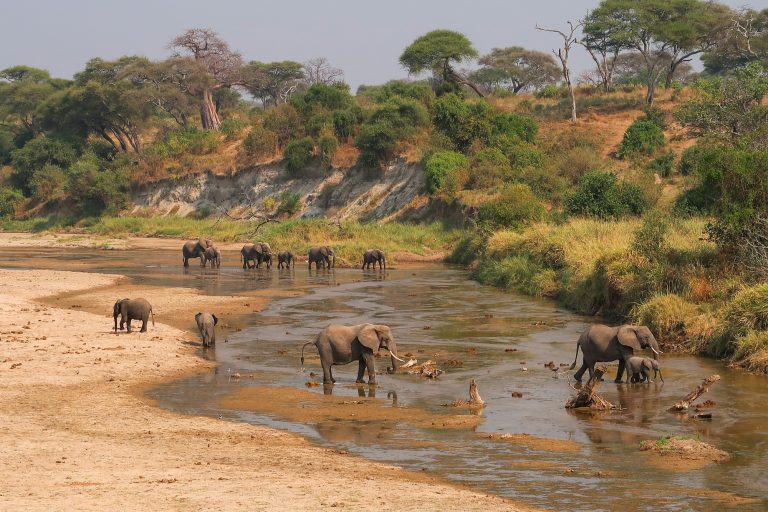
Big elephant herds and baobab trees, and the most realistic one-day safari from Arusha. Entry $59 in high season.

What's on

What's on in Arusha

Arusha's calendar follows the safari seasons and Tanzania's public holidays. The biggest event nearby is the Kilimanjaro Marathon in Moshi, which fills beds across the region.

When to go to Arusha

June to October is the dry season and the busiest time for safaris, with cool mornings in Arusha. January and February are warm and fairly dry, and the wildebeest calve in the southern Serengeti. The long rains fall from March to May, when prices drop and some roads get hard going, and the short rains come in November and December.

29°
Jan
Warm and fairly dry, Serengeti calving season begins
30°
Feb
Warmest month, calving in the southern Serengeti
29°
Mar
Long rains start, Kilimanjaro Marathon in Moshi
26°
Apr
Wettest month, some camps close
24°
May
Rain eases late in the month, lowest prices
23°
Jun
Dry season starts, cool evenings
23°
Jul
Peak safari season, coolest month
24°
Aug
Peak season, Nane Nane farmers' day on 8 August
26°
Sep
Driest month, great game viewing
28°
Oct
Dry and warming up, fewer crowds
28°
Nov
Short rains, green and quiet
28°
Dec
Short rains, Christmas holiday safaris
Bar height is temperature. Colour is how busy it gets: quiet busy peak

Average daily highs for Arusha from weather2travel.com long-term climate data, rounded to the nearest degree. Nights are cool all year at this altitude, especially from June to August. Crowd levels are our own estimate based on the safari high season and holidays.

Plan your Arusha budget

Pick a style and the number of nights for your time in town. A safari is a separate, much bigger cost, so price that on its own.

Daily estimates in euros per person for time in and around Arusha, based on October 2026 prices at about TSh 2,950 to €1 and $1.12 to €1. 'Doing' covers a day trip shared between several people, averaged over your stay. Safaris, park fees and the $44 insurance are not included. Treat these as a guide.

—
  • Beds—
  • Food and drink—
  • Getting around—
  • Doing things—

Arusha travel FAQs

Park fees, entry rules and prices change. Check the official sources before you travel.

How do I book a budget safari in Arusha?
Compare several licensed operators in person or by email, ideally members of the Tanzania Association of Tour Operators with recent independent reviews. Get a written itinerary listing the parks, days, vehicle, group size and what is included, and never pay a deposit to someone on the street. Hostels can help you join other travellers to share a vehicle.
How much does a budget safari from Arusha cost?
Park fees alone are $59–82.60 per adult per day, plus $295 per vehicle for Ngorongoro Crater. Once you add a vehicle, guide, cook and food, a fair camping safari is unlikely to cost much less than about $180–200 per person per day. Very cheap quotes usually mean something is being cut.
What should a safari price include?
Park and crater fees, a 4x4 with a pop-up roof, a licensed guide, a cook on camping trips, meals, drinking water and camping equipment. Tips, drinks, sleeping bags and airport transfers are often extra, so ask.
How do I get from Kilimanjaro Airport to Arusha?
It is about 45km, roughly an hour by road. Most travellers book a pickup through their hostel or take a taxi from the arrivals hall, usually around $50. Confirm the price and currency before you set off.
Do I need travel insurance to enter Tanzania?
Yes, from 1 October 2026 foreign visitors to mainland Tanzania need the compulsory $44 inbound insurance from the National Insurance Corporation, valid for up to 92 days. EAC and SADC residents are exempt. It doesn't replace your own travel insurance.
Can I visit Arusha National Park without a tour?
You need a vehicle to enter, so most people go with a hostel-arranged driver or a small tour. Entry is $59 per adult in high season, and you can add a walking safari with an armed ranger or canoeing on the Momela lakes for $23.60 each.
Should I stay in Arusha or Moshi?
Stay in Arusha if you're mainly going on safari, because most operators are based here. Moshi is smaller and calmer, closer to Kilimanjaro and the Materuni waterfalls, and the better base for a climb. Many travellers spend time in both.
Is it safe to buy tanzanite in Arusha?
Only from licensed dealers. Buy cut stones, get an official receipt and certificate, and keep them for customs when you leave. Don't buy rough stones or anything from street sellers.
Is Arusha safe?
Generally yes, by day. Watch out for pickpockets and bag snatchers in the centre and around the markets, and don't walk anywhere after dark. Use Bolt, inDrive or a trusted taxi at night, and book safaris only in an office.
When is the best time to visit Arusha?
June to October is dry and the best time for safaris, but also the busiest and most expensive. January and February are good for the calving season. April and May are the wet low season.

Say yes to hostels, meet the world

Compare Arusha hostels — live prices, real reviews and free cancellation on most bookings. Then meet the people already there in the app.

Get the App. QRGet the App.
Get the App. QR  Get the App.
Scroll to Top