How to book a budget safari properly
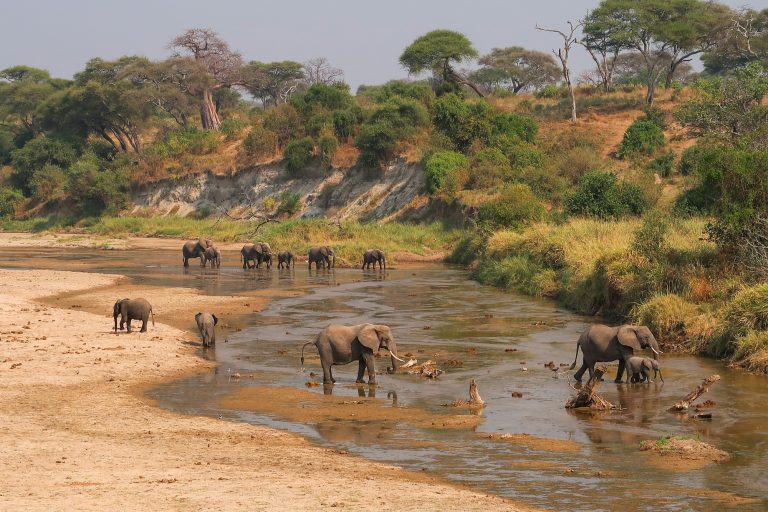
Arusha's main job is getting you on safari, and doing it well takes a day of homework. Start with the maths. Park entry for adults is $59 a day in high season at Tarangire, Lake Manyara and Arusha National Park, $82.60 in the Serengeti and $70.80 at Ngorongoro, all including VAT, plus $295 per vehicle to drive down into Ngorongoro Crater. Add camping fees, fuel, a vehicle, a guide and a cook, and a camping safari quoted far below about $180–200 per person per day usually means something is being cut: crew wages, food, vehicle maintenance or the fees themselves.
A fair budget camping safari should include park and crater fees, a 4x4 with a pop-up roof, a licensed driver-guide, a cook, all meals, drinking water and camping gear. Ask what is excluded: sleeping bags, drinks, tips and transfers are the usual extras. Get the full day-by-day itinerary, the number of people per vehicle and the parks visited in writing before you pay.
To find a fair operator, check that the company has a tourism licence and is a member of the Tanzania Association of Tour Operators (TATO), read recent reviews on independent sites, and visit the office. Ask how much the guide and cook are paid and whether the company follows a tipping guideline. Never pay a flycatcher on the street or a company that only exists on WhatsApp. Hostels can match you with other travellers to fill a vehicle, which is how most backpackers bring the price down.
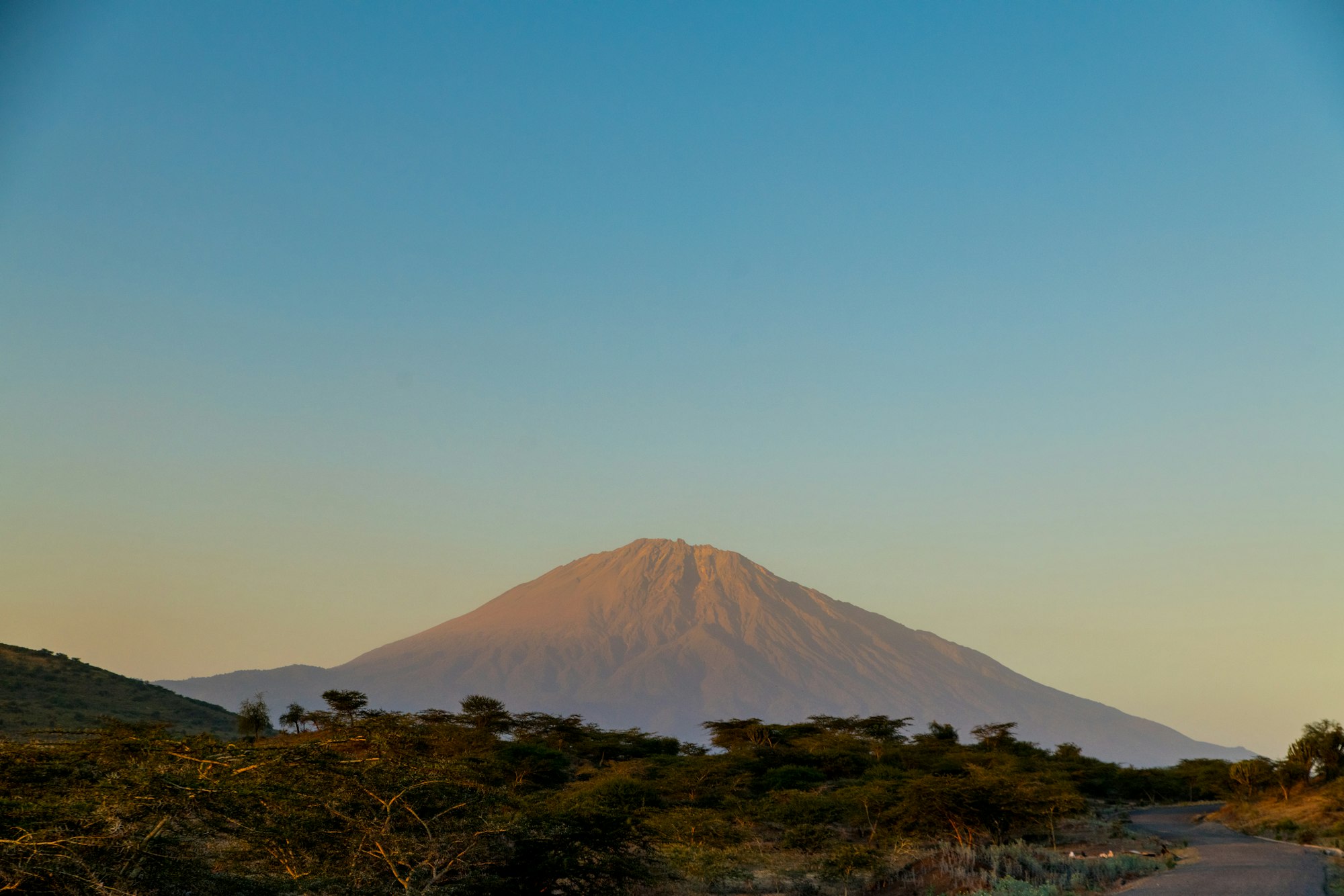
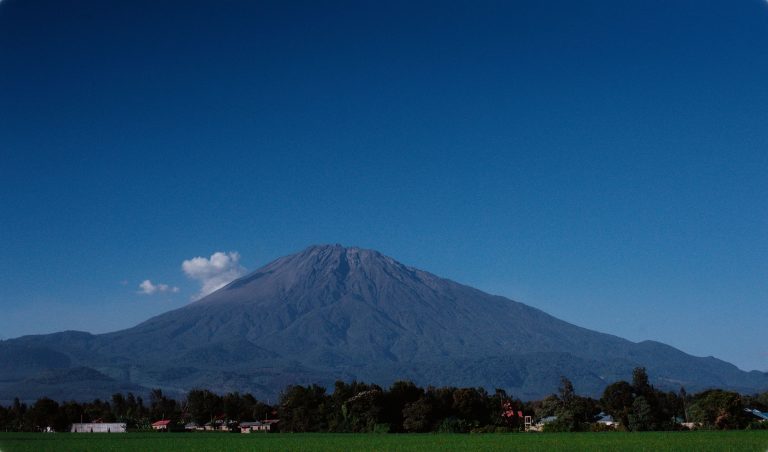
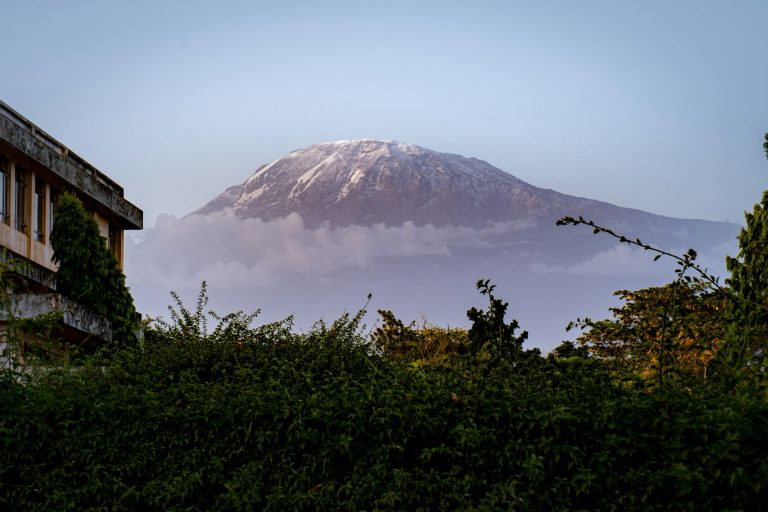
If you only have one day, Arusha National Park is the easy safari from town. It is small, an hour or less from the centre, and you can do things the bigger parks don't allow, like a walking safari with an armed ranger ($23.60) or canoeing on the Momela lakes ($23.60). Expect giraffe, buffalo, black-and-white colobus monkeys and flamingos rather than lions, and on a clear morning views of both Meru and Kilimanjaro.




 Get the App.