Windhoek
Windhoek city guide

Windhoek Travel Guide

Windhoek is where almost every Namibia trip starts: you land at Hosea Kutako, collect a hire car or a tour, stock up and head for the desert. Give it two days before you go, though, because the township markets, the independence story and a long dinner at Joe's Beerhouse explain the country better than any dune.

4
Hostels in the city
9.0
Average, from 433 reviews
45 km
From Hosea Kutako airport to the centre
Free
Entry to the Independence Memorial Museum
May–Oct
Dry season and the best time to self-drive

A small capital with a big back story

Windhoek is a compact, orderly city of hills and wide streets at about 1,650 metres up in Namibia's central highlands. Most travellers treat it as a logistics stop: pick up the hire car, buy a SIM, change money, load up on groceries and leave for Sossusvlei, Etosha or the coast. That is a fair plan, but if you rush it you miss the most interesting thing about the place, which is how plainly its history is on display.

The centre is a short walk end to end. Independence Avenue is the main shopping street. Up the slope on Robert Mugabe Avenue, the German Lutheran Christuskirche stands on a traffic island opposite the Tintenpalast parliament building, with the North Korean-built Independence Memorial Museum right beside it. A few hundred metres apart, you get the colonial version of Namibian history and the post-1990 one, and the contrast is the point.

Then there is the city most visitors never see. Katutura, about 20 minutes north-west of the centre by car, is where the apartheid government moved Black residents of the Old Location in the 1960s. The name means "the place where we do not want to live" in Otjiherero. Today it is home to a big share of Windhoek's people, and the Single Quarters market there, where kapana beef sizzles on open grills, is the best food stop in the city. Go with a local guide.

Two full days is enough for most people: one for the centre, the museum and an evening at Joe's Beerhouse, one for Katutura and a short trip out to Daan Viljoen or the Okahandja craft market. Add a day if you are collecting a hire car, because the vehicle handover and a big supermarket run take longer than you think.

Windhoek is safer than Johannesburg but it is not a city for wandering after dark. Muggings happen in busy central areas in daylight too, so carry little, use a taxi your hostel recommends, and keep the walking to daytime.

Where to stay in Windhoek

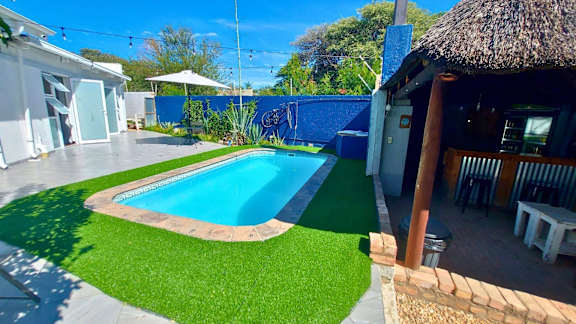
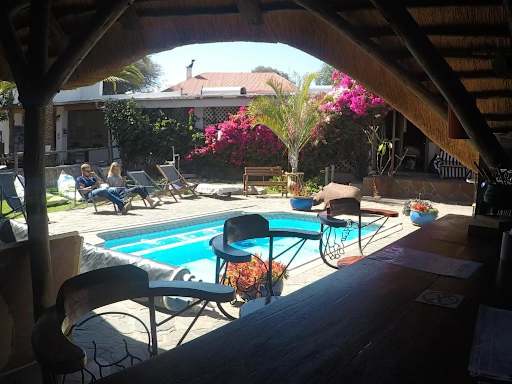
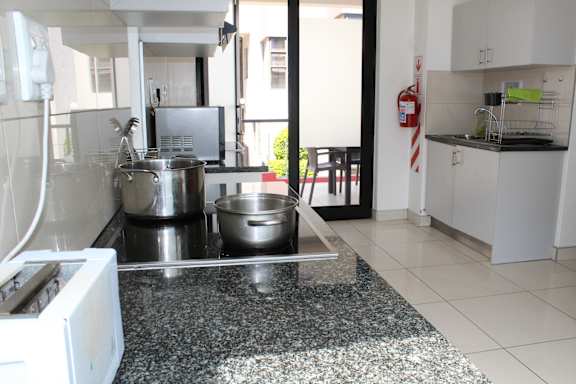
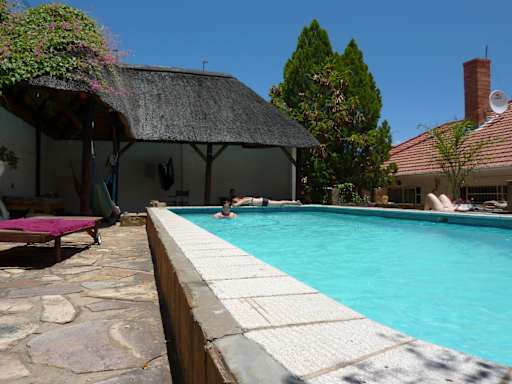
Windhoek's hostels and guesthouses sit in and around the centre, mostly behind walls and electric gates. Pick somewhere with secure parking if you have a hire car, and within a short taxi ride of Independence Avenue.

Windhoek Central

First-timers, sightseeing on foot

Independence Avenue, the Christuskirche, the Independence Memorial Museum and Parliament Gardens are all within walking distance. Busy by day, very quiet once the shops shut, so take a taxi at night.

Klein Windhoek

Food, a calmer base

Leafy suburb just east of the centre along Nelson Mandela Avenue, with guesthouses, cafés and restaurants. Joe's Beerhouse is a short taxi ride away.

Ludwigsdorf

Quiet nights, views

Hillside residential area above Klein Windhoek with guesthouses and city views. Nothing to walk to, so you'll be in taxis or your hire car.

Windhoek West

Budget stays, quick access to the centre

Older residential streets west of the centre with a few guesthouses and backpacker places. Walkable to the centre by day.

Eros

Early airport runs, self-drivers

North-east of the centre near Eros airport, with guesthouses, a shopping centre and an easy exit towards the B6 and Hosea Kutako.

Katutura

Markets, kapana, township tours by day

Windhoek's largest township, 20 minutes north-west of the centre. Visit with a local guide for the Single Quarters and Oshetu markets. Don't wander in at night without someone who knows the area.

Orange labels are neighbourhoods, dots are the 4 top-rated hostels. Map data from OpenStreetMap contributors.

Things to do

Church, museum, township and a very long dinner

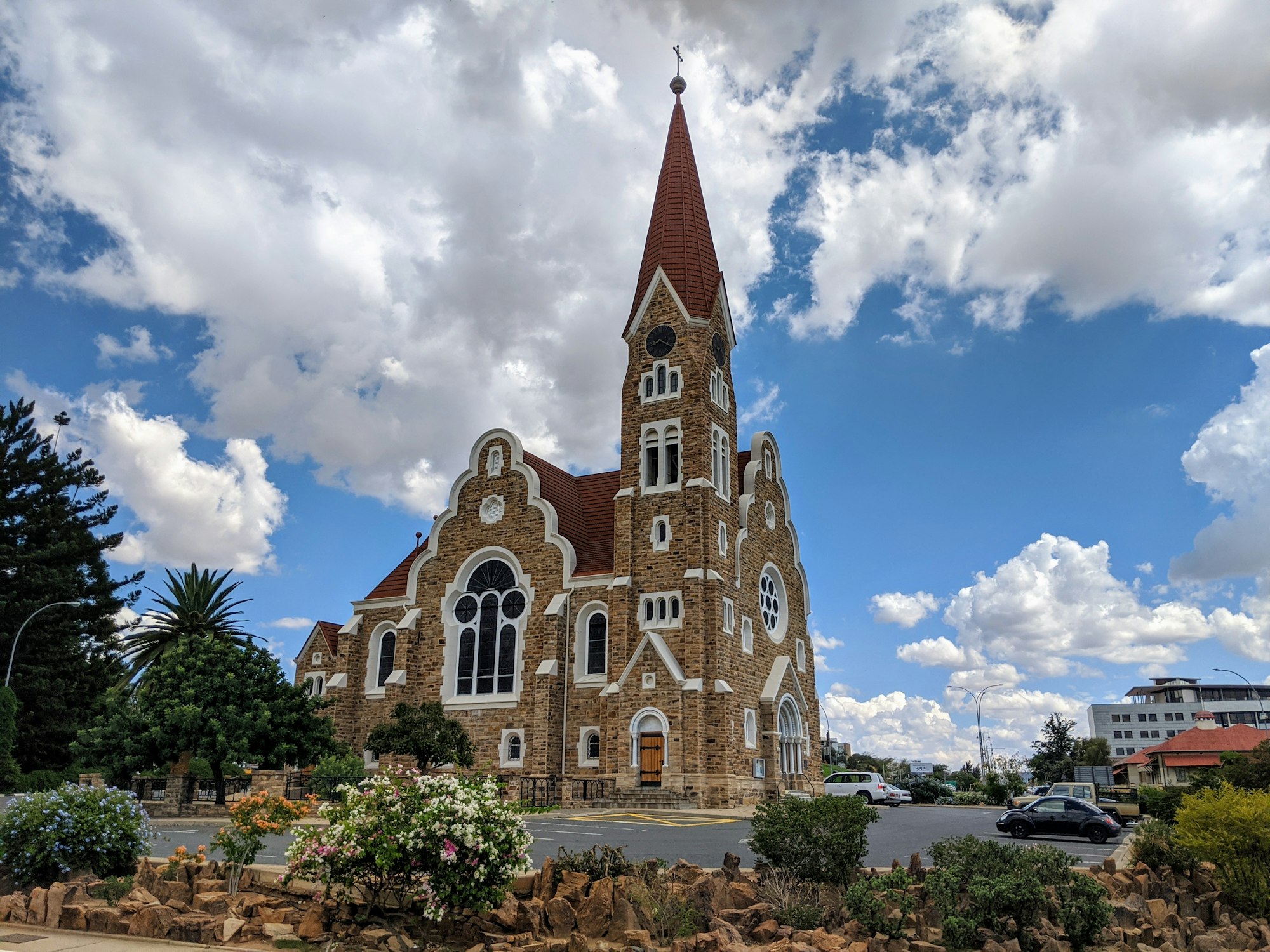
Start in the centre on Robert Mugabe Avenue. The Christuskirche, the sandstone Lutheran church with the pointed tower that appears on half the postcards, was dedicated in 1910. The stone came from near the Avis Dam, the portico is Carrara marble, and the stained-glass windows were a gift from Kaiser Wilhelm II. It stands opposite the Tintenpalast, the colonial-era parliament building, whose gardens are a pleasant place to sit.

Right next door is the Independence Memorial Museum, a 40-metre gold-tinted block built by a North Korean firm and opened in 2014. Locals compare it to a coffee pot. Entry is free (Monday to Friday 9am–5pm, Saturday 10am–5pm). Three floors walk you through colonial rule, the liberation struggle and the road to independence in 1990. The displays are one-sided in places, but the photographs are powerful. Ride the glass lift on the outside for the view, and look for the Genocide Memorial outside, a couple embracing above the words "Their Blood Waters Our Freedom". The colonial equestrian statue that once stood here was taken down in 2013 and is now in storage at the Alte Feste.

For Katutura, take a half-day tour with a guide who knows the township. Chameleon Safaris runs a city and township tour that stops at the Single Quarters market, and smaller operators such as Mwiya Tours are run by people who grew up there. Tours usually include Oshetu market, built on the site of the old single men's hostels, and sometimes the Penduka women's craft project at Goreangab Dam. Expect to pay around €35–45 for three to four hours.

In the evening, book a table at Joe's Beerhouse on Nelson Mandela Avenue. It is touristy and proud of it: a huge, cluttered beer garden of collected junk and campfires, seating over 500 people, serving game. The Bushman sosatie, a skewer of mixed venison that can include zebra and crocodile, is the order. Weekends get busy, so reserve.

Free things

Windhoek without spending a dollar

The best free sight in Windhoek is the Independence Memorial Museum. It costs nothing, takes a couple of hours and sets up the rest of your trip, because it explains why every town you drive through has a German name and a different story underneath it. Even if you skip the exhibits, the outside lift and the statues are worth a look.

The Christuskirche is free to see from outside at any time, and the Parliament Gardens around the Tintenpalast across the road are a green, shady spot to eat lunch. Walk down to Independence Avenue afterwards. In the Post Street Mall, a pedestrian street off the main road, a row of Gibeon meteorites sits on display in the open, part of a huge meteorite shower that fell in southern Namibia long before anyone was around to see it. The Zoo Park next to it, which hasn't been a zoo for a long time, is the city's central park.

On the edge of the city, Avis Dam has walking and running trails through rocky bush, popular with locals in the late afternoon. Go with others, carry little and come back well before dark. The FCDO notes that muggings can happen in quiet places at any time of day.

Window-shopping in Katutura costs nothing too, but don't go alone the first time. A guided visit for the market and the kapana, then a return trip with someone you met there, is the usual way people get to know the place.

And the free thing most backpackers end up doing without planning to: hanging around a hostel courtyard in the evening, swapping notes with people coming back from the Skeleton Coast or Etosha about road conditions, fuel stops, which campsites were full and who is looking for someone to share a hire car. Windhoek is the main meeting point for self-drive trips in Namibia, and if you arrive without a plan you often leave with travel buddies.

Food and drink

Kapana, game meat and a lot of German baking

The food that tells you most about Windhoek is kapana, and the place to eat it is the Single Quarters market in Katutura, now known as the Oshetu Community Market. Vendors cut beef into small strips, grill it over open fires and hand it to you on a piece of paper, with a pile of the spice mix they call "kapana salt" for dipping and a tomato and chilli salsa on the side. Eat it with vetkoek, the deep-fried dough balls sold nearby. It is one of the cheapest meals in the city and one of the best. A guided tour is the easiest way to get your first plate and know what you're ordering.

At the other end of the scale is Joe's Beerhouse on Nelson Mandela Avenue, which has been feeding visitors game for decades. The Bushman sosatie is the dish people come for, a skewer of different meats that can include kudu, oryx, zebra and crocodile. Portions are big, so share a starter or skip it. It is touristy, but locals celebrate there too, and the atmosphere is fun. Vegetarians will find the menu thin.

German influence shows up everywhere else: bakeries selling Brötchen, apple strudel and Black Forest cake, and menus heavy on schnitzel and bratwurst. Windhoek Lager and Tafel Lager are the local beers, brewed under the German purity law.

Namibian home cooking is harder to find in the centre. Look for oshifima (a stiff millet porridge) with stew or mopane worms in Katutura and at some cultural restaurants, or ask your guide where they eat.

For self-drivers, the big supermarkets (Checkers, Pick n Pay, Spar and Woermann Brock) are where you'll shop before leaving. Stock up on water, braai meat, firewood and biltong, the dried meat snack sold at butchers and petrol stations across the country. Prices outside Windhoek are higher and the choice is much smaller.

Nightlife

Early nights, big beer gardens

Windhoek is not a party city. Most travellers are up at dawn to start a long drive, and the streets of the centre go quiet once the shops close. What nightlife there is happens in restaurants, beer gardens and a handful of bars rather than clubs, and almost everyone gets there by car or taxi.

Joe's Beerhouse is the default night out for visitors. Go early, eat, and stay for drinks around the fire pits. On a Friday or Saturday it fills up with Namibians and travellers alike, and the place has a looser, louder feel after dinner. Klein Windhoek and the streets around Nelson Mandela Avenue have most of the restaurants and wine bars, with a slightly older, quieter crowd. Ask at your hostel which places are busy that week, because bars change hands and open or close here more than the guidebooks keep up with.

In Katutura, shebeens (informal bars) and local spots play kwaito, house and Namibian pop late into the night, and weekends are lively. These are not places to walk into alone as a visitor after dark. The FCDO advises against entering townships at night unless you're with someone who knows the area. If a guide or a local friend invites you out, go with them and get a lift back.

Events break the routine. Independence Day on 21 March brings concerts and celebrations, and Windhoek's German community still runs an Oktoberfest and a carnival, which are big, beery and popular with everyone.

Whatever you do, plan how you're getting home before you go out. Book a taxi through your hostel or the LEFA app rather than hailing one, keep your phone out of sight on the street, and don't walk back even a few blocks after dark.

Getting around

Taxis, shuttles and your own wheels

There is no useful public bus network for visitors in Windhoek. The centre is easy on foot by day, and for everything else you use taxis. Shared taxis run set routes from ranks and charge a flat fare per seat, around €1, and more if the driver takes you off the main roads into residential streets. The FCDO advises against hailing taxis on the street, especially in Windhoek, so ask your hostel to call a driver they trust, or use LEFA, the local booking app. Uber does not operate in Namibia.

Hosea Kutako International Airport is about 45 km east of the city on the B6, around 40–45 minutes by road. There is no public transport to town. Hostels and shuttle companies run transfers for a per-person fee, and private transfers start from about €62 for two. Street taxis at the airport are unmetered, so agree the price before you get in. If you're hiring a car, pick it up at the airport and skip the transfer altogether.

Car hire is how most people travel Namibia. All the international firms have desks at the airport, and local 4x4 specialists deliver to your hostel. At handover, check the tyres, both spare wheels, the jack and tools, the windscreen and the underbody, and photograph every scratch. Ask what the insurance excludes. Many policies don't cover single-vehicle accidents, tyres or windscreens unless you pay for an upgrade. You need your licence plus an International Driving Permit, some cash for fuel in small towns, and a plan to finish each drive before dark.

On the road, keep to around 80 km/h on gravel, which is where most crashes happen. The FCDO advises two spare tyres and plenty of water, especially in the January to April rains.

For Swakopmund, Intercape runs a daily coach of about five hours, and Town Hoppers runs a door-to-door shuttle. Shared minibuses leave from the long-distance ranks too.

Costs

What Windhoek costs

The Namibian dollar (N$) is pegged one to one with the South African rand, and rand notes are accepted everywhere in Namibia. At around N$18.5 to €1 (October 2026), day-to-day costs are lower than in Europe, but this is not a cheap country to travel, because the distances are huge and you almost always need a car or a tour.

Beds in Windhoek are cheap by Namibian standards. Dorms listed on Hostelworld start at around €11 a night at the cheapest place and run to about €25–30 at the best-rated places. Private rooms in hostels and guesthouses often cost little more than a dorm bed, which is worth checking if you're travelling as a pair.

Food costs depend on where you eat. Kapana and street food in Katutura is about as cheap as eating gets. A main course at a mid-range restaurant or Joe's Beerhouse costs roughly what it would in a cheap European city. Supermarket shopping is good value, and most self-drivers cook on a braai for much of their trip.

The big costs come once you leave. Car hire in Windhoek starts at around €20 a day for a small car on comparison sites, and a 4x4 with a rooftop tent costs several times more, especially from July to October. Fuel adds up fast over Namibian distances. Splitting a car between three or four people is the single biggest saving available. In town, the Independence Memorial Museum is free and a Katutura tour costs about €35–45. A shared taxi ride is around €1.

UK travellers need a visa, bought on arrival or online beforehand, and it costs N$1,600 (about €86). Check the rules for your own passport before you fly. Cards work in supermarkets, restaurants and most fuel stations in Windhoek, but carry cash for markets, taxis, tips and fuel in small towns. Use ATMs inside shopping centres and keep your card in sight when paying, as skimming has been reported.

Safety

Staying safe in Windhoek, area by area

Windhoek is calmer than the big South African cities, but street crime aimed at tourists is real. The FCDO says muggings can happen at any time of day, including in busy parts of the centre, so treat daylight as safer, not safe. Carry a copy of your passport and photo ID, a little cash and your phone kept out of sight.

The centre around Independence Avenue, the Post Street Mall and Robert Mugabe Avenue is fine to walk by day when it's busy. It empties fast once offices and shops close, and on Sunday, and that's when bag snatches happen. From late afternoon, take a taxi even for short hops. Klein Windhoek, Ludwigsdorf, Eros and the other residential suburbs are quiet, walled and patrolled. That quiet is the problem at night: there's nobody around. Don't walk between your guesthouse and a restaurant after dark.

Katutura and the other townships are where most of Windhoek lives, and visiting by day with a local guide is safe and worthwhile. The FCDO advises against going into townships at night unless you're with someone who knows the area. Avis Dam and other edge-of-town trails are best walked in a group.

Cars are a target. Gangs sometimes try to open car doors at busy intersections, and theft at fuel stations is common. Keep doors locked, windows up, bags off the seats and in the boot, and never leave the car unattended while you fill up. Pay the car guards who watch parked cars a few dollars. Don't hail taxis on the street. Use one your hostel recommends or the LEFA app. Police checkpoints can ask for ID, and photographing State House or secure government buildings has led to people being detained.

The most dangerous thing you'll do in Namibia is drive. Accidents on gravel are common, often single-vehicle rollovers. Stay around 80 km/h, don't drive at night outside towns, and get insurance that covers single-vehicle accidents.

Day trips from Windhoek

Everything worth a day trip from Windhoek needs a car, a tour or a driver. These are all short enough to fit in before or after the long drives.

Daan Viljoen Game Reserve

About 30 minutes · Hire car or taxi

A small reserve about 20 km west of the city where you can hike among giraffe, zebra, wildebeest and kudu. The 9 km Rooibos Trail is the main hike. Park fees are paid in cash at the gate.

Okahandja craft market

About 1 hour · Hire car, on the way north

Roadside woodcarvers' market 70 km north on the B1, run mostly by Kavango carvers. Giraffes, masks, bowls and makalani nuts carved with your name. Haggle politely. Easy to stop at on the way to Etosha.

Penduka and Goreangab Dam

About 30 minutes · Tour or taxi

Women's craft project on the dam in Katutura, training and employing women, many with disabilities. Batik workshops, a craft shop and paddle boats. Often part of township tours.

Heroes' Acre

About 20 minutes · Hire car or taxi

The national memorial to the liberation struggle, on a hill south of the city, with a huge obelisk and a statue of the Unknown Soldier. Another North Korean-built monument.

Avis Dam

About 15 minutes · Taxi or hire car

Walking and running trails around a reservoir on the city's eastern edge. Best late afternoon, in a group, back before dark.

What's on

What's on in Windhoek

Windhoek's calendar mixes national celebrations with the German community's festivals. Independence Day is the big one.

When to go to Windhoek

Windhoek is high and dry. Winter (June to August) brings sunny days around 22°C and cold nights near 8°C. Summer is hot, and the rain comes in afternoon storms from December to April. The dry months from May to October are the self-drive season.

30°
Jan
Hot, afternoon storms, holiday traffic
29°
Feb
Wettest month, quiet
28°
Mar
Independence Day on 21 March
26°
Apr
Rains ending, Easter holidays
24°
May
Dry, clear and green after the rains
22°
Jun
Cold nights, start of the busy season
22°
Jul
Coldest nights, European summer holidays
24°
Aug
Peak self-drive season, book cars early
28°
Sep
Warm, dry, still very busy
30°
Oct
Hot, Oktoberfest, first storms late in the month
31°
Nov
Hot, quieter, prices dropping
31°
Dec
Hottest month, festive holidays
Bar height is temperature. Colour is how busy it gets: quiet busy peak

Average highs are for Windhoek from WeatherSpark, converted to °C and rounded. Crowd scores are our own rough guide, based on Namibia's peak self-drive season and southern African school holidays.

What a day in Windhoek costs

Choose a style and the number of nights for a rough total. Car hire and fuel for the wider trip come on top.

Our estimates in euros per day at around N$18.5 to €1. They cover a dorm or private room, street food or restaurants, taxis, and tours or entry fees. Check live dorm prices below.

—
  • Beds—
  • Food and drink—
  • Getting around—
  • Doing things—

Windhoek travel FAQs

Prices, visa rules and safety advice change. Check the official sources before you travel.

Is Windhoek safe for backpackers?
Mostly, if you're careful. The FCDO warns that muggings can happen at any time of day, even in busy central areas, so carry little and keep your phone hidden. Take taxis your hostel recommends after dark, don't hail them on the street, and only visit townships at night with someone local.
How far is Hosea Kutako airport from Windhoek?
About 45 km east of the city, or 40–45 minutes by road. There's no public bus, so book a shuttle through your hostel, pay for a private transfer (from about €62 for two), or pick up your hire car at the airport.
How many days do you need in Windhoek?
Two days covers the centre, the Independence Memorial Museum, a Katutura tour and a night at Joe's Beerhouse. Add half a day if you're collecting a hire car and doing a big supermarket shop.
Can you visit Katutura?
Yes, and it's the best part of Windhoek. Go by day with a guide, ideally one from the township, on a half-day tour that stops at the Single Quarters (Oshetu) market for kapana. Expect to pay about €35–45.
Is Joe's Beerhouse worth it?
Yes, if you go knowing it's touristy. The beer garden is huge and full of character, the Bushman sosatie game skewer is the order, and locals go there too. Book a table at weekends.
What should I check when picking up a hire car in Windhoek?
Check the tyres, both spare wheels, the jack, the windscreen and the underbody, and photograph any damage. Ask in writing what the insurance excludes, as single-vehicle accidents, tyres and glass often aren't covered without an upgrade. Bring your licence and an International Driving Permit.
Can you use Uber in Windhoek?
No. Uber doesn't operate in Namibia. Use LEFA, the local taxi-booking app, or ask your hostel to call a driver they trust.
Do I need a visa for Namibia?
UK travellers have needed a visa since 1 April 2025. You can buy it on arrival or apply online beforehand, and it costs N$1,600 (about €86). Your passport needs six months' validity and three blank pages. Check the rules for your passport before you fly.
Is the tap water safe in Windhoek?
Yes. Windhoek's tap water is treated and safe to drink, and the city has been recycling its own wastewater into drinking water since the 1960s.
How do you get from Windhoek to Swakopmund?
Intercape runs a coach that takes about five hours, and Town Hoppers runs a door-to-door shuttle. Shared minibuses also leave from the long-distance ranks. Driving the B2 takes about four hours on tarred road.

Say yes to hostels, meet the world

Compare Windhoek hostels — live prices, real reviews and free cancellation on most bookings. Then meet the people already there in the app.

Get the App. QRGet the App.
Get the App. QR  Get the App.
Scroll to Top