Kyoto Station
TransportThe hub, with the most hostels.

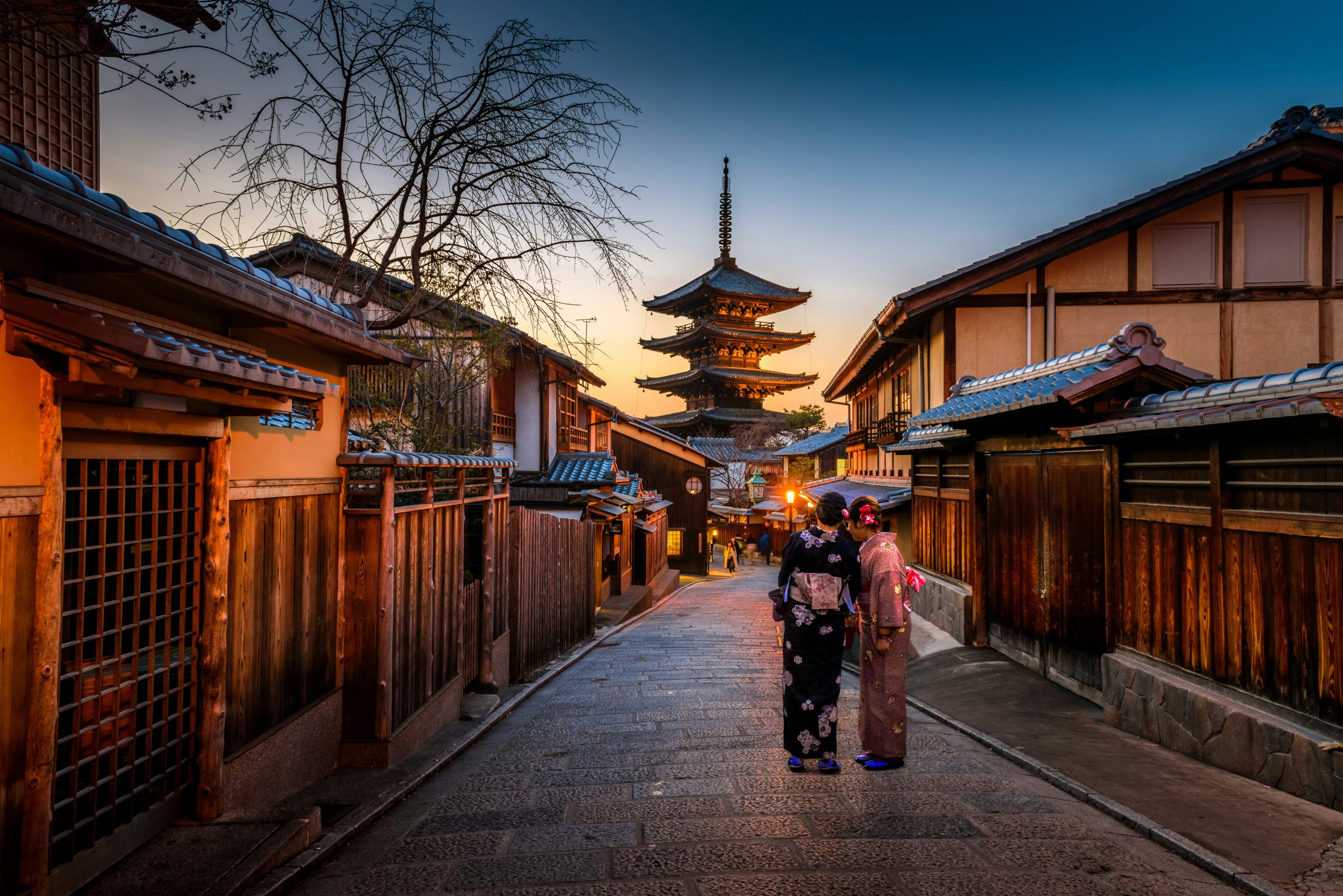
A thousand years as the imperial capital, with 1,600 temples, vermilion shrine gates, a bamboo grove and geisha districts. Beautiful, and very busy.
Kyoto was Japan's capital from 794 until 1868, and it was largely spared bombing in the Second World War, so its temples, shrines and wooden streets survive. Seventeen of its sites form a UNESCO World Heritage Site.
It is also one of the most visited places in Japan, and the famous sights are crowded. The secret is timing: go early, go late, and walk the quieter streets.
Nara, with the Great Buddha and its deer, is less than an hour away. Three or four days is right.
Kyoto Station is the transport hub, with the most hostels and direct trains, though it is modern and less atmospheric. Gion and Higashiyama, in the east, are the historic heart, with the temples and teahouses, but busy. Downtown, around Kawaramachi and Nishiki Market, is central for food and nightlife, and well connected.
The hub, with the most hostels.
The geisha district and Higashiyama temples.
Kawaramachi and Nishiki Market, central and well connected.
Orange labels are neighbourhoods, dots are the 12 top-rated hostels. Map data from OpenStreetMap contributors.
Kyoto was Japan's capital for over a thousand years from 794, and has 17 UNESCO-listed sites among around 1,600 temples and 400 shrines.
Fushimi Inari, with its thousands of orange torii gates climbing the mountain, is free and open around the clock; go at dawn or after dark to see it without the crowds, and walk past the first section, where most people turn back. Kiyomizu-dera, on its wooden stage over the hillside, and the lanes of Sannenzaka and Ninenzaka below it are the classic Higashiyama walk.
Kinkaku-ji, the Golden Pavilion, is covered in gold leaf above a pond. Arashiyama's bamboo grove is best at 7am; Tenryu-ji's garden and the monkey park are nearby. The Philosopher's Path, along a canal between Ginkaku-ji and Nanzen-ji, is lovely in spring and autumn. Nijo Castle has 'nightingale floors' that squeak to warn of intruders.
Gion is the geisha district. Since 2024, photography has been banned in its private lanes, with fines; never touch or chase geiko or maiko, and stay on the public streets.
Nara, with its Great Buddha and deer, is 45 minutes away, and Uji, the home of matcha, twenty.
Fushimi Inari is free and open 24 hours. Walking the lanes of Higashiyama, Gion's public streets, the Philosopher's Path and the Kamo River banks costs nothing.
The grounds of many temples and shrines, including Yasaka Shrine and Heian Shrine, are free, and Nishiki Market is free to wander.
Kyoto's cooking, Kyoto ryori, is refined and seasonal. Try kaiseki, a multi-course meal, at lunch for a better price; shojin ryori, Buddhist vegetarian food, at a temple; and yudofu, simmered tofu, around Nanzen-ji.
Nishiki Market, a covered street of food stalls, sells pickles, tofu, sweets and grilled seafood; eat at the stall rather than while walking. Matcha, green tea, appears in everything from parfaits to ice cream, and wagashi, traditional sweets, go with it.
A cheap meal is €6 to €12; a kaiseki lunch €30 or more.
Kyoto's nightlife is calmer than Tokyo's or Osaka's. Pontocho, a narrow lane of restaurants and bars along the Kamo River, is the most atmospheric; in summer, many open riverside terraces. Kiyamachi, beside it, has livelier bars.
A beer is €4 to €7.
Kyoto Station has shinkansen to Tokyo in about two hours and fifteen minutes, and trains to Osaka in 15 to 30 minutes and Nara in about 45. From Kansai Airport, the Haruka express takes about 75 minutes.
The city buses are often packed with visitors, and the one-day bus pass has been discontinued; use the subway and trains, such as the JR and Keihan lines, and walk. Bicycles are a good way around the flat centre; park only in designated places.
Kyoto is mid-priced for Japan. Dorms start around €20 and a careful day is €45 to €65.
Kyoto's accommodation tax, overhauled in March 2026, is charged per person per night and rises with the room rate; budget beds pay the lowest band. Temples charge €2 to €6 each, so costs add up over a few days.
Since July 2026, the international tourist tax added to flights out of Japan is ¥3,000. From November 2026, tax-free shopping works as a refund: you pay the 10% consumption tax in the shop and claim it back at the airport when you leave.
The currency is the yen (JPY); prices here are euro equivalents. Cards and IC cards work widely in cities, but carry cash: small restaurants, temples and rural places are often cash-only. Convenience store ATMs (7-Eleven, Lawson, FamilyMart) take foreign cards.
Kyoto is very safe.
In Gion, photography is banned in the private lanes, and touching or following geiko and maiko is harassment. Respect temple rules: no photos where signs say so, and remove shoes where asked.
Crowds are the main challenge; visit the big sights early or late.
Emergency: 110 police, 119 ambulance and fire.
The Great Buddha, matcha country and mountain temples.
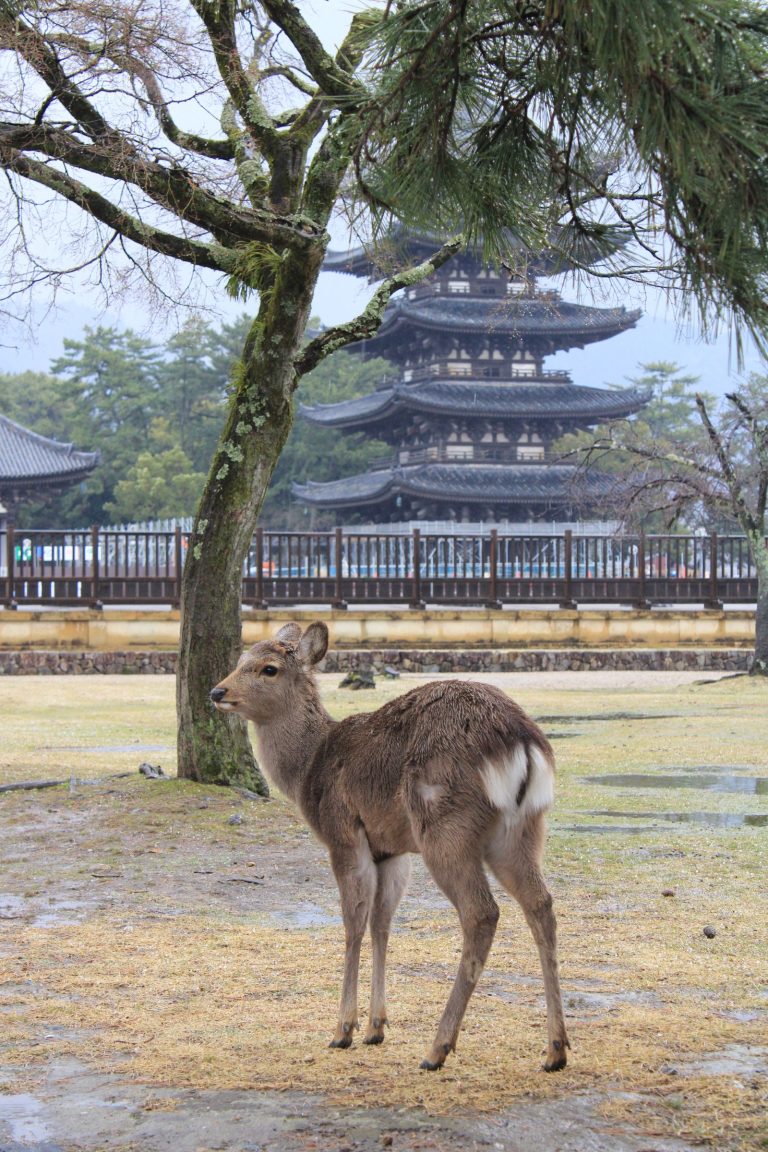
The Great Buddha and the deer park.
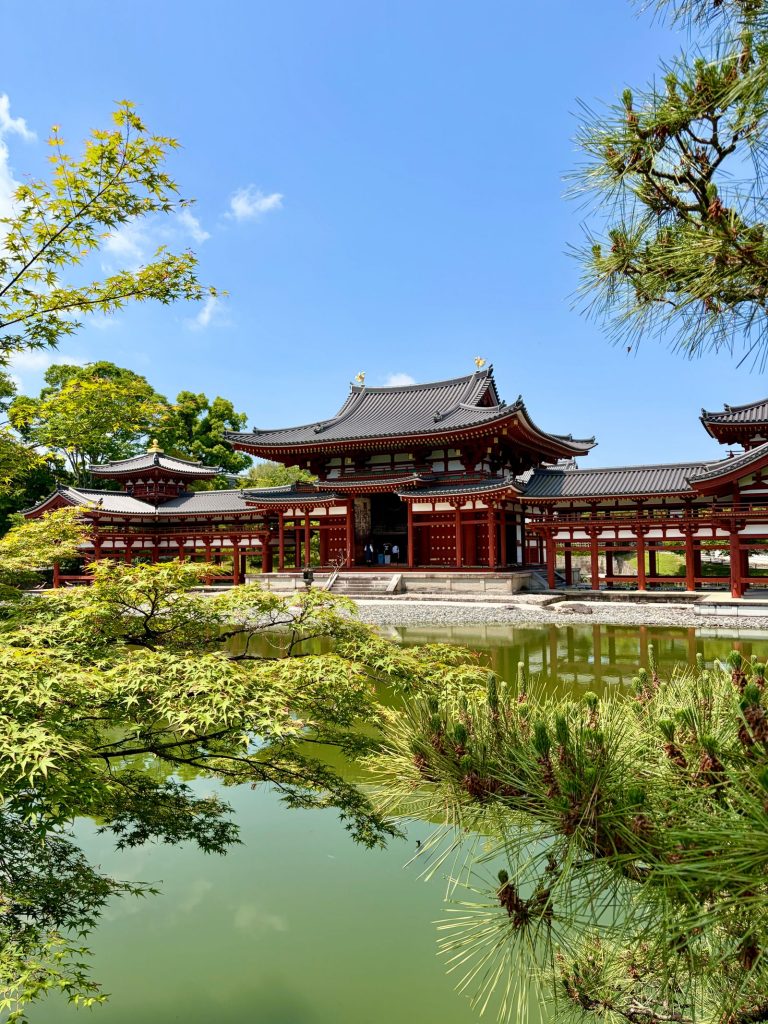
Matcha and a riverside temple.
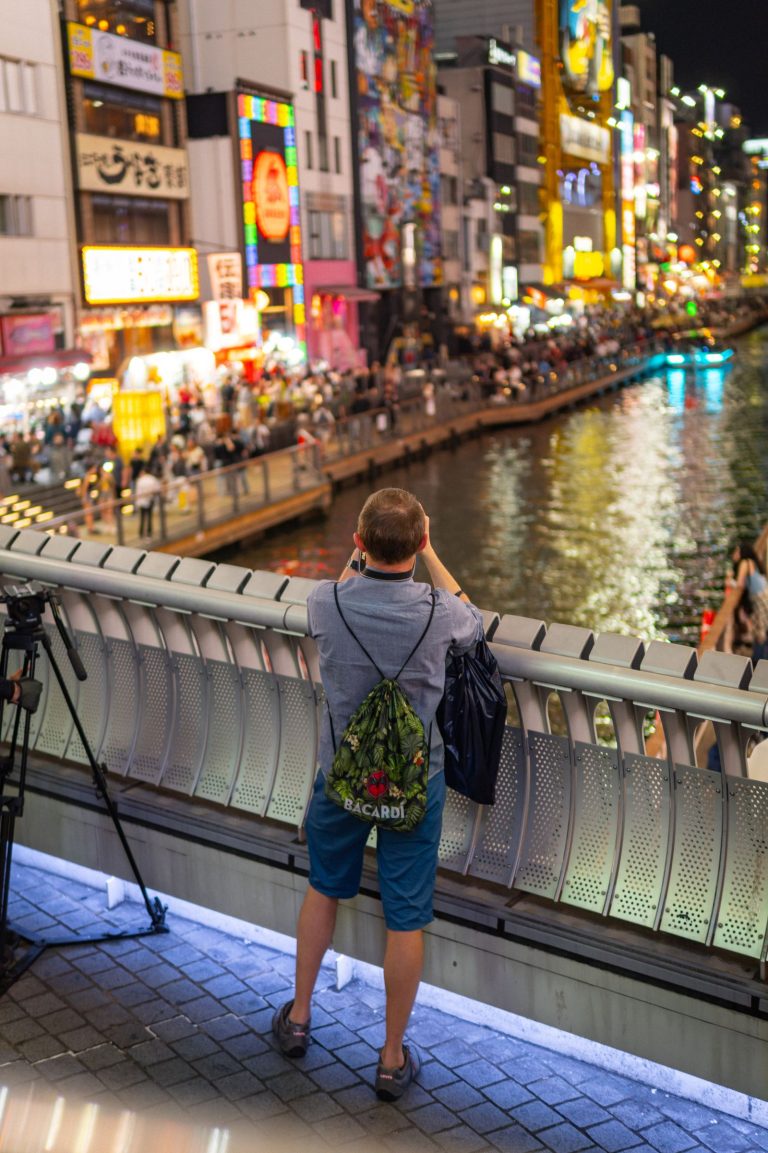
The food city.
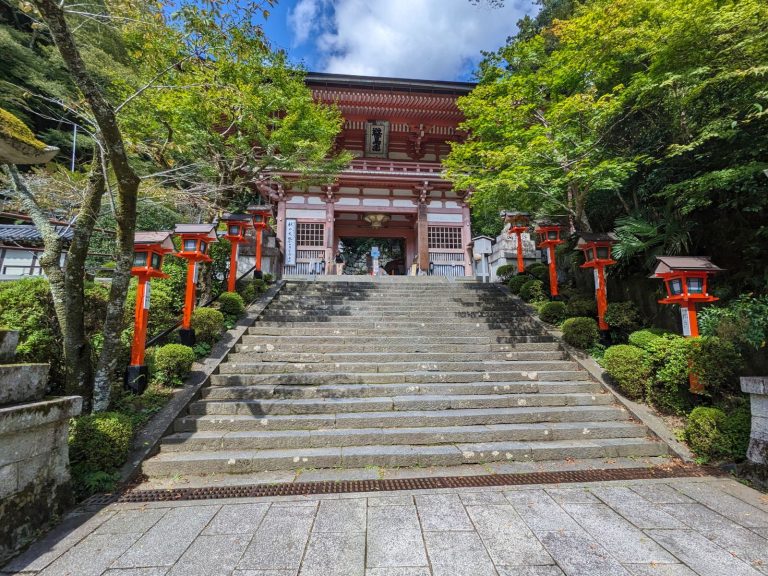
Mountain temples and a hike to Kibune.
Gion Matsuri fills July.
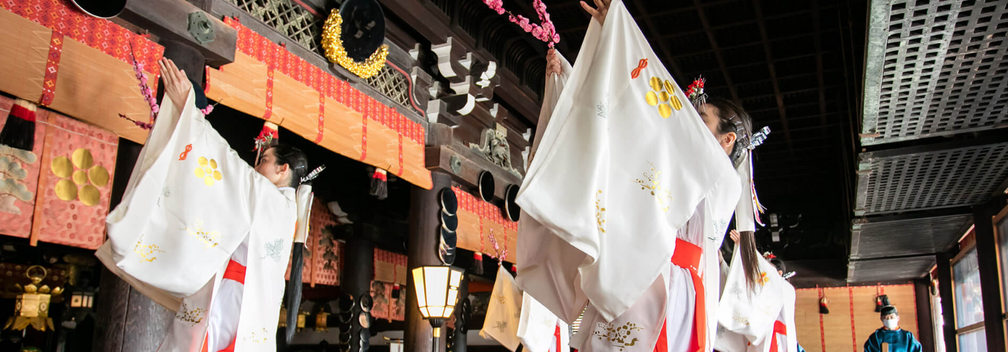 Staff pick
The Zuiki Festival in Kyoto is a celebrated autumn event that blends centuries-old imperial rituals with local harvest traditions. Visitors can witness a sacred…
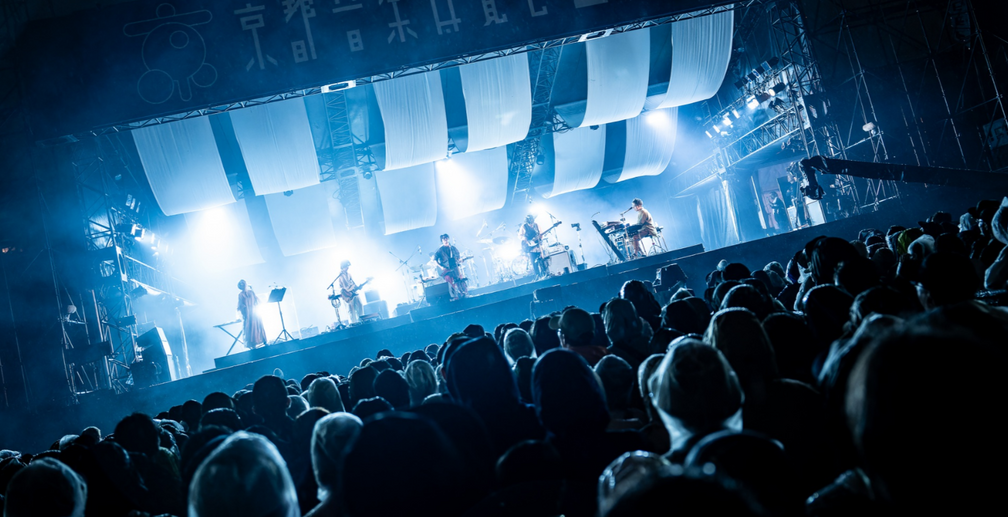 Staff pick
Experience the Kyoto Music Expo, an outdoor festival in Kyoto that celebrates the city’s rich blend of history, culture, and natural beauty through diverse…
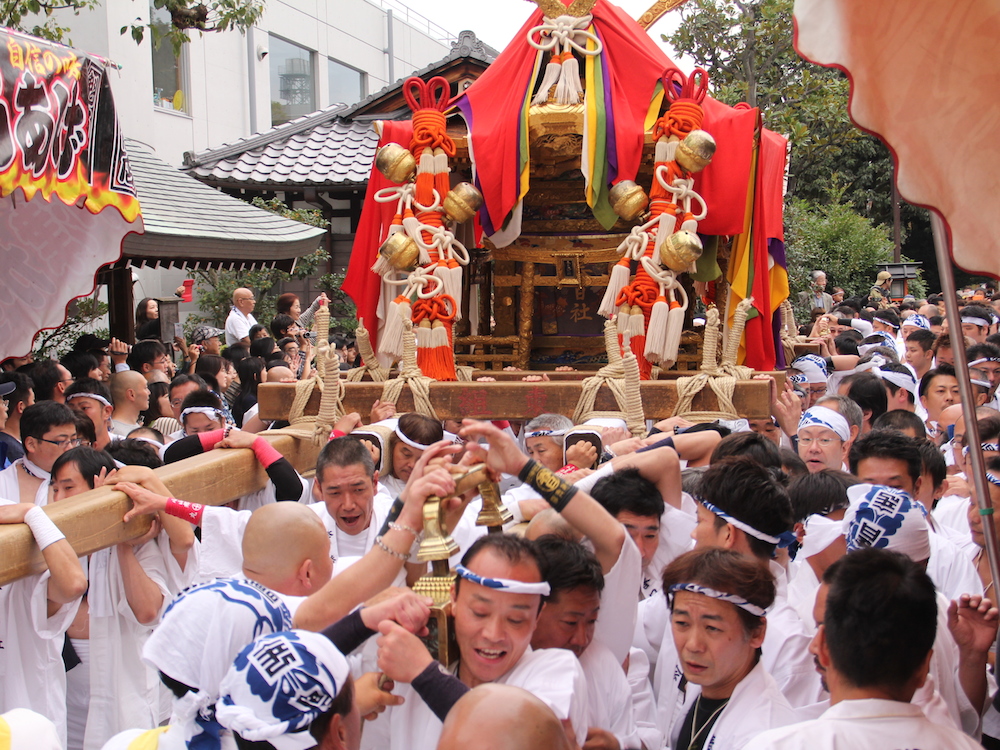 Staff pick
Experience one of Kyoto’s most celebrated autumn traditions at this lively festival, where the streets come alive with colorful mikoshi processions and energetic performances.…
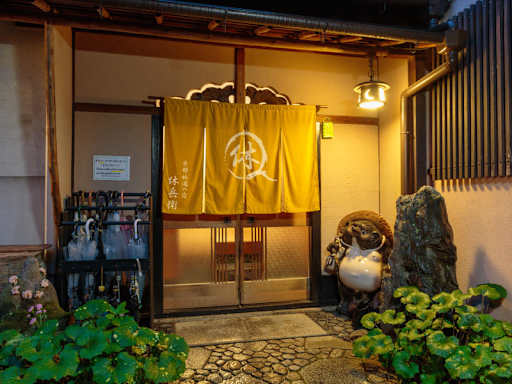
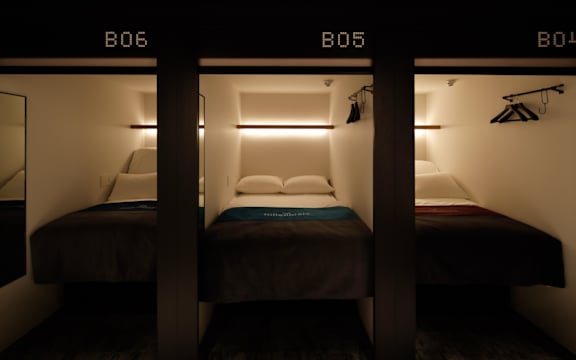
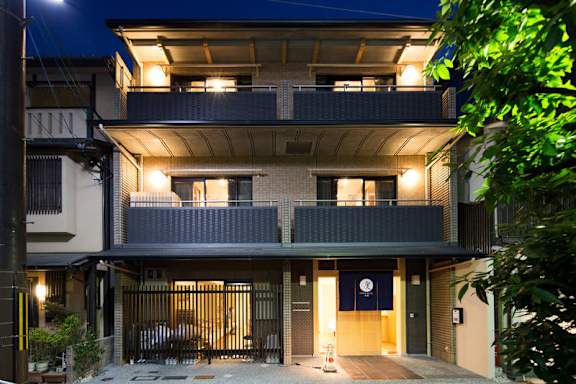
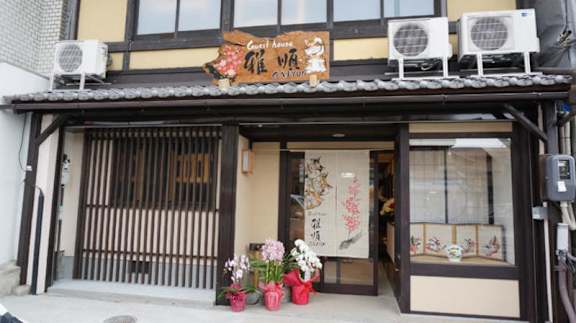
The top-rated places to stay in Kyoto right now, live from Hostelworld.
 Sustainable
 Sustainable
Spring and autumn are best and busiest. Summers are very hot.
Average highs. Kyoto sits in a basin and is hot in summer.
Pick how you travel. Per person per night, in euros.
Prices are in yen locally; these are euro equivalents.
The ones we get asked most.

Compare Kyoto hostels — live prices, real reviews and free cancellation on most bookings. Then meet the people already there in the app.

 Get the App.
 Get the App.