
The only guide you’ll ever need for backpacking Fiji
Imagine a place where the sun always shines and palm trees sway in a happy dance. The water is so clear you can see straight through to the sandy bottom, and tropical fish weave around your legs as you wade in the calm shoreline. No planes, no cars—just you and nature.
As the sun sets, the sky erupts in a cascade of orange, crimson, fuchsia, and purple, stretching across the horizon. By dusk, only the gentle crash of waves fills the air, and stars begin to glisten, one by one, putting on a quiet, spectacular show.

This is true paradise. This is just another day in Fiji.
The 333 islands that make up the South Pacific nation of Fiji each offer a unique set of characteristics; from lush forests and volcanic mountains to quiet coastlines and some of the world’s best sites for scuba diving, there really is something for everyone. Famous for its soft coral diving, white sand beaches and pristine natural environment, Fiji is a haven for conservation. It’s also well known for its fancy bottled water, popularity as a honeymoon destination and perhaps even their amazing Rugby team. The air is so fresh here and the pollution so minimal that, as long as it’s not too cloudy overhead, at nightfall you may see breathtakingly detailed views of the Milky Way galaxy.
Many people have learnt of the spoils this island nation can provide a luxury traveller, as it’s often labelled one of the most exotic and remote destinations on the planet. Yet so few realise that the charm of these friendly people and their gorgeous country can be equally enjoyed on a backpacker’s budget. In fact, it’s quickly becoming a common destination for backpackers to visit alongside New Zealand and Australia.
Yep, you heard that right. How, you ask? Read on to learn all you need to know about backpacking your way through Fiji so you can experience one of the world’s most private paradises all without breaking the bank. Think of this as your ultimate guide to one of the world’s ultimate destinations.
Contents
- Backpacker’s guide to Fiji
- Best time to visit Fiji
- Fiji weather
- Fiji visa
- Travelling around Fiji
- Fiji hostels
- Fiji travel costs
- Where to go in Fiji
- Things to do in Fiji
- Fiji foods
Backpacker’s guide to Fiji
Fijian Hospitality
The people of Fiji have a reputation as being the friendliest people in the world. More than half of Fijians live below the poverty line, yet you would never guess it because of their vivacious love for life and optimism. From their colourful clothing to their big Bula smiles and extreme hospitality, Fijians love to share their culture with guests to their country. They are very proud to be from Fiji. Many have strong family and community values and believe in sharing everything. Don’t be surprised if a local invites you back to their village to meet their family – that’s just the Fijian way!
Island Life & Local Sayings
Since the climate is so mild and warm, fresh food is abundant, too. There’s a common saying in Fiji that you’ll often hear from the locals – Sena Na Lena. It means no worries, no problems. Here on island time, that saying rings true.
Essential Fijian Phrases
If you want to learn more Fijian phrases, the locals will love you for saying some of their common catch phrases. “Bula “is the first word you’ll need to know. You’ll hear it often, as it means Hello, Welcome, and a lot of other things to Fijians- you’ll be saying it in no time once you’re on island time!
A few other sayings you may pick up on are:
- Goodbye – Ni sa moce (pronounced “nee sa mo-they”)
- Good morning – Ni sa yadra (pronounced “nee sa yandra”)
- Yes – Io (ee-oh)
- No – Sega (senga)
- Please – Yalo Vinaka (yalo vee-nahka)
- Excuse me – Tolou (too low)
- Farewell – Isa Lei (is-ah lay)
The last one is a goodbye you will hear quite frequently, as locals sing it to guests every morning when they depart their island. It’s a bittersweet song and a big part of their culture.
Getting to Fiji
First things first- you’ll need to get a flight to Nadi. It’s on the main island, called Viti Levu, and is home to the country’s only international airport. There are lots of flights that come from New Zealand and Australia (even on the region’s popular budget airline JetStar), plus other hubs around South East Asia. Your best bet for finding cheap airfare is via Auckland, NZ (the closest major city) but occasionally you can find an affordable flight from Sydney, Melbourne, Singapore or, more rarely, Hong Kong, Tokyo and Los Angeles.
Exploring Beyond the Cities
The other way into Fiji, though not in the realm of a backpacker budget, is via the capital city and major port city of Suva. You likely won’t visit Suva, unless you’re interested in one of the group tours around the mainland (which I’ll explain more a little later). But it’s worth noting that sometimes backpackers find their way here for more volunteer opportunities or as a gateway to some of the eastern Islands- it all depends on the itinerary you want to craft.
Regardless of how you enter Fiji, you will definitely want to venture out of the cities so you can get a taste of the more idyllic, picture perfect beaches and slower pace of life. There are a few options when it comes to an itinerary for your adventures around the country, and each route depends on what it is you really want to do while you’re in Fiji.

Best time to visit Fiji
Year-Round Warmth
Honestly, is there ever a bad time to visit paradise? No matter when you’re planning to visit Fiji, you can guarantee warm weather at any time of year in this tropical oasis. The question of when is “best” simply depends on what else you’d like to do on your holiday.
The island nation sits very close to the equator so you can expect consistent temperatures year-round, hovering around 27 C /80 F on average. Because it’s in the Southern Hemisphere, “Summer” (or the slightly warmer months) falls from December to April and “Winter” (the cooler, drier months) are between May to November.
Seasons in Fiji
-
Summer (December to April): The warmer months, with temperatures reaching up to 34°C / 91°F. Summer can bring tropical storms, though they are generally shorter than rainy seasons in Southeast Asia. Keep in mind, this overlaps with the Northern Hemisphere’s winter holidays, which can mean higher flight prices.
-
Winter (May to November): Cooler and drier months, ideal for avoiding heavy rains. However, July to September is peak holiday time for Australians and New Zealanders, which can lead to busier resorts and increased airfare.
Shoulder Season Advantage
The shoulder season from late October to Early November may be your best bet for travel because you won’t have to worry about the rain, nor the price hikes and larger crowds or busy season.
Seasonal Activities
-
Manta Rays: The best time to swim with manta rays is from May to October.
-
Shark Encounters: You can swim with sharks year-round, but bull shark mating occurs from November to December, reducing sightings during that period.
-
Festive Celebrations: If you want to celebrate New Year’s Eve early, Fiji is one of the first countries in the world to ring in the new year.

Fiji weather
The climate in Fiji is tropical marine and warm year-round with minimal extremes.
Since Fiji only has two seasons, the weather is pretty much what you’d expect from a tropical paradise; warm, warmer, or hot.
The lowest temperatures in Fiji are during July and August where it falls between 20-26 C/68-78 F. It rains approximately 4 days a month, so you are nearly guaranteed some sunshine on your tropical vacation.
During warmer months, from December to February, the temperatures range from 22-30 C/72-86F on average. It does rain a lot more during this time, with approximately 15 days of rain a month. It tends to rain for an hour or two in the early morning, so hopefully it’s nothing to worry about!
You can swim in Fiji year-round, with water temperatures ranging from 23-30 C/73-86F.

Fiji visa
Visa-Free Travel
It’s easy to get into Fiji, as they allow travel without a visa from over 100 countries. You can stay for up to 4 months on a free entry Visitor Pass and they make it easy to extend your stay beyond that. You can apply to stay for an additional 2 months, up to 3 more times.
Passport Requirements
So, if you wanted to spend 8 months in Fiji, essentially you have that option without much hassle. They also have the standard rule of most nations that require your passport is valid for at least 6 more months from the date of travel.
Countries That Don’t Require a Visa
Citizens of countries including Australia, New Zealand, the United States, the UK, Japan, Canada, Germany, and over 90 others can enter Fiji visa-free. (Full list available from the Fijian government.)
Recommended Documents for Entry
To be on the safe side, the Fijian government also recommends you have the following items with you to guarantee free, visa-less entry.
- Return or Outbound tickets
- Confirmation of accommodation for duration of your visit
- Copy of latest bank statement
- Re-entry/entry visa to a country other than their own (for example: permanent residents of Australia must produce a valid re-entry visa for Australia)
A Warm Fijian Welcome
Expect smiling faces, tropical t-shirts and a traditional Fijian song and dance greeting you upon arrival at the airport before you’ve even left the terminal. There’s a reason why Fijians have a reputation as the friendliest people on Earth. They certainly live up to this stereotype! If you’re lucky, they may even hand you a handmade shell necklace. The locals love to give guests the warmest “Bula” they possibly can.
Travelling around Fiji
Population and Geography
The entire country of Fiji has around 900,000 people. 85% of those people live on the mainland of Viti Levu, so as you can imagine, the other islands are pretty remote. And most of those people on the mainland live in one of three cities: the capital of Suva, the home of the international airport, Nadi, or the center for sugar cane production, Lautoka. Nearly half of those islands don’t have permanent residents on them, and even more than that may not have a soul on the island.
Airport Transfers and Getting Started
It’s extremely likely that you won’t have to worry about transportation as soon as you land in Nadi. If you’ve pre-booked your accommodation, chances are high that there will be someone waiting for you at the airport to pick you up free of charge. It’s the Fijian way.
Island Hopping: Mamanuca and Yasawa Islands
When it comes to choosing where to go, the most common (and affordable) option for backpackers travelling to Fiji is to visit the Mamanuca and Yasawa Islands, dotting the west coast of the main island, Viti Levu. They’re easily accessible from Nadi through a company called Awesome Adventures. They operate the only mode of transport between each remote island (unless you have the funds to hire a private plane), the big, the bright, the yellow Yasawa Flier.
The Yasawa Flier is a hop on, hop off boat service that travels along a string of islands that draw a big backpacker crowd. Each island is slightly different in size, personality and service. The Flier is the only way to get from one island to another; these are some of the most idyllic and remote islands on the planet. It’s amazing that they’re even accessible in such an affordable mode of transportation.
Every day the boat kicks off around 8 AM from Nadi, where the Flier makes its way North, stopping off at various islands en route up to Nacula, one of the northernmost islands in the Yasawa chain. Total trip time takes 5 hours, and then the boat turns around to pick up passengers headed back towards Nadi in the afternoon. It only stops once a day in either direction, so you really get used to the slower, mellow pace of life here.
Flier Passes and Accommodation
You can hop on Yasawa Flier for a day offers two options for travellers- the first is simply transportation, using the boat as a means from A to B. As with most things, if you buy more days, you get more bang for your buck. The only catch to purchasing a transport-only Flier pass is that you must have your accommodation for the night pre-booked before getting on board the boat. They call this plan the Bula pass. Unless you only have plans to stay in Fiji for a few days, you should get one. It enables you to island hop at a bit of a discount, for anywhere from 5 to 15 days.
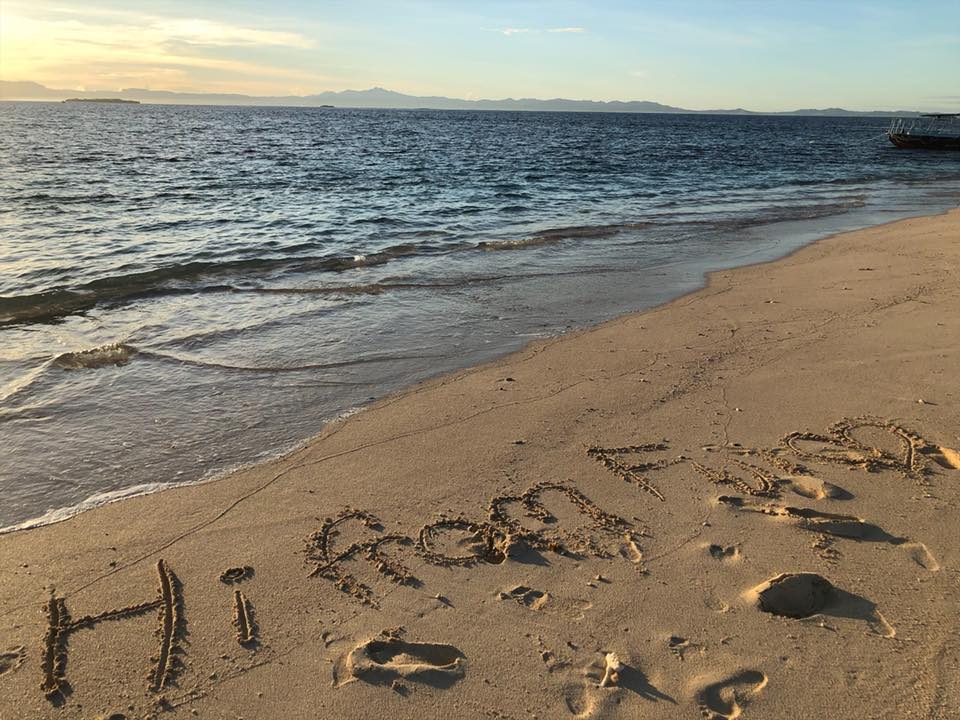
Visiting Taveuni
If you head to Taveuni, the adventure starts with getting there. Fiji’s third-largest island is remote but full of hiking, snorkeling, shipwreck dives, and rainforests. Uniquely, it straddles the International Date Line, so you can technically stand with one foot in “yesterday” and the other in “tomorrow” for a fun photo moment.
Taveuni is relatively hard to get to. You have to be flexible with your travel plans and up for the adventure, but if time is on your side, the main way there is via Suva on the mainland. Here in the port city you’ll find a cargo ship that allows passengers to hop aboard at an affordable price of $60 (as of the time of writing). It only leaves 2x a week so be sure to triple check your calendar. Travel in the open water will often be choppy, so be extra prepared if you’re the type who gets seasick.
Domestic Flights in Fiji
It’s worth noting here, for transport to Taveuni and also more generally speaking, that flying around Fiji is not cost effective. Fiji Airways is the only operator for domestic travel, and they upcharge their flights sometimes to $700+ a seat just for a ~1-hour flight. The logic behind this is that Fijians often don’t travel from island to island, especially by plane, so to make up for overhead costs they have to charge an exorbitant price to tourists. You might be lucky if you’re booking your trip far in advance, but more often than not, the expensive flights are all the more reason to stick to one part of Fiji for your adventure.
The FeeJee Experience
If you’ve backpacked around New Zealand at all, you may be familiar with the green Kiwi Experience bus. The same owners have created a similar way to get around Fiji, the FeeJee Experience, which offers a mix of tour options from 4 to 11 days long. As of August 2025, the shortest trip (accommodation included) costs FJD $899 ($395 USD) and the longest costs FJD $2400 ($1055 USD).
Most FeeJee Experience excursions take you around Viti Levu, but the longer trips also include a leg that visits the Yasawas (Mantaray, Blue Lagoon and Beachcomber Islands).
Sundays in Fiji
Something else to note is that Sundays in Fiji are seen as a day of rest, so don’t be surprised if many villages and towns are extra quiet on a Sunday. The Yasawa Flier still runs as planned, but be sure to check other forms of transportation around the country if you’re planning to travel on a Sunday as sometimes things shut down.
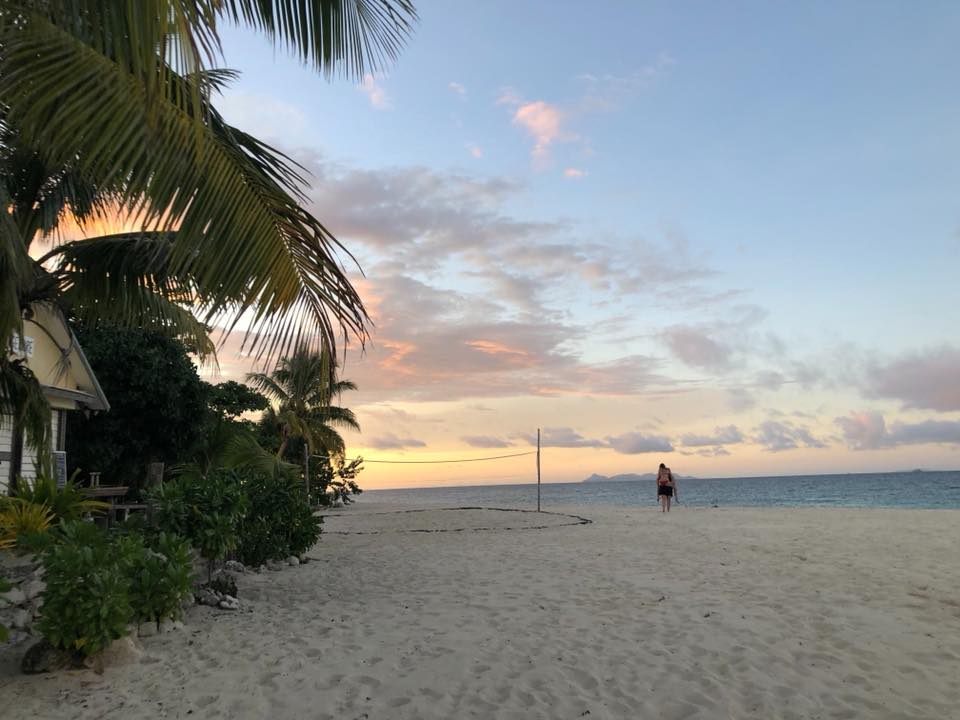
Fiji hostels
The best part about hostels in Fiji (at least those not on the mainland) is that you’re actually staying at resorts, for backpacker prices. These hostels are beautiful properties with pools and beaches and an abundance of activities (some of which are included with your stay). It’s arguably one of the only places in the world where honeymooners and backpackers will share dinner at the same dining room table.
When booking the Yasawa Flier, note that islands are split into 1- and 2-coconut properties. One coconut is true backpacking, while two coconut is “flashpacking” with nicer rooms, air conditioning, towels, reading lamps, and sometimes free toiletries. Two coconut stays also avoid bunk beds, offering a more comfortable, hotel-like experience.
1 coconut properties are no frills, and often locally owned so you’re likely to meet the family who runs the property. At either type of accommodation, you’ll often find the local staff hand picks fresh frangipani and hibiscus flowers daily and puts them in the bathroom and on your bed – talk about fresh service!
Which islands to visit in Fiji
It may be overwhelming to choose your islands, and that choice depends on what you’re after, but for the most part, here’s a brief rundown of what to expect. Not many slices of paradise let you sleep on the beach for $25 a night, so no matter where you choose, know that Fiji is a really unique and special place that will hopefully exceed your expectations.
A few of the islands below:
Most backpackers will fly into Nadi, possibly spending a day in and around the city having a wander or doing a mini excursion, then spending 1 night in Nadi before jetting off to the Yasawas.
The hostels in Nadi are extremely affordable: a bed will cost you $7 and they’re typically all right next to each other on a small street along the beach. For food, there’s a few little cafes to choose from, plus a local grocery store, but generally you won’t want to spend much time here: the islands are where the real fun begins. Popular options for Nadi hostels are Smugglers Cove or Bamboo, both right on the beach and less than a 10-minute cab ride from town.

Smugglers Cove Hostel
South Sea Island
If you’re looking for a really intimate experience, this is it. South Sea is so small you can walk around the whole thing in less than 5 minutes. Actually, more like 20 steps. When you catch your first glimpse of South Sea you’ll be surprised that they even managed to build accommodation on such a tiny little island. This is one of the closest to Cloud 9 and the Mamala Beach Club, not to mention Nadi. It’s also one of the most affordable islands, with all the extra activities included for free (snorkel gear, kayaking etc).
The good part about South Sea is just how close it is to Nadi. As a negative, you’ll likely encounter a lot of day trippers. But as a bonus, if your flight out from Nadi leaves late in the evening (say 7 pm onward), the timing of the Yasawa Flier boat fits well. So, you can actually spend your last night in Fiji on South Sea instead of having to go back to Nadi to soak up one more morning of bliss before you have to leave the country.
Book your stay at South Sea Island Hostel for ultimate Island vibes.
Compare all hostels on South Sea Island

Yasawa Islands
This group of volcanic islands are located just north of the popular Mamanucas and make up the border of Western Fiji. The Yasawa Islands are home to an abundance of natural beauty, the perfect place for a digital detox. With postcard perfect beaches decorated with green cliffs and rocks, as well as world class snorkelling spots, The Yasawa Islands are a must visit destination for anyone looking to experience some of the best beaches in Fiji.
Barefoot Kuata
This is the home of the famous shark diving experience. You can dive with reef sharks even if you’re not SCUBA certified. If you’re not certified, they will simply help you practice and get comfortable in the shallow reef water with a PADI certified instructor before going out to feed the sharks. It’s an incredible experience that you can only get in a handful of places around the world so it’s well worth the cost if you can afford it.
Before you go out, you do a mandatory shark training, which is actually like a free class on shark biology. It helps you understand the animals better, and no one has ever gotten injured in the history of shark diving on the island, so it goes to show that maybe they’re not inherently dangerous animals after all.
There are plenty of places to go for a swim, too – take your pick between the seaside pool or calm ocean waves. Idyllic hammocks sit on the island’s edge, too, so you can have a perfect seat for sunset.
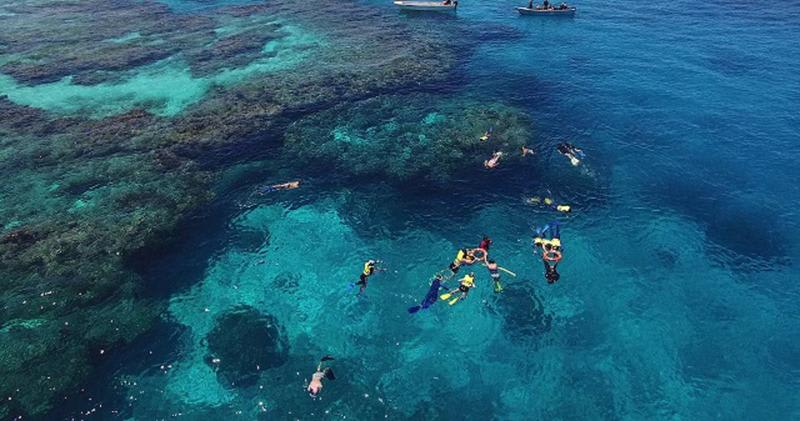
Book your stay at Barefoot Kuata.
Octopus Resort
Further up the Yasawa chain is Octopus Resort, an Australian run idyllic place to rest your feet in Fiji. Here, their calm reef is protected as a marine reserve, so expect to see even more animals swimming in the shallows. It’s well known for a calendar full of activities, which they divvy up into a few different groups: “Activities for the Soul,” include the tranquil and relaxing things, from board games to beach walks, spa treatments or full body massages. “Fiji Time” is all about the cultural experience, where you can learn how to basket weave, play rugby with locals or learn how to tie a sulu. “All Go or No Go,” allows you to participate in guided hikes or party night for a chance to win free shots at the bar. Being a 2-coconut property, extras are a bit more expensive here (like a $10 USD cocktail, for instance).

Book your stay at Octopus Resort.
Barefoot Manta
The cousin of Barefoot Kuata, known traditionally as Drawaqa Island. This island resort is also famous for a unique animal encounter. From May to October you have the opportunity to swim with manta rays here, gliding along as they munch on plankton.
You also have the option to do a shipwreck dive here. In 2016 there were two Chinese fishing vessels that were waiting to be demolished, but instead of throwing out the debris, someone had the great idea of turning them into an artificial reef. Now you can find over 30 types of fish in the wreckage.
Book your stay at Barefoot Manta.
Blue Lagoon Resort
Located in Nacula Bay’s tranquil lagoon, this aptly named resort is arguably sitting on the brightest water of all. They do a movie night in the common area where they literally tie a giant canvas between two coconut trees, lay out the cushions from the pool and hand out free popcorn for all to enjoy. It started spritzing rain when we watched our movie and the staff went above and beyond, retrieving umbrellas for us so we could continue to enjoy the film. Similar to Octopus, you’ll find a lot of activities on offer here. But being a 2-coconut property, food will be fancier (and more expensive). The good part about it is you’ll literally be fed a 3-course meal, with a delicious dessert every night!
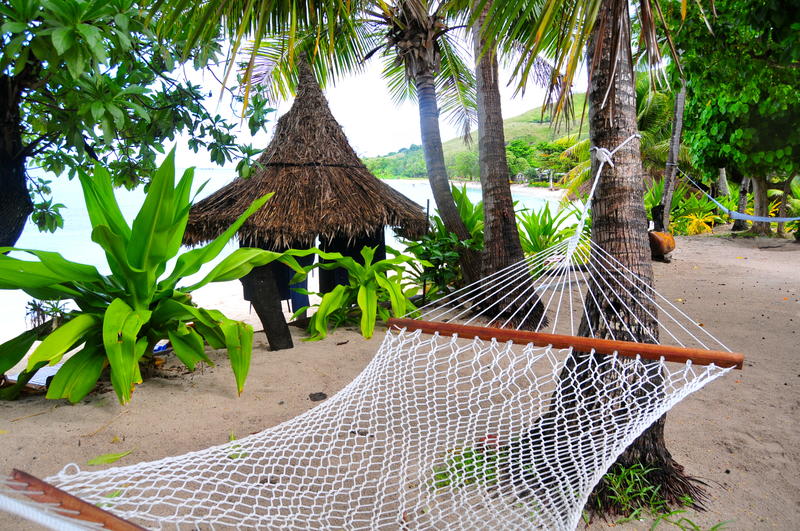
Book your stay at Blue Lagoon Beach Resort.
Below is a timetable of the Yasawa Flier schedule so you can take a further look at your options when planning where to stay:
| NORTHBOUND | RESORTS | SOUTHBOUND |
| 8:30am | Port Denarau | 5:45pm |
| 9:00am | South Sea Island | 5:15pm |
| 9:15am | Beachcomber Island Resort & Treasure Island Resort | 5:00pm |
| 9:45am | Vomo Island Resort | 4:30pm |
| 10:30am | Barefoot Kuata Resort, Wayalailai Ecohaven Resort & Naqalia Lodge | 3:45pm |
| 11:00am | Octopus Resort | 3:15pm |
| 11:30am | Barefoot Manta Resort, Mantaray Island Resort & Paradise Cove | 2:45pm |
| 11:45am | Botaira Beach Resort | 2:30pm |
| 11:55am | Korovou Eco-tour Resort and White Sandy Beach Resort | 2:20pm |
| 12:30pm | Navutu Stars, Long Beach Resort and Waitui Base Camp | 1:45pm |
| 1:00pm | Oarsman’s Bay Lodge, Blue Lagoon Beach Resort and Nabua Lodge | 1:00pm |
| 1:30pm | Nanuya Island Resort, Boathouse Nanuya, Gold Coast Resort, Coralview Island Resort and Coconut Beach Resort | 1:30pm |
Compare hostels on Yasawa island
Mana Island
Mana Island is another great option in the Mamanucas, but please note, it’s not part of the Yasawa Flier route. Ratu Kini’s Backpackers hostel is a well-known PADI backpacker, so for the Scuba Divers among us, you’ll have plenty of dive sites to choose from. It’ll also make for a great choice if you’re looking to stay close to Nadi and don’t want to stay at South Sea or Beachcomber, but probably not the best choice if you’re hopping around the islands as they require you use their own boat transfer to the mainlad.
In addition to lots of SCUBA options, they offer a day trip to Castaway Island. It would likely be a 1 Coconut property since the daily meal plan is only $42 FJD per day. But you will have an additional cost of $160 FJD for a return transfer to the mainland. It’s something to consider if you’re an avid Scuba Diver.

Book your stay at Ratu Kini’s Backpackers and Dive Resort.
Compare hostels on Mana island
Fiji travel costs
Currency & Exchange
In Fiji they use their own form of the dollar (far more colourful than its American counterpart). Exchange rates are always changing, of course, but at the time of writing (August 2025) $100 FJD is equal to $44 USD or $67 AUD.
Major Costs
Flights, transportation, and accommodation are your main expenses. A unique feature of Fiji’s hostel resorts is the mandatory meal plan, which covers nearly all islands. With no grocery stores or ATMs on most islands, meal plans typically cost around $50 USD per day—ranging from $42 USD at South Sea Island to $57 USD at Blue Lagoon.
Accommodation & Meal Plans
Meal plans usually include three set meals a day, sometimes with afternoon tea. Flashpacker (2 coconut) properties often separate food costs, so it can end up more expensive than budget (1 coconut) hostels where food is included. Booking independently via Hostelworld lets you mix 1 and 2 coconut stays to optimize cost.
| LENGTH | 1 COCONUT PASS
MEALS INCLUDED |
2 COCONUT PASS
MEALS NOT INCLUDED |
||||
| DORM | BURE (TWN/DBL SHARE) | BURE (1 PERSON) | DORM | BURE (TWN/DBL SHARE) | BURE (1 PERSON) | |
| 5 DAY/4NIGHT | $627 | $675 | $954 | $429 | $657 | $978 |
| 7 DAY/6 NIGHT | $874 | $946 | $1,364 | $576 | $918 | $1,400 |
| 10 DAY/9 NIGHT | $1,213 | $1,322 | $1,949 | $767 | $1,280 | $2,003 |
| 12 DAY/11 NIGHT | $1,426 | $1,559 | $2,326 | $881 | $1,508 | $2,392 |
| 15 DAY/14 NIGHT | $1,729 | $1,898 | $2,874 | $1,035 | $1,832 | $2,958 |
Travel Tips
- Stock up on bottled water and essentials before leaving the mainland.
- Airfare varies: a round-trip Sydney–Fiji ticket can be around $400 USD if booked in advance. Last-minute flights are rarely cheaper.
Budget Breakdown
During a two-week trip, staying mainly in 2 coconut hostels, costs came to about $114 USD per day. Savings are possible by choosing 1 coconut hostels or bringing your own water.
Where to go in Fiji
Mamanuca and Yasawa Islands
The easiest option in choosing a destination will be the Mamanuca and Yasawa Island chains, as they’re easily accessible from the mainland, serviced by a daily boat (the Yasawa Flier) and each offers backpacker style dormitory accommodation starting at $20 a night, per person. The Mamanuca Islands are small, flat and very close to Nadi. If you’re pressed for time, they make a great destination that can offer a combination of remote tranquillity, a community of other backpackers (many of whom are solo travellers) and an array of activities to do, meals to indulge in and drinks to enjoy.
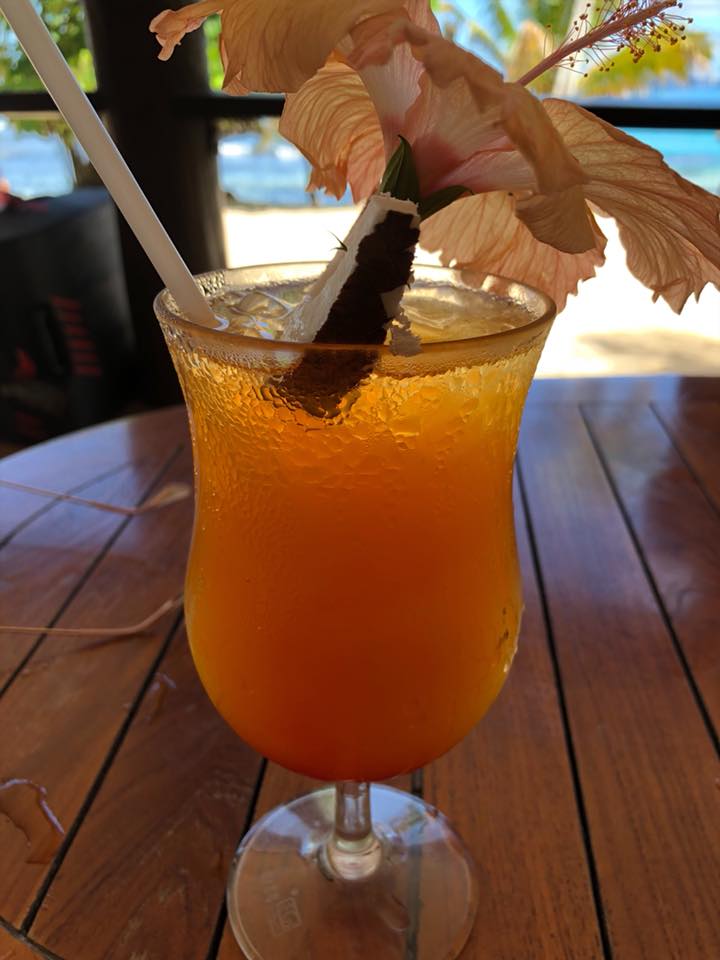
Plus, a fun fact about the Mamanucas is that Tom Hanks’ film Castaway was actually filmed on Qalito, which is one of the islands you can stay at or visit for the day.
Taveuni – The Garden Island
While the Mamanuca and Yasawa Islands are certainly the most popular for their proximity to Nadi and relative ease of access, if you’re craving an even bigger adventure, and really want to get off the beaten path, you can try venturing over to Taveuni.
Taveuni is the 3rd largest island in Fiji and is nicknamed the Garden Island, for good reason. It’s also known as the Soft Coral Island, so really there’s two big reasons to hang out here. The lush jungle and secluded waterfalls make this island an eco-tourist’s dream. There’s a big national park, Bouma, as well as a marine park called Waitabu on Taveuni. Both are great places to immerse yourself in nature. If you’re a keen diver, too, the famous Eel Reef and Great White Wall dive sites are amazing for their array of aquatic life.
In a country of 333 islands, of course there are even more options that don’t belong to any of the groups mentioned above, which are well-worth visiting if you get the chance. These include:
Kadavu Island
Split Rock is an adventurous dive that includes canyons and faults to circumnavigate. It’s part Fiji’s 100km barrier reef, Great Astrolabe Reef, with breathtakingly beautiful coral. You can also go for a surf at the King Kong Left surf break, which is in close paddling distance to land. On land you can spot any number of the 100+ types of birds here. They’re not afraid of humans, either, since they don’t have any natural predators.
Ovulau Island
History buffs can check out the colonial village called Levuka on Ovulau. It’s listed as a UNESCO World Heritage site and has colonial-era buildings from the 1800s.
Castaway Island
Worth noting here just for the hilarity of it, but this is the actual island where Tom Cruise was stranded in Castaway. Known locally as Qalito, it’s part of the Mamanuca chain but isn’t serviced by the Yasawa Flier because they don’t offer any dorm style accommodation for backpackers. They’re really missing out.
Things to do in Fiji
Daily Island Activities
Most island hostels offer a range of daily activities, from free options like kayaking, snorkeling, and paddleboarding to paid experiences like night snorkeling. Octopus Resort, for example, runs a jam-packed activity schedule and charges around $20 for night snorkels.
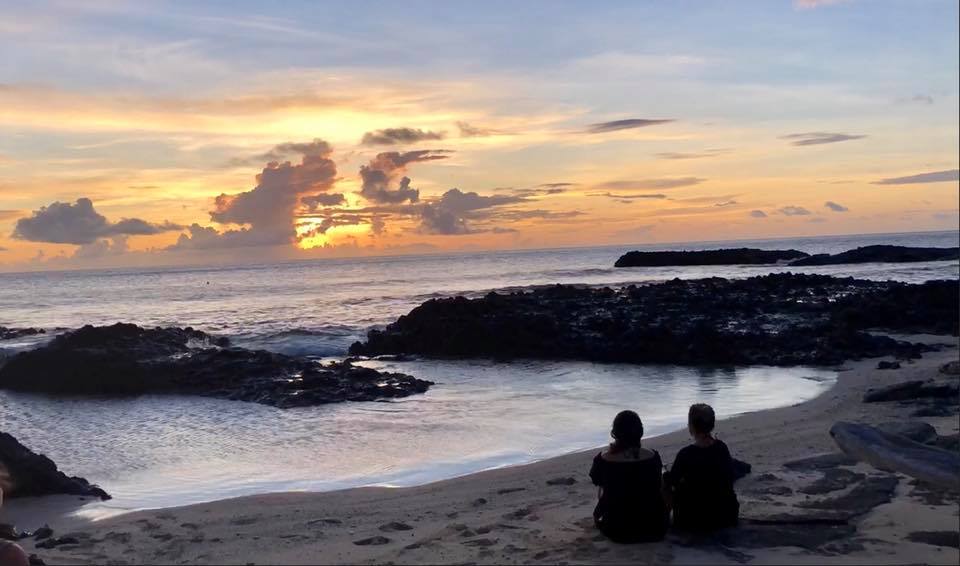
Night Entertainment & Culture
Expect sunset walks, local music, Fijian dancing, and kava ceremonies. On Beqa Island, you can witness traditional firewalking. Sunday mass is a big cultural event—dress modestly to join in.
Hiking & Day Trips
The Yasawa Islands offer waterfalls, lookout points, and secret caves. Blue Lagoon Resort runs trips to uninhabited islands with unique sights like the Sawailau caves.

Scuba & Adventure
Many backpackers take Open Water dive courses here. The calm reefs, smaller crowds, and affordable prices make Fiji ideal for diving, including special dives like bull shark feedings and night dives.
Hands-On Culture
Learn Fijian crafts like basket weaving, jewelry making, and coconut artwork, often from locals running the islands. Handmade souvenirs are also widely available.

Bars & Beach Clubs
For a fun finale near Nadi, visit Cloud 9, a floating bar in the Pacific, or Malamala Beach Club, a luxury party spot with pools, a helipad, and a lively scene.
Souvenir Shopping
Pick up locally made gifts on Main Street in Nadi—look for the “Fijian Made” sticker to ensure authenticity.
Fiji foods
Fijian Flavors
Fijian food blends Polynesian, Indian, Chinese, and Western influences. Fresh seafood, root crops, fruits, and vegetables dominate, while towns lean more Western—but forget global chains like McDonald’s or KFC unless you’re on the mainland.
Meal Plans & Dietary Options
Most backpackers are on a mandatory meal plan, which includes hearty meals mixing local dishes and Western staples. Vegetarians and vegans will usually find options, especially at higher-end resorts like Blue Lagoon and Octopus. Always mention dietary restrictions ahead of time.
Lovo Feast
Once a week, resorts often host a traditional Lovo—a feast cooked underground over two hours, featuring cassava, kumala, taro, pork, fish, chicken, and more, all wrapped in banana leaves or coconut stalks.
Kava: Fiji’s National Drink
Kava (Yaqona) is everywhere. Made from a pulverized pepper-like root, it’s known for its relaxing, numbing effects and is central to Fijian culture and social life.
So, there you have it – your ultimate guide to the Fiji Islands. Whatever you choose, be ready for ultimate relaxation and the most breathtaking beaches you may ever see. Vinaka vaka levu for reading!
About the author:
This Ultimate Guide to Fiji was written by Olivia Poglianich, aka Liv. She’s a passionate solo female traveller who hopes to inspire more backpackers to go on more adventures – even if they don’t think they have the time or the money. She’s from NYC but has been very lucky to live on 3 different continents and travel to all of them (except Antarctica – on the bucket list!). You can learn more tips, see more pictures or send her a note if you have any questions or want to be friends by checking out her Insta @LostWithLiv or her travel blog, LostWithLiv.com.

 Get the App.
Leave a Reply
You must be logged in to post a comment.