Altstadt
First-timersThe baroque old town under the fortress: Getreidegasse, the cathedral, Mozart's birthplace and the highest prices.

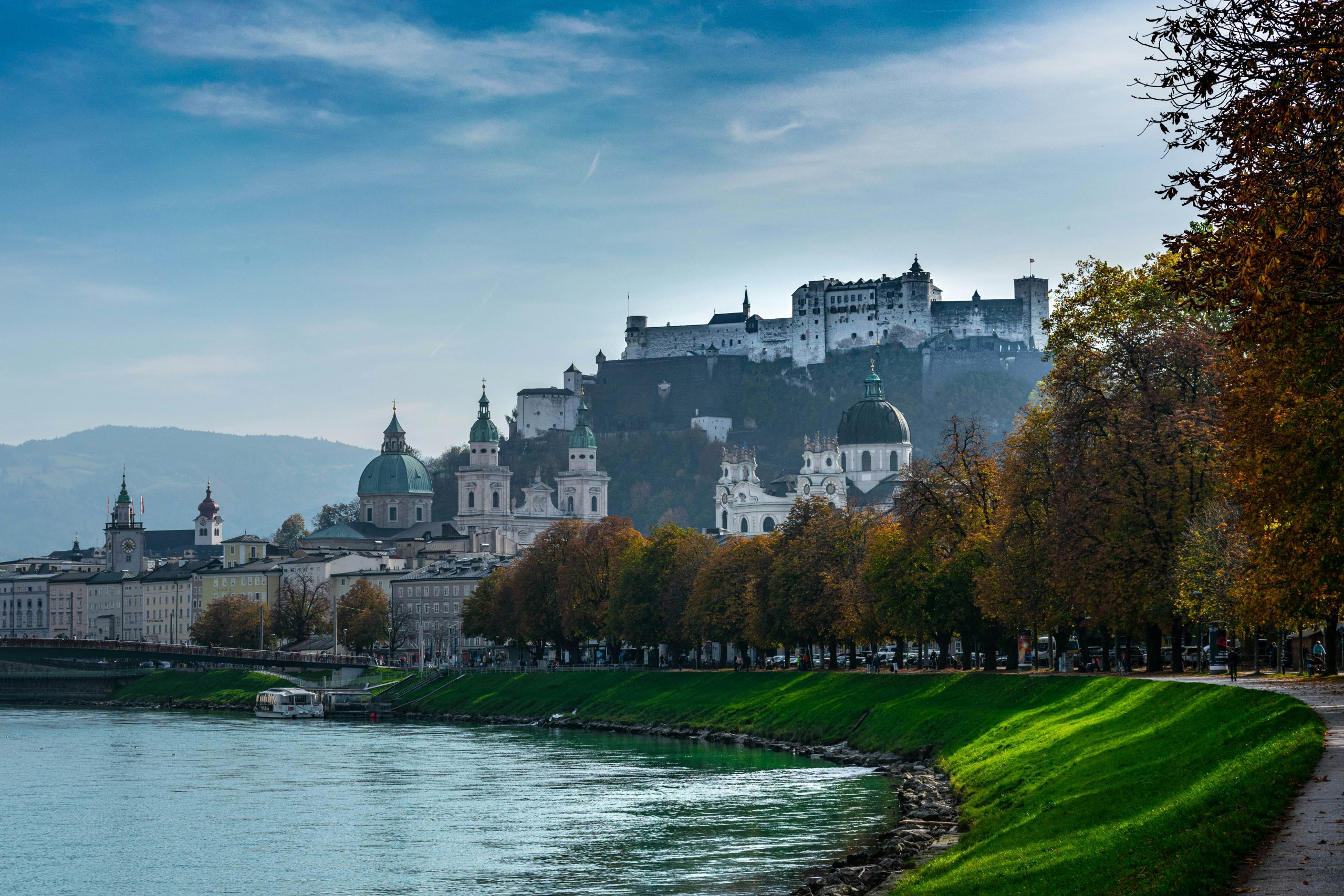
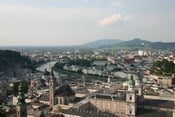
A baroque old town under a thousand-year fortress, Mozart's birthplace, and the Alps starting at the edge of the last street.
Salzburg means salt castle, and the salt trade through the Salzach river is what paid for the old town — a compact baroque centre built by prince-archbishops who governed the place as their own state until 1803.
Above it sits Hohensalzburg, begun in 1077 and never taken by an enemy, which is the largest fully preserved castle in central Europe.
Mozart was born here in 1756 and left as soon as he practically could, which the city mentions less often than his birthplace ticket price. The Sound of Music is the other industry, and the tours are enormously popular with everyone except Austrians, most of whom have never seen the film.
Two days for the city, three with a mountain or the lakes. It is a small place and it fills in summer.
The river splits the city: baroque old town on one side, quieter and cheaper on the other.
The baroque old town under the fortress: Getreidegasse, the cathedral, Mozart's birthplace and the highest prices.
Across the river: the Mirabell gardens, Mozart's residence, more restaurants locals use and cheaper beds.
Around the station, fifteen minutes on foot from the centre, with the most affordable hostels in the city.
Orange labels are neighbourhoods, dots are the 8 top-rated hostels. Map © MapTiler © OpenStreetMap contributors.
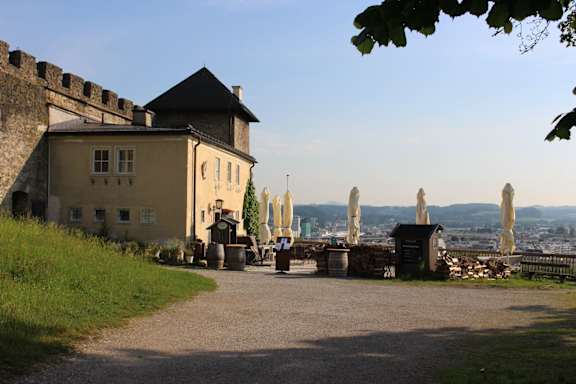
Hohensalzburg is the fortress on the hill and the thing to do first. The funicular takes a minute, or you can walk up in fifteen, and the ramparts give you the old town below and the Alps behind. Entry with the funicular is about €16.
The Altstadt itself is the attraction: Getreidegasse with its wrought-iron guild signs, the cathedral, Residenzplatz and the horse fountain, all walkable in an hour and all UNESCO-listed.
Mozart's birthplace on Getreidegasse and his later residence across the river are both museums; the residence is the better one and much quieter.
Hellbrunn, fifteen minutes south, is a palace with trick fountains built in 1615 to soak the archbishop's guests, and they still work, and you will get wet.
The Mirabell gardens are free, immaculate, and where the Do-Re-Mi sequence was filmed, which explains the queue at the steps.
Walking up the Mönchsberg costs nothing and gives the same view as the fortress from a different angle, with a path along the ridge and a modern art museum at the top.
The Kapuzinerberg on the other side is a wooded hill with a monastery and fewer people again.
St Peter's cemetery, cut into the rock face beneath the fortress, is free and is the most atmospheric corner of the city. The Salzach riverbank path runs for kilometres in both directions.
Salzburger Nockerl is the local dessert — three enormous sweet soufflé peaks representing the hills around the city, served for two people minimum and usually €12 to €16.
Otherwise it is Austrian: schnitzel, Kasnocken, which are the local cheese dumplings, and Bosna, a spiced sausage in a bun sold from stands for about €4.
Stiegl and Augustiner both brew here. The Augustiner Bräustübl is a monastery beer hall where you collect a stone mug, rinse it at a fountain, have it filled from a barrel and carry your own food in from the stalls — a litre is about €6 and it seats over a thousand people.
Restaurants in the Altstadt are priced for tourists; ten minutes across the river they are not.
Smaller than the city's fame suggests. The Rudolfskai strip along the river in the Altstadt is where the younger crowd and most visitors drink, and it is loud and unsubtle.
The better evenings are the Augustiner Bräustübl, which closes at 11, and the bars in the Neustadt around Steingasse — a narrow medieval lane with a handful of good small places.
A beer is €4 to €5.50 and a half-litre in the Bräustübl less.
During the festival in late July and August the whole tone changes: the city fills with black tie, and the outdoor screenings on Kapitelplatz are free and a good way to see some of it.
Walk. The old town is fifteen minutes end to end and cars are largely excluded from it.
Buses cover the rest at €2.20 a single or about €4.50 for 24 hours, and the station is fifteen minutes on foot or five on a bus from the centre.
Trains reach Vienna in two and a half hours and Munich in an hour and a half, which makes Salzburg an easy stop between the two. The Bayern Ticket from Munich is a cheap group option.
The FestungsBahn funicular to the fortress is about €4 return on its own and included in fortress tickets and the Salzburg Card.
More expensive than Vienna for beds and food, because it is small and heavily visited. Dorms are €25 to €45 and considerably more during the festival, a main course is €16 to €26, and a beer €4 to €5.50.
A day is €60 to €95.
The Salzburg Card at about €30 for 24 hours covers transport, the funicular and the museums, and pays for itself if you do three ticketed things in a day.
The free things here are genuinely good — the Mönchsberg, Mirabell, St Peter's cemetery — so a cheap day is easy if you skip the museums.
Salzburg is very safe, and the risks are weather and crowds rather than crime.
The old town is dense and heavily visited, and pickpocketing happens on Getreidegasse and around Mozartplatz in summer at ordinary European levels.
It rains here a great deal — more than most of Austria — and the cobbles and the Mönchsberg paths get slippery.
If you go into the mountains from here, that is proper alpine terrain: the weather changes fast, cable cars close in wind, and the Untersberg above the city can be in cloud while the town is in sun. Emergency number is 112, and 140 for mountain rescue.
Lakes, ice caves and a salt mine, all inside an hour.
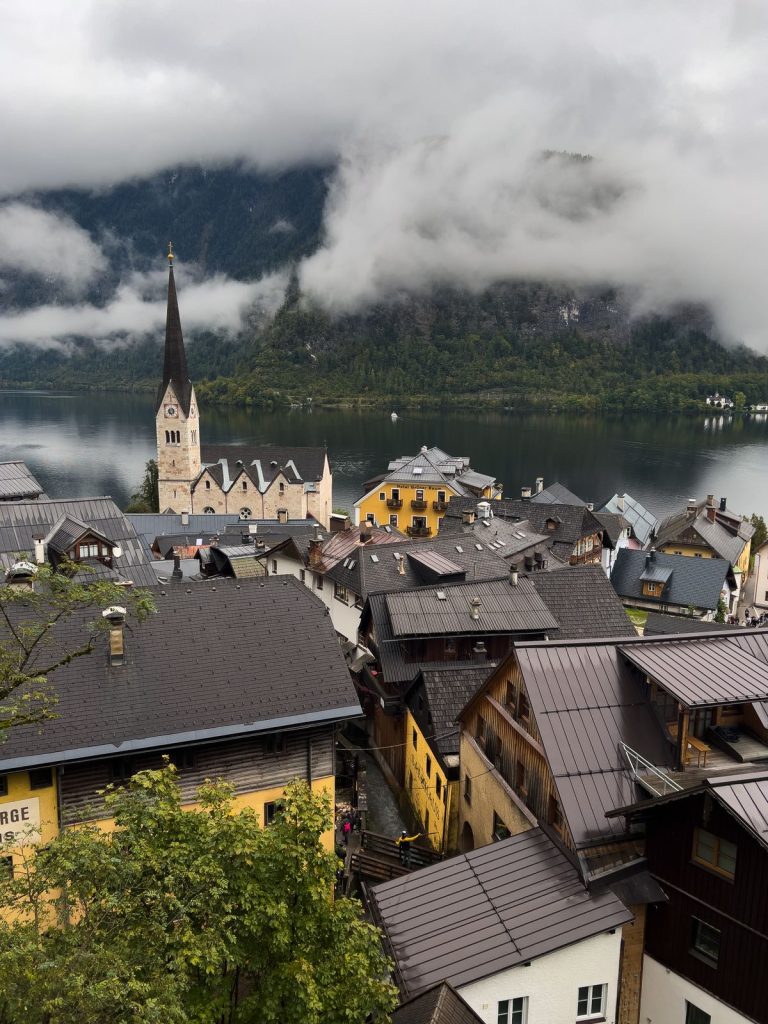
The lakeside village on every poster of Austria. Beautiful, overwhelmed, and best very early or as an overnight.
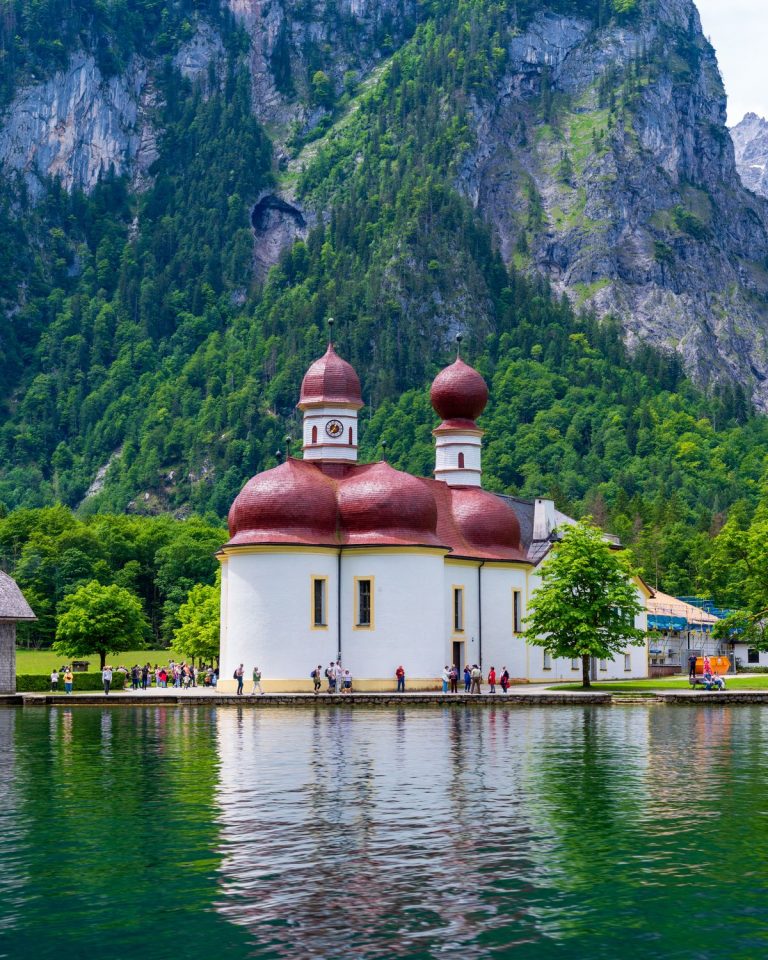
A fjord-like lake in Bavaria with electric boats, a trumpeter who plays to the echo, and a chapel on a peninsula.
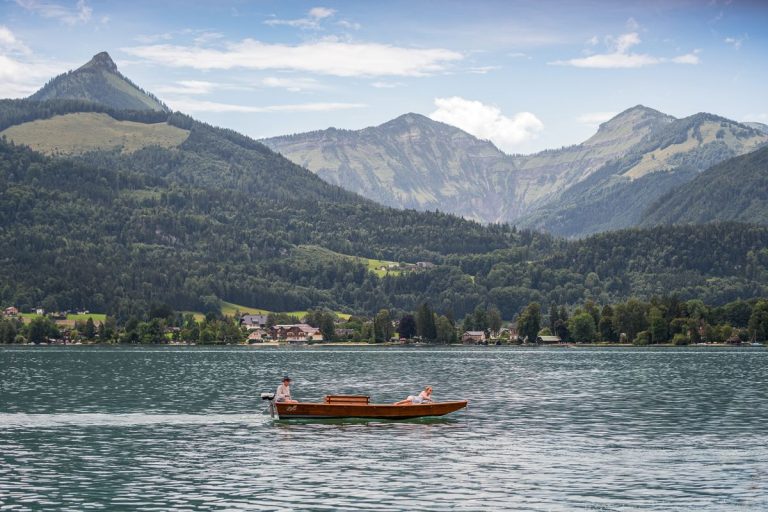
A lake in the Salzkammergut with swimming, a cog railway up the Schafberg and far fewer people than Hallstatt.
One festival dominates the year and you need to know about it before booking.
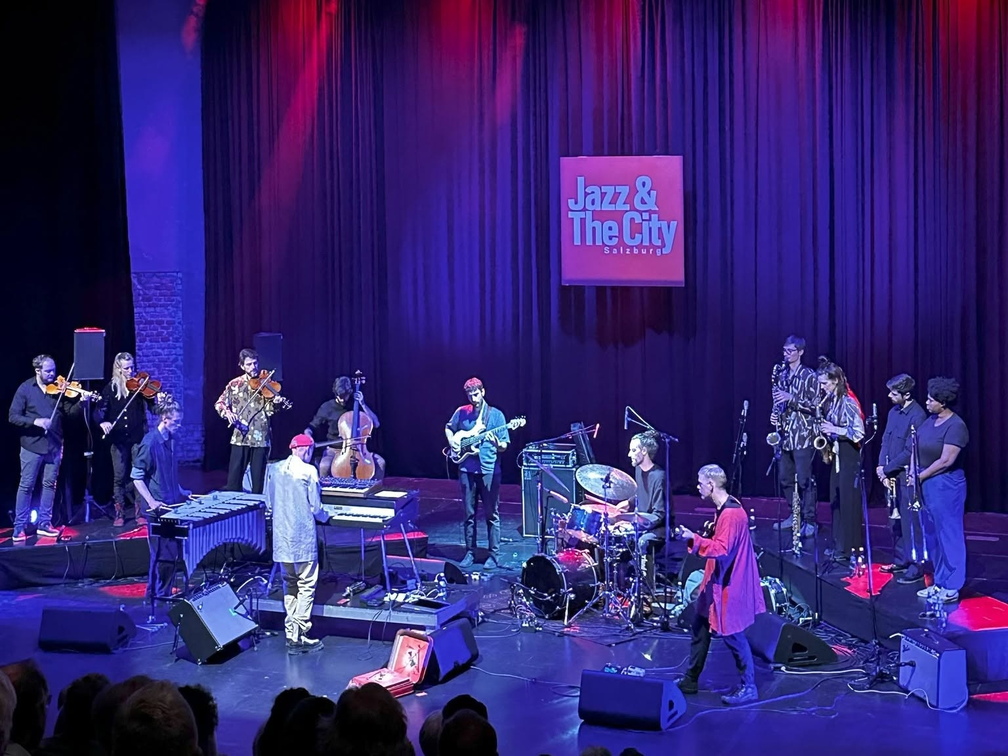 Staff pick
Jazz&TheCitysounds Festival transforms Salzburg, Austria, into a lively hub for jazz, global grooves, and electronic music, drawing artists and audiences from around the world.…
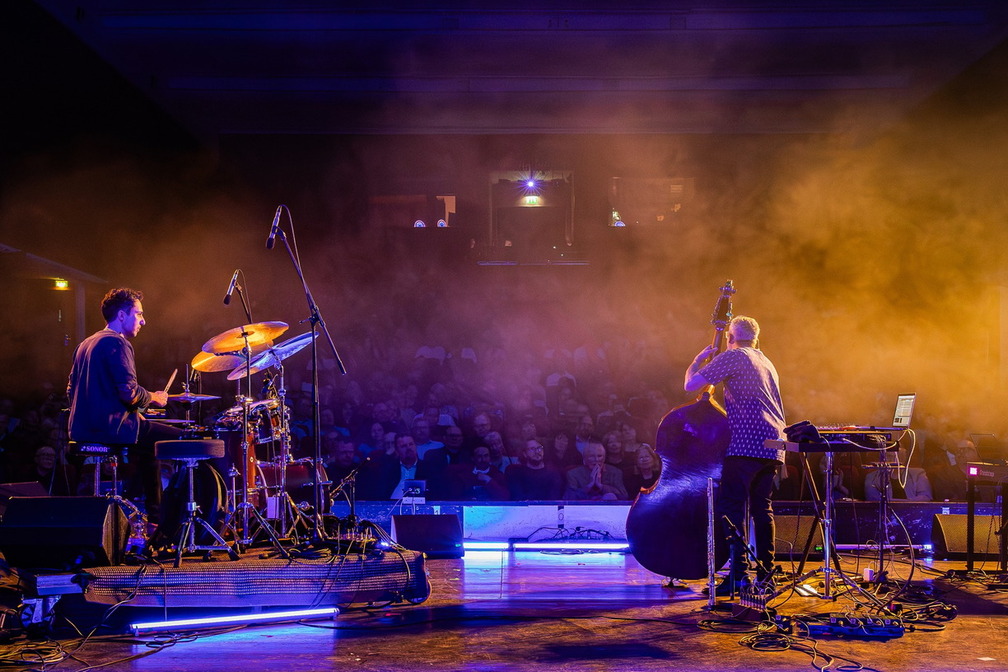 Staff pick
Jazz&TheCity in Salzburg, Austria, brings the historic Old Town alive with an eclectic mix of jazz, global grooves, and electronic music. For over 25…
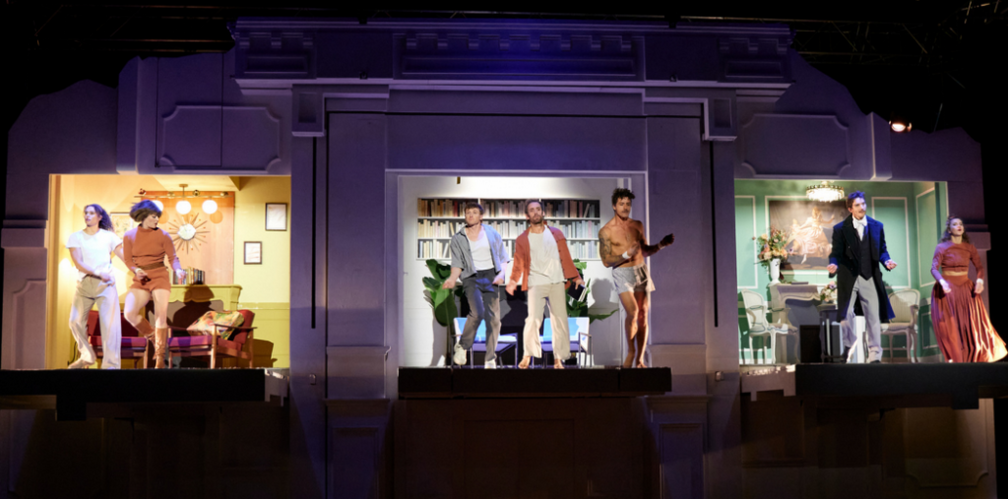 Staff pick
Each winter, Salzburg’s Volksgarten transforms into a magical circus wonderland for the Winter Festival, drawing visitors with its dazzling lights, festive ambiance, and spectacular…
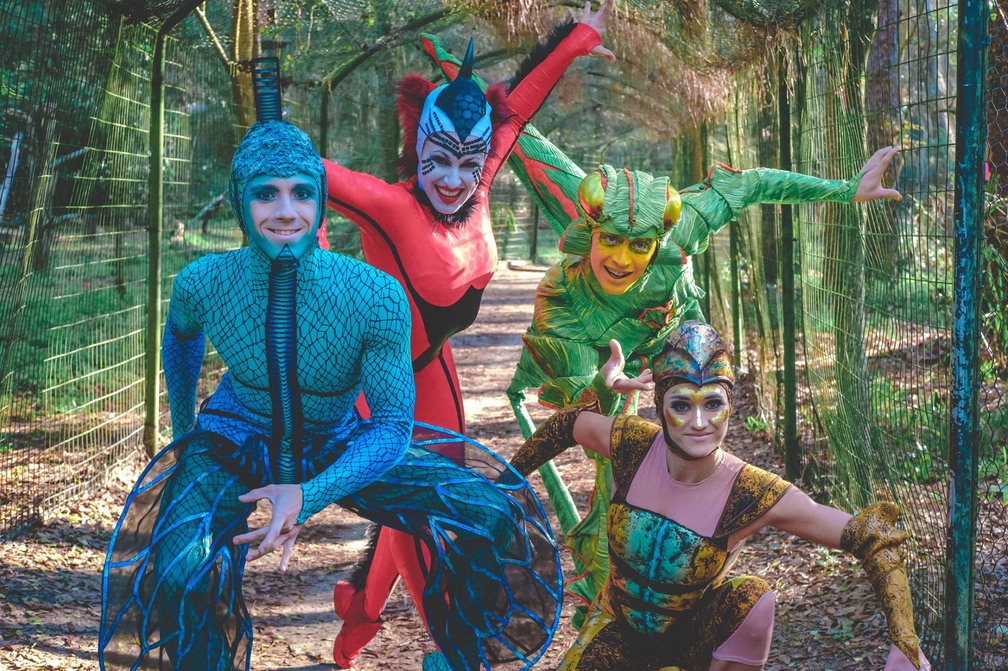 Staff pick
"Ovo" is the Portuguese word for egg. Taking that symbol to represent the life cycle of insects, Cirque du Soleil showcases a visually stunning…
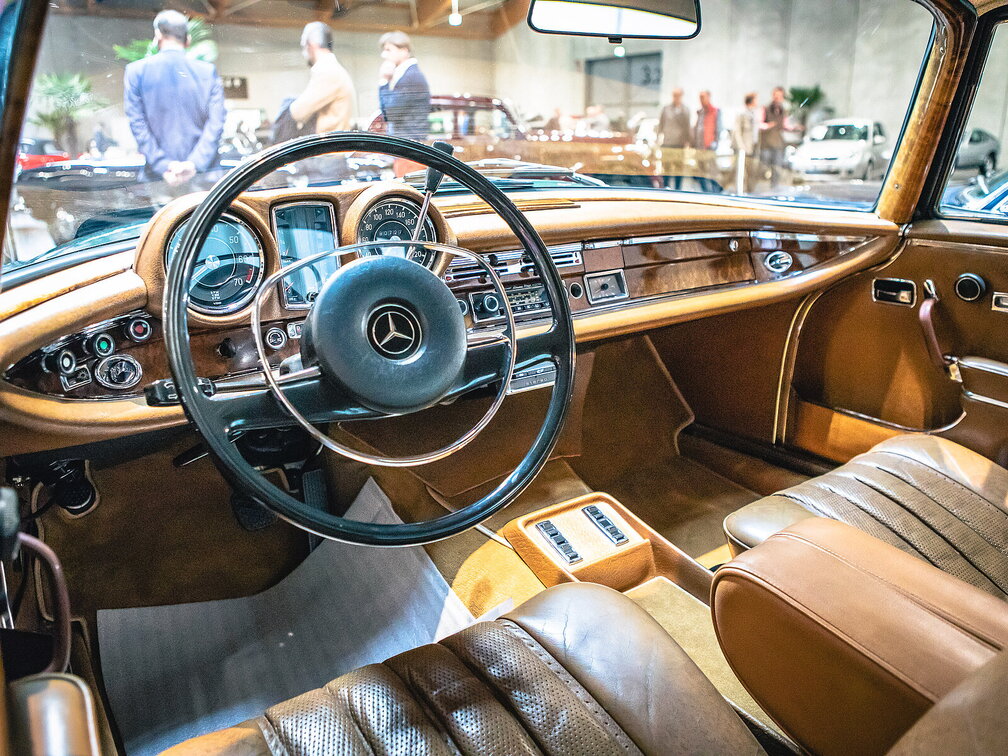
Classic Expo is an international classic car exhibition held at Messezentrum Salzburg. It serves as a meeting place for the classic car industry, showcasing…
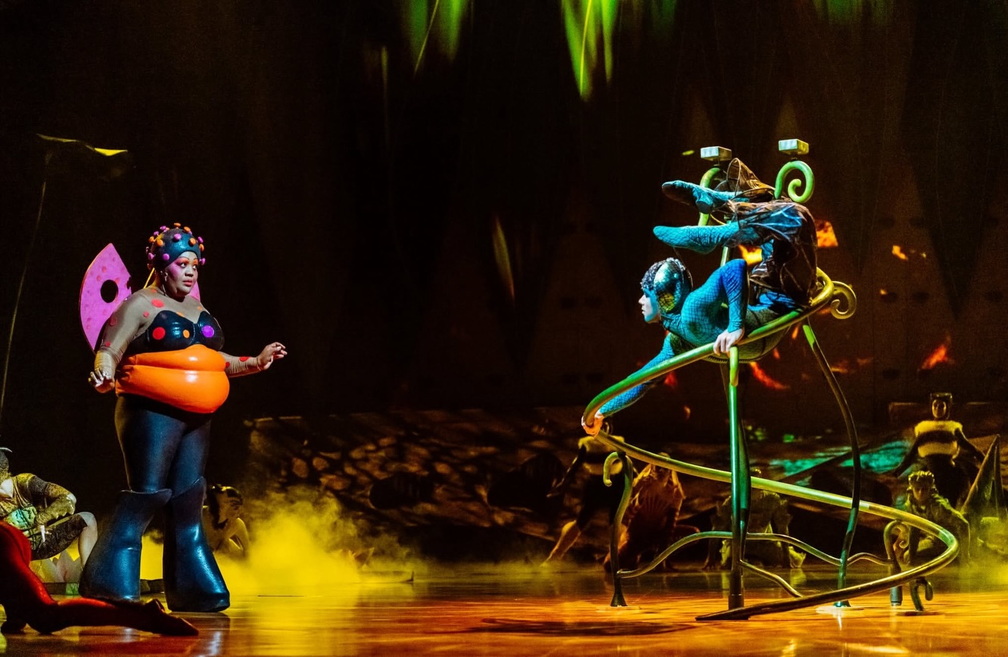
Cirque du Soleil presents "OVO", a celebrated arena show featuring a vibrant and humorous kaleidoscope of acrobatics and comedy inspired by the world of…

A football match between Red Bull Salzburg and LASK is scheduled at the Red Bull Arena in Salzburg. The game kicks off late on…
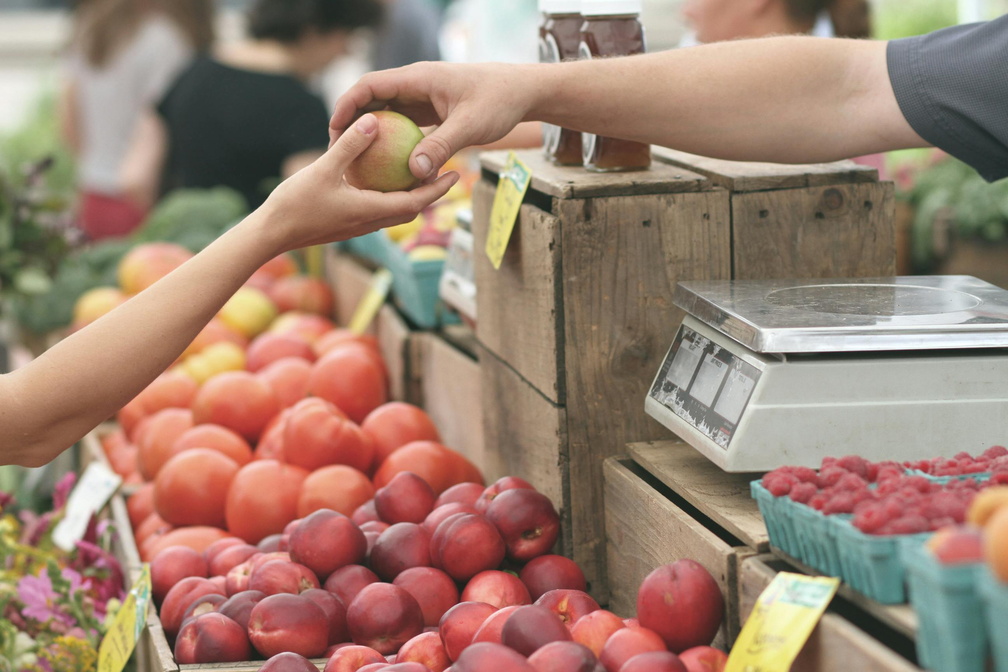
A lively open-air market fills this pedestrian square in Salzburg's old town, where vendors sell rare fruits, berries, mushrooms, homemade pastries, jams, and juices.…
A compact scene split between the old town, the Neustadt and the cheaper streets near the station. Live from Hostelworld.
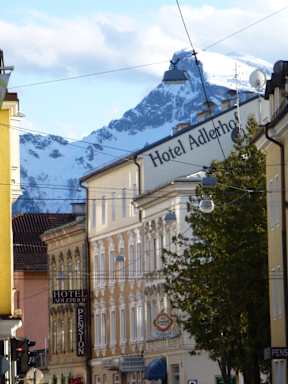
 Sustainable
May, June and September. The festival in late July and August fills the city and triples the prices.
Average highs. Salzburg sits where the Alps meet the plain and catches a lot of rain — it is among the wettest cities in Austria, with July the wettest month.
Pick how you travel. Per person per night, in euros, outside the festival.
Late July and August run far above these figures. The Salzburg Card at €30 covers transport and the museums if you are doing three or more.
The ones we get asked most.

Compare Salzburg hostels — live prices, real reviews and free cancellation on most bookings. Then meet the people already there in the app.

 Get the App.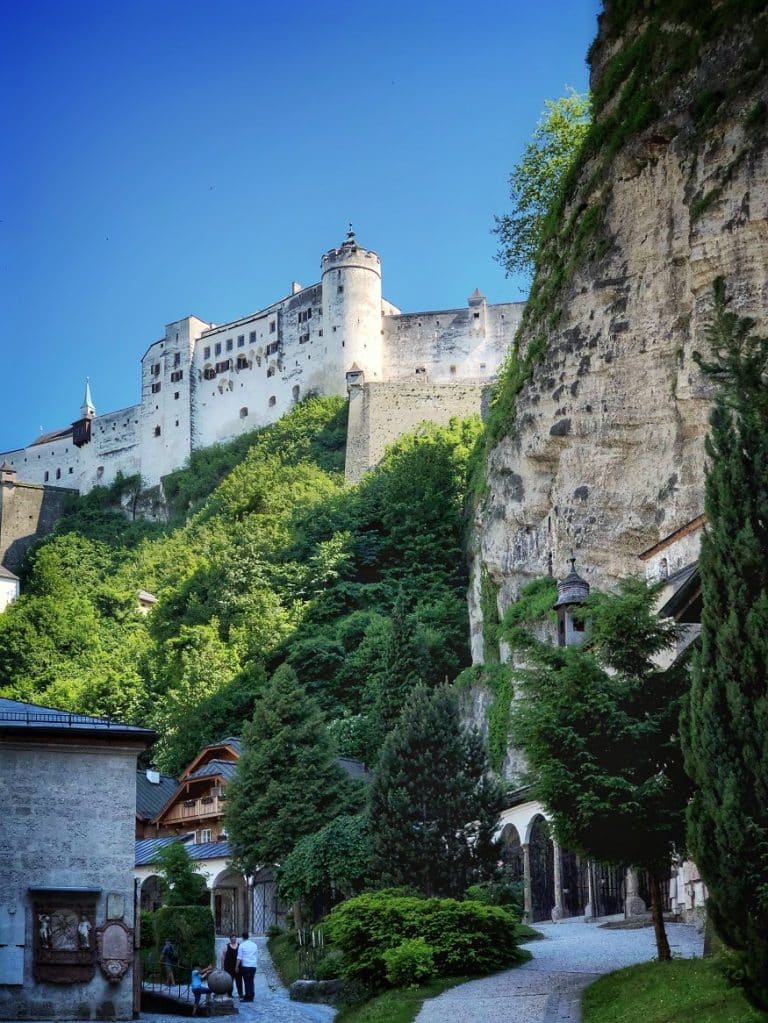
 Get the App.