Innere Stadt
First-timersThe UNESCO old town under the Schlossberg: arcaded courtyards, the armoury, the main square and most of the sights.

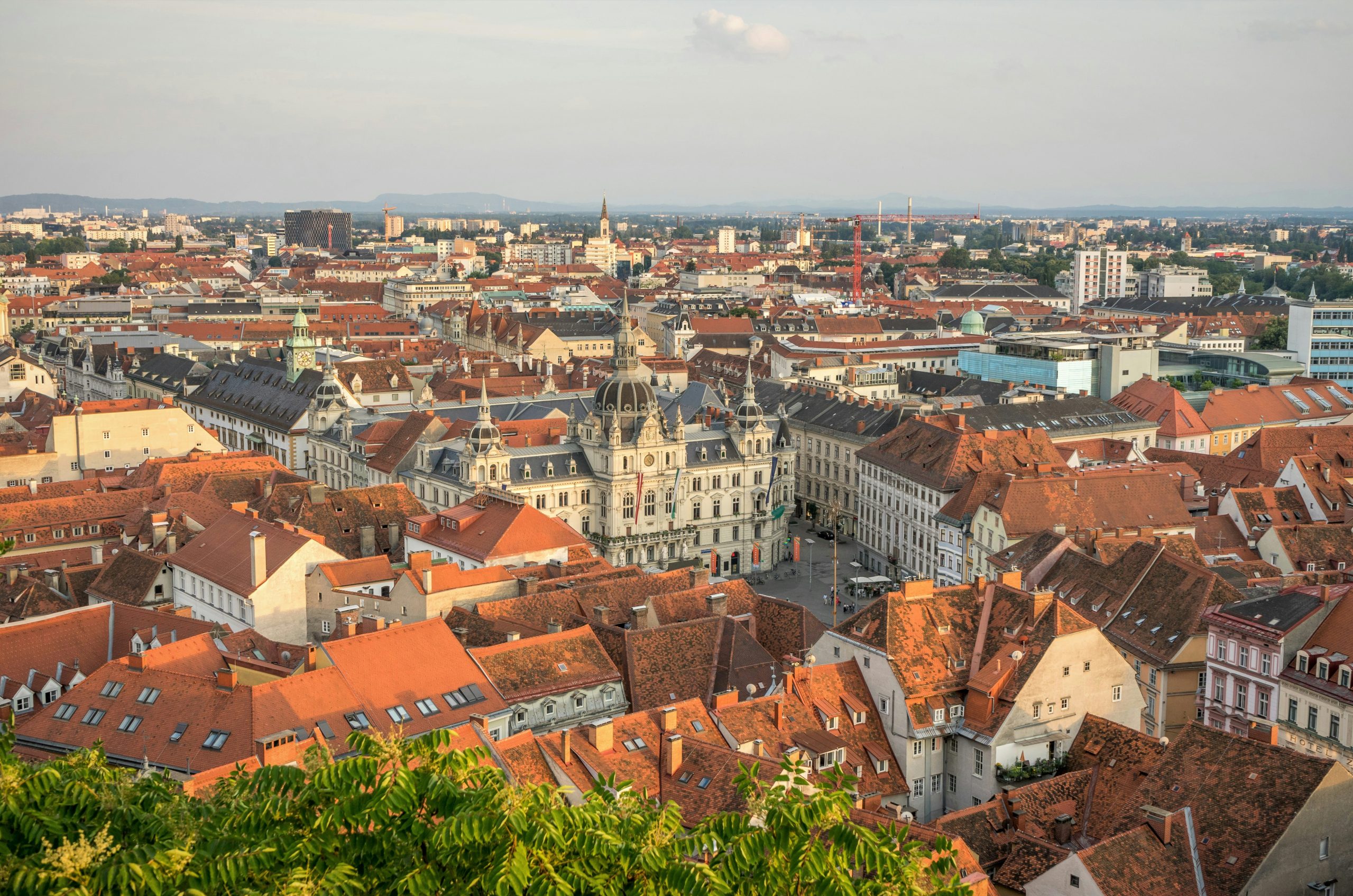
Austria's second city: 60,000 students, the largest historic armoury in the world, a blue blob of a museum on the river, and almost no foreign visitors.
Graz has the best-preserved old town in central Europe, a UNESCO listing to prove it, and a fraction of the visitors of Salzburg two hundred kilometres west. That is the pitch.
It is also a student city — 60,000 of them in a population of 300,000 — which means cheap food, a serious bar scene and an atmosphere that has nothing to do with Habsburg nostalgia.
The mix is unusual. The Landeszeughaus holds 32,000 pieces of armour and weaponry, kept exactly as they were racked in the seventeenth century in case the Ottomans came back. A few hundred metres away, the Kunsthaus is a biomorphic blue blob that the city calls the Friendly Alien, and the Murinsel is an artificial island of steel mesh floating in the river.
Two or three days, and it is noticeably cheaper than anywhere else in this guide to Austria.
The old town on one bank, the student districts on the other, and the hill in the middle.
The UNESCO old town under the Schlossberg: arcaded courtyards, the armoury, the main square and most of the sights.
Across the Mur: the Kunsthaus, multicultural markets, the best bars and the cheapest food in the city.
South and east of the centre, where most of the 60,000 students live, eat and drink.
Orange labels are neighbourhoods, dots are the 2 top-rated hostels. Map © MapTiler © OpenStreetMap contributors.
The Landeszeughaus is the one nobody expects: four floors of an arsenal holding 32,000 helmets, breastplates, muskets and halberds, racked in the seventeenth century for a militia of 16,000 men and never dispersed. It is the largest historic armoury in the world and it is overwhelming in a way no museum display case achieves.
The Schlossberg is the hill in the middle of the city, climbed by 260 steps, a lift through the rock or a funicular, with the clock tower at the top and a view over the roofs.
The Kunsthaus, the blue biomorphic museum on the west bank, is worth seeing from the outside whatever is on inside.
And the Murinsel, an artificial island shaped like a half-open shell, is a café in the middle of the river reached by two footbridges.
Climbing the Schlossberg on foot is free — only the lift and funicular charge — and the park at the top is open all day.
The old town's arcaded courtyards are open to walk through, and the Landhaus courtyard is the finest Renaissance one north of Italy.
The Kunsthaus exterior, the Murinsel and the riverbank paths cost nothing.
Kaiser-Josef-Platz market runs most mornings and Lendplatz is the smaller, better one, both free to wander and full of Styrian produce.
Several museums are free on certain days, and the Universalmuseum Joanneum gives you 24 hours across all its sites on one ticket.
Graz calls itself Austria's culinary capital, which Vienna disputes, and the case rests on Styria: pumpkin seed oil, Styrian beef, apples, and some of the country's best white wine from the hills south of the city.
Pumpkin seed oil is dark green, nutty and protected by EU designation, poured over salads and, disconcertingly, vanilla ice cream — which is better than it sounds.
Student prices hold the city down. A proper lunch is €9 to €14, and the markets at Kaiser-Josef-Platz and Lendplatz do better and cheaper than most restaurants.
Backhendl, fried chicken done the Styrian way, and Sturm, cloudy fermenting grape must, which appears for about six weeks in autumn and is treated as an event.
This is where the student population shows. The Bermudadreieck in the old town is a cluster of small bars in a few alleys, busy from Thursday; Lend across the river has the more interesting places.
The university quarter around Jakomini is where things are cheapest and run latest.
A beer is €3.50 to €4.50 and a glass of Styrian white about €4, both below Vienna.
Term time is the thing to know: from July to September the students go home and a noticeable share of the city's nightlife closes with them.
The centre is walkable and trams are free within the Altstadt zone, which is unusual and useful. Beyond it a single is about €2.90 and 24 hours €6.
The Schlossberg has three options: 260 steps, a lift through the rock at about €2.40, or the funicular at about €3.
Trains reach Vienna in two and a half hours, Ljubljana in three and Budapest in five, which makes Graz a natural stop on a route south or east rather than a dead end.
Cycling is easy and flat along the Mur, with a city bike scheme and a long riverside path.
The cheapest major city in Austria, and by a clear margin. Dorms are €18 to €32, a lunch €9 to €14, and a beer €3.50 to €4.50.
A day is €45 to €70.
The Joanneum ticket covers all the museums including the armoury for 24 hours and is the efficient way to do them. The Schlossberg on foot, the markets and the courtyards are free.
Student districts are where the value is: eating in Jakomini or Lend rather than the main square changes the daily total noticeably.
Graz is a safe, comfortable city with low crime, and walking anywhere central at night is unremarkable.
Petty theft happens around the station and in busy bar streets at weekends, at ordinary levels.
The Schlossberg steps are steep and unlit in places, and slippery after rain — the lift runs late and costs €2.40, which is worth it coming down in the dark.
Cyclists use the riverside paths at speed and the shared sections are not well marked. Emergency number is 112.
Wine roads, a stud farm and a castle on a cliff, all within an hour and a half.
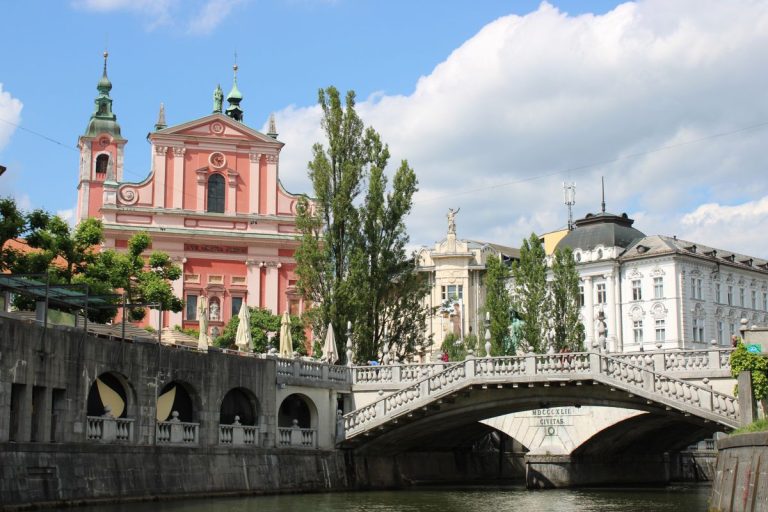
Another capital, and closer than Salzburg. Doable in a day, better as an overnight.
An autumn drink, a contemporary arts festival, and markets in December.
 Staff pick
The ORF Long Night of Museums in Graz, Austria, invites culture enthusiasts to explore a rich variety of exhibitions and special programs across the…
 Staff pick
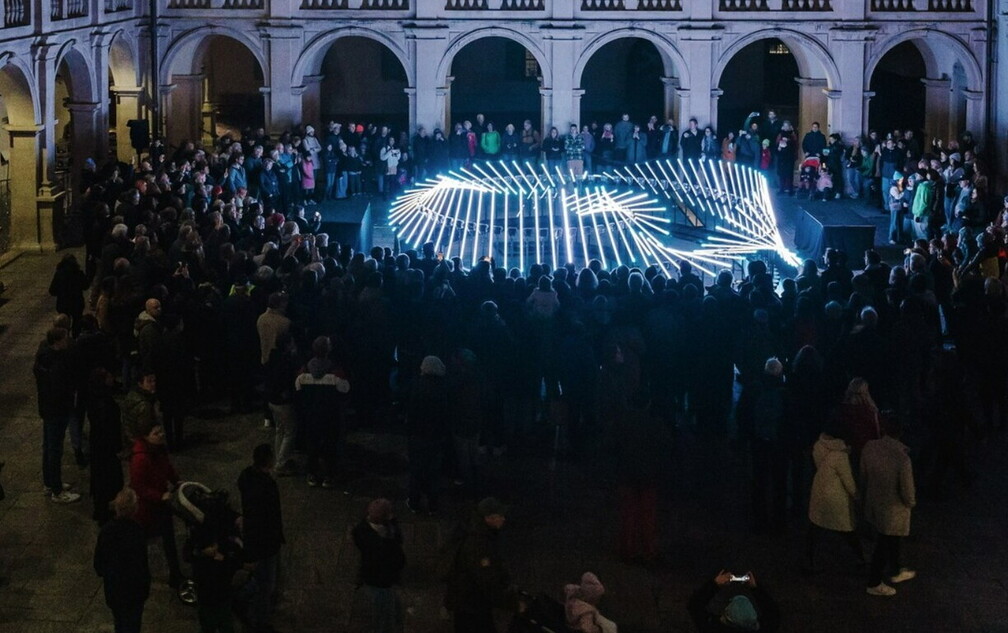
KLANGLICHT transforms the historic Eggenberg Palace in Graz, Austria, into a captivating stage for contemporary art, where light, sound, and space converge in innovative…
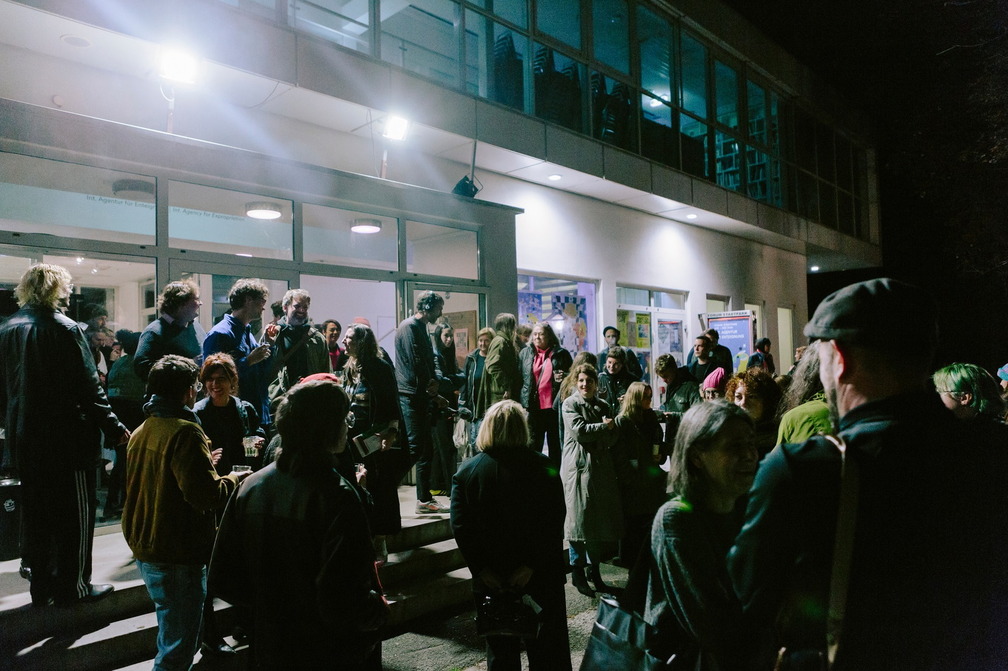 Staff pick
Steirischer herbst in Graz, Austria, is a pioneering festival for contemporary art that has been shaping the European cultural landscape since 1968. Known for…
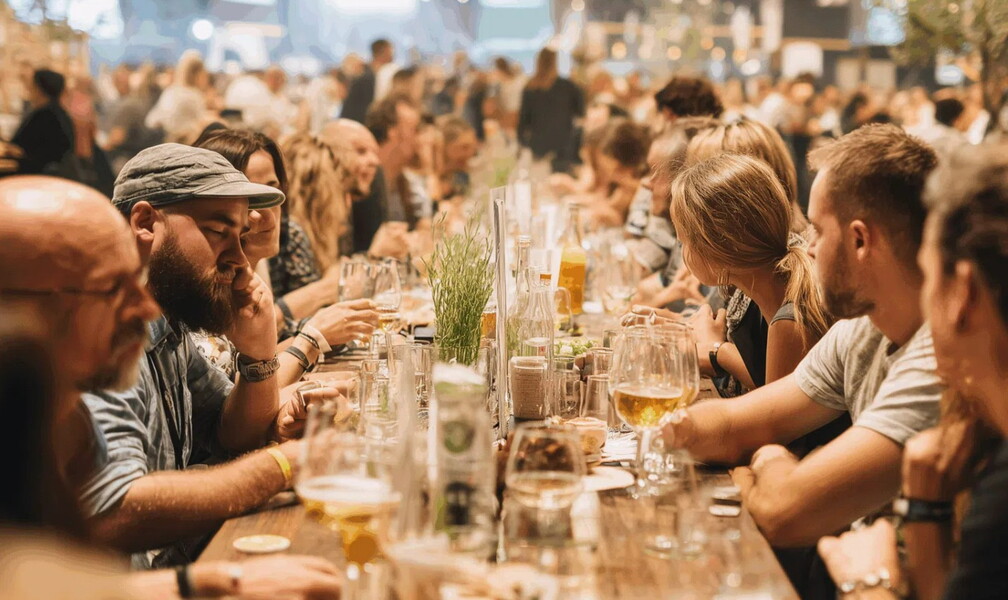 Staff pick
TasteFactory Graz transforms the city into a dynamic culinary destination, inviting food lovers to explore a wide array of flavors and trends. The festival…
 Staff pick
The Graz Autumn Fair is a major highlight in southern Austria, drawing tens of thousands of visitors each year. This lively event blends a…
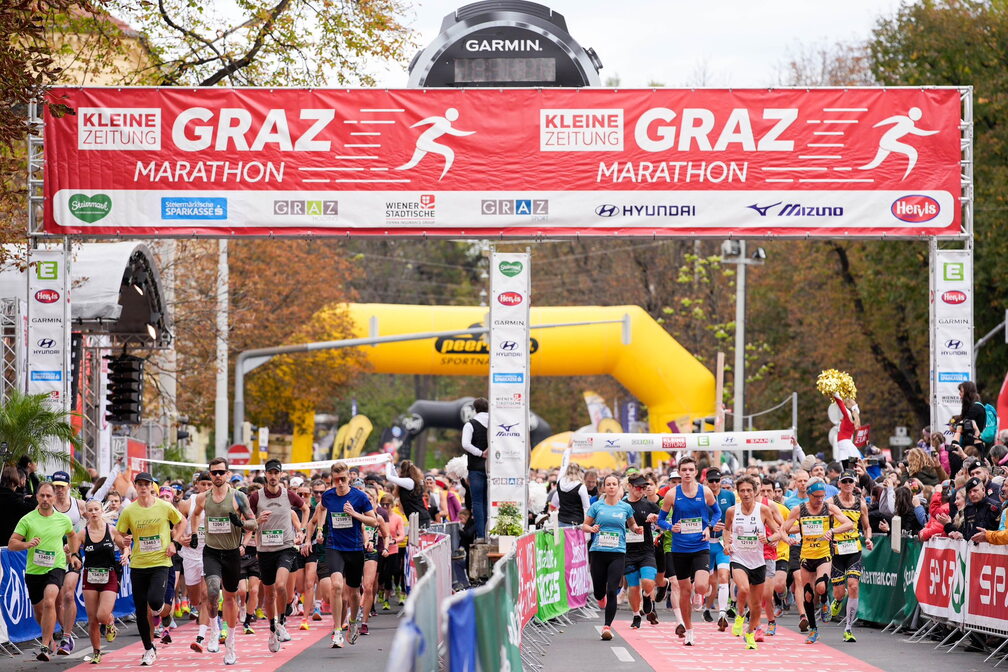 Staff pick
The Graz Marathon is southern Austria’s leading running event, attracting over 11,000 participants each year to the picturesque streets of Graz. Starting and finishing…
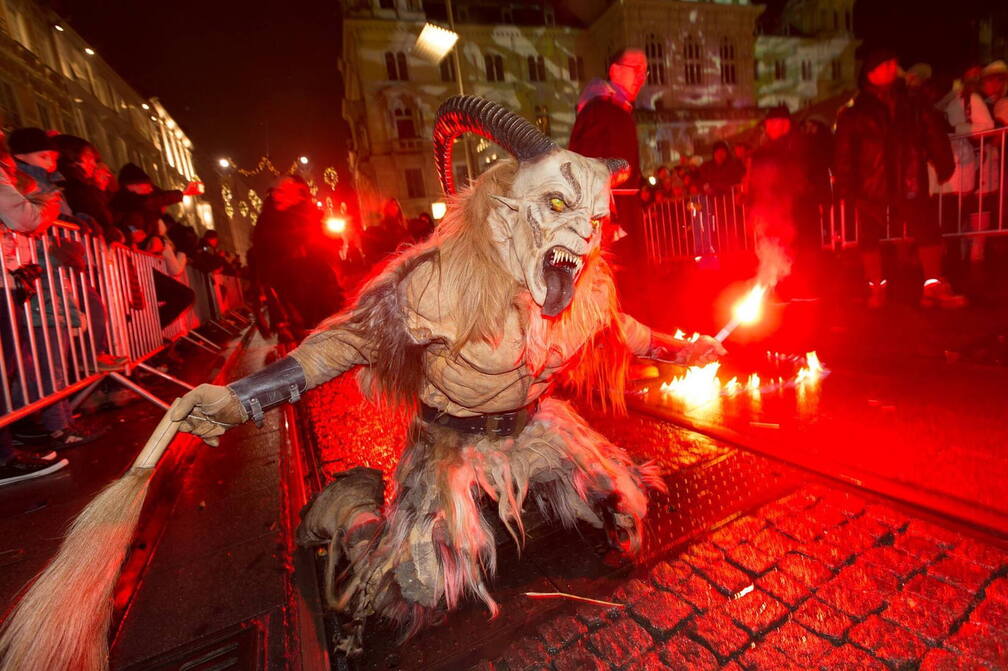 Staff pick
The Krampus Procession in Graz, Austria, transforms the city’s historic center into a thrilling spectacle rooted in Alpine folklore. Hundreds of costumed participants, clad…
 Staff pick
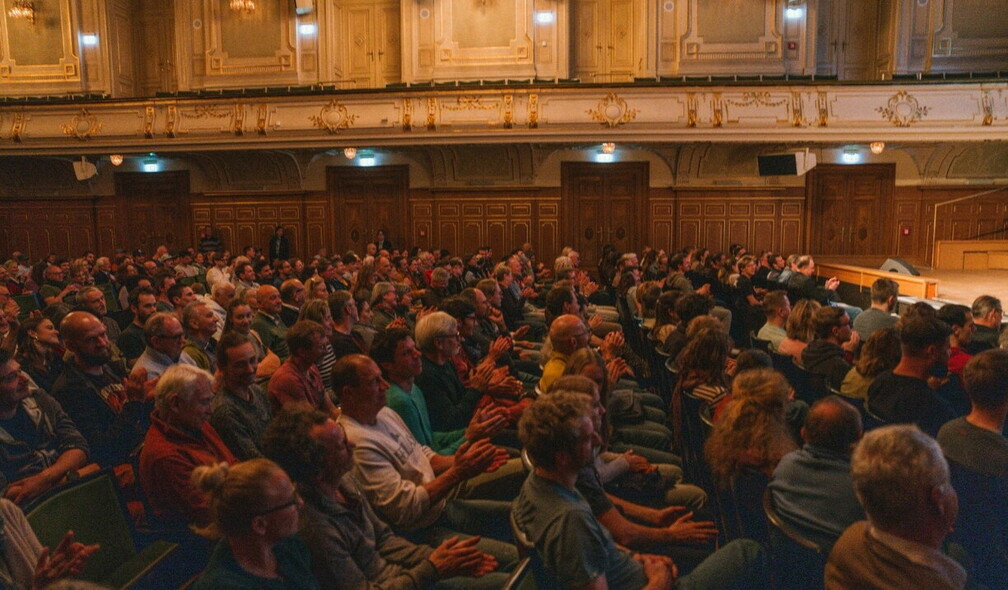
Mountainfilm Graz is a renowned international film festival in Graz, Austria, dedicated to showcasing outstanding documentaries on alpinism, adventure sports, nature, and global cultures.…
A small scene at genuinely low prices, spread between the old town and the student districts. Live from Hostelworld.
Graz is the warmest major city in Austria. Spring and autumn are best, and autumn has Sturm.
Average highs. Graz sits in a basin in the south-east and is the warmest major Austrian city, with a Mediterranean tilt that shows in the wine and the pumpkin fields.
Pick how you travel. Per person per night, in euros.
Trams are free in the centre zone, which is why the transport line stays low. The Joanneum ticket covers every museum for 24 hours.
The ones we get asked most.

Compare Graz hostels — live prices, real reviews and free cancellation on most bookings. Then meet the people already there in the app.

 Get the App.
 Get the App.