Diocletian's Palace
First-timersInside the Roman walls: the cathedral, the Peristyle, bars in the substructures and the highest prices. Noisy at night.

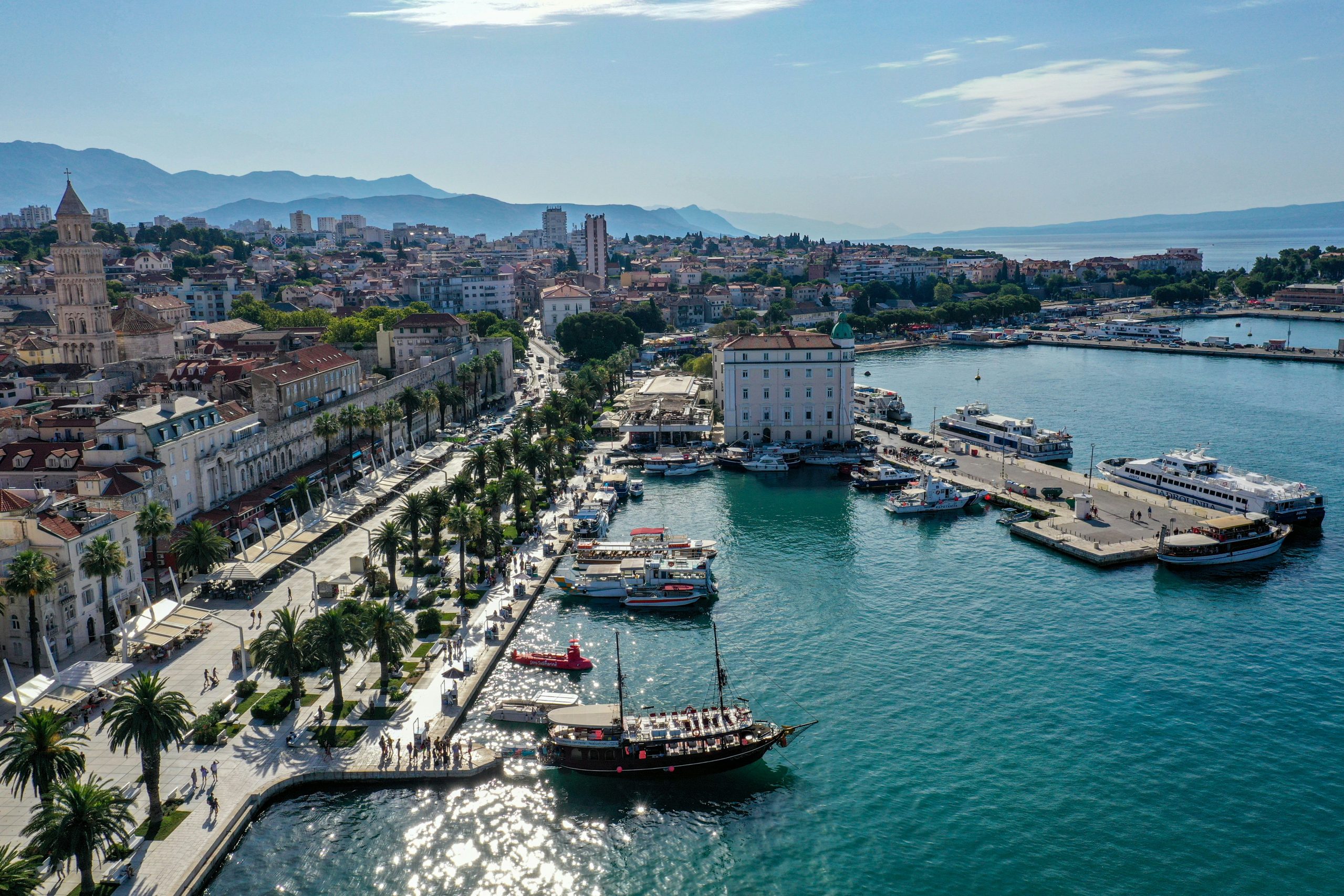
A Roman emperor's retirement palace with a living city inside it: 3,000 people still occupy Diocletian's walls, and the ferries to every island leave from the end of the street.
Diocletian built a retirement palace here around 305 AD, and when the Roman world came apart, people moved into it and never left. What you walk through is not a ruin: shops, flats and bars occupy Roman substructures and colonnades, washing hangs between imperial columns, and about 3,000 people live inside the walls.
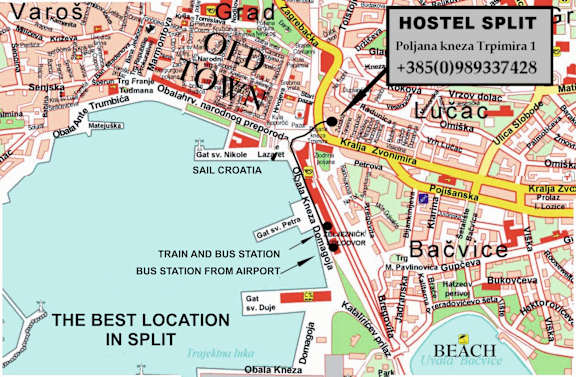
Split is also the Adriatic's ferry hub — Hvar, Brač, Vis and everywhere else leave from the harbour a hundred metres from the palace gate — which makes it the natural base for the islands.
Marjan, a pine-covered hill at the end of the peninsula, is the city's park, with swimming coves around its edge.
In July and August it is very busy and prices reflect it. In May, June, September and October it is one of the best cities on the Mediterranean.
Two or three days, plus island time.
Inside the palace, around it, or out towards the beaches.
Inside the Roman walls: the cathedral, the Peristyle, bars in the substructures and the highest prices. Noisy at night.
The old stone quarters either side of the palace, quieter, with steep lanes and local konobas.
East of the centre around the sandy bay, with beach clubs and a ten-minute walk into town.
West towards the pine hill, residential, with coves along the shore and a longer walk in.
Orange labels are neighbourhoods, dots are the 12 top-rated hostels. Map © MapTiler © OpenStreetMap contributors.
Walk into the palace and get lost — it is free, it is a working neighbourhood, and the Peristyle courtyard at the centre with the cathedral bell tower above it is the best public space on the coast.
The cathedral is a Roman mausoleum turned church, which makes it the oldest building in continuous use as a cathedral anywhere, and Diocletian — who persecuted Christians — no longer occupies it. Climbing the bell tower is a few euros and the stairs are open and steep.
The substructures below the palace are the best-preserved Roman cellars anywhere, and were used as a set for a well-known television series, which the guides mention constantly.
Marjan hill is a pine forest above the city with a staircase up from Varoš, viewpoints, chapels and swimming coves along its shore.
The palace itself is free — you walk into it from four Roman gates and there is no ticket for the streets, the Peristyle or the vestibule, where a cappella groups sing most days.
Marjan hill costs nothing, and the staircase up from Varoš takes twenty minutes to viewpoints over the city and the islands.
Every beach is free, including Bačvice, where locals play picigin, a shallow-water ball game invented here that is taken more seriously than it looks.
The Riva promenade at sunset is the city's evening ritual, and the fish and green markets by the palace walls are free to wander.
Dalmatian food is grilled fish, olive oil and not much interference. Whole fish is sold by weight at €40 to €70 a kilo in restaurants, which usually means €20 to €35 a portion, and a shared plate of fried small fish is much cheaper.
Peka — meat or octopus slow-cooked under a metal dome with embers on top — needs ordering hours ahead and is the meal to plan.
Konobas in Varoš and Radunica serve pašticada, black risotto and grilled squid at €12 to €20, well below the Riva prices.
The green market and fish market by the palace walls are where to buy for a picnic, and a beer is €3 to €5.
The palace is the nightlife: bars occupy Roman rooms and courtyards, and the streets between them fill from about ten. It is atmospheric and, if you are sleeping inside the walls, extremely loud until three.
Bačvice is the other half — beach clubs on the sand that run from the afternoon into the morning in summer.
A beer is €3 to €5 and cocktails €8 to €12, which is coastal pricing.
Split is also the departure point for the Ultra Europe festival in July and for the island party circuit, so in high summer the city carries a lot of people in transit to somewhere louder.
The centre is walkable and the palace is car-free. City buses cost about €1.50 and reach the beaches and suburbs.
Ferries leave from the harbour a hundred metres from the palace: Hvar in an hour by catamaran, Brač in fifty minutes, Vis in two and a quarter. Foot passengers can usually buy on the day; cars need booking well ahead in summer.
Buses go everywhere the trains do not — Dubrovnik four and a half hours, Zadar three, Zagreb five, Mostar three and a half with a border crossing.
The airport bus takes 30 minutes for about €8, and there is also a train and a local bus that cost less and take longer.
Expensive in July and August and reasonable either side. Dorms are €20 to €50 depending sharply on the month, a konoba meal €12 to €20, and a beer €3 to €5.
A day is €50 to €90 in season.
The savings are specific: eat in Varoš or Radunica rather than on the Riva, buy at the markets, swim at free beaches rather than paying for loungers, and travel in May, June, September or October when everything drops by a third or more.
Croatia has used the euro since 2023.
Split is a safe city and the main risks are heat, sea and crowds.
Pickpocketing happens in the palace crowds and on busy ferries in high summer.
Sea urchins are common on the rocky shores around Marjan and the islands — water shoes are worth the few euros, and the spines are unpleasant to remove.
Summer heat regularly passes 33 degrees and the stone city holds it into the evening.
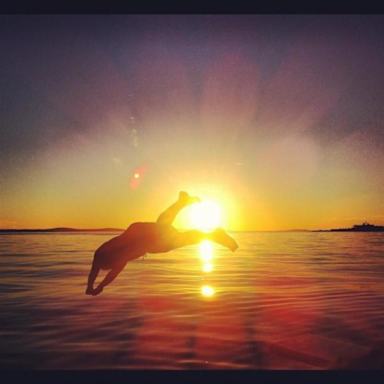
Jellyfish appear some summers and are usually mild. Cliff jumping around the coves is popular and hospitals here see the results every year — check the depth first. Emergency number is 112.
Islands from the harbour, waterfalls inland, and a Roman ruin nobody visits.
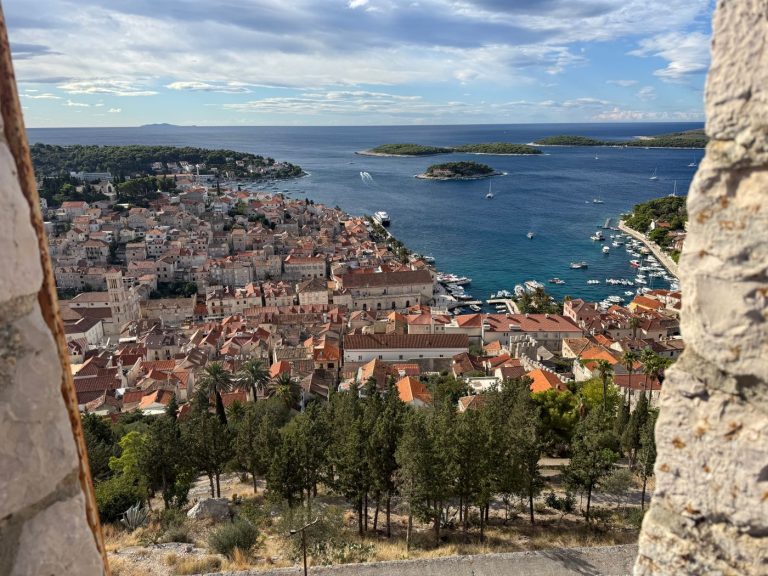
The party island and a Venetian town, with lavender fields and quieter villages behind it.
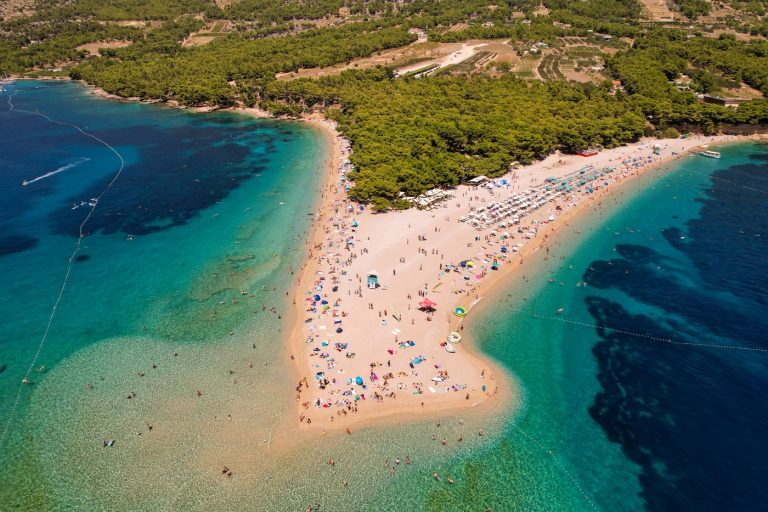
The beach that appears on every Croatian poster, a shingle spit that changes shape with the current.
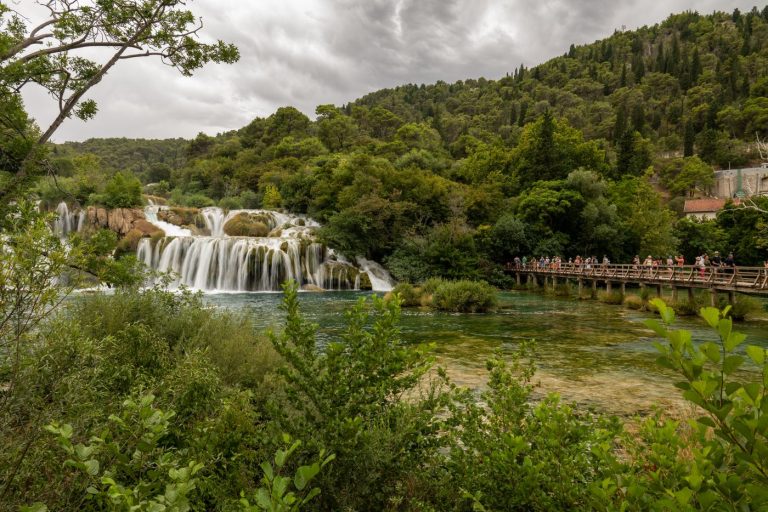
Waterfalls and boardwalks, less crowded than Plitvice and closer. Swimming is no longer permitted at the main falls.
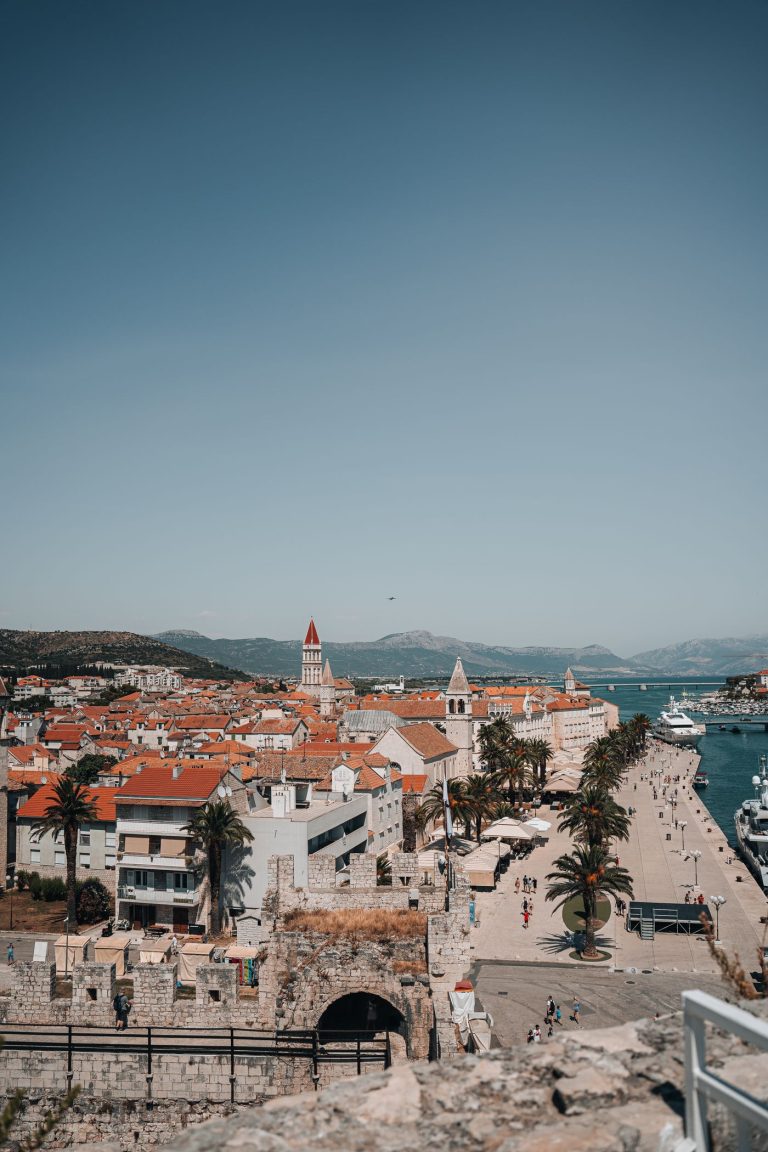
A UNESCO-listed island town of Venetian stone, small enough to see in three hours.
One enormous electronic festival lands in mid-July.
 Staff pick
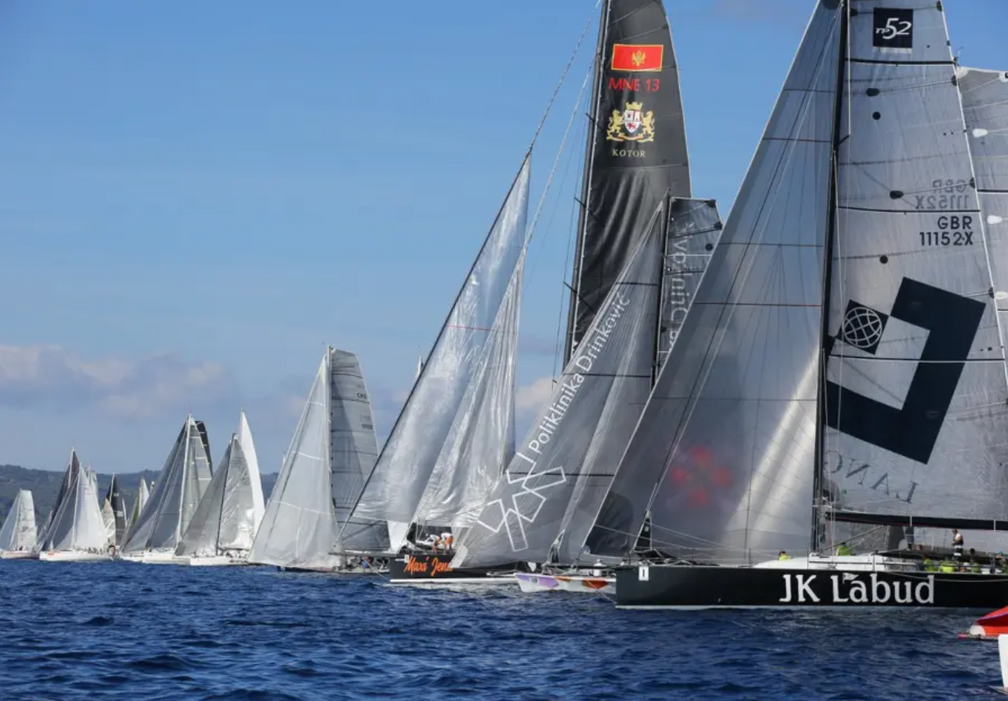
The Mrduja Regatta in Split, Croatia, is a renowned sailing event that brings together hundreds of boats for a thrilling race along the Adriatic…
 Staff pick
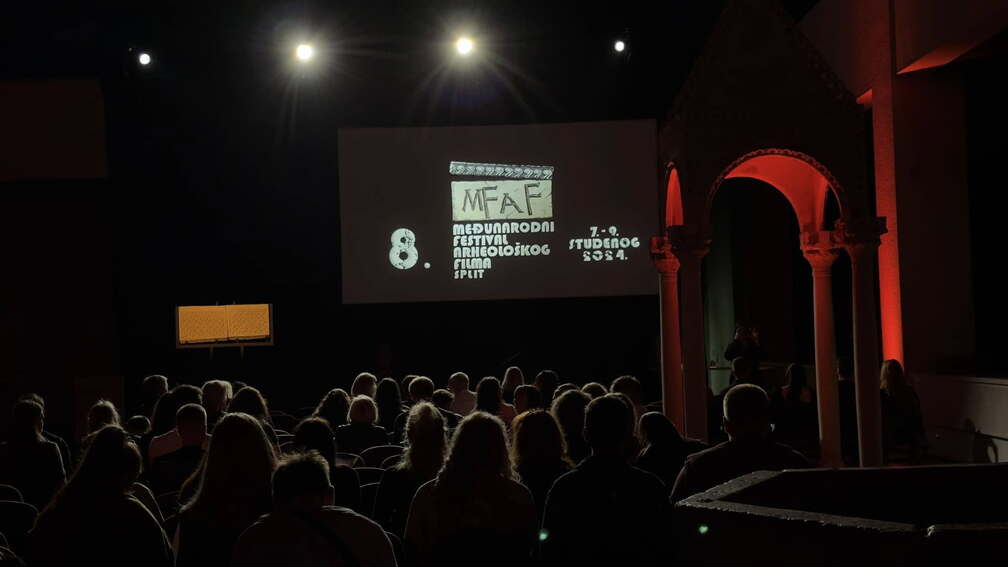
The Međunarodni festival arheološkog filma in Split, Croatia, is a biennial event dedicated to showcasing documentary films focused on archaeology, cultural and historical heritage,…

Toše Forever: Music That Lives brings a tribute to the enduring legacy of Toše Proeski in Split. The concert takes place at Dvorana Gripe,…
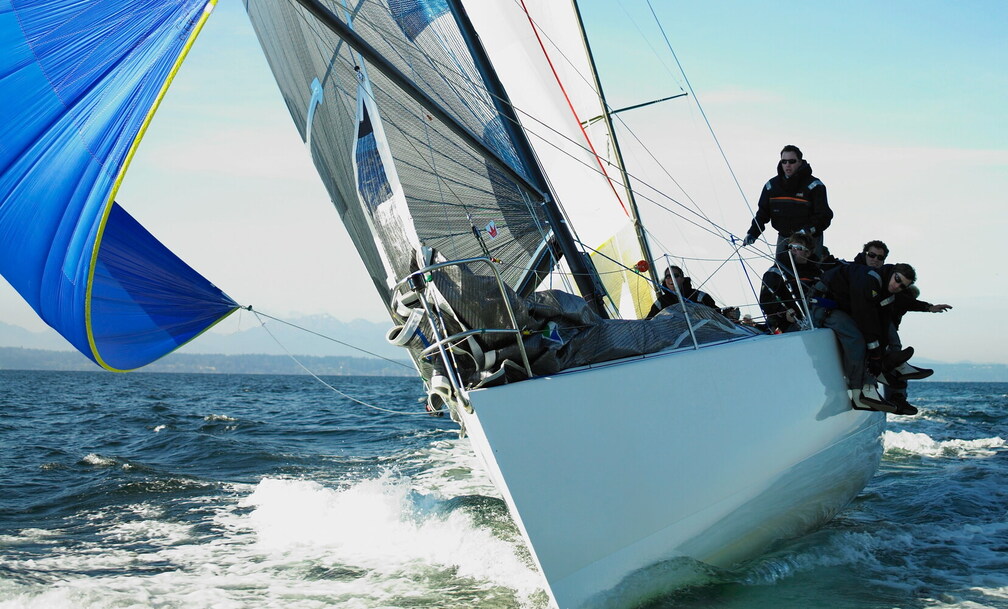
Five regattas unfold across Split and the central Dalmatian islands from September through October, drawing everyone from young Optimist sailors to skippers of wooden…
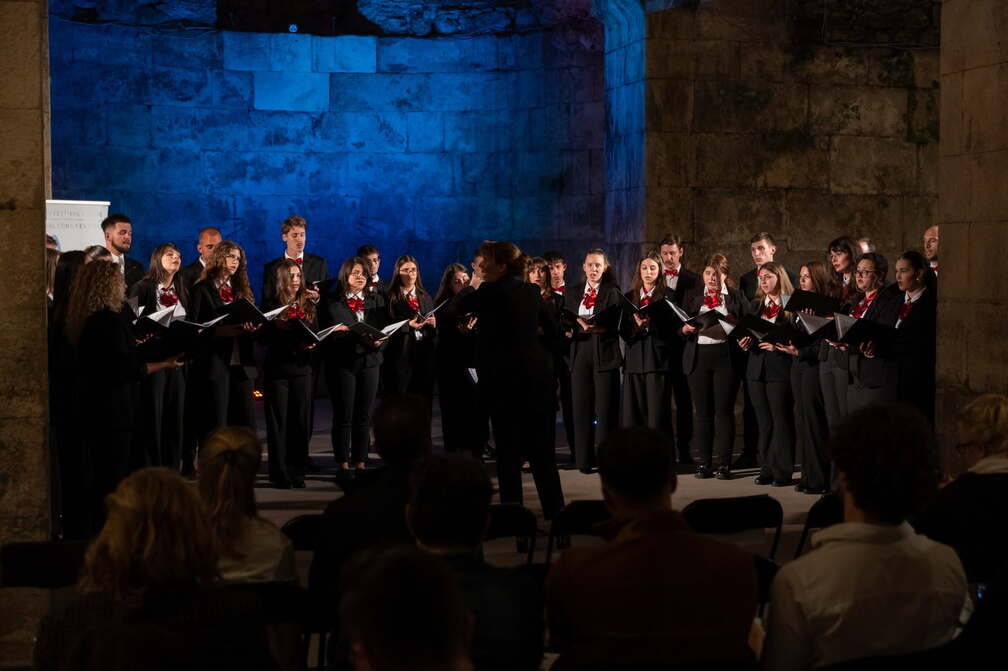
Choirs, klapa groups, and vocal ensembles from Croatia and abroad gather in Split each autumn for this celebration of sung musical heritage. The 9th…
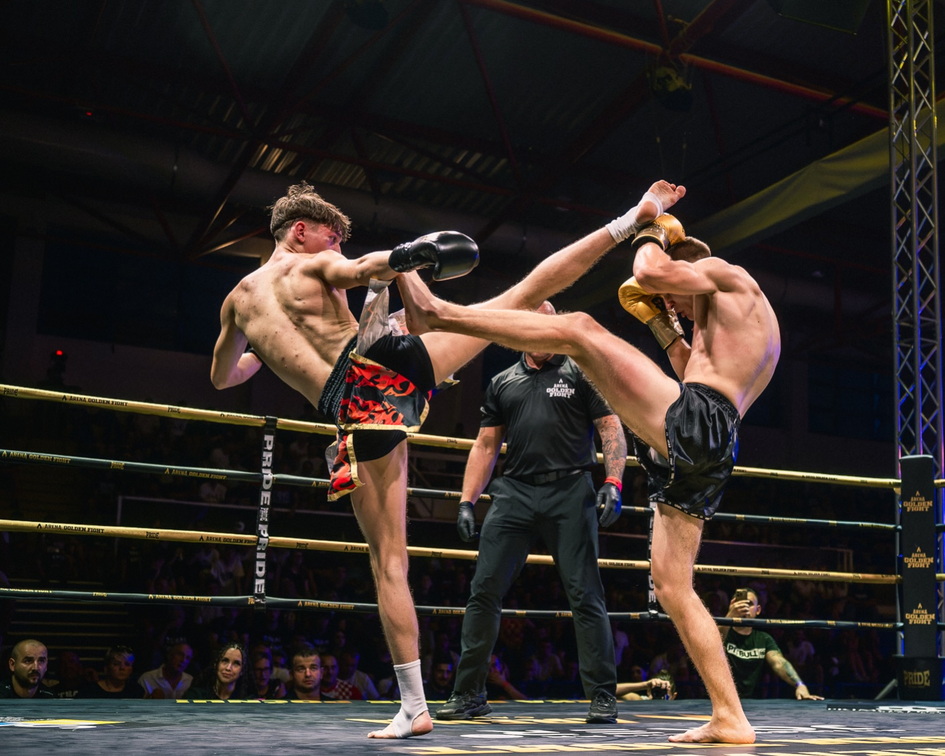
Arena Golden Fight 14 brings top European and international fighters alongside rising Croatian talent to Split's Hall Gripe on October 2, 2026. The card…
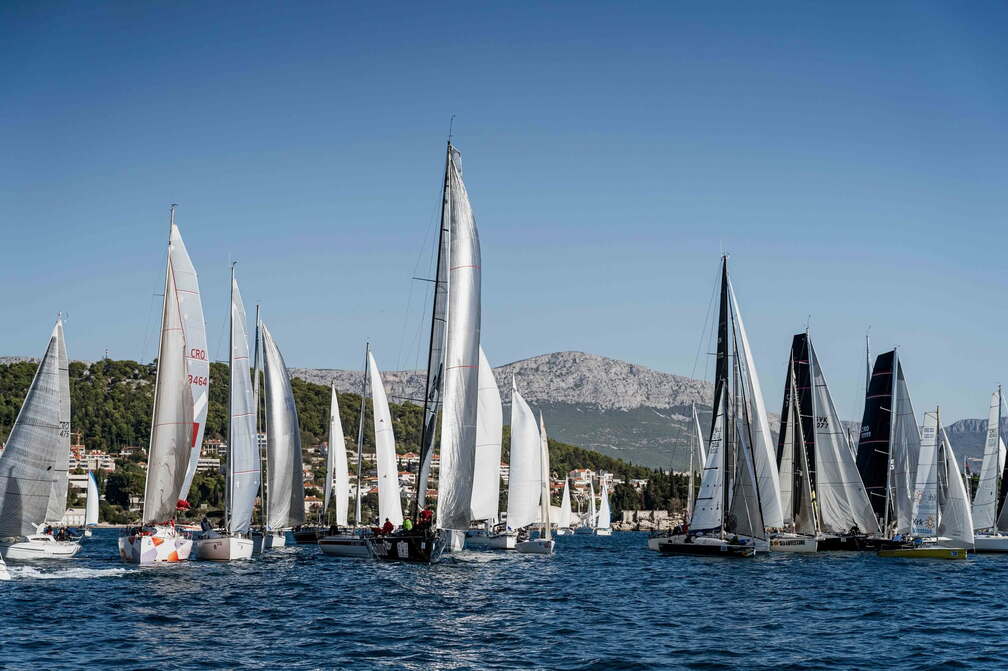
Mrdujska Regata 2026 is a sailing race organized by Jedriličarski klub Labud, taking place on a route from Split around the islet of Mrduja…
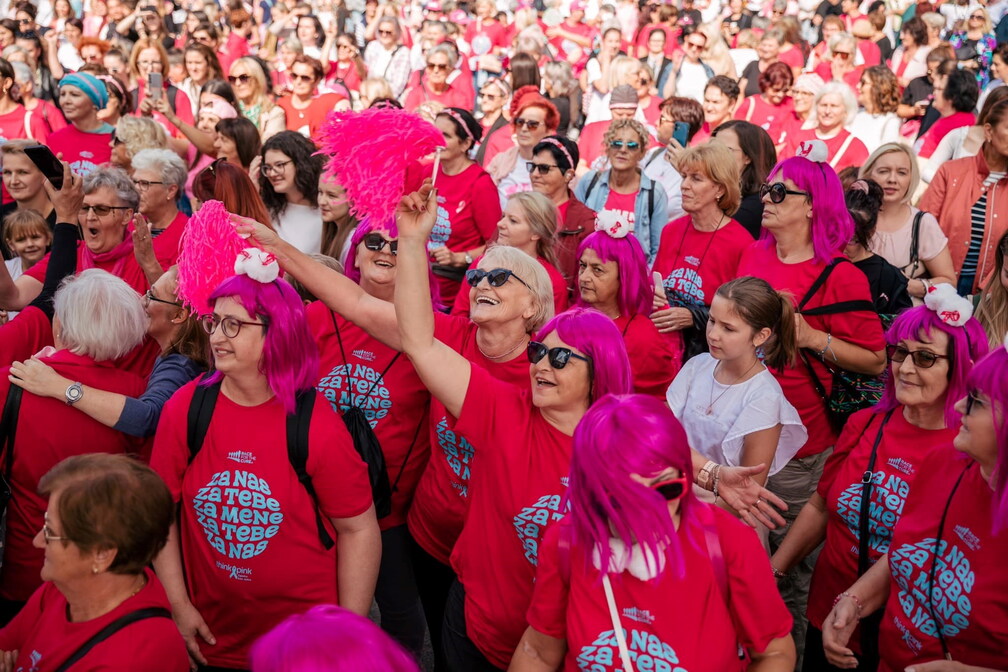
Race for the Cure brings together runners and walkers across Split in support of women's health, making it Europe's largest sporting event dedicated to…
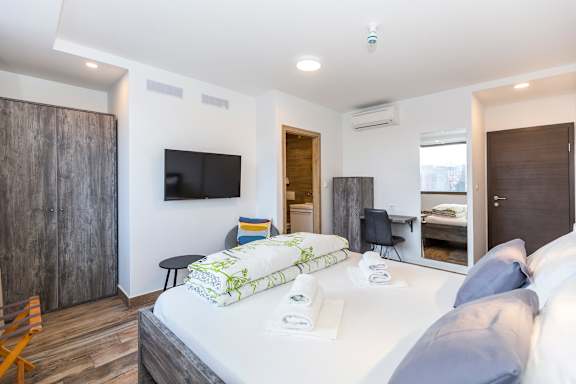
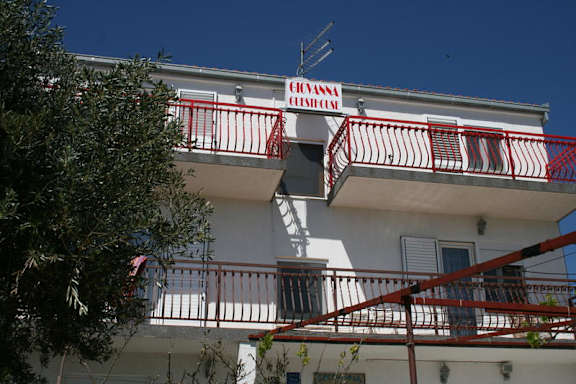
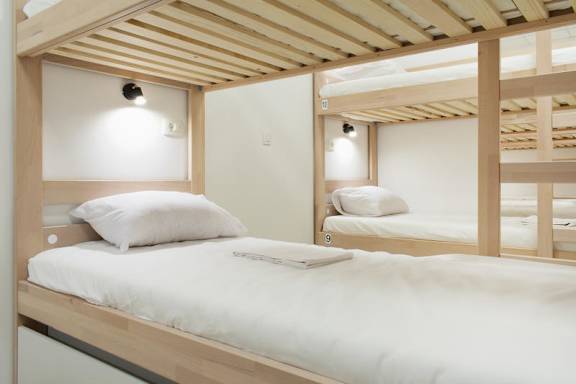
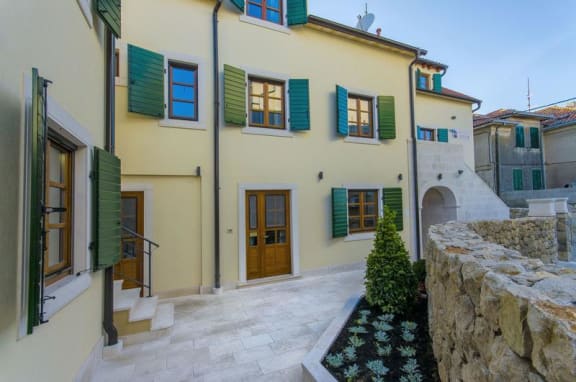
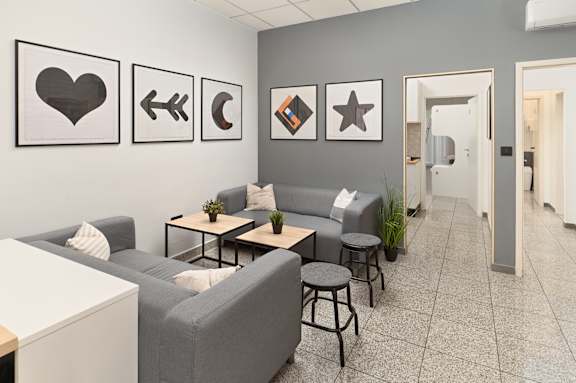
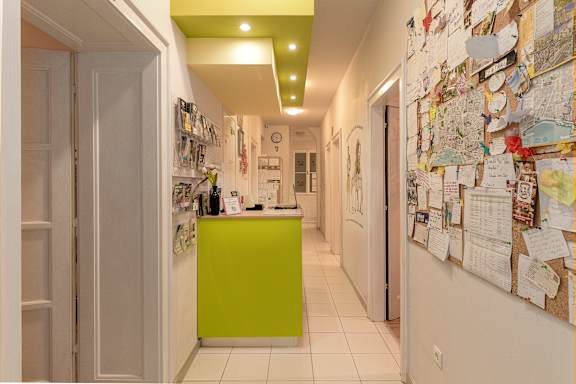
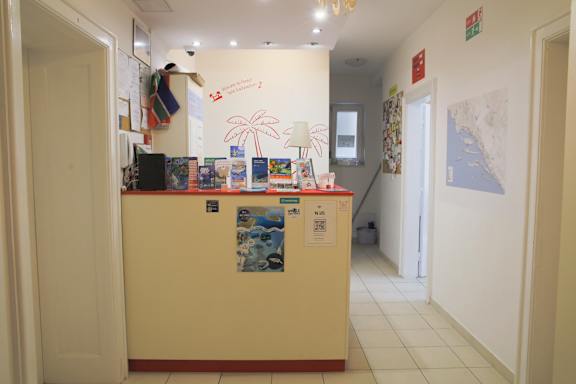
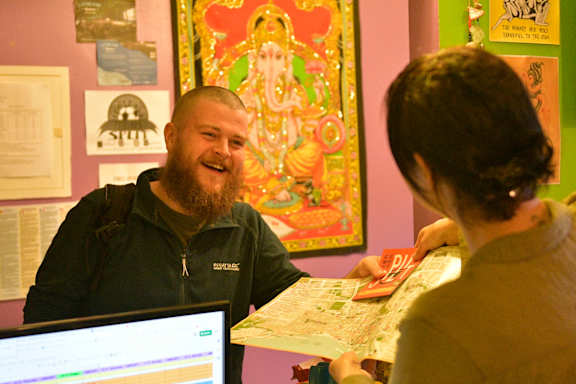
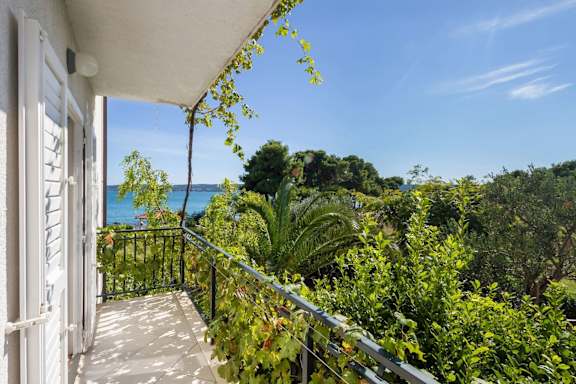
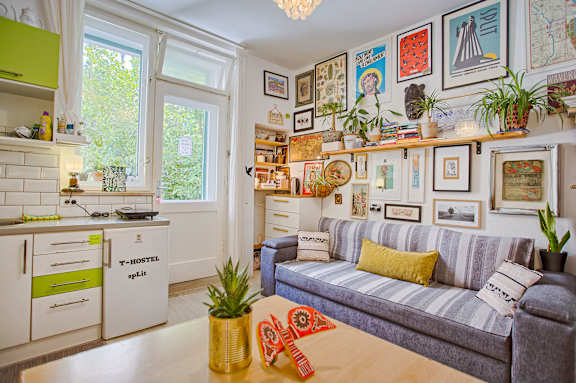
A large scene, much of it inside or beside the palace walls — atmospheric, and loud at night. Live from Hostelworld.
May, June, September and October. July and August are hot, full and priced accordingly.
Average highs. The Adriatic is warmest in late August and September, and the ferry timetables thin out considerably from November to April.
Pick how you travel. Per person per night, in euros, in season.
August runs well above these figures. Ferries to the islands are €8–15 each way as foot passengers.
The ones we get asked most.

Compare Split hostels — live prices, real reviews and free cancellation on most bookings. Then meet the people already there in the app.

 Get the App.
 Get the App.