City centre
First-timersAround the abbey and the baths: everything within ten minutes, and the priciest beds.

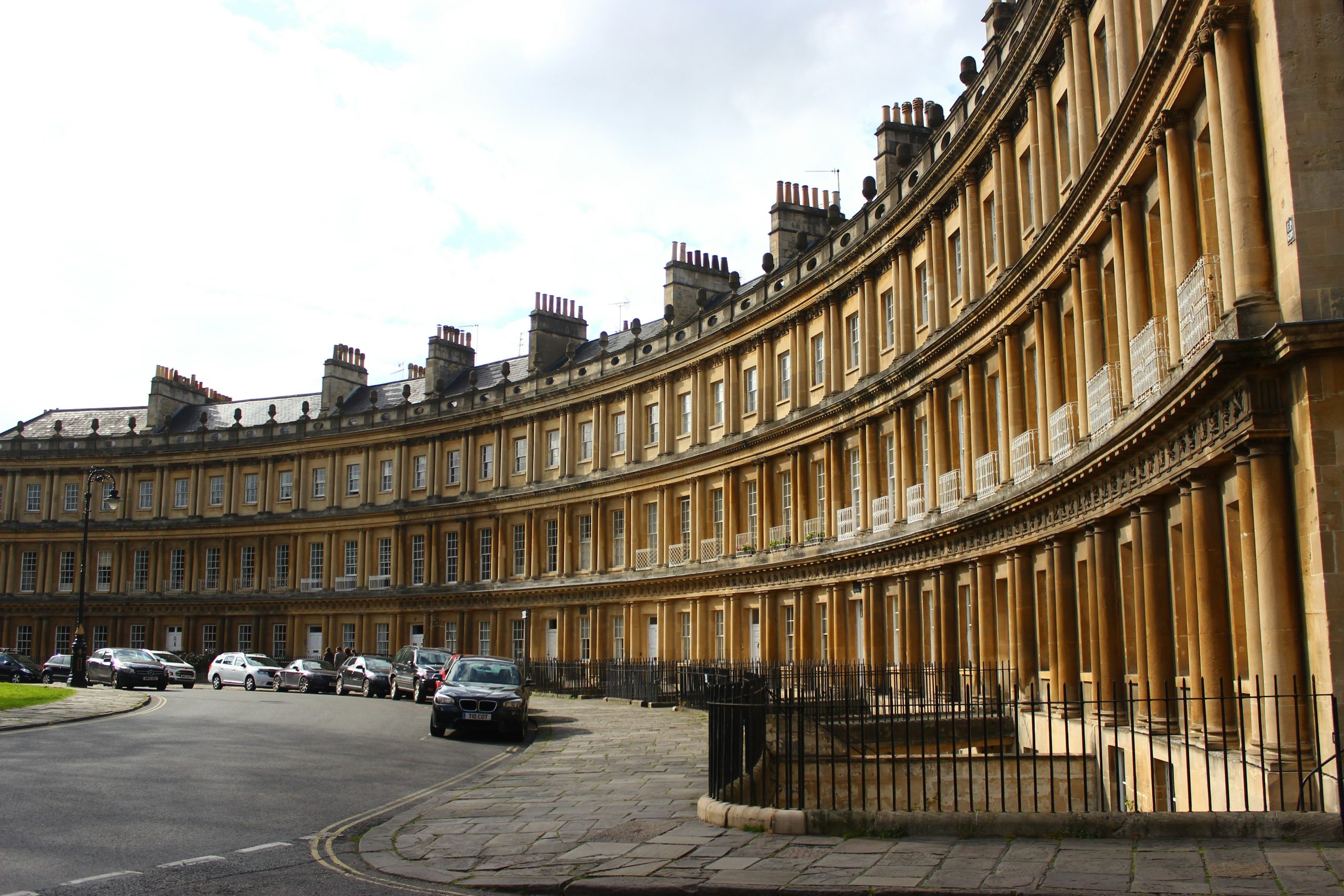
Roman baths still full of hot water, Georgian crescents in honey-coloured stone, and a small walkable city that is UNESCO-listed twice over.
Britain's only hot spring rises here at 46°C, and people have been building around it since the Romans arrived and called the place Aquae Sulis.
The Roman Baths are the surviving complex — the Great Bath still full, the plunge pools, the temple remains and the spring itself steaming in the open.
The Georgians rebuilt the city on top of it in honey-coloured Bath stone, all of it to a plan, which is why the Royal Crescent and the Circus look the way they do. Jane Austen lived here and set two novels here, largely complaining about it.
It is small and walkable and it gets a lot of day visitors, so mornings and evenings are much better than the middle of the day.
One full day, or two at a relaxed pace. Bristol is fifteen minutes away by train and much cheaper to sleep in.
A small centre, or cheaper beds in Bristol fifteen minutes away.
Around the abbey and the baths: everything within ten minutes, and the priciest beds.
South of the centre, five minutes' walk in, with cheaper rooms and fast trains to Bristol and London.
East across the Avon: canal towpaths, the Kennet and Avon, and a residential calm ten minutes from the abbey.
Orange labels are neighbourhoods, dots are the 4 top-rated hostels. Map © MapTiler © OpenStreetMap contributors.
The Roman Baths are the reason to come, at about £28 in peak season. The Great Bath is still full of hot spring water, the temple and plunge pools survive, and the audio guide is genuinely good. Book online, go at opening or in the last two hours, and skip the middle of the day entirely.
You cannot swim there — the water is untreated and carries a real infection risk. Thermae Bath Spa next door uses the same spring, treated, and has a rooftop pool looking over the city at about £40 for two hours.
The Royal Crescent and the Circus are free to walk to and are the Georgian set pieces. Number 1 Royal Crescent is furnished as it would have been and costs about £15.
Bath Abbey is about £8 and has a tower tour. Pulteney Bridge, lined with shops like the Ponte Vecchio, is free and best seen from the weir below.
The city itself is the free attraction: the Royal Crescent, the Circus, Pulteney Bridge and the whole Georgian grid are open streets.
The Victoria Art Gallery and the Museum of Bath Architecture have free or low-cost entry, and the Holburne Museum's ground floor is free.
Royal Victoria Park and the Crescent lawn are free, and the lawn in front of the Royal Crescent is where people sit in summer.
The Kennet and Avon canal towpath runs east out of the city past locks and narrowboats.
Alexandra Park on the hill south of the centre gives the best view of Bath — the whole honey-coloured bowl of it — and costs nothing. The climb takes about twenty minutes.
Bath is pricier than its neighbours and geared to visitors, so stepping one street back from the abbey improves both the food and the bill.
The Sally Lunn bun, a large light brioche served since the seventeenth century, is the local thing and costs about £8 with toppings.
A pub main is £15 to £20, and the pubs on the edges of the centre are better value than the ones on the square.
Bath Farmers' Market on Saturdays at Green Park Station is the good cheap option, along with the food stalls there through the week.
A pint is £5 to £6.50, and Bath is close enough to Somerset that proper cider is easy to find.
Quiet by design. Bath is a small, wealthy, heavily residential city and it is not where anyone comes for a night out.
There are good old pubs — the Star Inn and the Bell among them — and a couple of clubs aimed mostly at the university crowd.
A pint is £5 to £6.50 and cocktails £10 to £14.
The Theatre Royal is the serious evening option, with touring productions on their way to or from London.
Bristol is fifteen minutes away by train and has everything Bath does not, which is what most people under thirty do with a Saturday night here.
Walk. The centre is compact and everything listed here is within fifteen minutes of the abbey, though the city sits in a bowl and the edges climb steeply.
Buses cover the hills at about £2.50, and the skyline walk out of the city is signposted from the centre.
Trains reach Bristol in fifteen minutes for £8 to £12, London Paddington in an hour and a half, and Cardiff in an hour.
Bristol Airport is an hour by bus, about £15.
Driving in Bath is a poor idea — a clean air zone applies, parking is expensive and the streets are Georgian.
One of the more expensive small cities in England. Dorms are £22 to £40 and beds are limited, a pub main £15 to £20, and a pint £5 to £6.50.
A day is £60 to £110, and the entries are what drive it: the Roman Baths at about £28 and Thermae at about £40 if you want the spa.
The obvious saving is to sleep in Bristol and come over for the day — fifteen minutes and £8 to £12 each way, with dorms several pounds cheaper a night.
Booking the Roman Baths online in advance is cheaper than the gate price and skips the queue.
Bath is among the safest cities in England, and the main risks are not criminal.
Do not touch or enter the water in the Roman Baths. It is untreated, it carries bacteria including the organism that causes Legionnaires' disease, and the warnings are there for that reason rather than for preservation.
The hills are steep and the pavements are old stone that gets slippery in rain.
The Avon floods occasionally and the towpaths can be closed in winter.
Day-trip crowds make the centre a pickpocketing opportunity in summer, though at low levels. Emergency number is 999, or 112.
A stone circle, a gorge and a city, all within an hour.
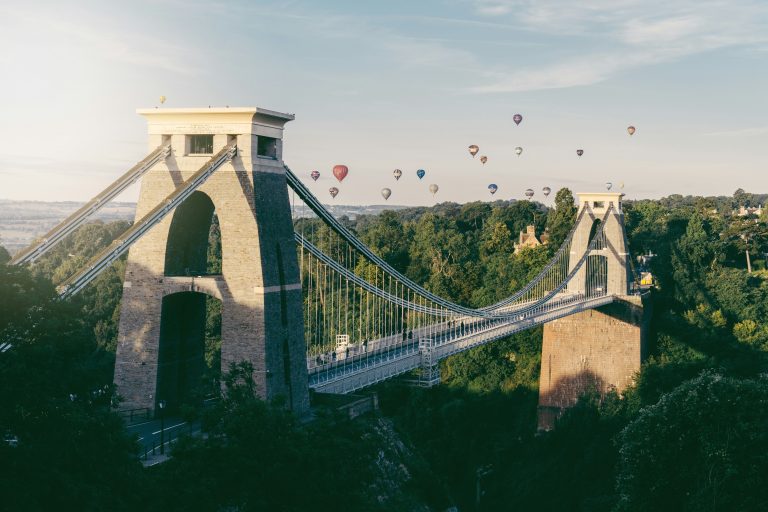
Street art, a suspension bridge over a gorge and far more nightlife.
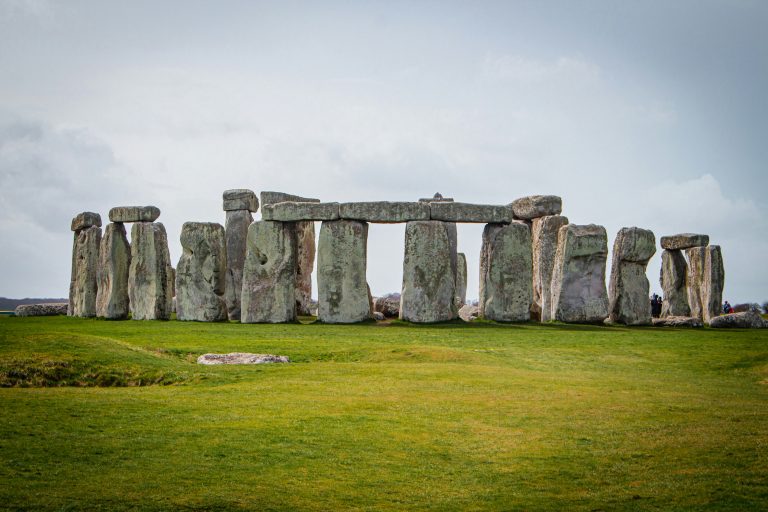
The stone circle. Book the timed entry ahead; the visitor centre is a mile from the stones.
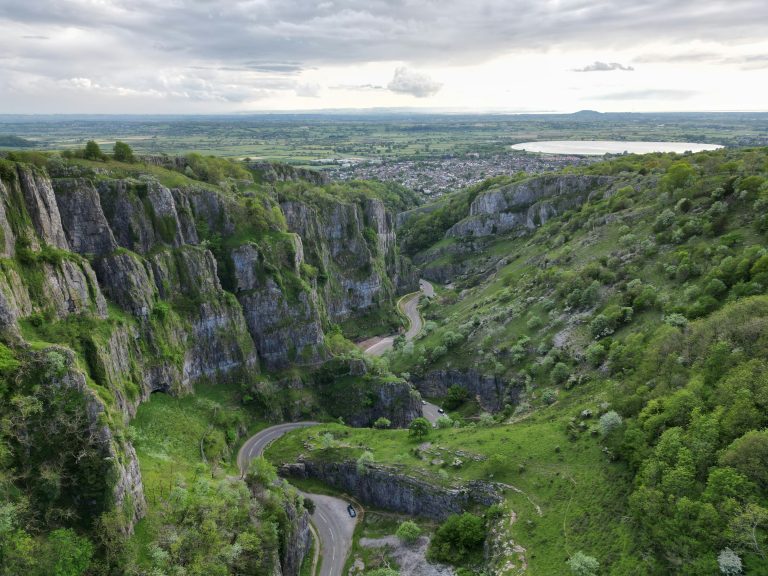
England's largest gorge, with caves and a clifftop walk.
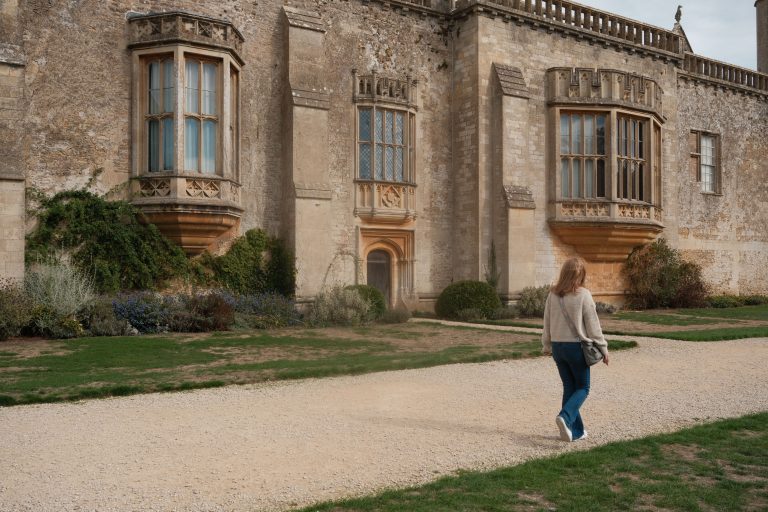
A National Trust village with no visible modern fittings, used constantly as a filming location.
A Christmas market in the Georgian streets, and Jane Austen in September.
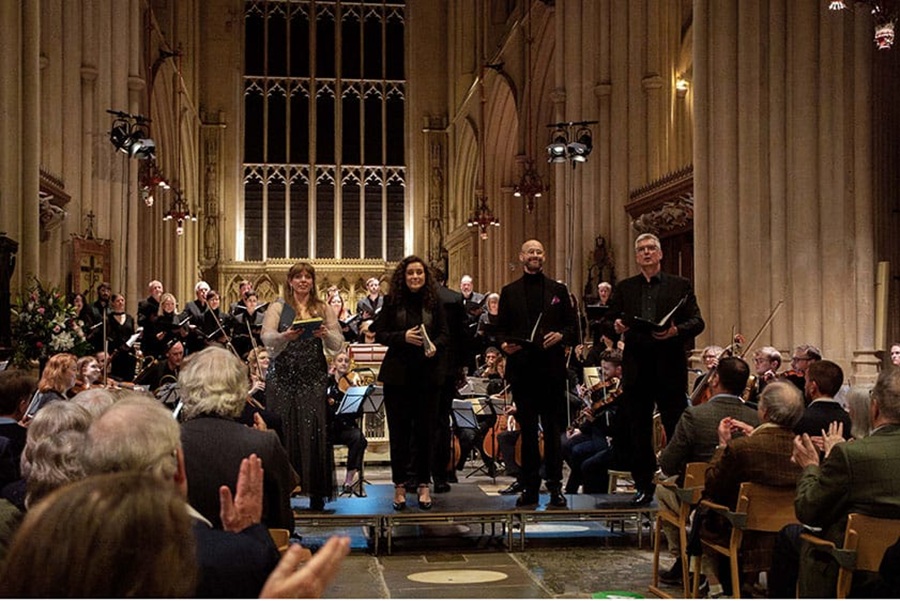 Staff pick
Bath Mozartfest in Bath, United Kingdom, is a renowned classical music festival that has delighted audiences for over 30 years with its exceptional chamber…
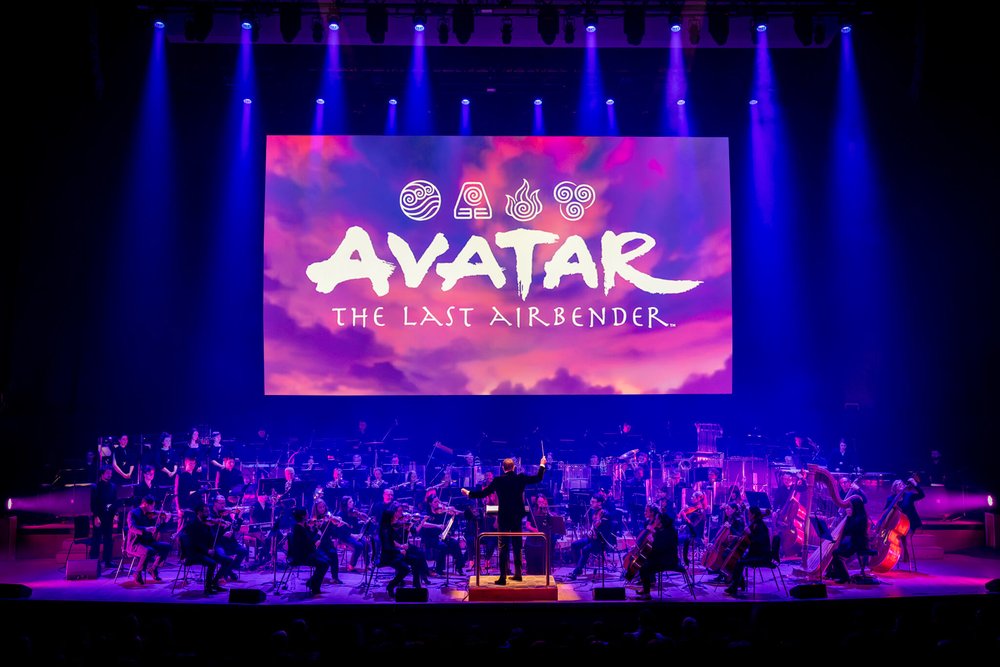 Staff pick
Avatar – The Last Airbender live event features a full orchestra performing music from the beloved animated series, paired with scenes from the show.…
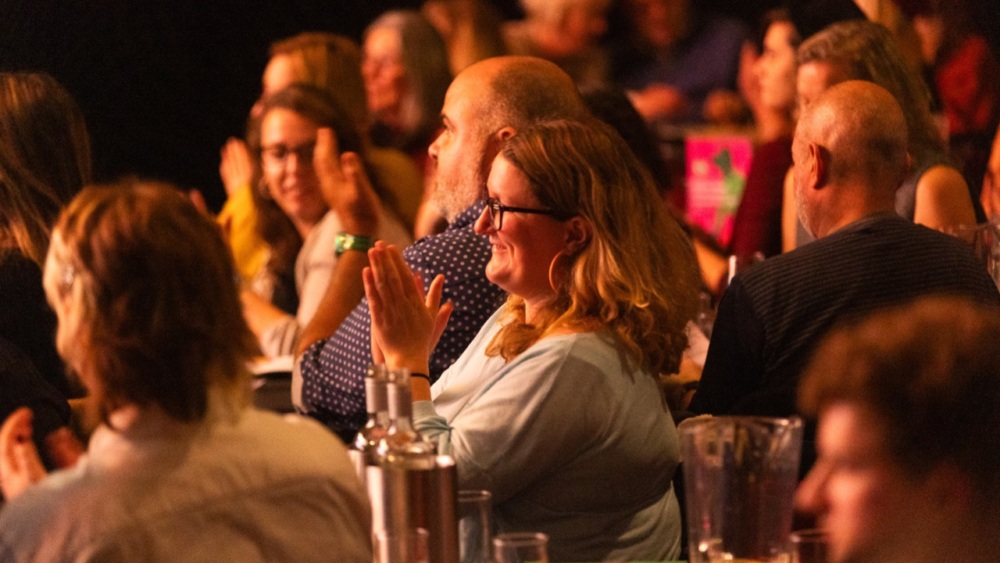 Staff pick
Bath Film Festival transforms Bath, United Kingdom, into a cinematic hub each autumn, showcasing over 50 films, special events, and immersive experiences in historic…
 Staff pick
Chris Ramsey is a British comedian known for his sharp observational humor and relatable storytelling. His energetic performances blend quick wit and everyday charm,…
 Staff pick
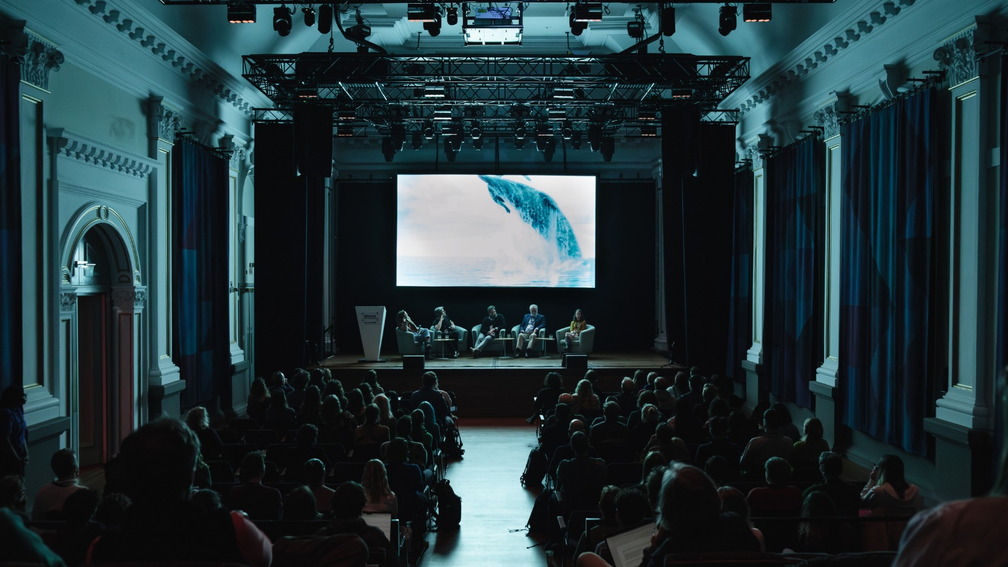
The Wildscreen Festival, held biennially in Bristol, UK, is a must-attend event for wildlife and environmental enthusiasts worldwide. With an anticipated attendance of over…
 Staff pick
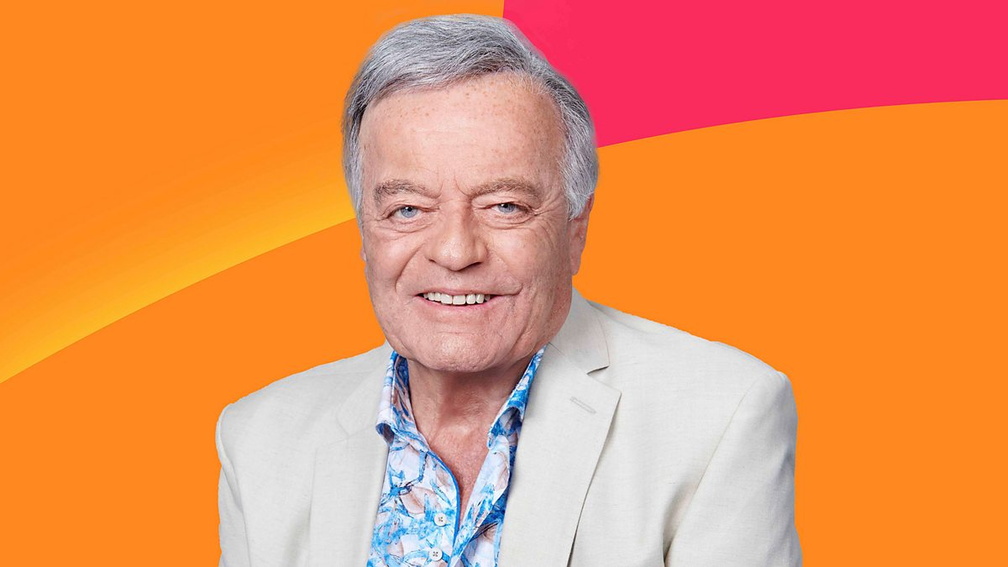
Tony Blackburn is a legendary British radio DJ and presenter known for his long career on BBC Radio and his upbeat, nostalgic music sets.…
 Staff pick
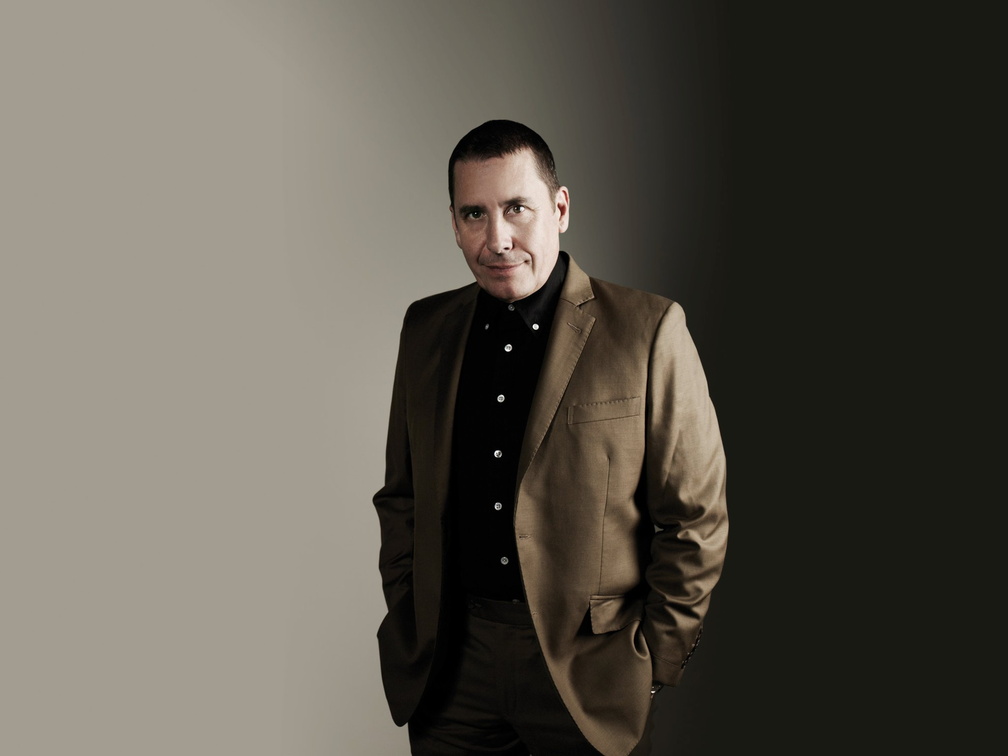
Jools Holland and His Rhythm & Blues Orchestra deliver lively shows filled with boogie-woogie piano, classic covers, and swinging brass. Led by the acclaimed…
 Staff pick
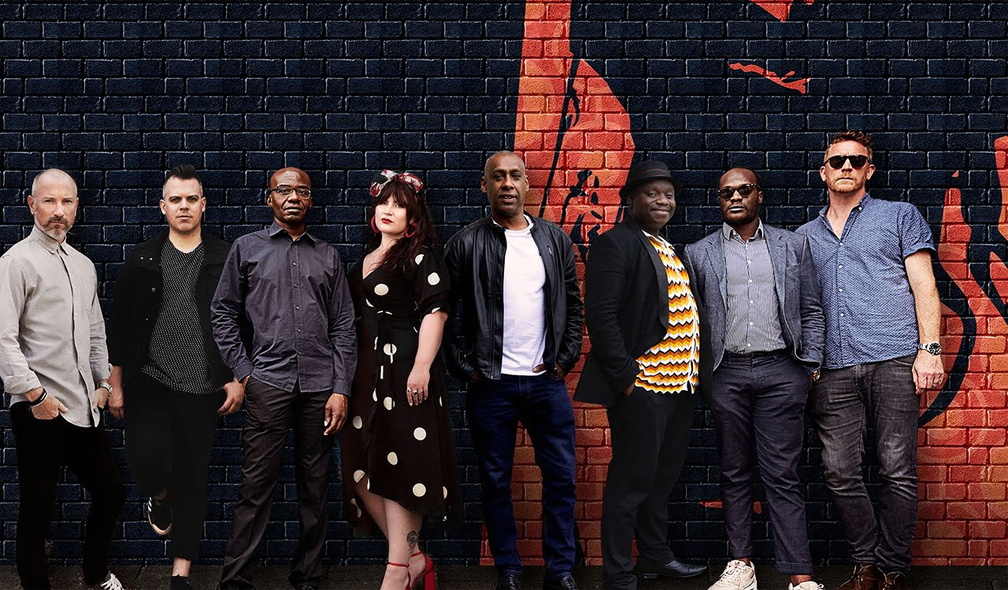
The Amy Winehouse Band reunites the original musicians behind Amy’s iconic sound to perform her greatest hits live. Their shows deliver soulful, nostalgic performances…
A small scene for a city this visited, so book early — or sleep in Bristol and come over. Live from Hostelworld.
May, June and September. December is the Christmas market, and it is heaving.
Average highs. The rooftop pool at Thermae is at its best in cold weather, when the steam comes off it — winter is the better spa season, not summer.
Pick how you travel. Per person per night, in pounds.
The doing line is high because the Roman Baths are about £28 and the spa about £40. Sleeping in Bristol cuts the bed line noticeably.
The ones we get asked most.
Compare Bath hostels — live prices, real reviews and free cancellation on most bookings. Then meet the people already there in the app.

 Get the App.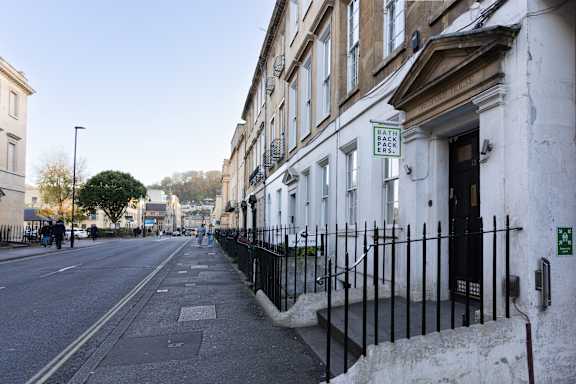
 Get the App.