Plaka
First-timersThe old quarter under the Acropolis: pedestrian, pretty and priced for visitors. Everything is walkable.

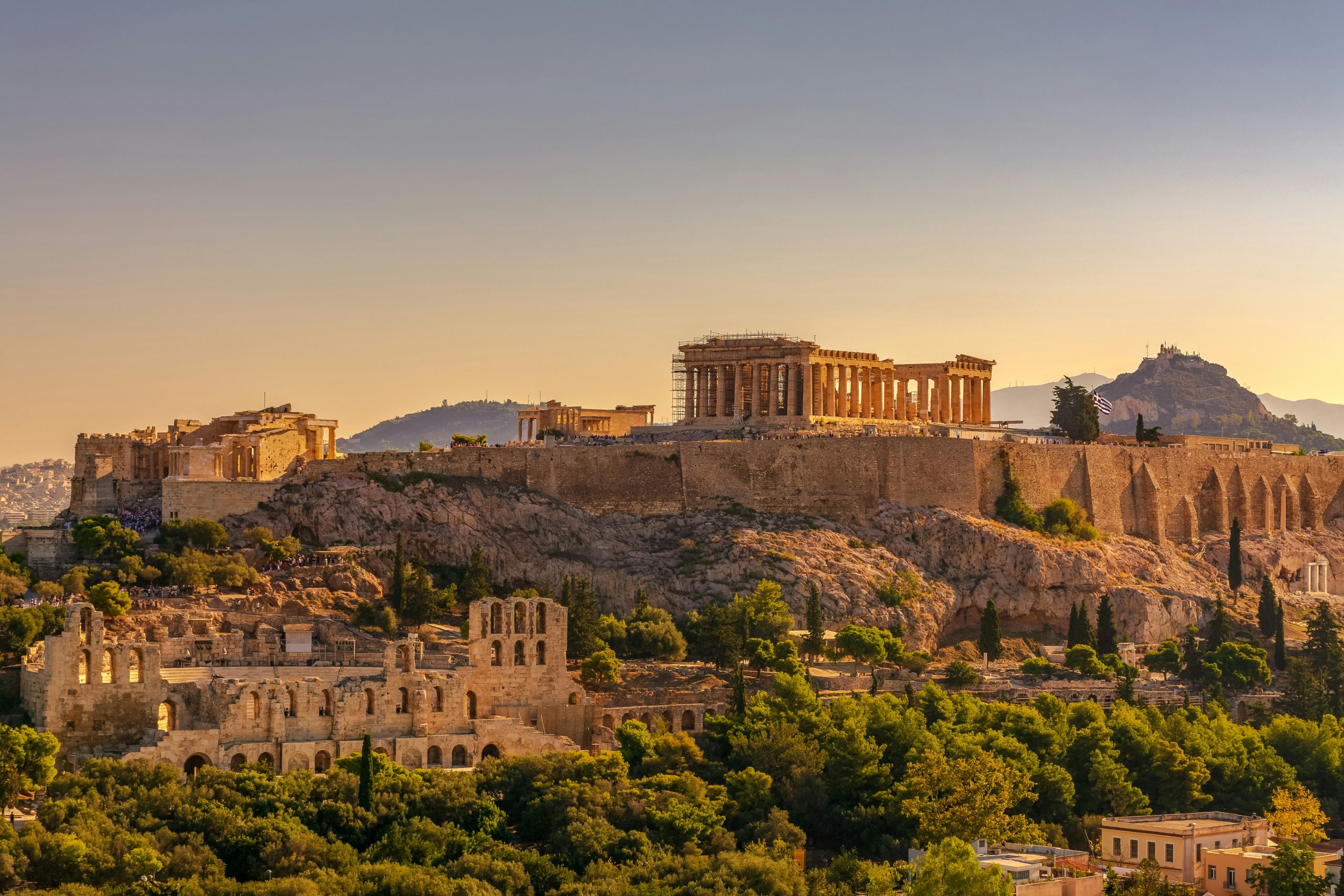
Three thousand years of history in the middle of a loud, graffitied, modern city that eats dinner at ten and goes out at midnight. Cheaper than any comparable capital, and better than its reputation.
Athens is where most Greece trips begin and where too many of them spend a single rushed day. The Acropolis rises out of the centre and you will see it from rooftops, street corners and the metro exit at Monastiraki, but the city around it is the reason to stay.
The old centre is compact. Plaka, Monastiraki, Psyrri and Koukaki sit within a twenty-minute walk of each other, all at the foot of the rock, and between them they hold most of the ancient sites, the markets and the best cheap food in the country.
It is not a pretty city in the postcard sense. It is concrete, sprawling and covered in street art, and it has been through a decade of crisis that you can still see. It is also warm, cheap, and full of people eating outside at midnight. Three days is the minimum, and most people who give it one wish they had given it three.
Everything worth seeing sits around the foot of the Acropolis. Stay within walking distance of it and you will barely need the metro.
The old quarter under the Acropolis: pedestrian, pretty and priced for visitors. Everything is walkable.
The flea market square, the metro hub and the rooftop bars. Loud, central and convenient.
Workshops by day, bars and mezedopolia by night. A two-minute walk from Monastiraki.
Residential, leafy and five minutes from the Acropolis Museum. Good cafés and the best value near the sites.
The anarchist and student quarter: street art, cheap bars and the National Archaeological Museum. Occasional protests.
Past the Panathenaic Stadium, with neighbourhood tavernas and almost no tourists.
Orange labels are neighbourhoods, dots are the 12 top-rated hostels. Map © MapTiler © OpenStreetMap contributors.
Start with the Acropolis and time it properly. It opens at eight, and the first two hours and the last two are the only comfortable ones from May to September — by midday in July the marble is over 40°C and there is no shade. Entry is €30 with a timed slot, and the slots do sell out in summer, so book online the day before.
The Acropolis Museum at the foot of the rock is the other half of the visit, and the top-floor gallery lines up the Parthenon frieze facing the real building through the glass. Do the site first and the museum after.
The Ancient Agora below is where the city actually lived, with the Temple of Hephaestus — the best-preserved temple in Greece — standing complete above it. The National Archaeological Museum in Exarchia is the finest collection of ancient Greek art anywhere, and far less crowded than it deserves.
The combined ticket that used to cover the Acropolis and six other sites was scrapped in April 2025, so every site now has its own ticket. Pick two or three rather than trying to see all of them.
For the view back at the rock, climb Lycabettus for sunset or Filopappou Hill in the early morning.
The best view of the Acropolis is free. Filopappou Hill, directly opposite, has paths through pine trees and the whole Parthenon in front of you, and the Areopagus — the bare marble outcrop below the entrance — is where locals sit at sunset.
The changing of the guard at the Tomb of the Unknown Soldier in Syntagma happens on the hour, every hour, and the full ceremony with the band is on Sunday at eleven. The National Garden behind it is a shaded escape at midday.
State sites are free on the first Sunday of the month from November to March, and on a handful of fixed dates: 6 March, 18 April, 18 May, European Heritage Days in late September and 28 October.
The Stavros Niarchos Foundation Cultural Center, on the coast at Kallithea, has a free park, a canal, a lighthouse viewpoint on the roof and free events all summer. Varvakios, the central meat and fish market, costs nothing to walk through and is the loudest thing in the city before noon.
Athens is the best-value place to eat in Greece, and the rule is simple: the further you get from the Plaka restaurants with photo menus, the better and cheaper it gets.
Souvlaki and gyros are the default lunch, €3.50 to €4.50 from a counter, and a proper meal. Psyrri and Koukaki have tavernas where a full dinner with house wine comes to €15 to €20, and the wine is ordered by the kilo — a half-kilo carafe is the normal order.
Breakfast is a koulouri, the sesame bread ring sold from carts for under a euro, or a pie from a bakery: spanakopita with spinach, tiropita with cheese, or bougatsa with custard and icing sugar. Coffee is a freddo espresso, iced, even in winter.
The central market on Athinas Street is the place for cheap lunches, with tavernas inside the meat hall that have fed the market workers for generations. Loukoumades, fried dough with honey, are the dessert.
Athens goes out late and outside. Dinner is at ten, bars fill after midnight and clubs do not start until two. On a summer night the whole city seems to be sitting at a pavement table.
Psyrri is the easy starting point, a few streets of bars and mezedopolia a minute from Monastiraki. Exarchia is the student and anarchist quarter, cheaper and grittier, with bars that spill onto the square. Gazi, around the old gasworks, is the bigger club and LGBTQ+ district. Koukaki is quieter and local.
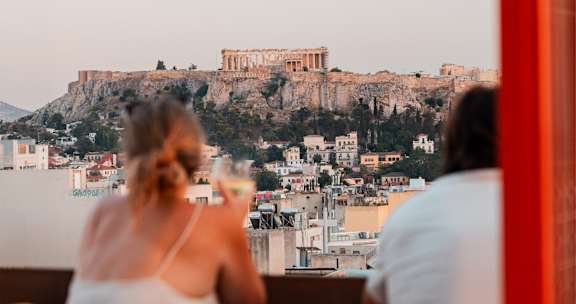
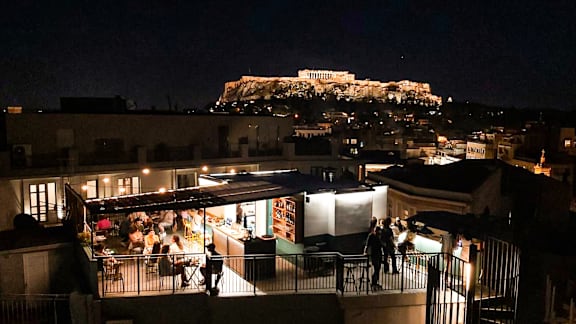
The rooftop bars around Monastiraki charge €10 to €14 for a cocktail with the Parthenon lit up behind it, which is worth doing once. A normal beer is €5 to €7.
In summer, look for the open-air cinemas. Cine Thisio and Cine Paris show films under the sky with the Acropolis in view, and a ticket costs about the same as a cocktail.
The metro is clean, cheap and the fastest way to cross the city. A 90-minute ticket costs €1.20 and covers the metro, buses, trams and trolleys with transfers. A 24-hour ticket is €4.10 and a five-day ticket is €8.20. You can also tap a contactless card or phone at the gates, and it caps at the day-ticket price.
The airport is the exception. The metro from the airport is €9 and takes about forty minutes to Syntagma; the X95 express bus is €5.50 and slower. The three-day tourist ticket, €20, includes one return airport trip and is the best deal if you are staying three days.
For the ferries, Piraeus is on metro line 1 (green) and now line 3 (blue). Leave at least an hour: the port is huge and the gates for different islands are far apart.
In the centre, walk. Plaka to Monastiraki to Psyrri is ten minutes, and most of the ancient sites are connected by a pedestrian promenade around the foot of the Acropolis.
Athens is the cheapest major capital in western Europe. Dorms start around €18, a souvlaki lunch is €4, a taverna dinner €15 to €20, and the transport day ticket is €4.10. A careful day comes in at €45 to €60.
The ancient sites are where the money goes. The Acropolis is €30, and since the combined ticket was scrapped every other site is charged separately, so decide which ones matter before you arrive.
The savings are easy: eat where Athenians eat rather than in Plaka, use the free hills for the views instead of paying for rooftops every night, and visit in the shoulder months, when dorm prices drop and the sites are half as crowded.
Athens is a safe city for its size, with low violent crime. The main problem is pickpocketing, and it is concentrated in a few places: metro line 1 between Piraeus and Monastiraki, the airport metro, and the crowds at Monastiraki and Syntagma. Keep your bag closed and in front of you on the metro.
Omonia and the streets around it are rough after dark and best walked through rather than lingered in. Exarchia is fine by day and for bars at night, but it is also where protests and occasional clashes with the police happen — if you see riot police, go somewhere else.
The bar scam still runs around Syntagma and Plaka: a friendly stranger suggests a drink, the bar is full of hostesses, and the bill is hundreds of euros. Say no.
The heat is the real hazard in summer. Carry water, do the sites early, and take the 112 SMS alerts about heat and wildfires seriously. Emergency number is 112.
Athens is the hub for half of mainland Greece. Two of these are better as an overnight than a rushed day.
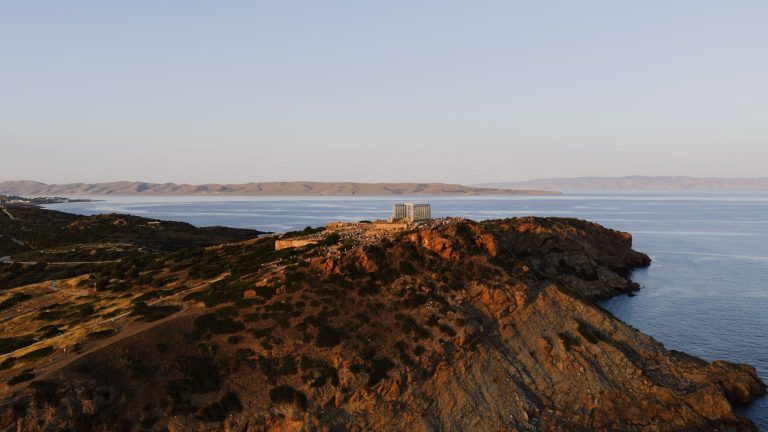
The Temple of Poseidon on a cliff at the tip of Attica. Go for sunset and take the coastal bus, not the inland one.
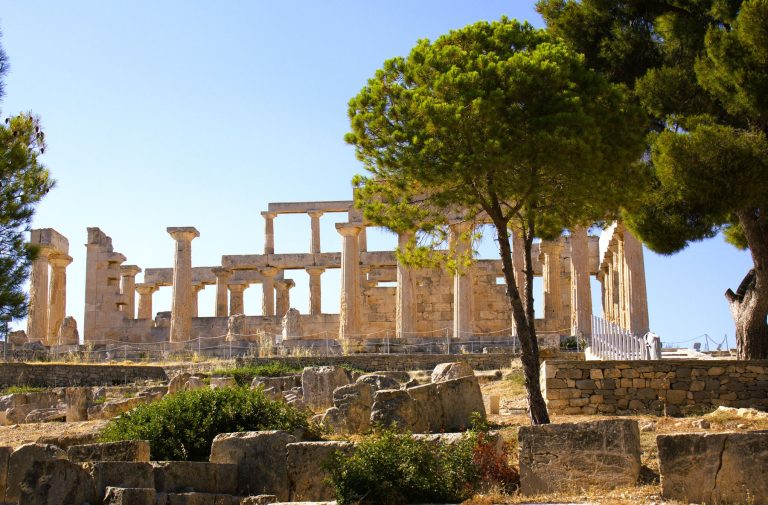
The nearest proper island: pistachio farms, the Temple of Aphaea and a harbour town full of Athenians at weekends.
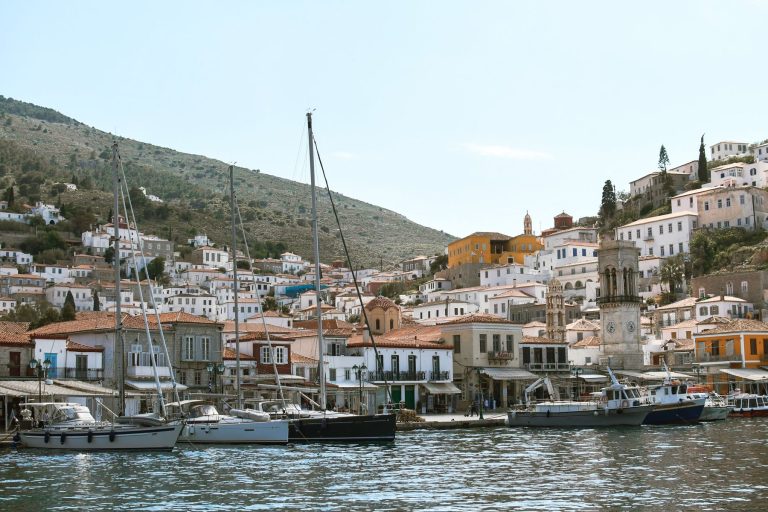
No cars, no scooters, just donkeys, stone mansions and swimming off the rocks. Expensive, and worth it for a day.
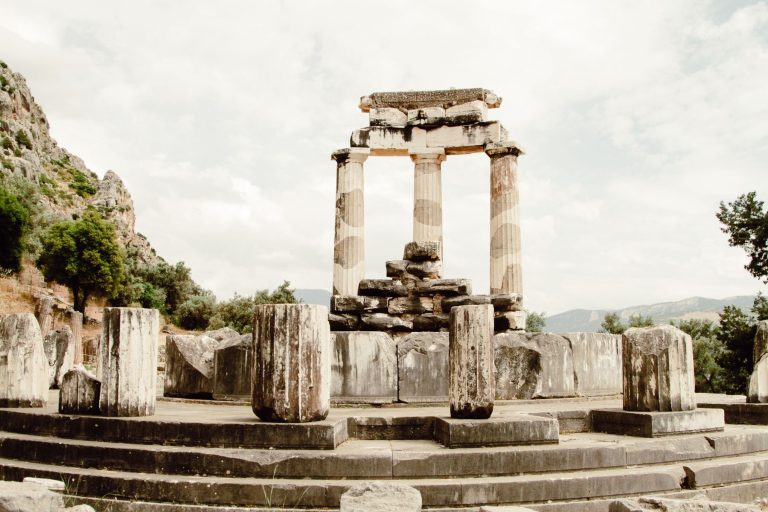
The sanctuary of the oracle on the side of Mount Parnassus. A long day trip and a far better overnight.
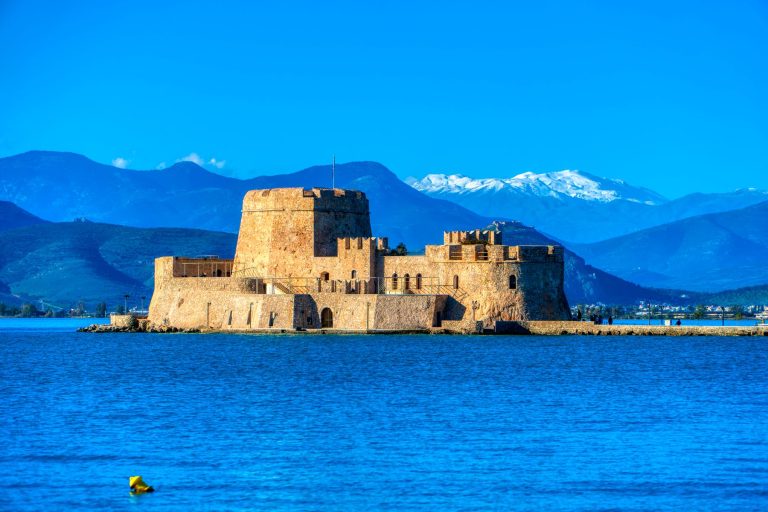
The first capital of modern Greece, with Mycenae half an hour beyond it. Better as two days than one.
Easter is the one that changes the city. Everything else is worth planning around.
 Staff pick
Get ready to experience an exciting event at the Athens Coffee Festival, where coffee aficionados come together to enjoy the finest brews from all…
 Staff pick
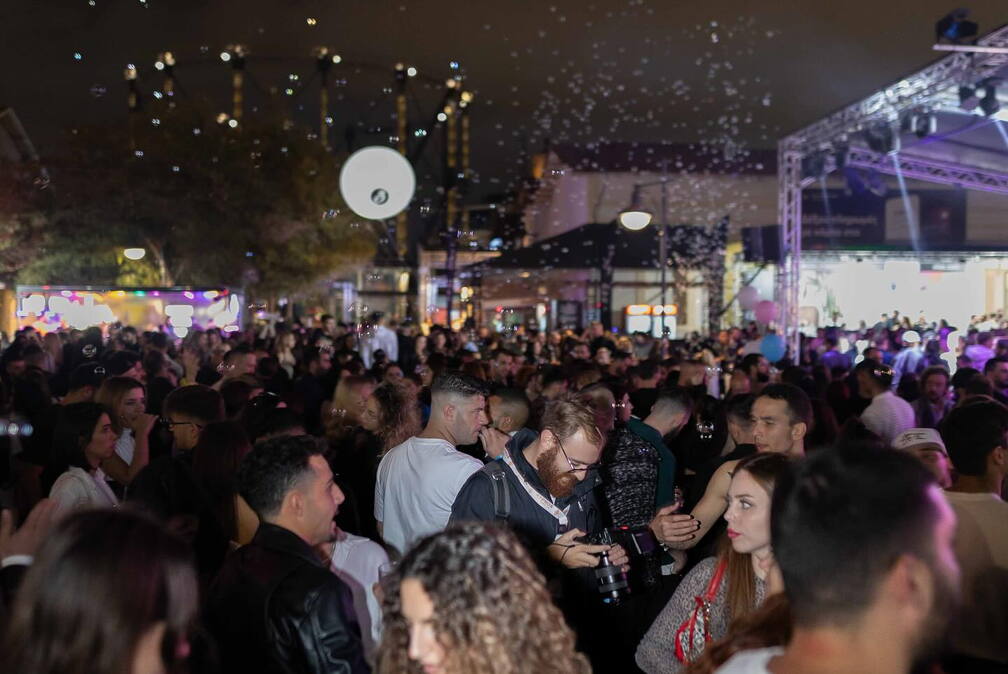
Athens Bar Week brings together top bartenders and renowned bars from around the world for a dynamic celebration of cocktail culture in Athens, Greece.…
 Staff pick
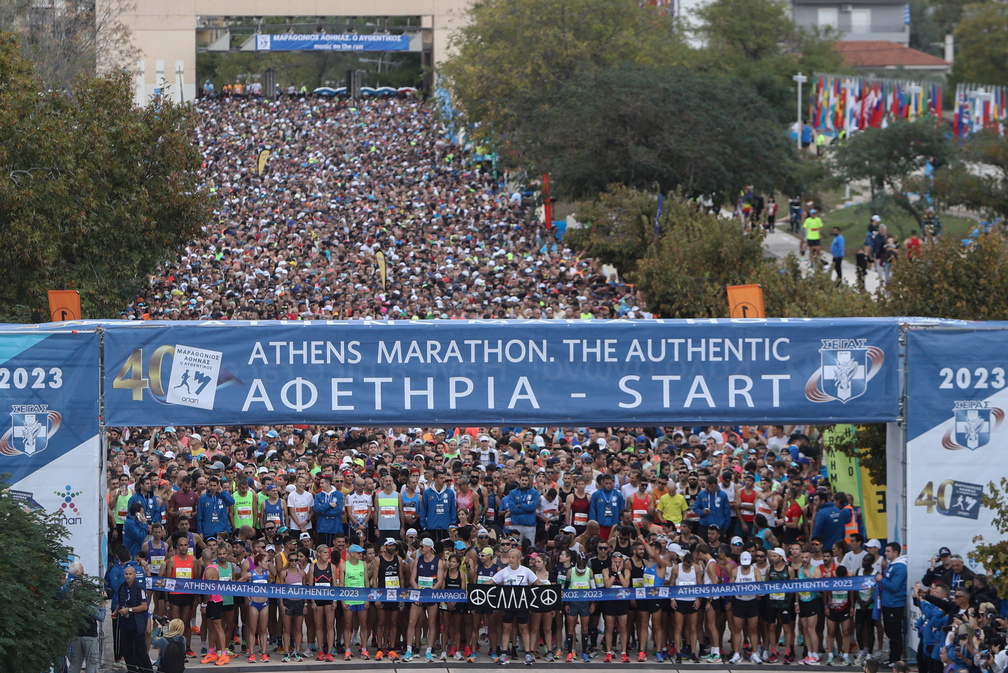
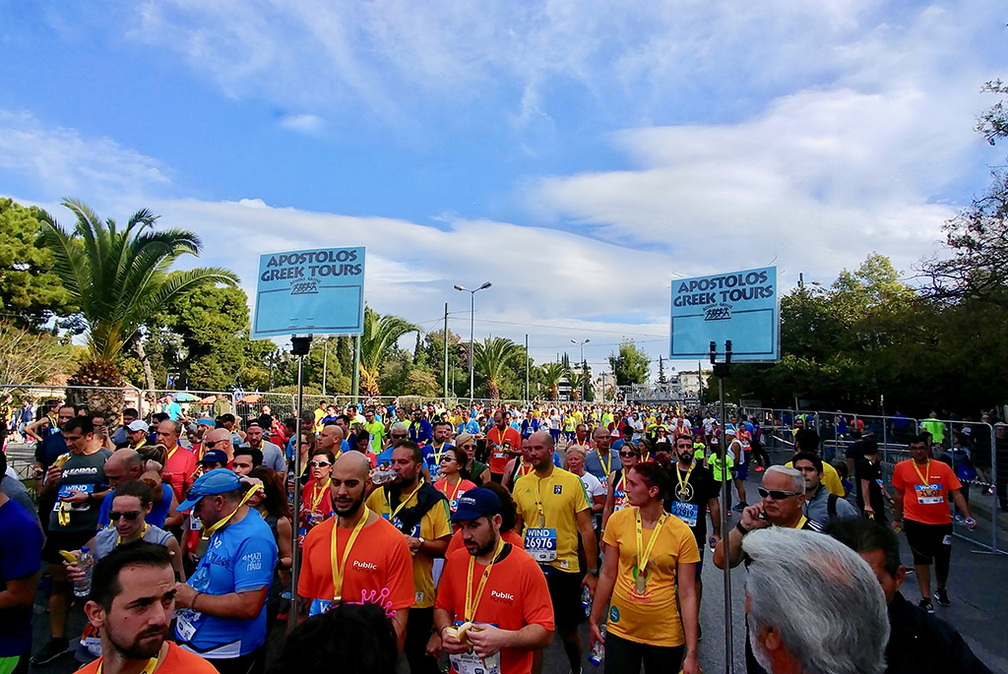
Take on the ultimate challenge and join the Athens Authentic Marathon, where thousands of runners gather to race through iconic landmarks like the Acropolis…
 Staff pick
Run in the footsteps of legends at the Athens Marathon—the original marathon course that inspired the modern Olympic event. Starting near the historic Battle…

Autechre brings their full live show to Universe / Saturn Area in Athens as part of their extensive 2025–2026 tour. The performance is expected…
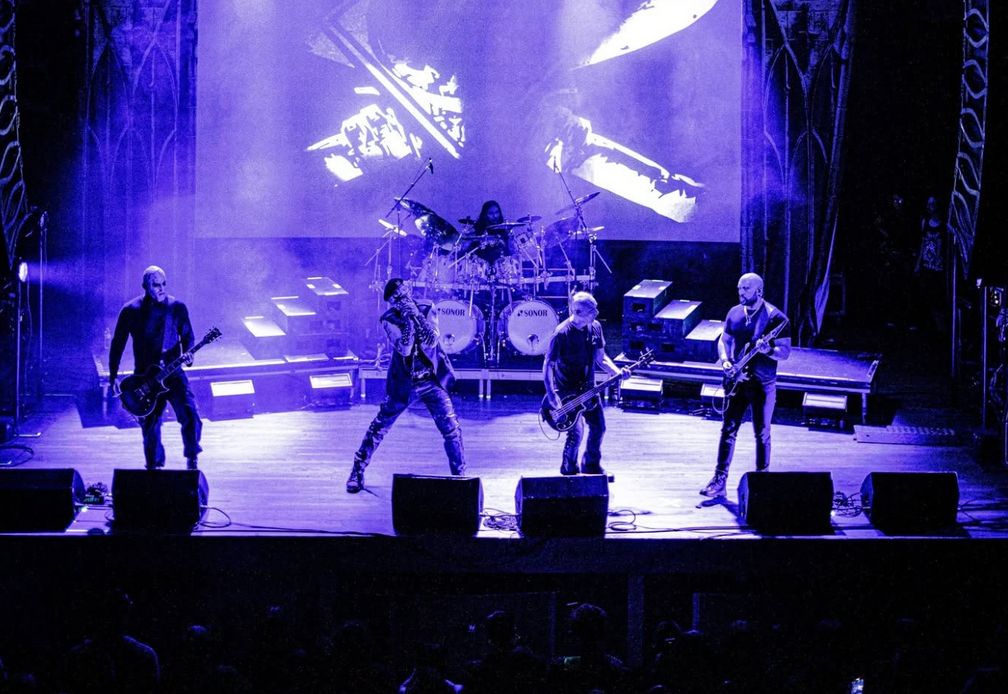
Two legendary extreme metal bands, Mayhem from Norway and Unleashed from Sweden, join forces for a unique live show in Athens. The concert highlights…

The 2026-2027 artistic period begins with an opening concert led by Lukas Karytinos and the Athens State Orchestra. You will hear important symphonic works…

Takis Zacharatos takes on the iconic role of Despoinis Margarita in a theatrical event running from October to November 2026. The performance revives a…
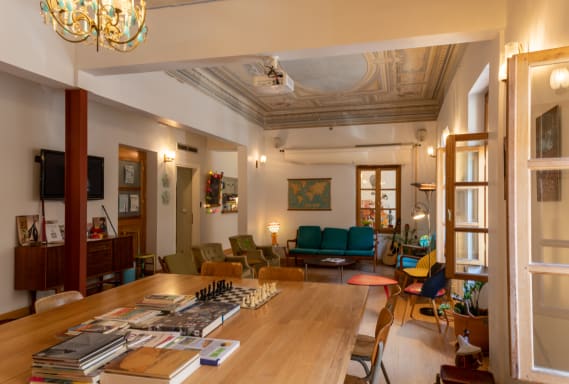
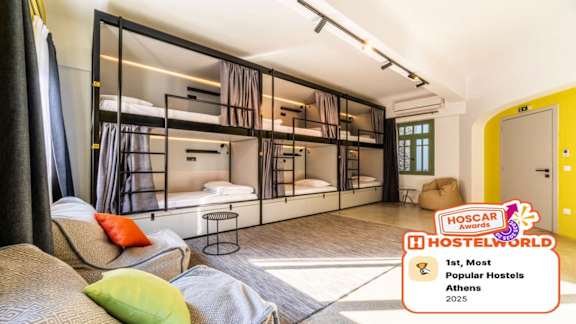
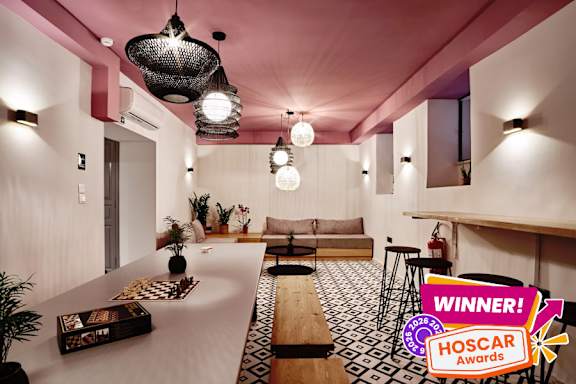
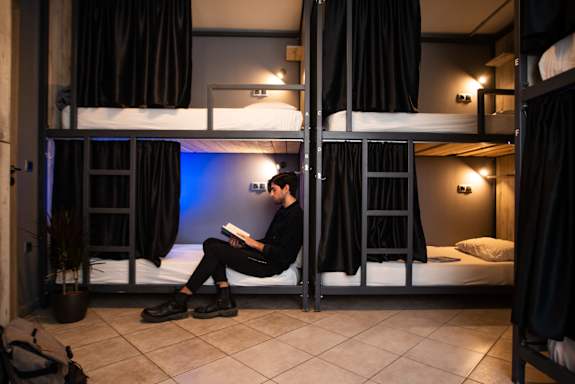
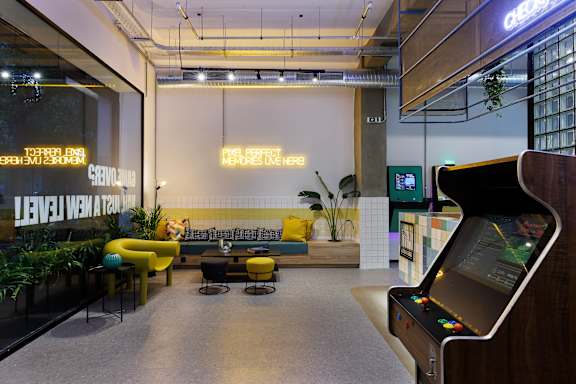
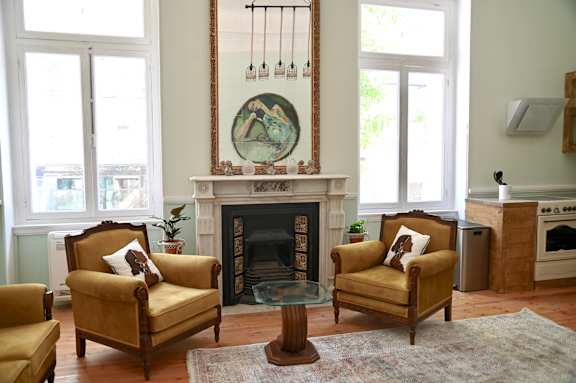
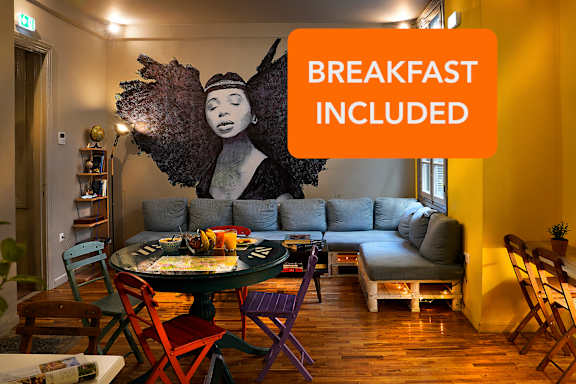
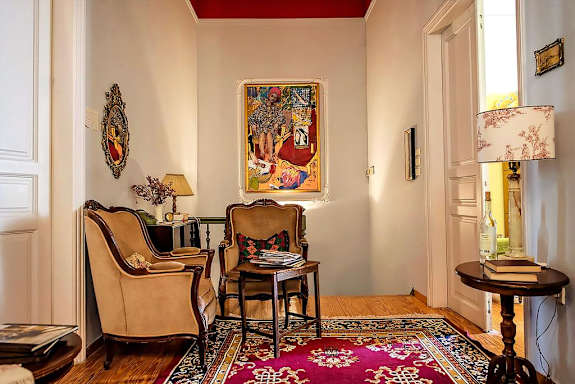
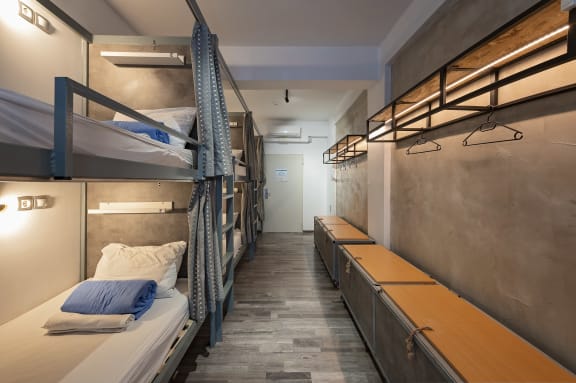
Athens has some of the best-value hostels in Europe, and several have rooftop bars facing the Acropolis. These are the top-rated right now, live from Hostelworld.

Spring and autumn are ideal. July and August are very hot, and a lot of Athenians leave for the islands.
Average highs. July and August regularly pass 38°C during heatwaves, and the Acropolis has closed at midday when they do.
Pick how you travel. Per person per night, in euros.
Transport assumes the €4.10 day ticket. The airport metro is €9 each way on top, or covered by the €20 three-day tourist ticket.
The ones we get asked most.

Compare Athens hostels — live prices, real reviews and free cancellation on most bookings. Then meet the people already there in the app.

 Get the App.
 Get the App.