Sasso Barisano
AtmosphereThe larger of the two Sassi, with restored cave houses and places to stay.

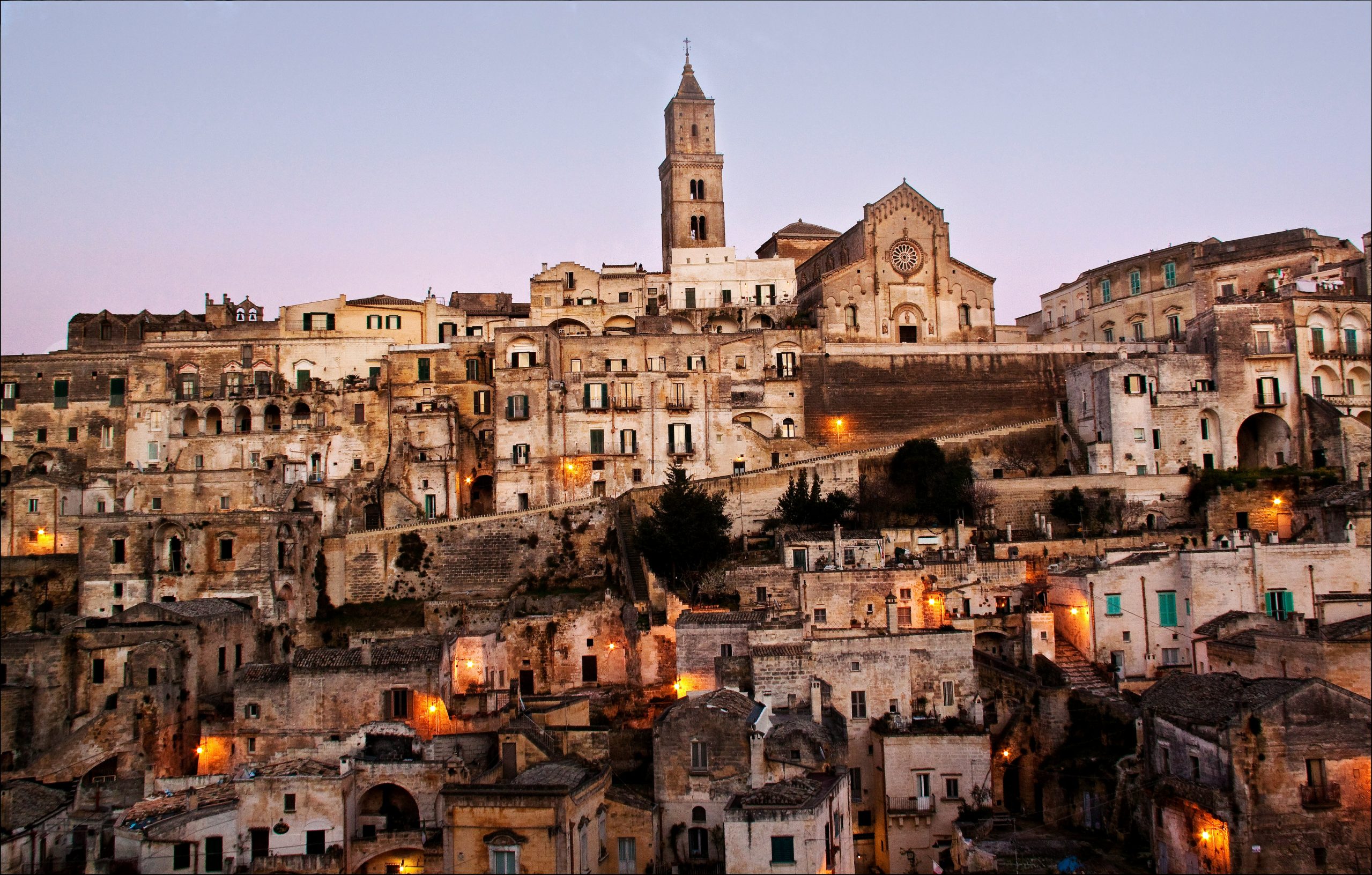
A city of cave houses and rock churches carved into the side of a ravine, lived in for thousands of years, evacuated as a national shame in the 1950s and now one of the most extraordinary places in Europe.
Matera's two old districts, the Sassi, are built into the side of a deep ravine, the Gravina, and many of the houses are caves dug into the soft rock. People have lived here since prehistory, and it is often called one of the oldest continuously inhabited cities in the world.
By the twentieth century the Sassi were overcrowded and desperately poor, with families living alongside their animals and no running water. After Carlo Levi's book Christ Stopped at Eboli brought them to national attention, the government called them a national shame and moved the population out in the 1950s. The Sassi stood empty for decades.
They were declared a UNESCO World Heritage Site in 1993, slowly brought back to life, and in 2019 Matera was European Capital of Culture. Two days is right, and the best time to see the Sassi is at dusk, when the lights come on.
Stay in the Sassi if you can, many of the places to stay are in restored caves. The modern town above is cheaper and a few minutes' walk.
The larger of the two Sassi, with restored cave houses and places to stay.
The more cave-like of the Sassi, with rock churches.
The ridge between the Sassi, with the cathedral.
The modern town above the Sassi. Cheaper and a short walk down.
Orange labels are neighbourhoods, dots are the 4 top-rated hostels. Map © MapTiler © OpenStreetMap contributors.
Walk the Sassi, the two old districts, Sasso Barisano and Sasso Caveoso, with the Civita and the cathedral on the ridge between them. The streets are stairs, and the roofs of one row of houses are the street for the next.
The rock churches are the great sight: more than a hundred and fifty churches carved into the rock, many with medieval frescoes. Santa Maria de Idris, on a rock outcrop, and San Pietro Barisano are among the easiest to visit.
The Casa Grotta di Vico Solitario is a cave house kept as it was before the evacuation, with the furniture, the tools and the space for the animals. The Palombaro Lungo, under the main square, is a vast underground cistern you can walk through.
For the view, cross the ravine to the Murgia plateau opposite, on foot down into the gorge and up the other side, or by car. The view of the Sassi from there, especially at sunset, is the image of Matera.
The Sassi are free to walk, and they are the main attraction. Walking them in the early morning and after dark, when they are lit up, is the best thing in the city.
The viewpoints around the edge of the Sassi, at Piazza Vittorio Veneto, the Belvedere Luigi Guerricchio and the Civita, are free.
The walk down into the Gravina and up the other side to the Murgia viewpoints is free, steep and wonderful.
Some rock churches charge a small entry; others can be seen from outside.
Matera's food is poor-country food, and very good. The bread, pane di Matera, is made with durum wheat and shaped like the hills around the city; it keeps for days.
Peperoni cruschi, sweet dried red peppers fried until they crunch, are the local speciality, crumbled over pasta or eaten as a snack. Crapiata, a soup of pulses and grains, and cialledda, a bread salad, are the traditional dishes.
A trattoria meal is €18 to €28. Restaurants in the Sassi charge more for the setting.
Matera is quiet at night. Evenings are for walking the lit-up Sassi and for aperitivo on the terraces with a view over the ravine.
The modern town, around Piazza Vittorio Veneto and Via del Corso, has bars and the evening passeggiata. A glass of wine is €4 to €7.
Matera is walkable, but the Sassi are all steps and steep paths. Wear good shoes.
Matera has no mainline railway. The regional Ferrovie Appulo Lucane trains and buses run from Bari in about an hour and a half. The nearest airport is Bari, with shuttle buses to Matera.
For Alberobello, Craco and the countryside, a car is far easier than the buses.
The Sassi are closed to most traffic.
Matera has become popular and prices have risen since 2019. There are few hostels; most budget visitors stay in guesthouses or B&Bs, some in restored caves. Beds are cheaper in the modern town above.
A careful day is €55 to €75. The costs that add up are the rock churches, the Casa Grotta and guided tours, and accommodation in the Sassi.
Walking the Sassi and the ravine is free.
Matera is very safe.
The hazard is the ground. The Sassi are steps, uneven paths and polished stone, slippery in the rain and in the dark. The path down into the Gravina and up the Murgia is steep and exposed; wear proper shoes and carry water in summer.
Emergency number is 112.
Puglia's trulli and a ghost town are within reach.
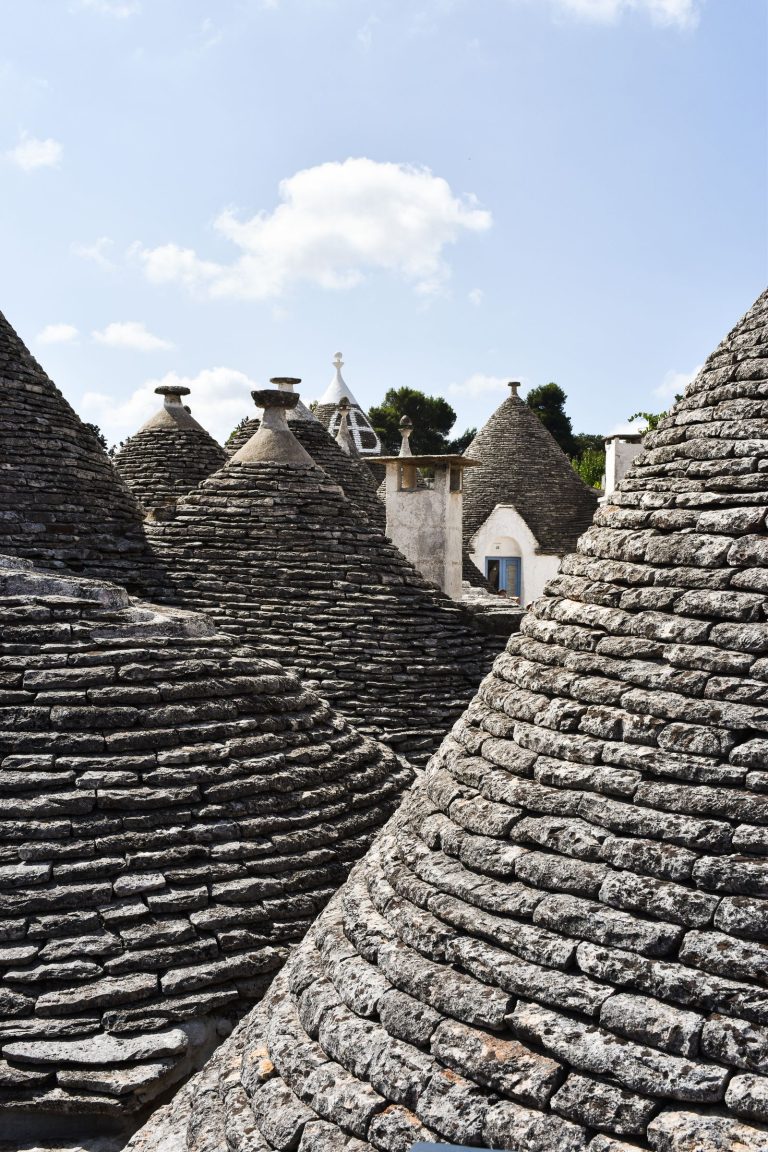
The town of trulli, the conical stone houses of Puglia.
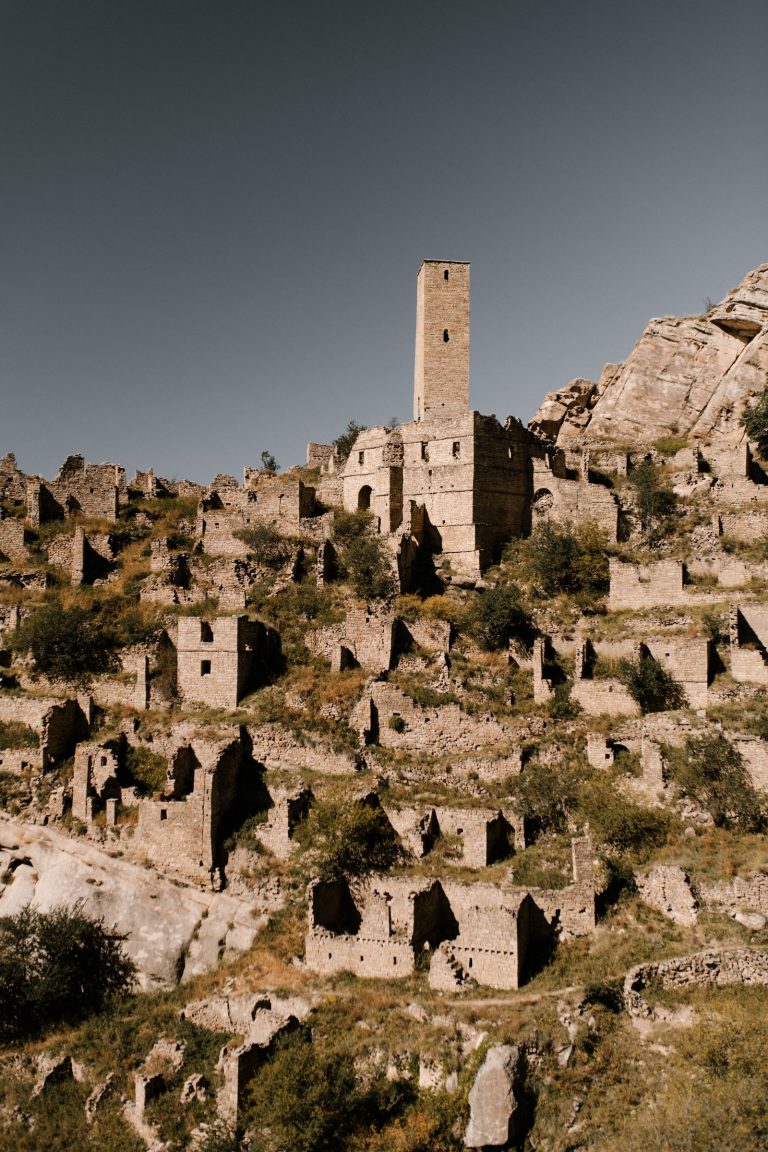
A medieval hill town abandoned after landslides, now a ghost town.
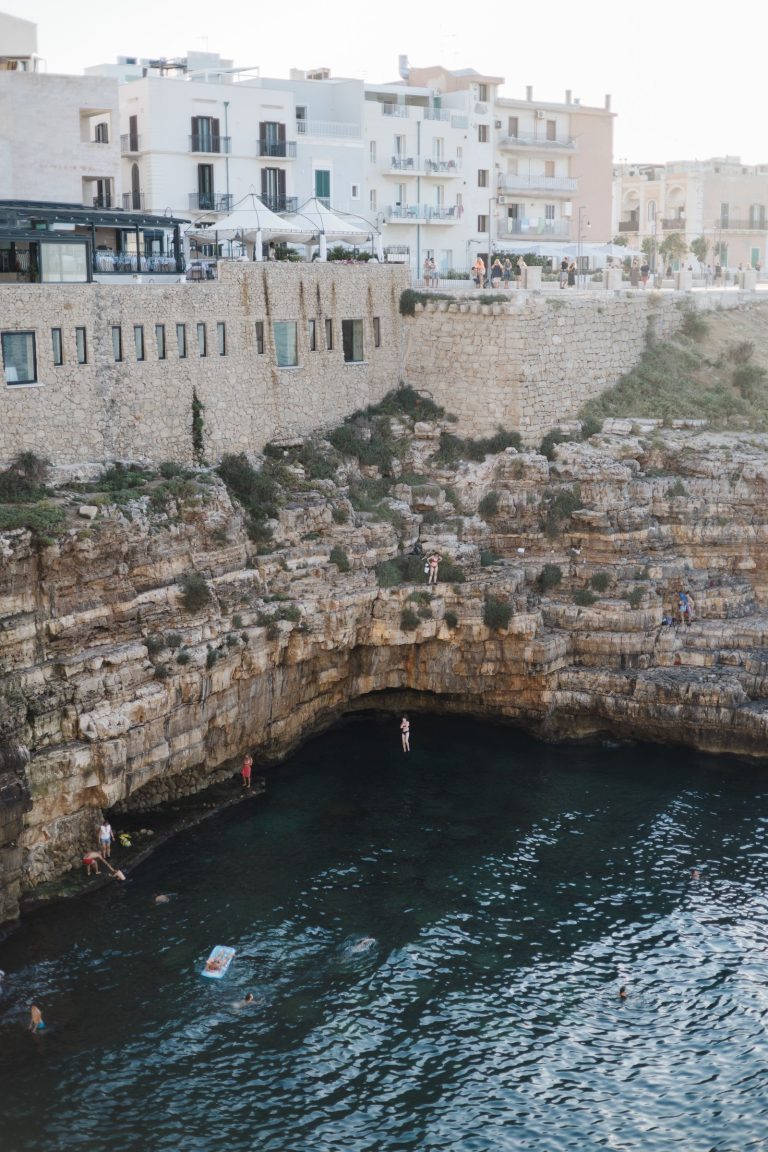
A town on the cliffs over the Adriatic.
The Festa della Bruna in July ends with the crowd tearing the float to pieces.
A papier-mâché cart carries the Madonna through the city, then the crowd tears it apart for pieces to keep.
Nativity events and lights in the ancient streets.
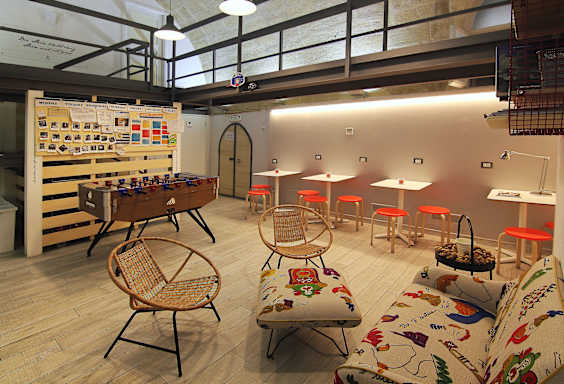
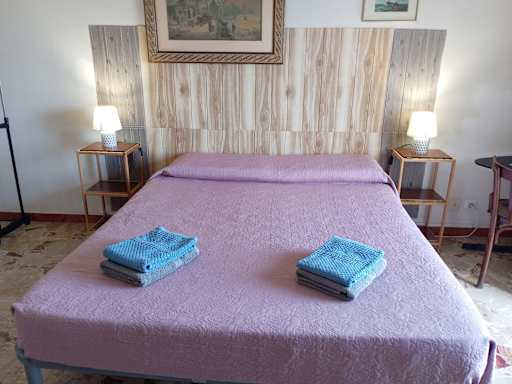
Matera has only a few hostels; most places to stay are guesthouses, B&Bs and cave rooms. Those Hostelworld lists appear below, live.
April to June and September to October are ideal. Summer is hot and winter cold, sometimes with snow.
Average highs. Matera is inland and on a plateau, so it is colder in winter than the coast.
Pick how you travel. Per person per night, in euros.
Beds are shared rooms or B&Bs, as there are few hostels. Transport assumes walking.
The ones we get asked most.

Compare Matera hostels — live prices, real reviews and free cancellation on most bookings. Then meet the people already there in the app.

 Get the App.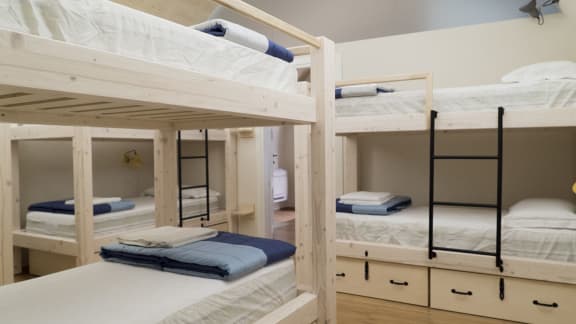
 Get the App.