Centro Storico
First-timersAround the Pantheon and Piazza Navona. Beautiful, central and expensive.

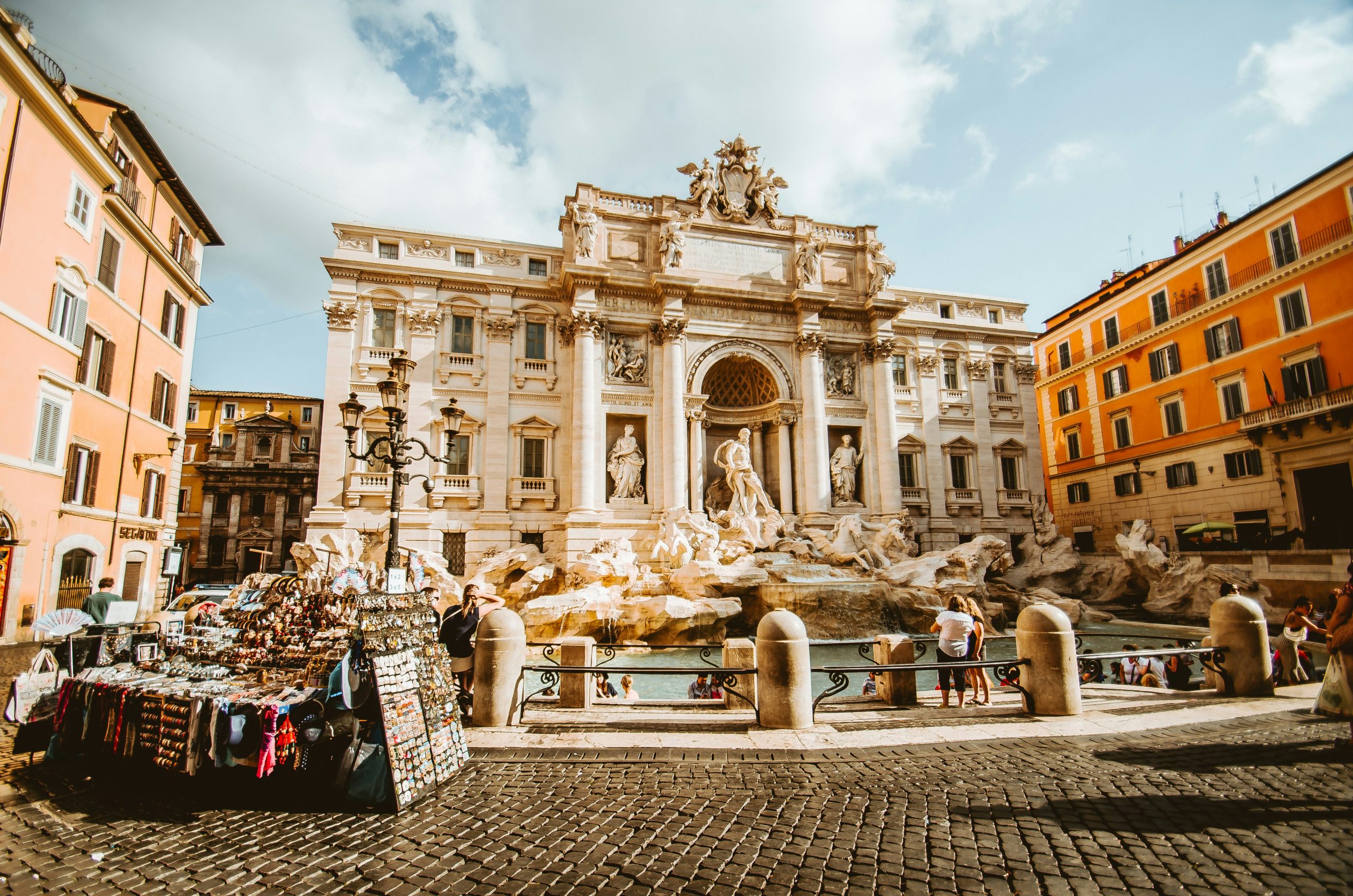
Three thousand years stacked on top of each other: an arena, a Pantheon, a pope and the best carbonara in the country, all within walking distance. Busy, hot in summer, and unmissable.
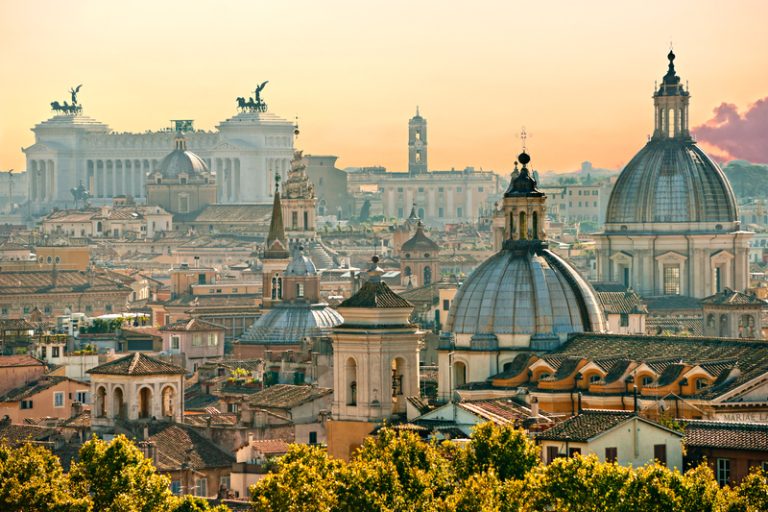
Rome is a working capital built directly on its own ruins. The Forum sits in a hollow below street level, medieval churches are built into Roman temples, and a Baroque fountain stands at the end of an aqueduct that has carried water into the city for two thousand years.
The centre is bigger than it looks on a map but walkable. The ancient city — the Colosseum, the Forum and the Palatine — is at the south-east end; the Baroque centre of piazzas and fountains is in the bend of the Tiber; Trastevere is across the river; and the Vatican, technically another country, is to the north-west.
Three days is the minimum and four is better. Book the Colosseum and the Vatican Museums before you arrive, and leave the rest of the time for walking, because the city between the sights is the point.
Stay central and walk. Termini is convenient and cheaper; Monti and Trastevere are the neighbourhoods you will want to be in at night.
Around the Pantheon and Piazza Navona. Beautiful, central and expensive.
The old quarter behind the Forum, with wine bars, vintage shops and ivy. Walk to the Colosseum.
Around the main station, where most hostels are. Convenient, rough at night.
Across the river: cobbled lanes, trattorias and the classic Roman night out.
The university quarter east of Termini. Cheap bars, street art and a young crowd.
The grid of streets next to the Vatican. Quieter, residential and well connected.
Orange labels are neighbourhoods, dots are the 12 top-rated hostels. Map © MapTiler © OpenStreetMap contributors.
The routes we would take, in the order we would take them.
Start with the ancient city. The Colosseum ticket, €18, includes the Roman Forum and the Palatine Hill, and all three together take most of a day. Book online, and bring the ID that matches the name on your ticket.
The Vatican Museums are the other booking: €20 at the door or €25 online with a timed slot, and the Sistine Chapel at the end of a very long walk. The first slot of the day or the last two hours are the least crowded. St Peter's Basilica is free, with a security queue; the climb to the dome is extra and worth it.
Then walk the Baroque centre: the Pantheon (€5), Piazza Navona, Campo de' Fiori and the Trevi Fountain, where the basin area in front of the water now costs €2 and the view from the square is still free. Two churches near the Pantheon, San Luigi dei Francesi and Santa Maria del Popolo, have Caravaggios on the walls, for free.
The Borghese Gallery, in the park of the same name, is the best small museum in the city and books out days ahead.
Much of the best of Rome is free. St Peter's Basilica, the Pantheon's square, Piazza Navona, the Spanish Steps and the Trevi Fountain from the piazza cost nothing.
The churches are free and full of masterpieces: Caravaggios at San Luigi dei Francesi and Santa Maria del Popolo, Michelangelo's Moses at San Pietro in Vincoli, and the gold mosaics of Santa Maria in Trastevere.
On the Aventine Hill, look through the keyhole of the Knights of Malta gate to see St Peter's framed at the end of a garden avenue, then walk to the Orange Garden for the view. The Gianicolo, above Trastevere, has the best panorama of the city.
State museums and sites, including the Colosseum, are free on the first Sunday of the month, and the Vatican Museums on the last Sunday — both extremely crowded. The drinking fountains, the nasoni, are free and the water is excellent.
Roman food is four pasta dishes and a lot of offal, and all of it is excellent. Carbonara, cacio e pepe, amatriciana and gricia are the big four, and the best are in the trattorias of Testaccio, Trastevere and the side streets of Monti, at €10 to €14 a plate.
Street food is the budget answer. Supplì, fried rice balls with mozzarella inside, are a couple of euros each. Pizza al taglio, sold by weight, is lunch for €4 to €6. The trapizzino, a pizza pocket filled with Roman stews, was invented in Testaccio.
The restaurants around the Pantheon, Piazza Navona and the Vatican charge for the location. Walk ten minutes and the prices fall.
Breakfast is a cornetto and a coffee at the bar, standing, for about €2.50, or a maritozzo, a sweet bun split and filled with cream.
Rome goes out in the streets. Trastevere is the classic evening: dinner, then drinks in the piazzas and lanes until late, busy with students and visitors.
Campo de' Fiori fills with bars and a young crowd at night. San Lorenzo, next to the university, is the cheapest night out in the centre. Pigneto, further east, is the local bohemian quarter, and Monti has wine bars and a slightly older crowd.
Clubs are in Testaccio and Ostiense, built into the old slaughterhouse and the hill of broken Roman pots.
Aperitivo runs from about six, with a drink and snacks for €8 to €12. Dinner is late, and nothing much happens in the bars before ten.
Rome is a walking city, and in the centre walking is usually faster than the bus. For longer trips, a BIT ticket costs €1.50 and covers 100 minutes on buses and trams plus one metro ride. You can tap a contactless card on the gates and validators; after five taps in a day it switches to the day rate. Day passes are €8.50 for 24 hours, €15 for 48 and €22 for 72.
The metro has only three lines and misses much of the historic centre, which is bus and tram territory. Validate every paper ticket.
From Fiumicino, the Leonardo Express train runs non-stop to Termini in about half an hour; buses are cheaper and slower. From Ciampino, buses run to Termini.
High-speed trains reach Florence in about ninety minutes and Naples in about seventy, from Termini or Tiburtina.
Rome is mid-priced for a capital. Dorms start around €21, a trattoria pasta is €10 to €14, and street food keeps lunch under €8. A careful day is €55 to €75.
The sights are the variable. The Colosseum, the Vatican Museums, the Pantheon and the Borghese together come to around €60 with booking fees, and it adds up if you do everything.
The savings: the churches and piazzas are free, the water from the nasoni is free, the first and last Sundays are free if you can face the crowds, and eating a few streets away from any monument halves the bill. The city tax, paid at the hostel, is extra per night.
Rome is safe, with a serious pickpocketing problem in specific places: buses 64 and 40 between Termini and the Vatican, metro line A, Termini station and the crowds at the Trevi Fountain and the Colosseum. Keep your bag closed and in front of you.
The scams are small but persistent. Men in gladiator costume near the Colosseum charge for photos. Bracelet and rose sellers put something in your hand and then demand money. Say no and keep walking.
Sitting on the Spanish Steps is banned, and so is wading in fountains; both carry fines.
In summer, the heat is the real risk. Carry water and fill it at the nasoni. Emergency number is 112.
Rome is the hub of central Italy. Ancient ports, emperors' villas and hill towns are all within an hour or two.
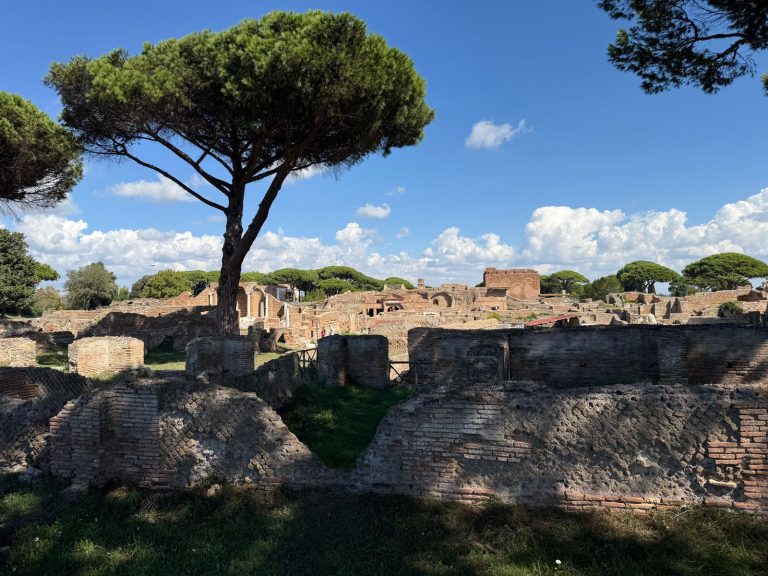
Rome's ancient port: streets, apartment blocks, baths and a theatre, and far fewer people than the Forum.
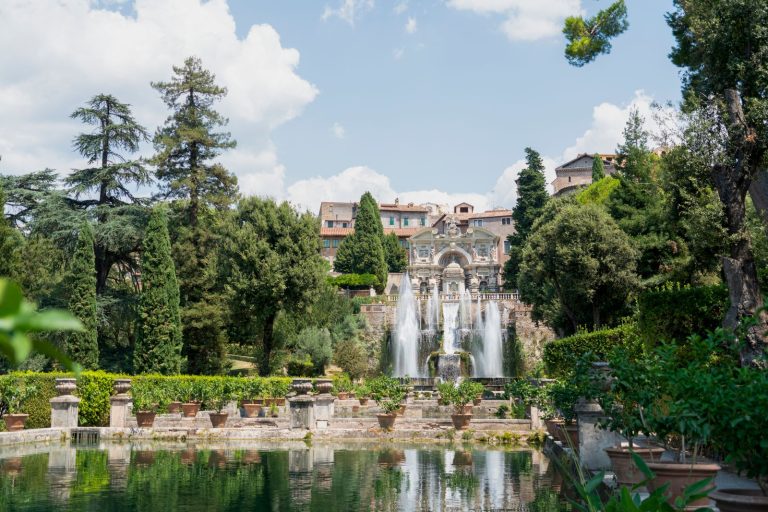
Hadrian's Villa, an emperor's estate, and the fountains of Villa d'Este in the town above.
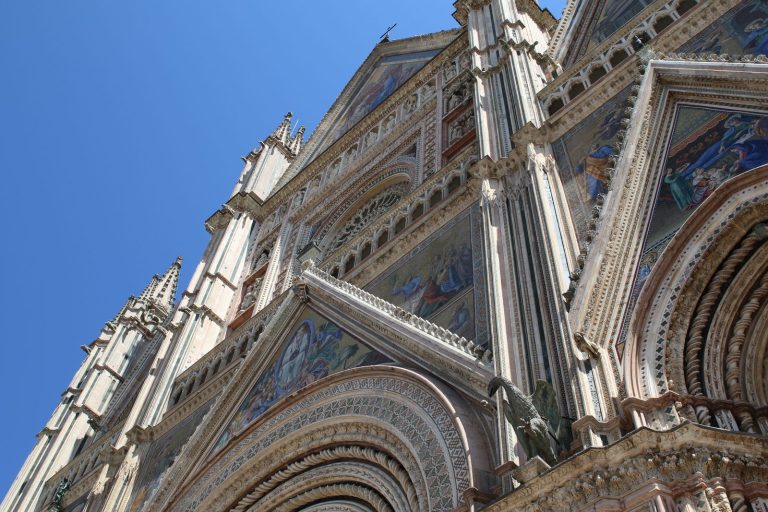
A hill town on a volcanic cliff, with a striped cathedral and a network of caves beneath it.
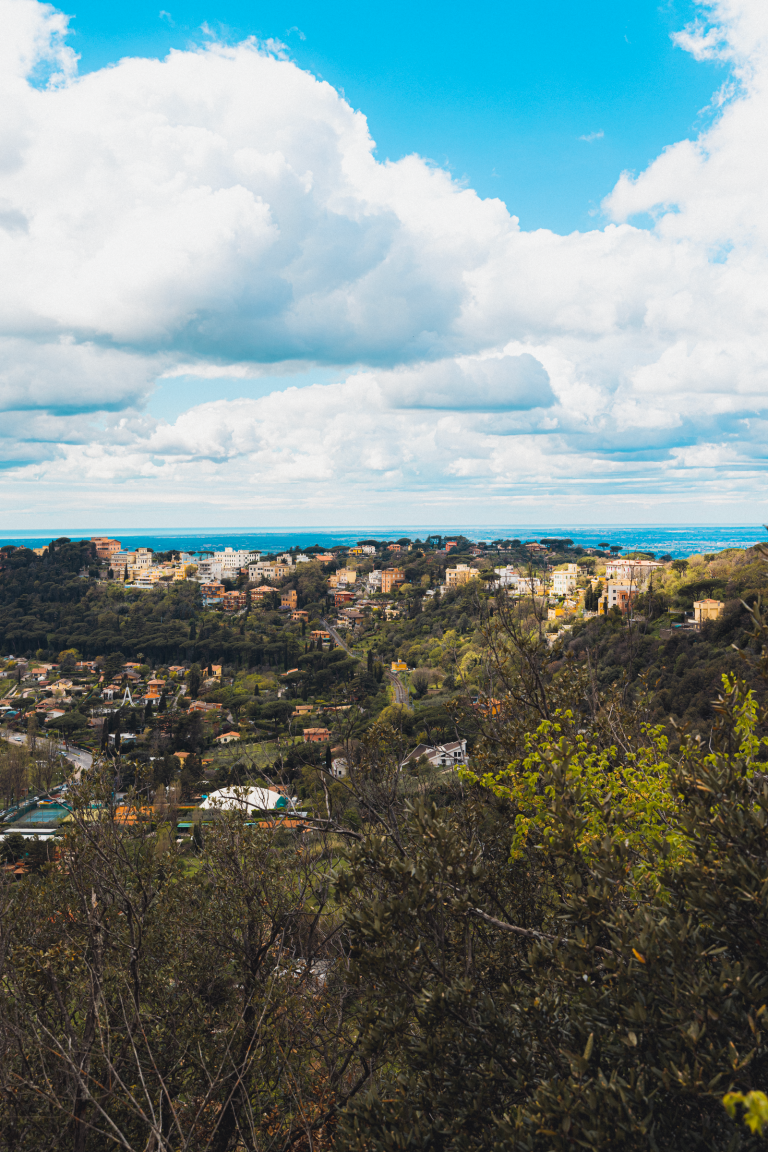
Wine towns in the Alban Hills, and the pope's summer residence at Castel Gandolfo.
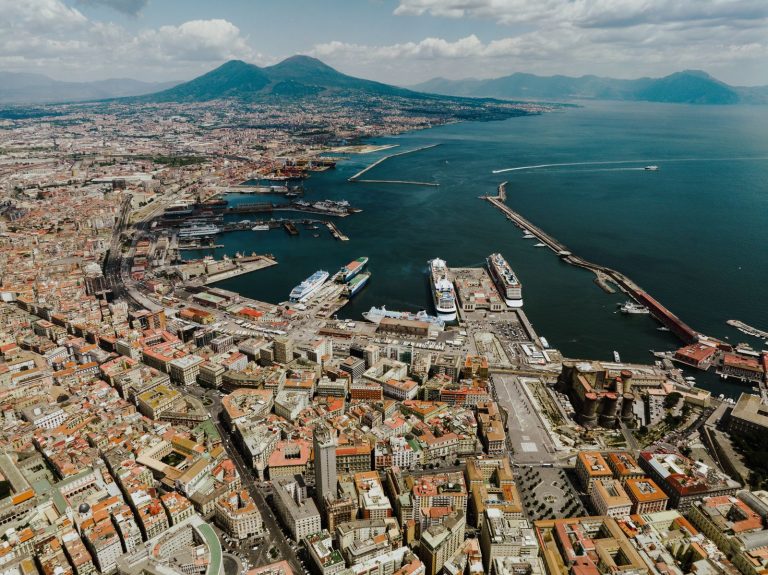
Pizza, chaos and the base for Pompeii. A long day or, better, a stay.
Easter is the week the city is most full. The rest of the year has its own festivals.
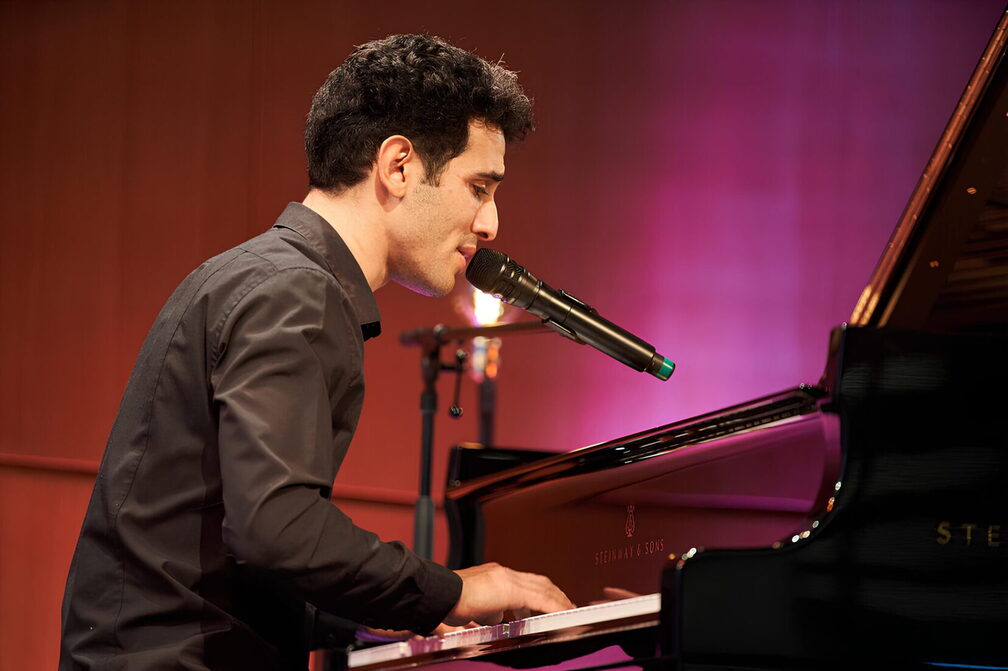 Staff pick
Indulge in the smooth sounds of the Roma Jazz Festival, an annual event that showcases world-renowned jazz musicians against the backdrop of Rome's historic…
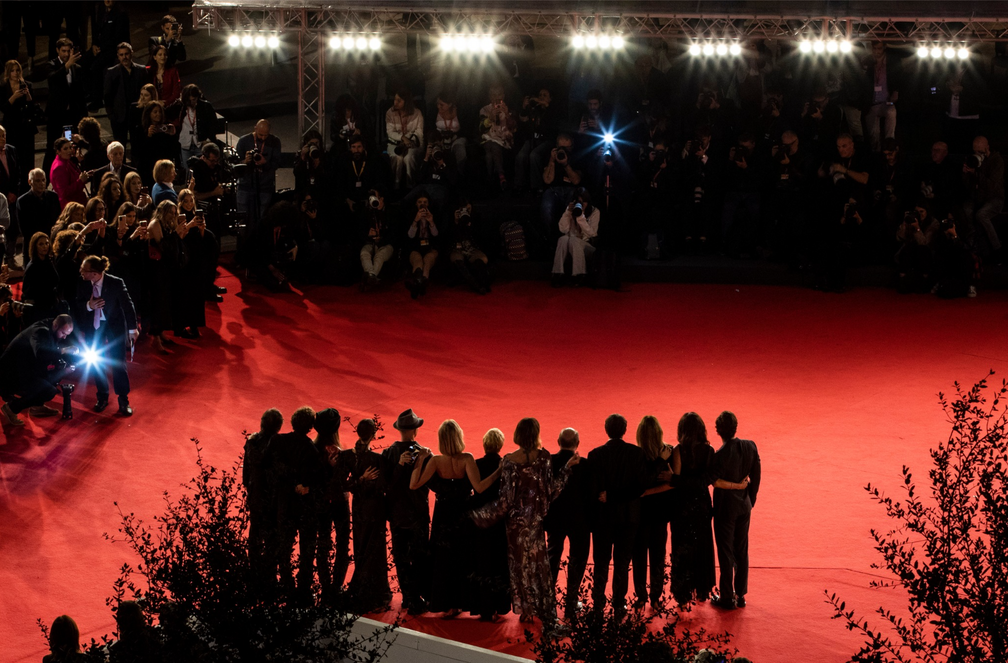 Staff pick
Experience the magic of cinema at the annual Rome Film Fest, where international and Italian films take center stage amidst screenings, premieres, and star-studded…
 Staff pick
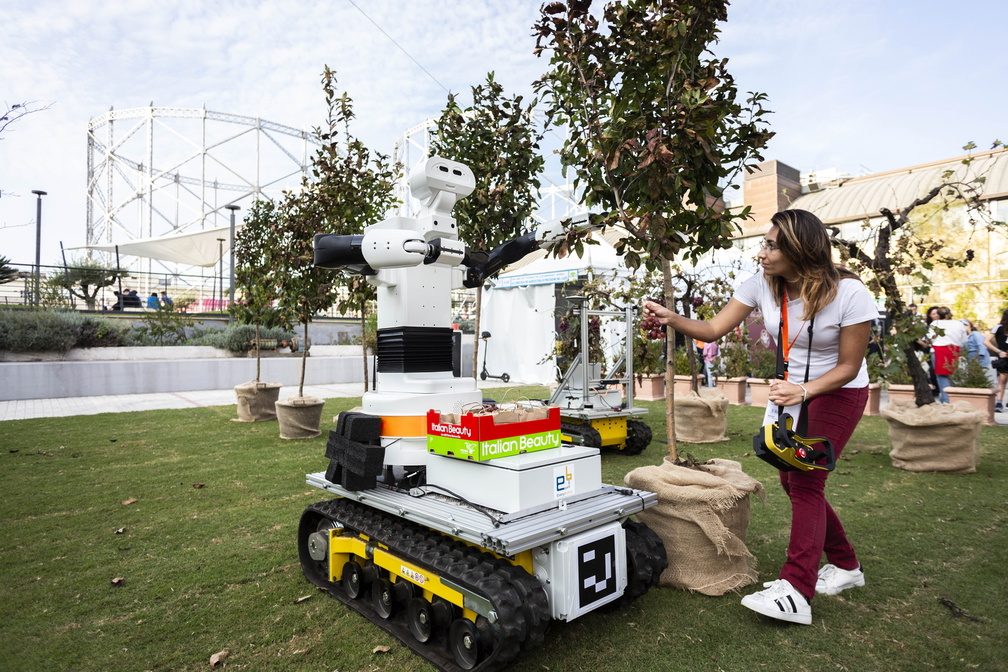
At Maker Faire Rome, technological innovation takes center stage in an approachable and inclusive manner. This European event brings together businesses, academia, and individuals…
 Staff pick
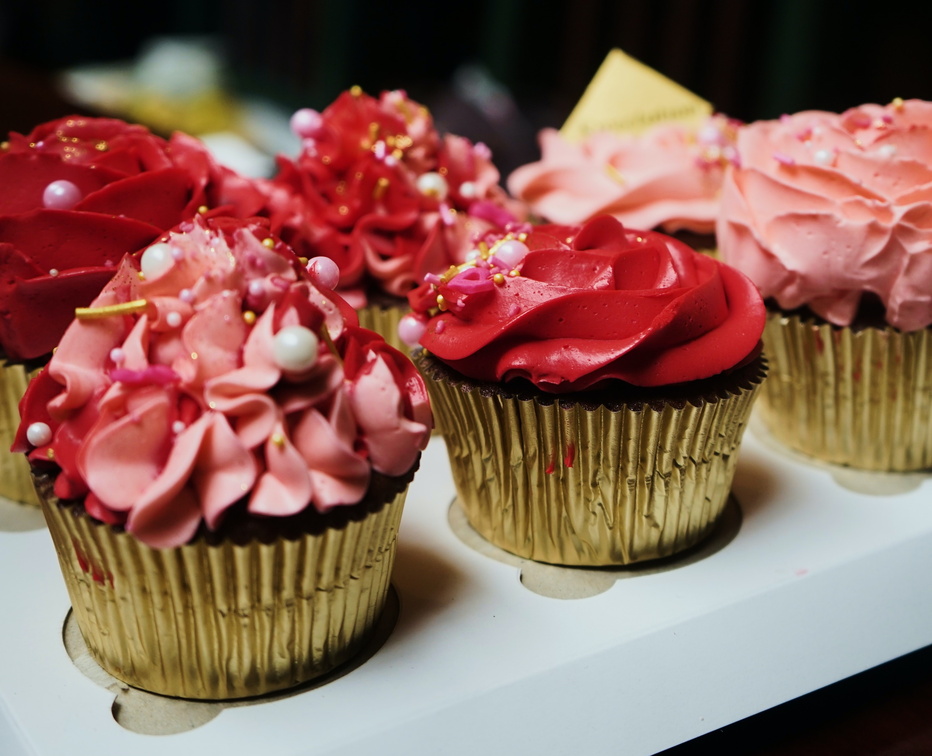
Discover the heart of holiday festivities at the Panettone and Pandoro Fair, where the spotlight shines on Italy's iconic Christmas cakes. From tantalizing tastings…
 Staff pick
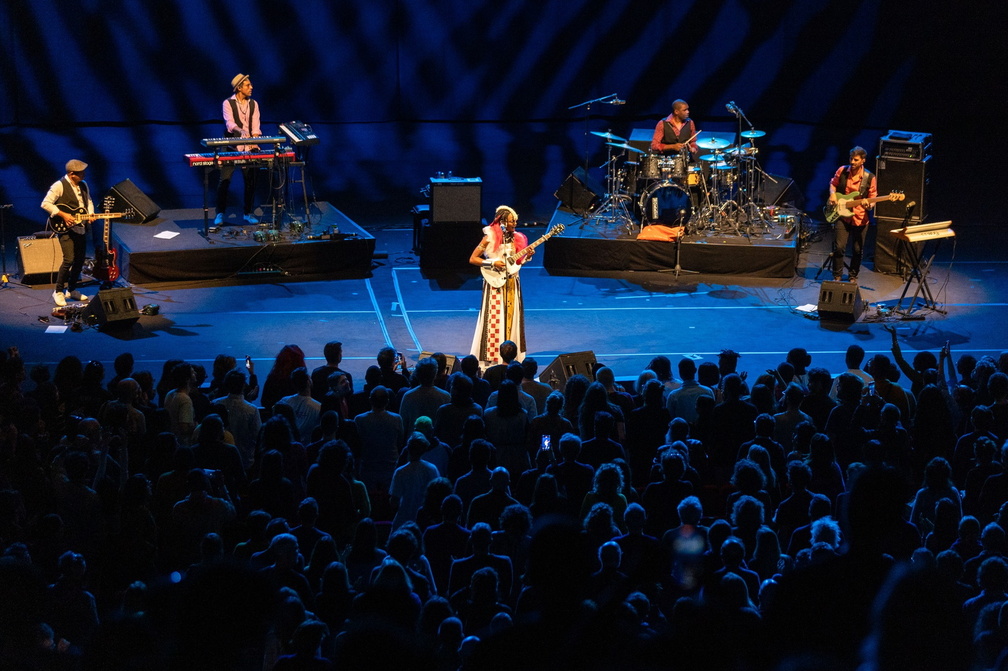
Embark on a journey through the vibrant world of contemporary arts at the Romaeuropa Festival, a cultural extravaganza showcasing theatre, dance, music, and visual…
 Staff pick
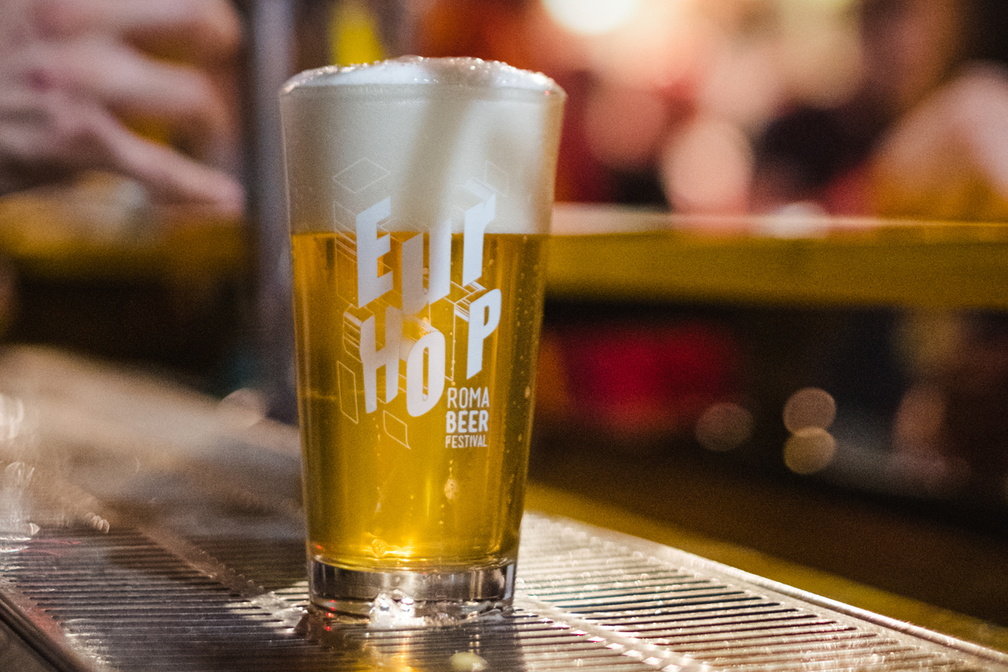
EurHop Roma Beer Festival brings together over 100 Italian and international breweries for a three-day celebration of craft beer in the heart of Rome.…
 Staff pick
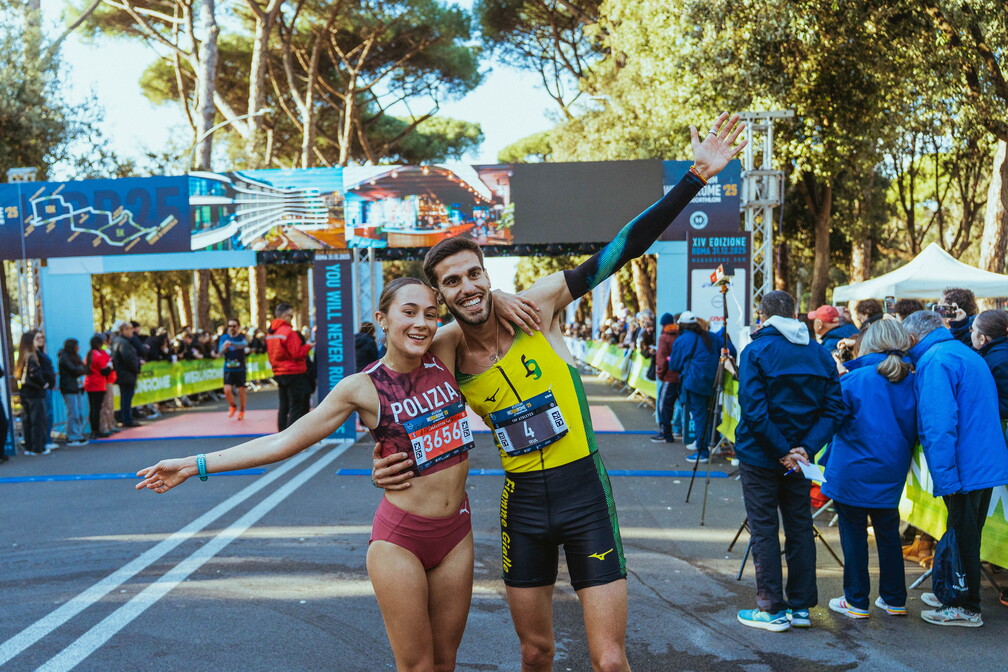
We Run Rome is a celebrated road running event in Rome, Italy, drawing thousands of participants each year to the historic Stadio Nando Martellini…
 Staff pick
FuturoFestival in Rome, Italy, is an immersive three-day experience dedicated to contemporary dance, physical theater, and artistic exploration. Designed for performers eager to expand…
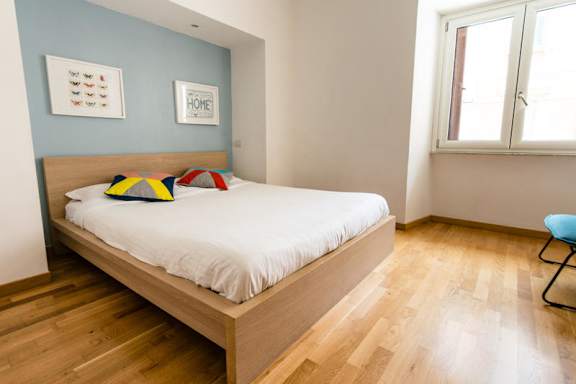
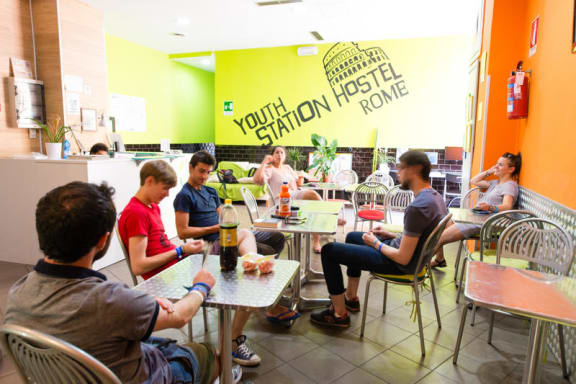
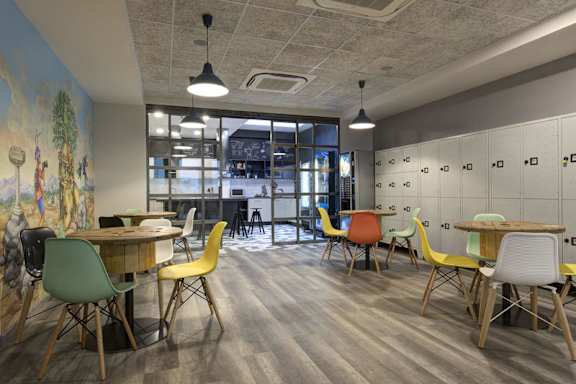
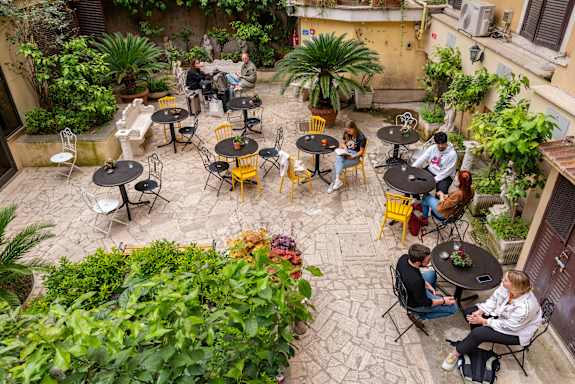
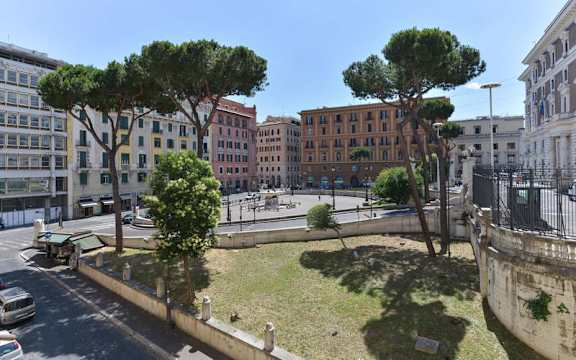
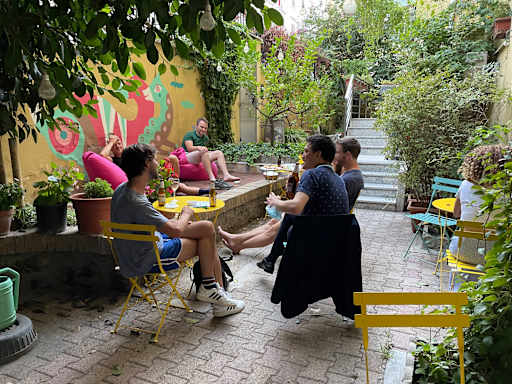
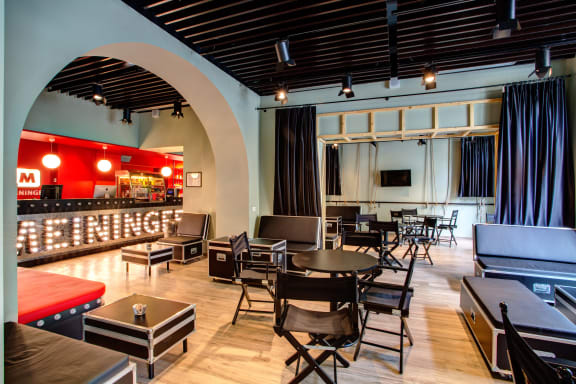
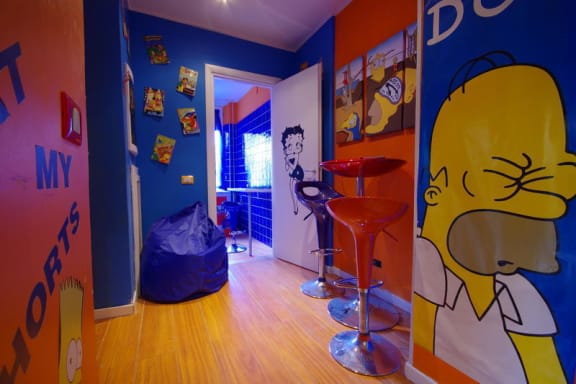
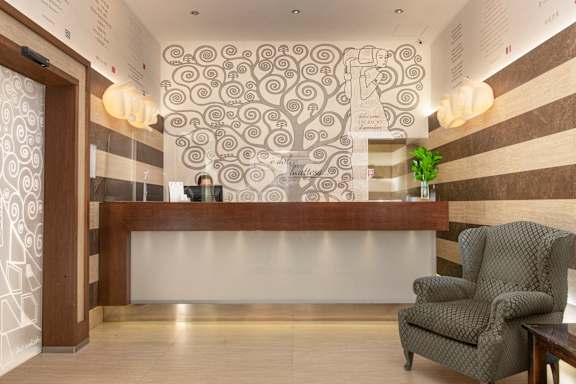
Rome has a huge choice of hostels, most clustered around Termini station, with more in Trastevere and near the Vatican. These are the top-rated right now, live from Hostelworld.
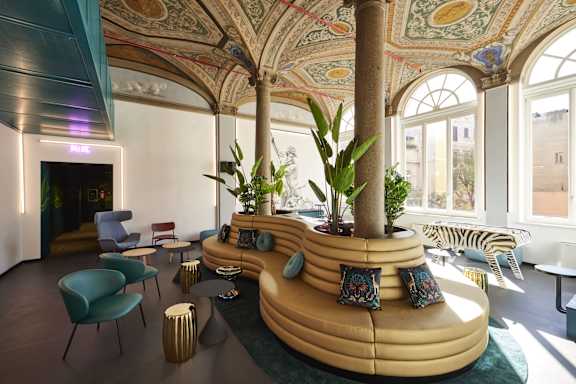 Sustainable
April, May, September and October are ideal. July and August are very hot, and Easter is extremely busy.
Average highs. July and August regularly pass 35°C, and many Romans leave the city around Ferragosto in mid-August.
Pick how you travel. Per person per night, in euros.
Transport assumes a mix of walking and BIT tickets. Sights: Colosseum €18, Vatican Museums €20–25, Pantheon €5.
The ones we get asked most.

Compare Rome hostels — live prices, real reviews and free cancellation on most bookings. Then meet the people already there in the app.

 Get the App.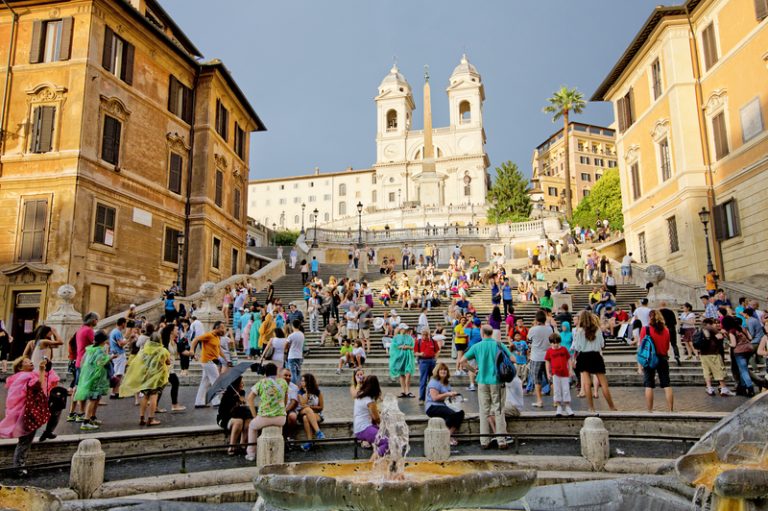
 Get the App.