Gamla stan
First-timersThe medieval old town: the palace, the lanes, the cathedral and some of the most atmospheric beds.

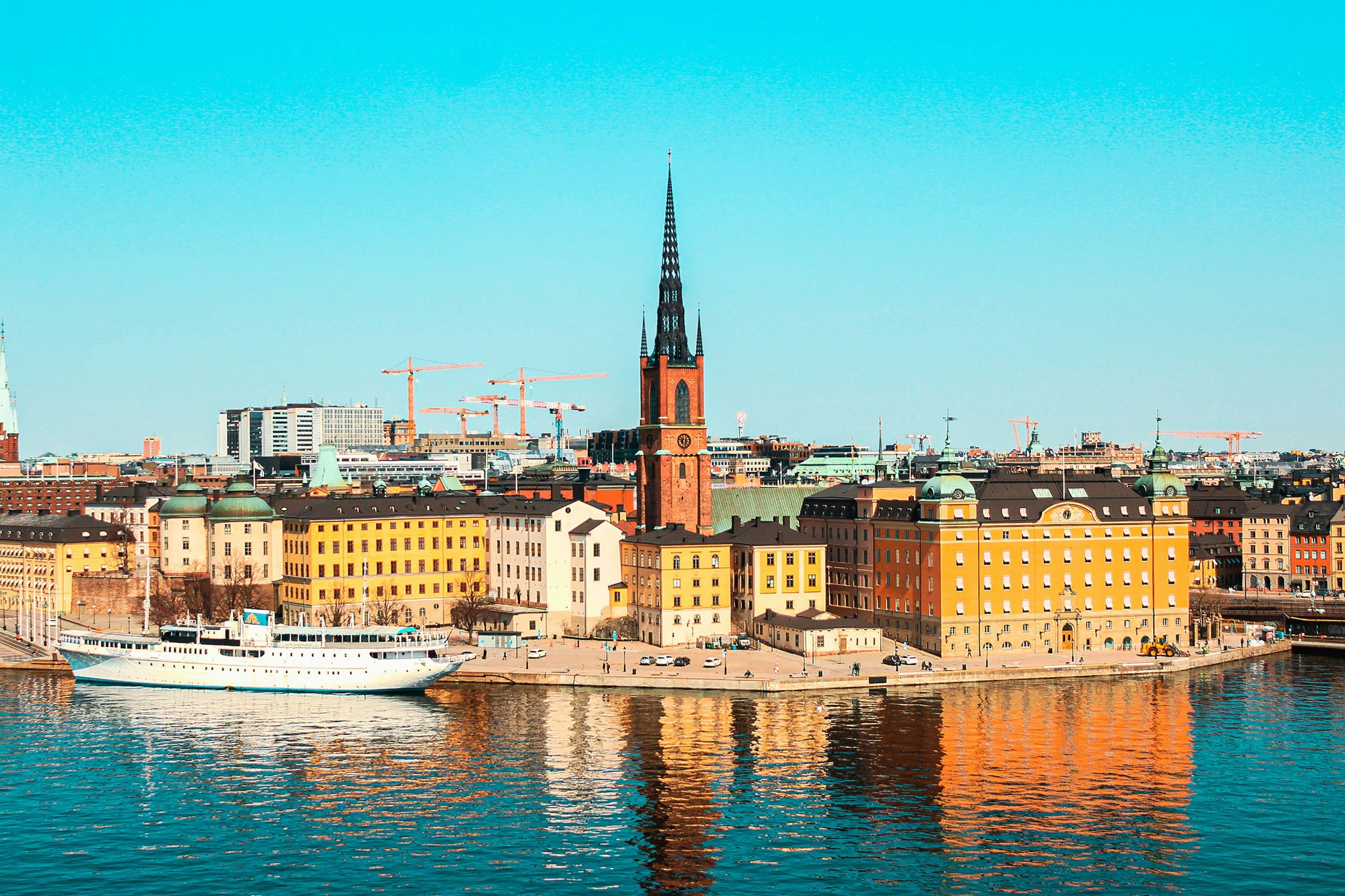
A capital spread across fourteen islands, with a medieval old town at its centre, a seventeenth-century warship that sank on its first voyage, and thirty thousand more islands on the doorstep.
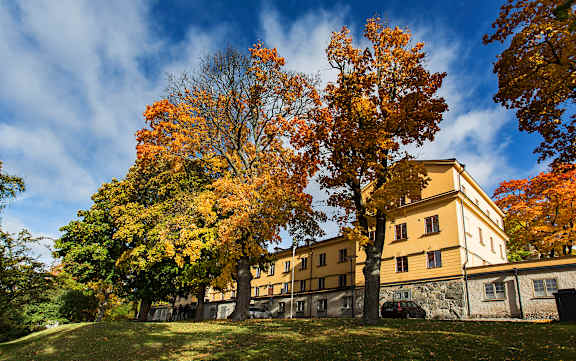
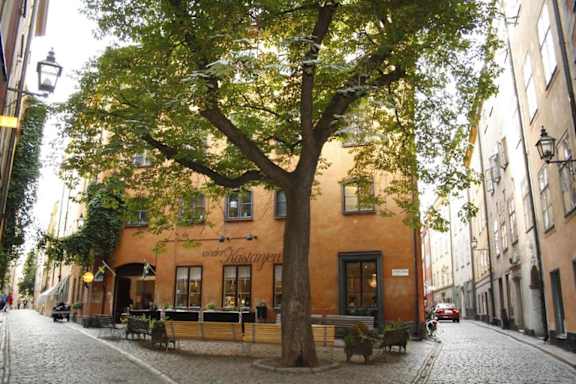
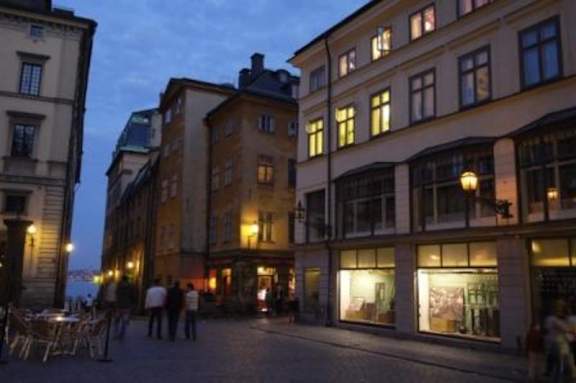
Stockholm is built across fourteen islands where Lake Mälaren meets the Baltic, and water is never more than a few minutes away. The old town, Gamla stan, sits on the central island — narrow medieval lanes, ochre and red merchant houses, and the Royal Palace.
The Vasa Museum is the single most remarkable thing in the city. The Vasa was a warship that sank in the harbour in 1628, twenty minutes into its maiden voyage, and lay on the seabed for 333 years. It was raised in 1961 and around ninety-five per cent of it is original. You walk around a complete seventeenth-century ship indoors.
Beyond the city, the archipelago runs to around thirty thousand islands, and ferries reach them on public transport.
It is expensive, very cashless, and rewards slowing down — the Swedish habit of fika, a coffee and pastry break, is a genuine part of the day rather than a slogan.
Three days minimum, and more if you go out into the islands.
An old town at the centre, a hip island to the south and a green one to the east.
The medieval old town: the palace, the lanes, the cathedral and some of the most atmospheric beds.
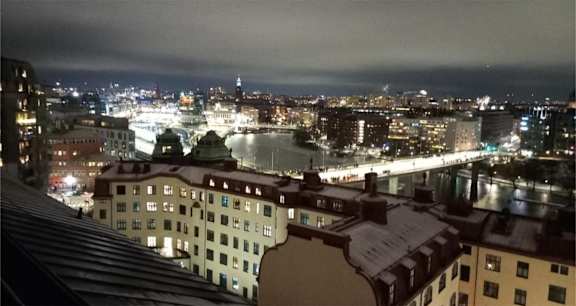
The island to the south: vintage shops, cafés, bars and the best views back at the old town.
The central business district: the main station, shops, and easy links to everywhere.
The park island to the east: the Vasa, Skansen, ABBA The Museum and waterfront walks.
Orange labels are neighbourhoods, dots are the 12 top-rated hostels. Map © MapTiler © OpenStreetMap contributors.
The Vasa Museum, around 230 SEK (€21), is the one thing not to miss. A complete warship that sank in 1628, raised in 1961, around ninety-five per cent original, displayed in a building constructed around it. It is extraordinary, and it explains a lot about seventeenth-century Sweden in about two hours.
Skansen, next door on Djurgården, is the world's first open-air museum, from 1891, with historic buildings from across Sweden and Nordic animals. About 250 SEK (€23) in summer.
Walk Gamla stan early, before the tour groups, and see the Royal Palace and Stortorget square.
Fotografiska is a photography museum in an old customs building with a very good restaurant and views over the water.
Ride the metro and look at the stations. Around ninety of the hundred stations are decorated with art, and several — T-Centralen, Solna Centrum, Kungsträdgården — are carved directly into the bedrock and painted.
Then take a ferry into the archipelago.
Gamla stan is free to walk, and the changing of the guard at the Royal Palace runs most days.
The metro stations are art for the price of a ticket, and the blue line in particular is worth riding just to look.
Monteliusvägen, a cliffside path on Södermalm, gives the best free view over the old town and the water.
Djurgården is a large park island, free to walk, with waterfront paths and woodland.
Stockholm's national museums have mostly charged admission in recent years, so check individual sites. The public libraries, including the round Stockholm Public Library by Gunnar Asplund, are free and architecturally worth seeing.
Allemansrätten, the Swedish right of public access, means you may walk freely through most of the countryside and islands.
Expensive, with one reliable workaround. Dagens lunch — the daily lunch special, usually with salad, bread and coffee included — runs around 130 to 160 SEK (€12–15) and is the best-value meal in the city. Dinner at the same place can be double.
Köttbullar, meatballs with lingonberries and mashed potato, are the standard. Toast Skagen, shrimp in dill mayonnaise on toast, is the classic starter.
Fika is a genuine daily ritual: coffee and a kanelbulle, a cinnamon bun, at around 60 to 80 SEK (€5.50–7).
Östermalms Saluhall, the historic food hall, is expensive but excellent.
A beer in a bar is 80 to 110 SEK (€7–10). Anything stronger than 3.5 per cent is sold only at Systembolaget, the state monopoly shops, which close early on Saturdays and all day Sunday. Supermarkets sell only weak beer.
Many places are card-only.
Södermalm has the best of it — independent bars, live music and a younger crowd, around Medborgarplatsen and the SoFo district.
Stureplan in Östermalm is the smart, expensive end, with club queues and strict door policies.
A beer is 80 to 110 SEK (€7–10) and cocktails 150 to 190 SEK (€14–17), which is why pre-drinking at home is a Swedish institution.
In summer, bars move outside and the evenings last almost all night — around midsummer it barely gets dark.
Clubs run to around three, and entry is often 150 to 200 SEK (€14–18).
The metro, trams, buses and many ferries run on one SL ticket, around 43 SEK (€4) a ride, with travel cards for 24 hours or longer that most visitors should buy. Tap a card or phone at the barriers.
Several ferries to Djurgården and out into the archipelago are part of the SL network and covered by the same ticket.
From Arlanda, the Arlanda Express takes twenty minutes but is expensive. The commuter train takes about forty minutes and costs much less with an SL ticket plus airport fee. Airport buses are cheaper still.
The centre is walkable across the bridges between islands.
Night trains run north to Kiruna and Abisko, about seventeen hours. Gothenburg is three hours and Malmö about four and a half.
Expensive. Dorms are 300 to 550 SEK (€27–50), a dinner main 200 to 300 SEK (€18–27), and a beer 80 to 110 SEK (€7–10).
A day is €70 to €120.
Sweden uses the krona, not the euro, and it is one of the most cashless countries in the world — many cafés, shops and even some buses do not accept cash at all. A contactless card is essential.
Dagens lunch at 130 to 160 SEK (€12–15) is the single biggest saving. The Vasa and Skansen are the main paid entries.
A 72-hour SL card and the archipelago ferries make getting around reasonable.
Stockholm is a safe city for visitors and crime affecting tourists is low.
Pickpocketing happens around T-Centralen, the main station and Gamla stan in summer.
Gang-related violence has increased in some outer suburbs in recent years and has been widely reported. It rarely affects visitors or the central areas they use.
Winter brings ice on pavements, very short days — about six hours of light in December — and cold wind off the water.
The water around the city is cold even in summer, and cold-water shock is a real risk if you swim off the rocks; swim at official bathing spots.
Emergency number is 112.
An archipelago, a royal palace, and a Viking-era town.
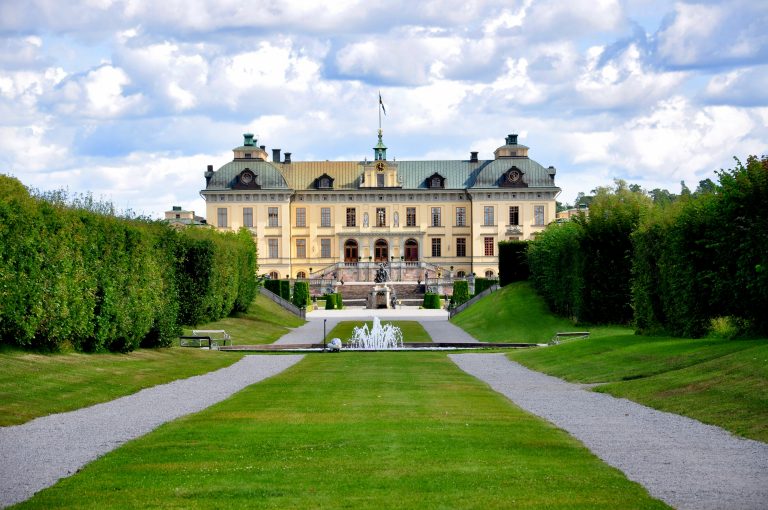
The royal family's residence on Lake Mälaren, UNESCO-listed, with an intact eighteenth-century court theatre.
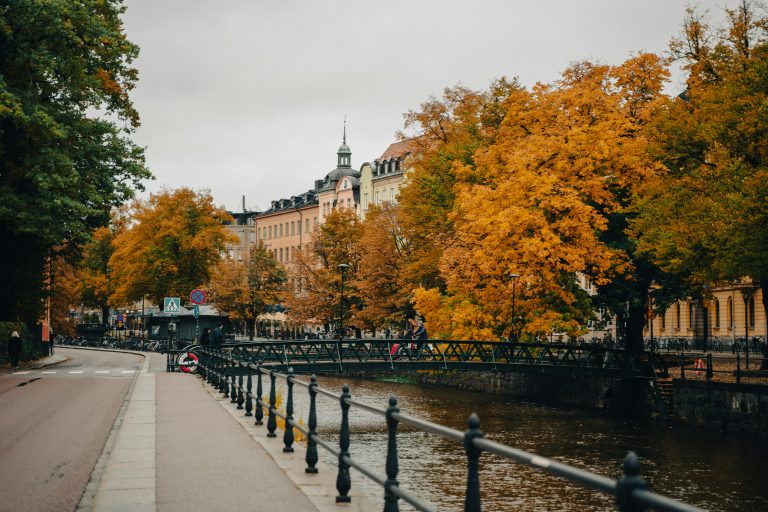
A university town with Scandinavia's largest cathedral and royal burial mounds.
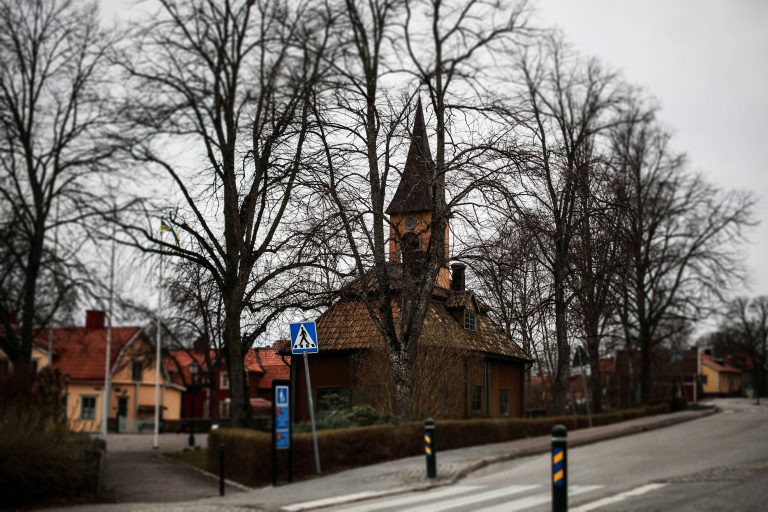
Sweden's oldest town, founded around 980, with rune stones along the main street.
Midsummer, Lucia, and the Nobel Prize banquet in the City Hall.
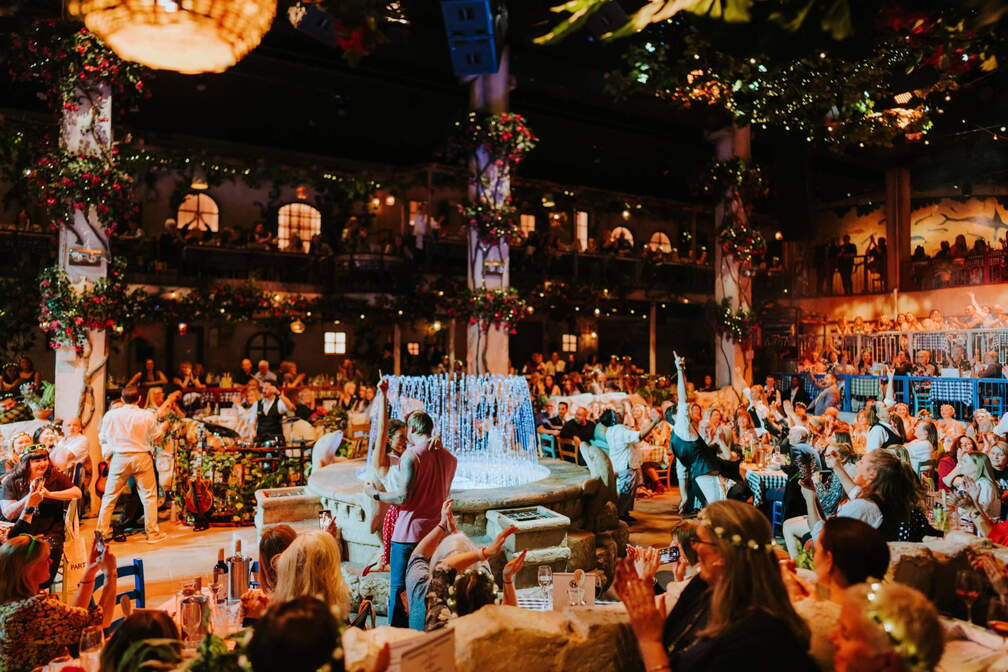 Staff pick
Be transported to the island of Skopelos, via The O2 London, where Nikos and his family will host you in their fantastical Greek taverna…
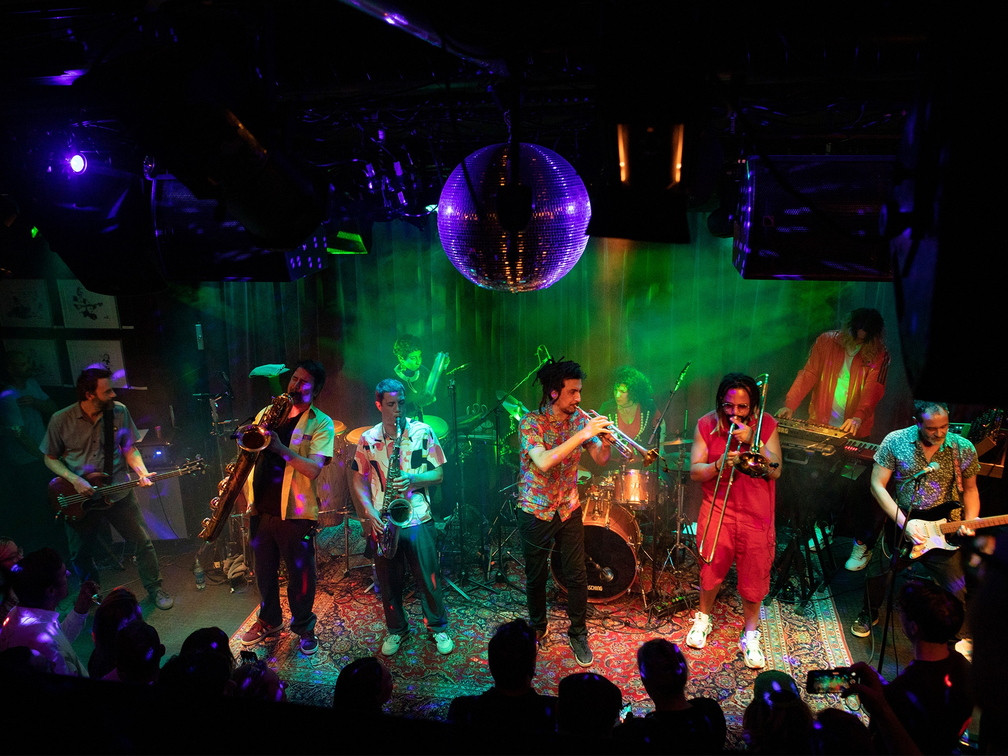 Staff pick
Explore the vibrant Stockholm Jazz Festival, a longstanding event showcasing top jazz musicians from around the world. With over 60 venues spread across the…
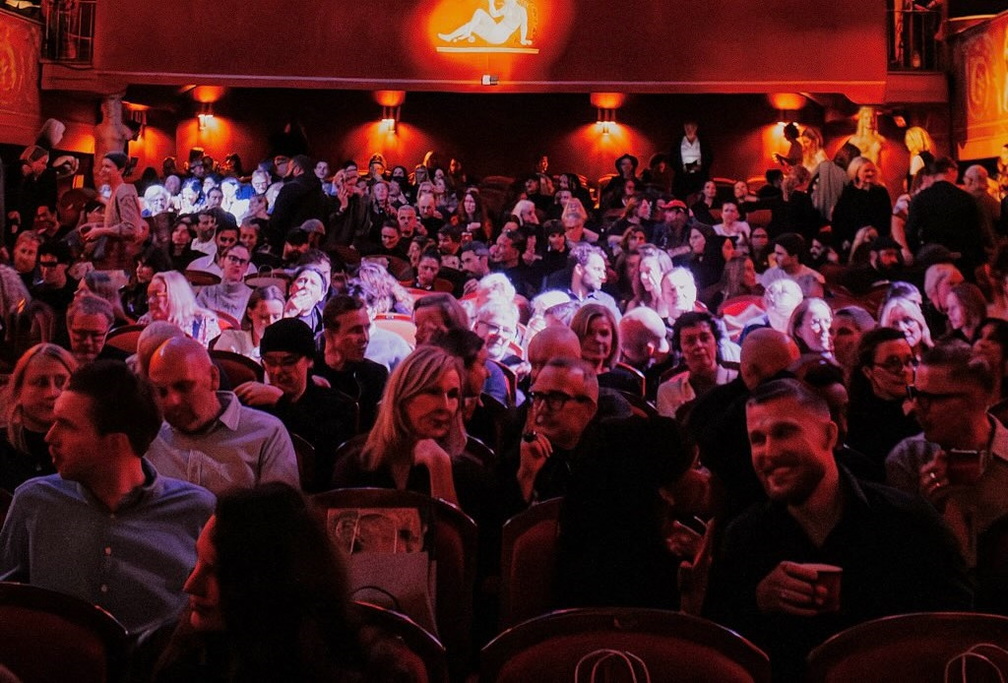 Staff pick
Each November, Stockholm, Sweden, becomes a cinematic hub as the Stockholm International Film Festival welcomes film enthusiasts from around the globe. Showcasing over 130…
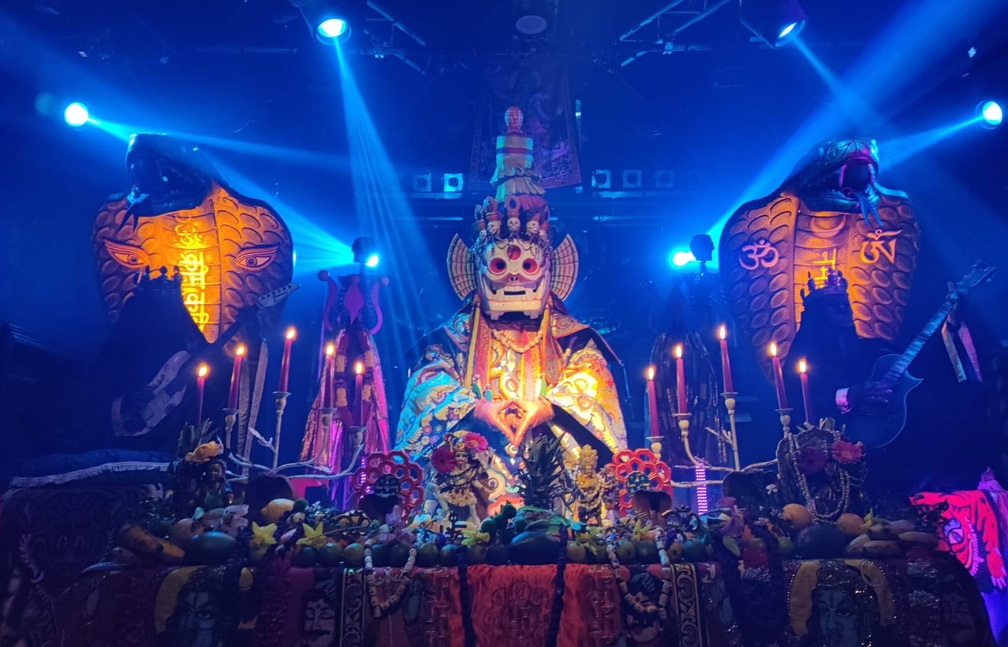 Staff pick
Summoning of Darkness in Stockholm, Sweden, brings together fans for a unique festival experience at Slaktkyrkan & Hus7. Attendees can explore a diverse merch…
 Staff pick
Icona Pop is a Swedish electropop duo best known for their global hit single "I Love It" featuring Charli XCX, which topped charts worldwide…
 Staff pick
Noah Kahan is an American folk singer and songwriter signed to Republic Records in 2017. His debut EP, "Hurt Someone," was released in 2018.…
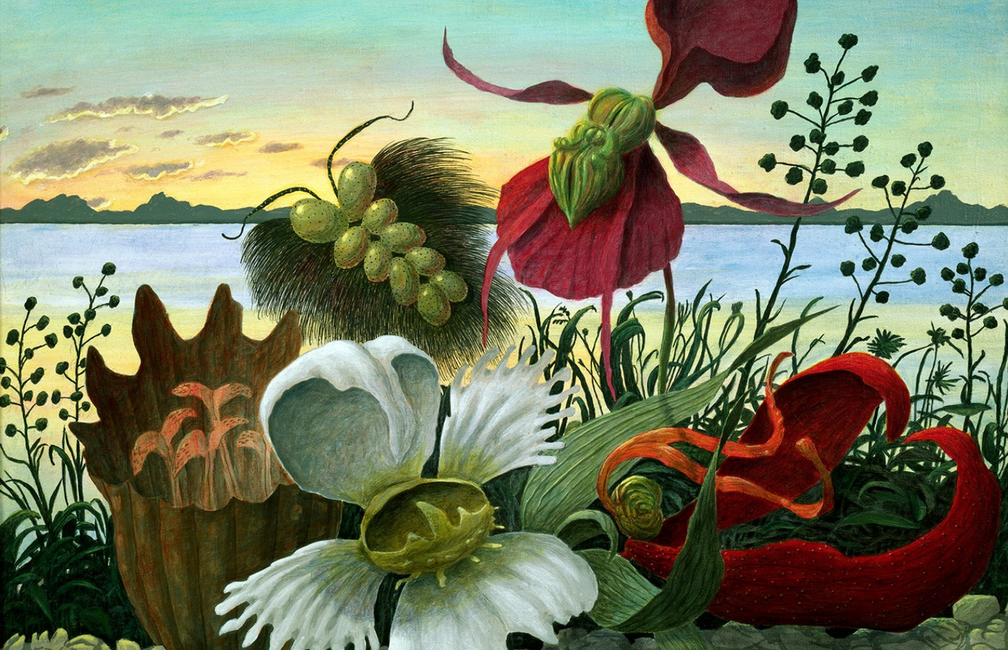
The Subterranean Sky explores the evolution of Surrealism through nearly 200 works from the Moderna Museet Collection and additional loans. You will encounter art…
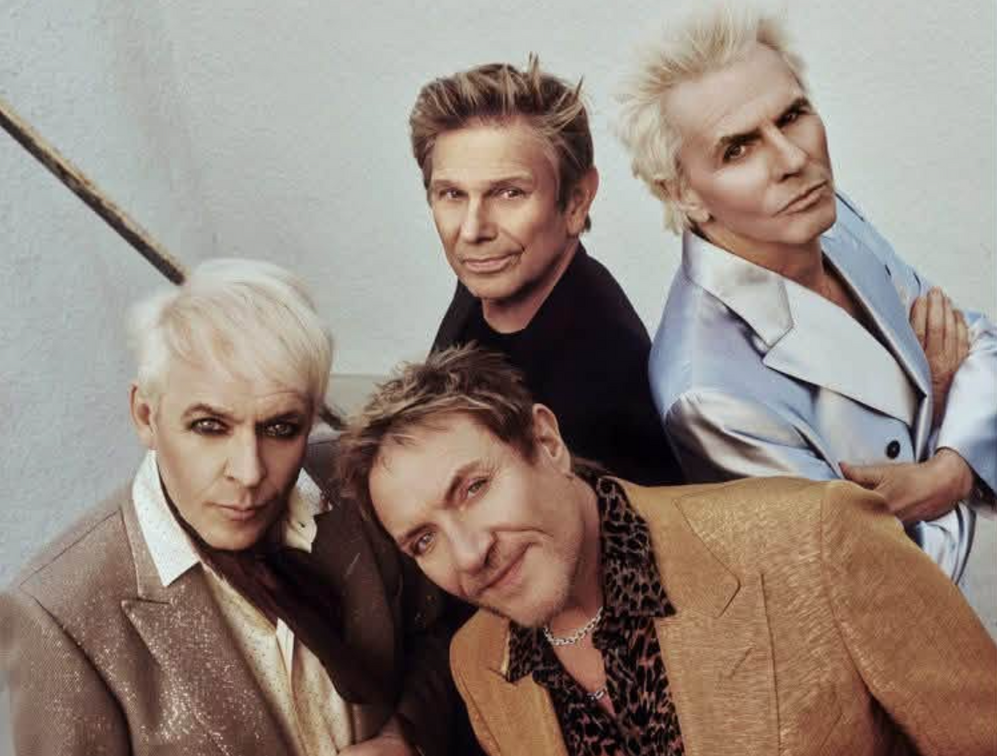
British band Duran Duran returns to Sweden with a stop at Avicii Arena as part of their 12-date European tour. You can expect to…
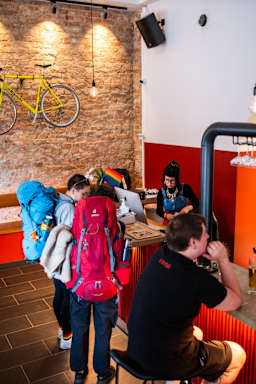
A good scene in Gamla stan, Södermalm and around the central station, including hostels on boats. Live from Hostelworld.
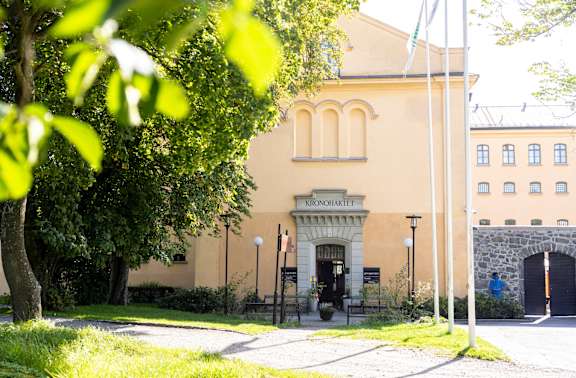
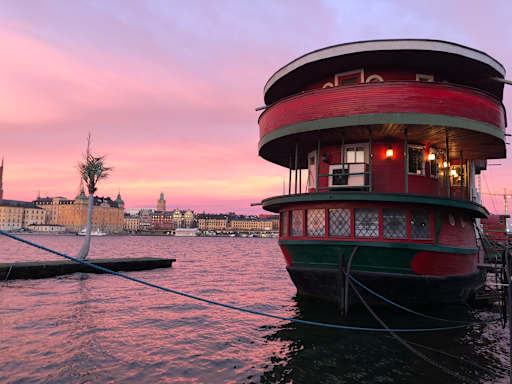
 Sustainable
 Sustainable
 Sustainable
May to September for light and the archipelago. December for markets and dark.
Average highs. Daylight runs from about six hours in December to over eighteen in June, and many Swedes take long holidays in July, so some smaller places close then.
Pick how you travel. Per person per night, in euros — you will pay in kronor, at roughly 11 to the euro, and mostly by card.
Shown in euros for comparison; Sweden uses the krona and many places do not take cash. The food line assumes dagens lunch rather than dinner out.
The ones we get asked most.

Compare Stockholm hostels — live prices, real reviews and free cancellation on most bookings. Then meet the people already there in the app.

 Get the App.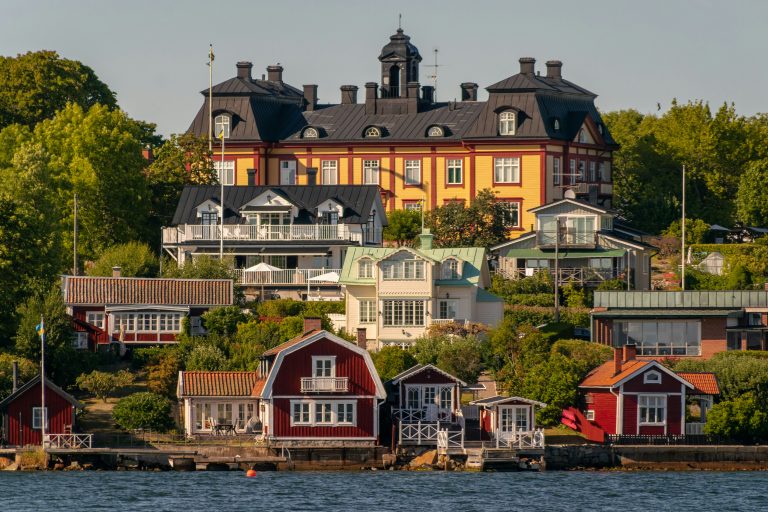
 Get the App.