Avenida del Libertador
First visits, food, tour pick-upsThe main street, with restaurants, shops and tour agencies. Most glacier tours pick up along here.

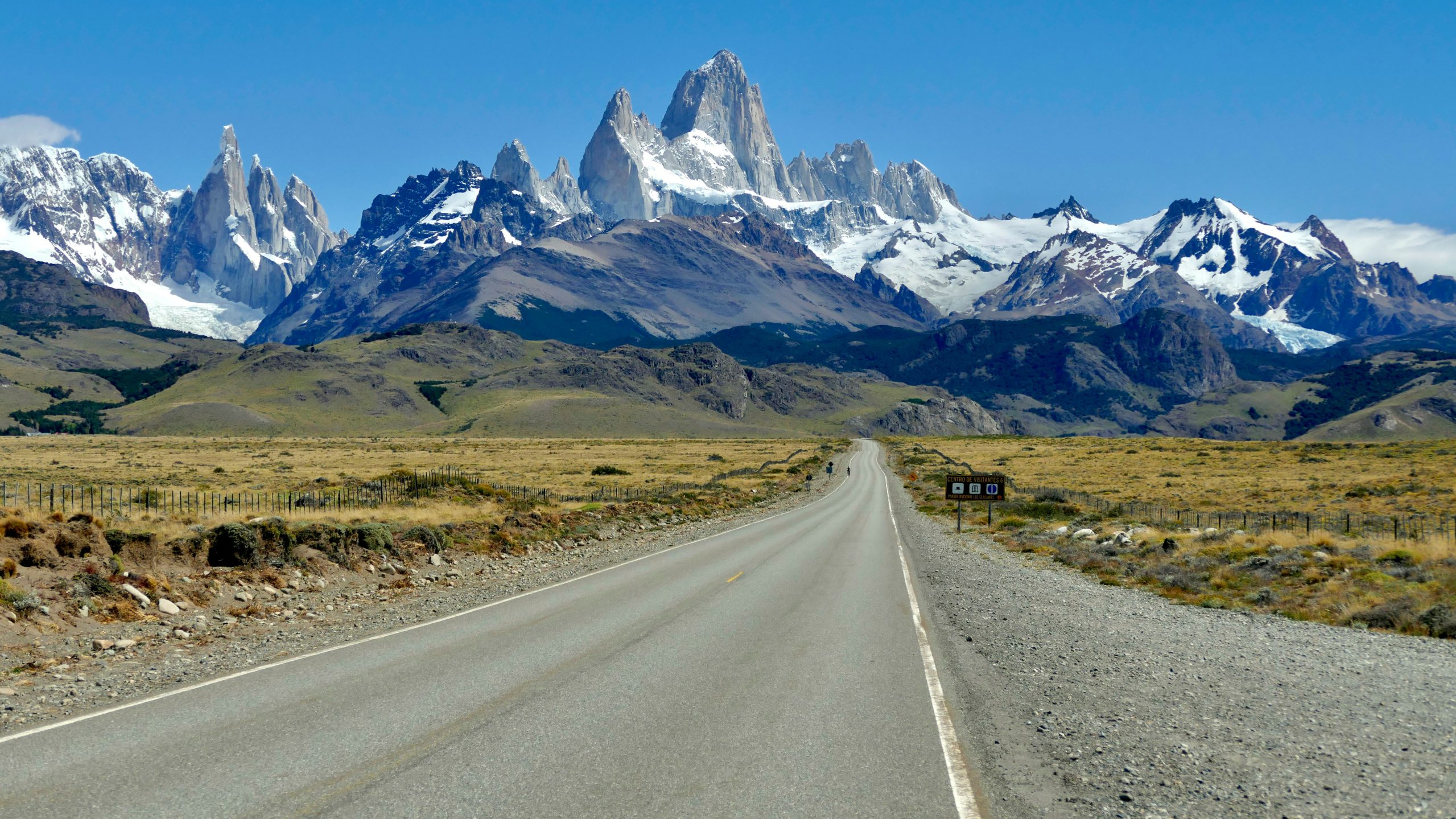
A lakeside town on the Patagonian steppe and the gateway to the Perito Moreno glacier, a wall of ice that cracks, groans and crashes into the lake while you watch.
El Calafate sits on the southern shore of Lago Argentino, the country's largest lake, with the dry, wind-scoured steppe on one side and the Southern Patagonian Ice Field on the other. The town itself is small and built for visitors: one main street, Avenida del Libertador, lined with outdoor gear shops, chocolate shops, restaurants and tour agencies.
People come for the glaciers of Los Glaciares National Park, and above all for Perito Moreno, around 80km west of town. Its front stands some 60 metres high and runs for kilometres across the lake, and a network of walkways lets you watch it from every angle as blocks of ice break off with a noise like thunder. Boat trips go right up to the face, and you can even walk on it with crampons.
Two or three days is enough for most travellers: one for Perito Moreno, one for a boat trip to the other glaciers or a lazy day by the lake, and time to arrange the bus north to El Chaltén or over the border to Puerto Natales and Torres del Paine in Chile.
El Calafate is compact and walkable. Stay near Avenida del Libertador for restaurants and tour pick-ups, or up the hill by the bus terminal for early departures.
The main street, with restaurants, shops and tour agencies. Most glacier tours pick up along here.
Up the steps behind the main street. Handy for the first bus to Perito Moreno or El Chaltén.
North of the centre towards the lake and the bird reserve. Calmer, with views over Lago Argentino.
Further along Avenida del Libertador towards the glacier road. Quieter and often cheaper, a longer walk from the centre.
Orange labels are neighbourhoods, dots are the 10 top-rated hostels. Map data from OpenStreetMap contributors.
Perito Moreno comes first, and it deserves a full day. Buses and tours leave town in the morning and give you several hours on the walkways, which wind down the hillside opposite the glacier's front. Stay long enough and you will see, and hear, ice crash into the lake. A short boat trip takes you right up to the face for a different scale altogether.
For something more active, guided ice treks put crampons on your boots and walk you across the glacier's surface; the shorter trek finishes with a whisky on glacier ice. Longer boat trips leave from Puerto Punta Bandera to the Upsala and Spegazzini glaciers, deeper in the park and quieter.
Back in town, the Glaciarium is an interpretation centre about ice and climate, just outside El Calafate, and the Laguna Nimez nature reserve at the edge of town is home to flamingos, black-necked swans and plenty of other birds. Horse riding and asado at an estancia on the steppe is the other classic.
Most of El Calafate's big days out cost money, so the free things are worth knowing. The lakeshore path along Lago Argentino is a lovely walk at any time of day, with flamingos in the shallows and the mountains across the water.
The main street is fun to wander in the evening, when the shops and cafés are busy, and the hill behind town gives you a view over the whole lake for the price of a short climb. Sunset over the water can be spectacular when the wind drops.
If you are heading to Perito Moreno, you can make the most of the park ticket by packing your own lunch and staying on the walkways for as long as the bus allows.
Patagonian lamb is the dish to try. Cordero al asador is cooked whole on an iron cross over a wood fire, and several restaurants on and around the main street do it properly. Trout from the lakes and rivers is the other local speciality.
The calafate berry gives the town its name, and you will find it in ice cream, jam, liqueur and beer. Local legend says that anyone who eats it will return to Patagonia. Chocolate shops line Avenida del Libertador, and the bakeries are good for empanadas to take on a glacier day.
Eating out costs more than in the north of Argentina, so many travellers cook in their hostel kitchen and treat themselves to one lamb dinner. Supermarkets in town are better stocked and cheaper than in El Chaltén, so stock up here before heading north.
El Calafate is a small town with an early-to-bed crowd, as most glacier tours leave in the morning. That said, the main street has a decent choice of bars and breweries, and summer evenings stay light until late.
Craft beer is the local drink of choice, often with calafate berry in it. A few bars have live music at weekends in high season, and hostel bars and common rooms are where travellers swap tips on El Chaltén and Torres del Paine.
On clear nights, the steppe skies are dark enough for great stargazing a short walk from the town lights.
The town is small enough to walk. For Perito Moreno, regular buses leave the bus terminal in the morning and return in the afternoon, taking around an hour and a half each way, and many tours include the transfer. Car hire gives you more freedom but is expensive.
El Calafate's airport is around 20km east of town, with flights from Buenos Aires and Ushuaia. Shuttle buses meet most flights and drop off at hotels and hostels in town.
Long-distance buses leave the terminal for El Chaltén (about three hours north), Puerto Natales in Chile (for Torres del Paine, around five to six hours with the border crossing) and Río Gallegos. Book ahead in January and February.
El Calafate is one of Argentina's more expensive towns, though cheaper than El Chaltén for food and supplies. Dorm beds run from about €8 to €25, with prices highest in January and February.
The big costs are the glacier days. The Los Glaciares National Park ticket for foreigners went up to ARS 50,000 in June 2026 (around €28 at the time of writing), the return bus to Perito Moreno is extra, and ice trekking and long boat trips cost far more on top. Budget for one big experience and plan the rest around it.
Prices are set in pesos and change often with inflation, so check them close to your trip. Cards are widely accepted, but carry some cash for buses and small shops.
El Calafate is a safe, relaxed town, and crime against travellers is uncommon. Normal precautions apply in busy hostels and at the bus terminal, but the bigger concerns are practical ones.
Wind is the first. Gusts off the steppe can be fierce, so hold on to hats, maps and car doors. At Perito Moreno, stay on the walkways: falling ice sends waves and shards across the water, and people have been hurt standing too close to the shore in the past.
The sun is strong at this latitude and reflects off the ice, so wear sunglasses and sun cream even on cool days. In an emergency, call 911.
Most travellers combine El Calafate with at least one of these.
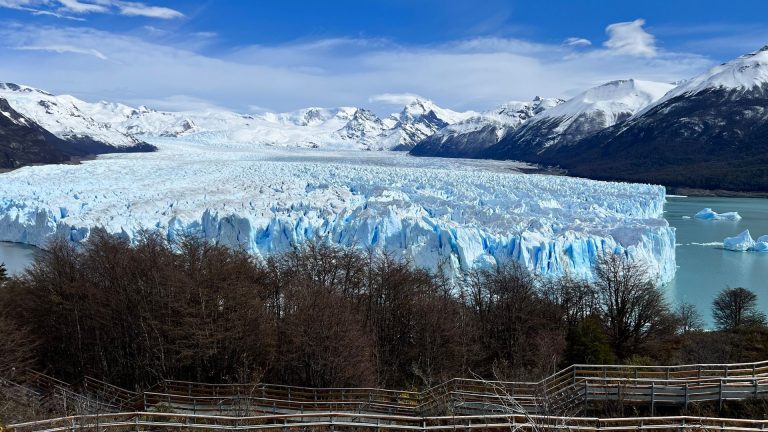
The walkways, the boat to the face, and ice crashing into the lake.
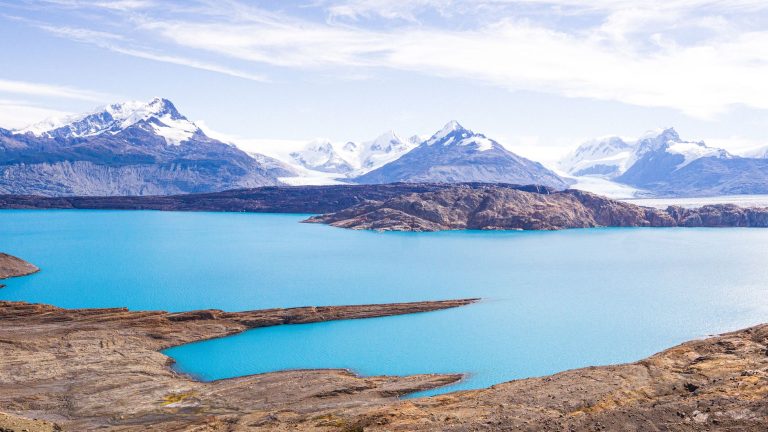
Huge glaciers and icebergs deeper in the park, reached only by water.
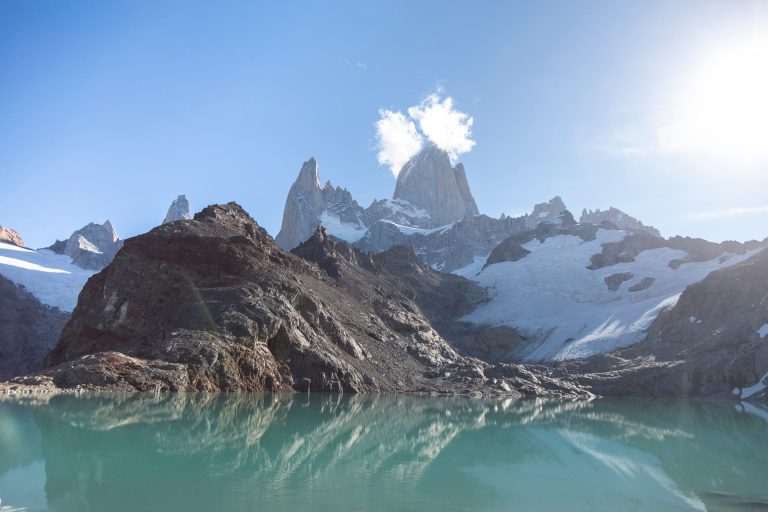
Argentina's trekking capital, under Fitz Roy. Better as a stay than a day trip.
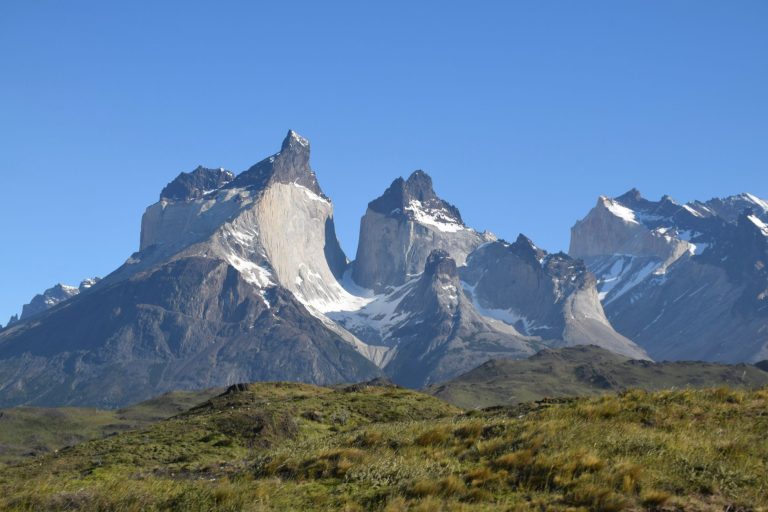
Chile's most famous national park, best as a multi-day trip.
A small-town calendar of Patagonian culture, food and music.
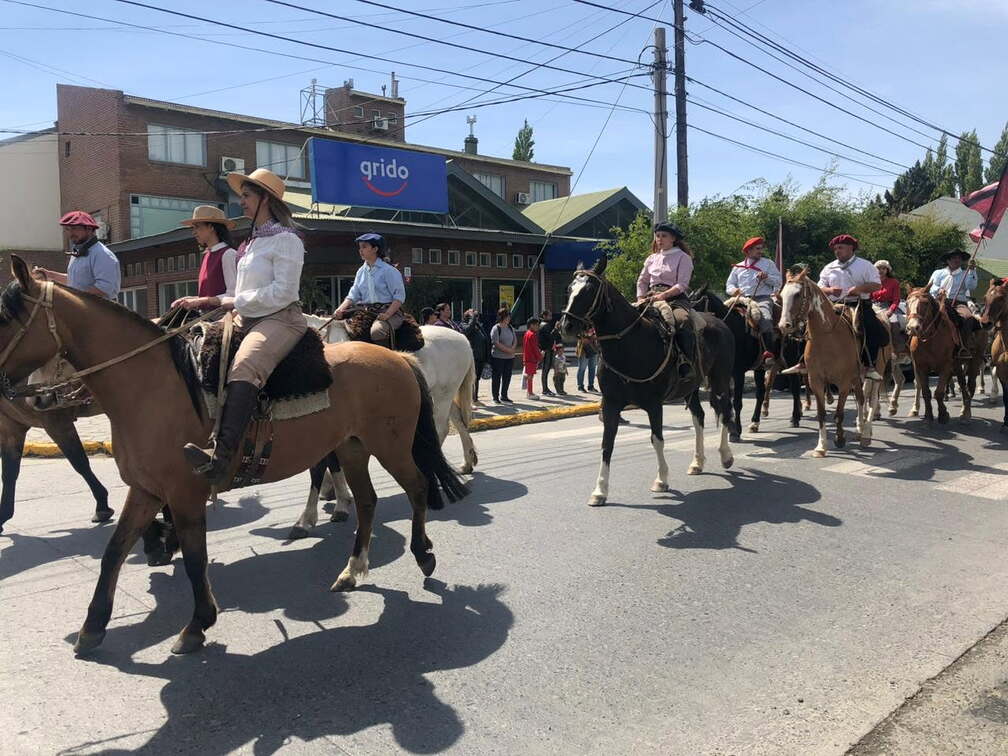
El Calafate marks Tradition Day with two days honoring Creole customs and gaucho culture as part of the "Road to the Centennial" program. Horse…
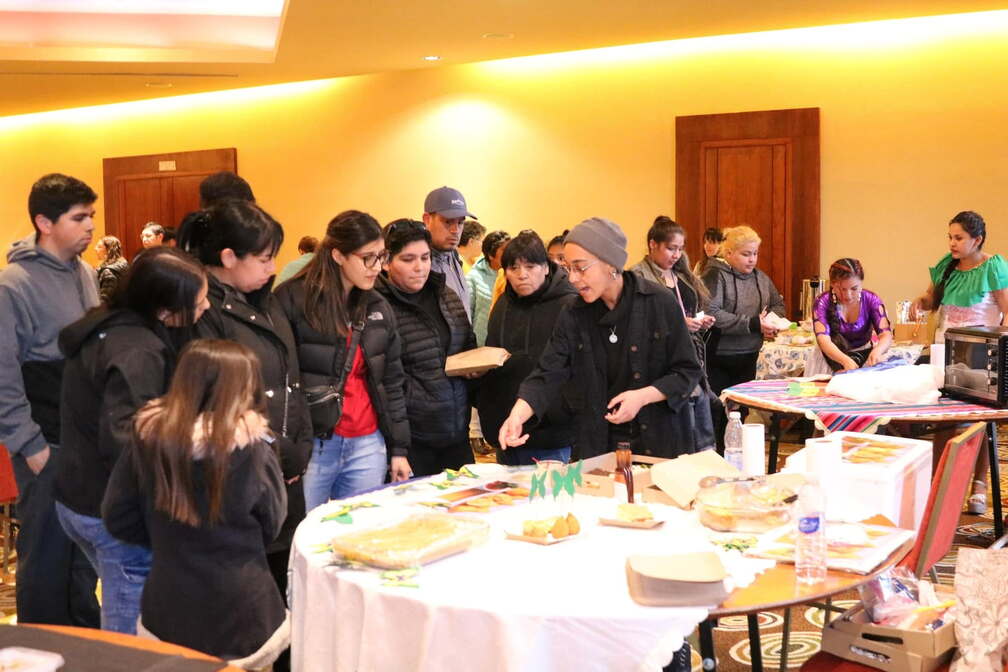
El Calafate hosts this celebration of regional culture and food, bringing together both locals and visitors for an evening of Patagonian traditions. The second…
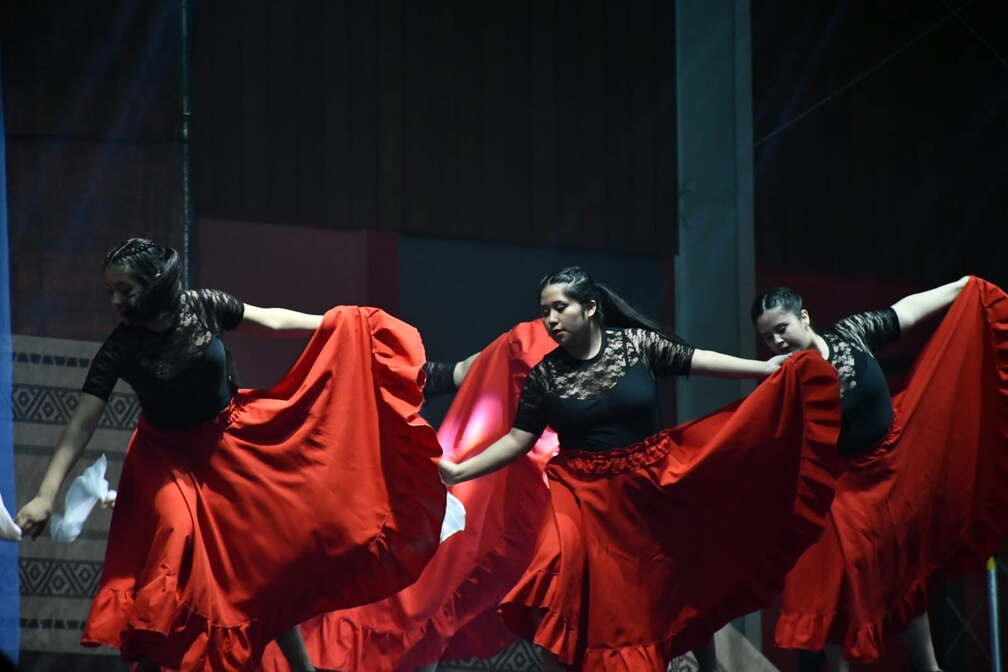
Folk dancers from across Argentina and Chile converge on El Calafate for this three-day celebration of traditional dance. The 7th edition brings together delegations…

La Toldería hosts live DJs playing various music genres on Fridays and Saturdays, and this night brings DJ Lucas Manessi to the decks with…
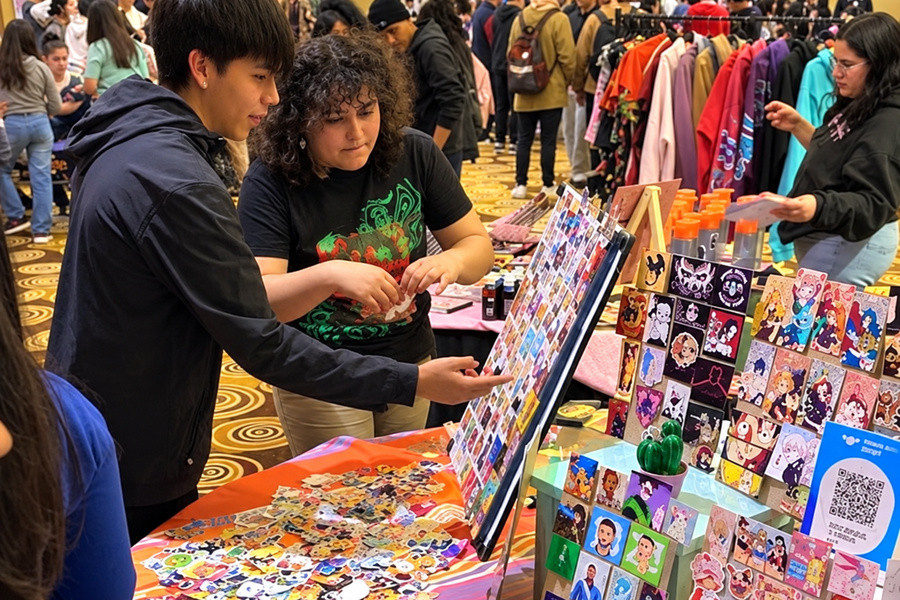
Expo Soy brings together the creative energy of El Calafate's young people in one lively showcase. The event highlights artistic expressions, local projects, ventures,…
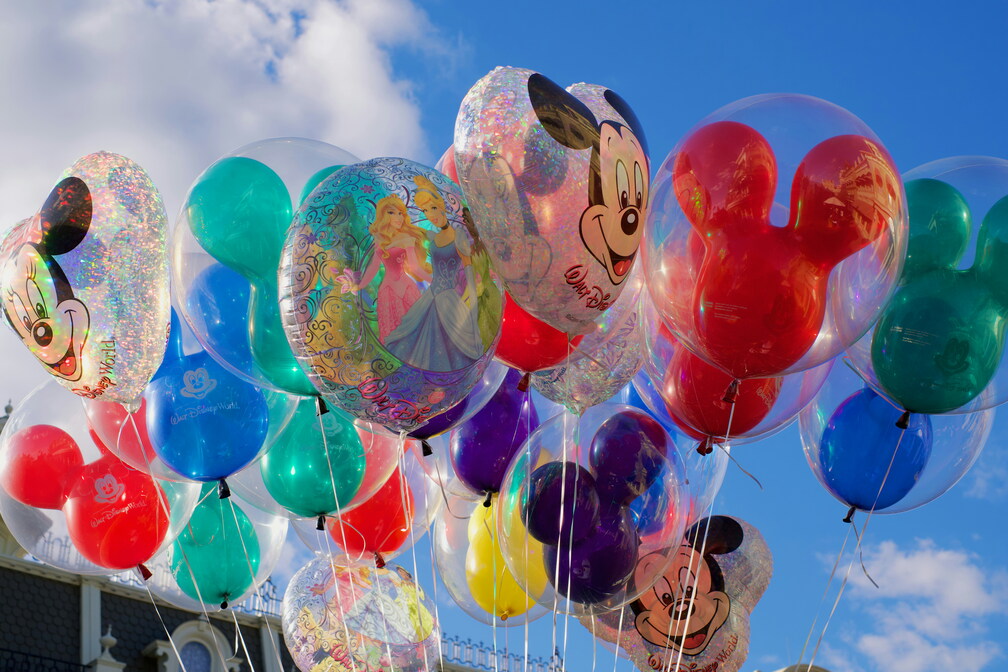
Disney brings its magic to El Calafate's Microestadio Municipal for an evening of themed entertainment. The show takes place on November 21, 2026, at…
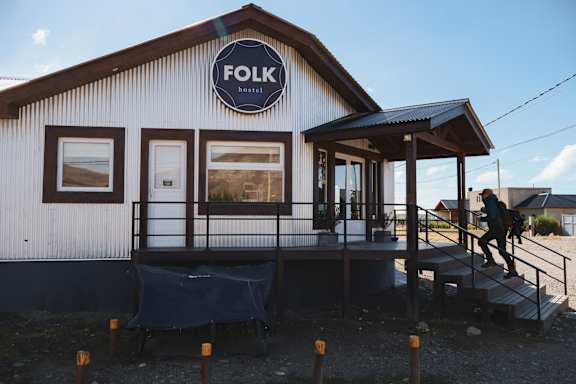
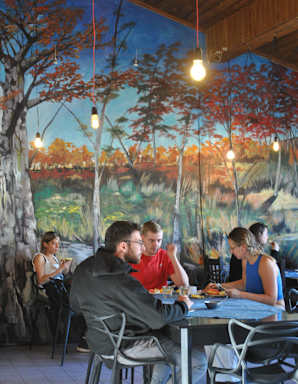
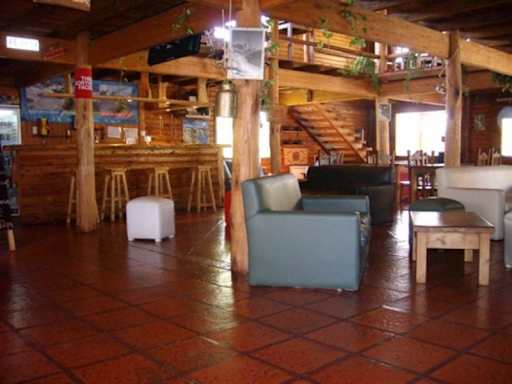
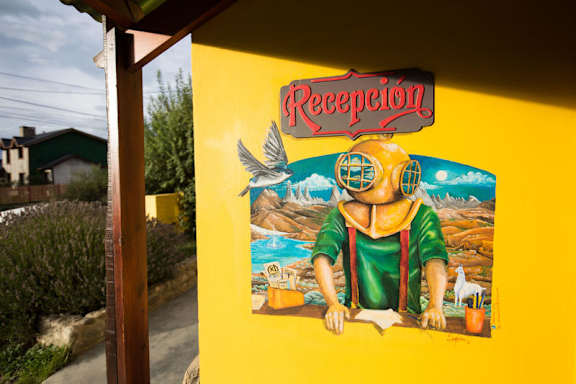
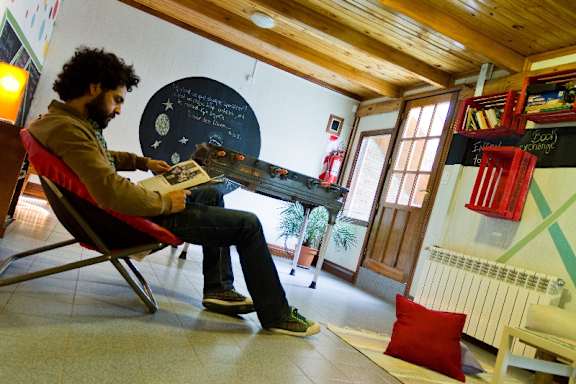
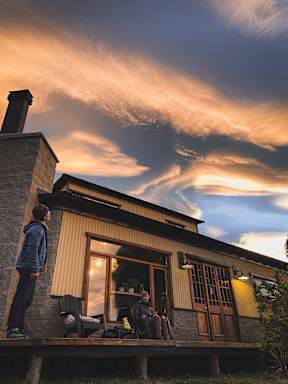
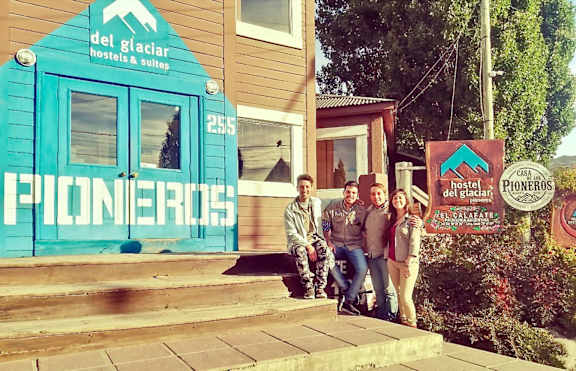
The highest-rated hostels in El Calafate, live from Hostelworld. January and February book up early.

October to April is the season, when the boats, buses and tours all run. Perito Moreno is open all year, and winter visits are cold, quiet and beautiful.
Average highs, rounded. Wind is constant, especially from November to February.
Per night, for one person, in El Calafate's high season. Doing things includes a share of a Perito Moreno day.
Prices change with inflation, so treat these as a guide. Ice trekking and long boat trips cost extra.
The ones we get asked most.

Compare hostels in El Calafate: live prices, real reviews and free cancellation on most bookings. Then meet the people heading your way in the app.

 Get the App.



 Get the App.