Vila do Abraão
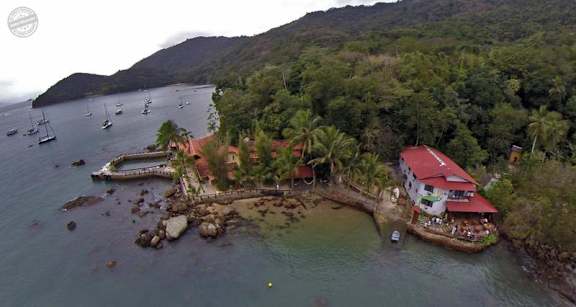
First visits, everythingThe island's main village, with the ferry pier, hostels, restaurants and boat trips.

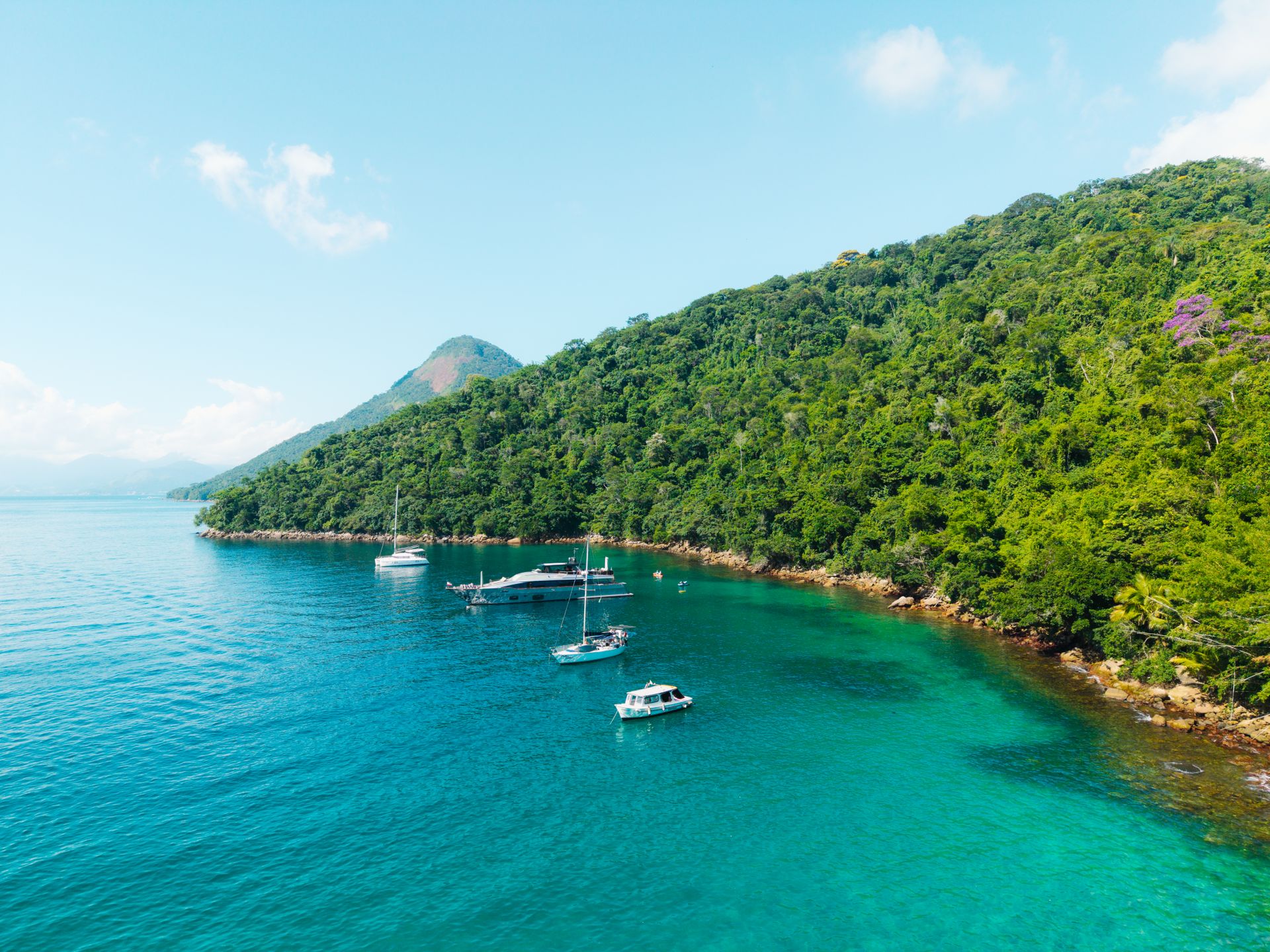
A car-free island of Atlantic rainforest, waterfalls and more than 100 beaches, a few hours from Rio. Hike through the jungle in the morning and swim in turquoise water in the afternoon.
Ilha Grande lies off the coast between Rio de Janeiro and Paraty, covered almost entirely in protected Atlantic rainforest. There are no cars on the island, and its history kept it wild: it was a leper colony and then the site of a notorious prison until the 1990s. Today it is one of Brazil's favourite escapes, with jungle trails linking dozens of beaches, many of them reachable only on foot or by boat.
Almost everyone arrives in Vila do Abraão, the island's main village, where the ferries dock and most hostels, restaurants and tour operators are found. From there, trails lead around the coast to beaches like Lopes Mendes, often named among Brazil's most beautiful, and boat trips run to lagoons with water so clear it looks unreal.
Plan on three or four days: one for Lopes Mendes, one for a boat trip to the Lagoa Azul and Lagoa Verde, one for a hike to the Pico do Papagaio or the waterfalls, and a slow one in Abraão. Bring cash and good walking shoes.
Vila do Abraão is the only real village and the base for almost everyone. Quieter beaches like Palmas and Araçatiba have a few guesthouses for those who want to escape.
The island's main village, with the ferry pier, hostels, restaurants and boat trips.
A small beach community on the trail to Lopes Mendes, with a few guesthouses.
A fishing village on the island's western side, reached by boat.
Orange labels are neighbourhoods, dots are the 9 top-rated hostels. Map data from OpenStreetMap contributors.
Lopes Mendes is the beach everyone comes for: a long arc of white sand and clear water on the Atlantic side, reached by a trail through the forest of around two to three hours from Abraão, or by a boat to Pouso followed by a short walk. Bring water and food, as there are few facilities.
Boat trips are the other highlight. Tours to the Lagoa Azul, with tropical fish in shallow blue water, and the Lagoa Verde run daily from Abraão, often combined with stops at beaches and snorkelling spots. Longer trips go around the island to remote beaches like Aventureiro.
For hikers, the island's trails range from easy walks to the Cachoeira da Feiticeira waterfall and the old aqueduct to the steep climb up Pico do Papagaio, around 980 metres, for sunrise over the island. The ruins of the old prison at Dois Rios tell the island's darker history.
The trails are free, and they are the best way to see the island. From Abraão you can walk to the beaches of Abraãozinho and Preta, the old aqueduct and the Feiticeira waterfall, and with more time, all the way to Lopes Mendes.
The beaches near the village are free and good for swimming, and the sunset from the jetty in Abraão is a daily event.
The Atlantic forest is full of wildlife, and walking quietly on the trails you may see monkeys, toucans and colourful birds.
Abraão has a good choice of restaurants for a small village, from por quilo lunches to seafood on the beach. Fresh fish, prawns and moqueca are the local favourites, and açaí bowls fuel hikers in the morning.
Prices are higher than on the mainland because everything arrives by boat, so many travellers cook in their hostel kitchens. The small supermarkets in Abraão have the basics.
On hikes and beach trips, take water and snacks, as many beaches have no shops.
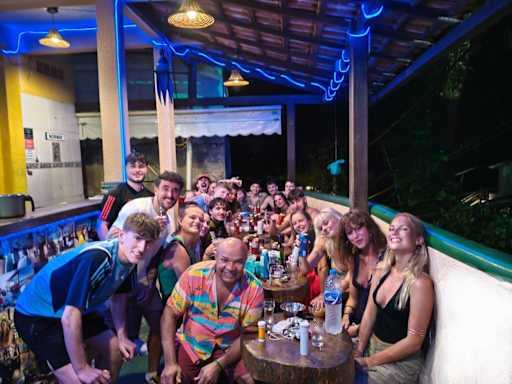
Abraão has a relaxed nightlife, with beach bars, live music and caipirinhas along the waterfront, and hostel bars that run parties at weekends and in summer.
In high season, especially at New Year and Carnival, the village gets busy and lively. Outside those times, nights are calm and sociable.
There are no cars and little light pollution, so the stars are excellent on clear nights.
There are no cars on Ilha Grande, so you walk or take boats. Water taxis and scheduled boats run from Abraão to beaches around the island.
To reach the island, take a bus or transfer from Rio to Conceição de Jacareí or Angra dos Reis, then a ferry or speedboat to Abraão. The whole journey from Rio takes around three to four hours. Combined bus and boat transfers from Rio and Paraty are easy to book.
Check the last boat times back to the mainland, especially in low season.
Ilha Grande is more expensive than the mainland, as everything is brought in by boat. Dorm beds run from around €12 to €25, rising at New Year and Carnival.
Boat trips and water taxis are the main extras, and they add up, so plan which ones you want. Hiking is free.
There are ATMs in Abraão, but they can be unreliable, so bring cash from the mainland. Cards and Pix are accepted in many places, but not all.
Ilha Grande is safe and relaxed, with little crime. The risks are on the trails and in the water.
Trails can be long, hot, steep and muddy after rain. Start early, take plenty of water, wear proper shoes and tell someone where you are going. Hike Pico do Papagaio with a guide or a group. The Atlantic-facing beaches can have strong currents.
Mosquitoes and sandflies are common, especially at dusk, so bring repellent. In an emergency, call 190 for police or 192 for an ambulance.
Everything here is a hike or a boat ride away.
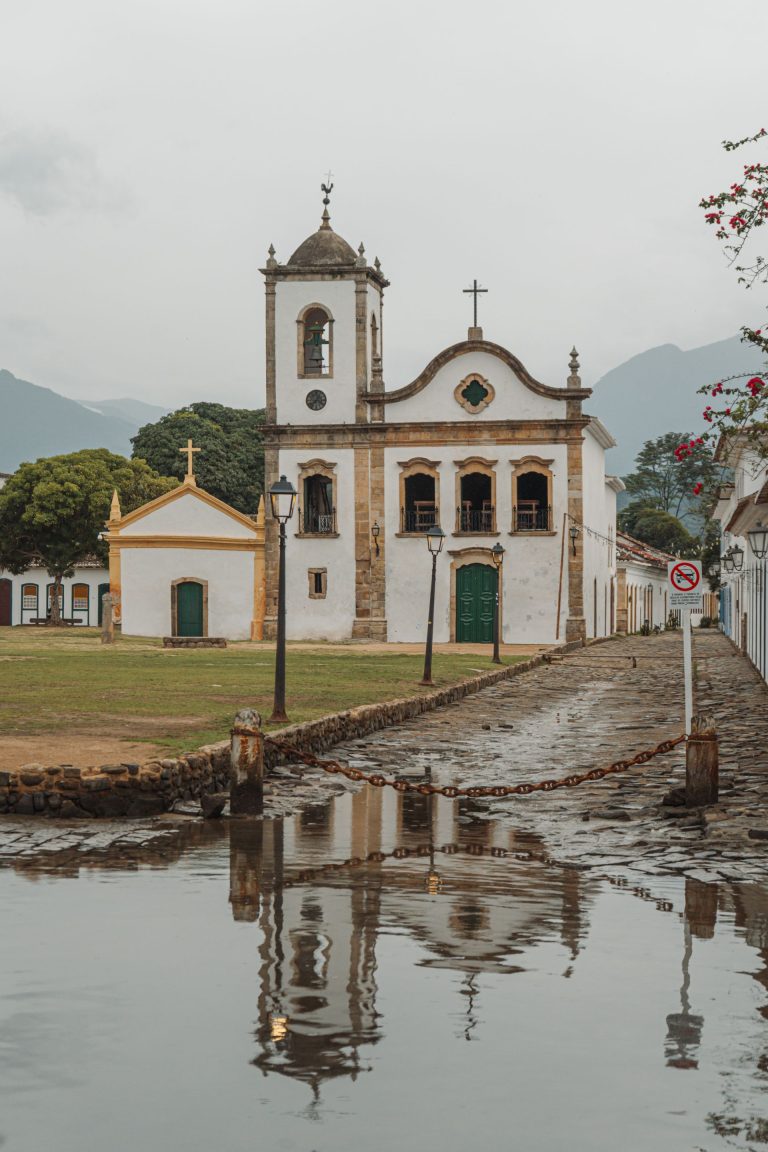
The colonial town on the mainland.
The island's calendar follows Brazil's holidays.
Beach parties and fireworks. Book well ahead.
Street parties in the village.
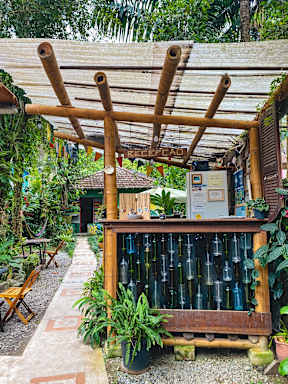
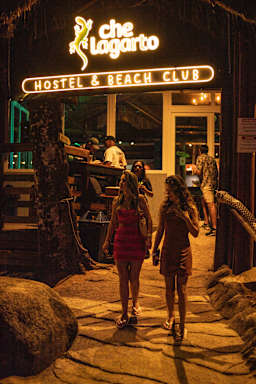
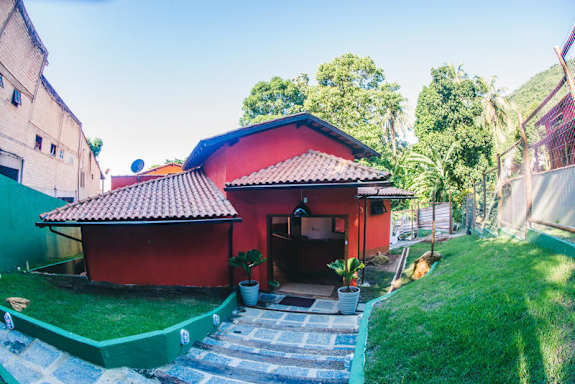
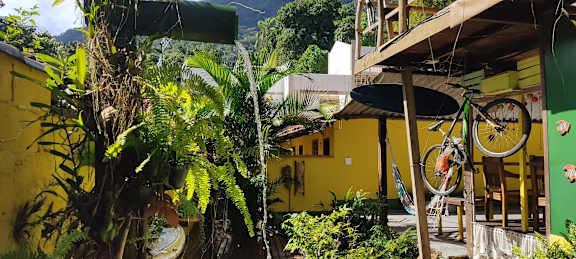
The highest-rated hostels on Ilha Grande, straight from Hostelworld. Prices and availability are live on each property page.

Ilha Grande is warm all year. December to March is hot, busy and rainy in the afternoons; April to June and September to November are quieter and pleasant.
Average highs, rounded. Rain is more frequent in summer.
Per night, for one person, outside peak season.
Treat these as a guide. New Year and Carnival cost far more.
The ones we get asked most.

Compare hostels on Ilha Grande: live prices, real reviews and free cancellation on most bookings. Then meet the people already there in the app.

 Get the App.



 Get the App.