Historic centre
Sightseeing, tour pick-upsAround the Teatro Amazonas and the Largo de São Sebastião, with most hostels.

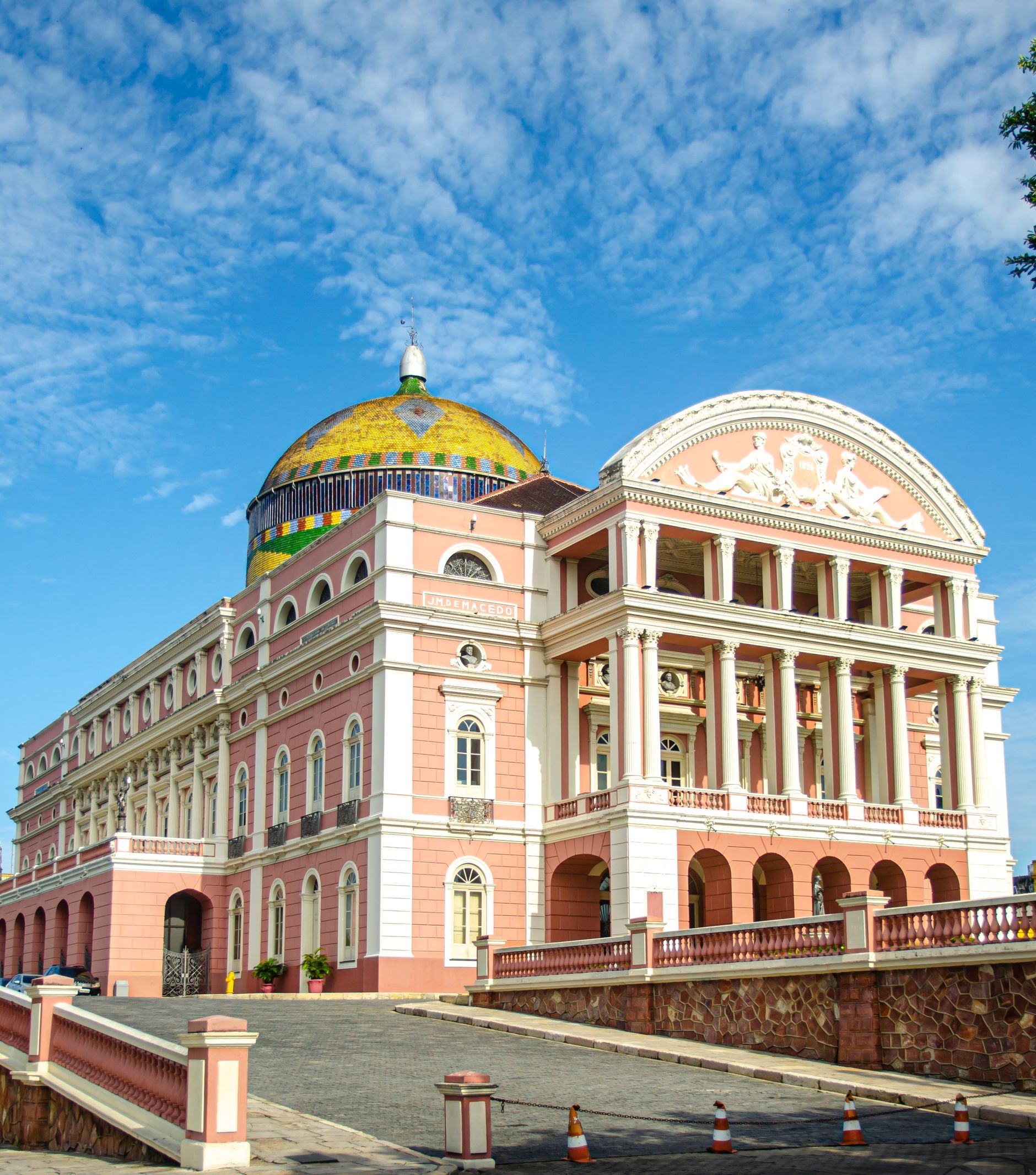
A city of two million in the middle of the Amazon rainforest, with an opera house built on rubber money and the meeting of two great rivers on its doorstep. The gateway to the jungle.
Manaus sits where the dark Rio Negro meets the sandy Rio Solimões to form the Amazon, around 1,500km from the Atlantic. There are no roads from most of Brazil, so nearly everyone arrives by plane or by boat. In the late 19th century, the rubber boom made Manaus one of the richest cities in the world, and the wealth built the Teatro Amazonas, a pink opera house with a dome of coloured tiles, along with grand mansions and a port market designed in iron.
Today Manaus is a big, busy, hot city, and most travellers come to leave it, heading into the rainforest on jungle lodge stays and river trips. A few days in the city is worth it for the opera house, the markets, the Meeting of the Waters, where the two rivers run side by side without mixing for kilometres, and the floating docks.
Plan on two days in Manaus and three or four in a jungle lodge. Choose an operator carefully, with licensed guides and responsible practices towards wildlife and local communities.
Stay in the historic centre near the Teatro Amazonas for sightseeing and tour pick-ups. Ponta Negra, on the river, is more modern, with a beach and restaurants.
Around the Teatro Amazonas and the Largo de São Sebastião, with most hostels.
A modern district on the Rio Negro, with a beach and promenade. Further from the sights.
Close to the river port and markets. Busy by day, quiet at night.
Orange labels are neighbourhoods, dots are the 4 top-rated hostels. Map data from OpenStreetMap contributors.
The Teatro Amazonas is the symbol of the city, and guided tours show its painted ceilings and the materials shipped from Europe to build it in the middle of the jungle. Catch a performance if you can, as concerts and the annual opera festival are held here. The Largo de São Sebastião in front of it is the city's liveliest square.
Take a boat trip to the Meeting of the Waters, where the black Rio Negro and the brown Rio Solimões flow side by side for several kilometres, often combined with a visit to see pink river dolphins and a floating village. The Mercado Adolpho Lisboa, the iron market by the port, sells Amazon fish, fruit and herbal remedies.
The real highlight is the jungle. Lodges along the rivers offer stays of two to five days with canoe trips, forest walks, caiman spotting at night, piranha fishing and visits to riverside communities. The Anavilhanas archipelago, one of the largest river archipelagos in the world, is a popular area further up the Rio Negro.
The Largo de São Sebastião, the square in front of the opera house, is free and has evening events and music. The historic centre's rubber-boom buildings and the waterfront are free to explore.
Ponta Negra, the city's river beach, has a long promenade and sunset views over the Rio Negro. The markets are free to wander and a great introduction to Amazon produce.
Some performances at the Teatro Amazonas are free or very cheap, so check the programme.
Amazonian food is unlike anything else in Brazil. River fish are the stars: tambaqui, grilled ribs and all, pirarucu, one of the largest freshwater fish in the world, and jaraqui, fried and eaten by the plate.
Tacacá, a hot soup of tucupi (fermented manioc broth), jambu (a leaf that makes your lips tingle) and dried prawns, is sold from street stalls in the afternoon. X-caboquinho, a bread roll with tucumã palm fruit and cheese, is the local breakfast.
The fruit is extraordinary: cupuaçu, açaí the way it is eaten in the Amazon, guaraná and dozens you will not have heard of. Try them in juices and ice creams.
Manaus has a lively nightlife, centred around the Largo de São Sebastião, with bars and live music in the square, and Ponta Negra, with riverside bars and restaurants.
Forró, sertanejo and the Amazon's own boi-bumbá rhythms are popular, especially around June, when the Parintins festival dominates the region's culture.
Use apps to get around at night.
The historic centre is walkable, and apps are the easiest way around the rest of the city. Buses are cheap but slow in traffic.
Eduardo Gomes airport, around 15km north of the centre, has flights across Brazil and to other South American cities. Few roads connect Manaus to the rest of Brazil, so most people fly.
River boats leave the port for Santarém, Belém and towns along the Amazon, a slow and memorable way to travel, sleeping in hammocks on deck for several days. Jungle lodges arrange transport from the city.
Manaus itself is reasonable, with dorm beds from around €12 to €20 and cheap street food and markets.
Jungle lodge stays are the main cost, usually priced per person per day with food, accommodation, guides and transport included. Prices vary a lot, so compare what is included and choose on reputation and responsibility, not only price.
Cards and Pix are widely accepted in the city. Bring some cash for lodges and riverside communities.
Manaus is a big city that needs normal urban care. Use apps at night, keep valuables out of sight and avoid quiet streets in the centre after dark. The port area can be busy with touts selling tours; book through your hostel or a reputable operator.
In the jungle, follow your guide's instructions, do not touch or feed wildlife, and use strong repellent. Yellow fever vaccination is recommended for the Amazon, and malaria precautions may be advised depending on where you go; check with a travel health service.
The heat and humidity are intense, so drink plenty of water. In an emergency, call 190 for police or 192 for an ambulance.
The rainforest is the reason to come.
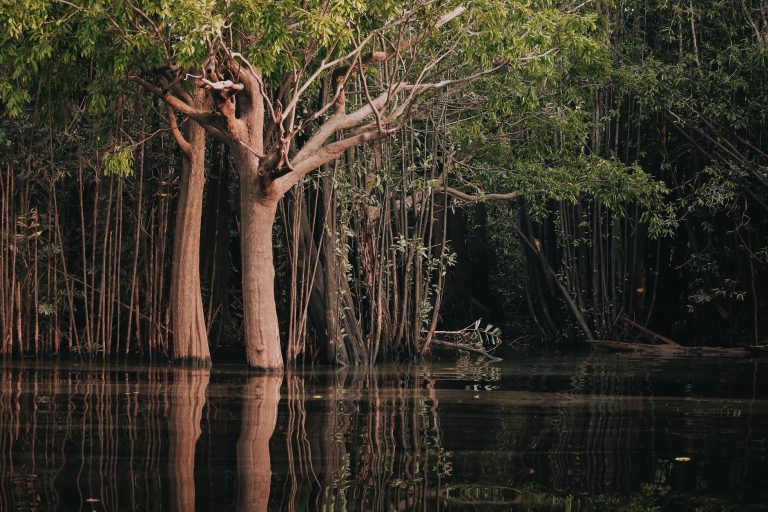
Canoe trips, forest walks and caiman spotting.
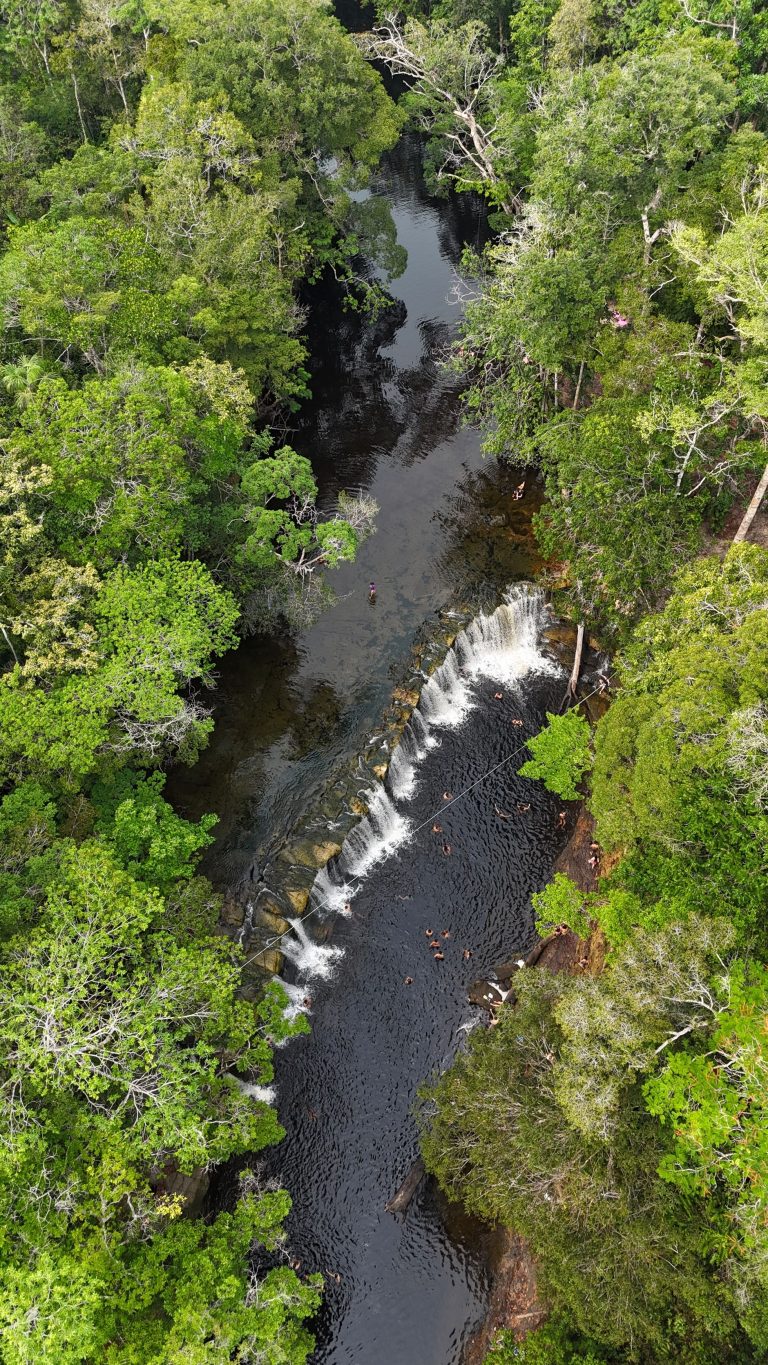
Waterfalls and caves north of the city.
From opera to the Amazon's biggest folk festival.
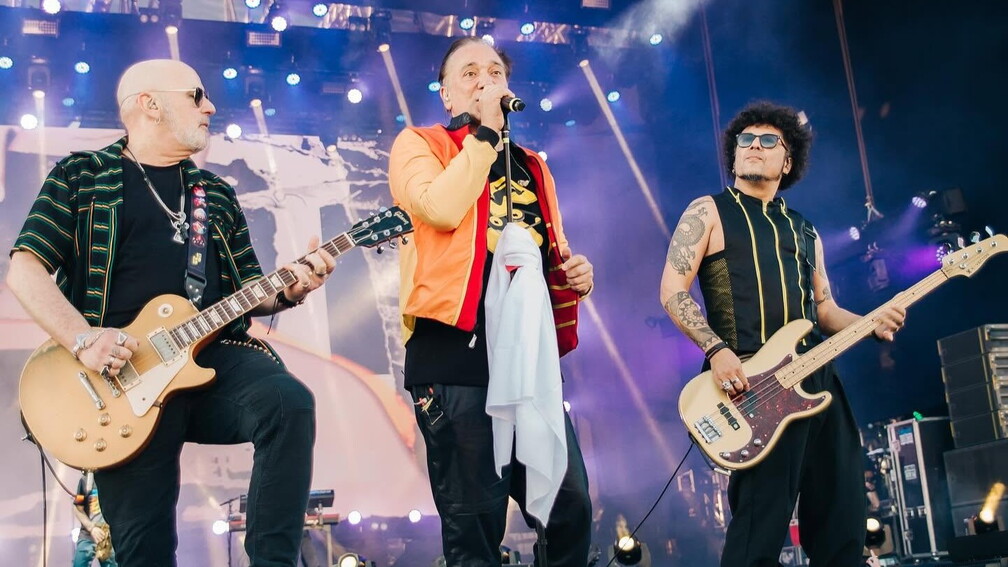
Thirty years after Renato Russo's passing, this festival pays tribute to one of Brazilian rock's most influential voices. Critical Age takes the stage at…
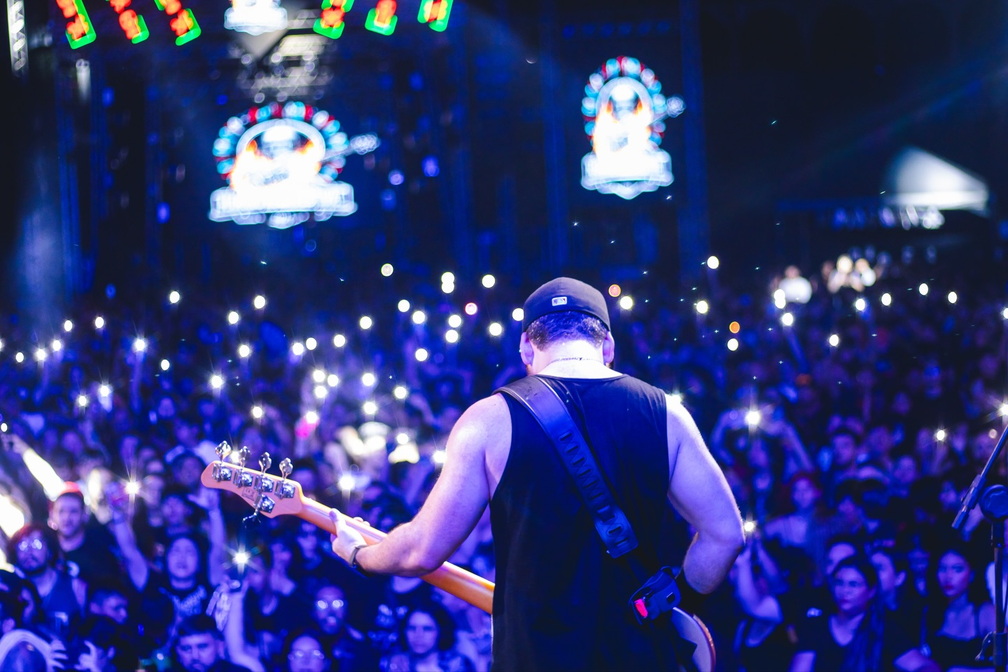
Manaus Rock Festival aims to put the Amazon capital firmly on Brazil's major rock festival circuit, bringing together national heavyweights and regional bands keeping…

Luan Santana brings his Historical Record #2 tour to Manaus, celebrating the hits that have defined his career and topped the charts. The show…

American Food marks one stop on the year-long "Around the World" gastronomic circuit at Ponta Negra Shopping, where six themed food events take you…

Have you ever thought about turning your creativity into art? Sesc's Art & Culture is now accepting enrollments for their Painting on Canvas course,…

Candlelight concerts bring the magic of a live, multi-sensory musical experience to striking venues, and this tribute to Michael Jackson fills Teatro Manauara —…

A string ensemble performs Taylor Swift's catalog by candlelight at Teatro Manauara, transforming familiar pop anthems into something quietly dramatic. The symphonic rock arrangements…

Rapper D$ Luqi brings his "A Odisseia do Neguinho" tour to Manaus for an afternoon show at O Irlandês Pub. The performance is a…
The highest-rated hostels in Manaus, straight from Hostelworld. Prices and availability are live on each property page.
Manaus is hot and humid all year. The rivers are highest from around May to July, when boats reach flooded forest, and lowest from around September to November, when beaches appear and forest walks are easier.
Average highs, rounded. Rain is heaviest from December to May.
Per night, for one person, in the city. Add the cost of a jungle lodge.
Treat these as a guide. Jungle lodges cost extra.
The ones we get asked most.

Compare hostels in Manaus: live prices, real reviews and free cancellation on most bookings. Then find your jungle crew in the app.

 Get the App.




 Get the App.