Historic centre
Atmosphere, restaurantsThe car-free colonial streets, with guesthouses, bars and restaurants.

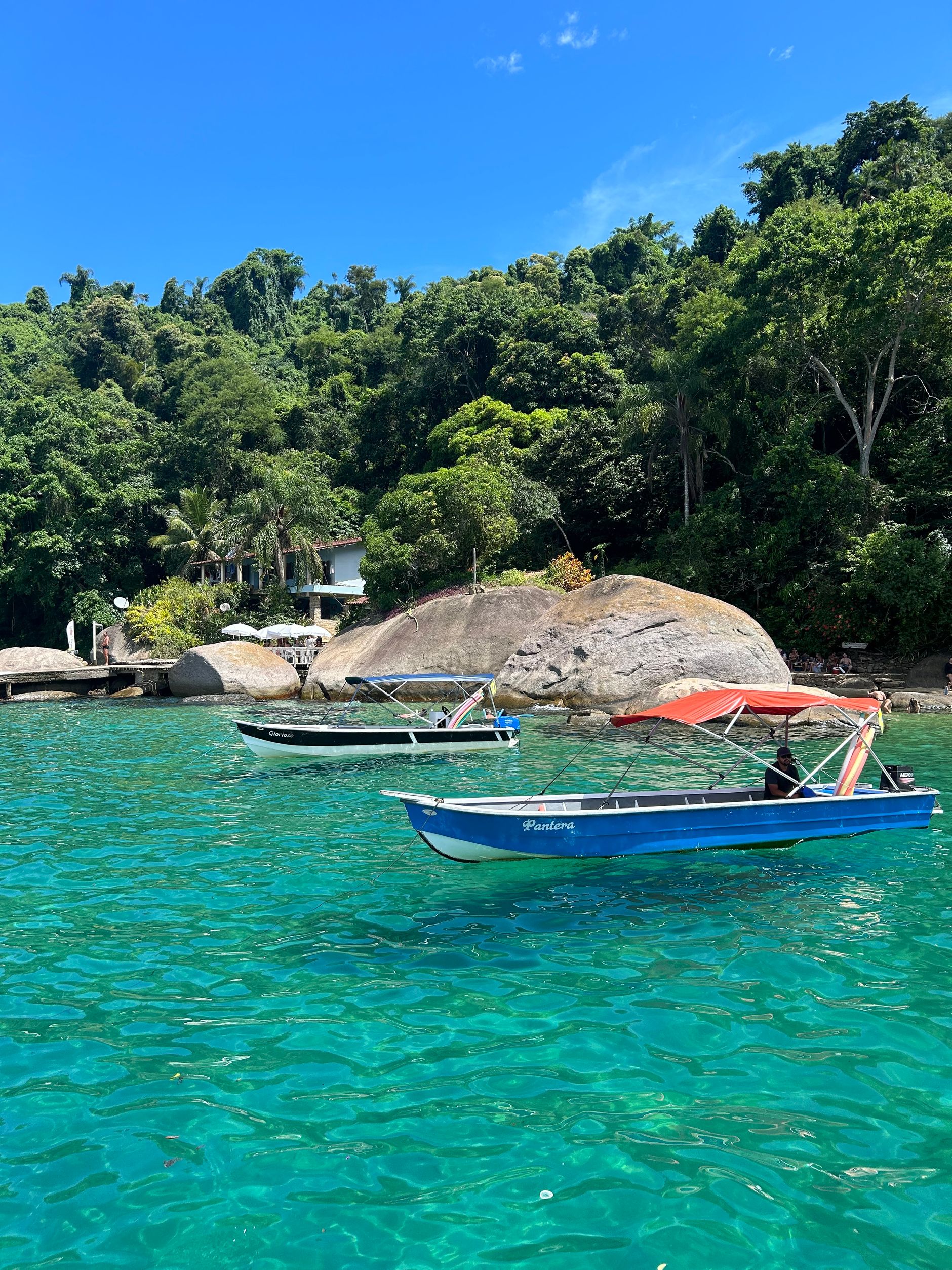
A colonial port of whitewashed houses and cobbled streets between the mountains and a bay of islands. Boat trips, waterfalls, cachaça and beaches, halfway between Rio and São Paulo.
Paraty grew rich in the 18th century as the port where gold from Minas Gerais was shipped to Portugal, and when the trade moved elsewhere, the town was left almost untouched. Its historic centre is one of the best-preserved colonial towns in Brazil, and together with the surrounding Atlantic forest and Ilha Grande it is a UNESCO World Heritage Site.
The old town is car-free, with large, uneven stones that are hard on the ankles and whitewashed houses with brightly painted doors. At the highest tides, the sea floods some of the streets, as the town was designed to let the water in and wash them out.
Around the town, the Costa Verde is full of beaches, islands and waterfalls. Boat trips around the bay, a day in the beach village of Trindade, a waterfall swim and a cachaça tasting at one of the local distilleries fill three or four days easily.
Stay in or near the historic centre for atmosphere and restaurants, or in Trindade for a beach-village escape.
The car-free colonial streets, with guesthouses, bars and restaurants.
A residential area with a shallow town beach, a short walk from the centre.
A former fishing village around 30km south, with stunning beaches.
Orange labels are neighbourhoods, dots are the 8 top-rated hostels. Map data from OpenStreetMap contributors.
Wander the historic centre, ideally early in the morning or at dusk when the light is soft and the day-trippers have gone. The churches, built separately for different social groups in colonial times, and the small museums tell the town's story.
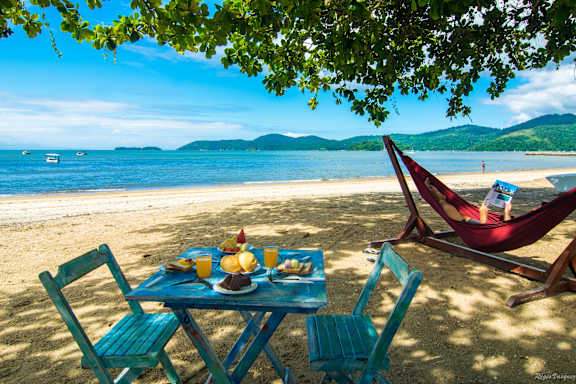
The bay is the main attraction. Schooner trips leave the pier every day for islands and beaches, with stops for swimming and snorkelling, and smaller boats can be hired for private trips. Trindade, around 30km south, is a former fishing village with stunning beaches and a natural pool, the Piscina Natural do Cachadaço, among the rocks.
Inland, the forest is full of waterfalls. The Cachoeira do Tobogã has a natural rock slide, and the Poço do Tarzan is a deep pool for swimming. The area has dozens of cachaça distilleries, many open for tastings, and the old gold road, the Caminho do Ouro, can be walked with a guide.
The historic centre is free to wander, and it is the best thing to do in Paraty. Watch the tide come into the streets, browse the craft shops and galleries, and sit by the water at sunset.
The town beach of Jabaquara is free and shallow, and the beaches of Trindade cost only the bus fare. Some of the waterfalls are free, and others charge a small fee.
Festivals fill Paraty's streets throughout the year, and many of their events are free.
Paraty's restaurants are some of the best on the Costa Verde, with seafood and fish at the heart of the menus. Peixe à Paraty, fish with a sauce of herbs and green banana, is a local speciality.
Cachaça is Paraty's other claim to fame: the town was once synonymous with the spirit, and the surrounding distilleries still produce some of Brazil's best. A caipirinha made with local cachaça is a must, and gabriela, a cachaça with cinnamon and clove, is a local favourite.
In the historic centre, prices are higher; walk a few blocks outside for por quilo lunches and simple local restaurants.
Paraty's nightlife is about bars in the historic centre, where live music, especially MPB and samba, fills the colonial buildings at weekends.
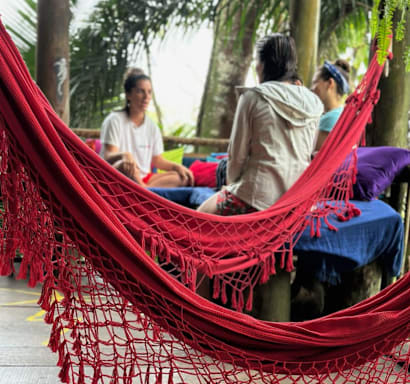
In summer and during festivals, the town gets lively. Hostels run social nights, and Trindade has beach bars with a laid-back crowd.
Wear sensible shoes, as the cobbles are tricky after a caipirinha or two.
The historic centre is car-free and small enough to walk. Local buses run from the bus station to Trindade and other beaches, and taxis are available for waterfalls.
Buses run from Rio (around four to five hours) and São Paulo (around five to six hours), and combined transfers to Ilha Grande are easy to book. The nearest major airports are in Rio and São Paulo.
Boats leave from the pier for trips around the bay.
Paraty is one of the pricier towns on the coast, especially in the historic centre. Dorm beds run from around €12 to €25, rising at New Year, Carnival and during festivals.
Schooner trips are affordable and the main extra, along with distillery tours and taxis to waterfalls.
Cards and Pix are accepted almost everywhere. Eat outside the historic centre to keep costs down.
Paraty is generally safe and relaxed. Take normal care with belongings at busy times and on beaches.
The cobblestones are the most common danger: they are large, uneven and slippery when wet, so wear good shoes and watch your step, especially at night.
At waterfalls, take care on slippery rocks and do not jump into pools without checking the depth. In an emergency, call 190 for police or 192 for an ambulance.
Beaches, islands and the forest are all close.
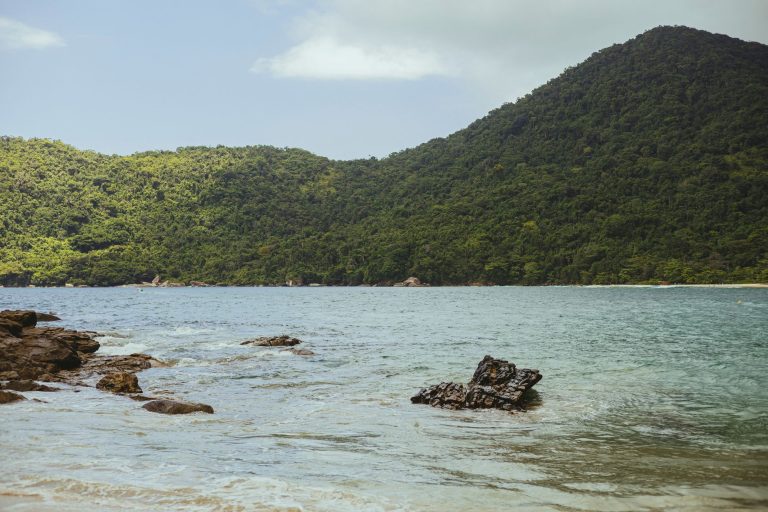
Beaches and the natural pool at Cachadaço.
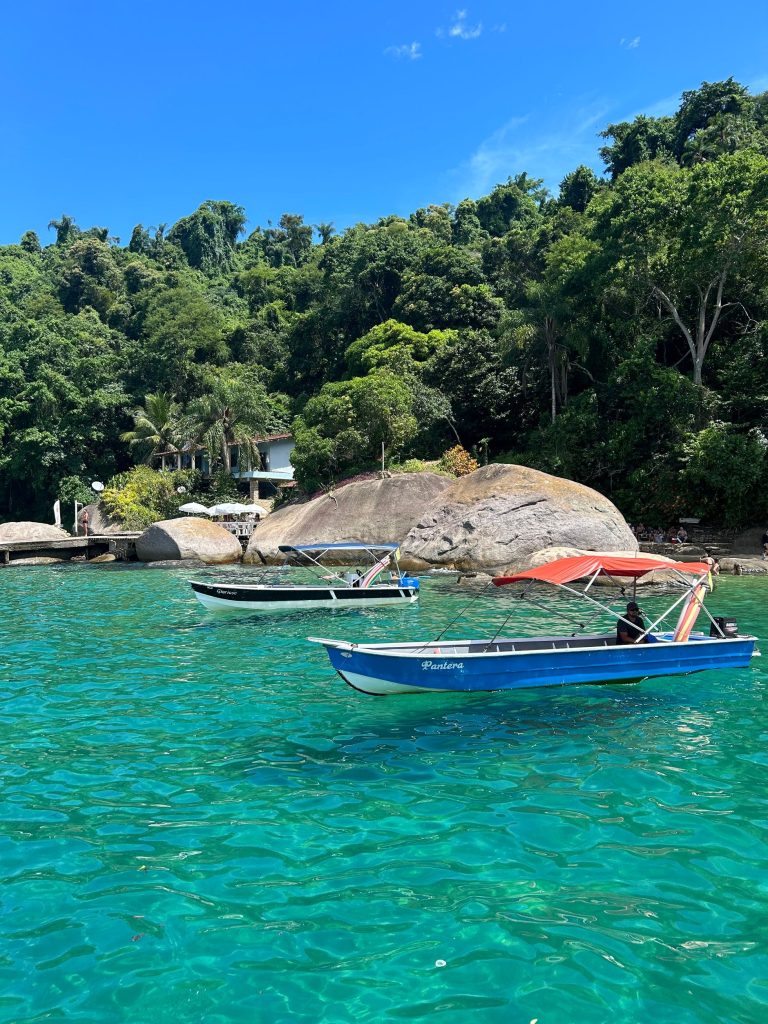
Islands, beaches and snorkelling spots.
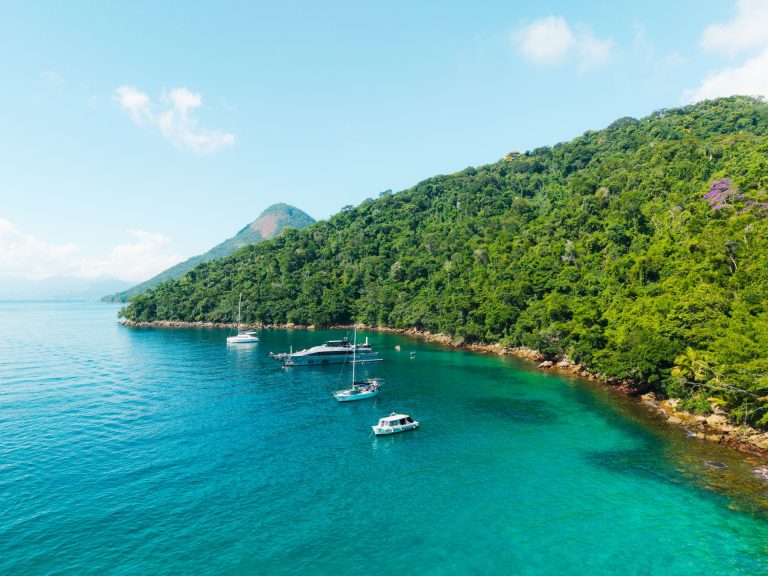
The car-free island of jungle and beaches.
Paraty has a festival for almost everything: literature, cachaça, music and religious feasts.
One of Latin America's most important literary festivals.
A festival of cachaça, food and music.
Street parties, including the famous mud bloco.
The highest-rated hostels in Paraty, straight from Hostelworld. Prices and availability are live on each property page.
Paraty is pleasant most of the year. December to March is hot and rainy; April to November is milder and drier, with festivals spread across the calendar.
Average highs, rounded. Summer brings afternoon storms.
Per night, for one person, based on Paraty prices.
Treat these as a guide. Festival weeks and New Year cost more.
The ones we get asked most.

Compare hostels in Paraty: live prices, real reviews and free cancellation on most bookings. Then meet the people already there in the app.

 Get the App.



 Get the App.