Centro
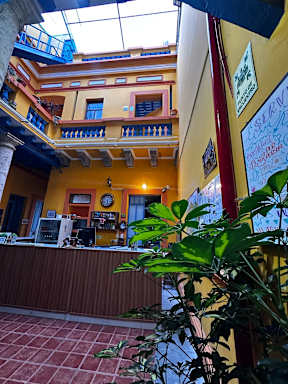
Convenient, buses, bag storageThe streets around the main square, with hostels that store bags for the loop.

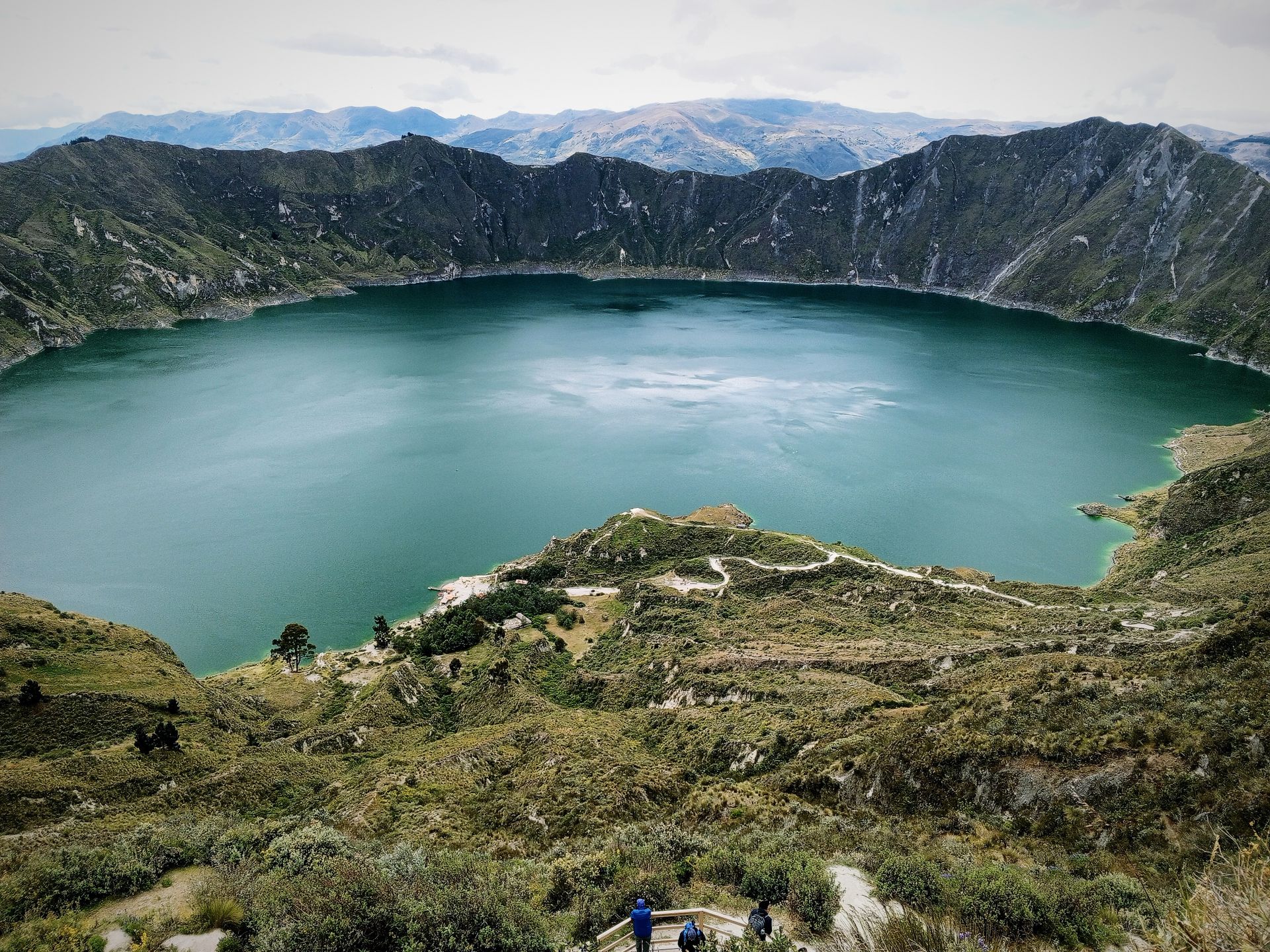
The gateway to the Quilotoa Loop and Cotopaxi: a quiet colonial town in the central highlands, and the place to start the best value trek in Ecuador.
Latacunga is a small colonial city at around 2,800 metres on the Avenue of the Volcanoes, south of Quito. It is not a big sight in itself, with a pleasant main square, whitewashed churches and a busy market, but it is the base for two of the highlights of Ecuador: the Quilotoa Loop and Cotopaxi National Park.
The Quilotoa Loop is a multi-day walk between Andean villages, through deep canyons and farmland, ending at the rim of Quilotoa, a volcanic crater filled with a lake of startling green and blue. You sleep in family-run hostels in the villages, with dinner and breakfast included, and need no guide. Cotopaxi, one of the highest active volcanoes in the world, is under an hour away, with a lake, hiking and a walk up to a mountain refuge.
Most travellers spend a night in Latacunga before and after the loop, leaving their big bags at a hostel. Give the whole area five days: one in town, three or four on the loop, and a day for Cotopaxi.
Stay in the centre, close to the square and the buses. Many hostels store bags while you walk the loop.
The streets around the main square, with hostels that store bags for the loop.
Sigchos, Isinliví, Chugchilán and Quilotoa, with family-run hostels on the trail.
Orange labels are neighbourhoods, dots are the 5 top-rated hostels. Map data from OpenStreetMap contributors.
Walk the Quilotoa Loop. The classic route starts with a bus to Sigchos, then walks over three days via Isinliví and Chugchilán to the crater rim at Quilotoa, with a steep final climb. Each stage takes around four to six hours through canyons, fields and villages. Many people walk it in the other direction, or shorten it, and buses link the villages if you need them. Download an offline map and get directions from your hostel, as the paths are not always marked.
At Quilotoa, walk down to the lake and back up, or hike part or all of the way around the crater rim, which takes around five hours. Visit Cotopaxi National Park on a tour or by taxi: walk around the Limpiopungo lagoon and climb from the car park to the José Ribas refuge at around 4,800 metres. Summit climbs need a certified guide and acclimatisation.
In town, the main square and the market are worth a wander. On Thursdays, the Saquisilí market, around 20 minutes away, is one of the biggest traditional markets in the highlands, with animals, food and crafts.
The Quilotoa Loop trails themselves are free, and you pay only for buses, beds and meals. Quilotoa charges a small fee at the crater.
Entry to Cotopaxi National Park is free, though you need transport to get there.
In Latacunga, the main square, churches and market cost nothing, and the Saquisilí market on Thursdays is free to explore.
Latacunga's dish is the chugchucara: fried pork, crackling, corn, potatoes, empanadas, plantain and popcorn on one big plate. It is served in specialist restaurants on the main road. Allullas, crumbly biscuits, are sold with string cheese at the bus stops.
On the loop, village hostels include dinner and breakfast, usually soup, rice and meat or vegetables, so you do not need to carry much food. Bring snacks and water for the walking days.
The town market has cheap almuerzos and fruit.
Latacunga is quiet at night, with a few bars near the square. Most travellers are preparing for or recovering from the loop.
In the villages, evenings are spent around the hostel fire, sharing dinner with other walkers.
Nights are cold at this altitude, so bring warm clothes.
The centre is walkable, and taxis are cheap. Buses to the start of the loop, Sigchos, and to Quilotoa and Chugchilán leave from the bus terminal. Ask your hostel for current times, as there are only a few each day for the villages.
Buses from Quito's Quitumbe terminal take around two hours, and buses to Baños around two. Many buses on the Pan-American Highway drop off on the main road rather than in the centre.
Cotopaxi National Park is under an hour away by tour or taxi; buses drop you at the park road but not inside.
Latacunga and the loop are very cheap. Dorm beds in town start around €7, and village hostels on the loop include dinner and breakfast for a little more.
Buses cost very little, and Cotopaxi is free to enter; tours there are the main extra.
Ecuador uses the US dollar. Bring enough cash for the loop: there are no ATMs in the villages.
Latacunga and the loop are safe. Take normal care with your belongings, and leave your big bag at a hostel in town.
Altitude is the main risk. The loop reaches almost 4,000 metres at Quilotoa, and the Cotopaxi refuge is at around 4,800 metres. Acclimatise in Quito first, walk slowly and drink water. Weather changes fast, so carry layers, rain gear and sun cream.
Some village dogs are territorial; a walking stick helps. Cotopaxi is an active volcano and the park closes if activity rises, so check before you go. In an emergency, call 911.
Crater lakes, volcanoes and highland markets.
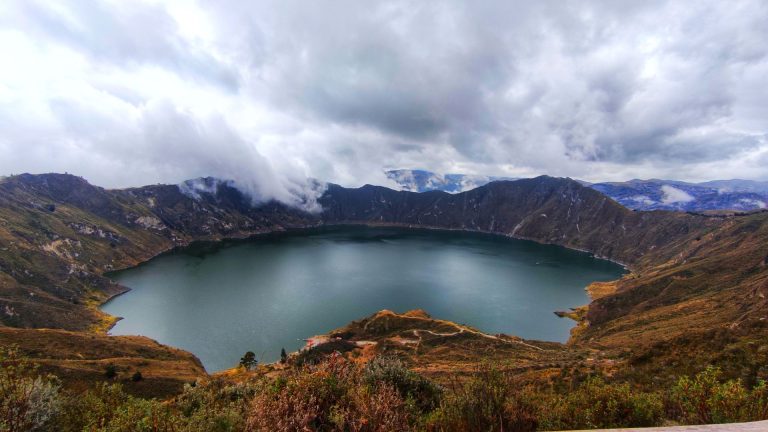
A crater lake at almost 4,000 metres, with a rim hike.
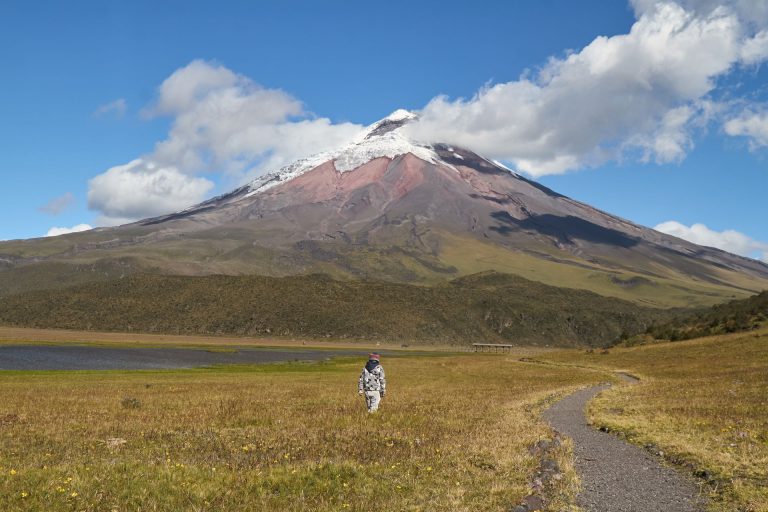
Limpiopungo lagoon and the walk to the José Ribas refuge.
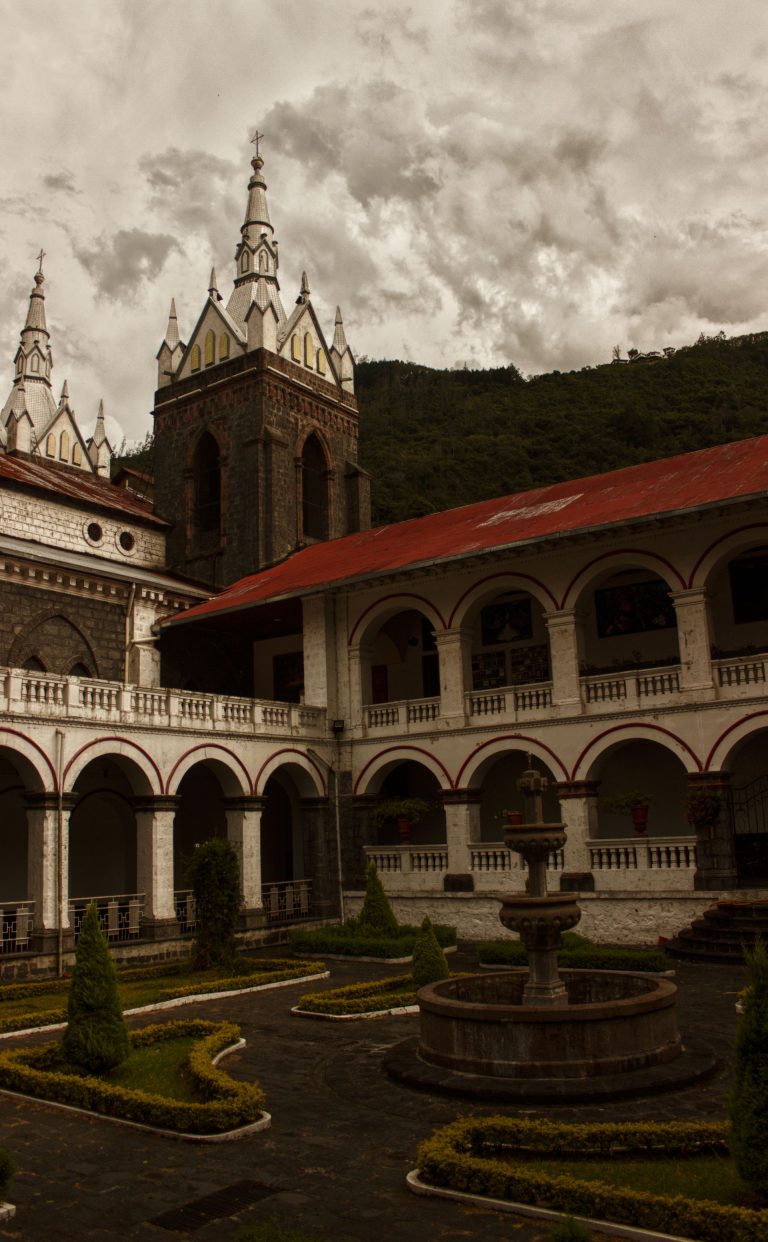
Waterfalls, hot springs and adventure sports.
The Mama Negra and highland markets.
A famous parade mixing Indigenous, African and Spanish traditions, with costumed dancers and music.
One of the biggest traditional markets in the highlands.
The highest-rated hostels in Latacunga, straight from Hostelworld. Prices and availability are live on each property page.
 Sustainable
June to September is the driest and clearest, the best for the loop and Cotopaxi. The rest of the year has afternoon rain and cloud, but mornings are often clear.
Average highs in Latacunga, rounded. It is colder on the loop.
Per night, for one person, based on Latacunga and Quilotoa Loop prices.
Treat these as a guide. Cotopaxi tours cost extra.
The ones we get asked most.

Compare hostels in Latacunga: live prices, real reviews and free cancellation on most bookings. Then meet the people already there in the app.

 Get the App.



 Get the App.