
How to Travel Europe for a Month on a Student Budget
So you’ve got a month free, a backpack, and not much else. Good news: figuring out how to travel Europe cheaply as a student is less about sacrifice and more about knowing where to spend and where to save. Thousands of students do exactly this every summer, hopping between countries on trains, sleeping in hostels, and somehow still coming home with money for one last dinner out.
This guide breaks down what a student budget travel month in Europe actually looks like in practice: the countries that stretch your euros furthest, how to move between them without draining your account, where to sleep, what to eat, and a full sample route with real numbers attached. No vague advice, just the plan.
How much should your monthly Europe budget actually cover? 💶
Before booking anything, split your europe month budget into four buckets: accommodation, food, transport and activities. This stops one category (usually transport, or one too many rooftop bars) from eating the whole trip.
A realistic breakdown for cheap ways to travel europe for a month as a student:
| Category | Daily estimate | Monthly total |
|---|---|---|
| Accommodation (hostel dorm) | €15-25 | €450-750 |
| Food | €12-20 | €360-600 |
| Transport | €5-15 | €150-450 |
| Activities & extras | €5-15 | €150-450 |
That lands most students somewhere between €1,100 and €2,250 for the month, depending heavily on which countries you prioritise. Leaning east and south (more on that below) pulls the lower end of every category down at once. Set your budget before you book flights, not after, since your route should follow your money rather than the other way around.
Which countries stretch a student budget furthest? 🗺️
Not all of Europe costs the same, and a smart route leans into that. Three regions consistently come out cheapest for student budget backpacking europe one month:
Portugal
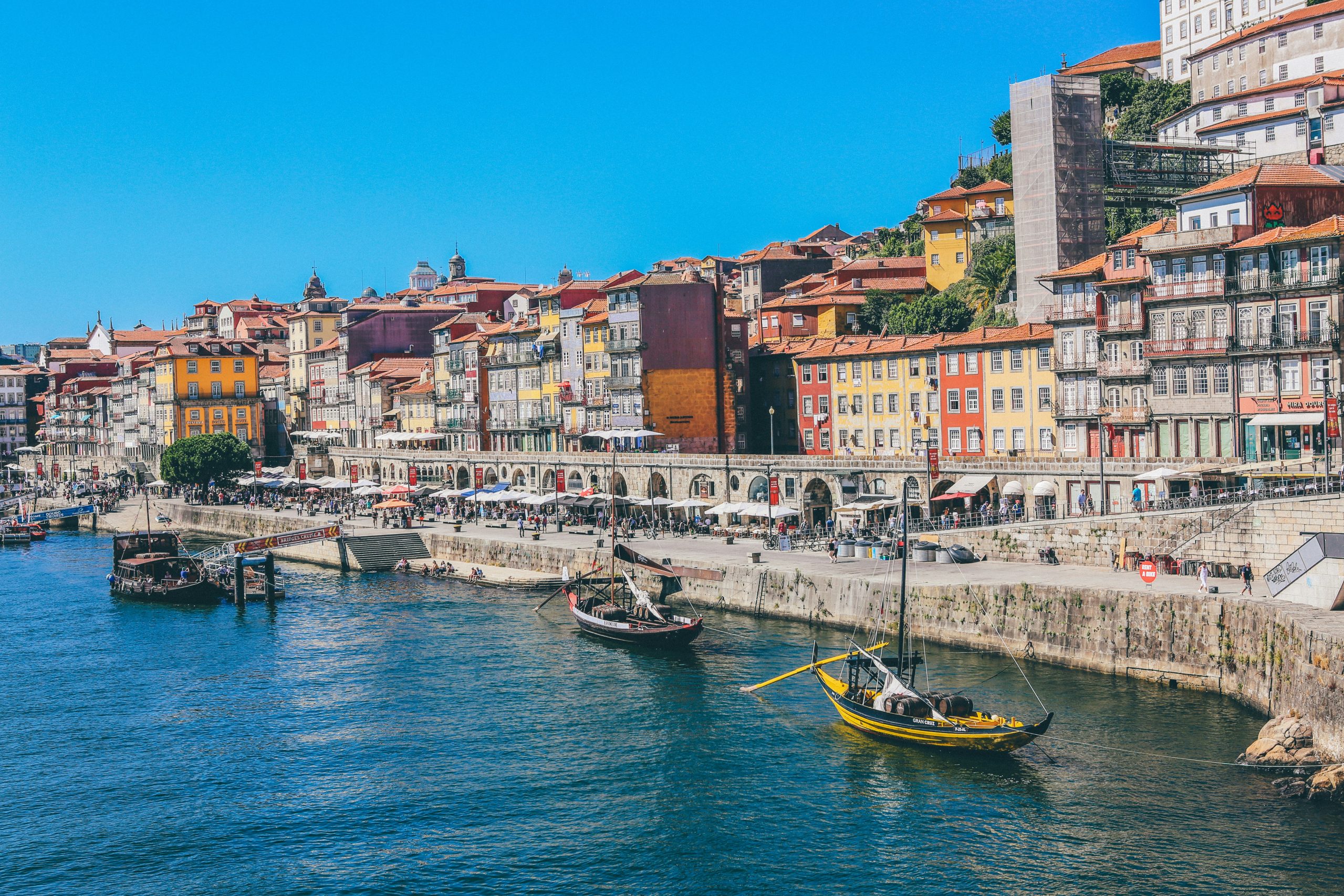
Lisbon and Porto both offer excellent food, walkable old towns and some of the lowest hostel prices in Western Europe.
Spain
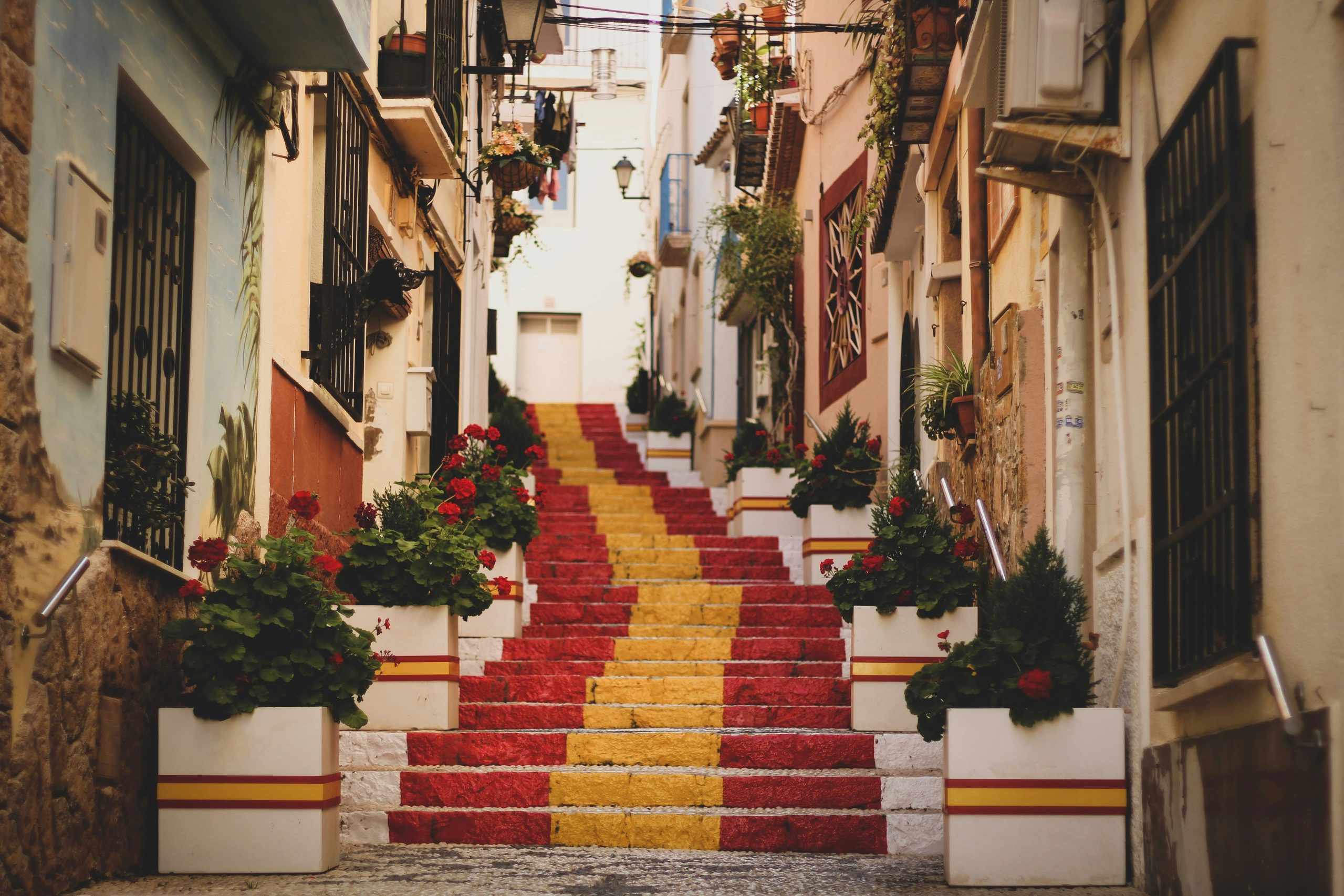
Barcelona and Madrid cost more than Portugal, but tapas culture and free walking tours keep daily spend manageable, especially outside July and August.
Eastern Europe
Prague, Budapest and Krakow are where your money goes furthest. A meal that’s €15 in Amsterdam is often €5-7 here, and hostel dorms regularly dip under €12 a night.
A four-week route that spends more nights here than in Amsterdam, Paris or the Alps will cost noticeably less overall.
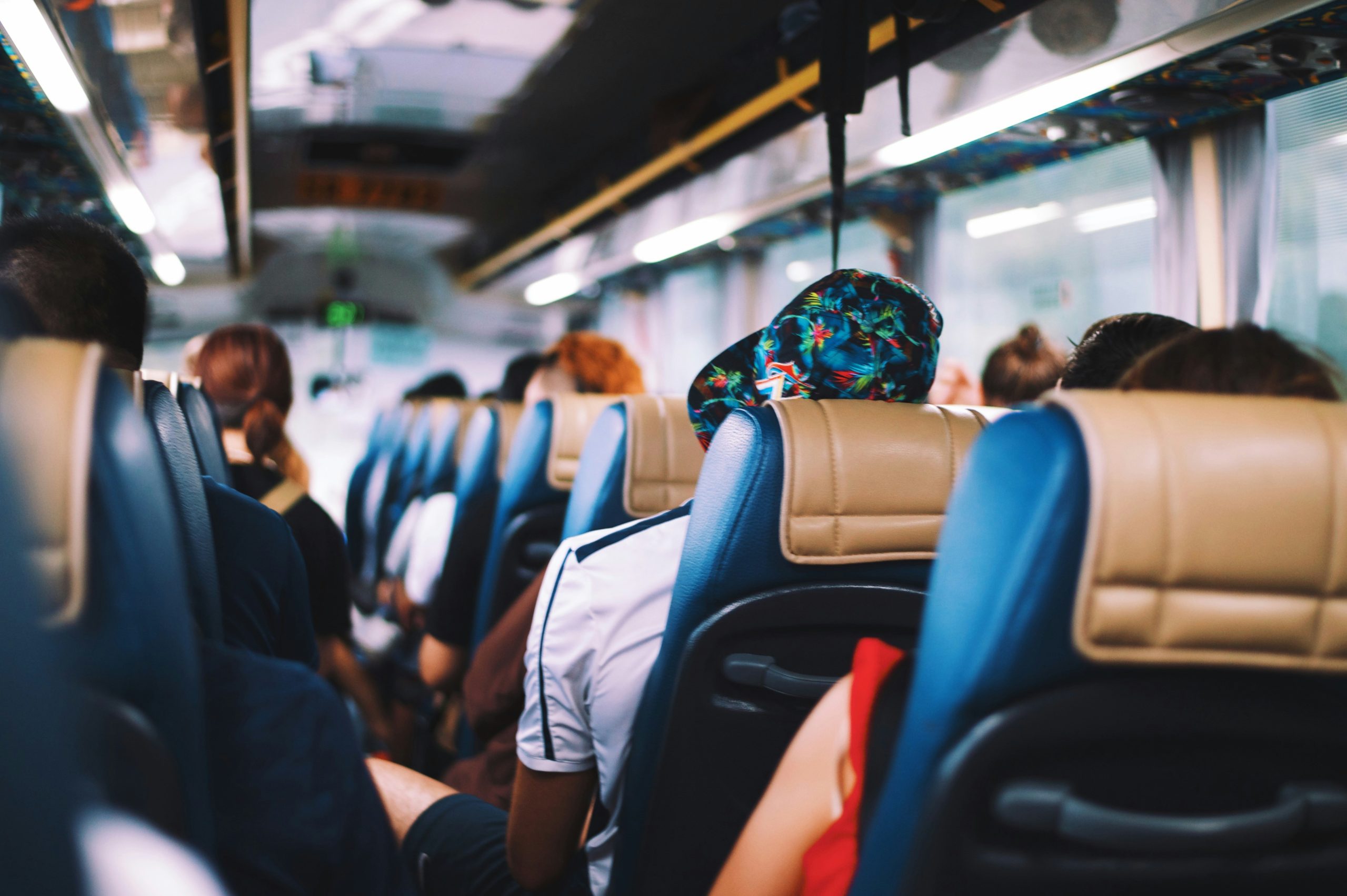
Interrail, Flixbus or budget flights: what’s actually cheapest? 🚆
This is the question every student asks, and the honest answer is it depends on your route, not on any one option being universally best.
| Option | Best for | Watch out for |
|---|---|---|
| Interrail Pass | Long, multi-country routes with 8+ train journeys | Reservation fees on high-speed lines add up fast |
| Flixbus | Short-to-medium hops, especially Eastern Europe | Journeys take longer, but tickets can be €5-15 |
| Budget flights | Jumping across large distances (e.g. Lisbon to Krakow) | Baggage fees and airport transfers eat the savings |
Quick tip: if your route stays within one region (say, Eastern Europe), Flixbus alone usually beats a rail pass on price. If you’re crossing the whole continent, a mix of one or two flights plus regional trains tends to work out cheapest overall. Compare before committing to a pass, since Interrail only pays off once you’re doing serious mileage.

Why hostels are still the best value pick for a month away 🛏️
For europe budget travel month hostels student trips, hostels win on more than just price. A dorm bed averages €12-30 a night depending on the city, but the real value is in what’s included:
- Free walking tours and pub crawls at most social hostels
- Shared kitchens that cut food costs dramatically
- Built-in social scene, useful when travelling solo for weeks
- Central locations that save on daily transport
Booking through Hostelworld lets you filter by rating, location and price, and free cancellation on most listings means you can lock in a route weeks ahead without losing flexibility if plans shift. For a month-long trip, booking 3-4 days ahead rather than the whole month at once tends to give the best mix of low prices and route flexibility.

How do you eat well without blowing the budget? 🍜
Food is where most students either save the trip or sink it. The fix isn’t skipping meals, it’s mixing how you eat.
Supermarkets are the biggest lever. A breakfast and one meal a day from a local supermarket instead of a café can cut daily food spend by €10 or more, especially in Western Europe.
Markets in cities like Lisbon, Budapest and Krakow offer proper meals for €5-8, often better than a restaurant.
One sit-down dinner every two or three days keeps things enjoyable without becoming a daily expense. In Eastern Europe, even restaurant dinners rarely pass €10-12, so the pressure to self-cater there is lower than in France or the Netherlands.
Rule of thumb: self-cater breakfast every day, market lunch most days, sit-down dinner every second or third night. That alone can bring food costs down to €12-15 a day almost anywhere on the route.
What are the best free things to do across these cities? 🎨
Every major student stop has a solid free-activity list.
Lisbon

Free walking tours through Alfama, the miradouros (viewpoints) at sunset, and a wander through Baixa cost nothing but time. Check what’s on locally through Hostelworld’s events page for the city.
Porto
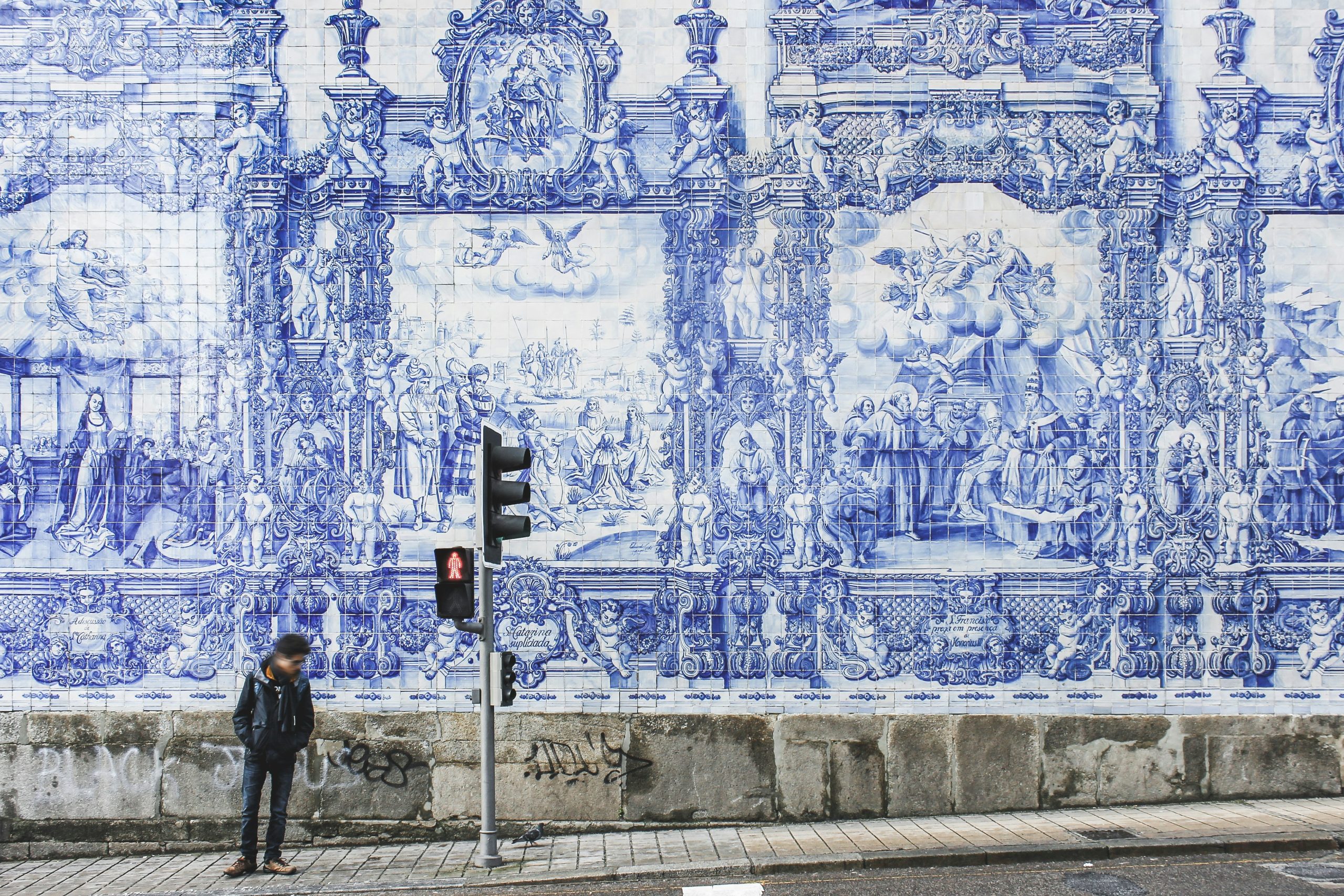
Crossing the Dom Luís I Bridge, walking Ribeira, and the free entry hours at some galleries fill a day without spending much at all.
Barcelona
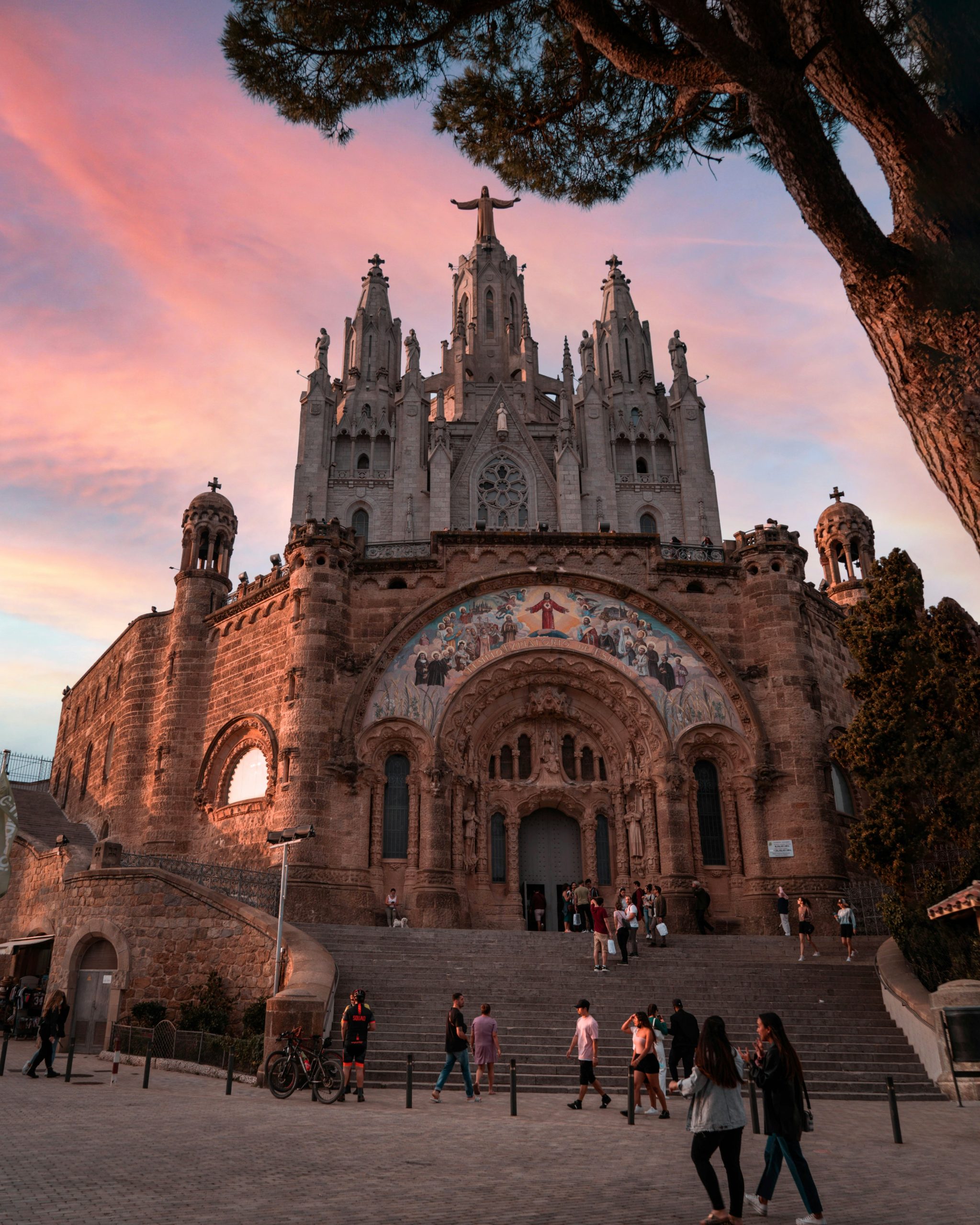
The exterior of Sagrada Família, Park Güell’s free zone, and the Gothic Quarter’s tangled streets are all free to wander.
Prague
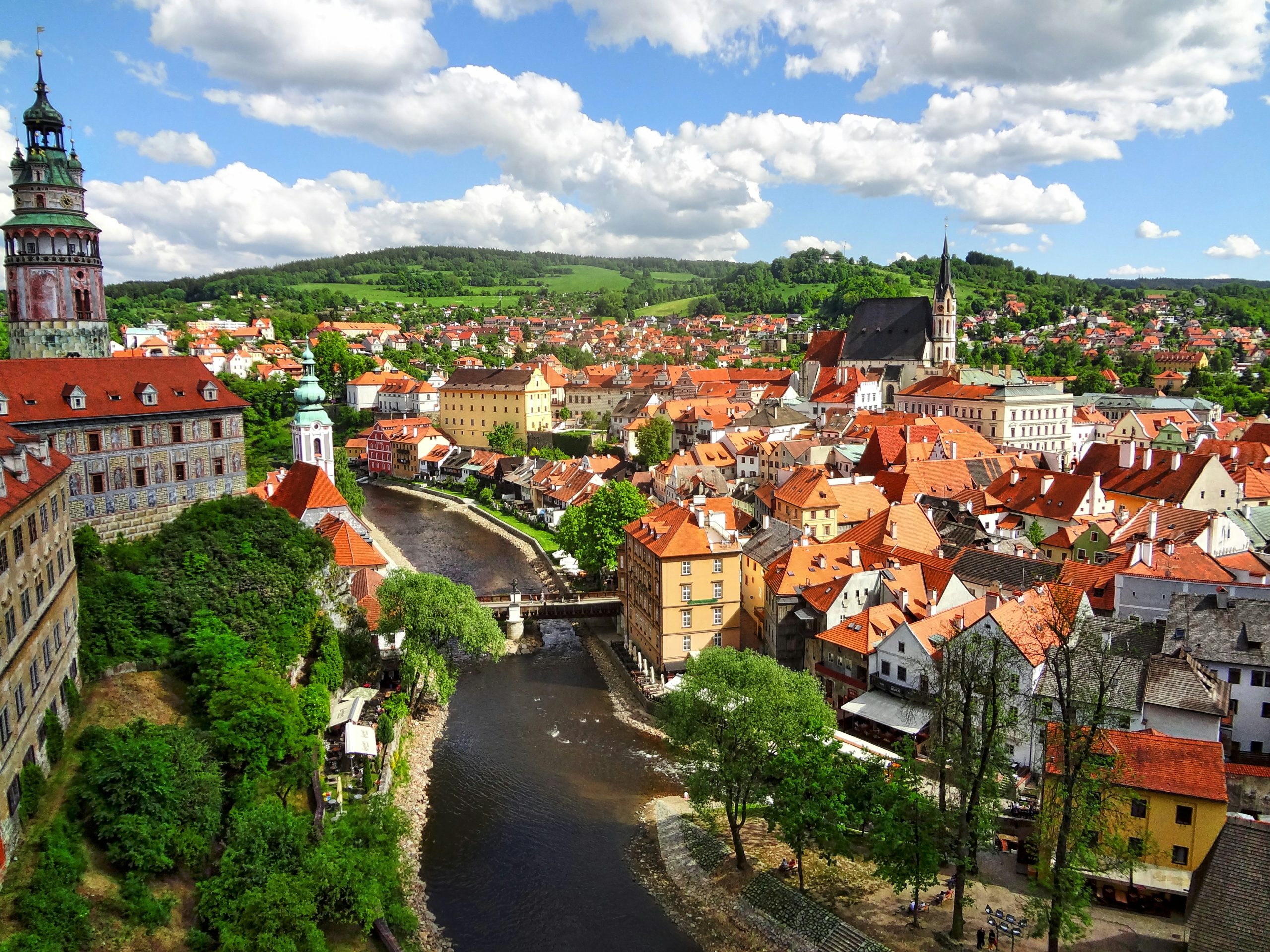
Charles Bridge at sunrise and a wander through Old Town Square cost nothing to see, and most hostels run free or near-free walking tours daily.
Budapest
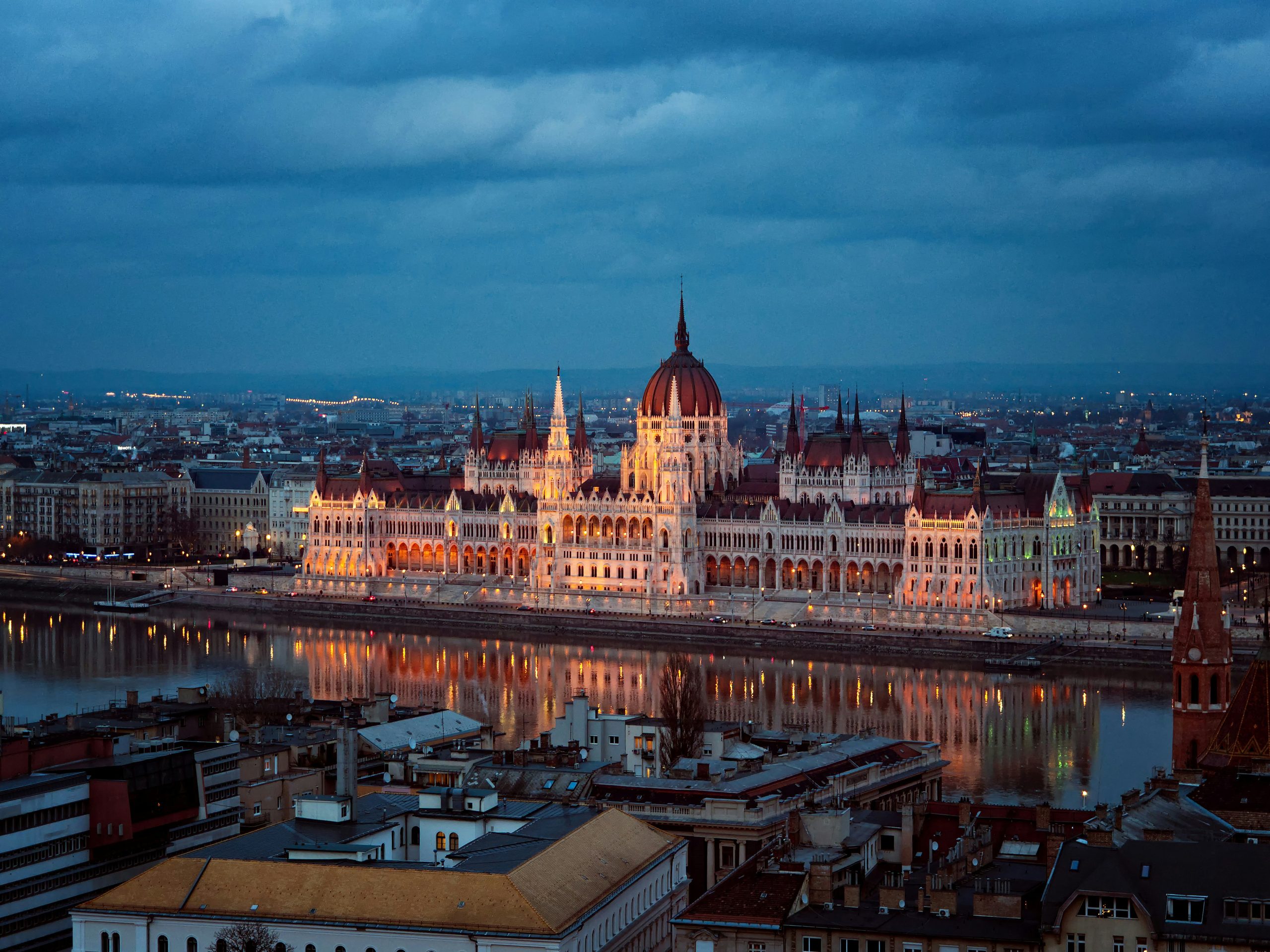
Buda Castle’s grounds and a walk along the Danube are free, and ruin bars often host low-cost social nights.
Krakow
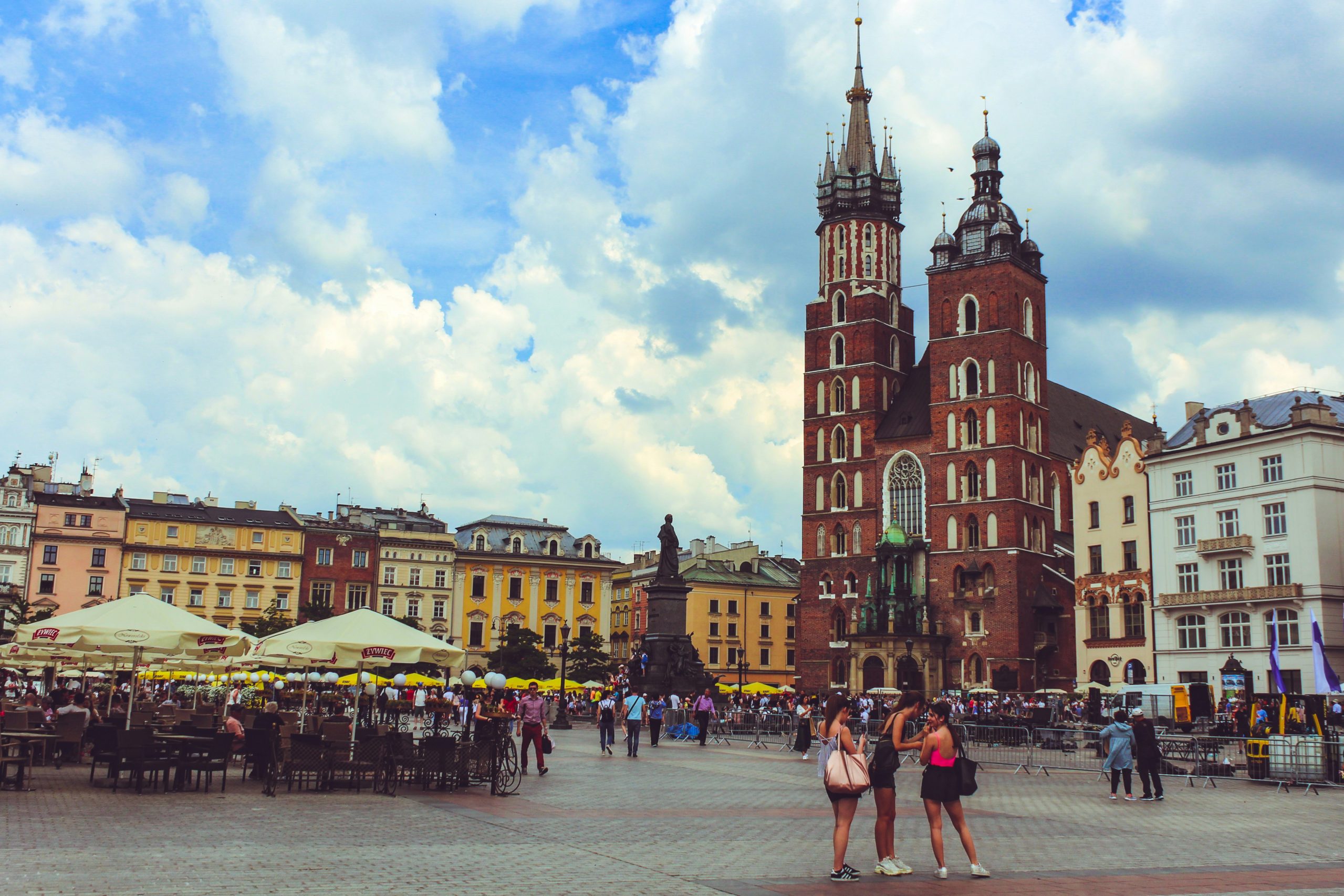
Krakow’s Main Square and the Kazimierz district cost nothing to explore, and hostels here are known for nightly social events.
What does a realistic 4-week Europe route actually look like? 🧳
Here’s one workable route mixing cheap regions with a couple of bigger-ticket stops.
| Week | Route | Nights | Rough hostel spend |
|---|---|---|---|
| 1 | Lisbon → Porto | 7 | €90-140 |
| 2 | Porto → Barcelona (flight) → Madrid | 7 | €150-210 |
| 3 | Madrid → Prague (flight) → Krakow (bus) | 7 | €100-160 |
| 4 | Krakow → Budapest → home | 7 | €90-140 |
Total accommodation for the month lands around €430-650, leaving the rest of a €1,100-1,600 budget for food, transport and activities. Swap in Berlin, Amsterdam or Rome and the same route can easily add €300-500, so the more Eastern and Southern European stops you keep, the more breathing room the budget has.
Which hostels should students actually book? 🌍
Lisbon
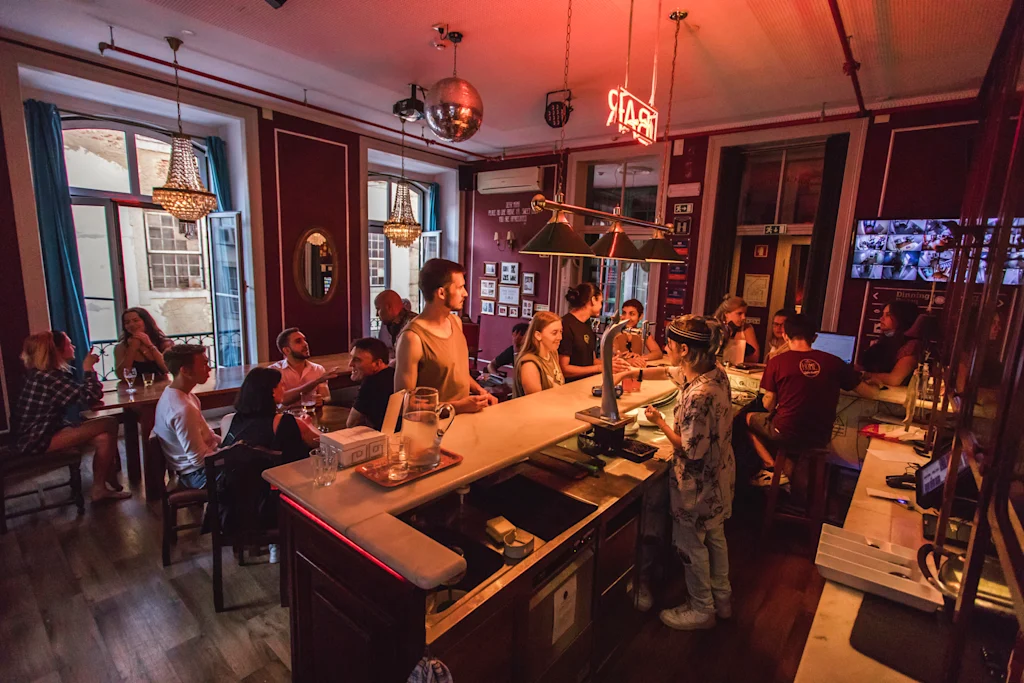
Home Lisbon Hostel and Lisbon Lounge Hostel are both known for sociable dinners and central locations near Baixa and Rossio.
Porto
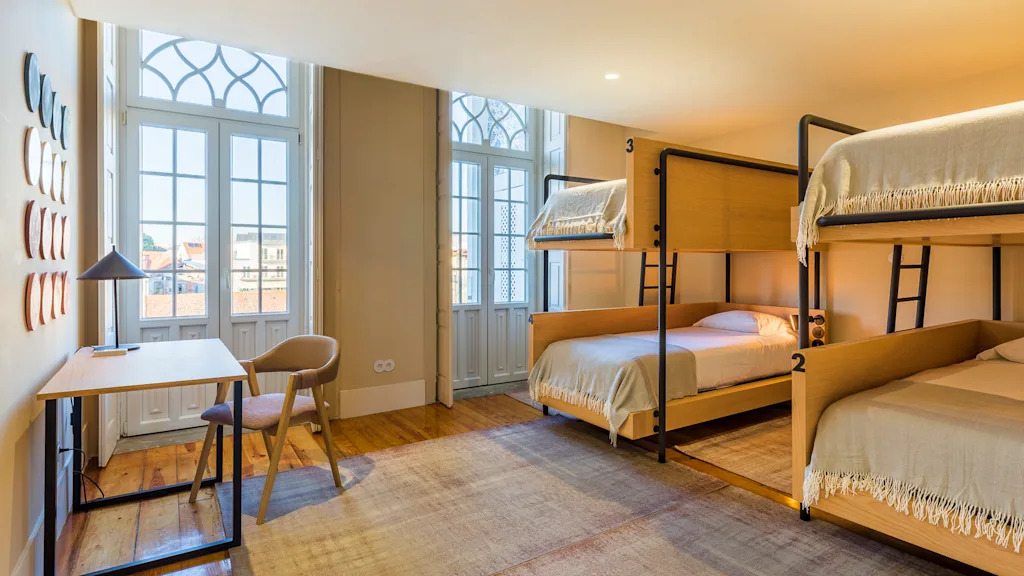
Gallery Hostel Porto combines an art-gallery setting with a strong social scene in the Arts District.
Barcelona
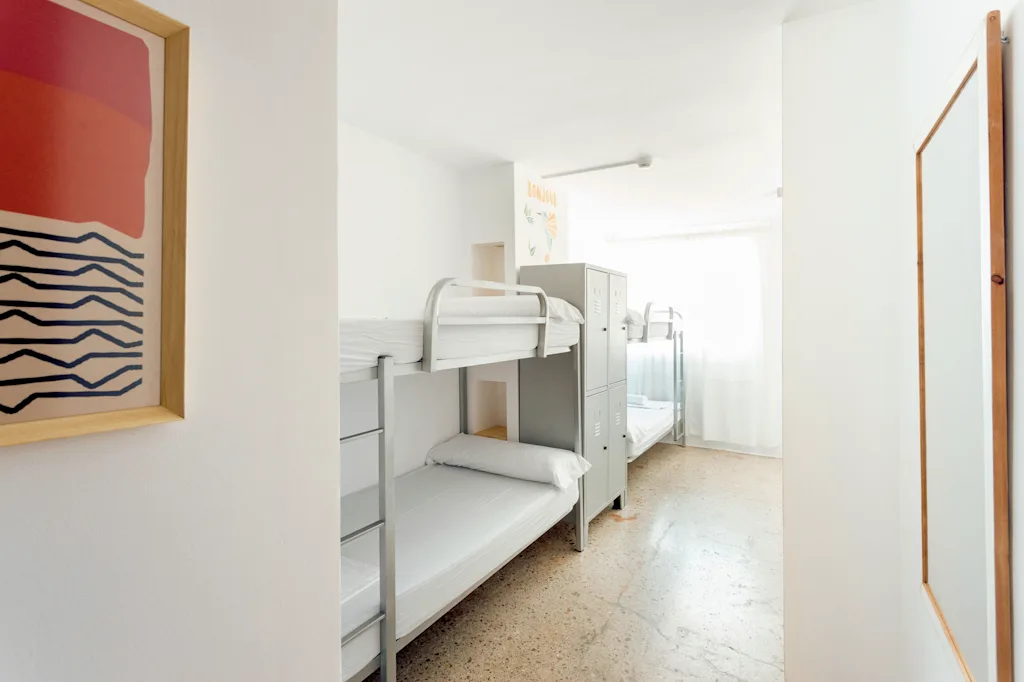
Book Yeah Hostel Barcelona Now
Casa Jam Barcelona and Yeah Hostel Barcelona both rate highly for atmosphere and location.
Prague
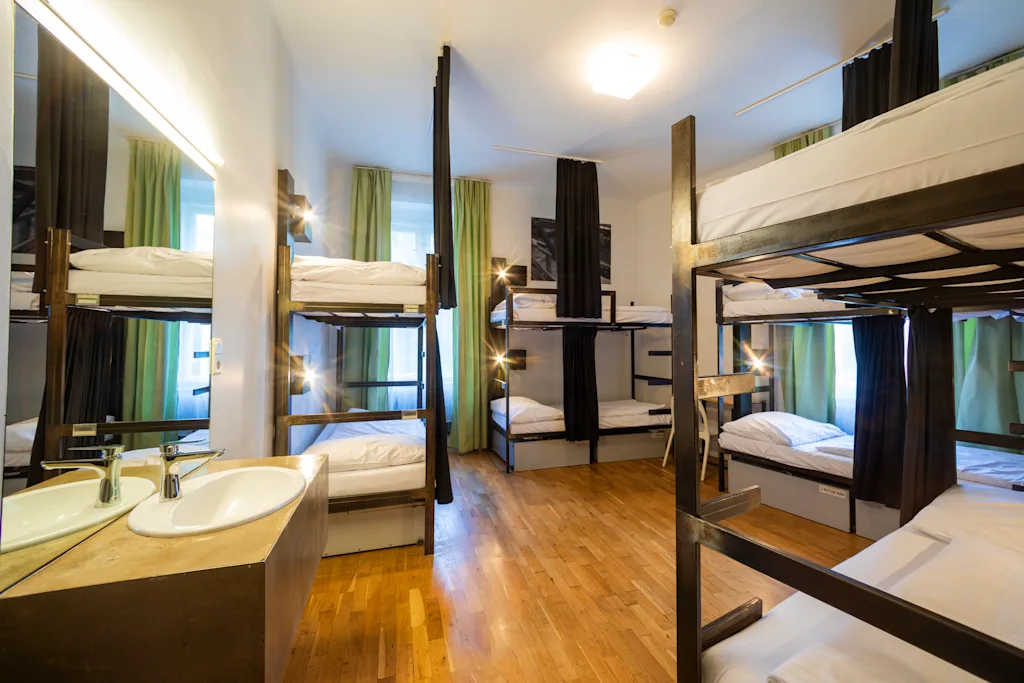
Czech Inn and Sophie’s Hostel sit slightly outside the tourist core but stay well connected by tram.
Krakow
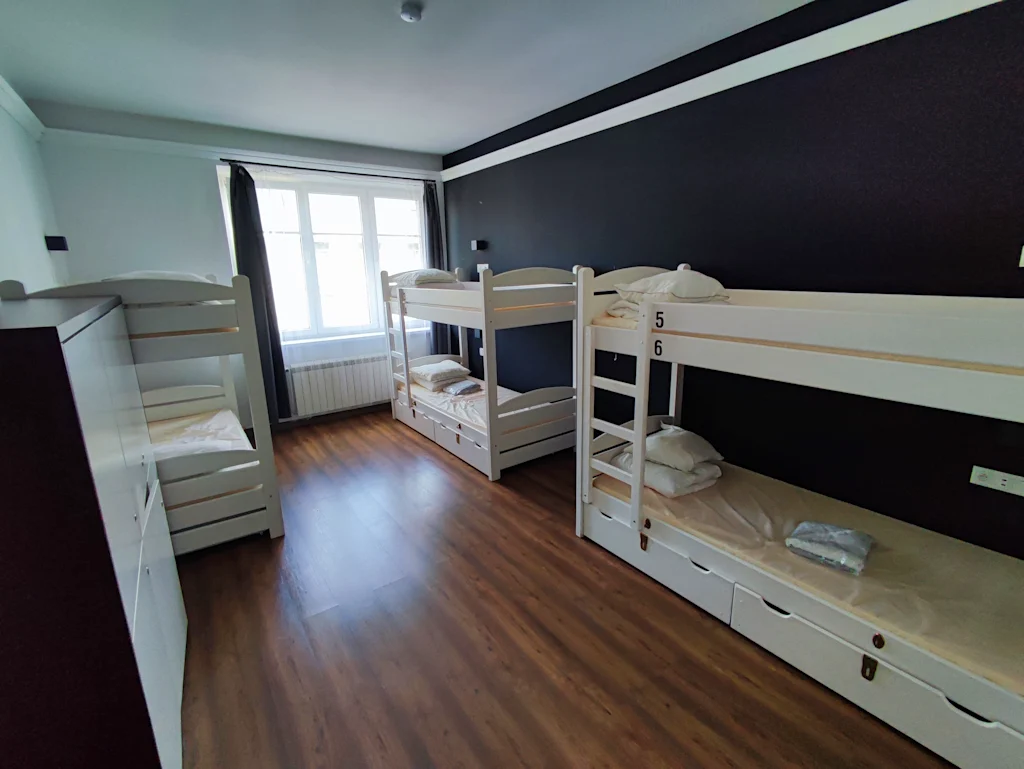
Greg & Tom Hostel is loved for its included breakfast and dinner, which doubles as a social hub for solo travellers. Atlantis Hostel is a solid backup with a similarly social scene.
Budapest
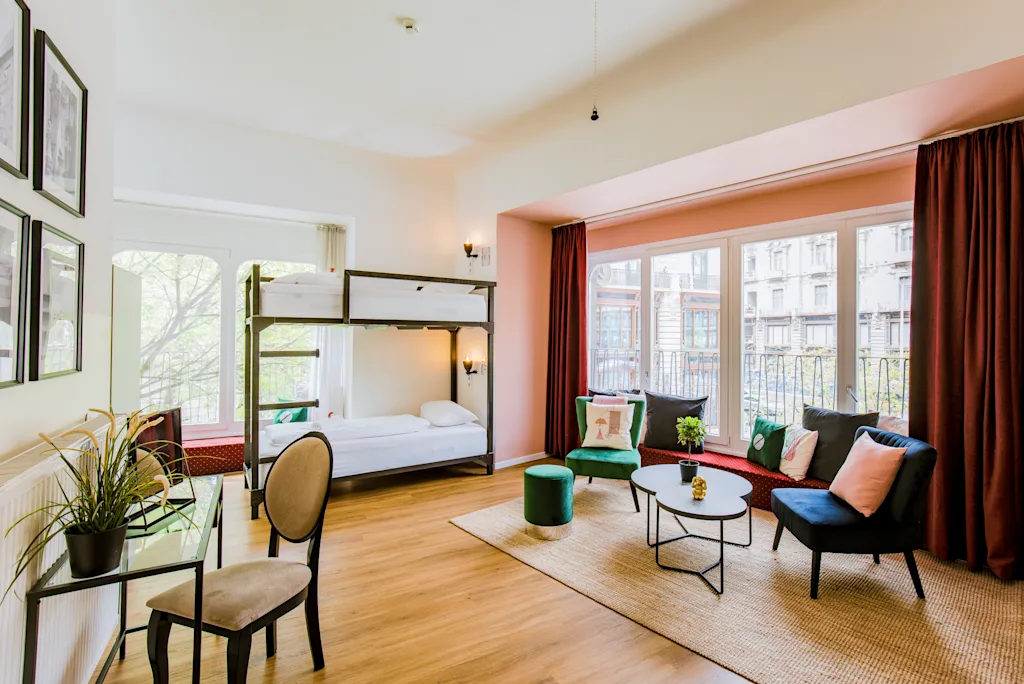
Book Wombat's City Hostel Budapest Now
Maverick Downtown and Wombat’s City Hostel Budapest both offer central locations near the ruin bar district.
Final thoughts
A month in Europe on a student budget isn’t about doing without, it’s about sequencing the trip so the expensive cities are outnumbered by the cheap ones. Lean on hostels for both price and community, mix your transport instead of committing to one pass blindly, and let markets and supermarkets carry most of your food budget so restaurant nights feel like a treat rather than routine. Book the first few hostels now, leave some route flexibility for the middle weeks, and the rest tends to sort itself out on the road.
Download the Hostelworld app to start booking now


❓FAQs: Travelling Europe for a Month on a Student Budget


 Get the App.