
Best Backpacking Destinations in Europe for Solo Budget Travelers
Europe has a reputation for being expensive, and in cities like Paris or Zurich, that reputation is fair. But for anyone chasing the best backpacking destinations in Europe for solo travelers on a budget, the continent still delivers: cobblestone old towns, cheap local wine, and hostels absolutely full of other people traveling solo. This guide breaks down where budget solo backpacking Europe actually works, city by city, with real daily costs and where to sleep.
Think of this less as a bucket list and more as a route. Portugal and Spain ease you in with good weather and easy transport. Eastern Europe and the Balkans stretch your money further than almost anywhere else on the continent. The Baltics and Greek islands round things out with their own personalities. Wherever you land, solo backpacking Europe where to go usually comes down to one thing: pick places where hostels are social, not just cheap. That’s where you’ll actually make friends.
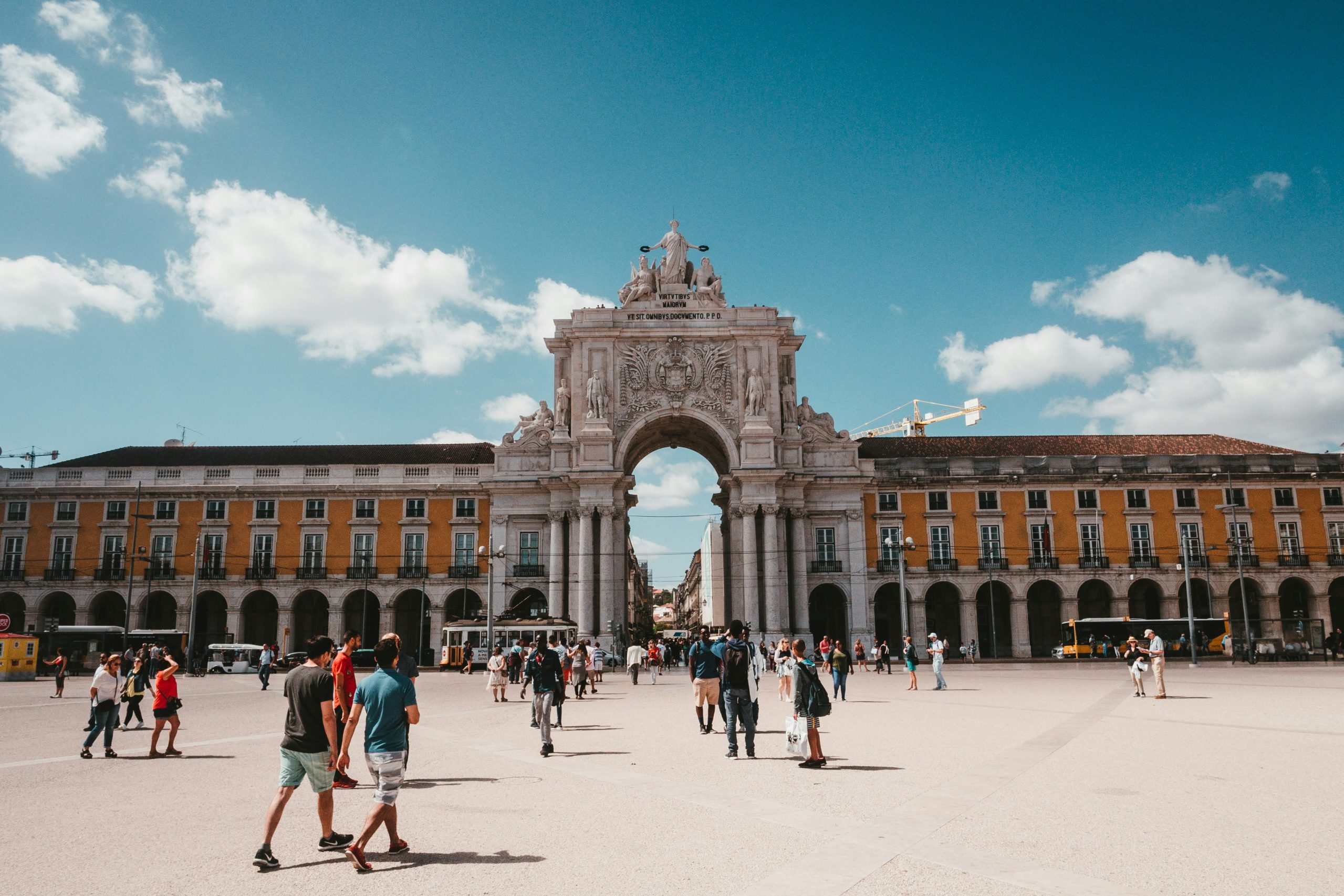
Portugal: Lisbon, Porto, Algarve 🇵🇹
Portugal is the easiest entry point into solo budget travel in Western Europe, and it’s not close. Lisbon’s hills, tiled buildings, and tram 28 make it feel expensive. It isn’t.
Daily budget breakdown (Lisbon):
- Hostel dorm: €18 to €25
- Food (self-catering + one meal out): €15
- Transport + attractions: €8
- Total: around €41 to €48/day
Porto costs even less and swaps big-city energy for riverside calm and endless port wine tastings. Algarve, in the south, is where budget travelers go to actually relax: think surf towns like Lagos, cliff walks, and beach hostels with rooftop pools that somehow still cost under €30 a night.
A few honest notes:
- Lisbon in July and August gets crowded and pricier. May, June, or September hit the sweet spot.
- Porto’s steep hills are brutal with a full backpack, so book somewhere near São Bento station.
- Algarve hostels fill up fast for surf season, so book at least two weeks out.
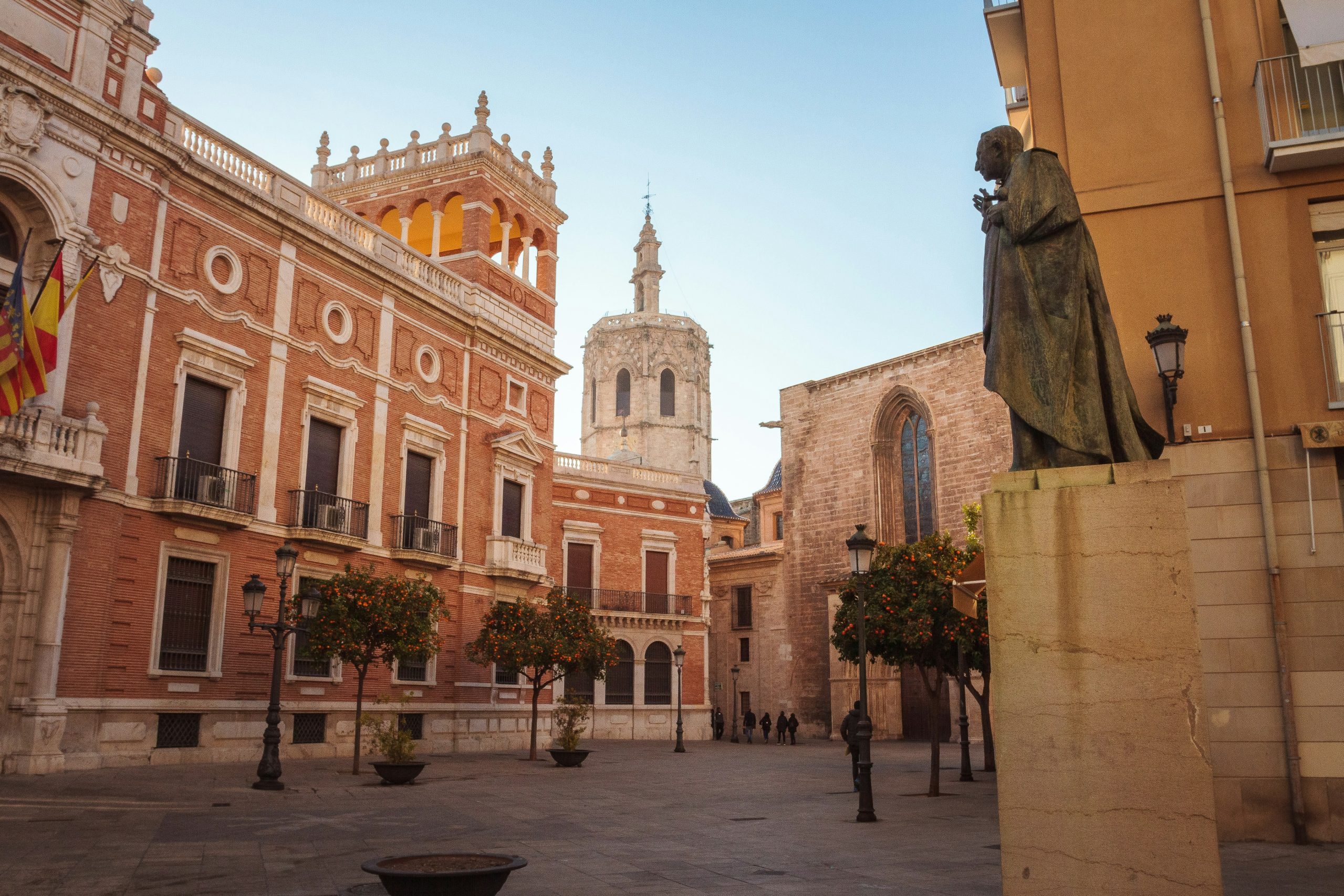
Spain: Valencia, Seville, Granada 🇪🇸
Spain rewards travelers who skip Barcelona and Madrid for their smaller, cheaper siblings. Valencia is arguably the best value city in the country, with the added bonus of the original paella and a beach reachable by metro. A hostel dorm here runs €15 to €22, and a proper lunch menu del día rarely tops €12.
Seville brings flamenco, orange-tree-lined streets, and heat that peaks brutally in summer, so aim for spring or autumn instead. Tapas culture actually helps your budget: many bars still throw in a free tapa with every drink.
Granada might be the best deal of the three. The Alhambra is the headline attraction, but the free tapas-with-drinks tradition here is even stronger than in Seville, and hostel dorms often dip under €15.
| City | Dorm bed | Standout for |
|---|---|---|
| Valencia | €15 to €22 | Beaches, paella, low crowds |
| Seville | €14 to €20 | Flamenco, tapas, architecture |
| Granada | €12 to €18 | Alhambra, free tapas, nightlife |
Solo travelers consistently rate all three as safe, walkable, and easy to meet people in.
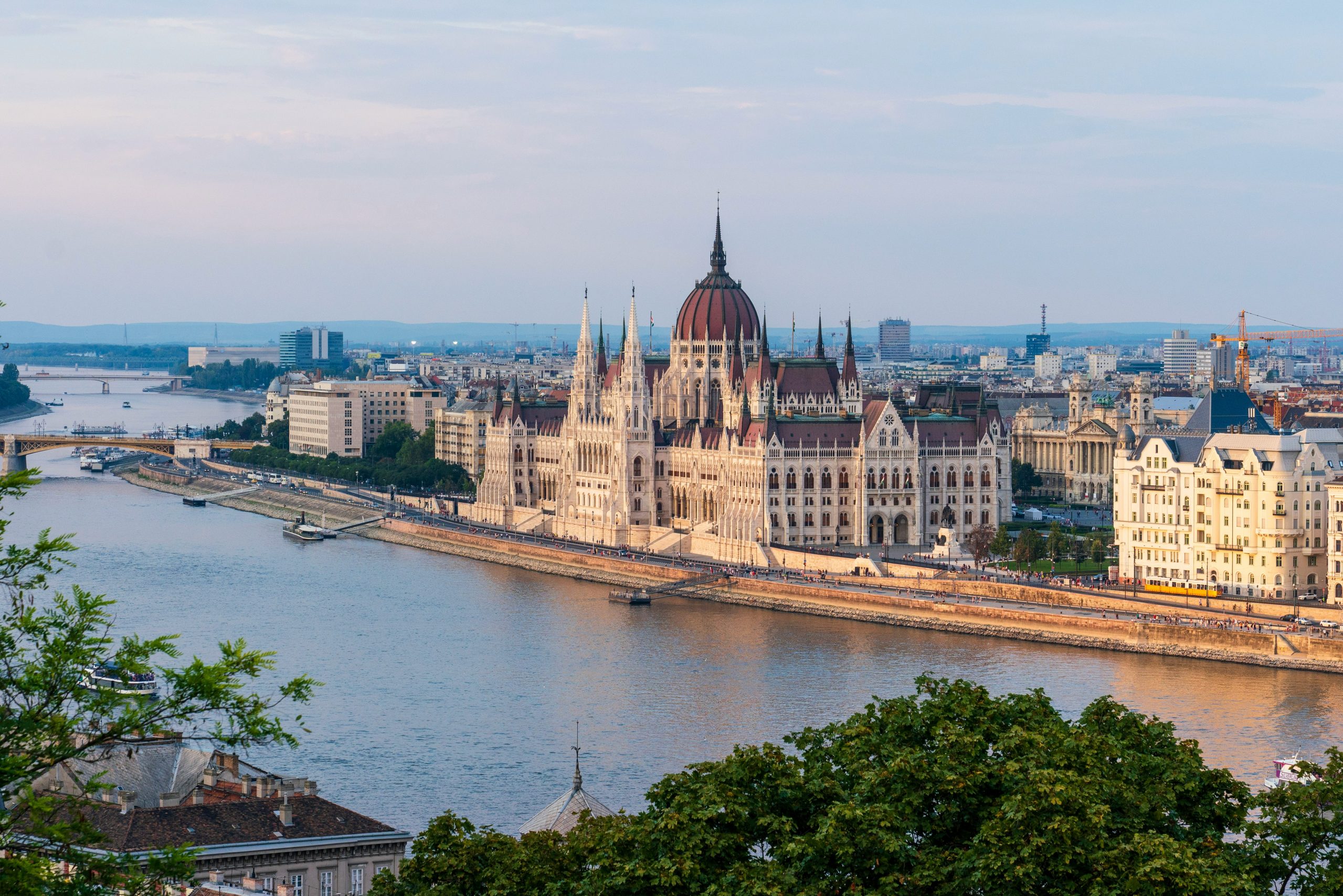
Eastern Europe: Budapest, Kraków, Brașov, Sofia 🏰
If someone asks where solo budget travelers can stretch a trip the longest, the answer is usually here. Eastern Europe combines dramatic history with prices that would sound fictional in Western Europe.
Budapest is the region’s social hub. Thermal baths by day, ruin bars by night, and a hostel scene built entirely around making solo travelers feel like they arrived with a group. Kraków pairs a stunning medieval square with day trips to Auschwitz-Birkenau, a heavy but essential stop for most visitors. Brașov, tucked in Transylvania, is smaller and slower, ideal for hikers heading toward Bran Castle.
Sofia rarely makes anyone’s shortlist, which is exactly the point. It’s one of the cheapest european countries for backpackers to base yourself in, with:
- Dorm beds from €10 to €15
- A full meal out for €5 to €8
- Free walking tours in every major neighborhood
- Easy day trips to Rila Monastery
None of these cities require big-city money for a big-city experience.
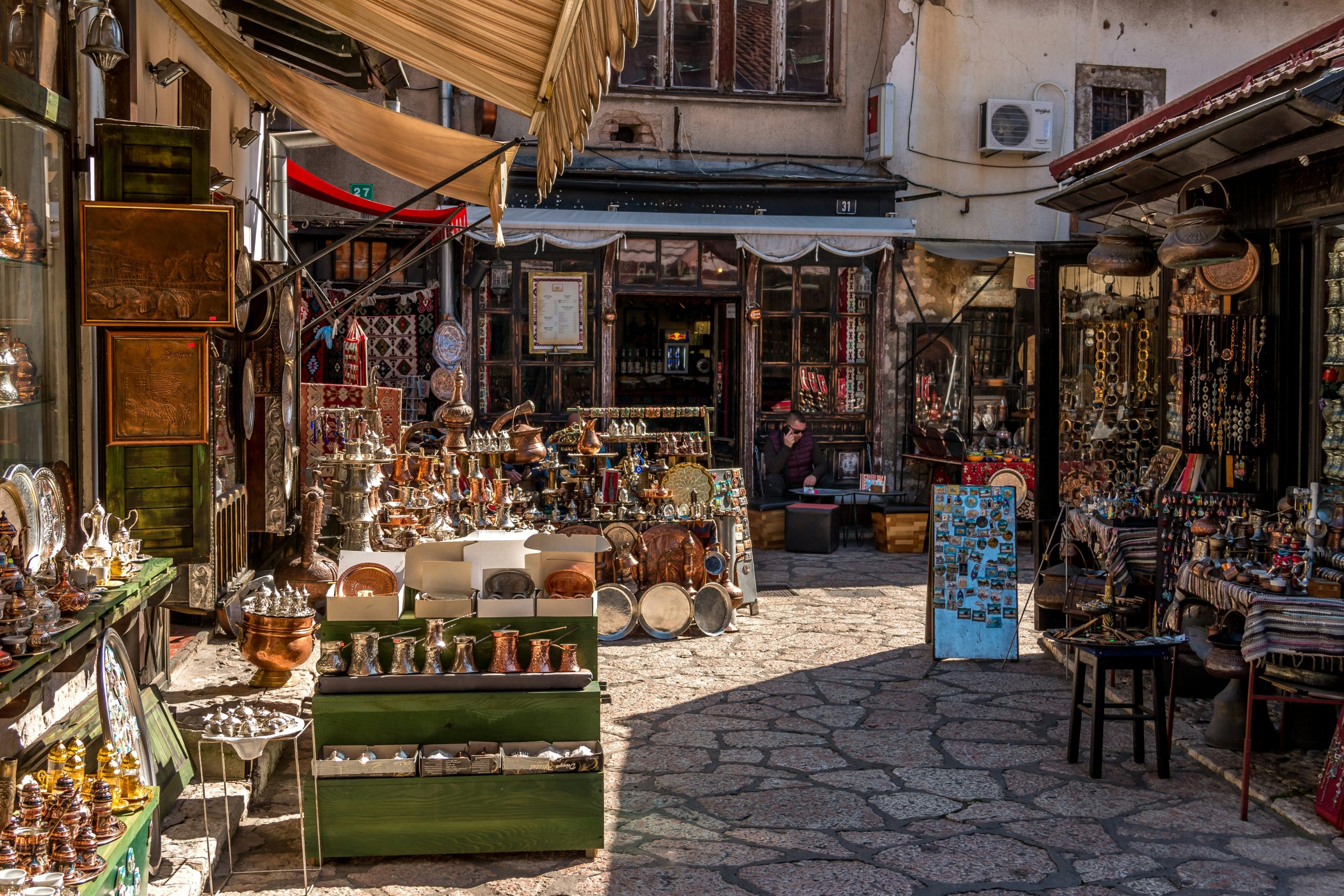
The Balkans: Sarajevo, Mostar 🌉
If there’s one region that consistently surprises solo backpackers, it’s the Balkans, and specifically Bosnia and Herzegovina. Sarajevo mixes Ottoman bazaars, Habsburg architecture, and a genuinely moving history around the 1990s siege, all within a compact, walkable center.
Sarajevo is Europe’s best-kept budget secret for a reason. A dorm bed rarely exceeds €12, a full ćevapi meal costs €4 to €6, and the hostel scene is small enough that you’ll recognize the same faces at breakfast and again at the pub crawl that night.
Mostar, a short bus ride away, revolves around the Stari Most bridge and its famous cliff divers. It’s smaller and quieter than Sarajevo, better suited to a two-day stop than a full week.
Quick reasons this region works so well for safe cheap Europe backpacking:
- Both cities score consistently high on solo traveler safety surveys.
- English is widely spoken in hostels and tourist areas.
- Bus connections to Croatia and Montenegro make it easy to keep moving.
- Prices are roughly half of neighboring Croatia for nearly identical scenery.
The Baltics: Vilnius, Riga, Tallinn 🌲
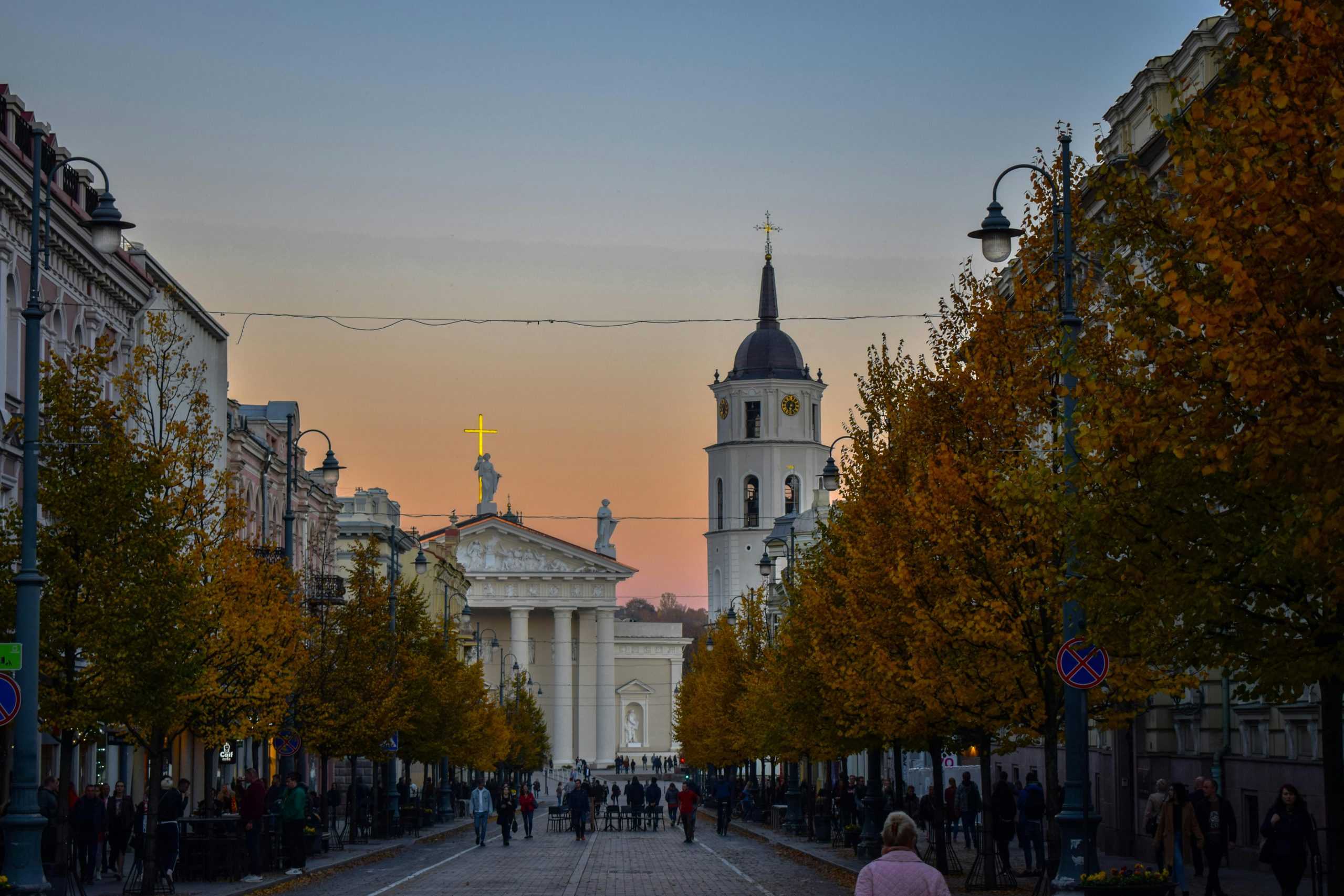
The three Baltic capitals get grouped together for good reason. They’re close, connected by cheap buses, and each has a UNESCO-listed old town that looks like a fairytale illustration.
Vilnius has the most laid-back pace of the three, plus the quirky self-declared “Republic of Užupis” for wandering. Riga sits in the middle geographically and culturally, with a livelier nightlife scene and excellent Art Nouveau architecture. Tallinn is the most postcard-perfect, with medieval walls still standing and a ferry connection to Helsinki if you want to island-hop into Scandinavia briefly.
Costs run slightly higher than the Balkans but still well below Western Europe:
| City | Dorm bed | Vibe |
|---|---|---|
| Vilnius | €14 to €20 | Relaxed, bohemian |
| Riga | €12 to €18 | Social, nightlife-focused |
| Tallinn | €15 to €22 | Fairytale, well-preserved |
Solo female travelers frequently name the Baltics among the safest regions in Europe, day or night.
Greece on a Budget: Thessaloniki, Crete, Naxos 🏛️
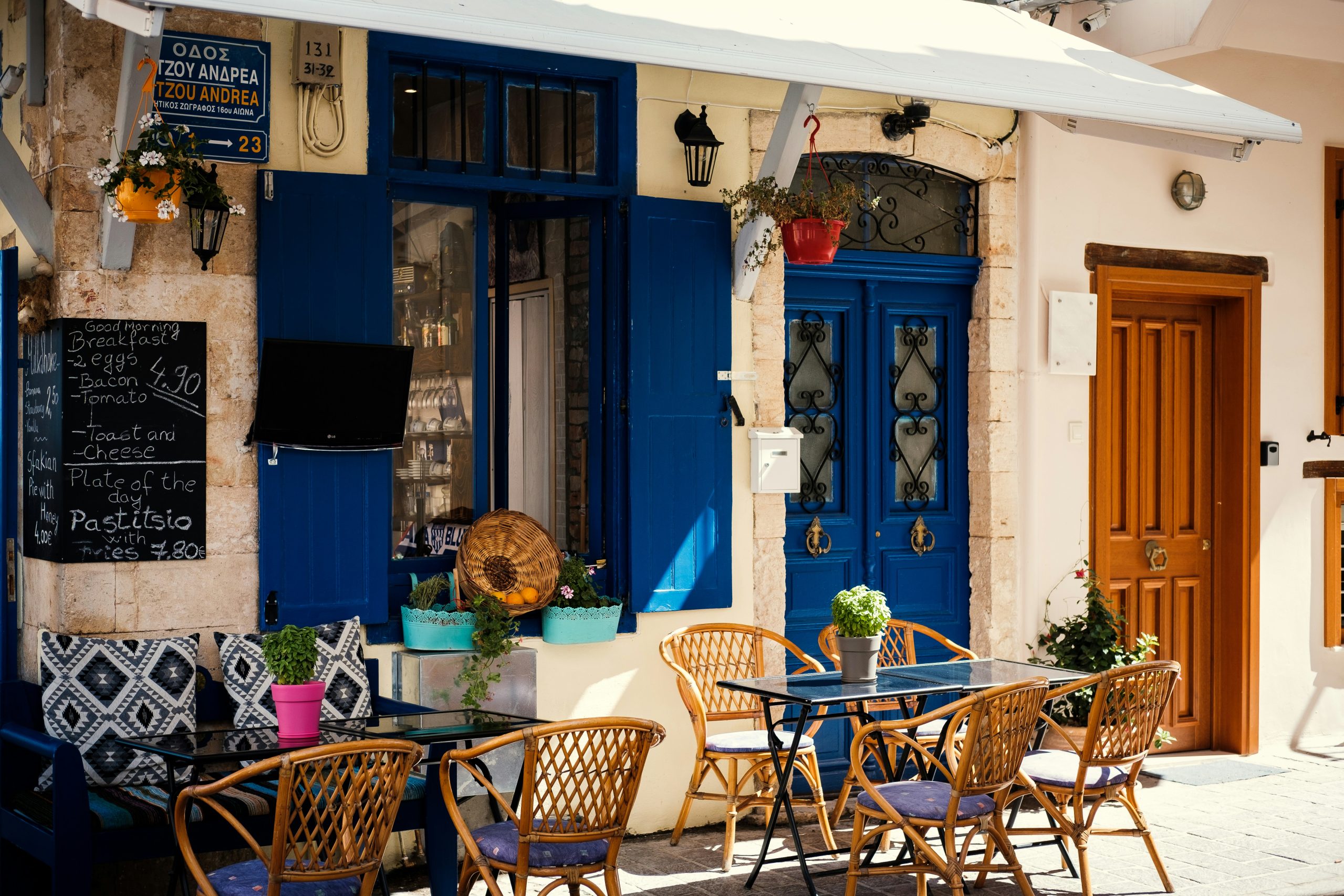
Greece isn’t only Santorini sunsets and cruise-ship crowds. Thessaloniki is the mainland’s best-value city: a university town with cheap souvlaki, waterfront bars, and none of the peak-season pricing that hits the islands. Dorm beds here often sit under €15, even in summer.
Crete rewards a longer stay. Heraklion works as a base for Knossos and the archaeological museum, while Chania’s old harbor is arguably the most photogenic town on the island. Expect dorms from €16 to €25 depending on season.
Naxos is the quieter island pick. Fewer crowds than Mykonos or Santorini, but the same white-sand beaches and windsurfing conditions, plus genuinely lower prices across food and hostels.
A quick tip: island ferry schedules shrink drastically outside June through September, so build in flexibility if you’re island-hopping in shoulder season.
How Do These Destinations Compare on Budget, Safety, and Hostel Scene? 📊
| Country / Region | Avg. Daily Budget | Safety Rating | Hostel Scene |
|---|---|---|---|
| Portugal | €40 to €50 | Very high | Social, well-established |
| Spain | €35 to €45 | High | Social, tapas culture |
| Hungary/Poland/Romania/Bulgaria | €25 to €35 | High | Party-friendly, tight-knit |
| Bosnia and Herzegovina | €20 to €30 | High | Small, personal |
| Baltics | €30 to €40 | Very high | Social, safe |
| Greece | €30 to €45 | High | Beach-focused, seasonal |
Ratings reflect general traveler consensus rather than any single official index, and conditions can shift, so it’s worth checking current government travel advisories before booking.
What Are the Best Tips for Solo Budget Backpacking in Europe? 🧭
A few habits separate travelers whose money lasts the whole trip from those who blow their budget in week two:
- Book hostels with free breakfast. It sounds small, but it removes one meal a day from your budget entirely.
- Travel by bus, not train, between budget regions. FlixBus and regional carriers in Eastern Europe and the Balkans are dramatically cheaper than rail.
- Use a city’s free walking tour on day one. It’s the fastest way to get oriented and meet other solo travelers.
- Avoid exchanging cash at airports. Rates are consistently worse than ATMs in the city center.
- Pack a reusable water bottle. Many hostels have filtered water stations, and it adds up over a month.
- Set a daily spending cap before you arrive, not after you’ve overspent for three days straight.
None of this requires sacrificing fun. It just means being deliberate about where the money actually goes.
Which Hostels Should Solo Backpackers Book in Each Destination? 🛏️
Every hostel below is bookable directly on Hostelworld and consistently well-reviewed by solo travelers:
- Lisbon: Home Lisbon Hostel, known for its nightly home-cooked dinners
- Porto: The Passenger Hostel, right by São Bento station
- Algarve (Lagos): Cloud 9 Hostel, with a rooftop terrace and free pub crawls
- Valencia: The Central House Valencia Mercado Central
- Seville: Onefam Centro
- Granada: El Granado Hostel
- Budapest: Wombat’s City Hostel Budapest
- Kraków: Greg & Tom Hostel, near the Old Town
- Brașov: Rolling Stone Hostel
- Sofia: Hostel Mostel, famous for its free dinners
- Sarajevo: The Good Place Hostel, right in the city center
- Mostar: Majdas Hostel, a family-run local favorite
- Vilnius: Downtown Forest Hostel & Camping
- Riga: Tree House Hostel
- Tallinn: The Monk’s Bunk, in the heart of the Old Town
- Thessaloniki: Zeus is Loose Hostel
- Crete (Heraklion): So Young Hostel
Prices and availability change constantly, so treat these as a strong starting point rather than gospel, and confirm current rates before booking.
Final Thoughts
The honest truth about budget solo backpacking Europe is that the “best” destination depends on what you want from the trip. Want beaches and easy logistics? Portugal and Spain deliver both. Want your money to go furthest? Eastern Europe and the Balkans win, no contest. Want somewhere still under the radar? Sarajevo, Brașov, and Naxos are all still relatively undiscovered by mass tourism.
What ties every destination on this list together is the hostel scene itself. A cheap bed matters, but a social one matters more when you’re traveling alone. Book somewhere with communal dinners, free walking tours, or an active common room, and the rest of the trip tends to sort itself out.
Download the Hostelworld app to start booking now


❓FAQs: Backpacking Europe Solo on a Budget


 Get the App.