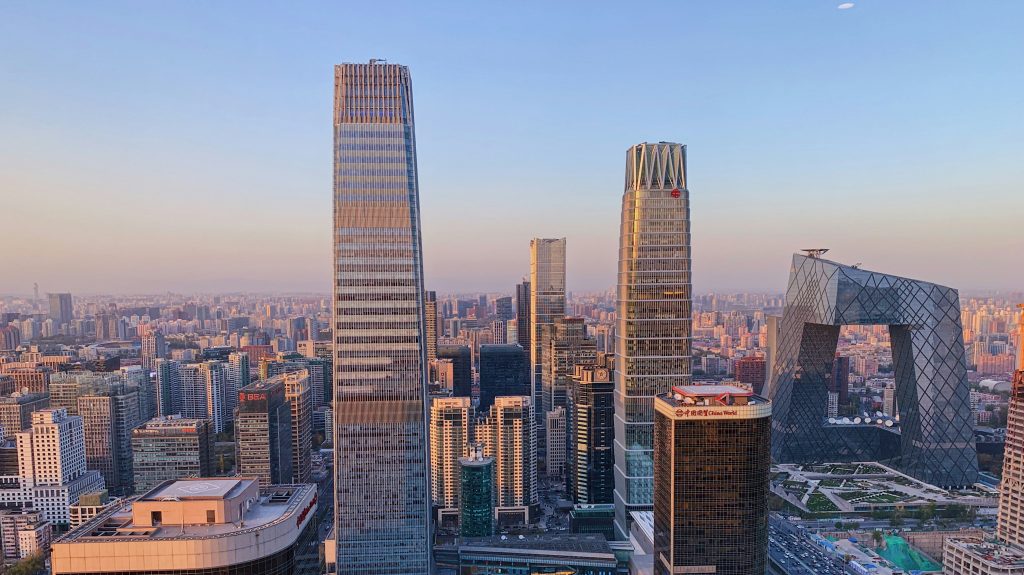
Beijing
29 hostels · dorms from €20
The Forbidden City, the Great Wall, hutong alleys and the best Peking duck.

The best high-speed rail network on earth, food that changes every province, and a country that has quietly reopened to visa-free travel for much of Europe. Harder to navigate than its neighbours, and worth it.
China is the size of Europe and travelling it works best as a route rather than a tour. The classic first trip runs Beijing, Xi'an, Chengdu and Shanghai, linked by high-speed trains that make 1,200km feel like an afternoon.
Beijing has the Forbidden City, the Great Wall and hutong alleys. Xi'an has the Terracotta Army and the best street food in the north. Chengdu has pandas, Sichuan food and a famously relaxed pace. Shanghai is the modern counterweight, and Guilin and Yangshuo in the south have the karst landscape from every Chinese painting.
The practical barrier is not the visa any more — it is the digital ecosystem. Almost everything runs through Alipay or WeChat, cash is unusual, and Google, WhatsApp and Instagram are blocked without a VPN. Sort those before you fly and the rest of the country is straightforward.
High-speed rail is the best on earth and makes 1,200km an afternoon. Book a few days ahead.
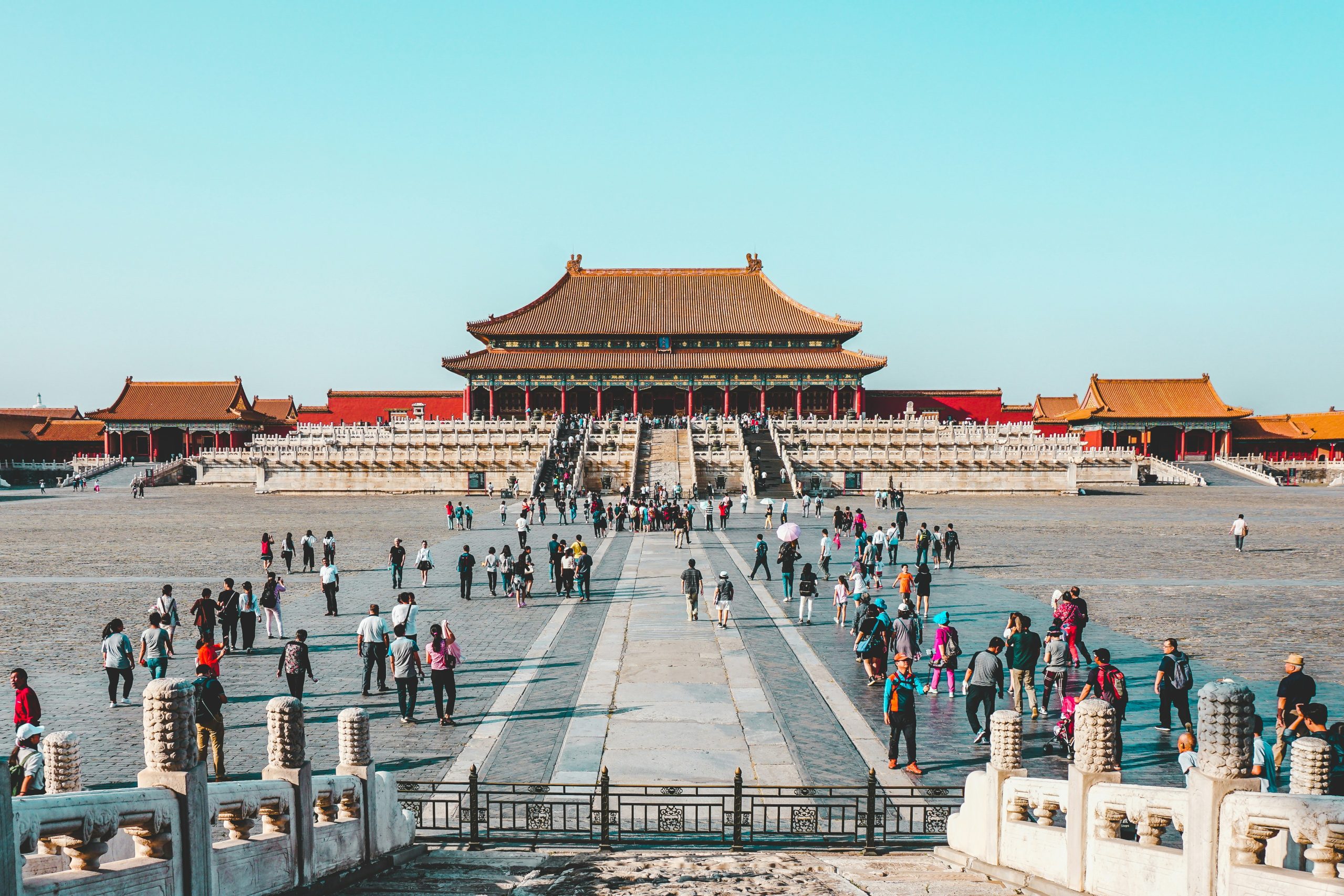
The Forbidden City, the Great Wall, hutong alleys and the best Peking duck.
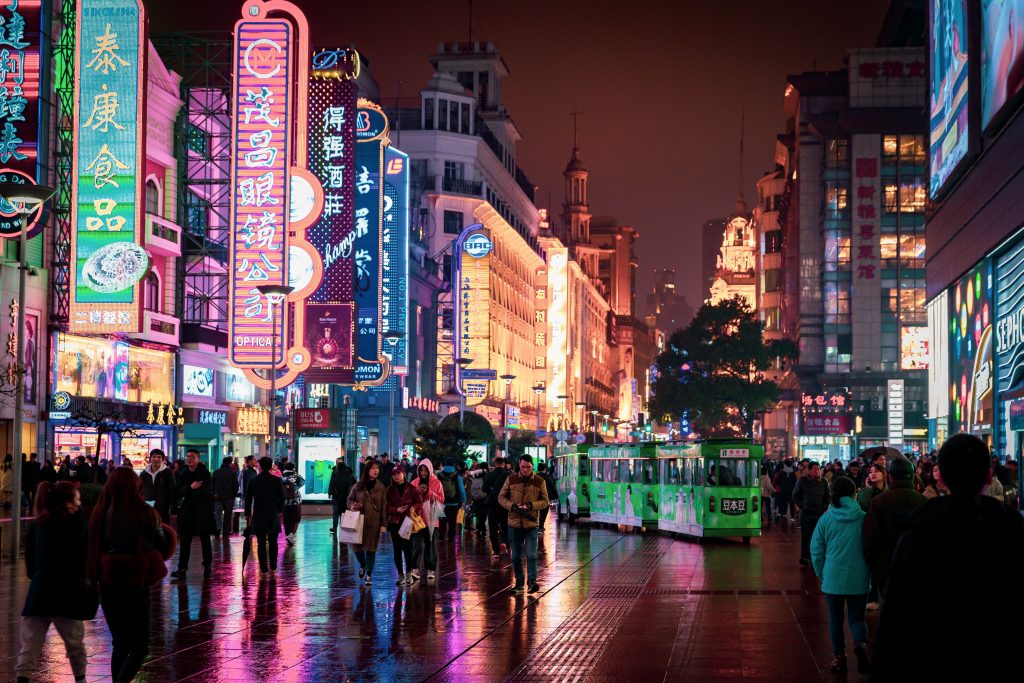
The Bund, art deco, a skyline across the river and the most international city in the country.
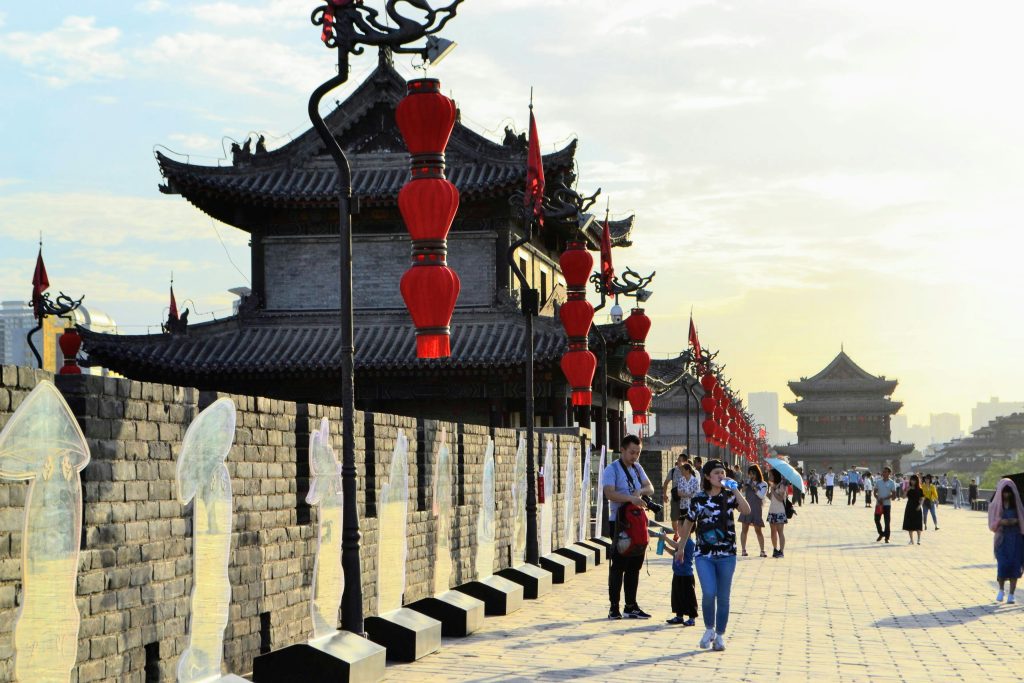
The Terracotta Army, intact city walls you can cycle, and the Muslim Quarter food street.
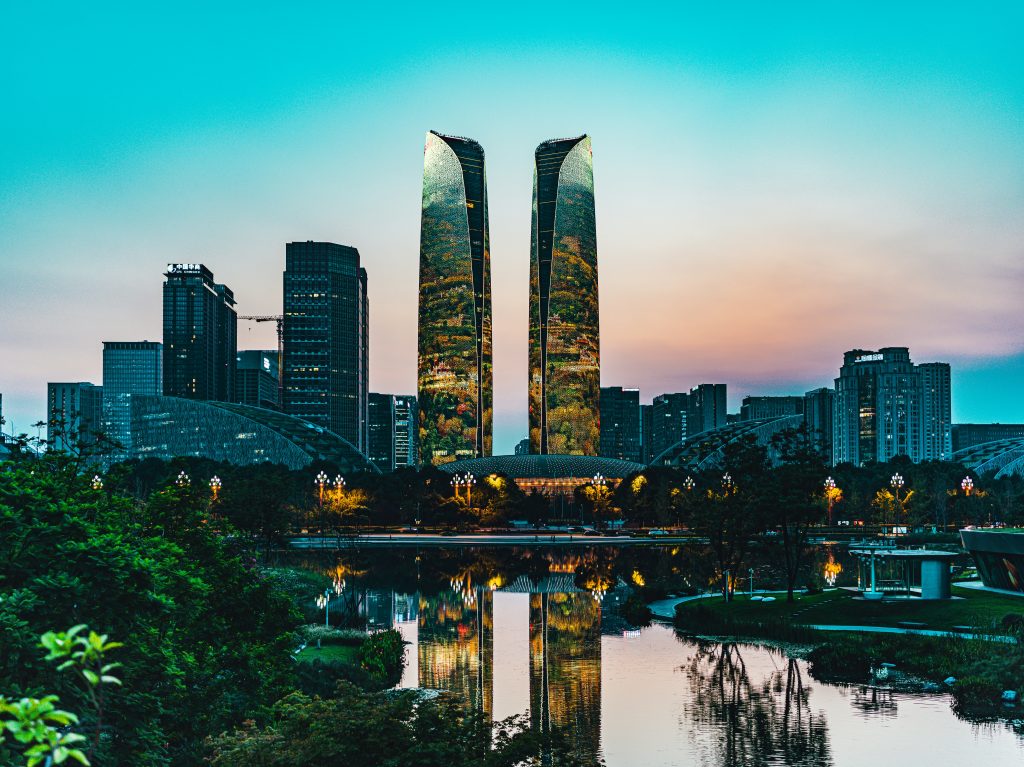
Pandas, Sichuan food, teahouses and a pace that makes it everyone's favourite.
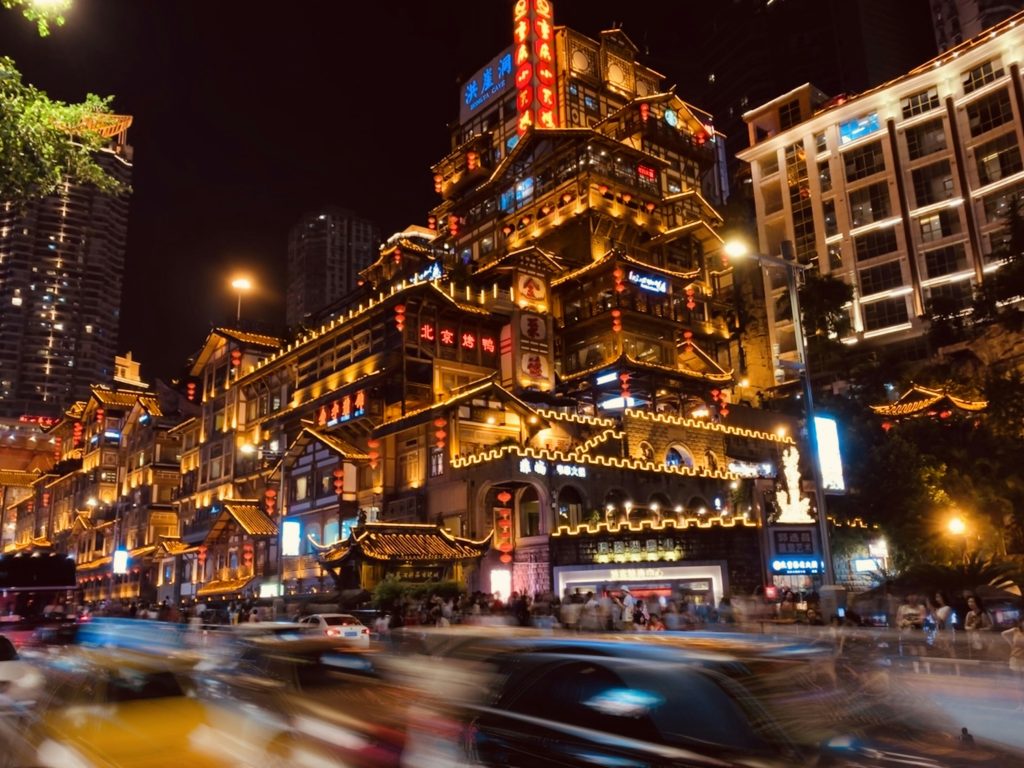
A vertical megacity of stacked bridges and hotpot, and the start of Yangtze cruises.
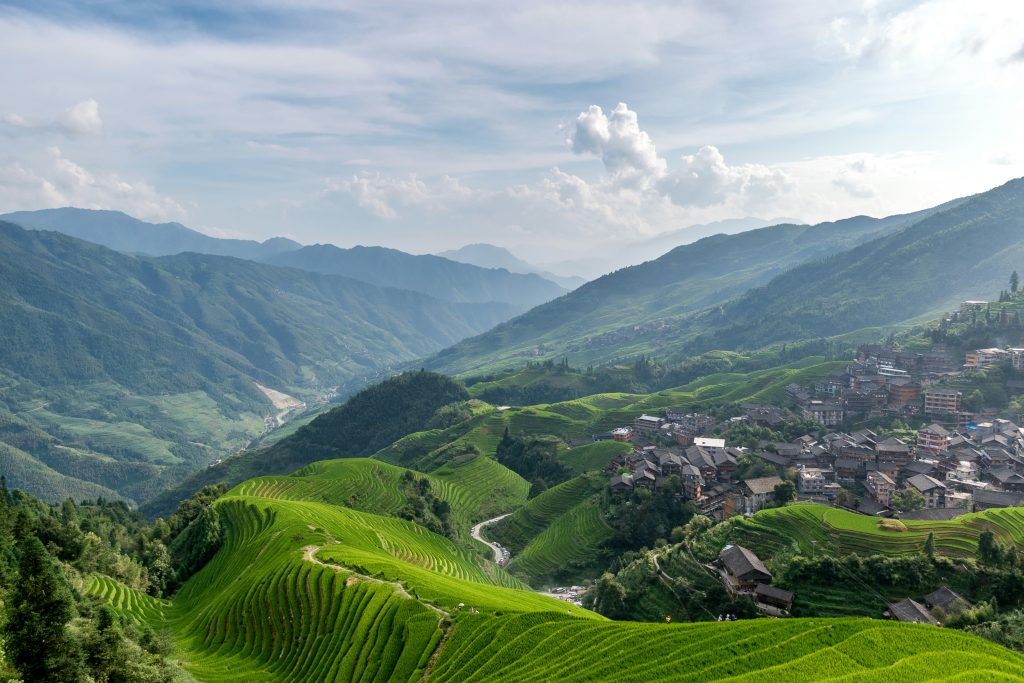
The transport hub for the karst country, with the Li river running through it and the landscape on the 20 yuan note downstream.
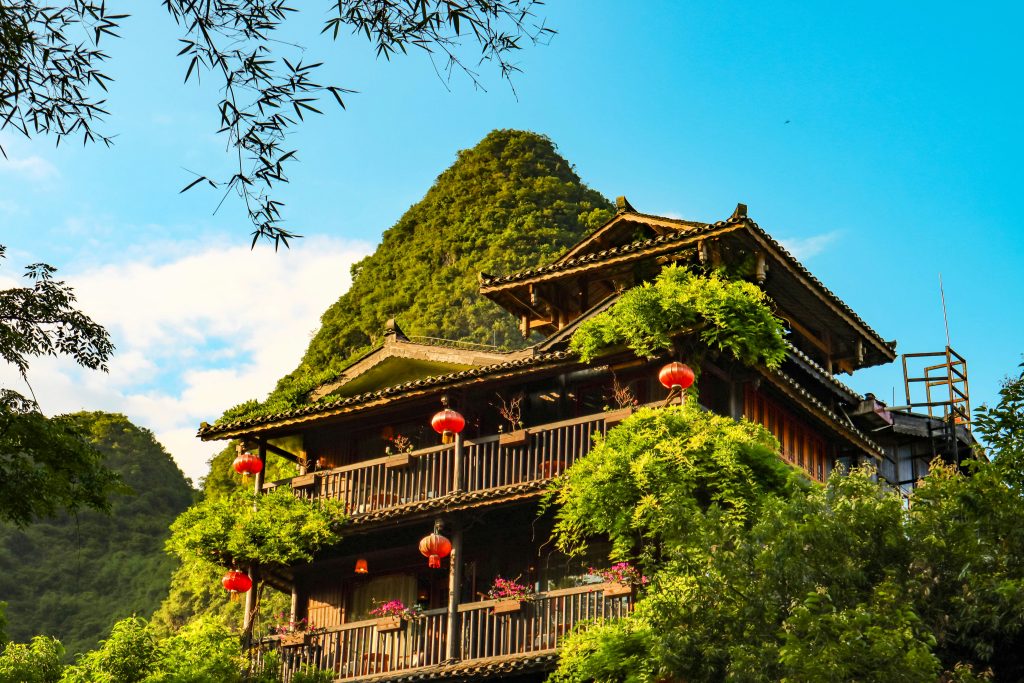
Karst peaks along the Li river, cycling, climbing and the landscape on the 20 yuan note.
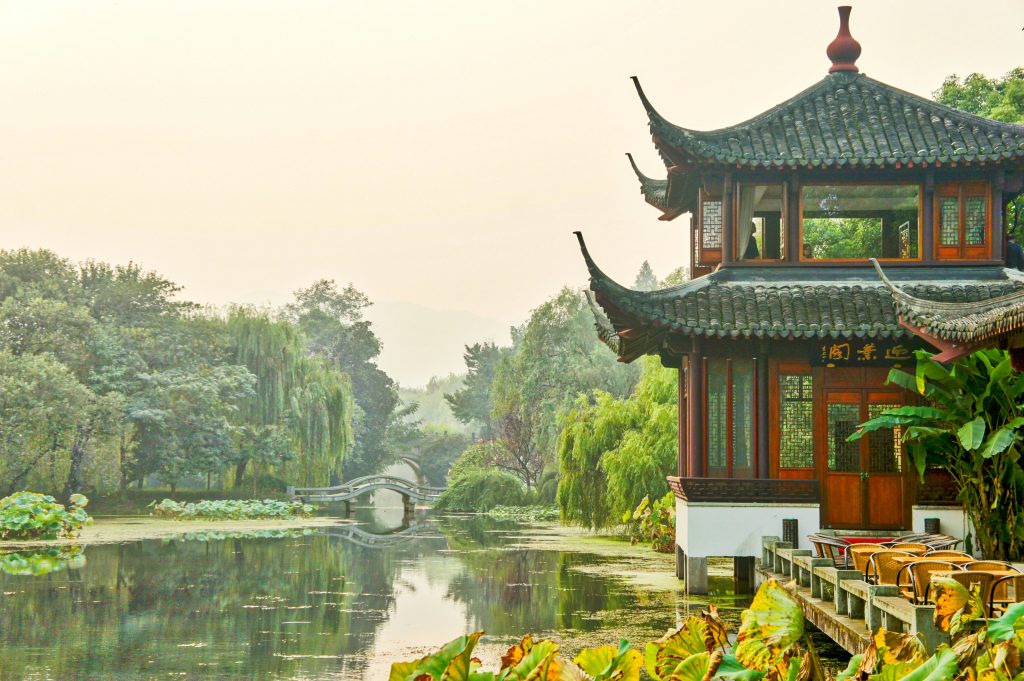
West Lake, tea plantations on the hills around it, and the city Marco Polo called the finest in the world.
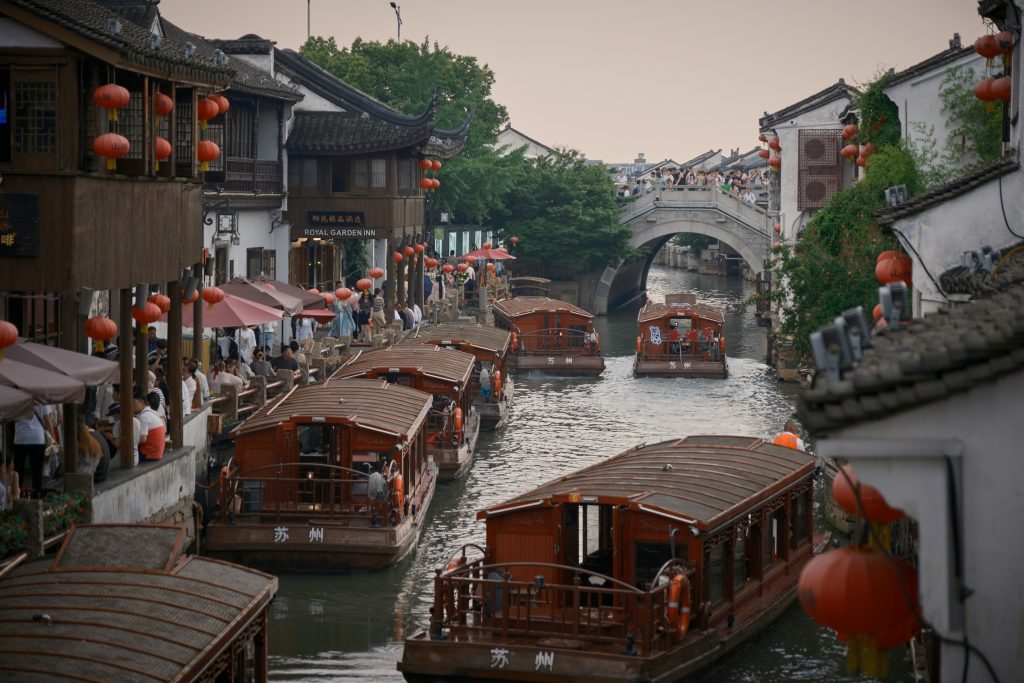
Classical gardens and canals an hour from Shanghai, and a silk industry that has run for two millennia.
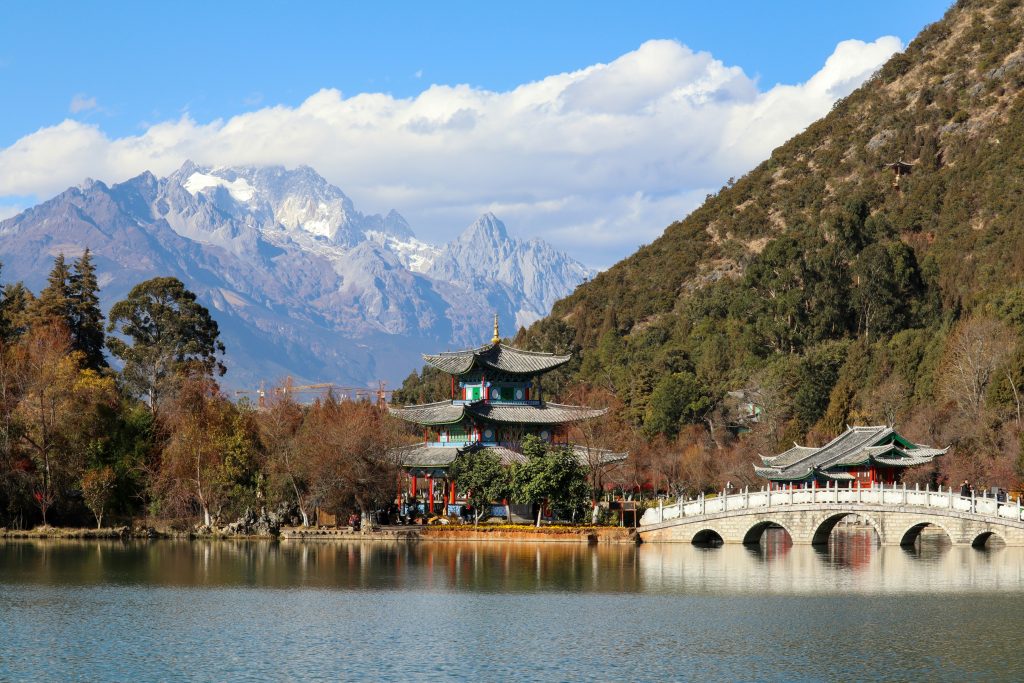
A Naxi old town of cobbles and canals in Yunnan, under a snow mountain, and the gateway to Tiger Leaping Gorge.
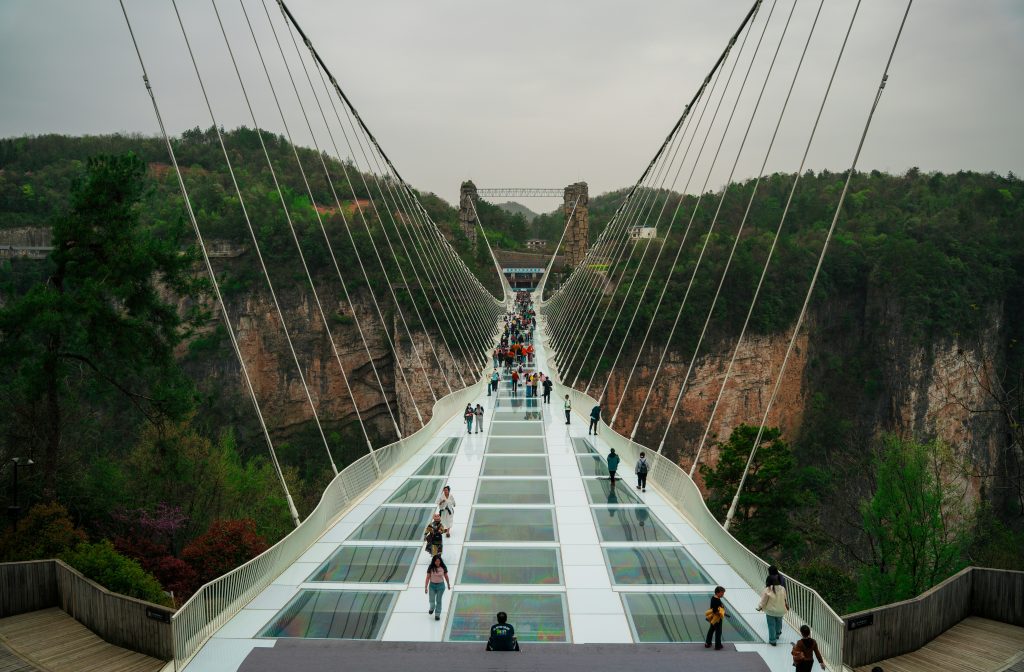
Sandstone pillars in perpetual mist, a glass bridge over a canyon, and the landscape that inspired Avatar.
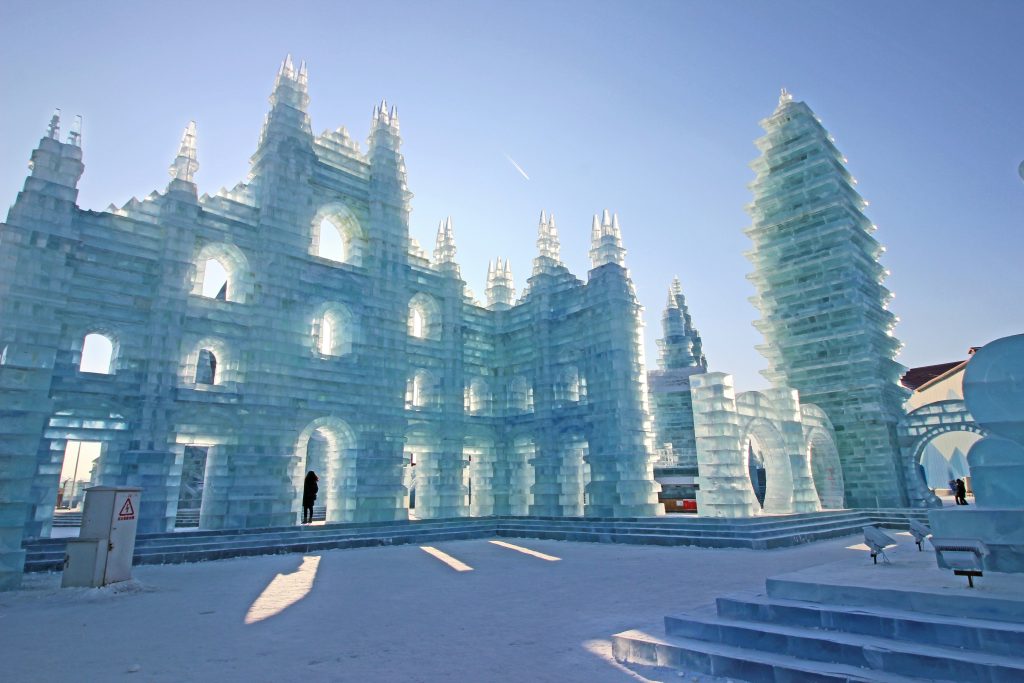
Russian architecture, minus 20 degrees, and an ice festival of illuminated buildings carved from the frozen river.
China rewards a rail route more than a base, and the food alone justifies the trip.
Four thousand years of it, and a lot of it still standing.
Eight regional cuisines and they are genuinely different.
Beijing or Shanghai in four days each.
Karst mountains, rice terraces and the Tiger Leaping Gorge.
Cheaper than most people assume.
The Great Wall is the one thing everyone does, and which section you choose matters enormously. Badaling is restored and packed; Mutianyu is restored and manageable; Jinshanling and Gubeikou are partly wild, far quieter and involve real walking. Go to one of the latter two if you can.
In Beijing, the Forbidden City needs advance booking with your passport, as do most major sites in China — turning up without a reservation increasingly means not getting in.
Xi'an's Terracotta Army is an hour from the city and the scale only works in person. Chengdu's panda base is best first thing in the morning when the animals are active and fed. Yangshuo's karst country is the one place in this list where you should just rent a bike and get lost.
Chinese food abroad is a narrow slice of one or two regional traditions. Here there are eight major cuisines and they are genuinely different: Sichuan's numbing peppercorns, Cantonese dim sum, Shandong's seafood, Hunan's chilli heat.
Street food and small restaurants are where the value is: a bowl of noodles is €1.50 to €3, dumplings by the basket are similar, and a full meal for two with beer is €8 to €15.
Two practical things. Menus often have no English and no pictures, so a translation app with a camera function is the single most useful tool you will carry. And hotpot, particularly in Chengdu and Chongqing, is the meal to do once with a group — you cook it yourself at the table and it is as much event as dinner.
Shanghai has the most international scene — rooftop bars along the Bund, cocktail bars in the former French Concession, and clubs that keep proper hours. Beijing's is scrappier and centred on Sanlitun and the bar hutongs.
KTV — private karaoke rooms rented by the hour — is the mainstream night out across the country, and going with Chinese friends or a hostel group is the way to understand it.
Beer is cheap at €1 to €3 in shops and small restaurants, though bar prices in Shanghai approach European levels. Baijiu, the national spirit, is strong, distinctive and usually drunk in toasts rather than sipped.
The high-speed rail network is the best in the world and the reason China is easy to travel: more than 48,000km of it, Beijing to Shanghai in four and a half hours, and tickets bought in the Trip.com app or at stations with your passport.
Book a few days ahead, particularly around holidays, and carry your passport — it is your ticket and is checked at the gate.
In cities, metro systems are extensive, cheap and signed in English, and DiDi is the ride-hailing app. Everything is paid through Alipay or WeChat Pay, both of which now accept foreign cards — set them up before you arrive, because cash is genuinely awkward and some places no longer handle it well.
China is cheaper than most people expect. Dorms start around €10, street noodles are €1.50 to €3, metro rides cost under a euro, and a high-speed train across the country is €50 to €80.
A comfortable day is €30 to €50. Shanghai and Beijing run higher than Chengdu, Xi'an or Yangshuo, and entry tickets to major sites at €8 to €20 add up over a route.
The payment system is the thing to prepare. Alipay and WeChat Pay now link to foreign cards and cover essentially everything, and while cash is still legal tender, many small vendors no longer keep change. Set both up while you still have unrestricted internet.
China has very low street crime and is comfortable to walk around at night, including for solo travellers. Petty theft exists at major stations and tourist sites at ordinary levels.
The practical difficulties are logistical rather than dangerous: the language barrier is real outside major hotels, the internet restrictions block the apps you rely on, and scams aimed at foreigners — the tea ceremony scam and art student scam in Beijing and Shanghai — involve friendly English speakers leading you to a venue with an enormous bill. The rule is the same as everywhere: do not follow a stranger to a bar or shop.
Politically, avoid photographing police or military sites and be aware that discussing sensitive topics publicly, or on Chinese apps, is not private. Xinjiang and Tibet have separate permit and access requirements.
This is the part that has changed most. Most EU, UK, Canadian, Australian and New Zealand passports can now enter visa-free for up to 30 days, under a scheme that currently runs to 31 December 2026. US citizens still need a visa, but like many other nationalities can use 240-hour visa-free transit at a large number of ports.
Both schemes have been expanded repeatedly and are described as trials, so check the official Chinese embassy position for your nationality close to booking — this is the most fast-moving entry situation in this guide.
Where visa-free does not apply, tourist visas are applied for in advance with an itinerary and accommodation bookings. Passports need six months' validity.
Spring and autumn are the answer. Avoid the two Golden Week holidays, when hundreds of millions of people travel at once and every site is overwhelmed.
Average highs for Beijing, which has extreme seasons. The south is subtropical. The two Golden Weeks — early May and the first week of October — and Chinese New Year are when domestic travel makes everything impossible.
Pick how you travel and how long for. Per night, for one person, in euro equivalents of yuan.
Excludes high-speed rail between cities at €50–80 a leg. Major site tickets run €8–20 each and add up over a route.
Three dates dominate the calendar, and all three are when not to travel.
 Staff pick
The China Open Tennis Tournament is a premier event on the ATP and WTA tours, attracting top players from around the world to compete…
 Staff pick
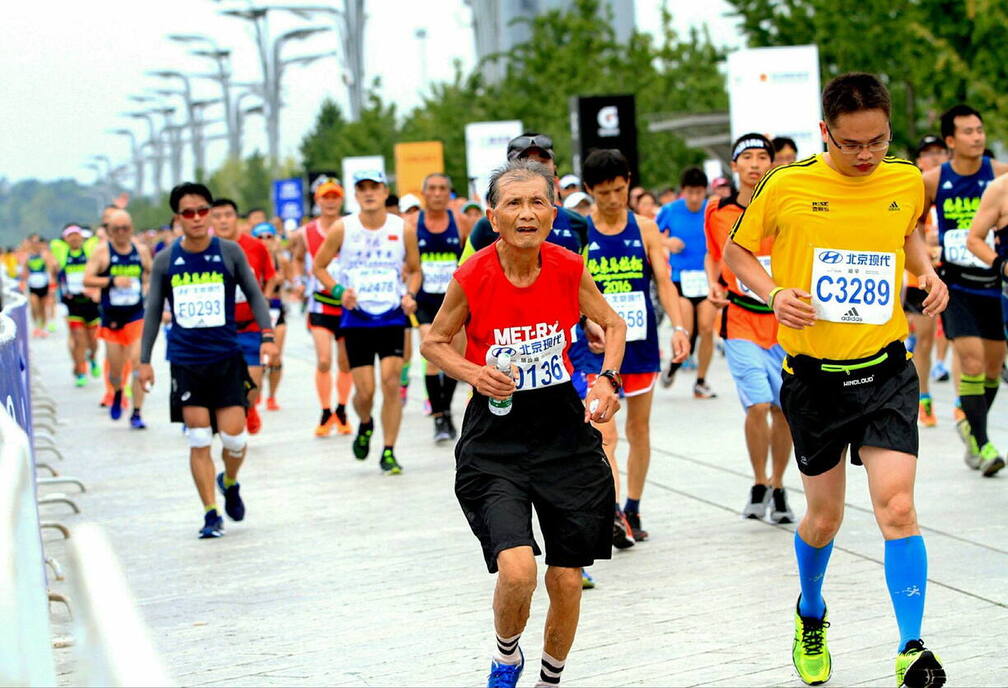
The Beijing International Marathon is a prestigious annual race that has drawn runners from around the world since 1981. Starting at the iconic Tiananmen…
 Staff pick
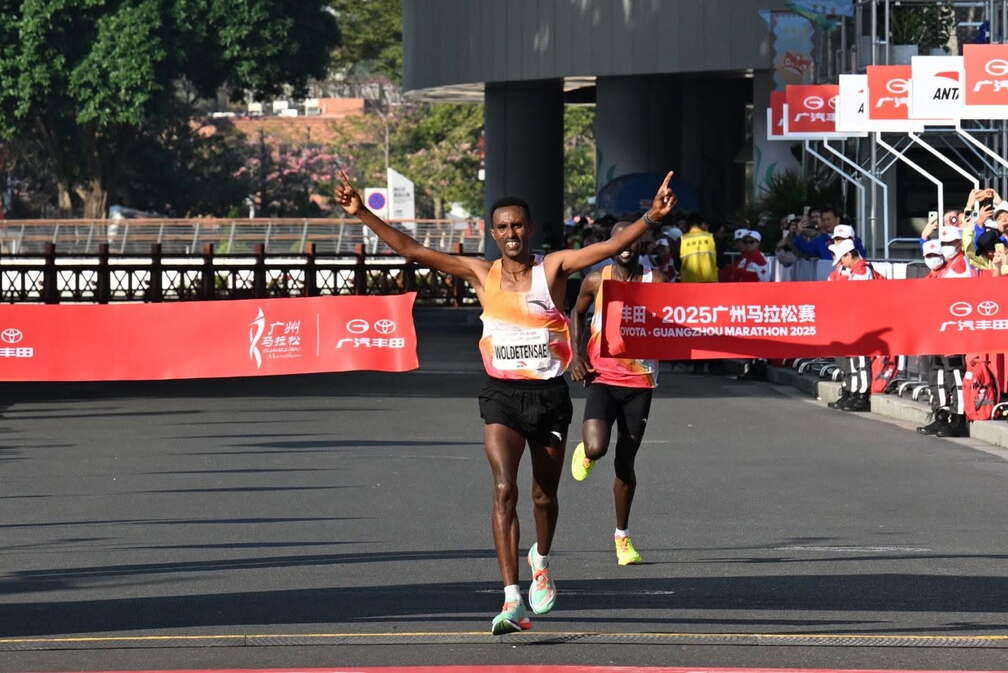
The Guangzhou Marathon, held in Guangzhou, China, is a celebrated event that brings together elite athletes and fitness enthusiasts from around the world. Established…
 Staff pick
The World Triathlon Cup Beijing brings elite triathletes from around the globe to China, for a thrilling test of endurance and skill over the…
 Staff pick
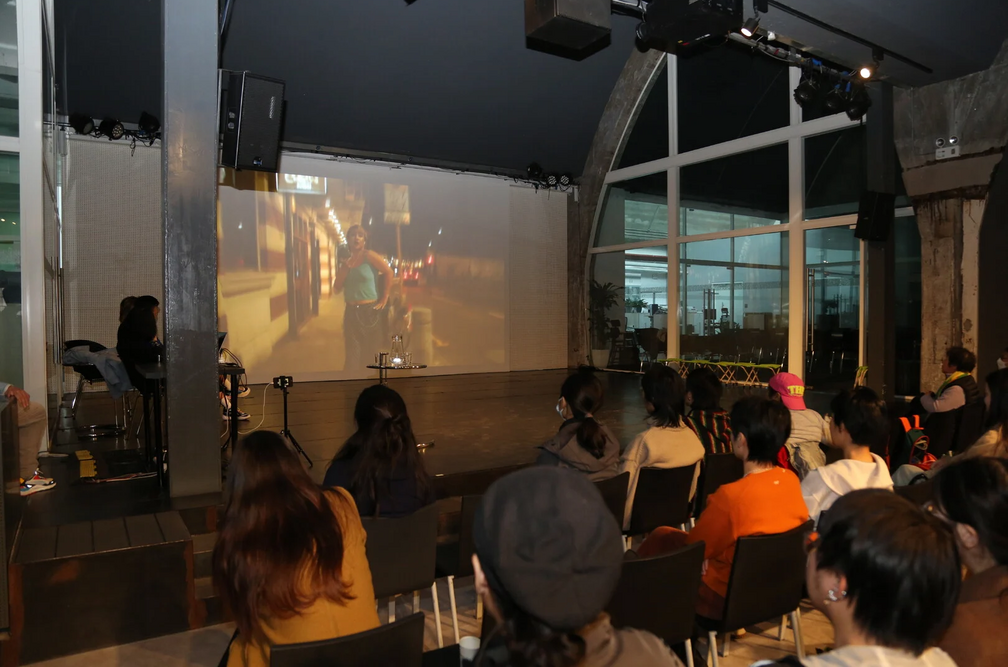
The Beijing Queer Film Festival, also known as Love Queer Cinema Week, is China’s longest-running grassroots LGBTQIA+ film event, founded in 2001. Navigating strict…
 Staff pick
The World Aquatics Swimming Championships (25m) brings together the world’s top swimmers for a thrilling showcase of speed and skill in a 25-meter pool.…

Joker Xue brings a theatrical concert experience to Chengdu's Sports Park, where dramatic themes of transformation and power play out through light, shadow, and…

Steve Chou, known as the "Godfather of Love Songs," brings his upgraded "Unforgettable, Reunion Plus" stadium tour to Beijing. His catalog spans generations of…
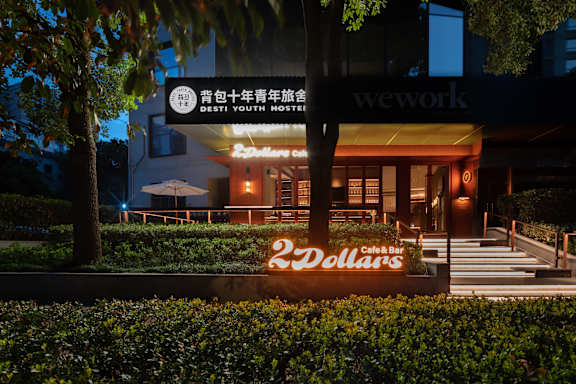
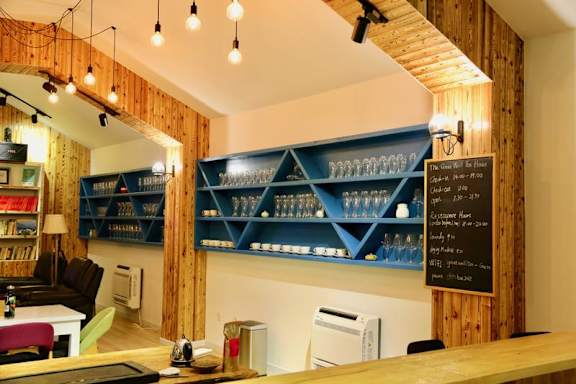
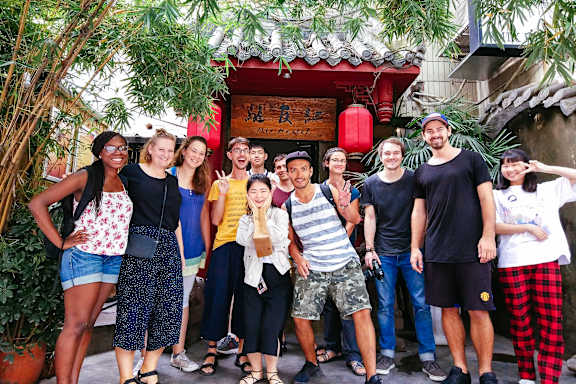
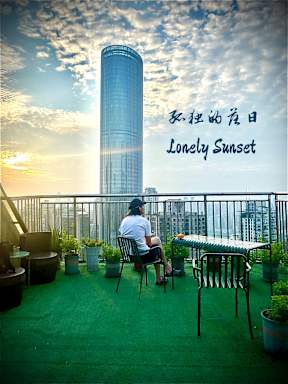
The highest-rated hostels in the country, live from Hostelworld. Note that not all Chinese accommodation accepts foreign guests, so booking through a platform avoids the problem.

The ones we get asked most.

Compare hostels across China — live prices, real reviews and free cancellation on most bookings. Then meet the people already there in the app.

 Get the App.
 Get the App.